มัสยิดบางอ้อ
อ่านเพิ่มเติม
มัสยิดบางอ้อ
- ที่ตั้ง เลขที่ 143 ซอยจรัญสนิทวงศ์ 86 แขวงบางอ้อ เขตบางพลัด กรุงเทพมหานคร
- ผู้ครอบครอง มัสยิดบางอ้อ
- ปีที่สร้าง พ.ศ. 2462
- สถาปนิก / ผู้ออกแบบอนุรักษ์ ธนารัตน์ สอดทรัพย์
- ปีที่ได้รับรางวัล พ.ศ. 2559
- ประเภท อาคารปูชนียสถานและวัดวาอาราม
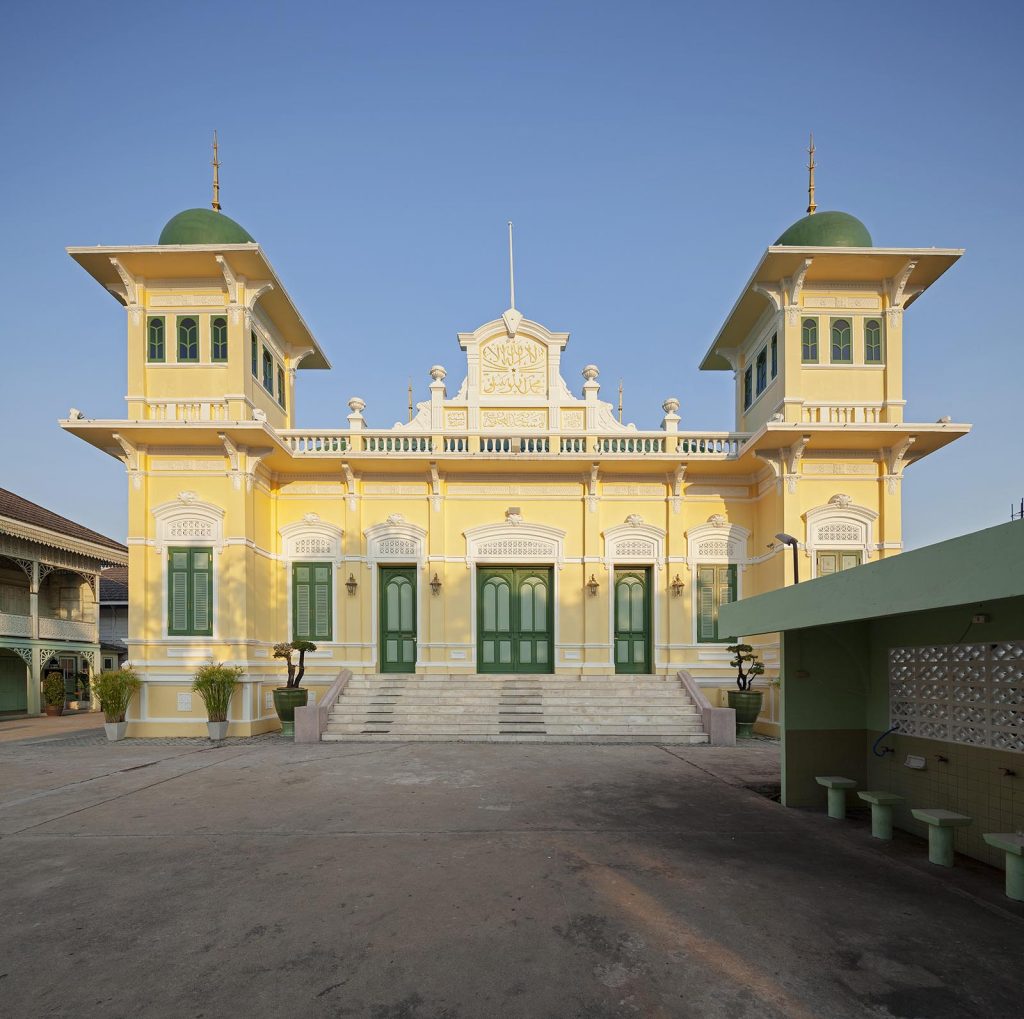
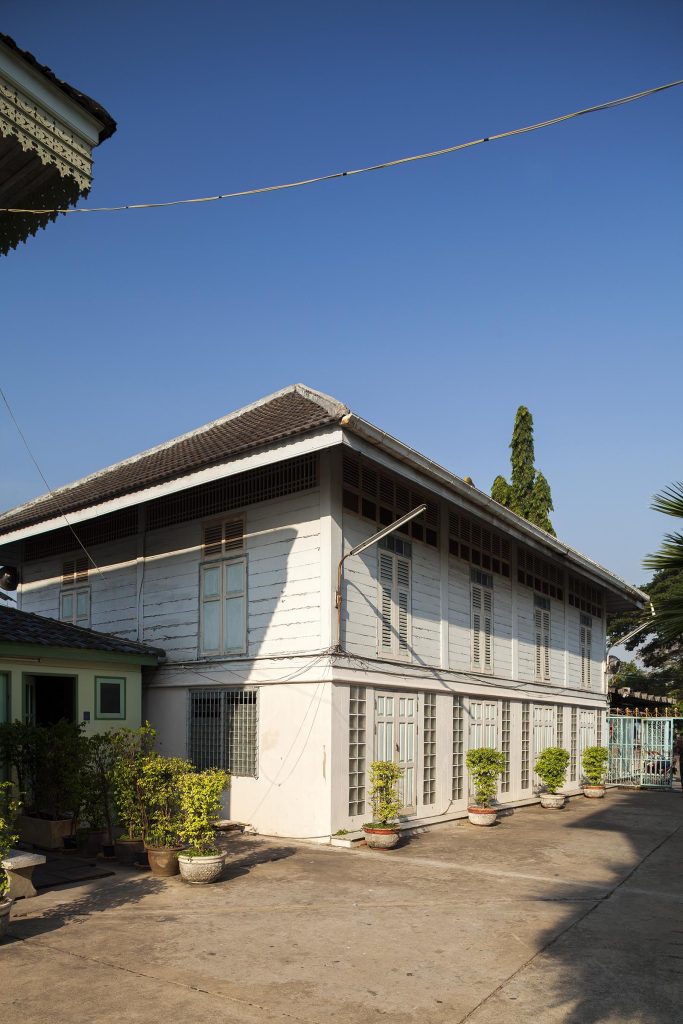
มัสยิดบางอ้อสร้างโดยสัปบุรุษในชุมชนมัสยิดบางอ้อซึ่งเป็นพ่อค้าชาวมุสลิมเชื้อสายเปอร์เซียที่อพยพมาจากอยุธยาเมื่อครั้งเสียกรุง และมาตั้งถิ่นฐานบริเวณริมแม่น้ำเจ้าพระยาซึ่งเป็นที่รู้จักในนามของ “แขกแพ” ต่อมาจึงขยับขยายขึ้นมาสร้างบ้านเรือนและมัสยิดบนที่ดินริมแม่น้ำจนเติบโตเป็นชุมชนขนาดใหญ่ที่ประสบความสำเร็จในการเดินเรือและการค้าไม้ โดยในอดีตจะใช้แพเป็นที่ประกอบพิธีจนเมื่อเวลาผ่านไปผู้คนมากขึ้นจึงได้ขยับขยายมาสร้างมัสยิดบนพื้นดินเป็นอาคารไม้ทรงสี่เหลี่ยมขนาดพอ ๆ กับเรือนแพ หลังจากนั้นในระหว่าง พ.ศ. 2448 – 2458 ได้มีการสร้างมัสยิดถาวรขึ้นเป็นอาคารไม้ทรงปั้นหยาที่ใหญ่กว่าเดิมเพื่อใช้เป็นที่ละหมาดและศึกษาคัมภีร์อัลกุรอาน จนกระทั่งใน พ.ศ. 2462 จึงได้สร้างอาคารมัสยิดหลังปัจจุบันขึ้น บริเวณโดยรอบมัสยิดยังมีอาคารเรียนเก่าชื่อ เจริญวิทยาคาร เป็นอาคารไม้แบบเรือนขนมปังขิง อาคารอเนกประสงค์ ศาลาริมน้ำ และกุโบร์หรือสุสานมุสลิม
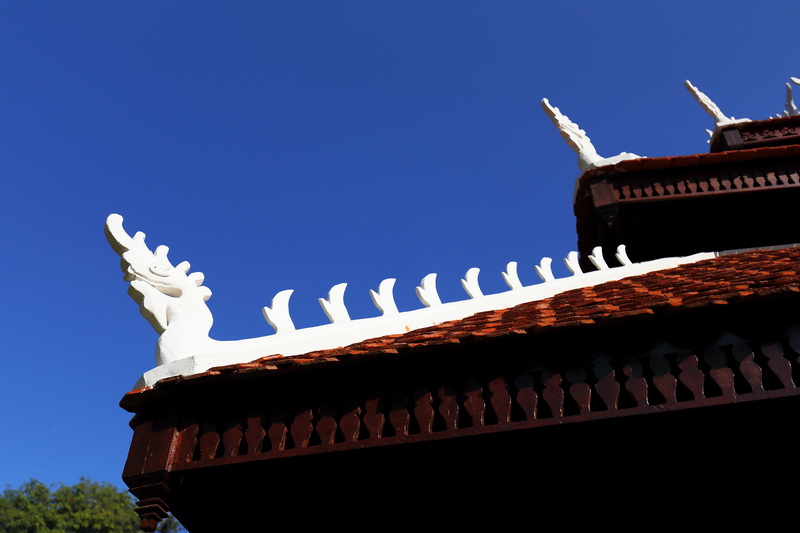
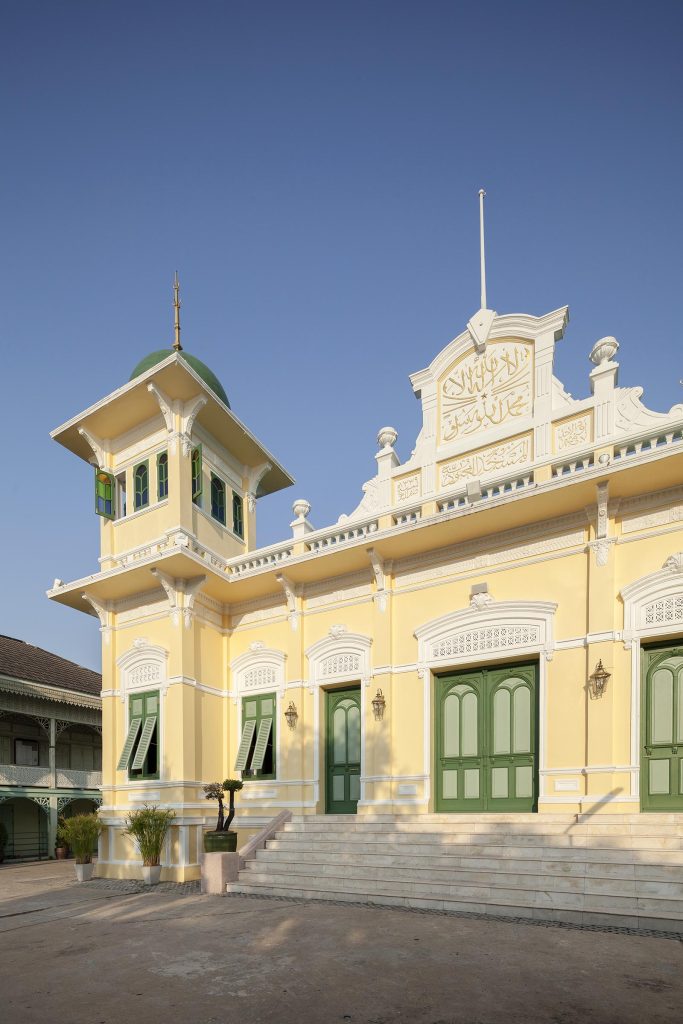
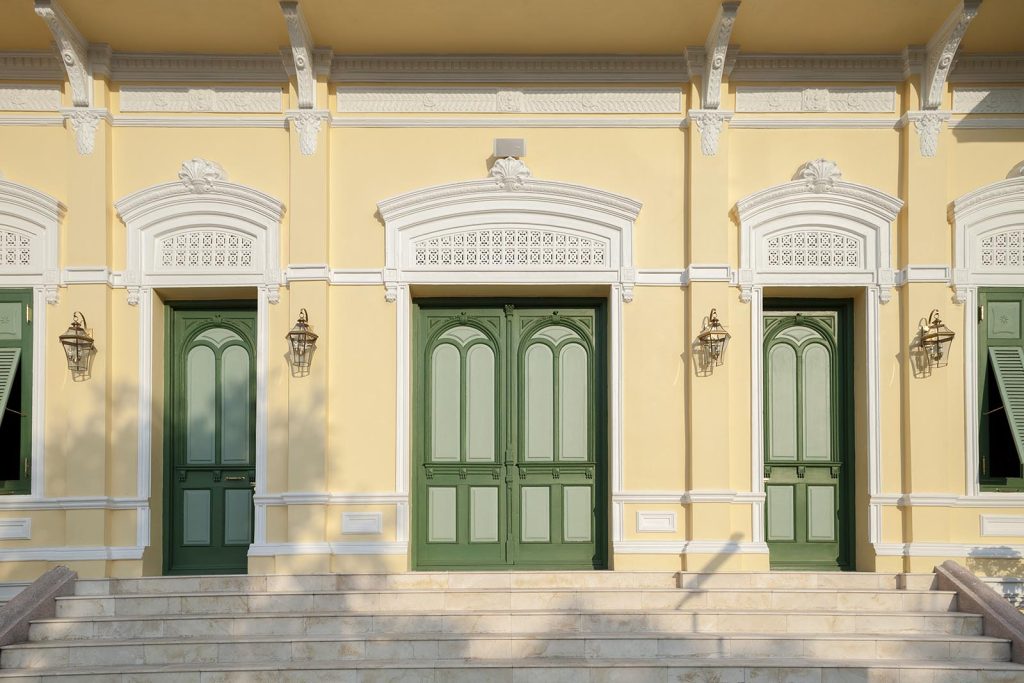
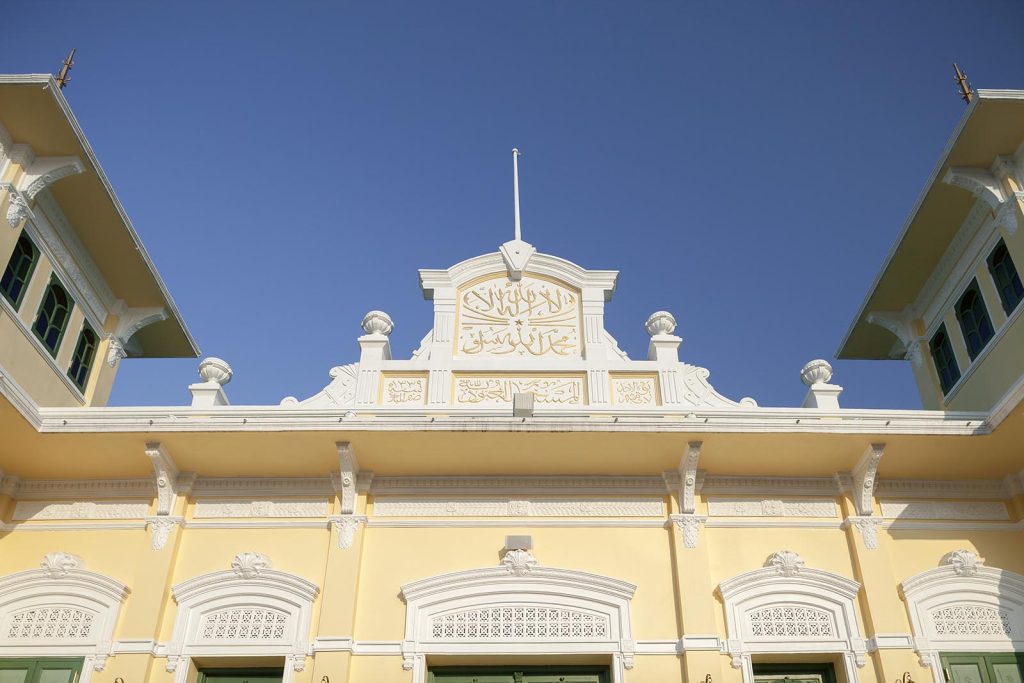
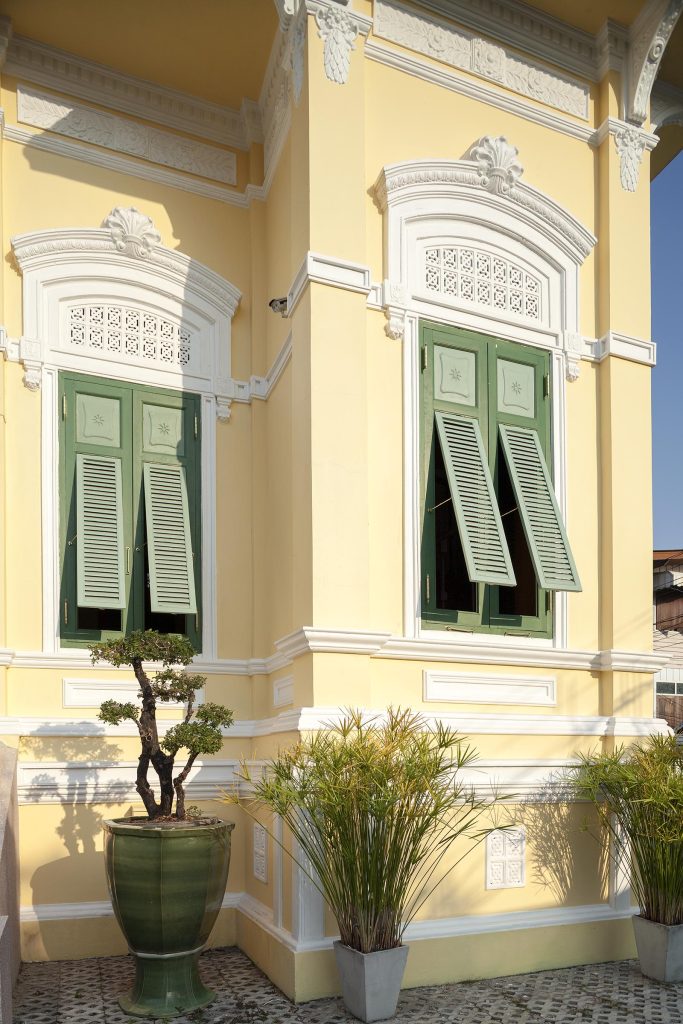
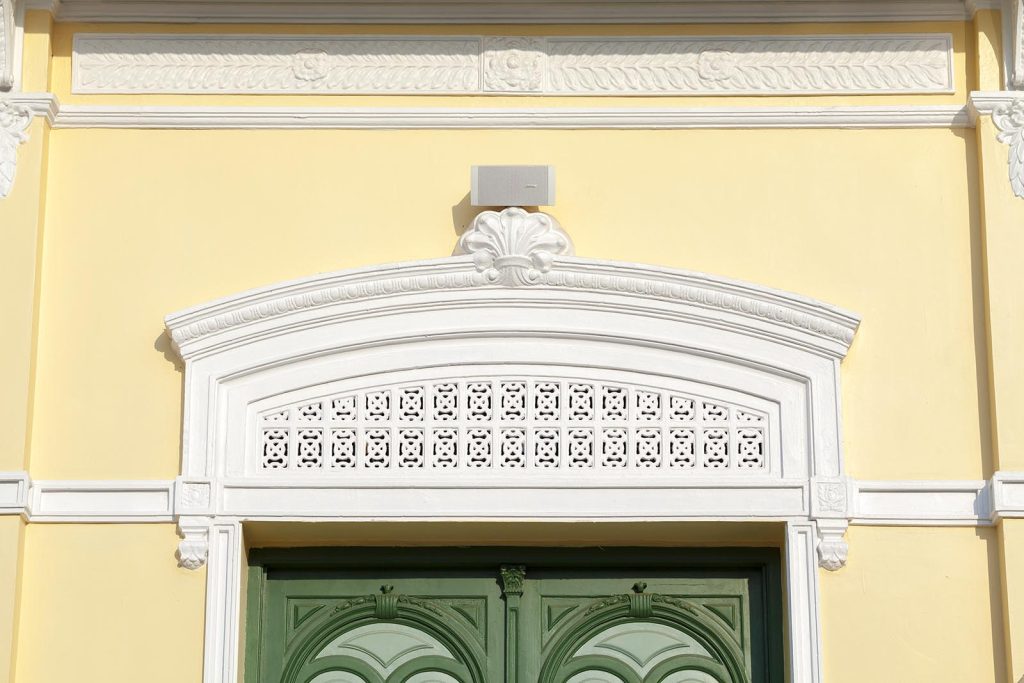
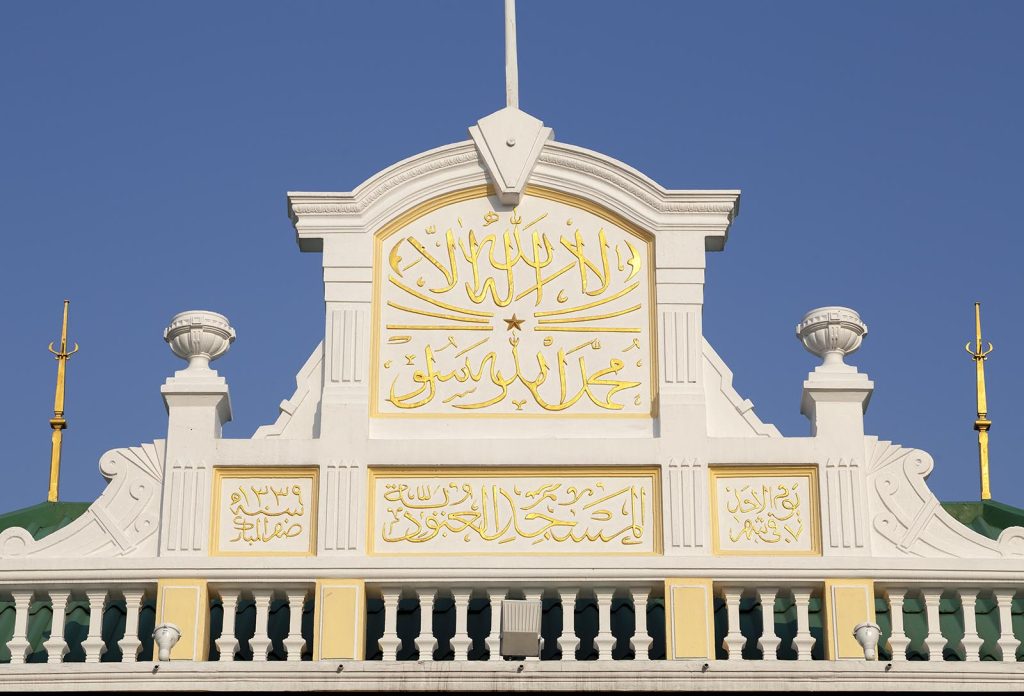
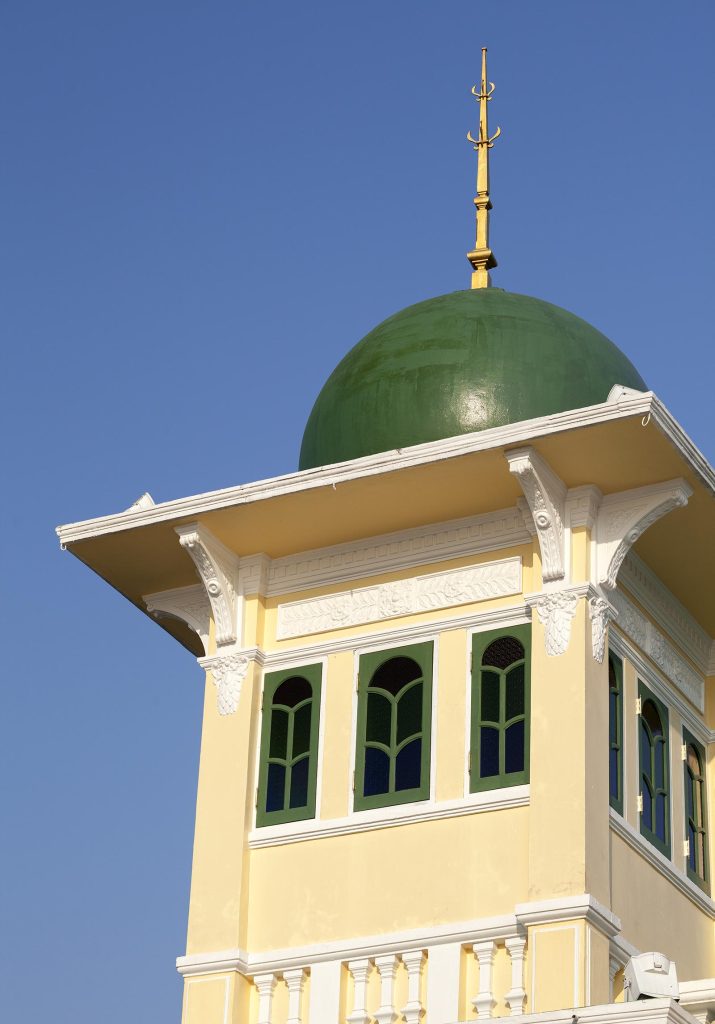
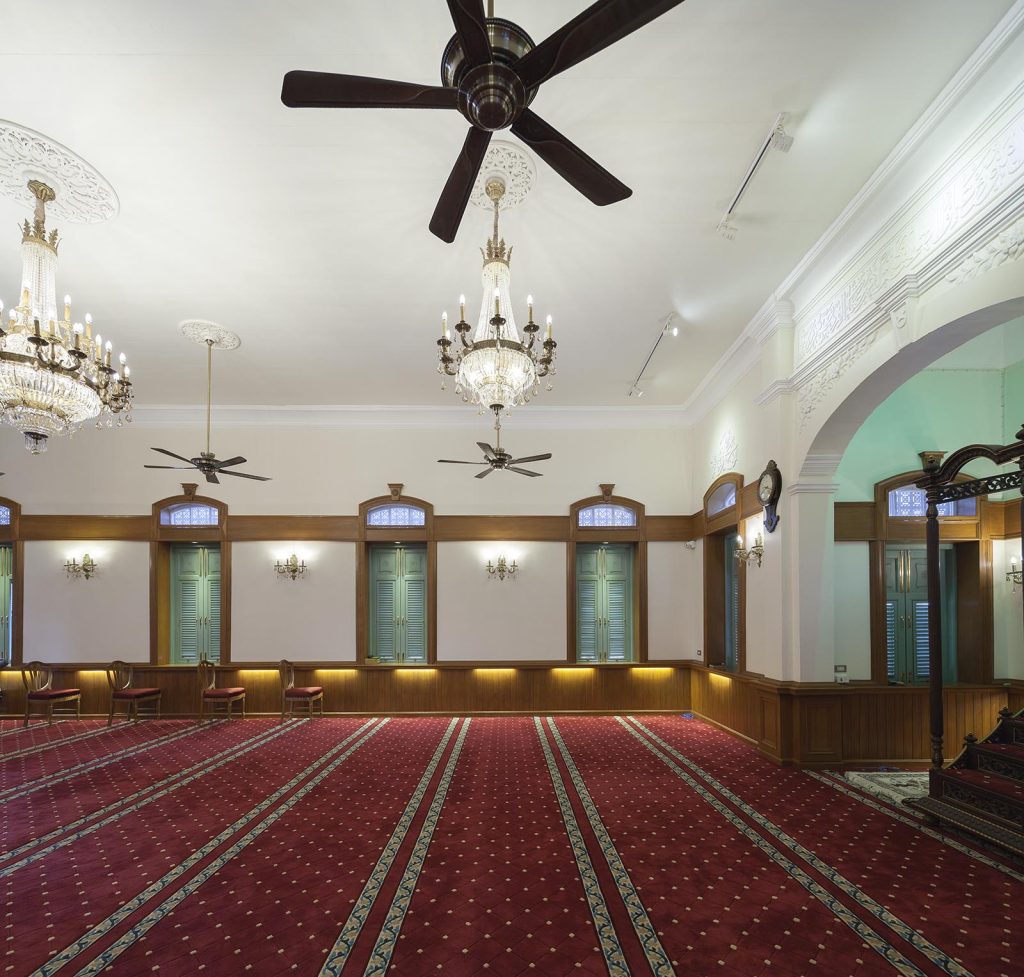
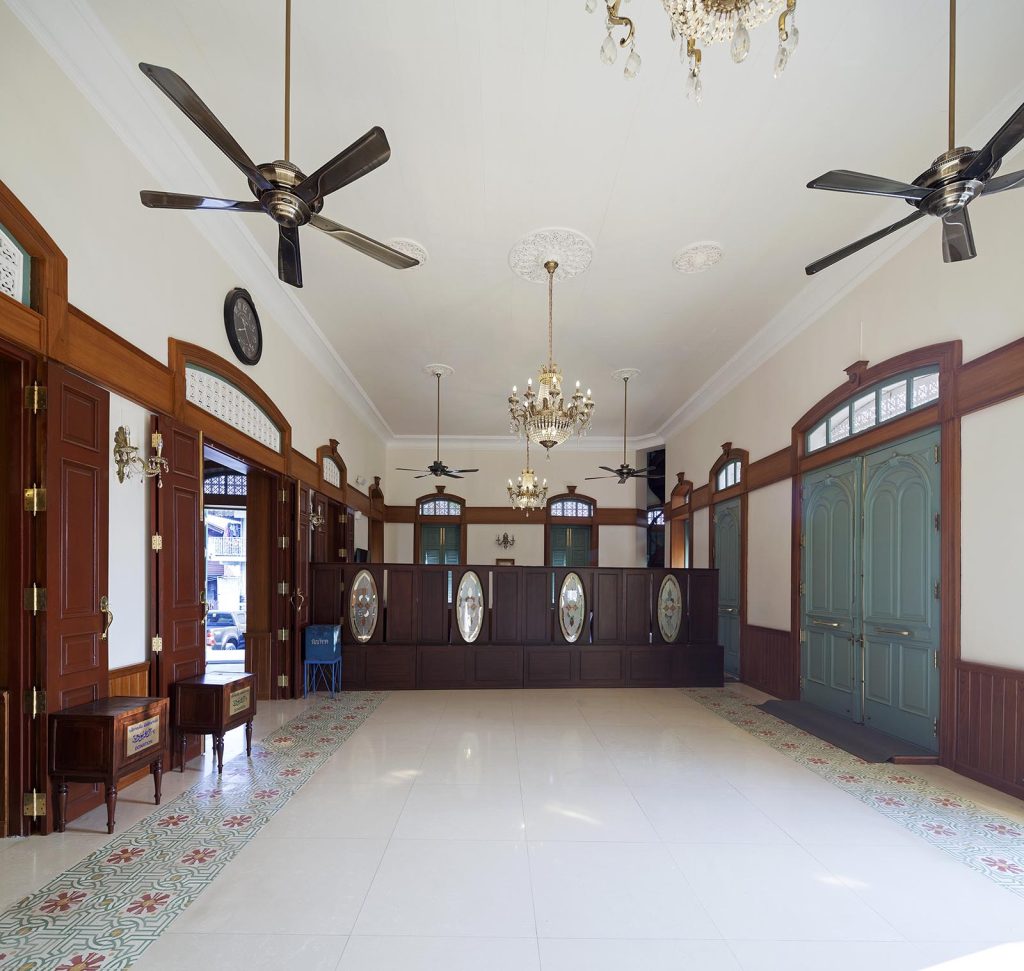
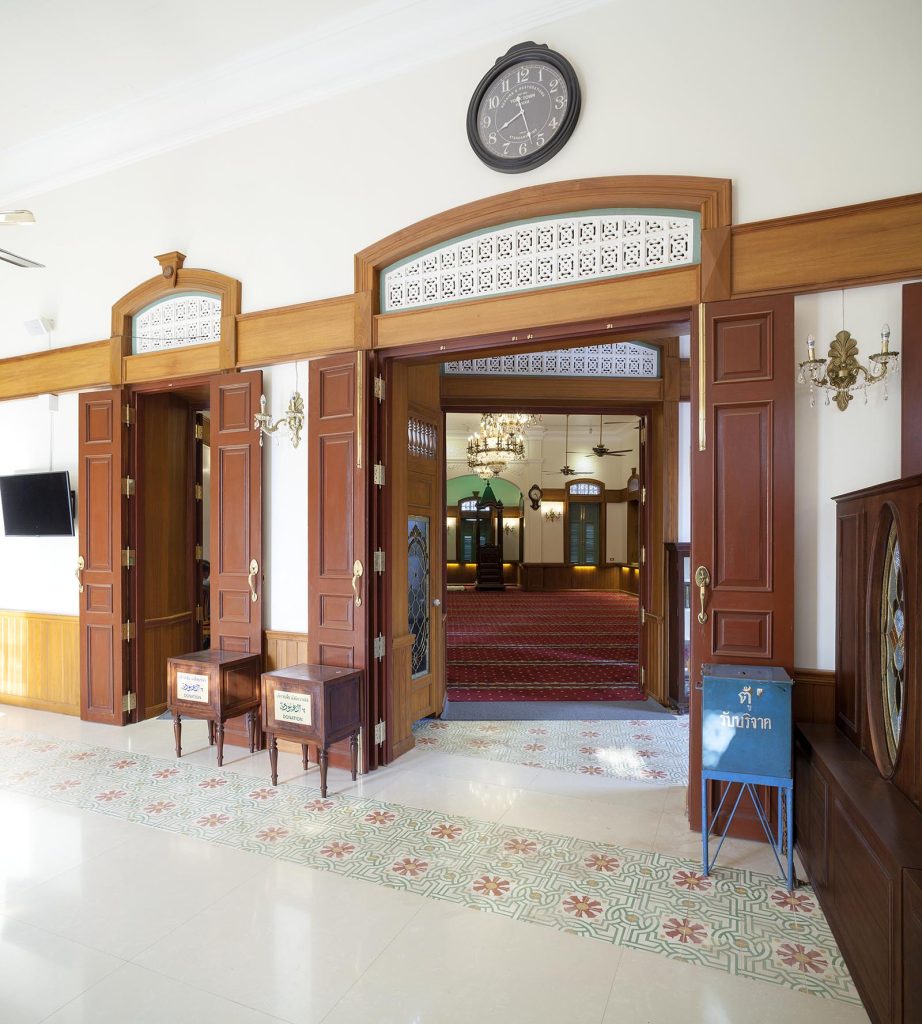
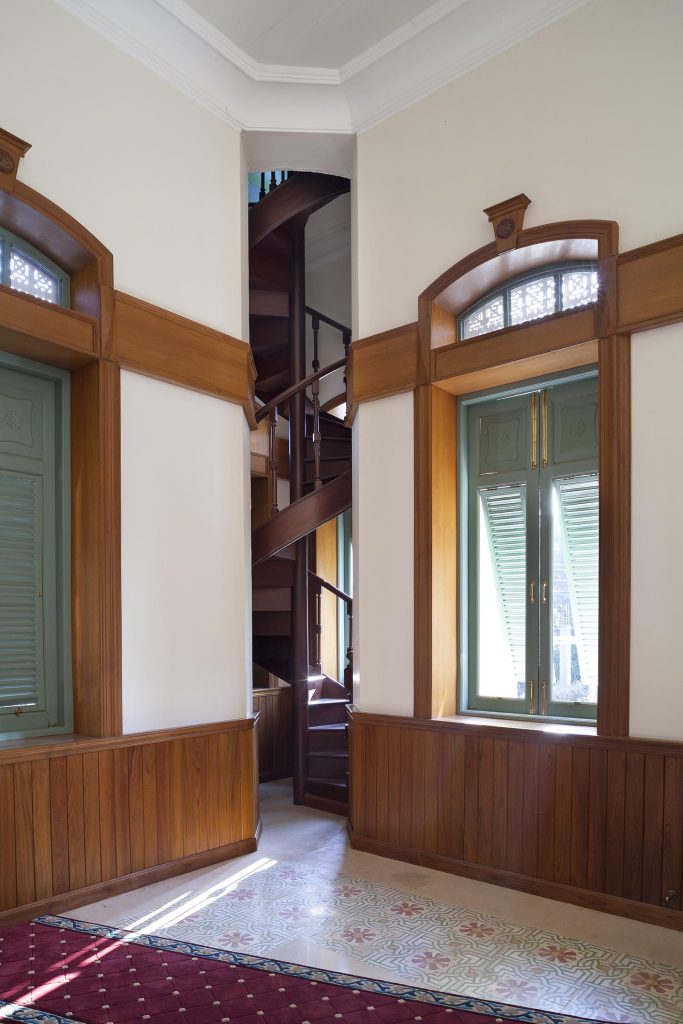
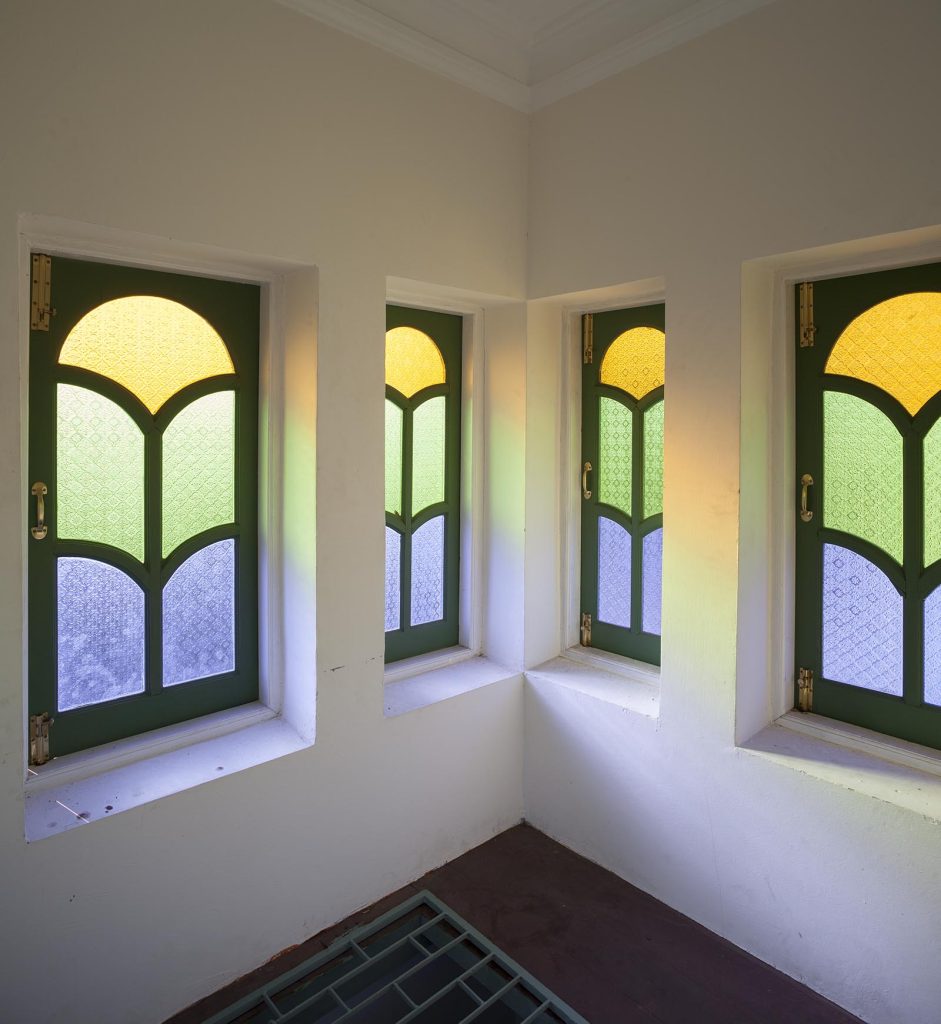
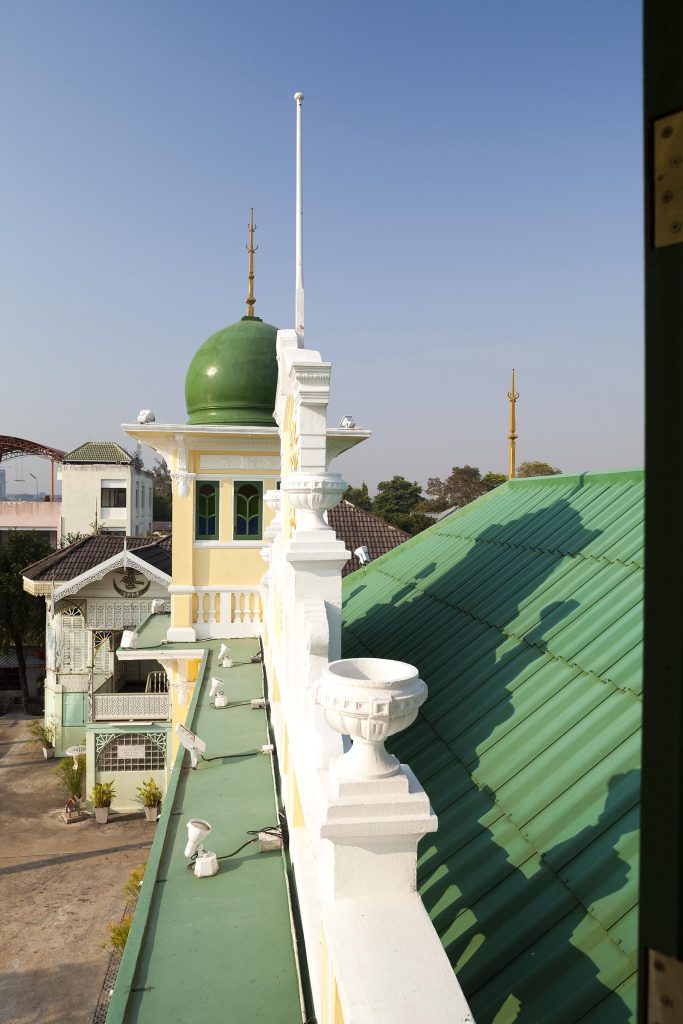
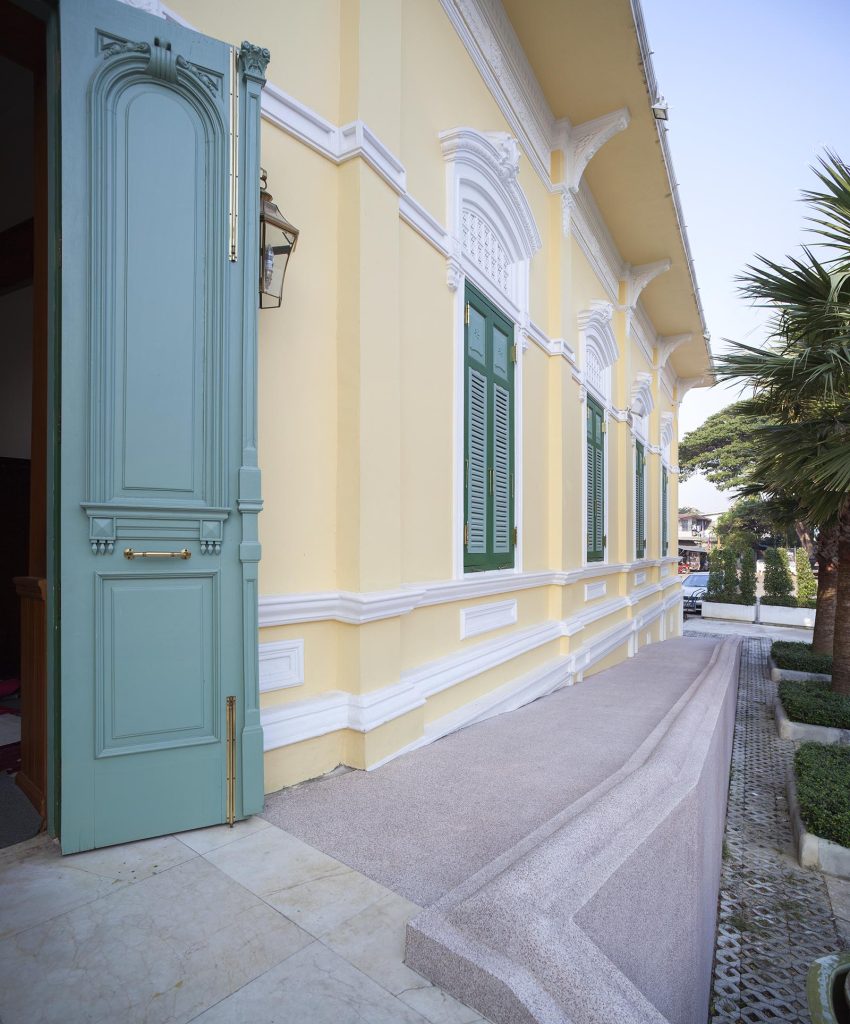
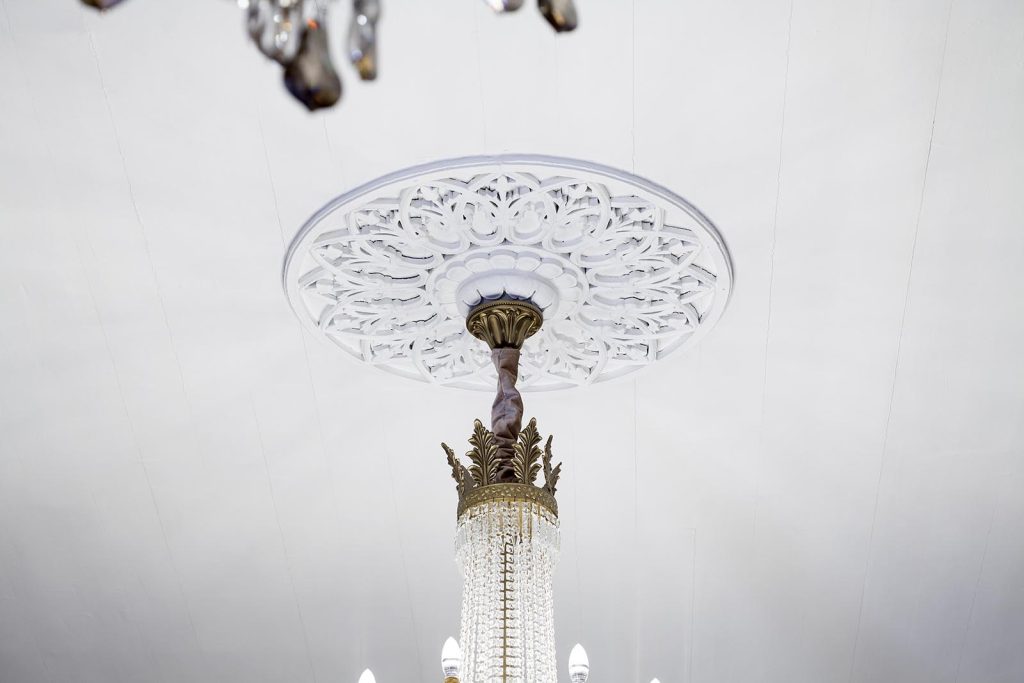
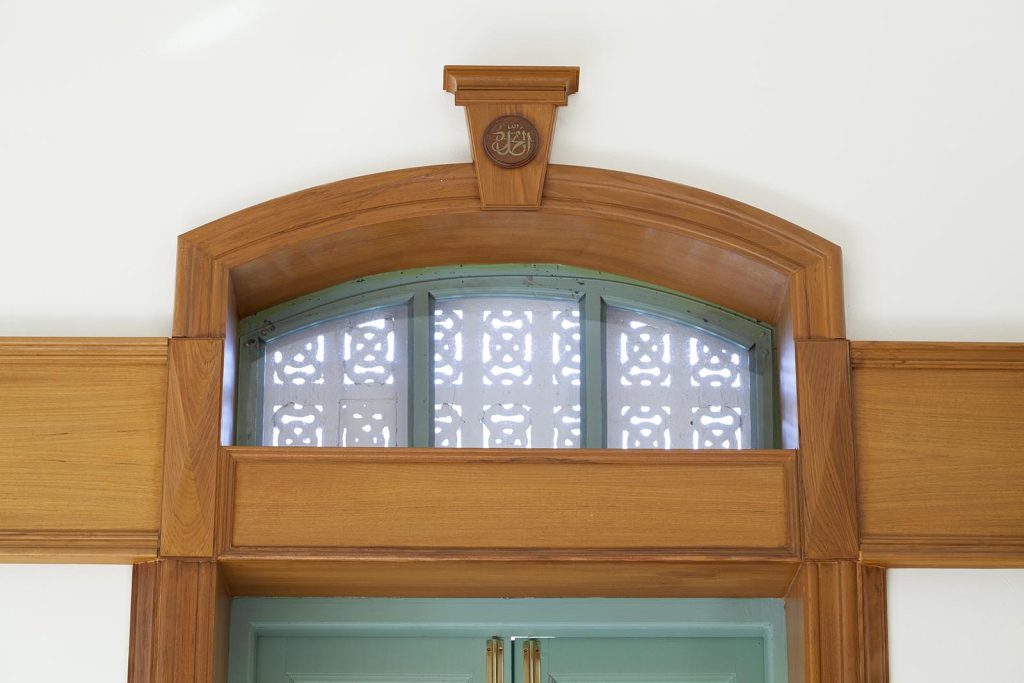
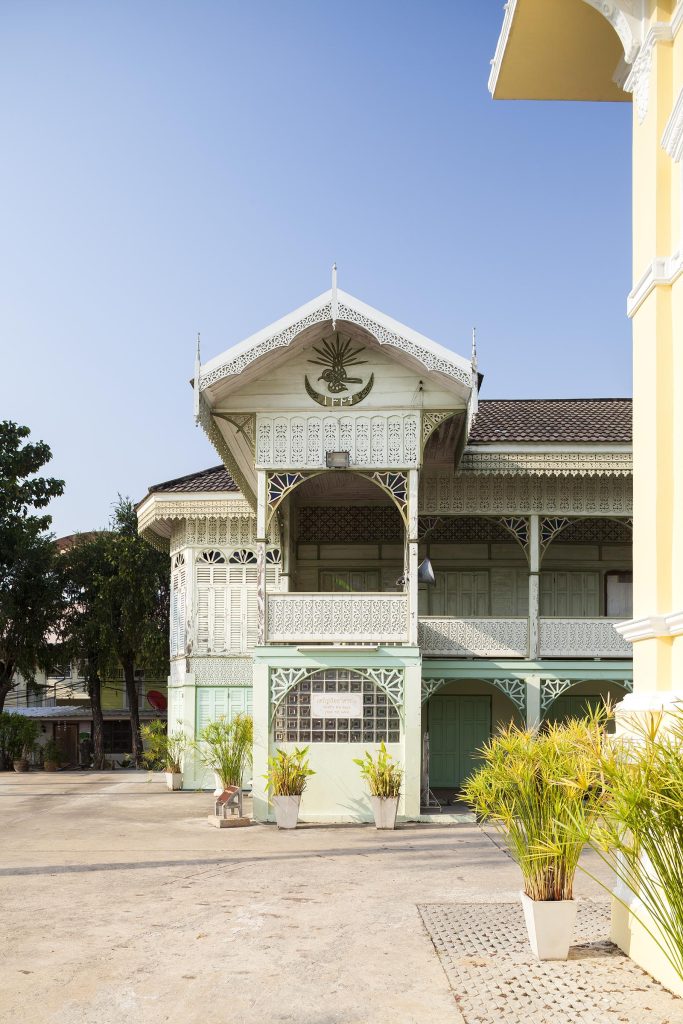
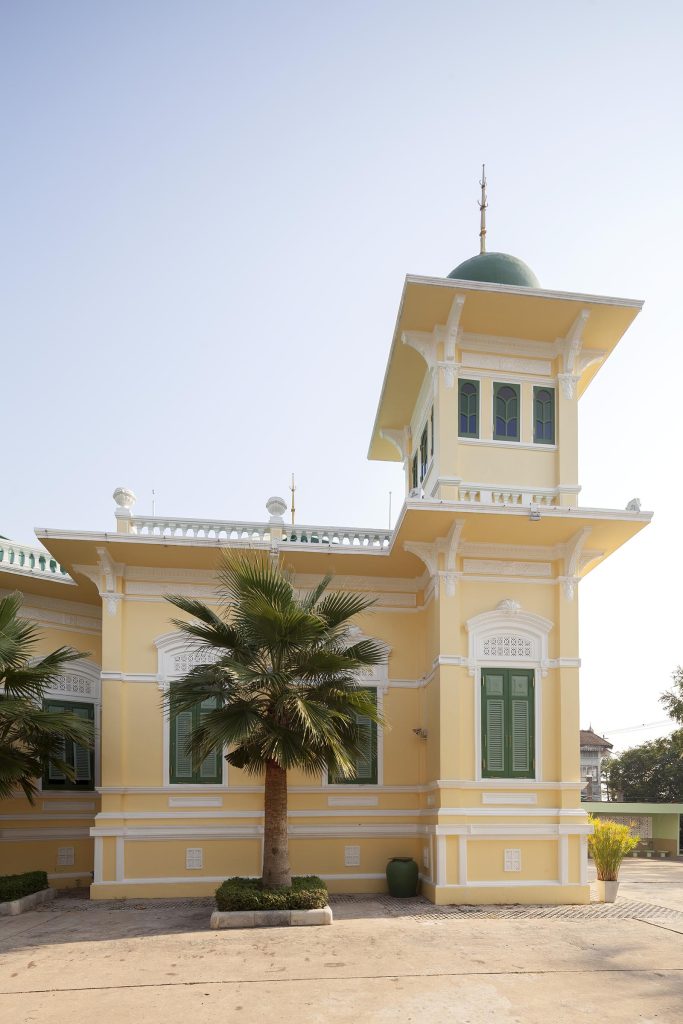
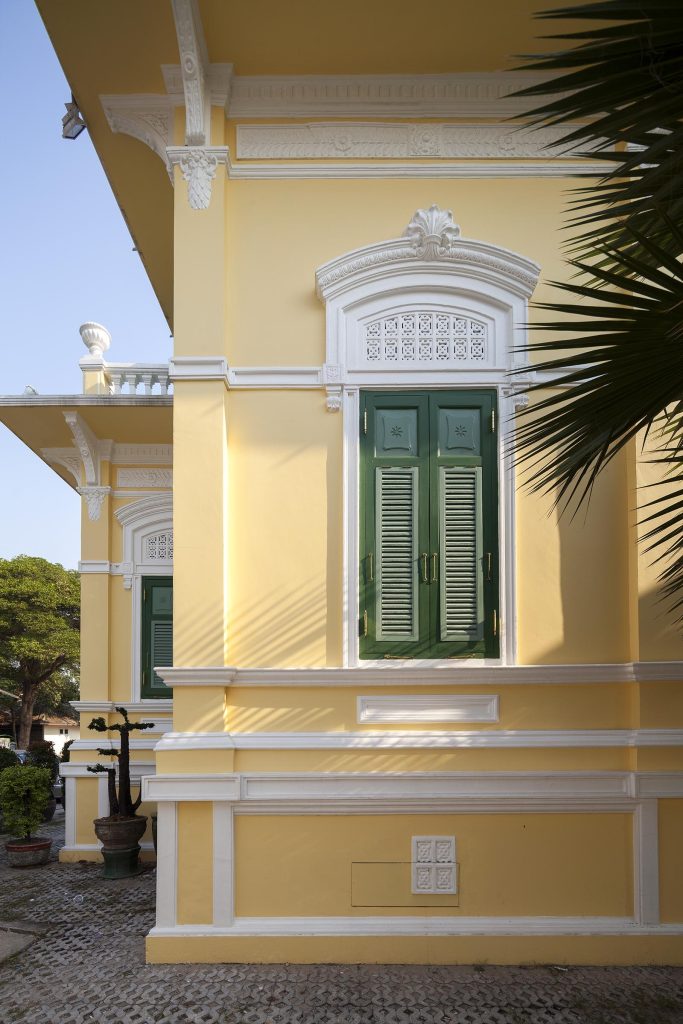
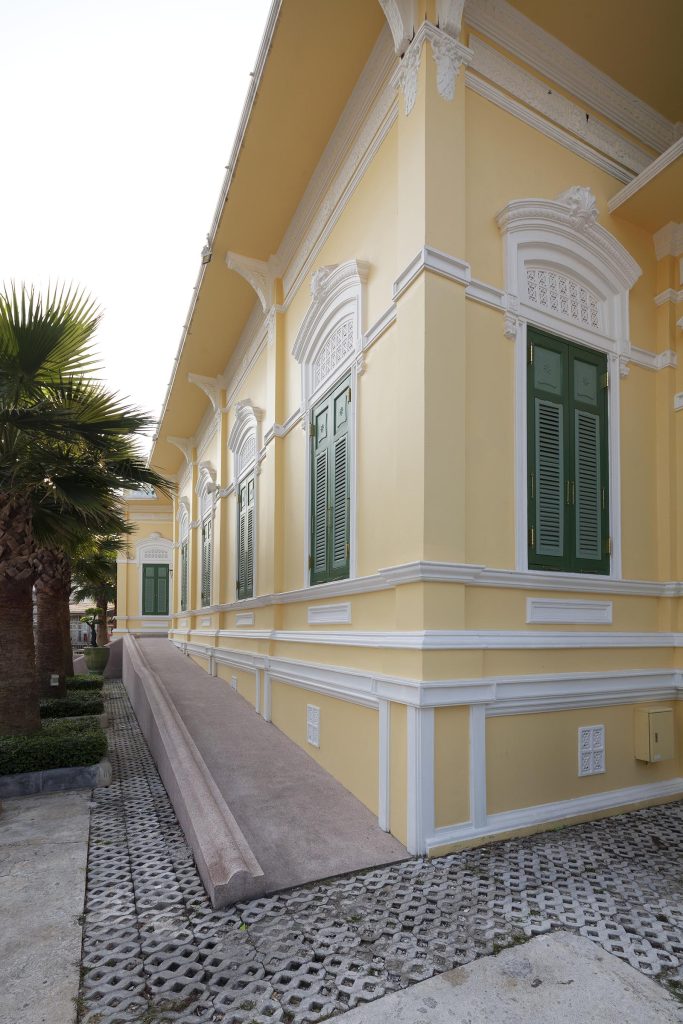
มัสยิดบางอ้อเป็นอาคารก่ออิฐถือปูนชั้นเดียวกว้าง 12 เมตร ยาว 24 เมตร ลักษณะทางสถาปัตยกรรมโคโลเนียลแบบนีโอคลาสสิคผสมผสานกับสถาปัตยกรรมอิสลาม หลังคาเป็นทรงปั้นหยามีหลังคาคอนกรีตยื่นโดยรอบ และมีลูกกรงระเบียงที่มีลวดลายปูนปั้นและเครื่องประดับโดยรอบหลังคา มุขด้านหน้ามีลวดลายปูนปั้นจารึกคำปฏิญาณตนของมุสลิมว่า “ลาอิลา ฮะอิล ลัลเลาะห์มูฮ้าหมัด รอซูล ลุลเลาะห์” พร้อมจารึก บ่าวผู้ภักดี และวัน เดือน ปี ที่เริ่มใช้มัสยิดหลังนี้ใน พ.ศ. 2462 ตรงกับปฏิทิน อิสลาม ฮ.ศ. 1339 มีหอคอยหลังคาทรงโดมขนาบทั้งสองข้างทั้งด้านหน้าและด้านหลัง ประตูและหน้าต่างเป็นไม้ ช่องลมเหนือประตูและช่องหน้าต่างเป็นปูนปั้นทรงโค้งแบบคลาสสิค
มัสยิดบางอ้อได้รับการทำนุบำรุงเป็นอย่างดีจากผู้นำทางศาสนาและชุมชนตลอดระยะเวลาที่ผ่านมา การบูรณะอาคารครั้งล่าสุดเกิดขึ้นเมื่อ พ.ศ. 2555 – 2556 ภายหลังเกิดอุทกภัยครั้งใหญ่ โดยใช้วิธีดีดยกอาคารและปรับปรุงซ่อมแซมส่วนประกอบต่างๆ ของอาคาร ด้วยความร่วมมือร่วมใจของชาวชุมชน นักวิชาการ และความช่วยเหลือด้านงบประมาณจากกรมศิลปากร ส่งผลให้การบูรณะอาคารเป็นไปด้วยความเรียบร้อย สามารถรักษาคุณค่าทางประวัติศาสตร์และสถาปัตยกรรมเหมือนเช่นในอดีตที่ผ่านมา
Bang O Mosque
- Location: No. 143 Soi Charansanitwong 86, Khwaeng Bang O, Khet Bang Phlat, Bangkok
- Proprietor: Bang O Mosque
- Construction Date: 1919
- Architect/Conservation Designer: Thanarat Sotsap
- Conservation Awarded Date: 2016
- Category: Places of worship and monasteries
Bang O Mosque was built by the Muslims in Bang O community, who were descendants of Persian merchants who migrated from Ayutthaya when it was defeated by the Burmese. This group of people settled and built their mosque on the riverbank, which has developed into a large Muslim community famous for maritime trade and wood merchandise. In the past, religious ceremonies were held on a raft until the number of worshippers outgrew the place, thus the new mosque was built on ground circa 1905 – 1915 as a wooden building, hip roof, built for holding Namaz praying and study of the Al Quran. It was used until 1919 when the present mosque was built. Around the mosques, several old buildings are located namely, “Charoen Witthayakhan” a schoolhouse made of wood in Gingerbread style, multi-purpose building, water pavilion and Kubor or the cemetery of the Muslims.
Bang O Mosque is a single storey, brick masonry building, 12×24 meters, the architecture is Neoclassical colonial mixed with Islamic styles, hip roof with projected concrete awnings around the building, surrounded with cement balustrades and decorations. The front porch is decorated with stuccos in the Islamic statement of belief, “La Ilaha Illallah Muhammadur Rasulullah”, and inscriptions meaning “faithful servant” and the founding date of the mosque in Hijri era 1339 (1919 CE). There are 2 domes to the front and rear of the building, doors and windows are wooden with stucco-framed fanlights in classical style.
Bang O Mosque has been well-conserved and maintained by religious leaders and people in the community along the course of time. The latest restoration was during 2012 – 2013 after a great flood, including elevating the building and repairing building elements. The project was carried out by collaboration of community people, academics, and financial support from the Fine Arts Department, resulting in the achievement of the goals in conservation of the building’s historical and architectural values.
พุทธาวาส วัดภคินีนาถวรวิหาร
อ่านเพิ่มเติม
พุทธาวาส วัดภคินีนาถวรวิหาร
- ที่ตั้ง เลขที่ 295 ถนนราชวิถี 21 แขวงบางยี่ขัน เขตบางพลัด กรุงเทพมหานคร
- ผู้ครอบครอง วัดภคินีนาถวรวิหาร
- ปีที่สร้าง พ.ศ. 2200
- สถาปนิก/ผู้ออกแบบอนุรักษ์ จี้เท้ง ปิยะกาญจน์
- ปีที่ได้รับรางวัล พ.ศ. 2559
- ประเภท อาคารปูชนียสถานและวัดวาอาราม
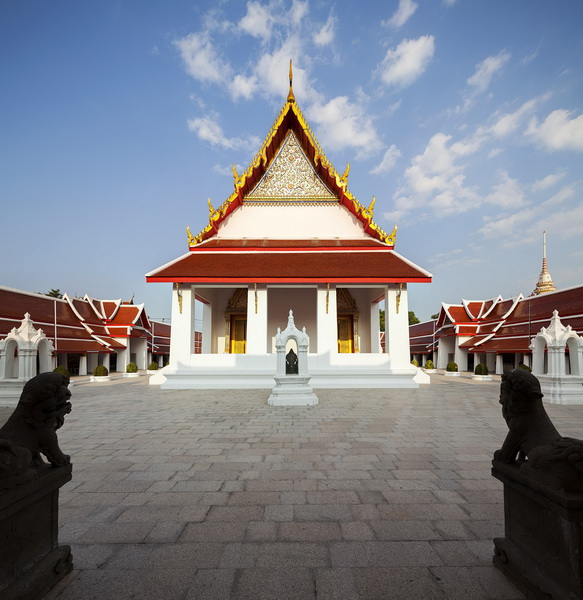
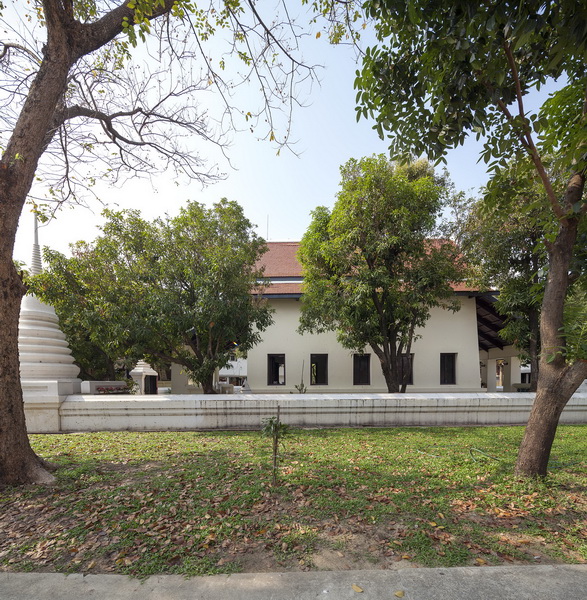
วัดภคินีนาถวรวิหาร เดิมชื่อ วัดบางจาก ตั้งอยู่ริมแม่น้ำเจ้าพระยาตรงปากคลองบางจากฝั่งซ้าย เรียกอีกอย่างหนึ่งว่า วัดนอก เป็นวัดโบราณที่มีมาตั้งแต่พ.ศ. 2200 ได้รับพระราชทานวิสุงคามสีมาเมื่อพ.ศ. 2325 ในรัชสมัยรัชกาลที่ 2 โดยที่สมเด็จเจ้าฟ้าประไพวดี กรมหลวงเทพยวดี ราชธิดาองค์ที่ 9 ในพระบาทสมเด็จพระพุทธยอดฟ้าจุฬาโลกมหาราช ทรงบูรณปฏิสังขรณ์ใหม่ทั้งพระอาราม ได้เปลี่ยนพระอุโบสถเดิมเป็นพระวิหาร แล้วทรงสร้างพระอุโบสถหลังใหม่ขึ้น พร้อมด้วยพระระเบียง และพระเจดีย์ พระบาทสมเด็จพระพุทธเลิศหล้านภาลัยได้พระราชทานนามว่า วัดภคินีนาถ แปลว่า วัดของพระน้องนาง
ตลอดระยะเวลาที่ผ่านเสนาสนะและสิ่งก่อสร้างที่สำคัญในวัดได้รับการดูแลรักษาไว้เป็นอย่างดี สำหรับเขตพุทธาวาสประกอบด้วย
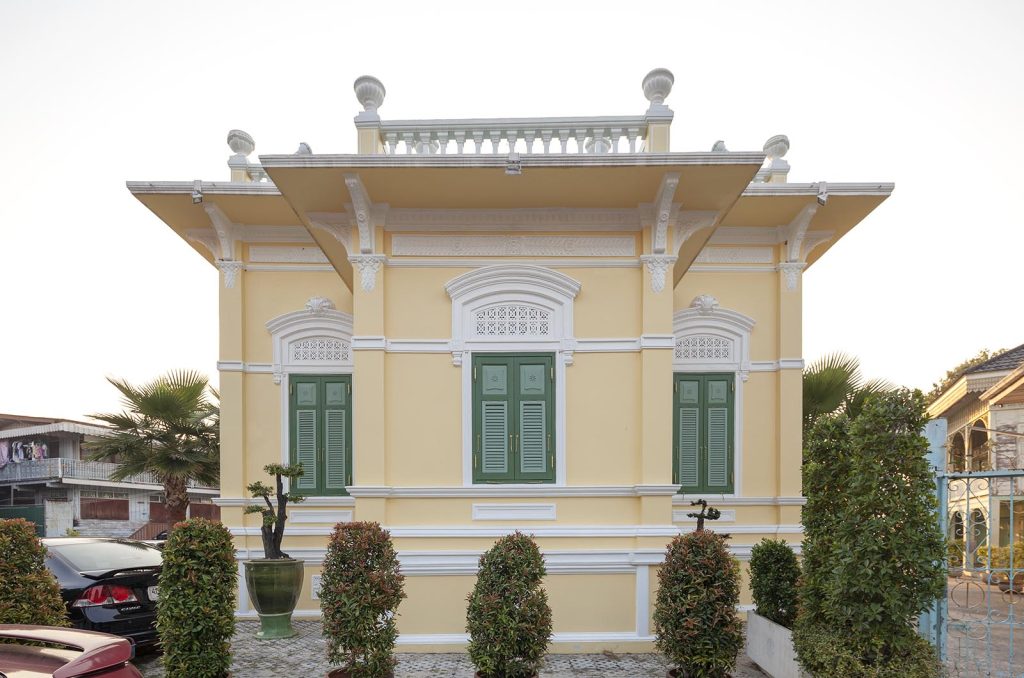
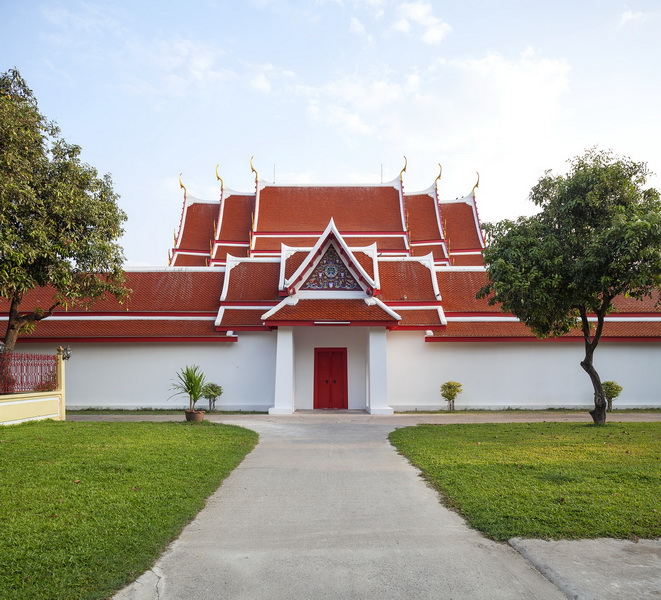
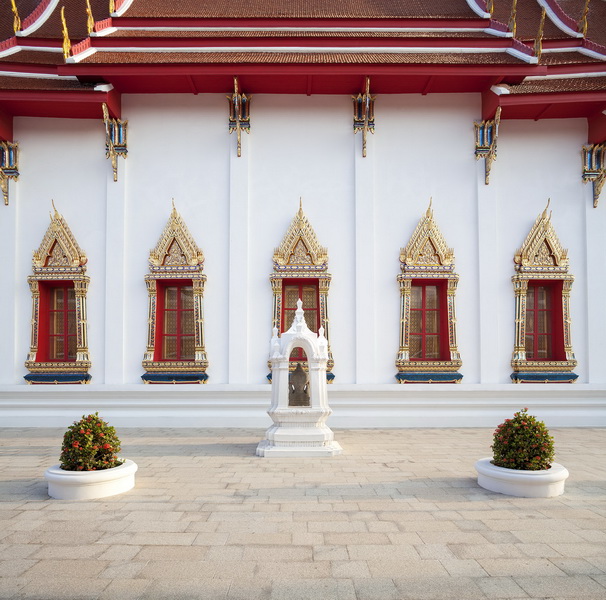
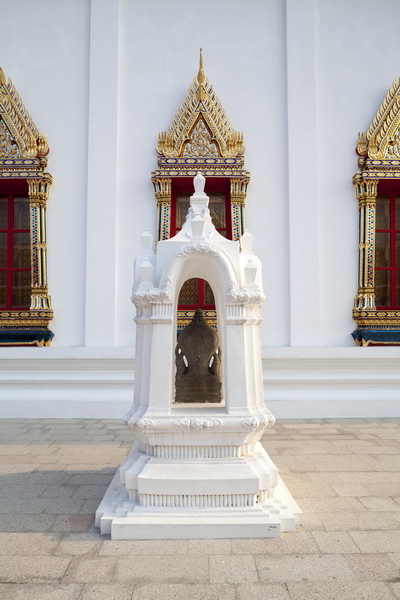
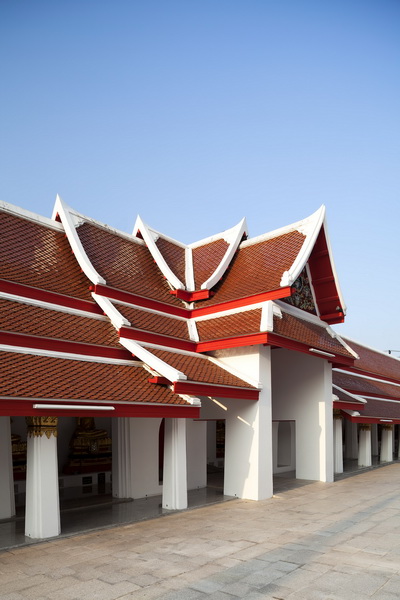
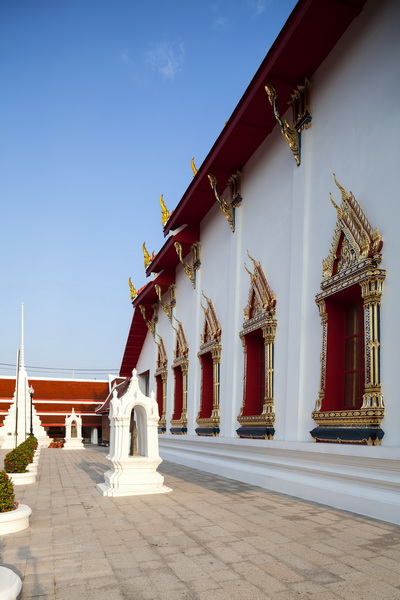
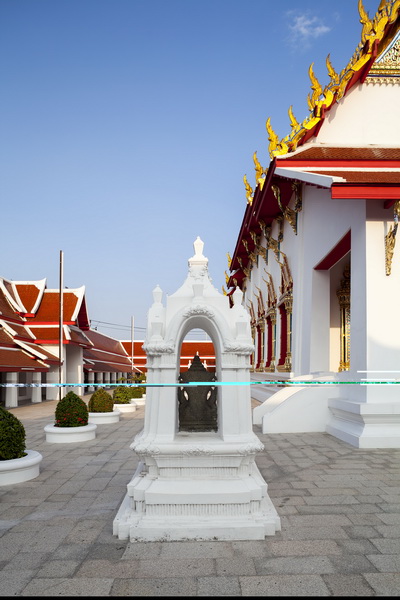
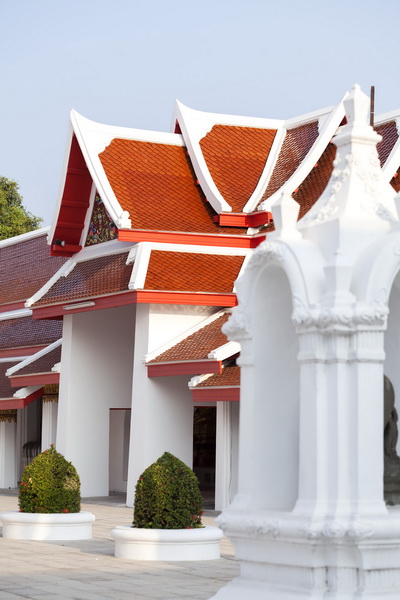
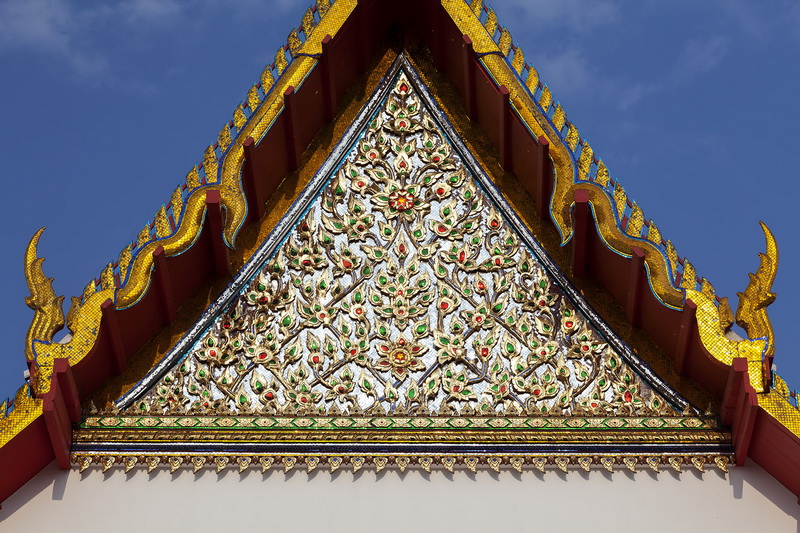
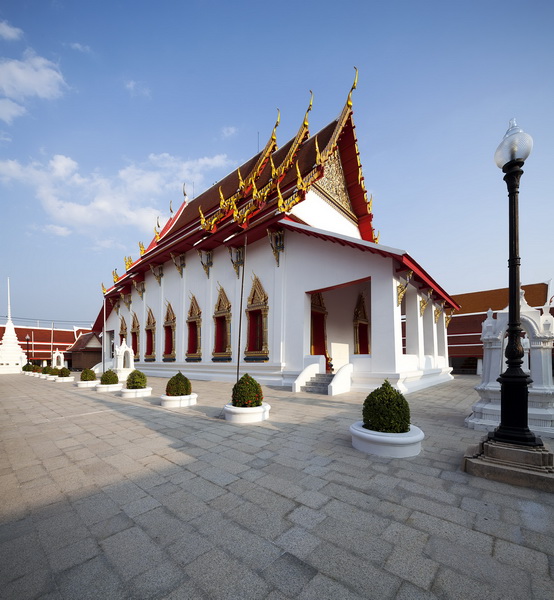
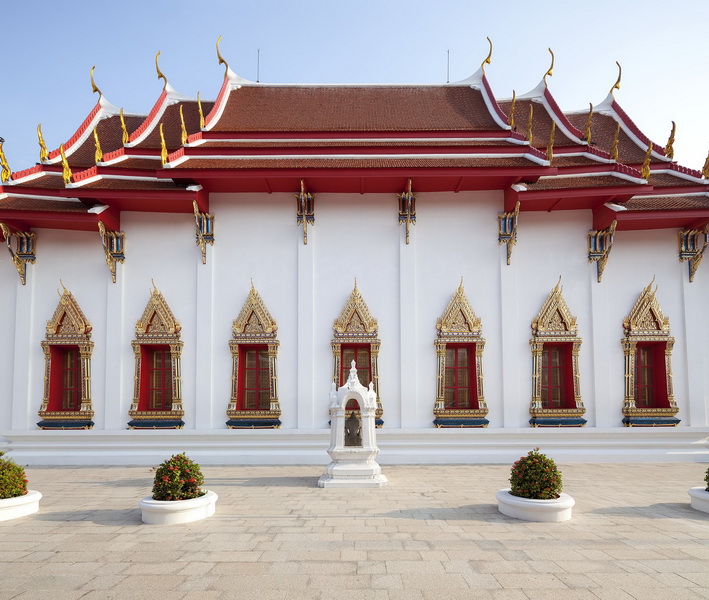
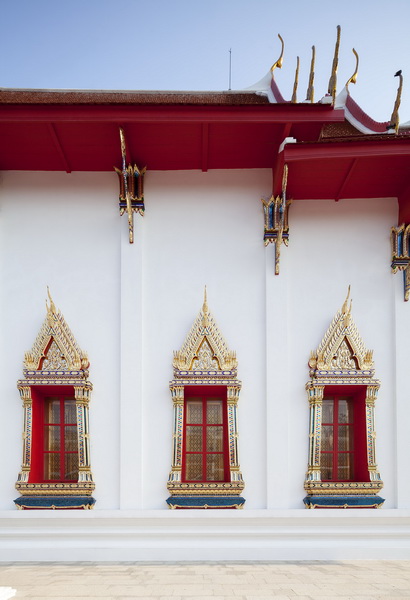
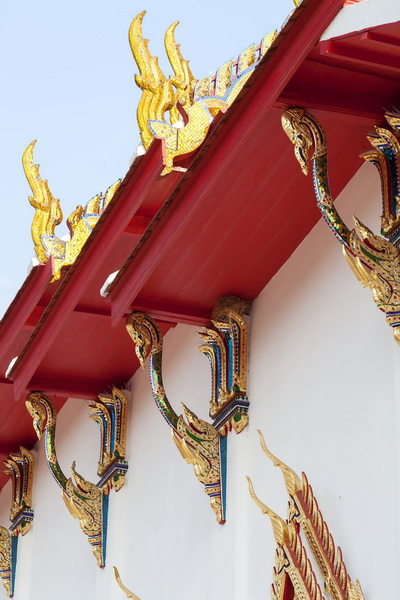
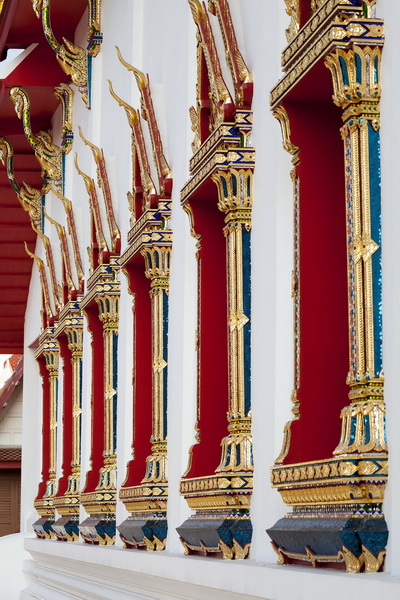
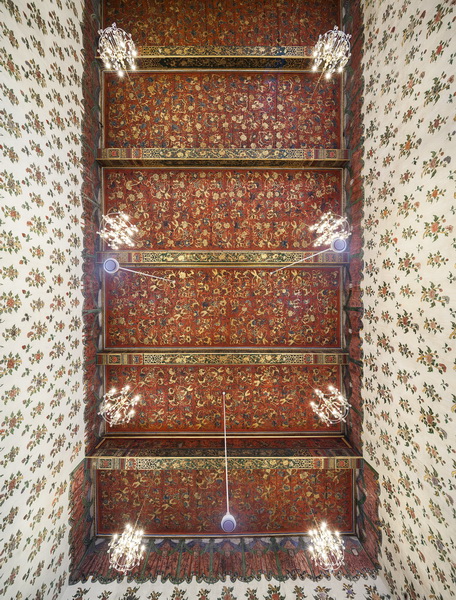
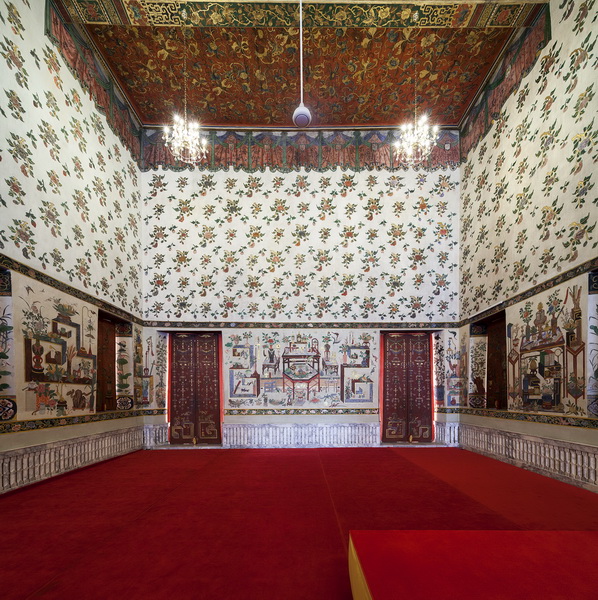
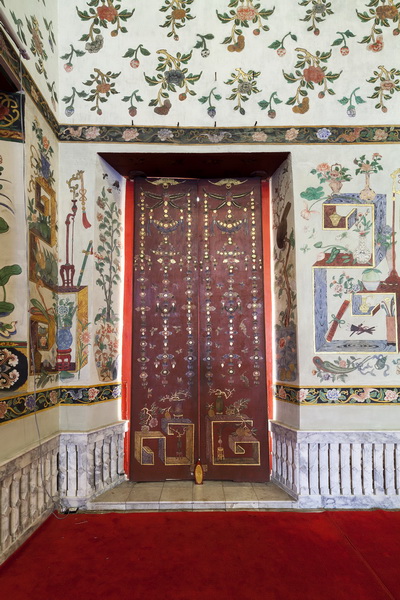
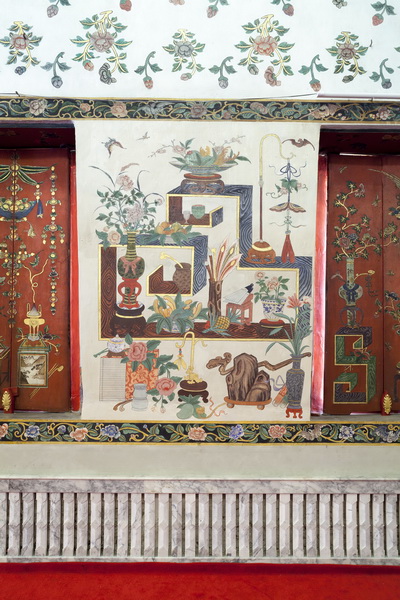
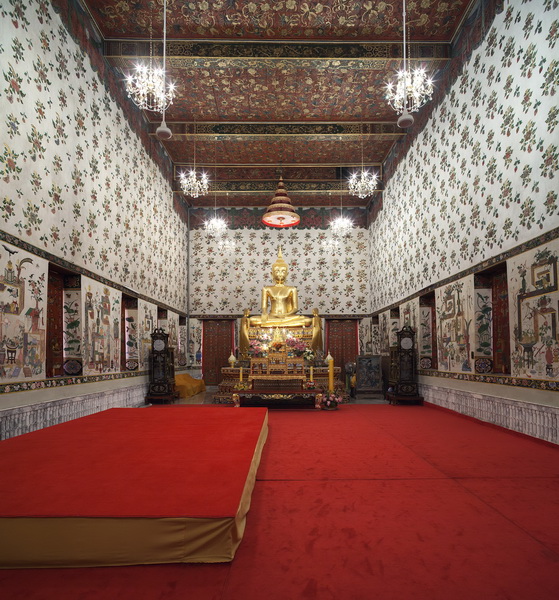
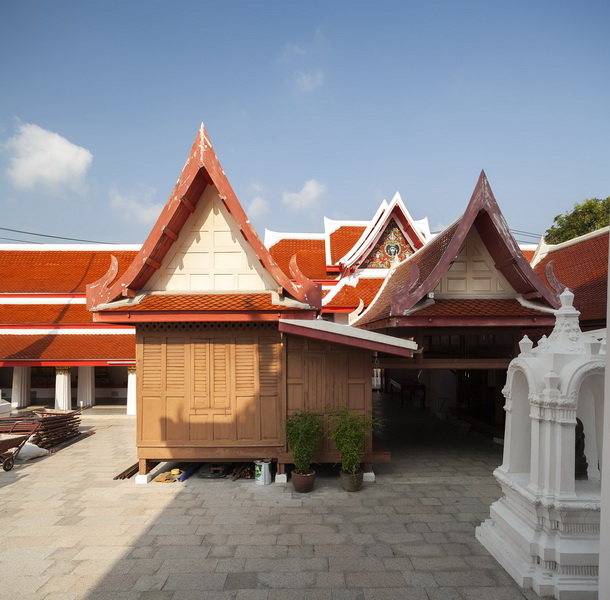
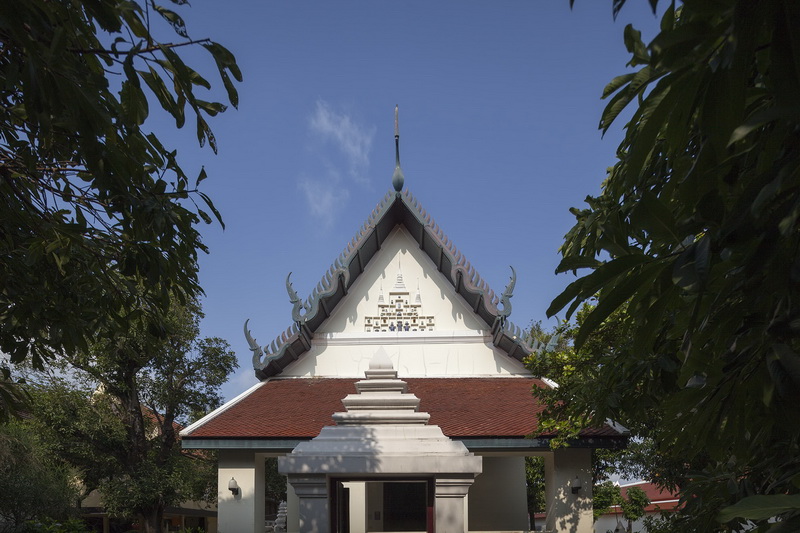
พระอุโบสถ เป็นอาคารก่ออิฐถือปูน หลังคามุงกระเบื้อง ประดับช่อฟ้า ใบระกา หางหงส์ มีทวยรองรับหลังคาปีกนกรอบพระอุโบสถ หน้าบันด้านหน้าและด้านหลังจำหลักลายลงรักปิดทองประดับกระจก ซุ้มประตูหน้าต่างเป็นซุ้มปูนปั้นทรงเรือนแก้ว บานประตูหน้าต่างด้านนอกเป็นลายรดน้ำลายพุ่มข้าวบิณฑ์ ผนังภายในมีภาพเครื่องบูชาแบบจีน เพดานมีรูปค้างคาวรุมล้อมลูกไม้ฉลุลายทองล่องชาด ผนังบริเวณเหนือหน้าต่างมีลายดอกไม้ร่วงระบายสีศิลปะแบบจีน ระดับต่ำลงมามีลายเครื่องบูชาของจีน เช่น แจกันดอกไม้ เครื่องลายคราม และถ้วยชาม เป็นต้น เหนือบานประตูหน้าต่างมีกรอบภาพพงศาวดารจีนติดอยู่โดยรอบพระอุโบสถ
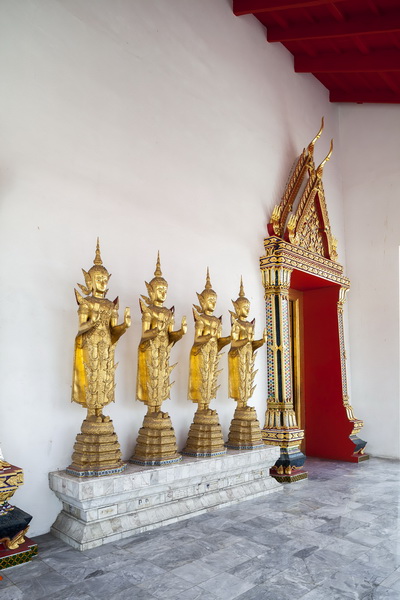
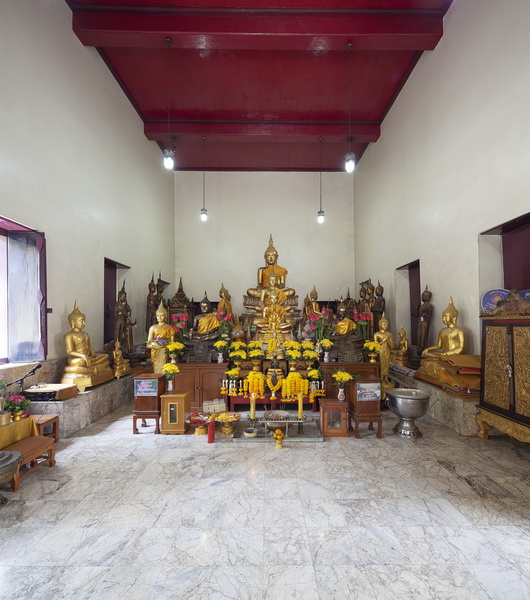
พระประธานในพระอุโบสถเป็นพระพุทธรูปปางมารวิชัย ด้านหลังพระอุโบสถติดผนังด้านนอก มีพระพุทธรูปยืนทรงเครื่องปางห้ามสมุทร 4 องค์ แกนในเป็นหินทรายสีแดง ประดิษฐานอยู่บนแท่นเดียวกัน
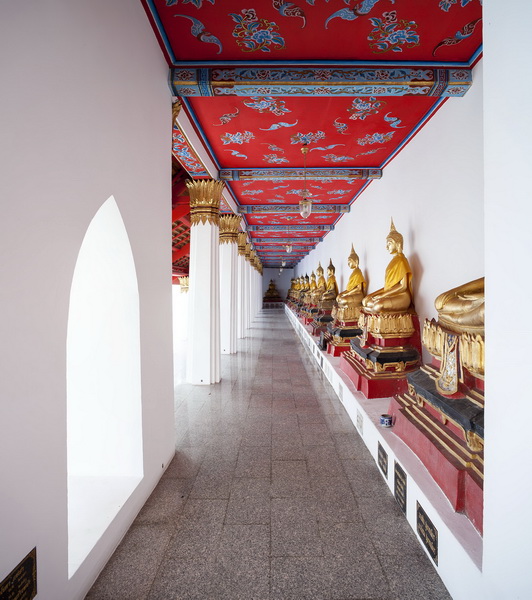
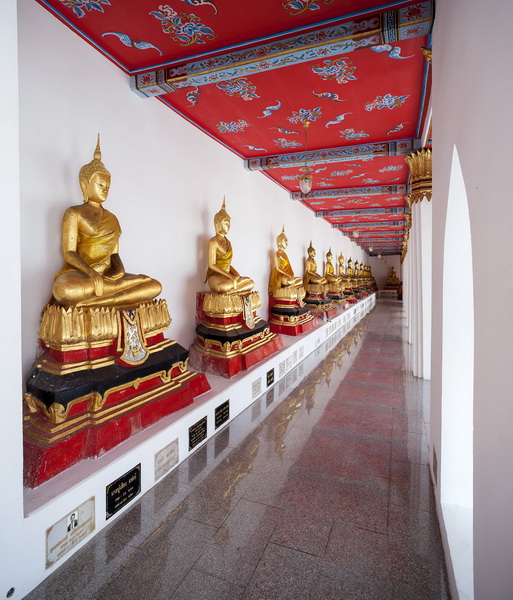
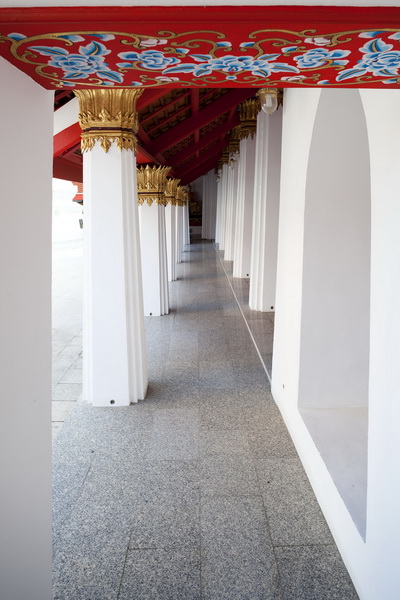
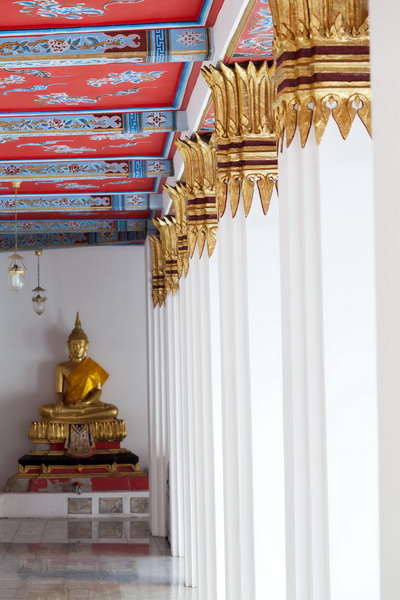
พระระเบียง เป็นอาคารซึ่งสร้างขึ้นล้อมรอบพระอุโบสถ มีประตู 4 ด้าน ซุ้มประตูเป็นหลังคามุขลด
2 ชั้น หน้าบันเป็นลายปูนปั้น เสาระเบียงทรงเหลี่ยมย่อมุมไม้สิบสอง มีหัวเสาเป็นบัวแวง เพดานฉลุลายทองล่องชาดรูปค้างคาวล้อมลูกไม้ ภายในก่ออิฐถือปูนยกเป็นอาสนะสูงประมาณครึ่งเมตร ประดิษฐานพระพุทธรูปปูนปั้นปางมารวิชัยจำนวน 80 องค์
กุฏิไม้ ลักษณะเป็นเรือนไทยแฝดชั้นเดียว โดยมีชานและหลังคาเชื่อมระหว่างเรือนทั้ง 2 หลัง
Buddhavas Wat Phakhininat Worawihan
- Location: No. 295 Ratchawithi 21 Road, Khwaeng Bang Yikhan, Khet Bang Phlat, Bangkok
- Proprietor: Wat Phakhininat Worawihan
- Construction Date: 1657
- Architect/Conservation Designer: Jeeteng Piyakan
- Conservation Awarded Date: 2016
- Category: Places of worship and monasteries
Wat Phakhininat Worawihan was originally called “Wat Bang Chak”, situated on the bank of Chaophraya River at the left side of the mouth of Bang Chak Canal, another name of the temple is “Wat Nok”. It is an ancient temple founded in 1657, and was officially registered in 1782, the reign of King Rama II, on which Princess Praphaiwadi Krommaluang Thepphayawadi, the 9th daughter of King Rama I, had the entire temple reconstructed. Consequently, the old Ubosatha (Ordination Hall) was changed to be the Vihara, the new Ubosatha was built, including the Gallery and the Main Stupa. When completed, King Rama II named the temple “Wat Phakhininat” meaning “Temple of Younger Sister”.
Along the course of time, the Ubosatha and other important elements in the temple have been well-maintained. The Buddhavas (public zone for religious ceremonies) consists of:
Ubosatha, a brick masonry building, traditional style roof with glazed tiles and decorative elements, the lower tier hip roof around the building is supported with brackets, the front and rear pediments are decorated with gilded lacquer and glass mosaics; door and window frames are pointed arch decorated with stuccos; exterior of door and window panels are gilded lacquer in lotus bud-shaped designs. Interior walls are decorated with mural paintings depicting Chinese altars, ceiling is gilded-red lacquer openwork depicting bats surrounding fruits; mural paintings on the wall over the windows depict Chinese style falling flower designs, below which depict Chinese objects of worship such as flower vases, blue-and-white porcelains, bowls, etc. Over the windows are framed pictures of the stories from Chinese Chronicles hung around the hall. The hall enshrines the principal Buddha image in Maravijaya posture. Adjacent to the exterior rear wall are 4 standing Buddha images in Repelling the Ocean posture standing on the same pedestal.
The Gallery is the building surrounding the Ubosatha. There are 4 gateways with 2-tiered porch roofs, decorated with stuccos on the pediments. The columns are indented corner square with elongated lotus design capitals, ceilings are red gilded lacquer openwork in bats surrounding fruits designs. The interior consists of brick masonry pedestals, approximately 50 centimeters high, to install 80 Buddha images in Maravijaya posture.
Wooden monks’ residence, a twin-house, Thai traditional style, single storey, connected by a roofed deck.
อุโบสถ วัดหลักศิลา
อ่านเพิ่มเติม
อุโบสถ วัดหลักศิลา
- ที่ตั้ง บ้านหินตั้ง หมู่ 11 ตำบลหนองแวง อำเภอบ้านใหม่ชัยพจน์ จังหวัดบุรีรัมย์
- ผู้ครอบครอง วัดหลักศิลา
- ปีที่สร้าง พ.ศ. 2460
- สถาปนิก/ผู้ออกแบบอนุรักษ์ พิชัย บุญแจ้ง
- ปีที่ได้รับรางวัล พ.ศ. 2559
- ประเภท อาคารปูชนียสถานและวัดวาอาราม
วัดหลักศิลาเป็นศูนย์กลางของชุมชนบ้านหินตั้งซึ่งแต่เดิมคือชาวบ้านที่ย้ายมาจากอำเภอพนมไพร และอำเภอสุวรรณภูมิ จังหวัดร้อยเอ็ด เมื่อเดินทางมาเห็นความอุดมสมบูรณ์ของพื้นที่บริเวณนี้จึงมาตั้งหลักปักฐานร่วมกัน พร้อมทั้งได้สร้างวัดขึ้น วัดหลักศิลาก่อตั้งเมื่อพ.ศ. 2460 และได้รับพระราชทานวิสุงคามสีมาเมื่อพ.ศ. 2466 มีอุโบสถพื้นถิ่นเป็นสถานที่การประกอบพิธีกรรมทางพุทธศาสนาเรื่อยมา ต่อมาภายหลังอาคารมีสภาพทรุดโทรมลงตามกาลเวลา ในพ.ศ. 2555 กรมศิลปากร โดยสำนักงานศิลปากรที่ 12 นครราชสีมาได้สำรวจขึ้นทะเบียนโบราณสถานพร้อมทั้งทำการซ่อมแซมตามหลักวิชาการ โดยเปลี่ยนกระเบื้องมุงหลังคา เสริมความแข็งแรงของผนัง เทพื้นและทำท่อระบายน้ำรอบอาคาร โดยได้งบประมาณสนับสนุนจากชุมชนจนแล้วเสร็จ
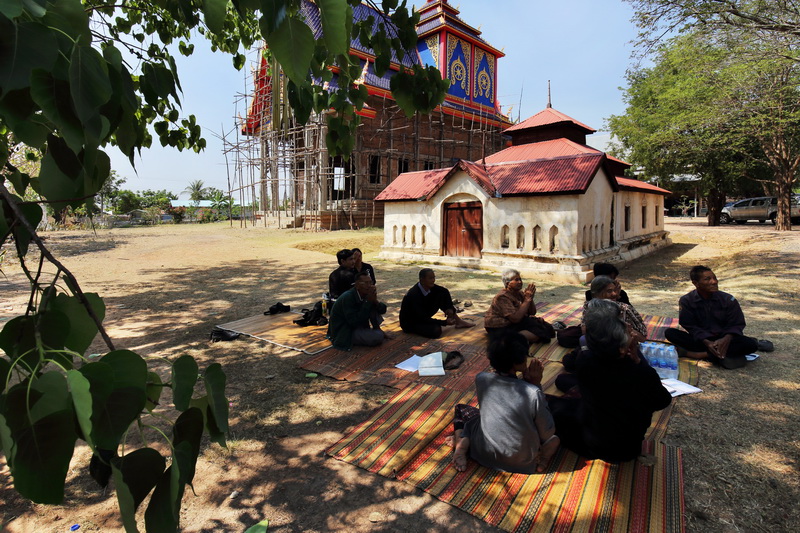
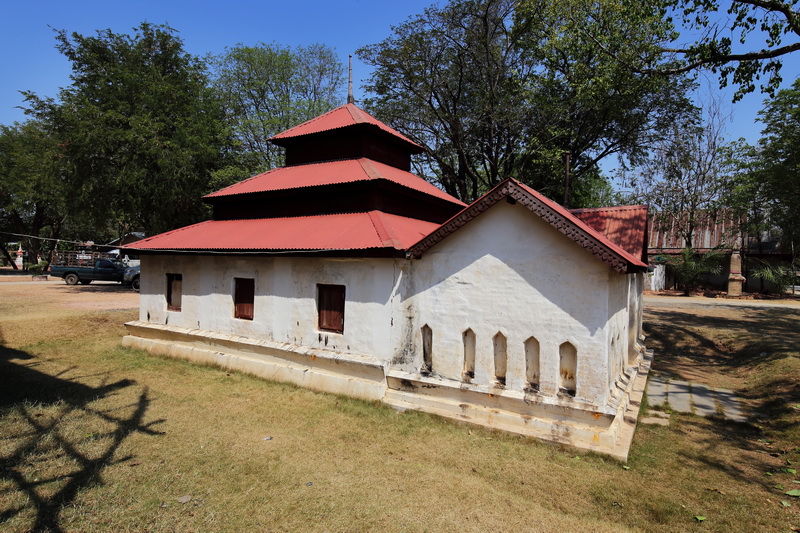
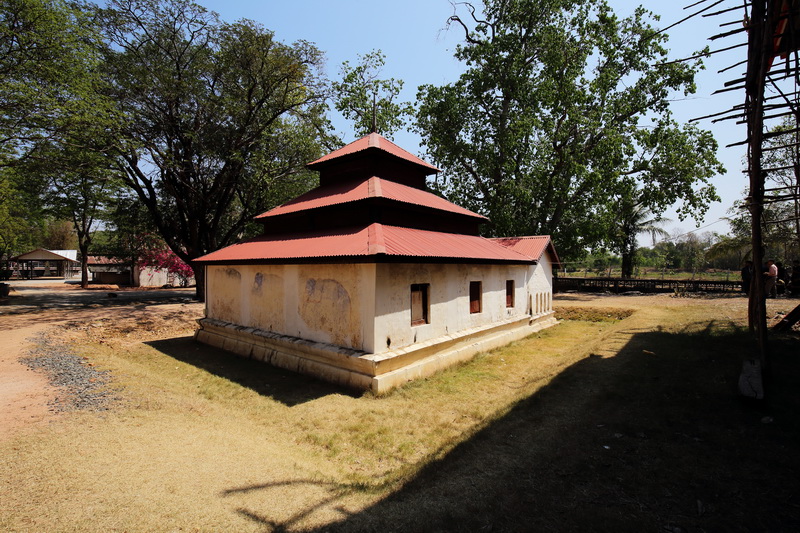
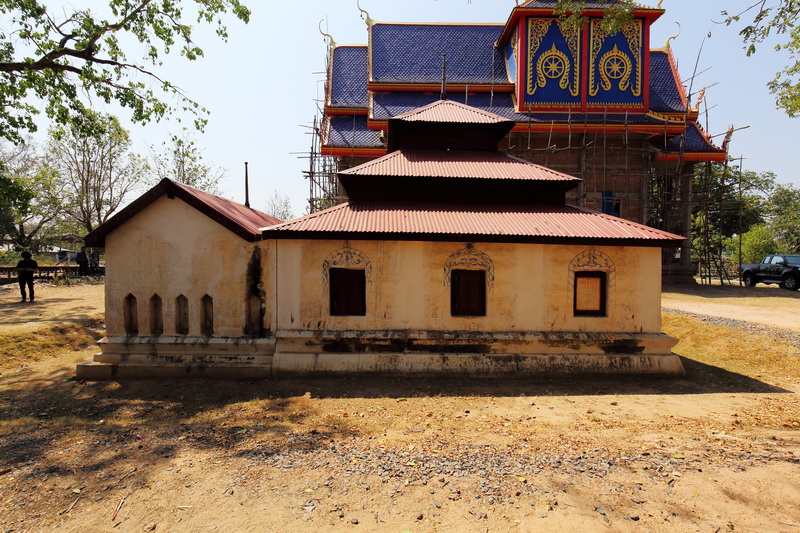
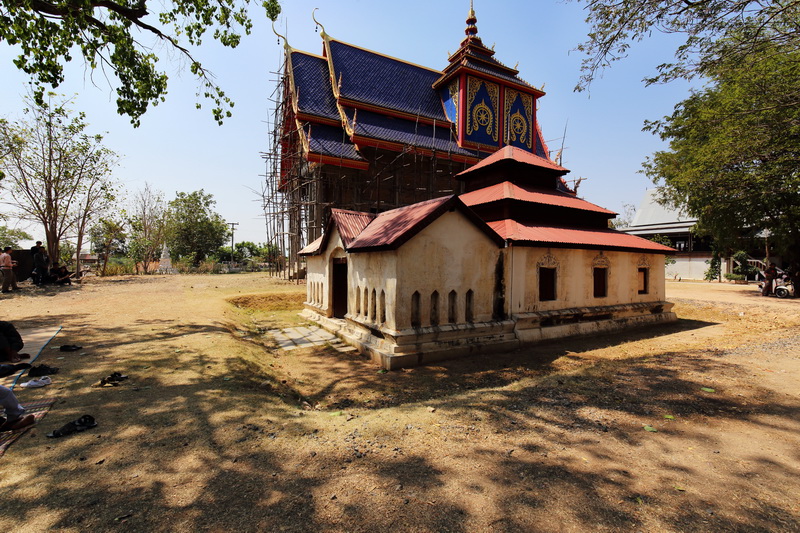
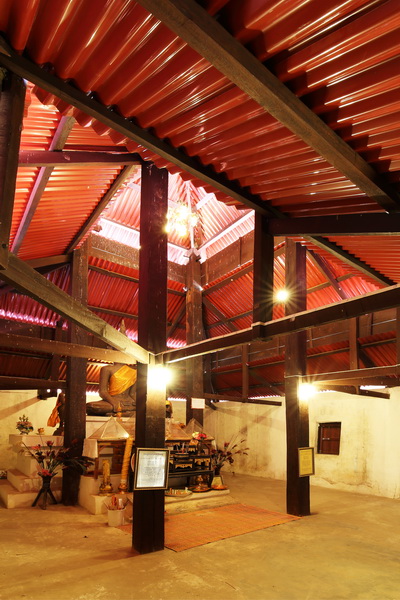
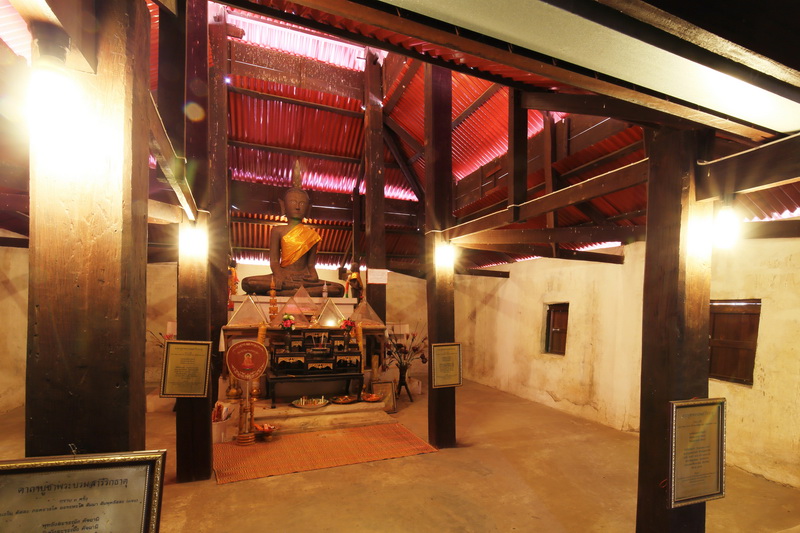
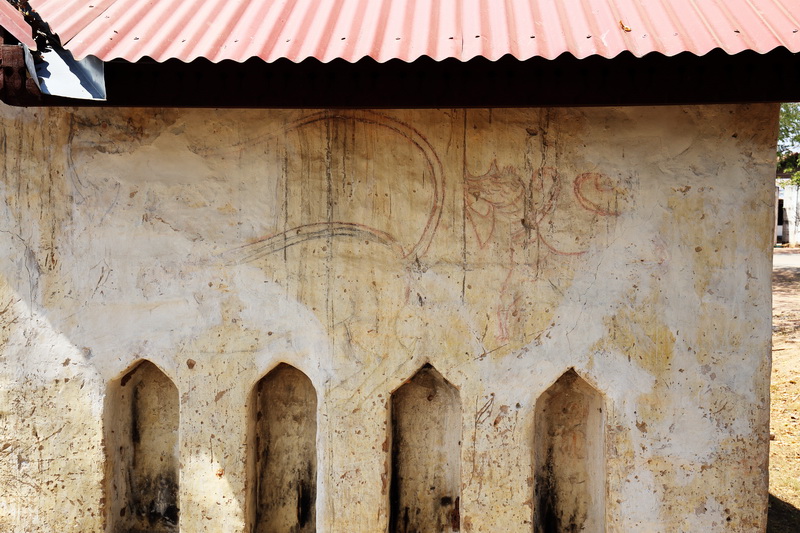
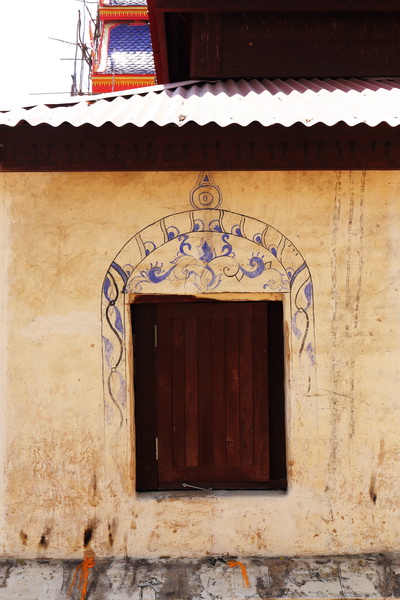
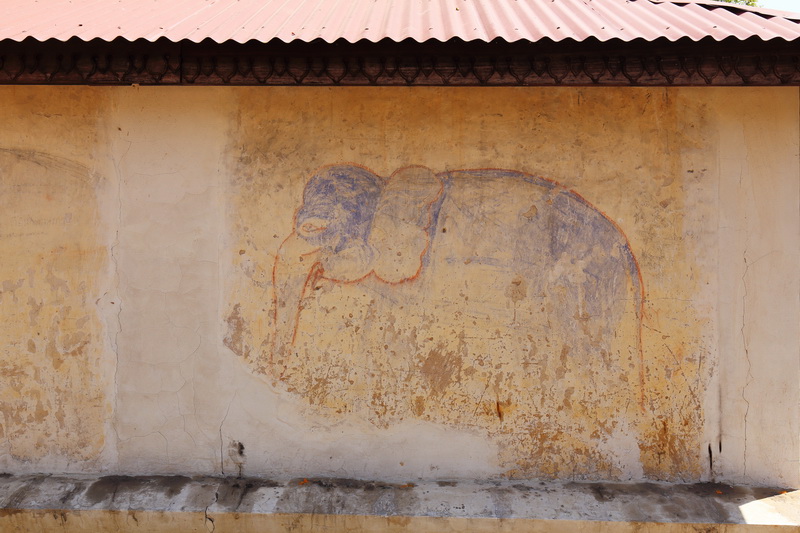
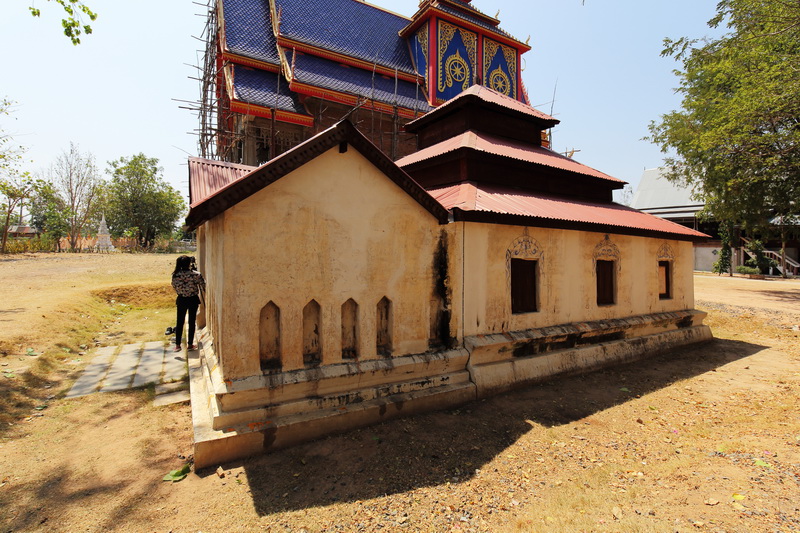
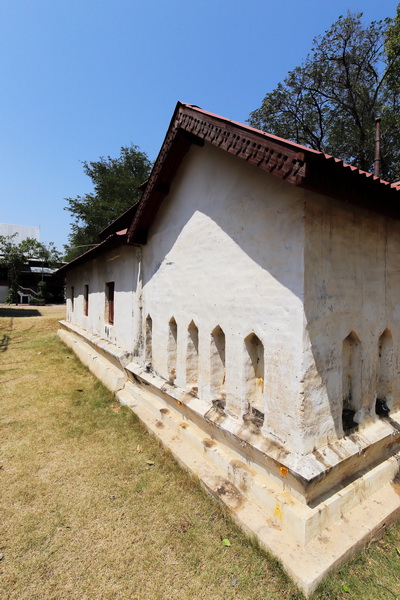
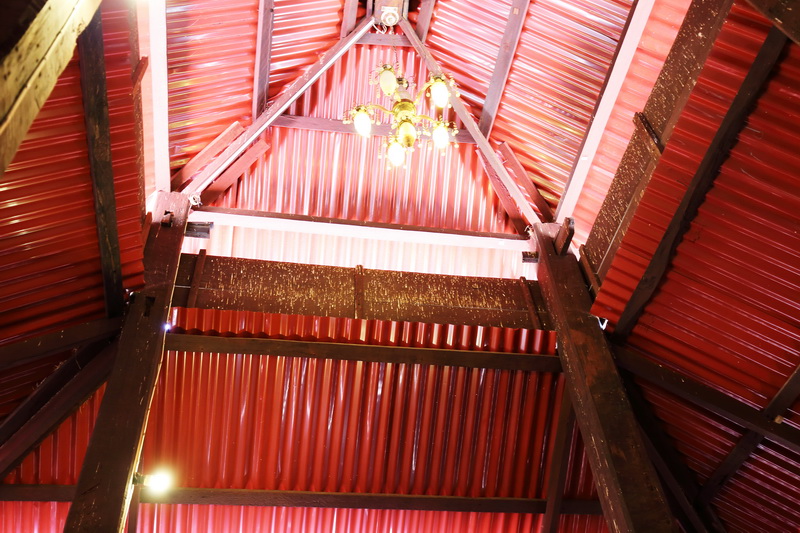
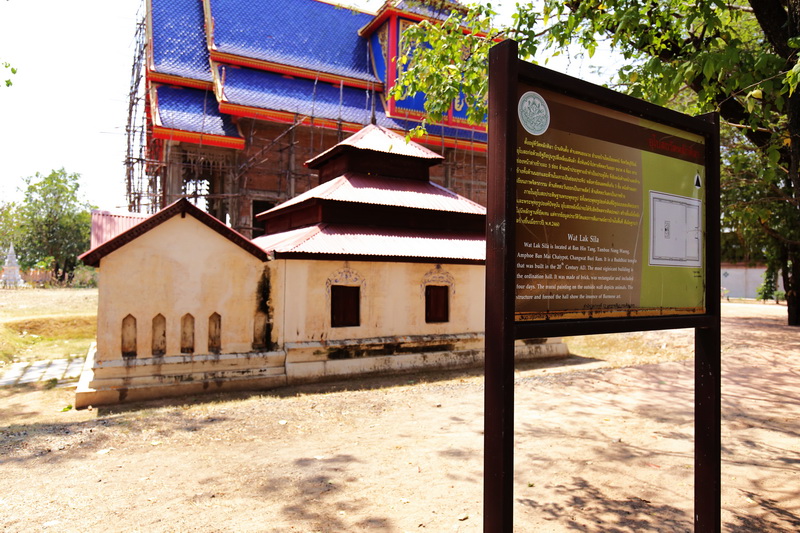
อุโบสถ วัดหลักศิลา เป็นอุโบสถแบบทรงโรงขนาด 3 ห้อง และมีเรือนขวางที่ด้านหน้า อาคารหันหน้าไปทางทิศตะวันออก ระดับพื้นยกสูงกว่าระดับดิน 0.30 เมตร มีผังพื้นรูปสี่เหลี่ยมผืนผ้าขนาดกว้างประมาณ 6 เมตร ยาวประมาณ 9.90 เมตร เสาทั้งหมดทำจากไม้มะค่าแต้ หน้าตัดเสาประมาณ 20×20 เซนติเมตร เป็นเสาร่วมในจำนวน 4 ต้น จากเสาทั้งหมด 20 ต้น ผนังอาคารก่ออิฐฉาบปูน หนา 25 เซนติเมตร เจาะช่องหน้าต่างข้างละ 3 ช่อง เขียนซุ้มโค้งเหนือช่องหน้าต่างเป็นลวดลาย ด้านหน้าประตูทางเข้าทำเป็นซุ้มประตูโค้ง ที่เชิงผนังด้านหน้าและด้านข้างทั้งด้านนอกและด้านในเจาะเป็นช่องประทีป ผนังด้านนอกทางทิศตะวันตกเขียนฮูปแต้มเป็นภาพช้าง หลังคาเป็นทรงปั้นหยาซ้อนลดหลั่นเป็น 3 ชั้น มุงด้วยแผ่นสังกะสี หลังคาเรือนขวางเป็นทรงจั่วมีมุขหน้า มีรางน้ำตรงกลางระหว่างหลังคาเรือนขวางกับอาคารหลัก จากคำบอกเล่าของผู้อาวุโสในชุมชนให้ข้อมูลว่าช่างชาวกุลาเป็นช่างก่อสร้าง จึงน่าจะได้อิทธิพลศิลปะพม่า ภายในเป็นโถงโล่งพื้นซีเมนต์
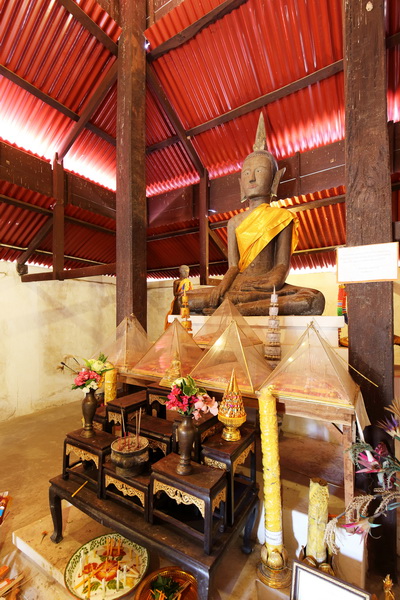
มีฐานชุกชีรองรับพระพุทธรูปไม้ประดู่ตามแบบอย่างศิลปะไทลาว สภาพอาคารในปัจจุบันยังคงความสมบูรณ์ตามลักษณะดั้งเดิม เพียงแต่สีของฮูปแต้ม ที่ฝาผนังภายนอกอาคารมีสีที่ซีดจางลง โดยอาคารยังคงใช้ในการประกอบสังฆกรรมตามปกติ
อุโบสถ วัดหลักศิลา เป็นเสมือนเครื่องบันทึกทางประวัติศาสตร์ที่สะท้อนถึงวัฒนธรรมท้องถิ่น ความผูกพันและความสืบเนื่องของวิถีชีวิตคนบ้านหินตั้งที่มีต่อพุทธศาสนาตั้งแต่อดีตจนถึงปัจจุบัน นอกจากนี้ด้วยรูปทรงของอาคารที่มีสัดส่วนสวยงามแสดงถึงฝีมือเชิงช่างสถาปัตยกรรม วิศวกรรม การตกแต่งด้วยฮูปแต้ม และพุทธศิลป์ที่มีความงามทางศิลปกรรมแบบพื้นบ้านสามารถใช้เป็นแบบอย่างในการศึกษาทางสถาปัตยกรรมพื้นถิ่นในถิ่นอีสานที่มีลักษณะพิเศษได้เป็นอย่างดี
Ubosatha Wat Lak Sila
- Location: Ban Hin Tang Mu 11, Tambon Nong Waeng, Amphoe Ban Mai Chaiyapot, Buriram
- Proprietor: Wat Lak Sila
- Construction Date: 1917
- Architect/Conservation Designer: Pichai Boonchaeng
- Conservation Awarded Date: 2016
- Category: Places of worship and monasteries
Wat Lak Sila is spiritual center of Ban Hin Community which was founded by people who migrated from Amphoe Phanom Phrai and Amphoe Suwannaphum, Roi Et Province. These people, perceiving the fertility of the land in this area, settled and built their temple in 1917, which was officially registered in 1923. The vernacular Ubosatha (Ordination Hall) was the main building of the temple where most of the religious functions were held until it deteriorated with time. In 2012, the Fine Arts Department by the 12th Regional Office Nakhon Ratchasima had the building registered as National Monument, and conducted a restoration project including roof tiles changing, walls consolidating, cement flooring, and installing water drainage gutters around the building, with additional contributions from community people until completed.
Ubosatha of Wat Lak Sila is a 3-bay rectangular hall with a cross-hall at the front, facing east, raised floor approximately 0.30 meter from ground level. The hall measured 6×9.90 meters, 20 Makha Tae wood (Sindora siamensis) columns, 20×20 centimeters size, 4 of which are freestanding columns inside the hall; walls are brick masonry, 25 centimeters thick, with 3 arch windows on each side over which are painted with mural paintings; the entrance is an arch doorway; the lower part of the walls on both exterior and interior are lamp niches; the western exterior wall is painted, depicting elephants. The roof of the main hall is 3-tiered hip roof with corrugated zinc sheets, the cross-hall roof is gable with a front porch, both roofs are connected by a roof gutter. Local elders related that the builders were Kula people, thus the style could have been influenced by Burmese art. The interior is open, cement floor, enshrining a Pradu wood (Pterocarpus macrocarpus) Buddha image of Tai-Lao art style. At present, the building is authentically complete apart from the fading colors of the mural paintings on exterior walls. The building still functions as Ubosatha for religious ceremonies and practices.
Ubosatha Wat Lak Sila is a historical record that reflects local culture, linkage, and continuity of Ban Hin people’s Buddhist way of life from the past to the present. The features of the hall created by masterful architectural and engineering wisdom, and the vernacular beauty of mural paintings and Buddhist art are exemplary of Isan architecture which has its own characteristics and uniqueness.
กุฏิไม้ วัดศรีมุณฑา
อ่านเพิ่มเติม
กุฏิไม้ วัดศรีมุณฑา
- ที่ตั้ง บ้านคำฮี ตำบลโพนทราย อำเภอเมือง จังหวัดมุกดาหาร
- ผู้ครอบครอง วัดศรีมุณฑา
- ปีที่สร้าง พ.ศ. 2476
- สถาปนิก/ผู้ออกแบบอนุรักษ์ วสุ โปษยะนันทน์
- ปีที่ได้รับรางวัล พ.ศ. 2559
- ประเภท อาคารปูชนียสถานและวัดวาอาราม
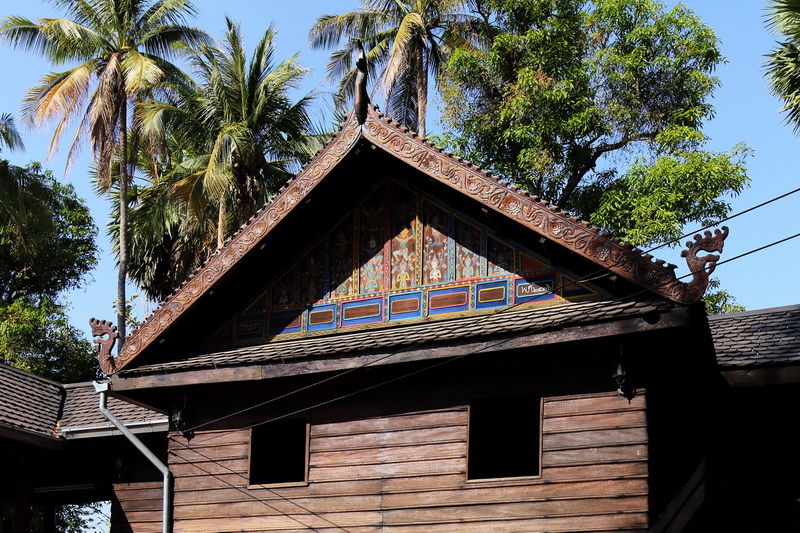
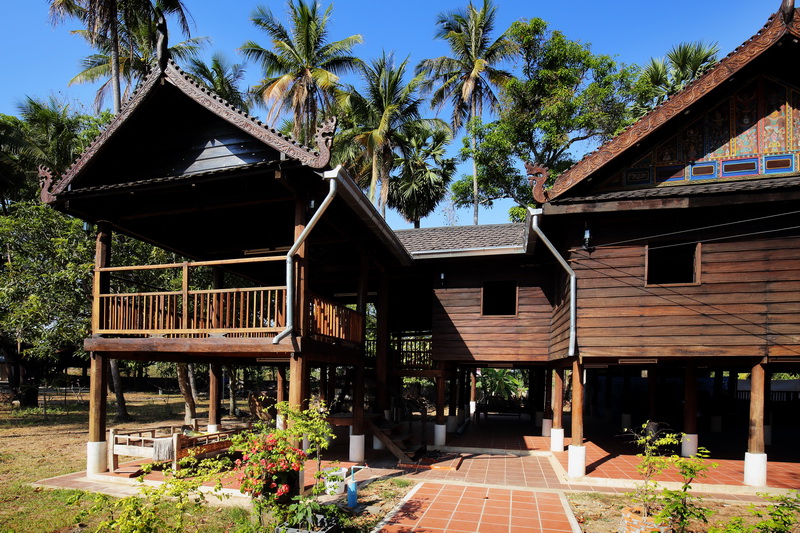
วัดศรีมุณฑา สร้างขึ้นเมื่อประมาณพ.ศ. 2432 โดยกลุ่มชนที่อาศัยอยู่ที่บ้านคำฮีซึ่งเป็นชนชาวภูไท ไทลาว และจากหมู่บ้านใกล้เคียงในเขตเมืองมุกดาหาร เป็นวัดขนาดเล็ก มีเนื้อที่ดิน 4 ไร่ 2 งาน 10 ตารางวา เดิมชื่อ วัดมุนทา สำหรับอาคารกุฏิไม้สร้างขึ้นเมื่อพ.ศ. 2476 ใช้เป็นที่จำพรรษาของพระภิกษุสงฆ์มาโดยตลอดจนถึงเจ้าอาวาสองค์ปัจจุบัน โดยระหว่างพ.ศ 2518 – 2519 ชาวบ้านคำฮีได้ร่วมกันบูรณะซ่อมแซม 1 ครั้ง และต่อมาเมื่อพ.ศ. 2556 – 2557 สำนักศิลปากรที่ 11 อุบลราชธานี เข้าดำเนินบูรณะซ่อมแซมจนแล้วเสร็จ โดยมีการเสริมความมั่นคงฐานเสา และเปลี่ยนไม้เสาบางต้นที่ชำรุด รื้อส่วนที่ต่อเติมภายหลังออก เปลี่ยนวัสดุมุงหลังคาใหม่ทั้งหมดด้วยแป้นเกล็ดไม้ขนาดเท่าของเดิม ตอกสลักเดือยรองด้วยสังกะสีแผ่นเรียบซ่อนไว้ใต้แป้นไม้กันรั่วซึม เปลี่ยนไม้ปั้นลมแกะสลักใหม่โดยกระสวนลวดลายจากของเดิมที่ยังเหลือ ส่วนหางหงส์ และโหง่ ทำขึ้นใหม่โดยอ้างอิงจากศาลาการเปรียญซึ่งได้ดำเนินการบูรณะด้วยในช่วงเวลาเดียวกันเพื่อให้ครบองค์ประกอบที่สมบูรณ์ รวมทั้งได้อนุรักษ์ภาพจิตรกรรมบนหน้าจั่วด้วย
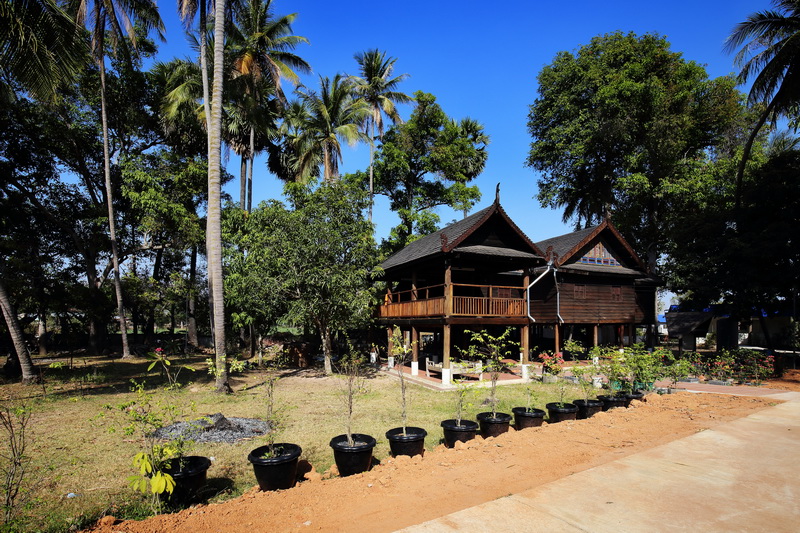
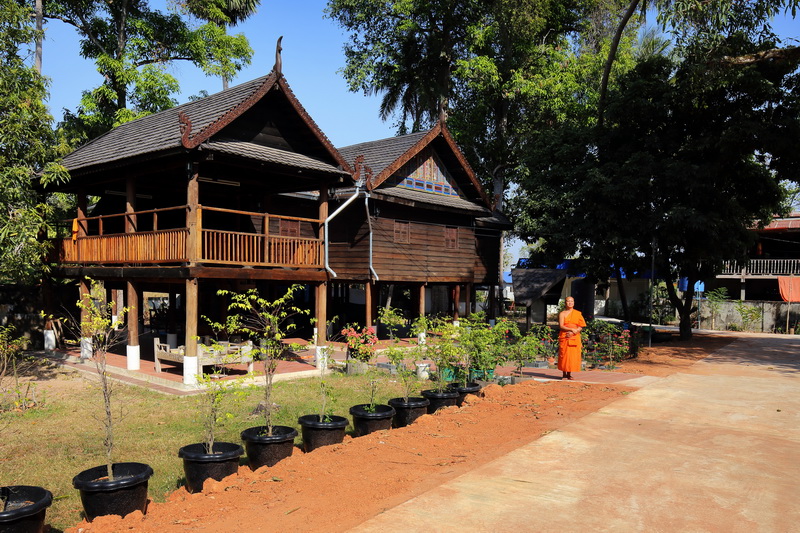
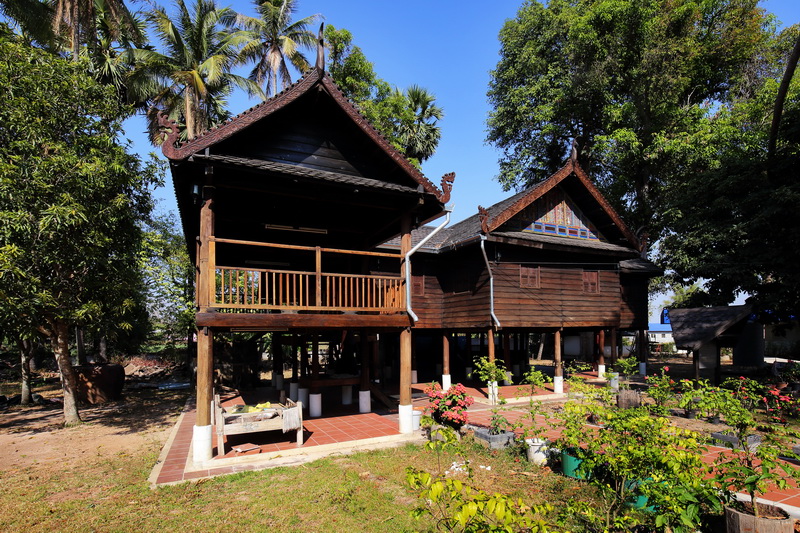
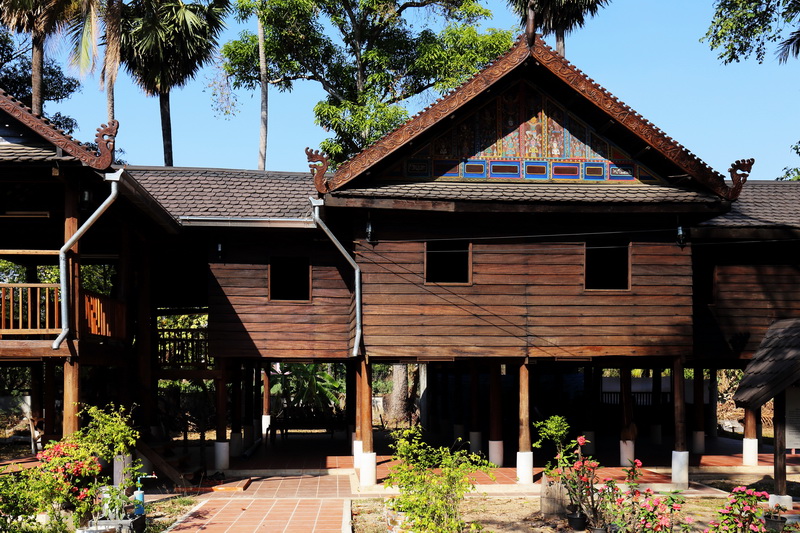
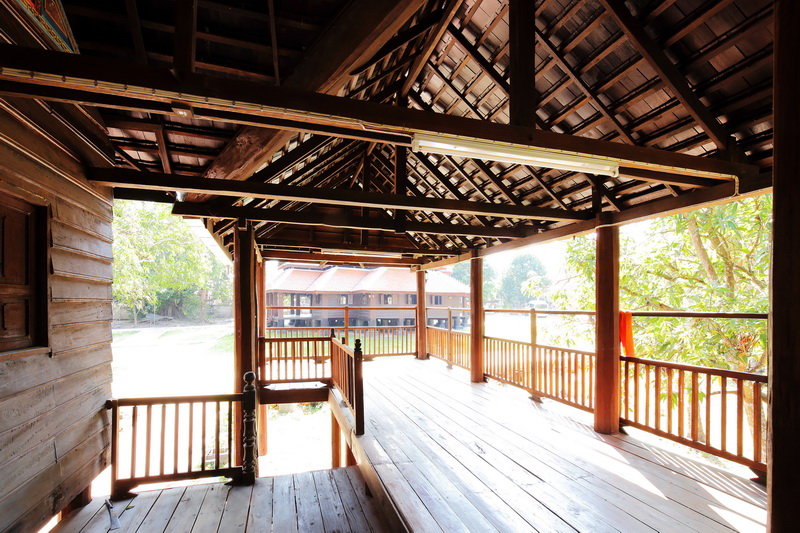
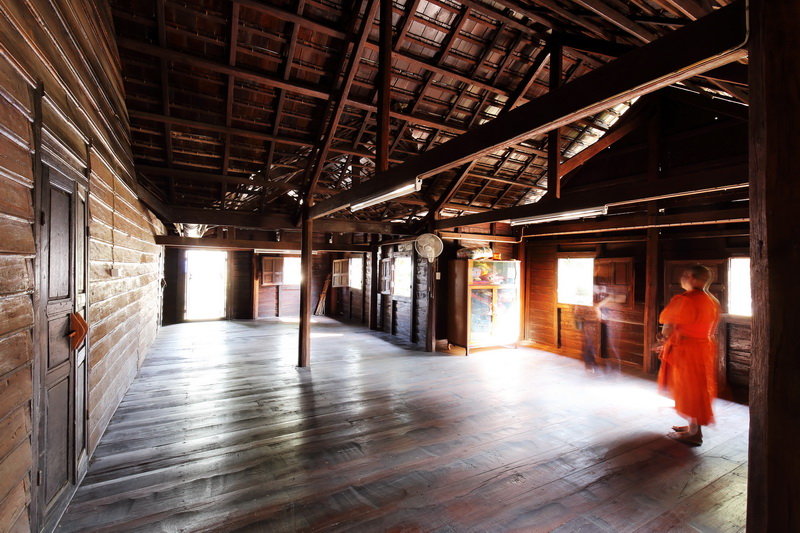
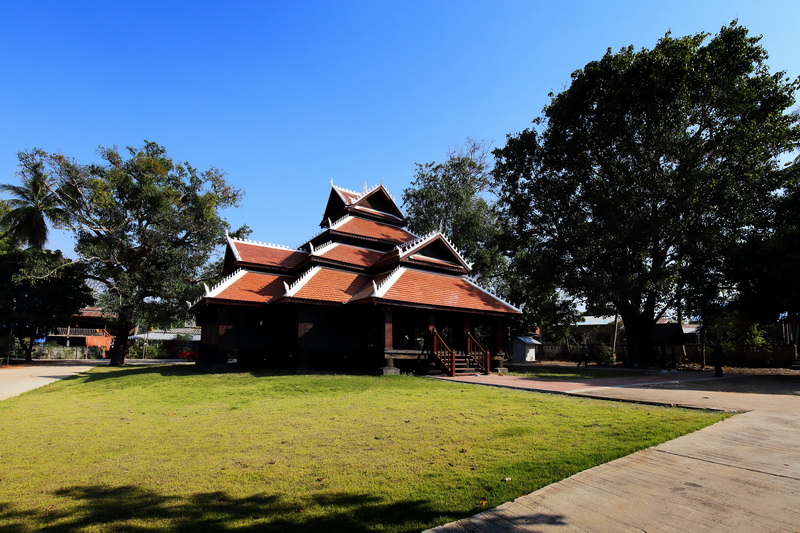
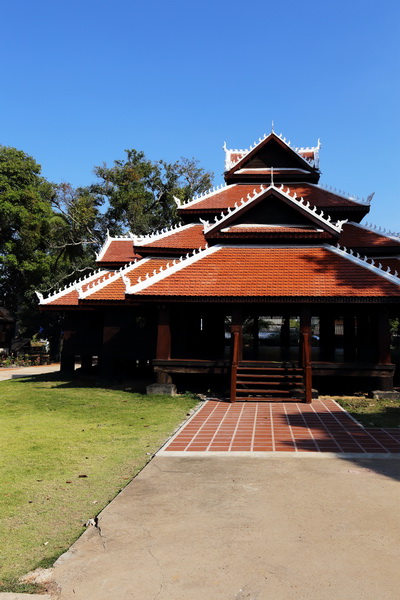
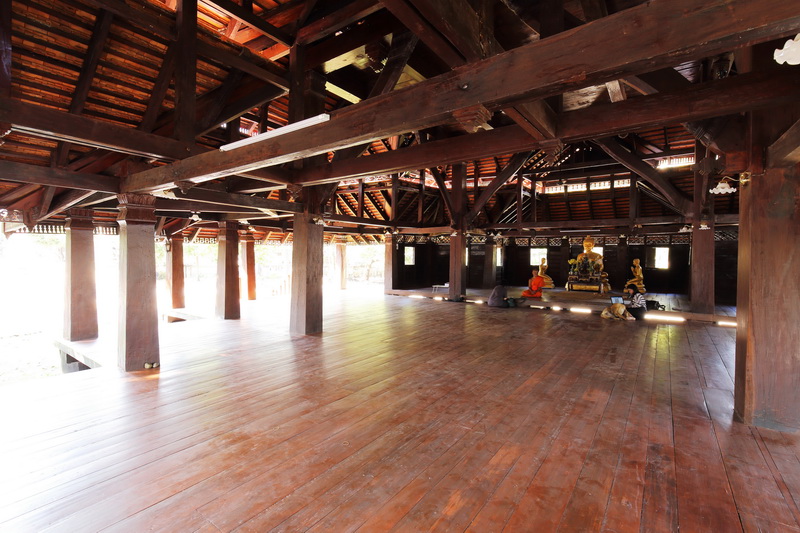
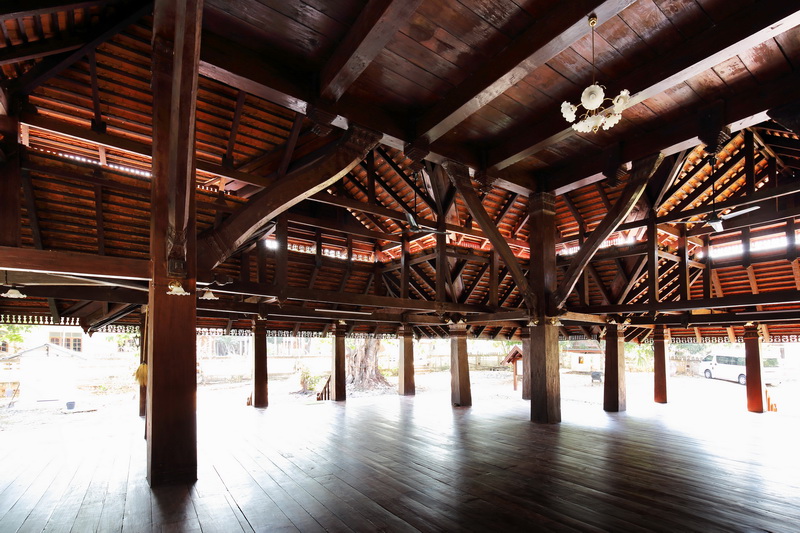
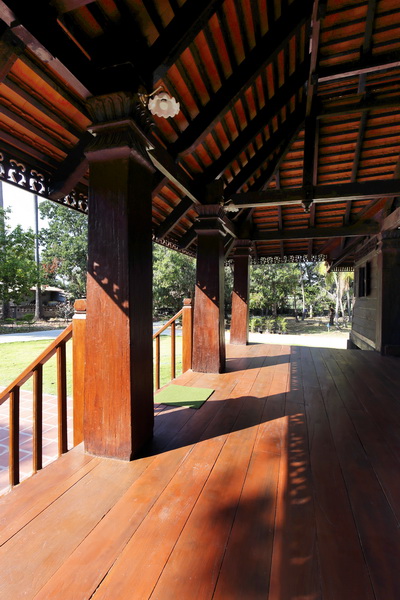
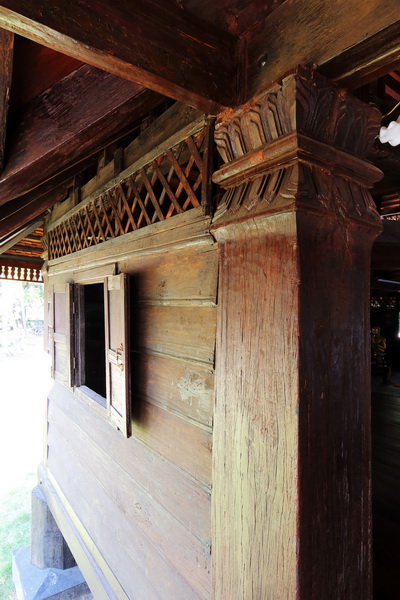
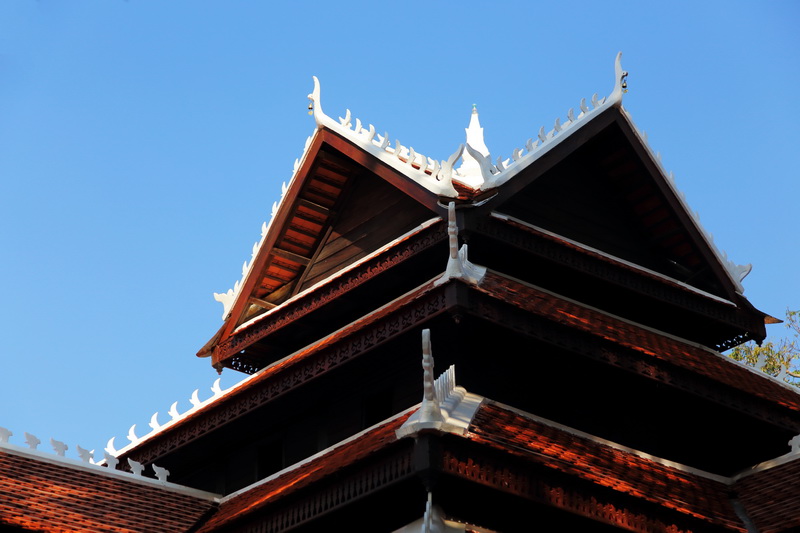
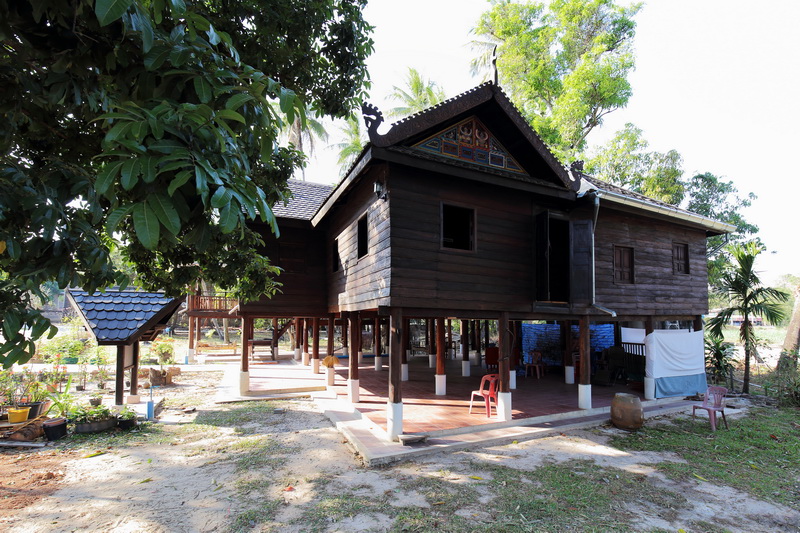
กุฏิไม้ วัดศรีมุณฑา เป็นเรือนไม้ใต้ถุนสูง ใช้เสาไม้ถากรวม 45 ต้น ฝาผนังไม้ตีทับเกล็ดแนวนอน โครงสร้างหลังคาเข้าสลักเดือยไม้ หลังคามุงด้วยแป้นเกล็ดไม้ รางรับน้ำฝนภายในกุฏิทำด้วยไม้ขุดร่อง ผังพื้นกุฏิคล้ายเป็นอาคาร 3 หลังเชื่อมต่อกัน แบ่งการใช้ประโยชน์ออกเป็น 3 ส่วน ได้แก่ ส่วนเรือนชาน เรือนใหญ่ และห้องนอน ส่วนที่เป็นเรือนชานหรือระเบียงไม่มีผนัง หลังคาด้านหน้าทรงจั่วด้านหลังเป็นทรงปั้นหยาเชื่อมต่อไปยังเรือนใหญ่ซึ่งเป็นส่วนโถงมีรูปแบบหลังคาทรงจั่วลักษณะเป็นตรีมุขตกแต่งด้วยชุดไม้ปั้นลม โหง่ และหางหงส์ แกะสลักลวดลายสวยงาม ที่หน้าจั่วของแต่ละมุขมีภาพจิตรกรรม เขียนเป็นรูปพญาครุฑ เทพพนม กินรี ลายเครือเถา ประจำยาม ลายพานพุ่มดอกไม้ และรูปสัตว์ต่าง ๆ เช่น ค้างคาว กระต่าย และต่อจากส่วนโถงไปด้านหลังของอาคารเป็นห้องนอน 2 ห้อง
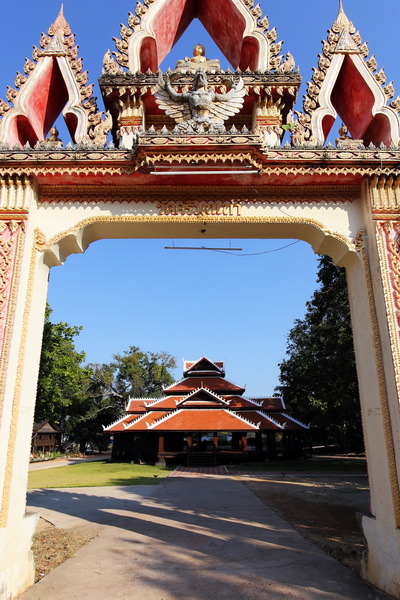
ภายในวัดยังมีงานสถาปัตยกรรมที่มีลักษณะโดดเด่นอีกหลัง ได้แก่ อาคารศาลาการเปรียญทรงจัตุรมุข ซึ่งสร้างขึ้นใน พ.ศ. 2480 หลังจากอาคารกุฏิ เป็นศาลาโถงโล่งไม่มีราวระเบียง มุขด้านทิศตะวันออกยกพื้นสูงใช้เป็นที่ประดิษฐานพระพุทธรูป ใช้เสาไม้ 52 ต้น ที่หัวเสาสลักลายบัวคว่ำบัวหงาย หลังคาทรงจั่วซ้อนชั้นมุงกระเบื้องดินเผา มีลายปูนปั้นประดับหน้าจั่ว และสันหลังคา ไม้เชิงชายสลักลาย ถือเป็นรูปแบบสถาปัตยกรรม ที่น่าสนใจของชาวภูไท
กุฏิไม้ วัดศรีมุณฑา เป็นตัวอย่างของการอนุรักษ์ที่สามารถรักษาความแท้ในด้านรูปแบบ วัสดุ ฝีมือช่างและเทคนิควิธีการก่อสร้าง รวมทั้งสภาพโดยรอบไว้ได้เป็นอย่างดี ถือเป็นมรดกทางศิลปวัฒนธรรมอันทรงคุณค่าของจังหวัดมุกดาหารที่สะท้อนความเลื่อมใสศรัทธาในพระพุทธศาสนาจากอดีตจนปัจจุบันได้เป็นอย่างดี
Kuti Mai (Wooden Monks’ Residence), Wat Si Muntha
- Location: Ban Kham Hi, Tambon Phon Sai, Amphoe Mueang, Mukdahan
- Proprietor: Wat Si Muntha
- Construction Date: 1933
- Architect/Conservation Designer: Vasu Poshyanandana
- Conservation Awarded Date: 2016
- Category: Places of worship and monasteries
Wat Si Muntha was built around the year 1889 by people of Ban Kham Hi village who were Phu Thai, Tai, Lao, and people from neighboring villages in Mukdahan. The temple is small, covering the area of 7,240 sq.ms., originally called Wat Muntha. The Kuti Mai (Wooden Monks’ Residence) was built in 1933 and has been used as monks’ residence until today. The building underwent a restoration during 1975 – 1976 by local people of Ban Kham Hi, and during 2013 – 2014 by the Fine Arts Department 11th Regional Office Ubon Ratchathani, which completed the early works by consolidating column base, changing some damaged columns, removing added elements, changing roofing materials with new roof shingles of the same style and size as the originals, adding a water prevention layer under roof shingles, changing pediment decorative elements based on the original existing design or the design referenced from Sala Kan Parian (Gathering Hall) that was contemporary with the building, and conserving the paintings on pediments.
Kuti Mai Wat Si Muntha is a wooden house with high-raised floor, 45 columns, overlapped wood planking walls, tongue-and-groove jointed roof structure, roofed with wooden shingles, rain gutter is made of dug wood trunk. The planning comprises 3 connected buildings namely, Ruean Chan (deck house), Ruean Yai (main house), and bedroom. Ruean Chan is open, no walls, front part of the roof is gable and rear part is hip, connected to Ruean Yai (main house) which is a 3-porched gable hall decorated with carved wood on the roof, each pediment is painted to depict Garuda, deity in praying posture, Kinari (Half lady-half bird), vines, Pracham Yam (4-petaled flower in square shape), flower tray, and animals such as bats, rabbits, etc.; and to the rear of the hall is a house consisting 2 bedrooms.
Another outstanding building in the temple is a 4-porched Sala Kan Parian (Gathering Hall) built in 1937 after the Kuti. It is an open hall without balustrades, the eastern porch has high-raised floor, enshrining a Buddha image. The hall has 52 columns with lotus design capitals, tiered gable roofs with terracotta tiles decorated with stuccos on the pediments and roof ridges, fascias are carved wood. This is an interesting example of Phu Thai architecture.
Kuti Mai Wat Si Muntha is an example of conservation that has achieved its goal in conserving authenticity in design, materials, craftsmanship and construction technology, and setting. This is a piece of valuable art and cultural heritage of Mukdahan that reflects faith and beliefs in Buddhism from the past to the present.