
ประเภท ก. งานอนุรักษ์มรดกทางสถาปัตยกรรมและชุมชน
ระดับดีเยี่ยม
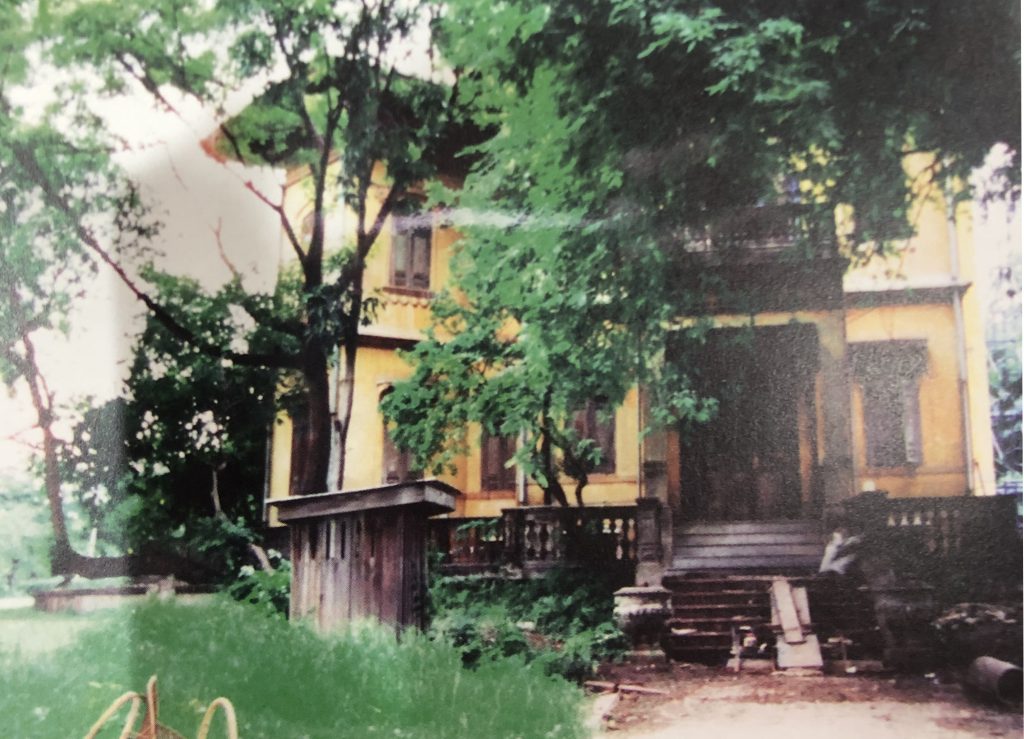
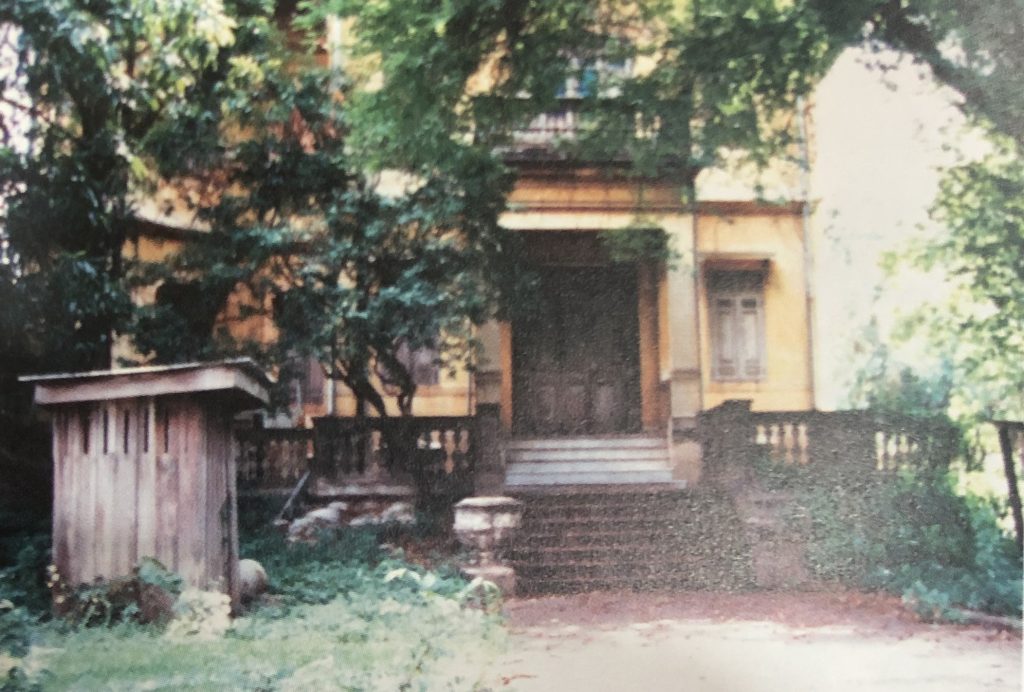
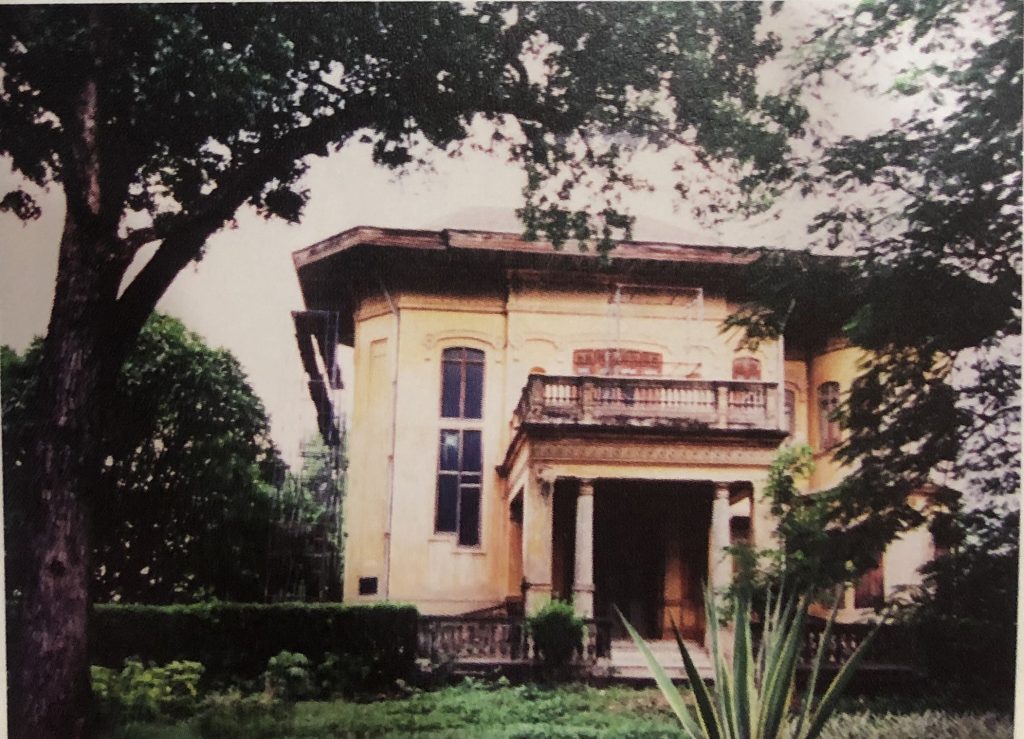
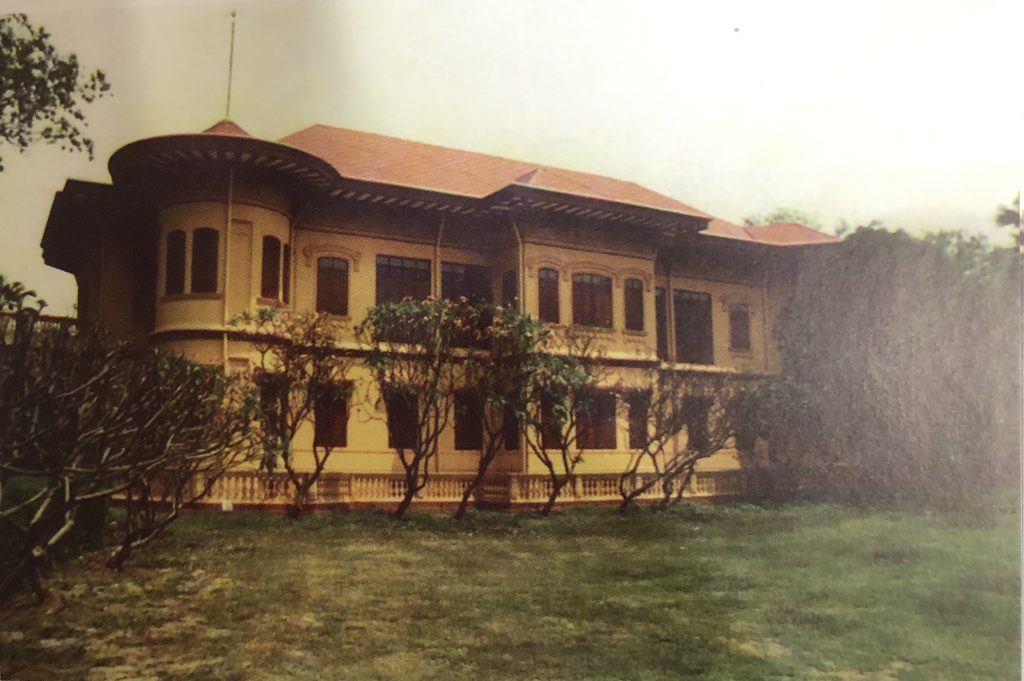
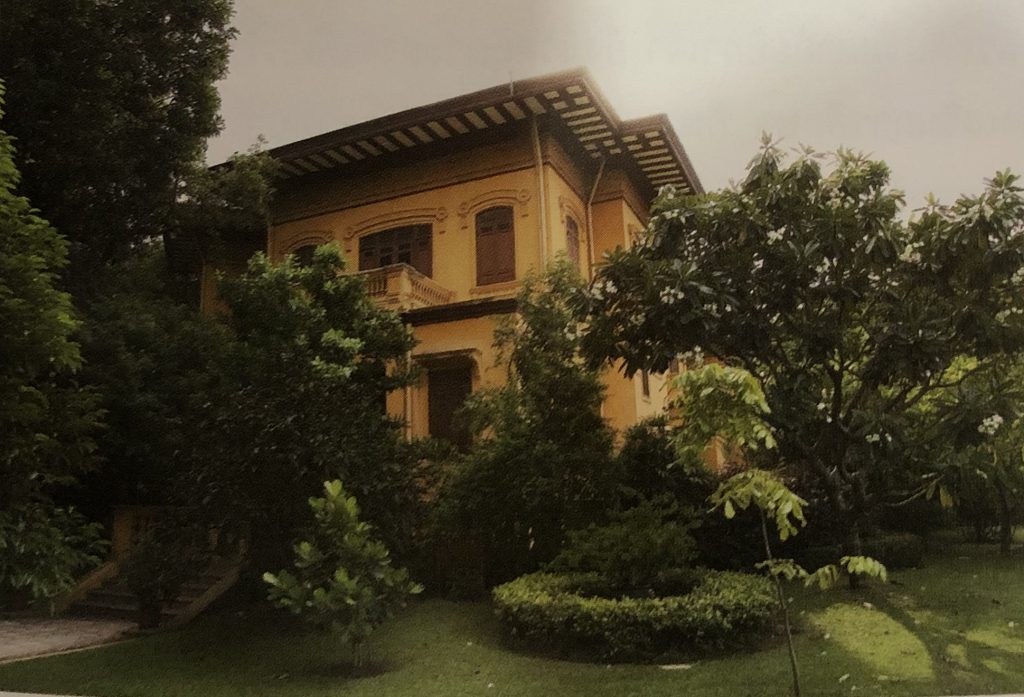
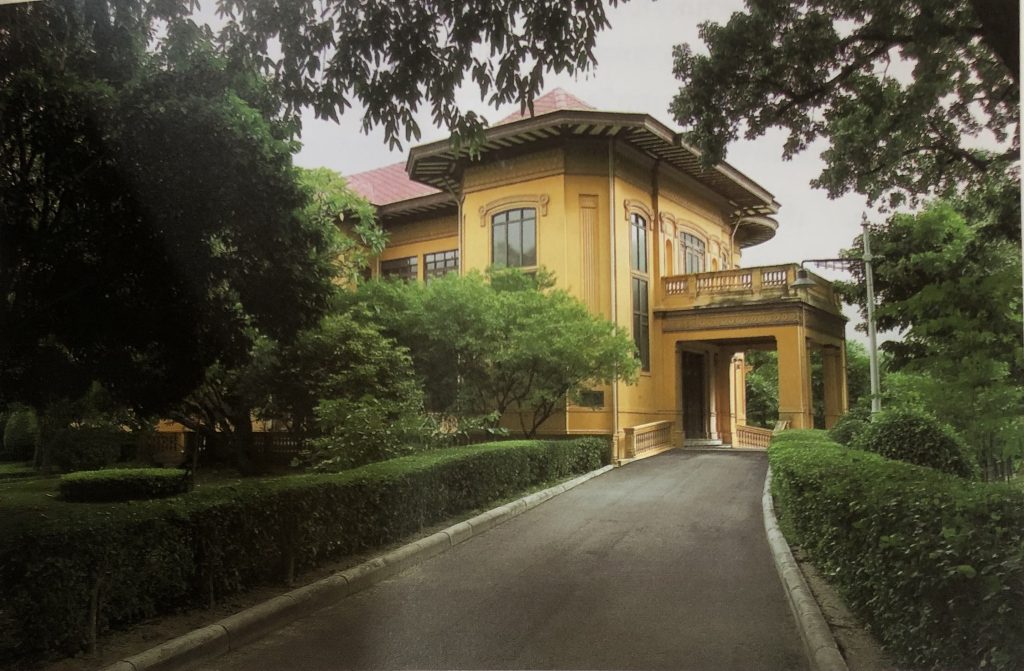
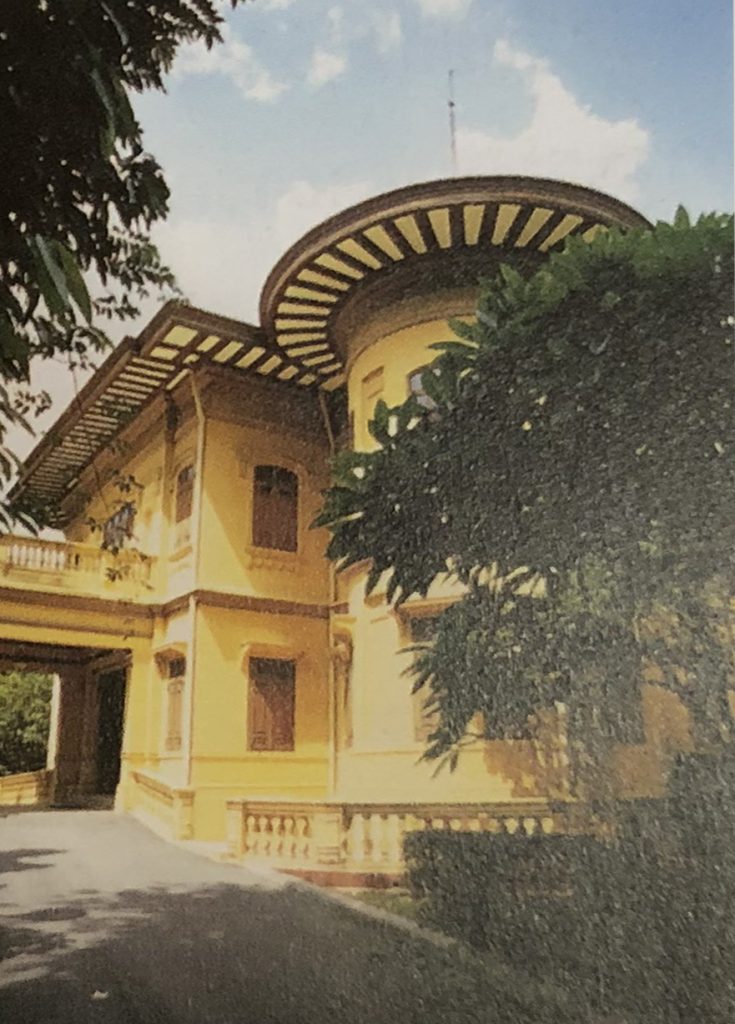
พระตำหนักใหญ่ วังสระปทุม
อ่านเพิ่มเติม
พระตำหนักใหญ่ วังสระปทุม
- ที่ตั้ง เลขที่ 195 ถนนพญาไท เขตปทุมวัน กรุงเทพมหานคร
- สถาปนิก / ผู้ออกแบบ สมเด็จพระศรีสวรินทิราบรมราชเทวี พระพันวัสสาอัยยิกาเจ้า, เปาโล เรเมดี (Paolo Remedi)
- ผู้ครอบครอง สมเด็จพระกนิษฐาธิราชเจ้า กรมสมเด็จพระเทพรัตนราชสุดาฯ สยามบรม ราชกุมารี
- ปีที่สร้าง พ.ศ. 2455 – 2459
- สถาปนิก/ผู้ออกแบบอนุรักษ์ ผู้ช่วยศาสตราจารย์ ดร.พิบูลย์ จินาวัฒน์ และรองศาสตราจารย์สุรชัย ชลประเสริฐ
- ปีที่ได้รับรางวัล พ.ศ. 2563-2564
- ประเภท งานอนุรักษ์มรดกทางสถาปัตยกรรมและชุมชน
- ระดับ ดีเยี่ยม
วังสระปทุม เป็นวังที่ประทับในสมเด็จพระมหิตลาธิเบศร์ อดุลยเดชวิกรม พระบรมราชชนก สมเด็จพระศรีสวรินทิรา บรมราชเทวี พระพันวัสสาอัยยิกาเจ้า พระบาทสมเด็จพระเจ้าอยู่หัว ภูมิพลอดุลยเดช สมเด็จพระศรีนครินทราบรมราชชนนี ตลอดจนสมาชิกในราชสกุล มหิดล อีกหลายพระองค์ พระตำหนักใหญ่นั้น สร้างขึ้นในช่วงต้นรัชกาลพระบาทสมเด็จพระมงกุฎเกล้าเจ้าอยู่หัวเป็นที่ประทับของสมเด็จพระศรีสวริน
ทิราบรมราชเทวี พระพันวัสสาอัยยิกาเจ้า และสมเด็จพระมหิตลาธิเบศร์อดุลยเดชวิกรม พระบรมราชชนก โดยสมเด็จพระพันวัสสาอัยยิกาเจ้าทรงกำหนดผังอาคารให้นายเปาโล เรเมดี สถาปนิกชาวอิตาเลียนประจำกรมโยธาธิการเขียนแบบตามพระราชประสงค์ เป็นอาคารโครงสร้างคอนกรีตเสริมเหล็ก สูงสองชั้น มีผังรูปสี่เหลี่ยมยาวขนานคลองแสนแสบ สอดคล้องกับทิศทางแดดลม มีรูปแบบสถาปัตยกรรมแบบคลาสสิครีไววัลที่เรียบง่าย สง่างาม สะท้อนถึงพระราชนิยมในสมเด็จพระพันวัสสาอัยยิกาเจ้าและสมาชิกในราชสกุลมหิดล
ที่ทรงเน้นอัตถประโยชน์ ความประหยัด และการธำรงพระเกียรติตามพระราชอิสริยยศ ตลอดจนการประยุกต์สถาปัตยกรรมและมัณฑนศิลปแบบตะวันตกให้สอดคล้องกับภูมิอากาศของสยาม จึงถือเป็นมรดกทางสถาปัตยกรรมที่ทรงคุณค่าอย่างยิ่งทั้งทางด้านประวัติศาสตร์และศิลปะสถาปัตยกรรม
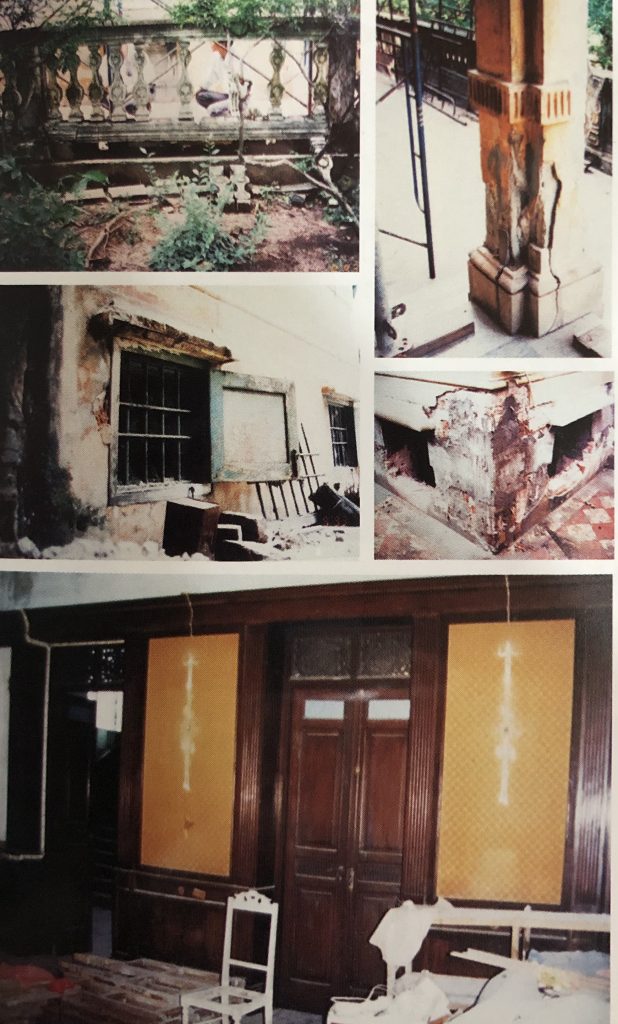
พระตำหนักใหญ่ วังสระปทุม เป็นที่ประทับในสมเด็จพระพันวัสสาอัยยิกาเจ้าตราบจนเสด็จสวรรคตใน พ.ศ. 2498 หลังจากนั้นพระตำหนักหลังนี้จึงได้รับการดูแลโดยสมเด็จพระศรีนครินทราบรมราชชนนีสืบมา จนถึงพ.ศ. 2542 พระบาทสมเด็จพระบรมชนกาธิเบศร มหาภูมิพลอดุลยเดชมหาราช บรมนาถบพิตร ทรงพระกรุณาโปรดเกล้าฯ พระราชทานวังสระปทุมให้เป็นที่ประทับของสมเด็จพระกนิษฐาธิราชเจ้า กรมสมเด็จพระเทพรัตนราชสุดาฯ สยามบรมราชกุมารี พร้อมพระราชดำริให้จัดพระตำหนักใหญ่เป็นพิพิธภัณฑสถานเพื่อเป็นเครื่องเฉลิมพระเกียรติ เป็นศูนย์การเรียนรู้ซึ่งแสดงพระราชกรณียกิจในสมเด็จพระพันวัสสาอัยยิกาเจ้า อันเป็นแบบอย่างอันดีงามแห่งการดำรงชีวิตที่อำนวยประโยชน์สุขแก่คนหมู่มาก สมเด็จพระกนิษฐาธิราชเจ้า กรมสมเด็จพระเทพรัตนราชสุดาฯ จึงทรงดำเนินการอนุรักษ์อาคารตามพระราชประสงค์ โดยในชั้นต้นโปรดเกล้าฯ ให้ทำการบูรณะอาคาร เสริมความมั่นคงแข็งแรงของโครงสร้าง และติดตั้งงานระบบอาคารสมัยใหม่ โดยรื้อฟื้นรูปแบบสถาปัตยกรรมให้คืนสภาพดั้งเดิม ต่อมาใน พ.ศ. 2548 ทรงตั้งมูลนิธิสมเด็จพระพันวัสสาอัยยิกาเจ้าขึ้นเพื่อดำเนินการจัดตั้งพิพิธภัณฑ์สมเด็จพระพันวัสสาอัยยิกาเจ้าขึ้นที่พระตำหนักใหญ่ ตามแนวความคิดพิพิธภัณฑ์ที่มีชีวิต (Living Museum) ที่สมบูรณ์ เพื่อเป็นแหล่งเรียนรู้ที่มีความงดงาม มีเนื้อหาการจัดแสดงที่ถูกต้องทันสมัย จัดบรรยากาศการตกแต่งและสภาพภายในพระตำหนัก ให้ย้อนกาลเวลาไปยังช่วงรัชกาลพระบาทสมเด็จพระมงกุฎเกล้าเจ้าอยู่หัว โดยการสัมภาษณ์ข้อมูลจากคนเก่าแก่ในวังสระปทุม การสำรวจสภาพพระตำหนักใหญ่อย่างละเอียด การค้นคว้ารวบรวมเอกสารจดหมายเหตุและภาพถ่ายโบราณจากแหล่งเอกสารต่าง ๆ แล้วจึงปรับปรุงอาคารด้วยงานระบบสมัยใหม่เท่าที่จำเป็นแก่การใช้งาน โดยออกแบบให้กลมกลืนไปกับรูปแบบการตกแต่งของเดิม วางผังห้องและการจัดออกแบบปรับปรุงเครื่องเรือนให้ถูกต้องตามข้อมูลทางประวัติศาสตร์ โดยพระราชทานแนวทางในการอนุรักษ์ว่า ไม่ได้ซ่อมเพื่อให้เป็นของใหม่ แต่เป็นการซ่อมแซมเพื่อให้คืนสภาพ ใช้งานได้ดังเดิม แต่ยังคงความเก่าตามกาลเวลา เหมือนเมื่อครั้งที่สมเด็จพระพันวัสสาอัยยิกาเจ้ายังคงเสด็จประทับ ณ พระตำหนักแห่งนี้อยู่ การจัดตั้งพิพิธภัณฑ์สมเด็จพระพันวัสสาอัยยิกาเจ้า ณ พระตำหนักใหญ่ วังสระปทุม แล้วเสร็จสมบูรณ์และเปิดใช้งานได้ในวโรกาสเฉลิมพระชนมพรรษา 80 พรรษา พระบาทสมเด็จพระบรมชนกาธิเบศร มหาภูมิพลอดุลยเดชมหาราช บรมนาถบพิตร เมื่อวันที่ 17 ธันวาคม พ.ศ. 2551
สมาคมสถาปนิกสยาม ในพระบรมราชูปถัมภ์ โดยคณะกรรมาธิการอนุรักษ์ศิลปสถาปัตยกรรม ได้ตระหนักถึงคุณค่าทางวัฒนธรรมที่สูงยิ่งของอาคารพระตำหนักใหญ่ วังสระปทุมแห่งนี้ พร้อมด้วยการดำเนินการที่นับเป็นตัวอย่างที่ดีเยี่ยมของการอนุรักษ์ศิลปสถาปัตยกรรมตามแนวความคิดพิพิธภัณฑ์ที่มีชีวิต ด้วยความเข้าใจในคุณค่าของแหล่งอย่างดียิ่ง เป็นการอนุรักษ์ที่กอปรด้วยการตีความและการนำเสนอความหมาย ความสำคัญของประวัติศาสตร์ชาติ ผสานไปกับประวัติศาสตร์สถาปัตยกรรม การศึกษาค้นคว้าวิจัยอย่างถี่ถ้วนเพื่อสร้างองค์ความรู้ในการอนุรักษ์ที่มีการนำมาสู่การปฏิบัติอย่างเหมาะสม ตลอดจนการบริหารจัดการองค์กรที่เข้มแข็ง สร้างกิจกรรมต่างๆให้สังคมได้เข้ามามีส่วนร่วม ทำให้พระตำหนักใหญ่ วังสระปทุมเป็นแหล่งเรียนรู้ของสังคมอย่างยั่งยืน และเป็นแบบอย่างที่ส่งอิทธิพลต่อการดำเนินการที่เกี่ยวข้องกับการอนุรักษ์มรดกสถาปัตยกรรมในวงกว้างสืบไปทั้งในภาครัฐและเอกชน
ด้วยเหตุนี้สมาคมสถาปนิกสยาม ในพระบรมราชูปถัมภ์ จึงได้ขอพระราชทานพระบรมราชานุญาต ทูลเกล้าฯ ถวายรางวัลงานอนุรักษ์มรดกทางสถาปัตยกรรมและชุมชน ระดับดีเยี่ยม สำหรับงานอนุรักษ์พระตำหนักใหญ่ วังสระปทุม แด่สมเด็จพระกนิษฐาธิราชเจ้า กรมสมเด็จพระเทพรัตนราชสุดาฯ สยามบรมราชกุมารี เพื่อประกาศพระเกียรติคุณสืบไป
Grand Hall, Sra Pathum Palace
- Location: No. 195 Phayathai Road, Khet Pathumwan, Bangkok
- Architects/ Designers: Queen Savang Vadhana, the Queen Grandmother, and Paolo Remedi
- Proprietor: HRH Princess Maha Chakri Sirindhorn
- Construction Date: 1912 – 1916
- Architects/Conservation Designers: Asst. Prof. Dr. Phibun Chinawat, and Assoc. Prof. Surachai Chonprasert
- Conservation Awarded Date: 2020 – 2021
- Category: Architectural and community heritage conservation projects
- Level: Award of Excellence
Conservation of the Grand Hall, Sra Pathum Palace 2005 – 2008
Sra Pathum Palace has been the residence of Prince Mahitala Dhibesra Adulyadej Vikrom, the Prince Grandfather, Queen Savang Vadhana, the Queen Grandmother, King Bhumibol the Great, Princess Srinagarindra the Princess Grandmother, and several other members of the Mahidol royal family. The Grand Hall was built in the early reign of King Rama VI. The main plan and ideas for architectural design were laid out by Queen Savang Vadhana who had Mr. Paolo Remedi, architect from the Department of Works, made the architectural drawings accordingly. The hall is 2-storey, reinforced concrete building, rectangular plan laid along the Saen Saep canal which is a good orientation. The architecture is Classic Revival style, simple and dignified, reflecting the inclination of the Queen and the Mahidol royal family members who prefer functionality, frugality, and appropriateness to the royal status, as well as the application of architecture and decorative arts of the West to suit the climate of Siam. The Grand Hall, therefore, is a highly valuable architectural heritage in history and architecture.
Queen Savang Vadhana, the Queen Grandmother resided at the Grand Hall, Sra Pathum Palace until she passed away in 1955, then the palace was in care of Princess Srinagarindra the Princess Grandmother until 1999, King Bhumibol the Great granted the Palace to HRH Princess Maha Chakri Sirindhorn to be her residence, and initiated the establishment of the Grand Hall, residence of Queen Savang Vadhana, the Queen Grandmother, as a museum and memorial place to commemorate the Queen Grandmother and exhibit her life and work in public welfare. The Princess undertook the Museum Project which, in the first phase, included restoration, structural consolidation, installation of new building systems, and conservation of original architectural features. In 2005, she established Queen Savang Vadhana Foundation as the responsible body for the organizing of Queen Savang Vadhana Museum at the Grand Hall by the concept “Living Museum”, reviving the style and atmosphere of the house in the time of Queen Savang Vadhana by interviewing old palace attendants, studying archives, documents, and old photographs thoroughly before designing building renovation and deciding on addition of new building systems only as necessary, which were installed to harmonize with the original features. The planning and interior decorations are preserved or reconstructed to be the same as the originals based on historical information. The Princess emphasized that the work should aim to revitalize the functions but retain the oldness to achieve the genuine atmosphere of the time when the Queen Grandmother was living in the house. Queen Savang Vadhana Museum was completed and officially opened on Wednesday, 17th December 2008 on the 80th Anniversary of King Bhumibol the Great.
The Association of Siamese Architects under Royal Patronage by the Architecture Conservation Committee perceived the high cultural values of the Grand Hall, Sra Pathum Palace, and its conservation and renovation process which was an excellent example of architectural conservation by “Living Museum” concept. The project successfully achieved its goal due to the deep understanding of the place; the interpretation, and presentation of the nation’s history along with architectural history; the thorough study to build knowledge base which led to appropriate implementation; and the strong management by the organization that allow people to participate in the project through various activities. The Grand Hall, Sra Pathum Palace, therefore, has become a sustainable learning center of the society and an influential archetype of architectural heritage conservation to both public and private sectors.
The Association of Siamese Architects under Royal Patronage, therefore, requested the permission to present the ASA Conservation of Architectural Heritage and Community Award of Excellence 2020 – 2021 for the Conservation of Grand Hall, Sra Pathum Palace, to HRH Princess Maha Chakri Sirindhorn as a token of appreciation and commendation for Her Royal Highness’s outstanding work and contribution to the conservation of cultural heritage of the Thai nation.
ระดับดีมาก
1905 เฮอร์ริเทจ คอนเนอร์
อ่านเพิ่มเติม
1905 เฮอร์ริเทจ คอนเนอร์
- ที่ตั้ง เลขที่ 66 และ 68 ถนนแพร่งภูธร แขวงศาลเจ้าพ่อเสือ เขตพระนคร กรุงเทพมหานคร
- ผู้ครอบครอง ณัฐกฤตา พงษ์ธนานิกร และมาร์ค แซล์มอน
- ปีที่สร้าง พ.ศ. 2447 – 2449
- สถาปนิก/ผู้ออกแบบอนุรักษ์ พงศกร กิจขจรพงษ์
- ปีที่ได้รับรางวัล พ.ศ. 2563 – 2564
- ประเภท งานอนุรักษ์มรดกทางสถาปัตยกรรมและชุมชน
- ระดับ ดีมาก
ประวัติ
ตึกแถวถนนแพร่งภูธรสร้างขึ้นในสมัยรัชกาลที่ 5 ในพื้นที่ซึ่งจรดถนน 3 ด้าน ได้แก่ ถนนอัษฎางค์ ถนนบำรุงเมือง และถนนตะนาว และติดกับพื้นที่แพร่งนรา เดิมเป็นที่ตั้งของวังสะพานช้างโรงสี ที่เรียกกันว่า “วังเหนือ” เป็นที่ประทับของพระเจ้าบรมวงศ์เธอกรมหมื่นภูธเรศธำรงศักดิ์ พระราชโอรสในพระบาทสมเด็จพระจอมเกล้าเจ้าอยู่หัว รัชกาลที่ 4 และเจ้าจอมมารดาตลับ เมื่อพระเจ้าบรมวงศ์เธอฯ สิ้นพระชนม์ใน
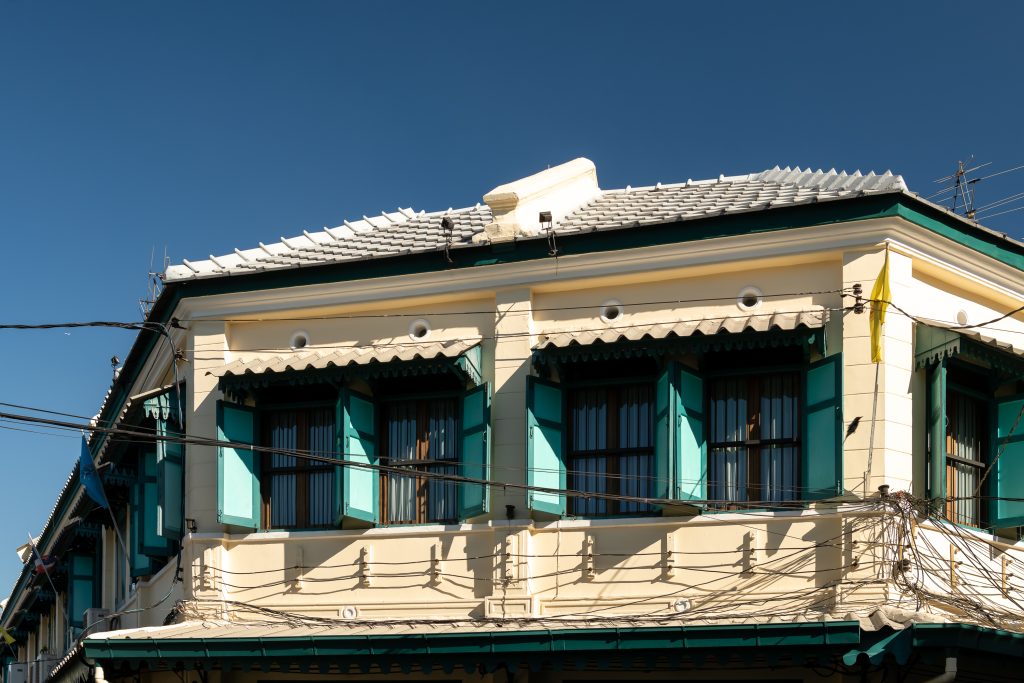
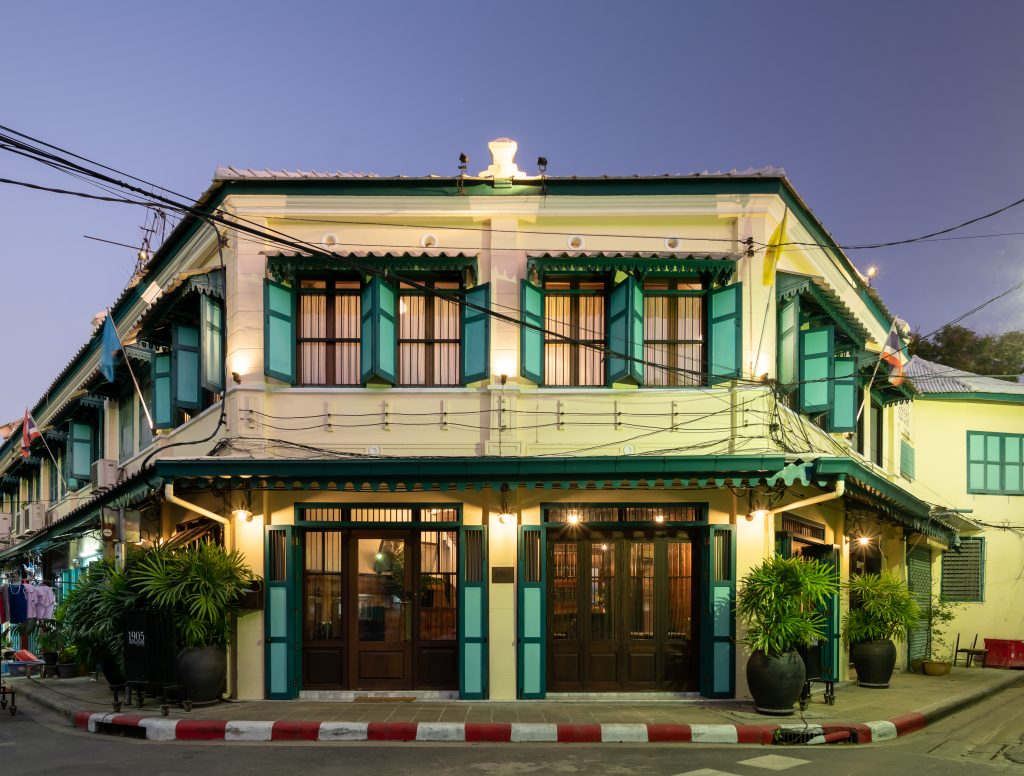
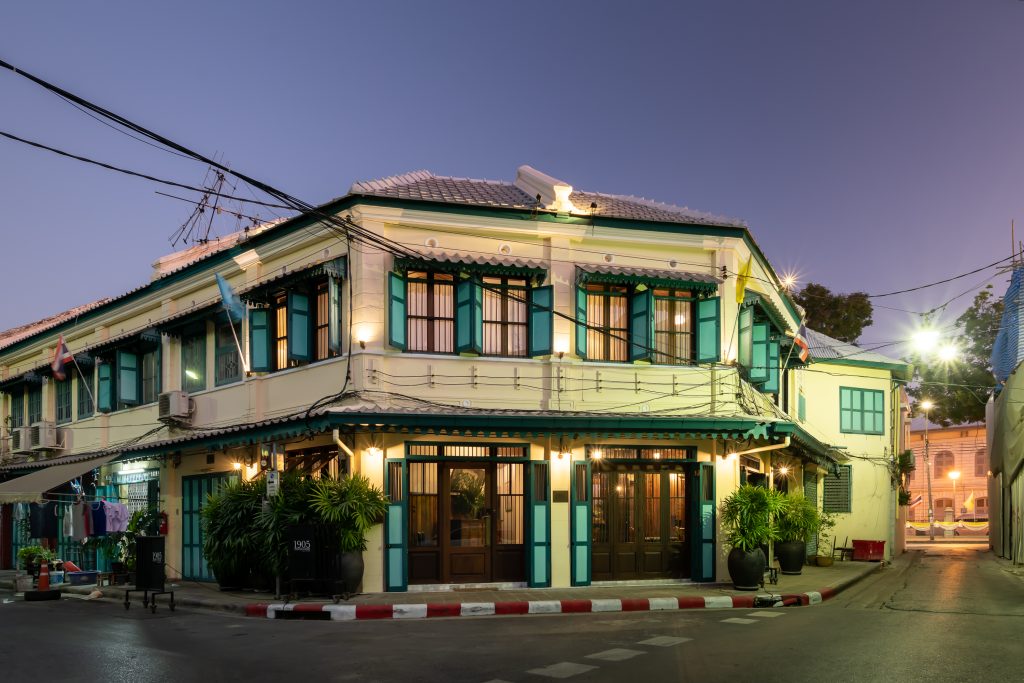
พ.ศ. 2440 หม่อมเจ้าในกรมได้ถวายขายที่วังและสิ่งปลูกสร้างแด่พระบาทสมเด็จพระจุลจอมเกล้าเจ้าอยู่หัว รัชกาลที่ 5 และพระองค์ทรงโปรดเกล้าโปรดกระหม่อมให้กรมพระคลังข้างที่รับซื้อไว้ จากนั้นได้รื้อถอนอาคารต่าง ๆ ในวังลงจนหมด จัดซื้อที่ดินเพิ่มด้านถนนอัษฎางค์และด้านถนนตะนาว แล้วตัดถนนให้มีทางเข้าออกสามด้าน ตรงกลางเว้นเป็นที่ว่าง ส่วนที่เหลือสร้างเป็นตึกแถวเพื่อการพาณิชยกรรม พระราชทานชื่อว่าตำบลแพร่งภูธรเป็นย่านการค้าที่คึกคักมากในสมัยรัชกาลที่ 5 และรัชกาลที่ 6 โดยบ้านเลขที่ 66 และ 68 เป็นตึกแถวที่อยู่แปลงหัวมุมถนนซึ่งถูกใช้งานเพื่อการพาณิชยกรรมมาอย่างต่อเนื่อง และก็ได้ถูกทิ้งร้างไม่ได้ใช้ประโยชน์มาระยะหนึ่งก่อนจะได้รับการปรับปรุงฟื้นฟูเป็นโรงแรมขนาดเล็กในชื่อว่า 1905 เฮอร์ริเทจ คอร์เนอร์ ในปัจจุบัน
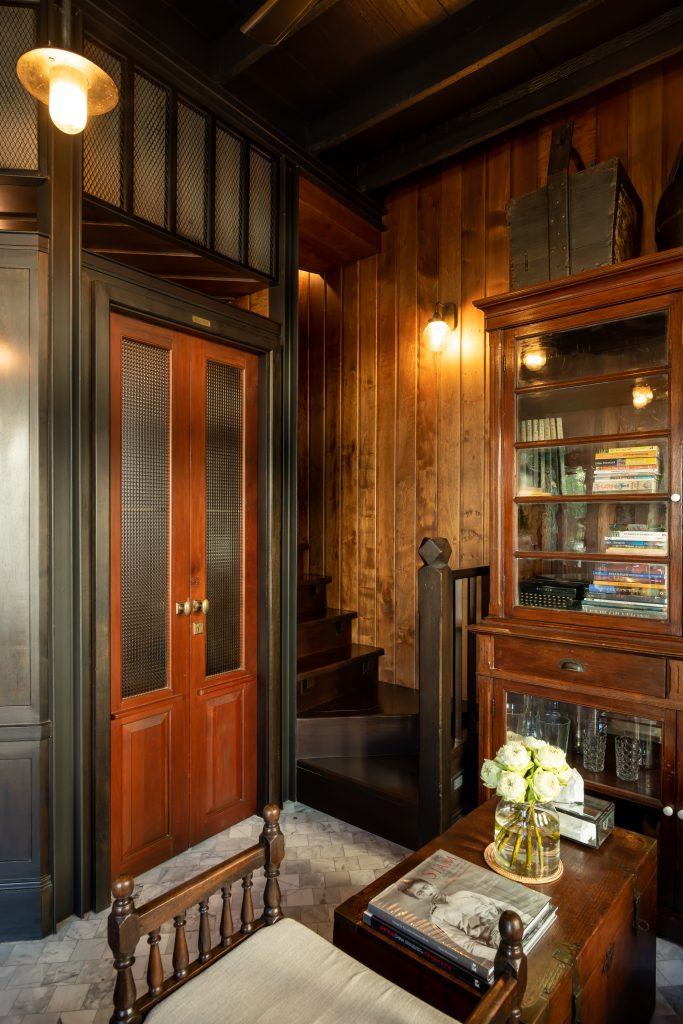
1905 เฮอร์ริเทจ คอร์เนอร์ เป็นอาคารสูง 2 ชั้น โครงสร้างแบบผนังรับน้ำหนัก ก่ออิฐฉาบปูน
ทำหน้าที่เป็นผนังกันไฟในตัว โครงสร้างพื้นและหลังคาเป็นไม้เนื้อแข็ง หลังคามุงกระเบื้องว่าวซีเมนต์ โดยระหว่างห้องแถวแต่ละห้องจะเน้นขอบเขตด้วยระนาบผนังที่หนาพร้อมลายเซาะร่องตามแนวนอน ชั้นล่างเป็นประตูบานเฟี้ยมลูกฟักไม้ เหนือประตูเป็นช่องลมระบายอากาศ ผนังเหนือช่องลมประดับปูนปั้นเป็นเส้นโค้ง
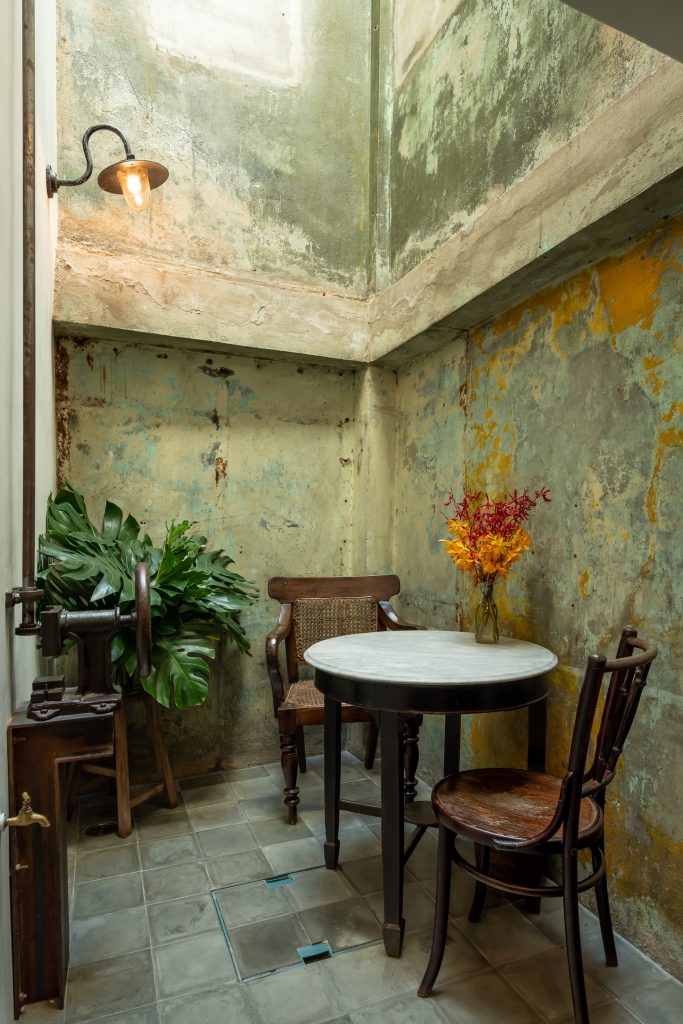
มีแนวกันสาดคลุมทางเท้ายาวตลอดแนวอาคาร ชั้นบนเป็นหน้าต่างบานเปิดลูกฟัก ด้านบนเป็นช่องแสง คลุมด้วยกันสาดประดับลายฉลุไม้ ผนังเหนือกันสาดมีช่องระบายอากาศรูปวงกลมเป็นระยะ ด้วยความที่เป็นอาคารแปลงหัวมุม ผังพื้นของอาคารจึงแตกต่างจากตึกแถวห้องอื่นๆ เป็นอาคารมีพื้นที่ใช้สอยรวมประมาณ 130 ตารางเมตร ชั้นล่างประกอบด้วยส่วนต้อนรับ ห้องครัว ห้องน้ำ ช่องเปิดโล่ง และห้องพักพร้อมห้องน้ำภายใน 1 ห้อง และชั้นบนประกอบด้วยห้องพักพร้อมห้องน้ำภายใน 2 ห้อง
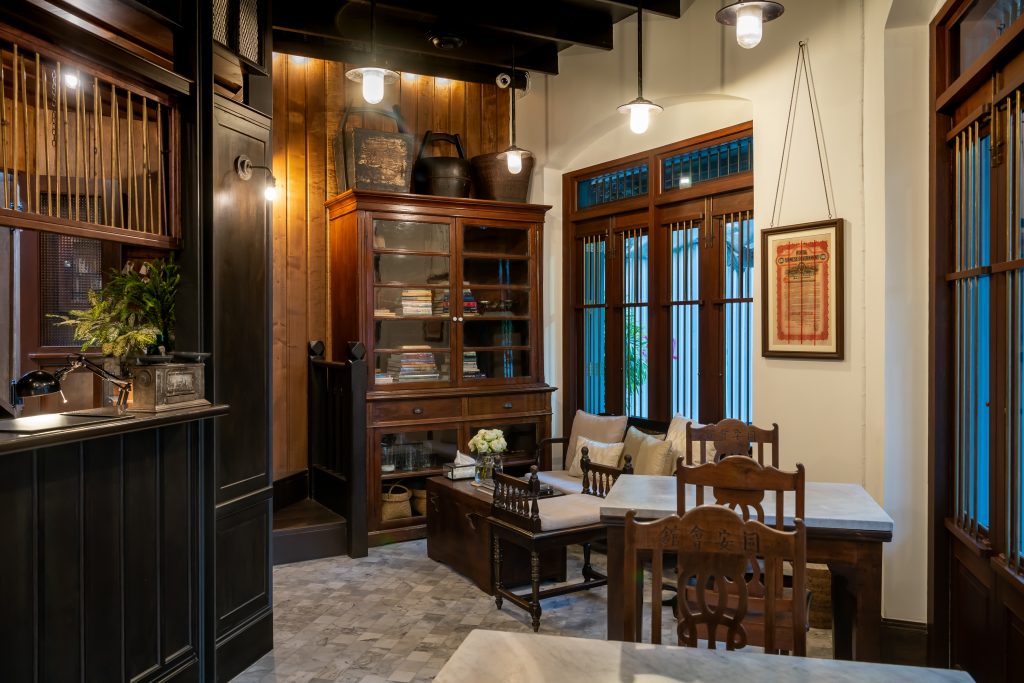
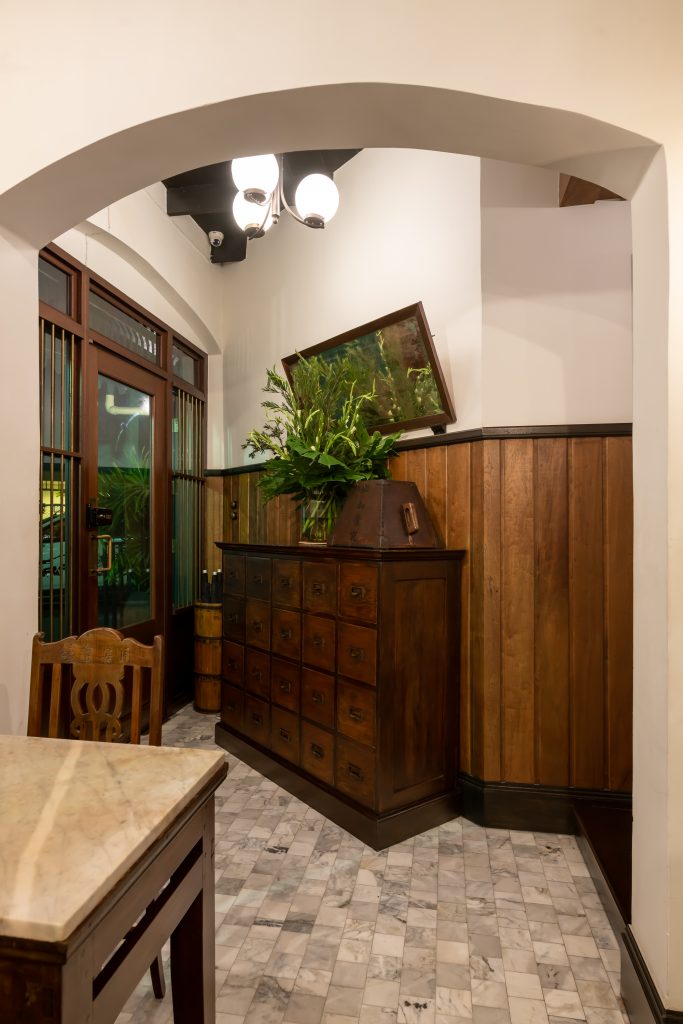
1905 เฮอร์ริเทจ คอร์เนอร์ ได้รับการอนุรักษ์โดยใช้ระยะเวลาออกแบบและดำเนินการซ่อมแซมปรับปรุงเป็นเวลา 5 ปี ในการดำเนินการดังกล่าวได้พยายามรักษารูปแบบดั้งเดิมของอาคารไว้ให้มากที่สุด
ทั้งโครงสร้างและวัสดุที่นำมาซ่อมแซม ชิ้นส่วนของอาคารเดิมได้นำกลับมาใช้ให้ได้ประโยชน์สูงสุด ได้ทำการรื้อถอดส่วนที่ได้ถูกปรับปรุงต่อเติมออก แล้วจัดสรรพื้นที่ใช้สอยภายในใหม่ ให้มีความสะดวกสบายในการใช้งานให้สอดคล้องกับชีวิตในปัจจุบัน เช่น ปรับเปลี่ยนบันได และเพิ่มเติมห้องน้ำให้สามารถใช้งานได้สะดวก เพิ่มเติมงานระบบต่าง ๆ ที่มีได้มาตรฐาน ส่วนงานตกแต่งภายในมีความใส่ใจในทุก ๆ รายละเอียด เน้นความประณีตของช่างฝีมือ ผสมผสานความเก่าและใหม่ให้มีความละเมียดละไม สร้างเป็นประสบการณ์ใหม่ในการมาเข้าพัก
1905 Heritage Corner
- Location: No. 66 and 68 Phraeng Phuthon Road, Khwaeng San Chao Pho Suea, Khet Phra Nakhon, Bangkok
- Proprietor: Natthakrita Phongthananikorn and Mark Salmon
- Construction Date: 1904 – 1906
- Architect/Conservation Designer: Pongsakorn Kitcachonpong
- Conservation Awarded Date: 2020 – 2021
- Category: Architectural and community heritage conservation projects
- Level: Award of Distinction
History
Shophouses on Phraeng Phuthon Road were built in the reign of King Rama V on the land with 3 sides adjacent to the roads, which are Asadang Road, Bamrung Mueang Road, and Tanao Road, as well as adjacent to Phraeng Nara area. This place was originally a palace called “Wang Saphan Chang Rong Si” or “Wang Nuea”, the residence of Prince Krommamuen Phutharet Thamrongsak, son of King Rama IV and Chao Chom Manda Talap. When the Prince passed away in 1897, his heirs sold the land and palace to King Rama V who had the Privy Purse Department buy them, then the palace was demolished, more lands on Asadang Road and Tanao Road were bought, and 3 access roads were built, and the site was designed to have an open space in the middle and shophouses built on the roadsides. The King named the place “Phraeng Phuthon”, which became a very popular and active commercial district during the reigns of King Rama V and VI. Nos. 66 and 68 are corner shophouses which had been continually used for business but were abandoned for some time before the renovation which changed the buildings into a small hotel named “1905 Heritage Corner”, as seen today.
1905 Heritage Corner is 2-storey, wall-bearing structure, brick masonry walls which also serve as firewalls; floor and roof structures are hardwood, roofed with rhombus cement tiles; each shophouse unit is defined by thick wall and horizontal grooves. The ground floor is fitted with wooden folding door with ventilation fanlight on top, and arch moldings on the wall over the fanlight; the front is sheltered by an awning roof; the upper floor façade consists of wood-paneled windows with fanlights sheltered by awnings with decorative wood openwork, over which are circular ventilation holes. Because of its special location on the corner, the planning of these shophouses is different from other units, with functional area approximately 130 sq.ms. comprising reception area, kitchen, restroom, open well, and 1 accommodation room with restroom on the ground floor; and the upper floor comprises 2 accommodation rooms with restrooms.
1905 Heritage Corner underwent a conservation process which took 5 years before completion. The project aimed to conserve original features as much as possible, for instance, structure, materials, and original elements were used to their highest potential; additional parts were removed; and the interior space was rearranged to serve the present way of life as seen in the change of stairs and addition of restrooms and new building systems. The interior was carried out with care in all details, emphasizing fine craftsmanship to integrate the old and the new harmoniously to create new experiences for the guests.
บ้านขุนพิทักษ์รายา
อ่านเพิ่มเติม
บ้านขุนพิทักษ์รายา
- ที่ตั้ง เลขที่ 251 ถนนปัตตานีภิรมย์ ตำบลอาเนาะรู อำเภอเมือง จังหวัดปัตตานี
- ผู้ครอบครอง อนุพาสน์ สุวรรณมงคล
- ปีที่สร้าง ก่อนพ.ศ. 2460
- สถาปนิก/ผู้ออกแบบอนุรักษ์ อดิศักดิ์ วัฒนะตันทะ และตวิษา วัฒนเจริญพงศ์
- ปีที่ได้รับรางวัล พ.ศ. 2563-2564
- ประเภท งานอนุรักษ์มรดกทางสถาปัตยกรรมและชุมชน
- ระดับ ดีมาก
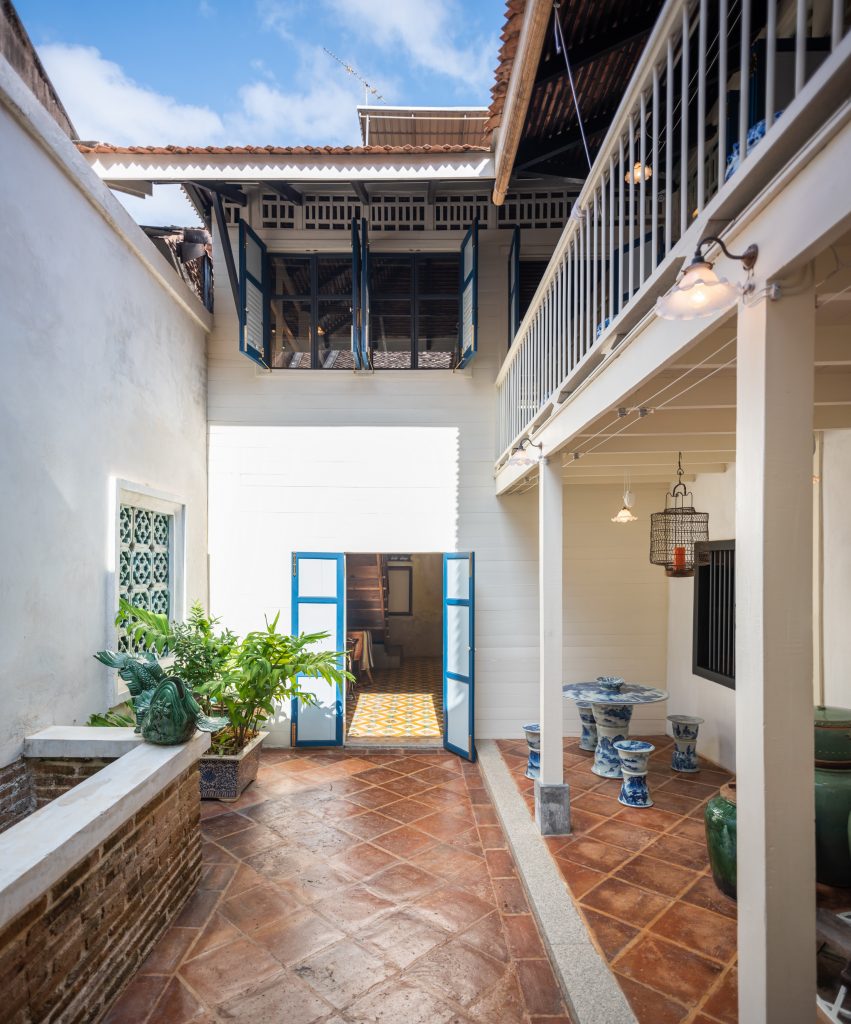
บ้านขุนพิทักษ์รายาตั้งอยู่ในชุมชนหัวตลาดซึ่งในภาษามลายูเรียกว่า กือดาจีนอ (กือดา แปลว่า ตลาด และ จีนอ แปลว่า จีน) เป็นชุมชนที่มีชาวจีนเข้ามาตั้งถิ่นฐานตั้งแต่ในสมัยรัชกาลที่ 3 ผู้บุกเบิกย่านนี้คือนายปุ่ย แซ่ตัน หรือ หลวงสำเร็จกิจกรจางวาง ต่อมาทายาทหลวงสำเร็จกิจกรจางวางได้เข้ามามีบทบาทในการทำกิจการจัดเก็บภาษี การทำเหมืองแร่ และการค้ากับต่างประเทศ ขุนพิทักษ์รายาคือทายาทรุ่นที่ 3 ของตระกูล โดยที่ดินบริเวณบ้านขุนพิทักษ์รายาเป็นที่ตั้งของบ้านนางวไล วัฒนายากร ธิดาของขุนพิทักษ์รายาและเป็นคุณยายของคุณอนุพาสน์ สุวรรณมงคล ผู้ครอบครองบ้านในปัจจุบัน ซึ่งเป็นผู้คิดริเริ่มการฟื้นฟูอนุรักษ์บ้านขุนพิทักษ์รายาให้กลับมามีชีวิตอีกครั้งเพื่อแสดงความกตัญญูกตเวทิตาต่อบรรพบุรุษและทดแทนพระคุณแม่ในโอกาสอายุครบ 7 รอบ เพื่อให้ทายาทรุ่นต่อไปได้สืบทอดอาคารแห่งนี้ไว้เป็นแหล่งเรียนรู้ของผู้ที่สนใจเกิดประโยชน์สูงสุดแก่จังหวัดปัตตานีแผ่นดินเกิดของคุณแม่
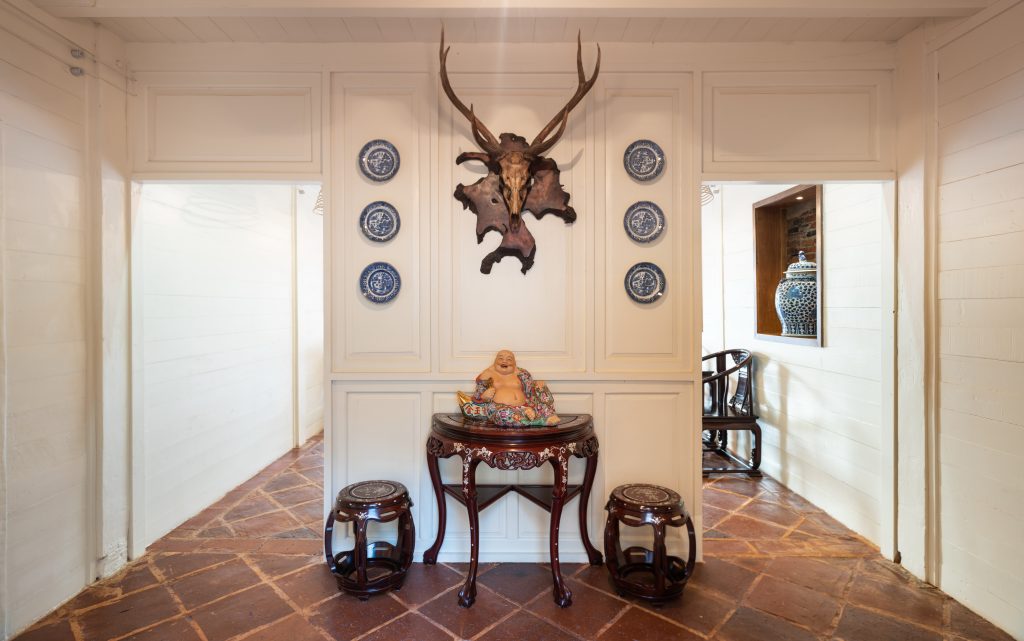
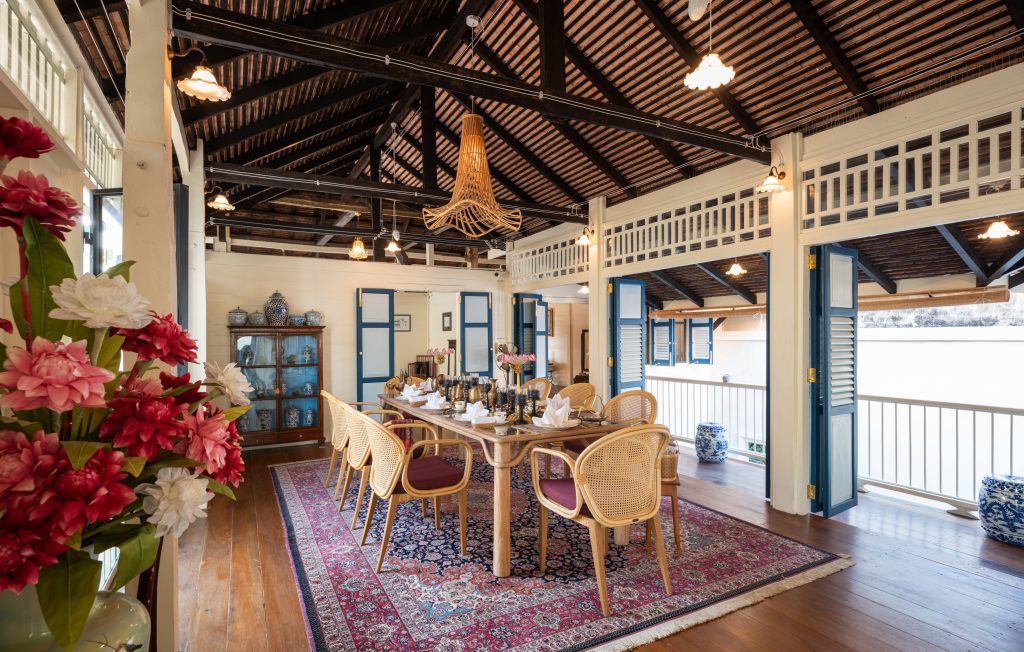
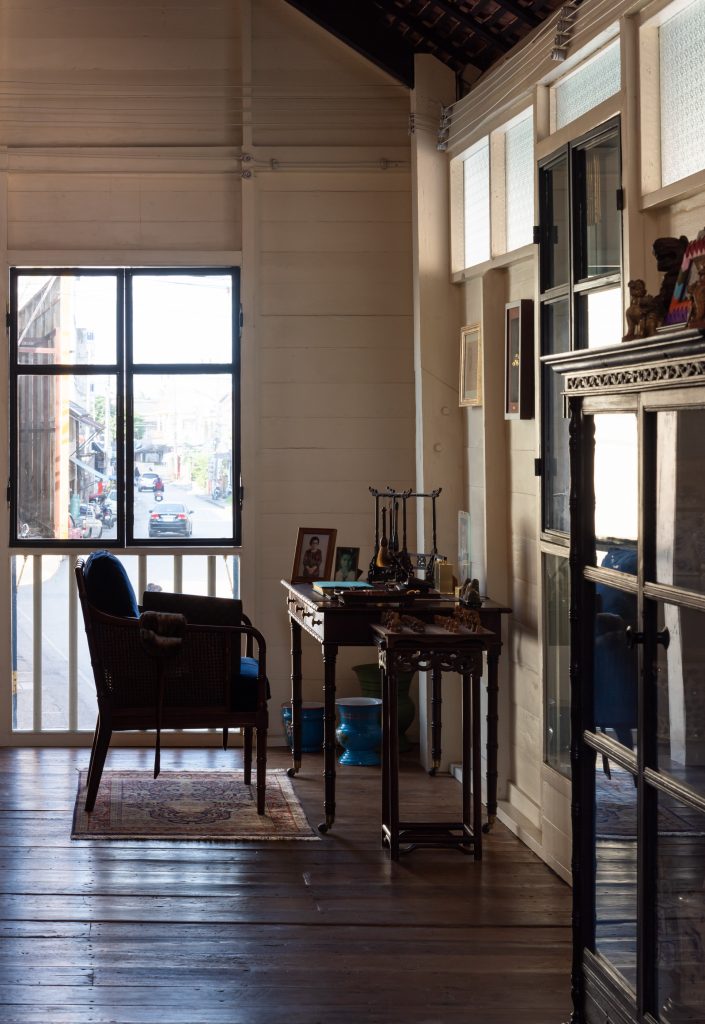
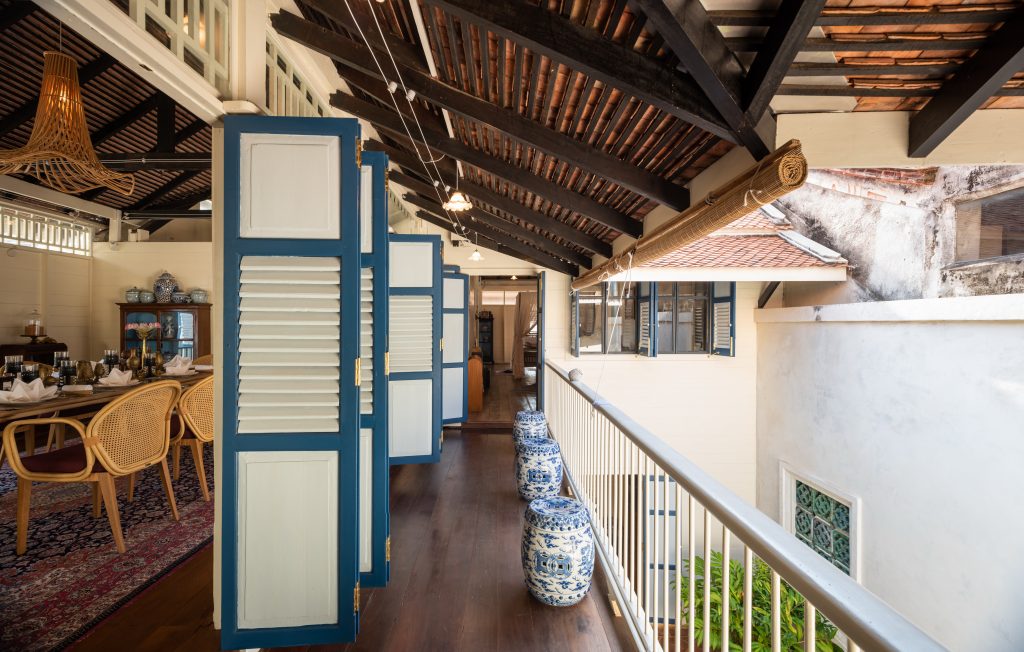
บ้านขุนพิทักษ์รายาเป็นเรือนแถว 2 ชั้น 2 คูหา 2 ช่วงเสา พื้นที่ใช้สอยรวม 360 ตารางเมตร รูปแบบของสถาปัตยกรรมมีส่วนผสมของสถาปัตยกรรมจีน แสดงออกถึงงานช่างผสมผสานคติความเชื่อแบบจีนกับงานช่างพื้นถิ่นโดยใช้วัสดุที่ผลิตในชุมชนมุสลิม ชั้นหนึ่งของอาคารมีโครงสร้างเป็นผนังรับน้ำหนักก่ออิฐฉาบปูน ที่ผนังด้านซ้ายยังพบร่องรอยของระดับหลังคาเดิมของบ้านก่อนที่จะมีการปรับปรุงมาเป็นรูปแบบที่ปรากฏอยู่ในปัจจุบัน ชั้นสองของอาคารเป็นโครงสร้างเสาและคาน หลังคาส่วนหน้าอาคารเป็นทรงจั่ว ส่วนหลังของอาคารเป็นทรงปั้นหยา มีหลังคาชายคาทั้งชั้นหนึ่งและชั้นสองของอาคาร โดยหลังคาทั้งหมดมุงด้วยกระเบื้องดินเผาปลายแหลม การวางผังของบ้านแบ่งออกเป็น 2 ส่วน ด้านหน้าเป็นพื้นที่กึ่งส่วนตัว ส่วนด้านหลังบ้านและชั้นสองเป็นพื้นที่ส่วนตัว พื้นที่ทั้งสองเชื่อมกันด้วยลานเปิดโล่ง เป็นที่ตั้งของบ่อน้ำ ลักษณะเช่นนี้มีประโยชน์ในการถ่ายเทอากาศส่งผลให้เย็นสบายเหมาะแก่การอยู่อาศัย โดยพื้นที่ชั้นหนึ่งของบ้านประกอบด้วย ห้องโถงต้อนรับ ห้องบรรพบุรุษเป็นตั้งของรูปเคารพบรรพบุรุษ ห้องครัว ห้องนิทรรศการจัดแสดงเรื่องการอนุรักษ์บ้านขุนพิทักษ์รายา และห้องน้ำ พื้นที่ใช้สอยชั้นสองฝั่งด้านหน้าบ้านกั้นเป็นห้องนอนสำหรับเจ้าของบ้านเชื่อมด้วยโถงบันไดไปยังพื้นที่อเนกประสงค์ในส่วนกลางบ้าน และห้องโถงบันไดหลังบ้าน ในส่วนของห้องน้ำและห้องอเนกประสงค์เป็นพื้นที่ที่ออกแบบขึ้นใหม่เพื่อตอบรับการใช้งานในปัจจุบัน
บ้านขุนพิทักษ์รายาเป็นตัวอย่างของการอนุรักษ์อาคารแบบเต็มรูปแบบหลังแรกของปัตตานี ทั้งการเก็บข้อมูล การค้นคว้า วิธีการก่อสร้าง และการหาวัสดุทั้งเก่าและวัสดุทดแทนของเดิม ด้วยความตั้งใจให้เหมาะสมกับอาคารและบริบทภายในชุมชมมากที่สุด เพื่อให้สามารถแสดงคุณค่าของสถาปัตยกรรมดั้งเดิมไว้และให้มีความเหมาะสมต่อการใช้งานในปัจจุบัน ทำให้บ้านขุนพิทักษ์รายากลายเป็นแหล่งเรียนรู้ที่สำคัญทางประวัติศาสตร์ สถาปัตยกรรม วิธีการอนุรักษ์ ทั้งด้านการเลือกใช้วัสดุและวิธีการก่อสร้างให้แก่นักเรียน นักศึกษา คนในชุมชนและผู้ที่สนใจ รวมทั้งทำให้เจ้าของอาคารเก่าหลายหลังในพื้นที่เห็นถึงคุณค่าของการอนุรักษ์อาคารแทนการรื้อถอน ทำให้เกิดการรู้รักษ์คุณค่าของชุมชนเพื่อให้คุณค่านี้คงอยู่ตลอดไป
Ban Khun Pitakraya
- Location: No.251 Pattani Phirom Road, Tambon Anoru, Amphoe Mueang, Pattani
- Proprietor: Anupas Suwanmongkol
- Construction Date: Before 1917
- Architects/Conservation Designers: Adisak Watthanatantha and Tawisa Watthanacharoenphong
- Conservation Awarded Date: 2020 – 2021
- Category: Architectural and community heritage conservation projects
- Level: Award of Distinction
Ban Khun Pitakraya (Khun Pitakraya’s House) is situated in Hua Talat community which is called in Malay language “Kueda Cino” (kueda=market, cino=Chinese), a Chinese community that has developed since the reign of King Rama III led by Mr. Pui Tan or Luang Samretkitkonchangwang. Later, the heirs of Luang Samretkitkonchangwang played important roles in several fields of business such as tax collecting, mining, and foreign trades. Khun Pitakraya was the 3rd generation of the family. Ban Khun Phitakraya was originally built by Mrs. Walai Wattanayagorn, his daughter, who is the grandmother of Mr. Anupas Suwanmongkol, the present owner of the house. Mr. Anupas initiated the conservation and revitalization of Ban Khun Pitakraya as an expression of gratitude to his ancestors and a present to his mother on her 70th birthday anniversary. He wishes to conserve the house for his following generations as a learning center and cultural heritage of Pattani, his mother’s homeland.
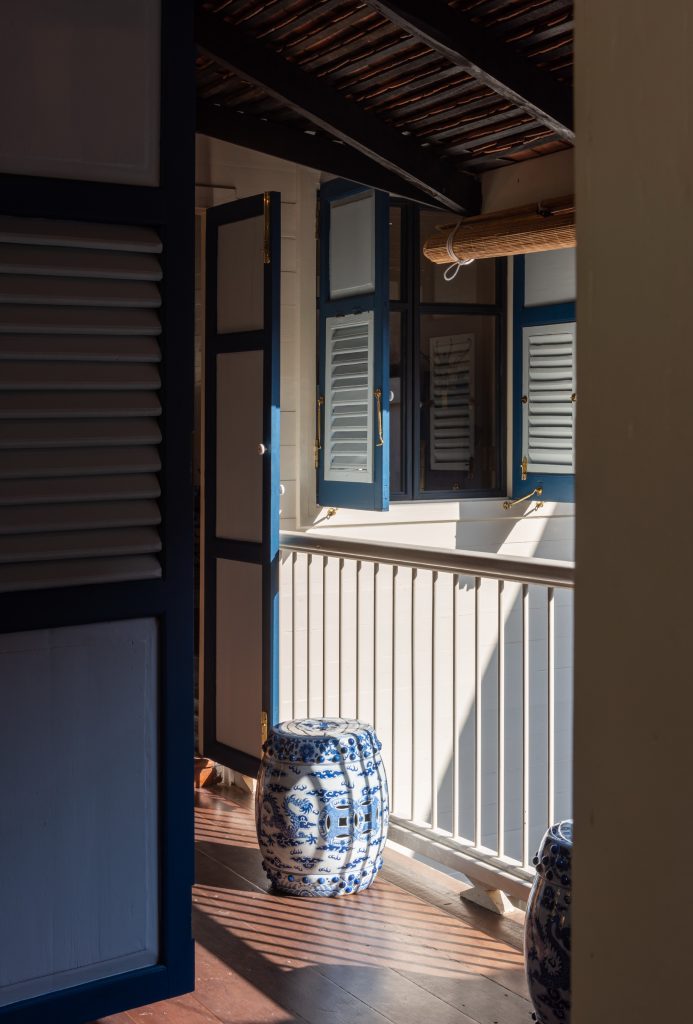
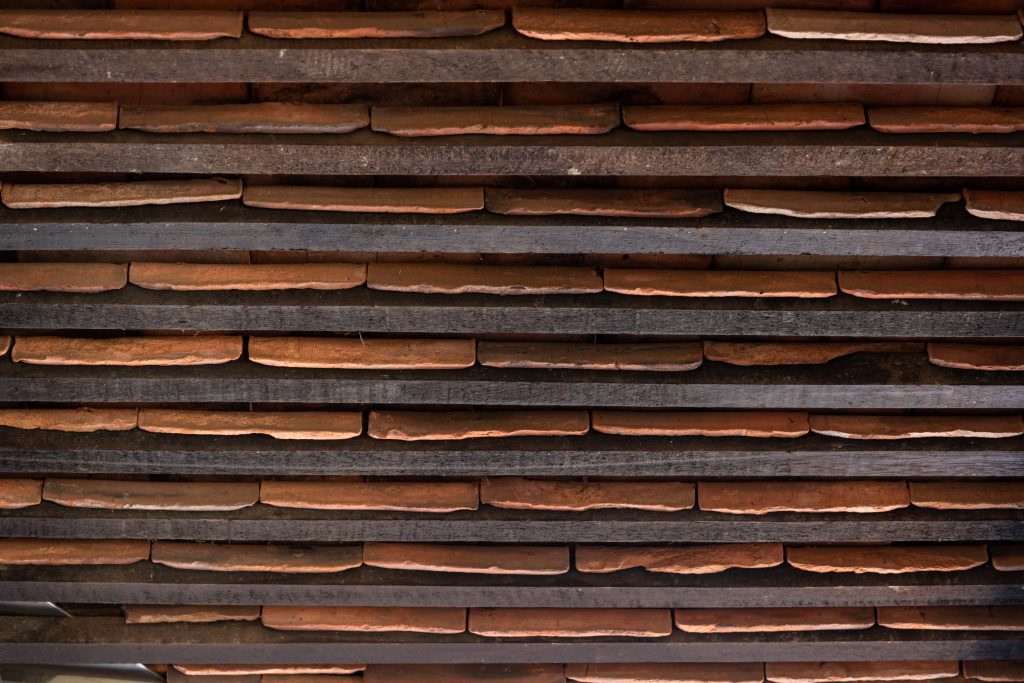
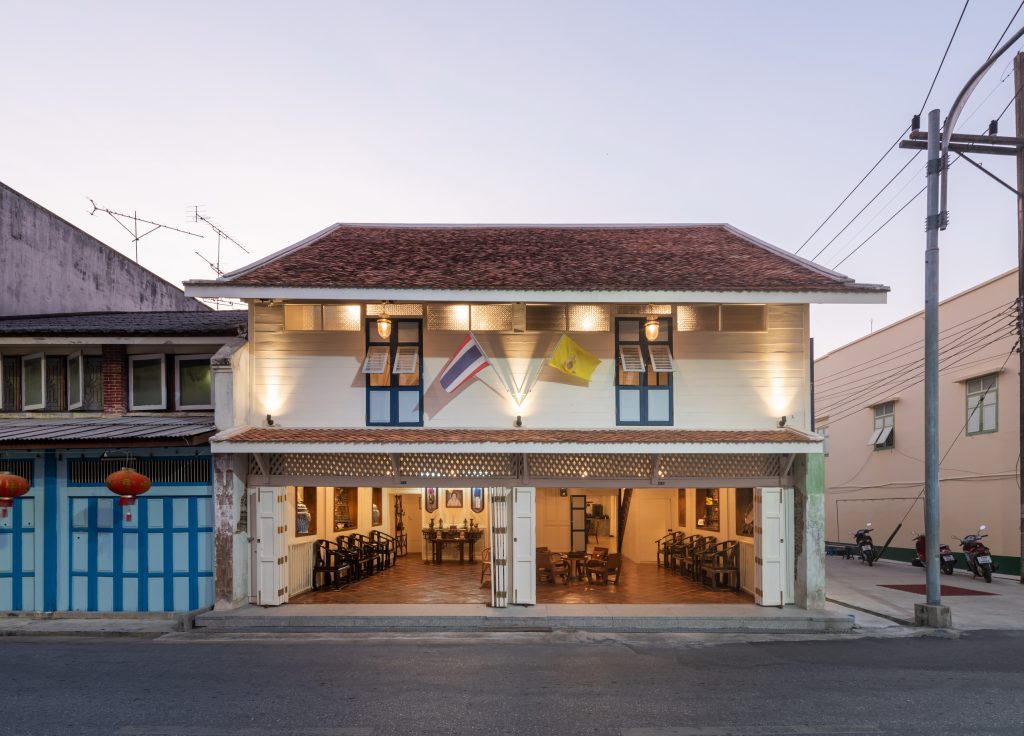
Ban Khun Pitakraya is a 2-storey, 2-unit shophouse, total area approximately 360 sq.ms. The architecture is a mixture of Chinese and local styles which expresses Chinese beliefs built by local craftspeople with materials made in the local Muslim community. The ground floor is wall-bearing structure, brick masonry, with a trace of original roof seen to the left side of the wall; the second floor is post-and-lintel structure; the roof is gable at the front and hip at the rear, with awning roofs on both ground floor and second floor, roofing materials are pointed end terracotta tiles. The planning is divided into 2 parts, the front is semi-private area, and the rear and upper floor are private areas, these two parts are connected by an open courtyard where a well is located, making the house well-ventilated. The ground floor consists of a reception hall, ancestors’ worshipping hall, kitchen, and exhibition room where the story of house conservation process is exhibited. On second floor to the front is the owner’s bedroom which is connected to the multi-purpose area in the middle of the house by a staircase, and the rear staircase hall. Restrooms and multi-purpose room are new additions to serve present use.
Ban Khun Pitakraya is an example of a complete conservation project in Pattani, which included survey, studies, construction techniques, and materials selection. The intention to conserve the house and its context by appropriate techniques so that the original values of architecture can be fully expressed while practically serving present use, has made this house an important learning center in history, architecture, and conservation, both in terms of materials and construction techniques. It is also an inspiration for other owners of old houses in the area to perceive the value of conservation instead of demolishing, which could lead to a sustainable future of this old community.
ระดับดี
พิพิธภัณฑ์ศิริราชพิมุขสถาน
อ่านเพิ่มเติม
พิพิธภัณฑ์ศิริราชพิมุขสถาน
- ที่ตั้ง พิพิธภัณฑ์ศิริราชพิมุขสถาน คณะแพทยศาสตร์ศิริราชพยาบาล เลขที่ 2 ถนนวังหลัง แขวงศิริราช เขตบางกอกน้อย กรุงเทพมหานคร
- สถาปนิก / ผู้ออกแบบ อาคารอนุรักษ์ 1 ออกแบบโดย หม่อมเจ้าโวฒยากร วรวรรณ
- อาคารอนุรักษ์ 2, 3 และ 4 ไม่ปรากฏหลักฐาน
- ผู้ออกแบบอนุรักษ์ / ปรับปรุง บริษัท ดีไซน์ 103 อินเตอร์เนชั่นแนล จํากัด
- ผู้ครอบครอง คณะแพทยศาสตร์ศิริราชพยาบาล
- ปีที่สร้าง อาคารอนุรักษ์ 1 สร้างเมื่อพุทธศักราช 2493 อาคารอนุรักษ์ 2 สร้างเมื่อพุทธศักราช 2494 อาคารอนุรักษ์ 3 และ 4 ไม่ปรากฏหลักฐาน
ประวัติ
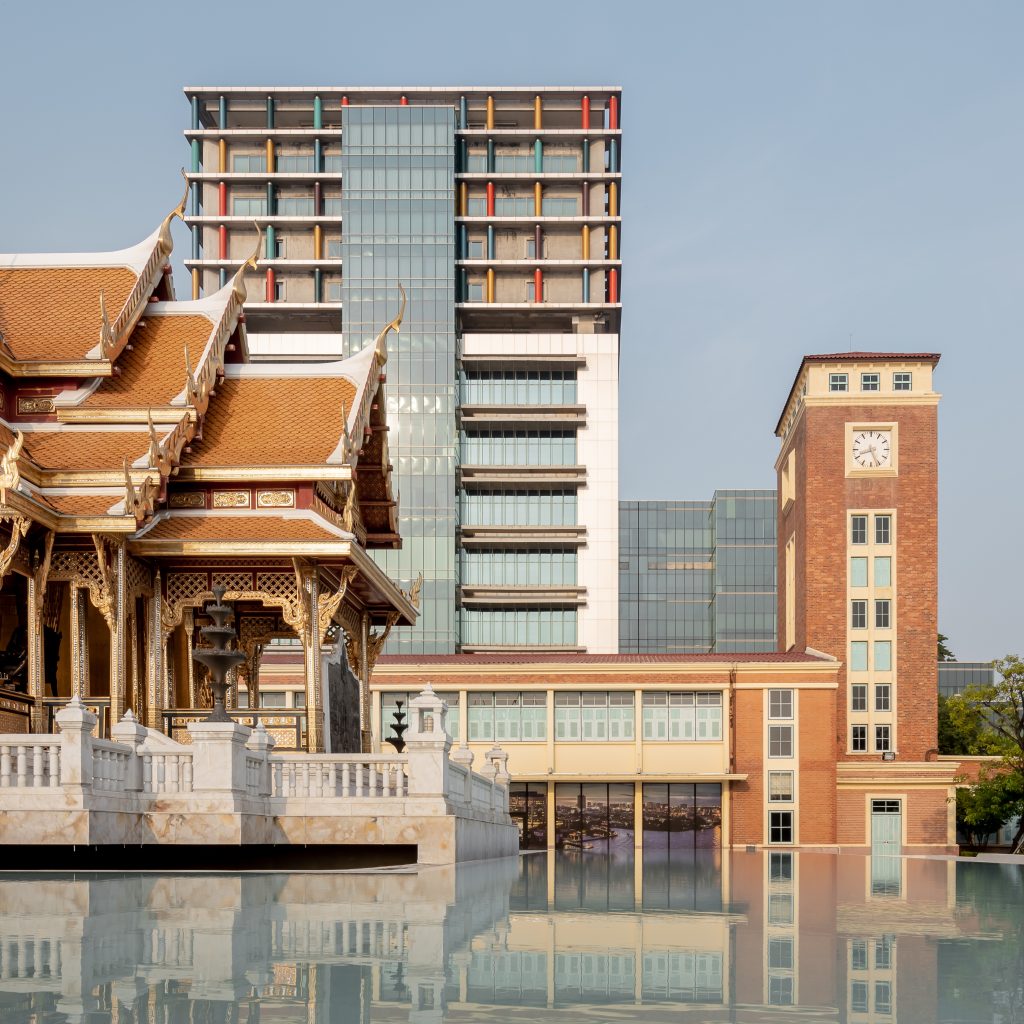
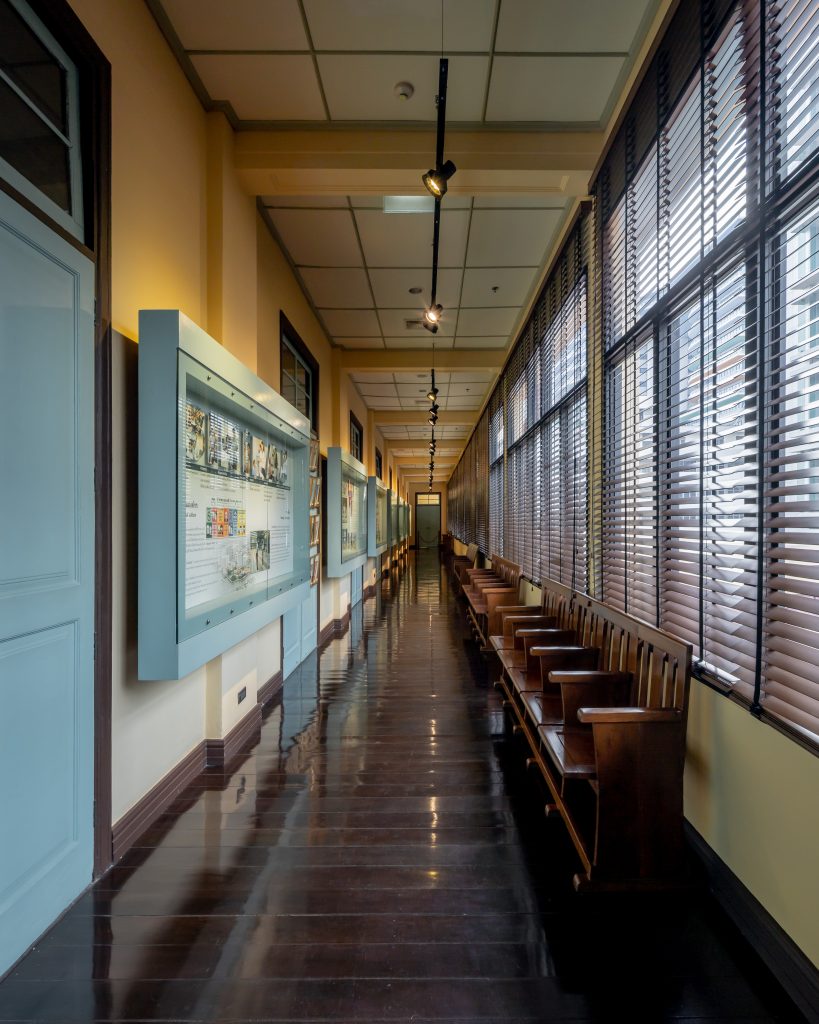
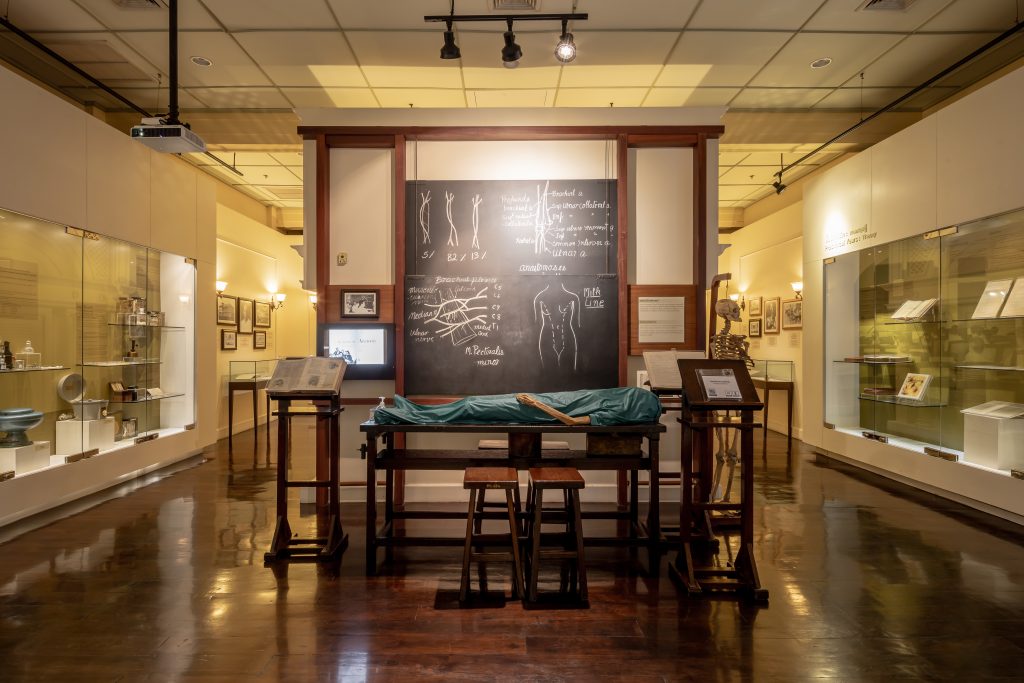
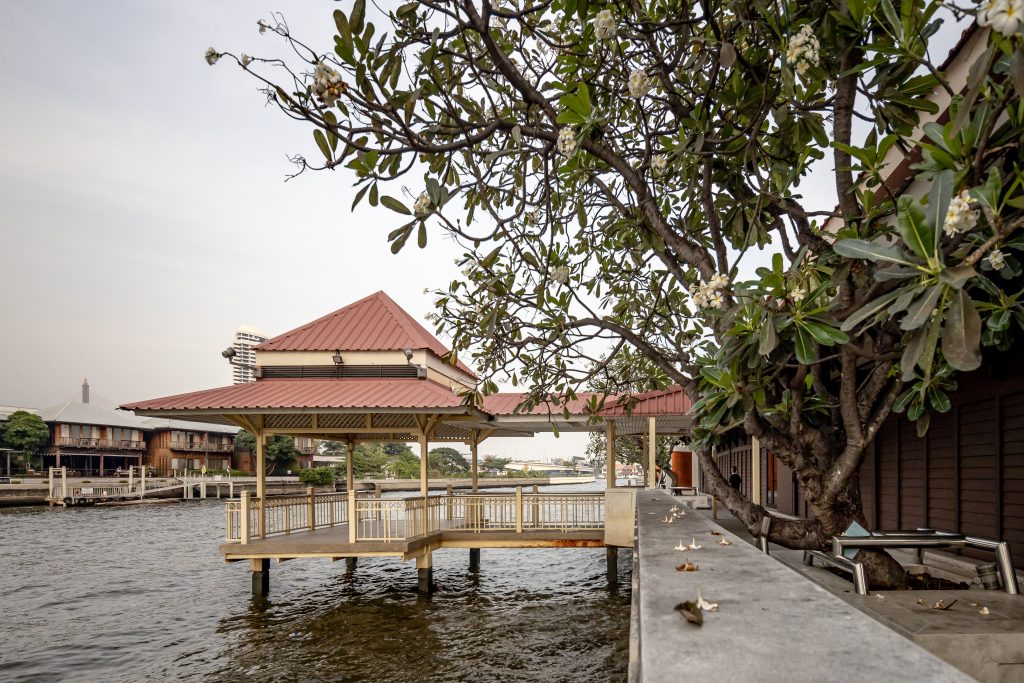
พิพิธภัณฑ์ศิริราชพิมุขสถาน ตั้งอยู่ริมแม่น้ำเจ้าพระยา เป็นส่วนหนึ่งของอดีตสถานีรถไฟบางกอกน้อย สร้างขึ้นในพุทธศักราช 2446 เพื่อเป็นสถานีรถไฟหลักของเส้นทางรถไฟสายใต้ ในขณะที่สถานีรถไฟกรุงเทพที่หัวลำโพงเป็นสถานีรถไฟหลักของเส้นทางสายเหนือ ตะวันออกเฉียงเหนือ และตะวันออก ต่อมาในรัชสมัยพระบาทสมเด็จพระมงกุฎเกล้าเจ้าอยู่หัว รัชกาลที่ 6 กรมรถไฟได้สร้างสะพานพระราม 6 ในพุทธศักราช 2468 เพื่อเชื่อมต่อทางรถไฟสายใต้และสายเหนือเข้าด้วยกัน ต่อมาเกิดสงครามโลกครั้งที่ 2 สะพานพระราม 6 อาคารและสิ่งปลูกสร้างในย่านสถานีรถไฟบางกอกน้อยถูกระเบิดเสียหาย ยกเว้นอาคารสถานีรถไฟและถังเก็บน้ำรถจักร ภายหลังจากสงครามยุติลง กรมรถไฟได้ดำเนินการซ่อมแซมสะพานพระราม 6 ขยายย่านสถานีรถไฟบางกอกน้อยตามแผนที่ได้วางไว้ตั้งแต่ก่อนสงครามเพื่อรองรับจำนวนขบวนรถที่เพิ่มมากขึ้น เปลี่ยนชื่อจากสถานีบางกอกน้อยเป็น “สถานีธนบุรี” พร้อมกับสถานีและที่หยุดรถไฟบางแห่งให้ตรงกับทำเนียบท้องที่ของส่วนภูมิภาคเมื่อวันที่ 1 มกราคม พุทธศักราช 2485 สร้างสถานีรถไฟบางกอกน้อยขึ้นใหม่ในพุทธศักราช 2493 ส่วนอาคารสถานีรถไฟบางกอกน้อยหลังแรกได้ถูกรื้อลงในเวลาต่อมา หลังจากสถานีใหม่สร้างเสร็จได้ไม่นาน ในวันที่ 29 เมษายน พุทธศักราช 2493 พระบาทสมเด็จพระเจ้าอยู่หัวภูมิพลอดุลยเดช รัชกาลที่ 9 และสมเด็จพระนางเจ้าสิริกิติ์ พระบรมราชินีนาถ เสด็จพระราชดำเนินมาที่สถานีรถไฟธนบุรีเพื่อประทับรถไฟพระที่นั่งไปยังพระตำหนักเปี่ยมสุข พระราชวังไกลกังวล และเสด็จกลับโดยรถไฟพระที่นั่งในวันที่ 4 พฤษภาคม พุทธศักราช 2493 เพื่อเข้าสู่พระราชพิธีบรมราชาภิเษก หลังจากนั้นสถานีรถไฟธนบุรีได้รองรับการเดินทางของประชาชนและการขนส่งสินค้าเรื่อยมา จนกระทั่งการขนส่งและการเดินทางโดยทางรถยนต์และทางอากาศได้รับความนิยมมากขึ้น ส่งผลให้จำนวนผู้ใช้สถานีรถไฟธนบุรีค่อย ๆ ลดลงอย่างหลีกเลี่ยงไม่ได้ ต่อมาในพุทธศักราช 2544 กรมศิลปากร ได้ประกาศเขตโบราณสถานสถานีรถไฟธนบุรี เนื้อที่ 60 ไร่ 15 ตารางวา ภายในพื้นที่มีอาคารสถานีรถไฟธนบุรี อาคารรับส่งสินค้า 2 หลัง อาคารโกดังเก็บสินค้า 1 หลัง และรางรถไฟ ต่อมาในพุทธศักราช 2547 คณะแพทยศาสตร์ศิริราชพยาบาลได้รับมอบพื้นที่ 33 ไร่ จากการรถไฟแห่งประเทศไทย รวมถึงอาคารทั้ง 4 หลัง และพื้นที่โดยรอบ เพื่อดำเนินการเป็นสถาบันการแพทย์สยามิน ทราธิราช ซึ่งก่อนที่จะดำเนินการนั้น การรถไฟแห่งประเทศไทยได้สร้างสถานีรถไฟธนบุรีแห่งใหม่ ตั้งอยู่ทางด้านทิศตะวันตกของสถานีรถไฟธนบุรีเอาไว้แล้ว หลังจากนั้นคณะแพทยศาสตร์ศิริราชพยาบาลได้ดำเนินการสร้างอาคารตามแผนที่ได้วางไว้ รวมทั้งปรับปรุงฟื้นฟูอาคารทั้ง 4 หลัง เพื่อเป็นสถานที่ให้ความรู้ด้านประวัติศาสตร์พื้นที่บริเวณคลองบางกอกน้อยวังหลัง สงครามโลกครั้งที่ 2 และศิริราชพยาบาลในชื่อว่า พิพิธภัณฑ์ศิริราชพิมุขสถาน
พิพิธภัณฑ์ศิริราชพิมุขสถาน ประกอบด้วยอาคารหลัก 4 หลัง คือ
อาคารอนุรักษ์ 4 วางตัวยาวต่อจากอาคารอนุรักษ์ 3 เดิมใช้เป็นโกดัง ปัจจุบันเป็นคลังจัดเก็บวัตถุทรงคุณค่าทางประวัติศาสตร์ และห้องทำงานต่าง ๆ รูปแบบสถาปัตยกรรมคล้ายกับอาคารอนุรักษ์ 3
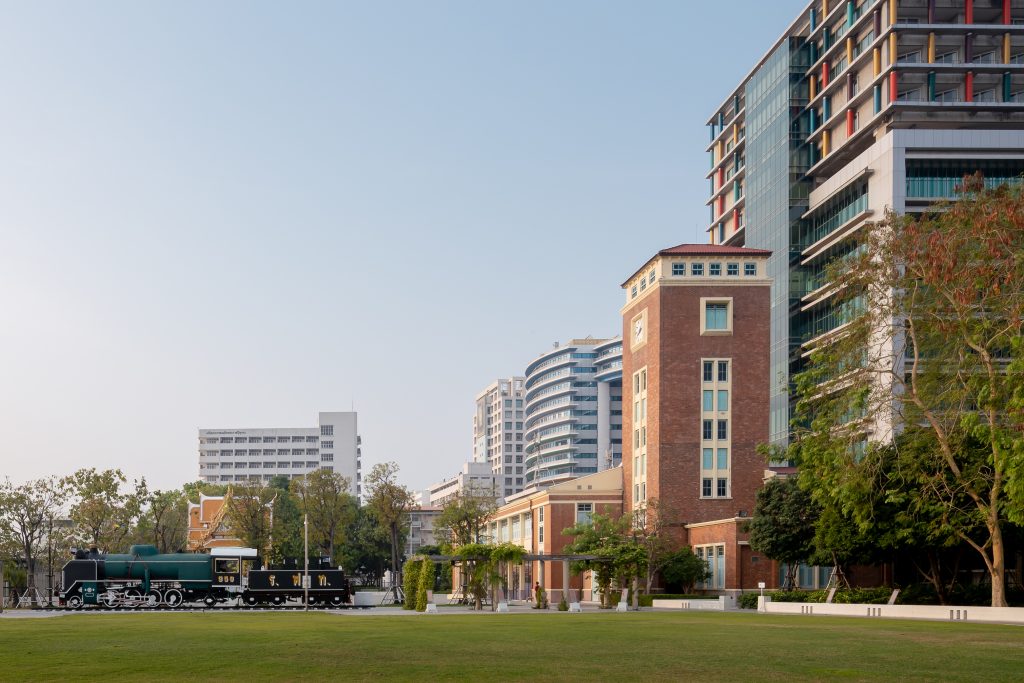
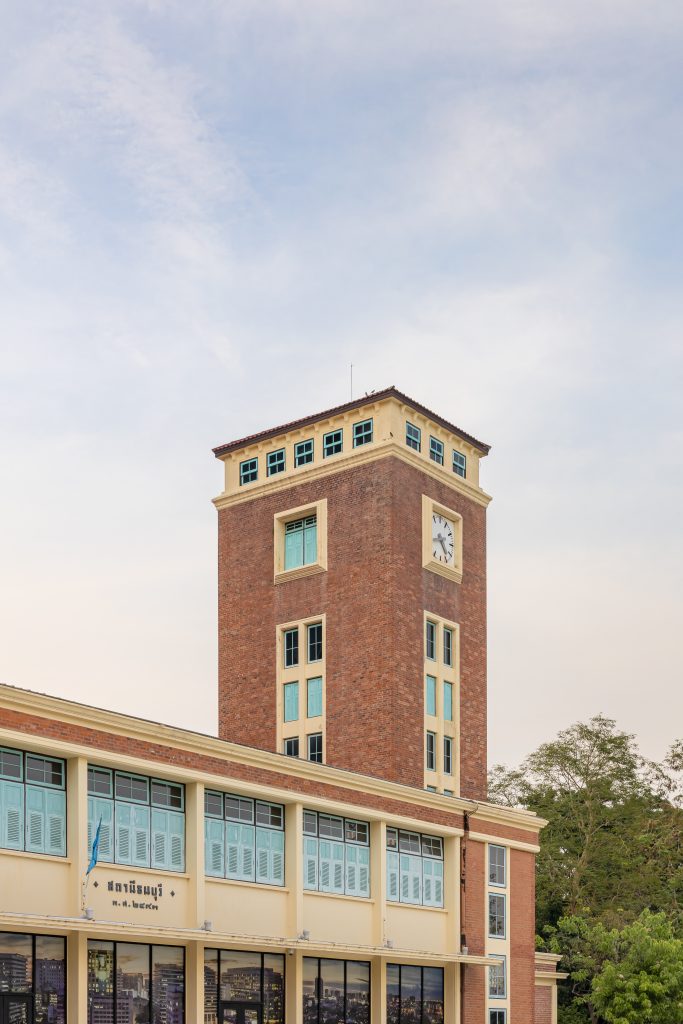
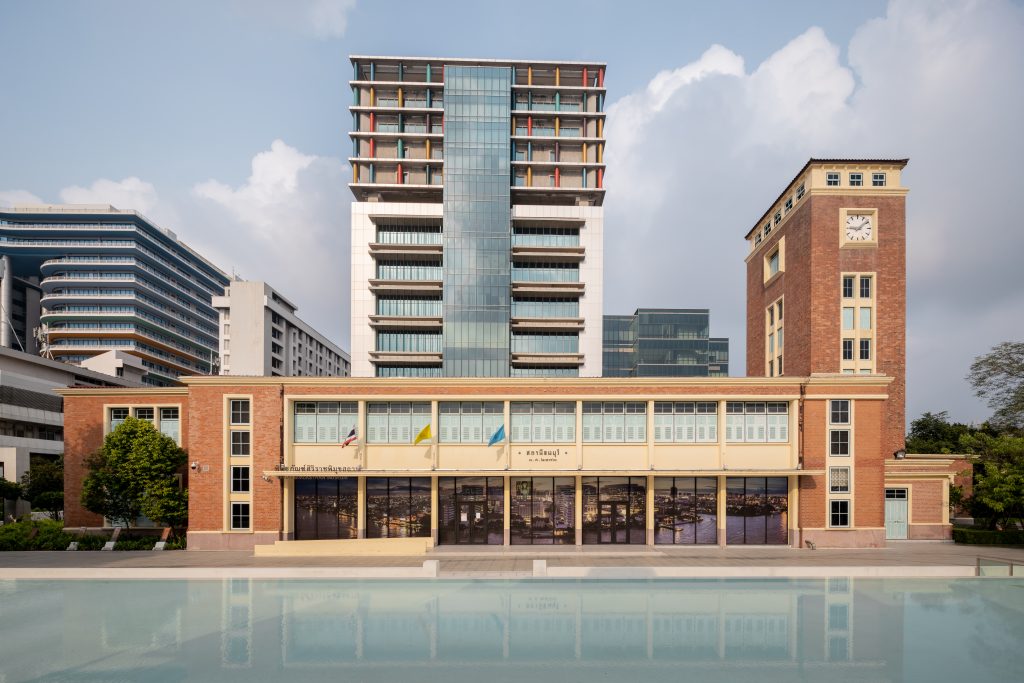
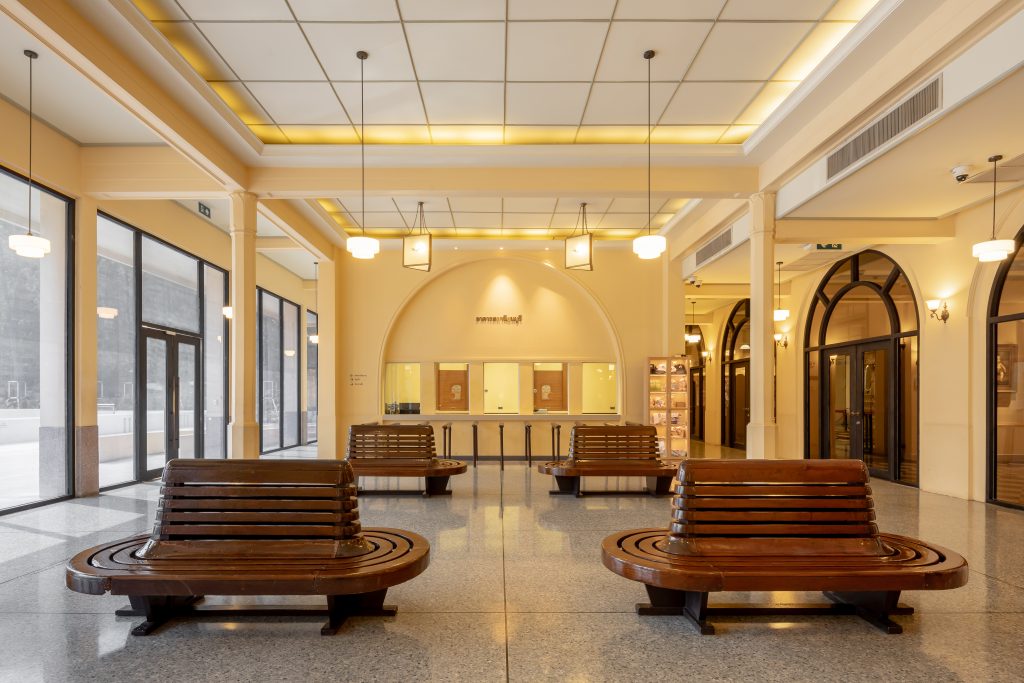
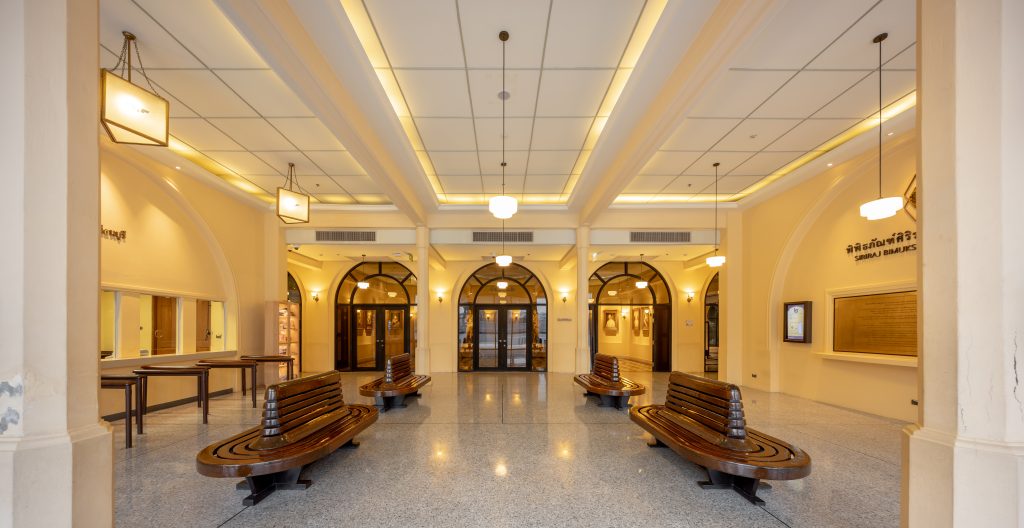
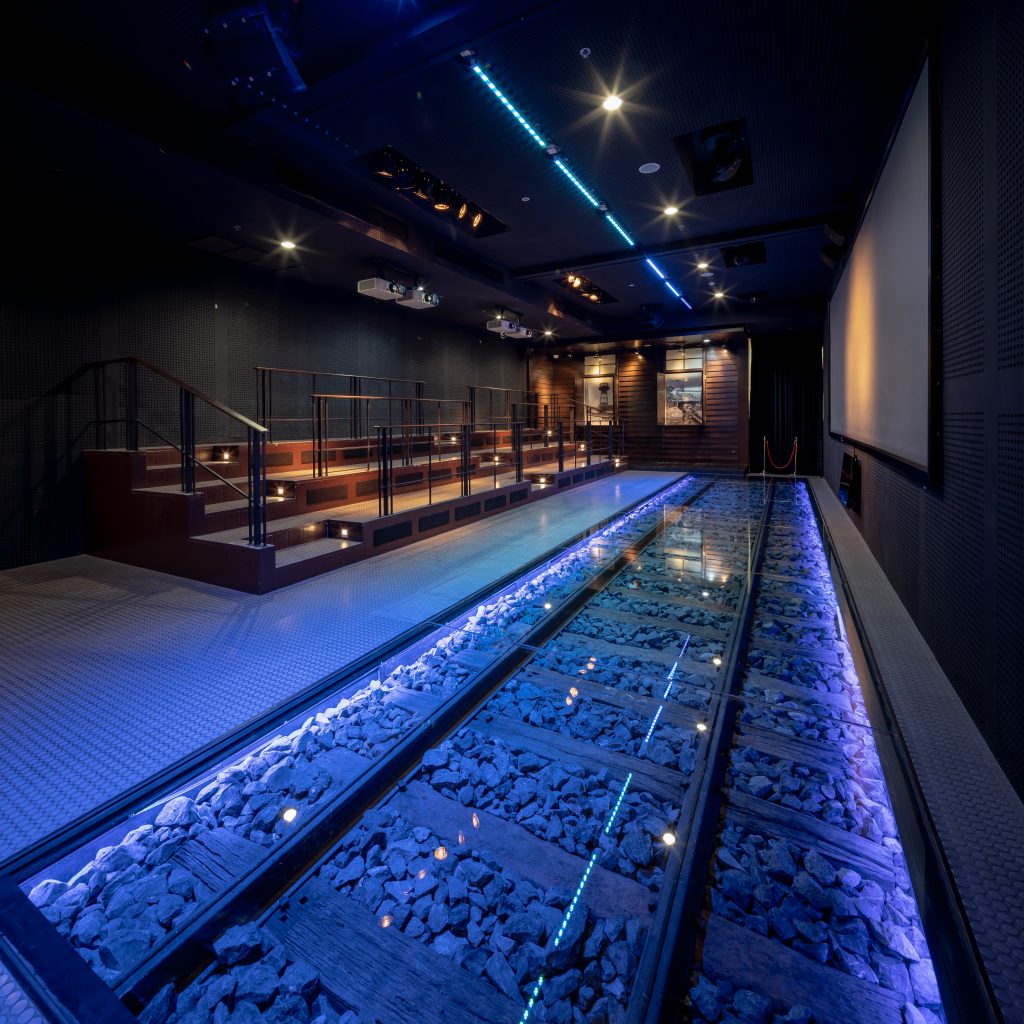
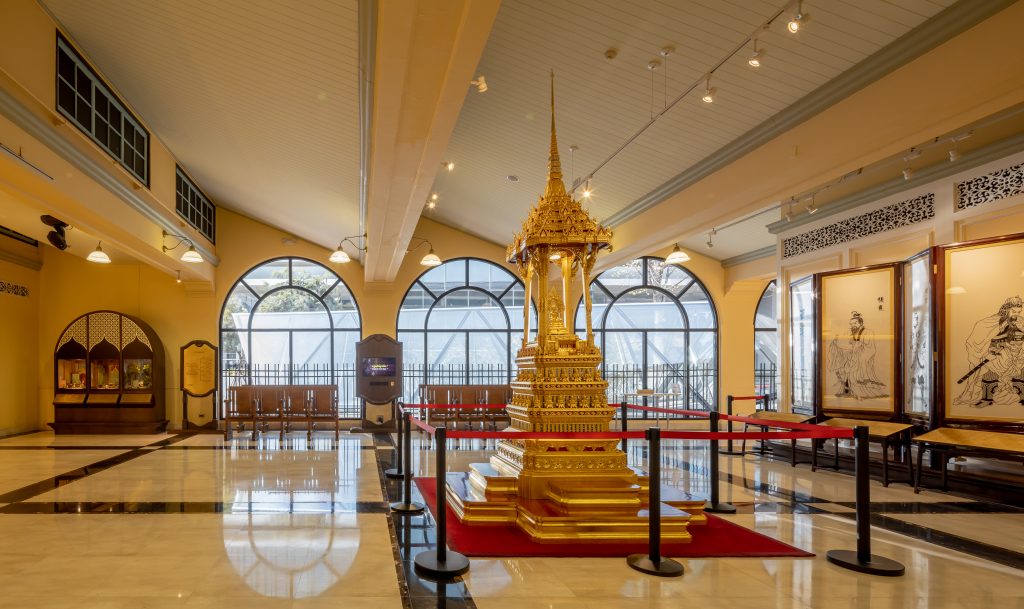
อาคารอนุรักษ์ 1 เดิมใช้เป็นอาคารสถานีรถไฟธนบุรี ปัจจุบันเป็นพิพิธภัณฑ์ประกอบด้วยโถงต้อนรับ ห้องจำหน่ายตั๋ว และห้องจัดแสดงต่าง ๆ เป็นอาคารคอนกรีตเสริมเหล็กสูง 2 ชั้น ผังพื้นเป็นรูปตัวแอล (L) หลังคาทรงปั้นหยามุงกระเบื้อง รูปแบบสถาปัตยกรรมแบบโมเดิร์น จุดเด่นอยู่หอนาฬิกาสูงด้านข้าง ผนังอาคารก่ออิฐเปิดผิวแสดงเนื้อวัสดุตัดกับโครงสร้างกรอบคอนกรีตเสริมเหล็ก ภายในอาคารตกแต่งด้วยซุ้มโค้ง พื้นชั้นล่างเป็นพื้นปูนขัดมันและพื้นปูนปูกระเบื้อง ส่วนพื้นชั้นบนเป็นไม้
อาคารอนุรักษ์ 2 เดิมใช้เป็นที่ทำการรับส่งสินค้า ปัจจุบันเป็นร้านอาหาร ร้านขายของที่ระลึกของพิพิธภัณฑ์ และพื้นที่จัดนิทรรศการชั่วคราวและกิจกรรมพิเศษต่าง ๆ เป็นอาคารคอนกรีตเสริมเหล็กสูง 2 ชั้น ผังพื้นเป็นรูปตัวยู (U) หลังคาทรงจั่วมุงกระเบื้อง รูปแบบสถาปัตยกรรมแบบโมเดิร์น เป็นอาคารเรียบเกลี้ยง การเจาะช่องประตูหน้าต่างเน้นประโยชน์ใช้สอยตามการใช้งานของแต่ละพื้นที่ภายในอาคาร พื้นชั้นล่างเป็นพื้นปูนปูกระเบื้อง ส่วนพื้นชั้นบนเป็นไม้ มีส่วนต่อเติมเป็นทางเดินโครงสร้างคอนกรีตเสริมเหล็กเชื่อมจากชั้น 2 ไปยังอาคารอนุรักษ์ 1
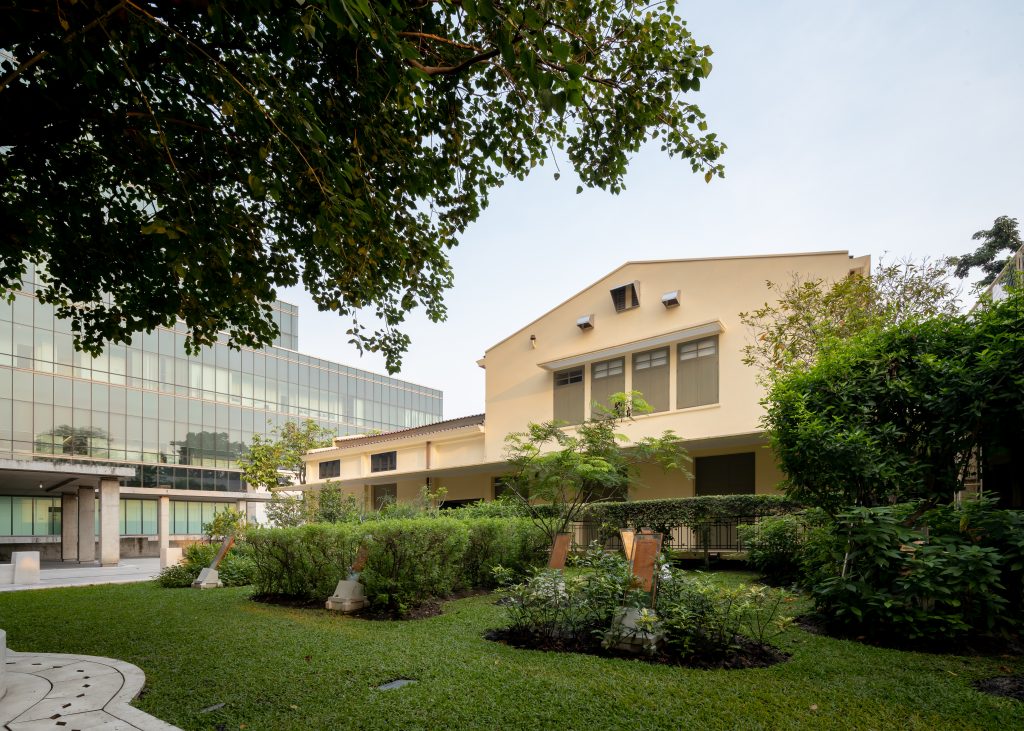
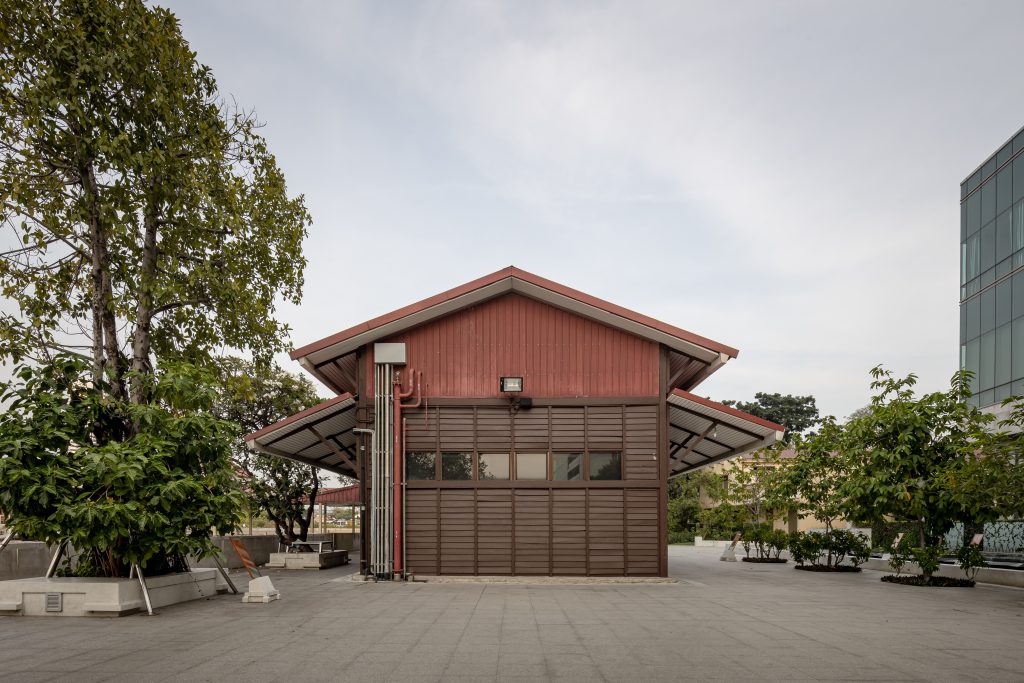
อาคารอนุรักษ์ 3 วางตัวยาวติดคลองบางกอกน้อย เดิมใช้เป็นโกดัง ปัจจุบันจัดเรื่องราวของชุมชนบางกอกน้อย มีจุดเด่นอยู่ที่เรือไม้โบราณขนาดใหญ่ เป็นอาคารไม้ชั้นเดียว หลังคาทรงจั่วมุงกระเบื้อง ใต้หลังคาทรงจั่วมีหลังคาปีกนกและค้ำยันยาวตลอดแนวอาคารทั้ง 2 ด้าน รูปแบบสถาปัตยกรรมแบบเรียบง่าย ผนังอาคารแสดงโครงเคร่าไม้ที่รับฝาที่เรียงตัวตามแนวนอนและต่อกันแบบเข้าลิ้น พื้นเป็นพื้นปูนขัดมัน
พิพิธภัณฑ์ศิริราชพิมุขสถาน ได้รับการอนุรักษ์ให้เป็นพิพิธภัณฑ์เชิงประวัติศาสตร์ ด้วยวิธีการปรับปรุงฟื้นฟูและปรับเปลี่ยนการใช้สอย (Adaptive Reuse) ตามหลักวิชาการ มีการสำรวจ บันทึก และประเมินคุณค่าของที่ตั้ง อาคารและสิ่งปลูกสร้าง และพื้นที่โดยรอบอย่างละเอียด กิจกรรมและองค์ประกอบใหม่มีความสอดคล้องกับการรักษาคุณค่าและความแท้ดั้งเดิมของสถาปัตยกรรม
ความคิดเห็นจากคณะกรรมการ
กระบวนการอนุรักษ์ประกอบด้วยการศึกษาทางด้านโบราณคดี การรวบรวมข้อมูลทางด้านประวัติศาสตร์ของอาคารและที่ตั้ง การศึกษาโครงสร้างและองค์ประกอบอาคาร ตลอดจนมีการเปิดโอกาสให้ผู้ที่มีส่วนเกี่ยวข้องได้มีส่วนร่วมในกระบวนการจัดทำข้อมูลเพื่อการอนุรักษ์ ผลที่ได้คือสามารถรักษาเปลือกนอกอาคารและองค์ประกอบหลักไว้ได้เป็นส่วนมาก สามารถจัดการอาคารและองค์ประกอบทางกายภาพภายในผังบริเวณ รวมทั้งสามารถกำหนดการใช้สอยและจัดแสดงในอาคารได้ดี นอกจากอาคารสถานีรถไฟธนบุรี (เดิม) ให้รางวัลนี้รวมถึงอาคารคลุมฐานป้อมพระราชวังหลัง และการปรับปรุงอาคารเก่าเพื่อนำเสนอเรือโบราณที่ขุดพบในพื้นที่ด้วย อย่างไรก็ตาม ควรพิจารณาเรื่องการเติมองค์ประกอบเพื่อการกั้นพื้นที่และการจัดการแสดงนิทรรศการ เพื่อสื่อให้เห็นถึงคุณค่าของอาคารรูปแบบ “Industrial heritage” ให้ครบถ้วนสมบูรณ์ขึ้น
Siriraj Bimuksthan Museum
- Location Sirirja Bimuksthan Museum, Faculty of Medicine Siriraj Hospital, 2 Wang Lang Road, Kwaeng Siriraj, Khet Bangkok Noi, Bangkok 10700 Thailand
- Architect / Designer Conservation Building 1 was designed by MC. Vodhryakara Varavan Conservation Building 2, 3 & 4: unknown
- Architect in charge of renovation Design 103 International Ltd.
- Owner Faculty of Medicine Siriraj Hospital
- Year of construction Conservation Building 1 in 2493 B.E. Conservation Building 2 in 2494 B.E. Conservation Building 3 and 4, unknown
History
The Siriraj Bimuksthan Museum is situated on the banks of the Chao Phraya river. It is part of the former Bangkok Noi train station that was constructed in 2446 B.E. to be the main station of the Southern Line while Hua Lampong station was the main station for the Northern, North-Eastern and Western lines. Later, under the reign of King Rama VI, the State Railway of Thailand constructed the Rama VI Bridge in 2468 B.E. to connect the Southern railway line and the Northern line. During World War II, the Rama VI Bridge, some buildings and other infrastructures near Bangkok Noi station were bombarded, leaving only the main station building and the water tanks undamaged. When the war ended, the Railway Department repaired the Rama VI Bridge and pushed forward plans made before the war to enlarge the station. On the 1st of January 2485 B.E., the station’s name was changed from “Bangkok Noi station” to “Thonburi station.” In parallel, other stations and train stops were also renamed to correspond to their local municipalities. In 2493 B.E., a new Bangkok Noi station was built and the original building of the station was later taken down. Just after constructions were completed, on the 29th of April 2493 B.E., King Rama IX and Queen Sirikit boarded their train from Thonburi station to travel to the Klai Kangwon Palace. They travelled back to Bangkok on the 4th of May for the coronation ceremony. From then on, the Thonburi station assumed and maintained its key role in transporting people and goods, until travel and transport by car and air became more popular, gradually and inevitably reducing the number of passengers at the Thonburi station. In 2544 B.E., the Fine Art Department registered the Thonburi railway station—its 60 rai and 15 square wa (around 9.6 hectares), comprising of the main station building, two freight buildings, a storage warehouse and railways—as a historical site. In 2547 B.E., the Faculty of Medicine of Siriraj Hospital was given 33 rai (around 5 hectares) of land from the State Railway of Thailand, along with the four buildings and their surroundings, to create the Sayamindradhiraj Medical Institute. Prior to this, the Railway Department had constructed a new Thonburi station westward of the former one. Later, the Faculty of Medicine planned and constructed new buildings and renovated the four buildings into historical learning centres about the areas of Bangkok Noi canal and Wang Lang, World War II and Siriraj Hospital. The learning complex was named Siriraj Bimuksthan Museum.
Siriraj Bimuksthan Museum consists of four buildings:
Anurak Building 4: Anurak Building 4 is situated in the continuation of Anurak Building 3 and has a similar architectural style. Formerly used as a warehouse, it nowadays holds a storage space for valuable historical artefacts and offices.
Anurak Building 1: First used as the main station building, the Anurak Building 1 is now a museum composed of an entrance hall, a ticket office and various exhibition rooms. The two-storey high reinforced concrete building has an L shaped floor plan and a tiled hip roof. The modern style architecture building has the following distinctive features: a high clock tower on the side and bare brick walls with reinforced concrete frame structures. The interior of the building is decorated by arches. The flooring of the ground level is polished concrete and tiles, while the upper level has a wooden floor.
Anurak Building 2: The second building, a former freight building, has been converted into a restaurant, a souvenir shop for the museum and a space for temporary exhibitions and special activities. Covered by a gable roof, the two-storey reinforced concrete building has a U-shaped floor plan. Its modern architecture design is simple, and the window openings prioritise the practical needs of each interior space. The flooring of the ground floor is concrete covered with tiles and wood on the upper floor. A reinforced concrete footbridge was later added to connect the upper floor to the Anurak Building 1.
Anurak Building 3: The third building is situated along the Bangkok Noi canal. Originally used as a storage warehouse, it now showcases the history of Bangkok Noi community, with a highlight piece: an ancient long wooden boat. The one storey wooden construction has a clerestory roof supported by wood brackets along both sides, topped by a gable roof covered with tiles. The architecture style is simple, the walls are hard wood frames with horizontal wood panels assembled through tongue and groove joints while the floor is made of polished concrete.
The conservation of Siriraj Bimuksthan Museum was carried out following “Adaptive Reuse” principles with renovations aimed at transforming the buildings into a historical museum. A thorough estimation of the value of site’s location, its buildings and its surroundings was conducted, ensuring that activities and new elements were harmonious with conserving the architectural values and its authenticity.
บ้านหลวงสาทรราชายุกต์
อ่านเพิ่มเติม
บ้านหลวงสาทรราชายุกต์
- ที่ตั้ง เลขที่ 108 ถนนสาทรเหนือ แขวงสีลม เขตบางรัก กรุงเทพมหานคร
- ผู้ครอบครอง บริษัท นอร์ท สาธร เรียลตี้ จำกัด
- ปีที่สร้าง พ.ศ. 2433
- สถาปนิก/ผู้ออกแบบอนุรักษ์ วทัญญู เทพหัตถี บริษัท กุฎาคาร จำกัด
- ปีที่ได้รับรางวัล พ.ศ. 2563 – 2564
- ประเภท งานอนุรักษ์มรดกทางสถาปัตยกรรมและชุมชน
- ระดับ ดี
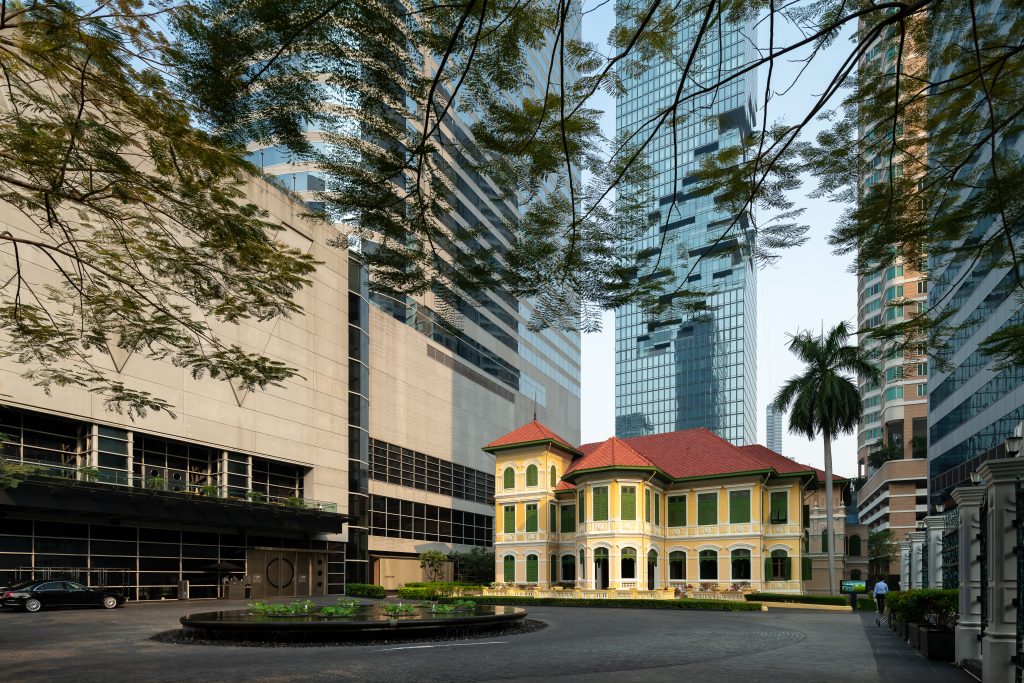
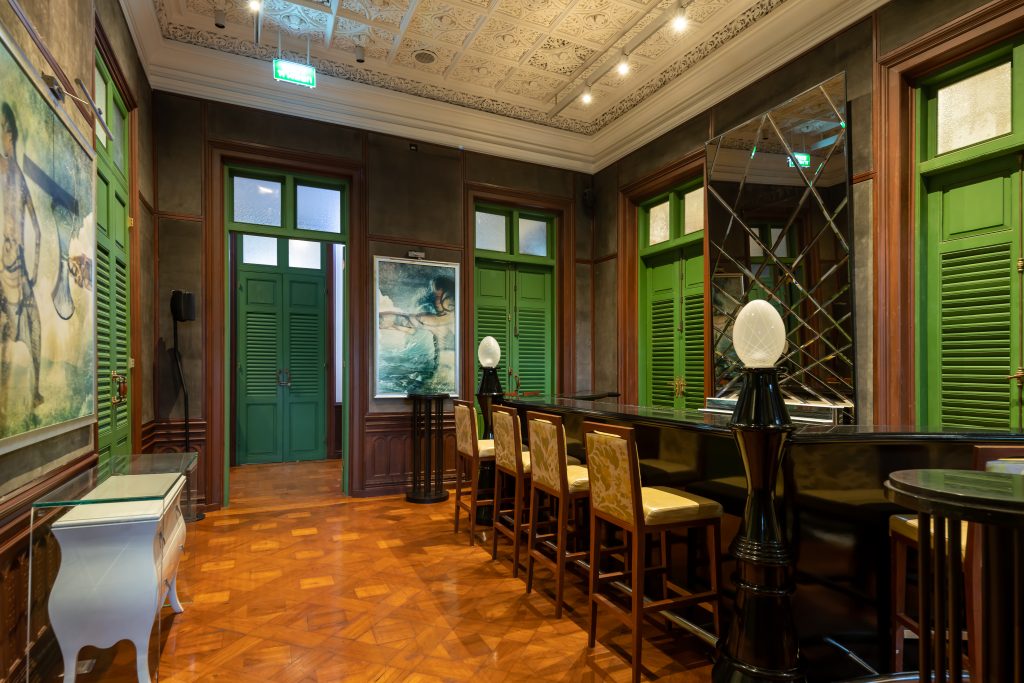
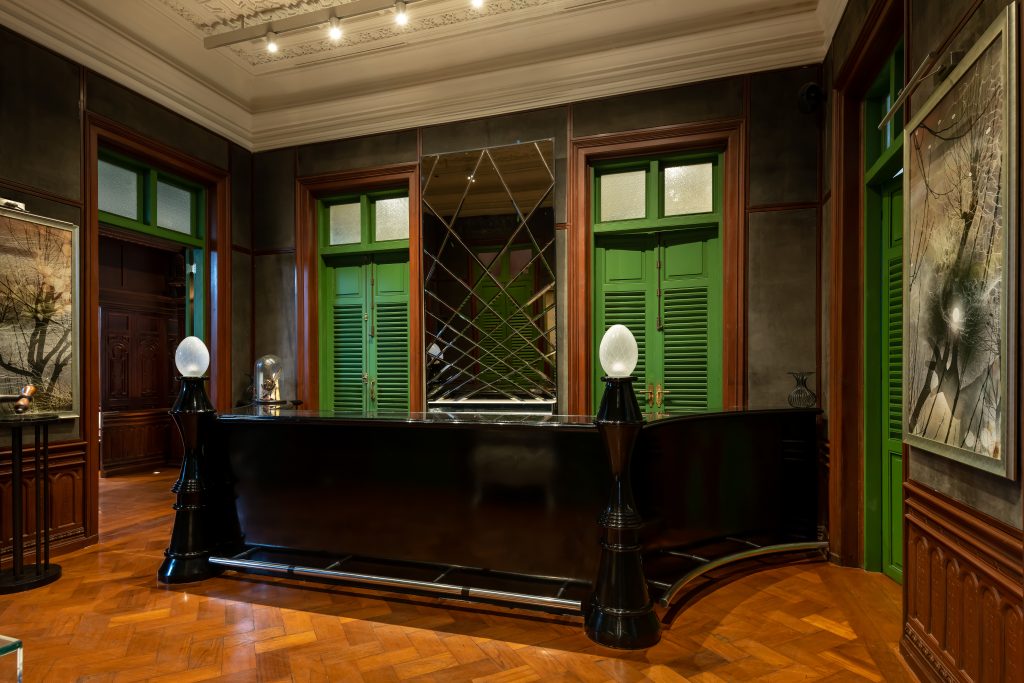
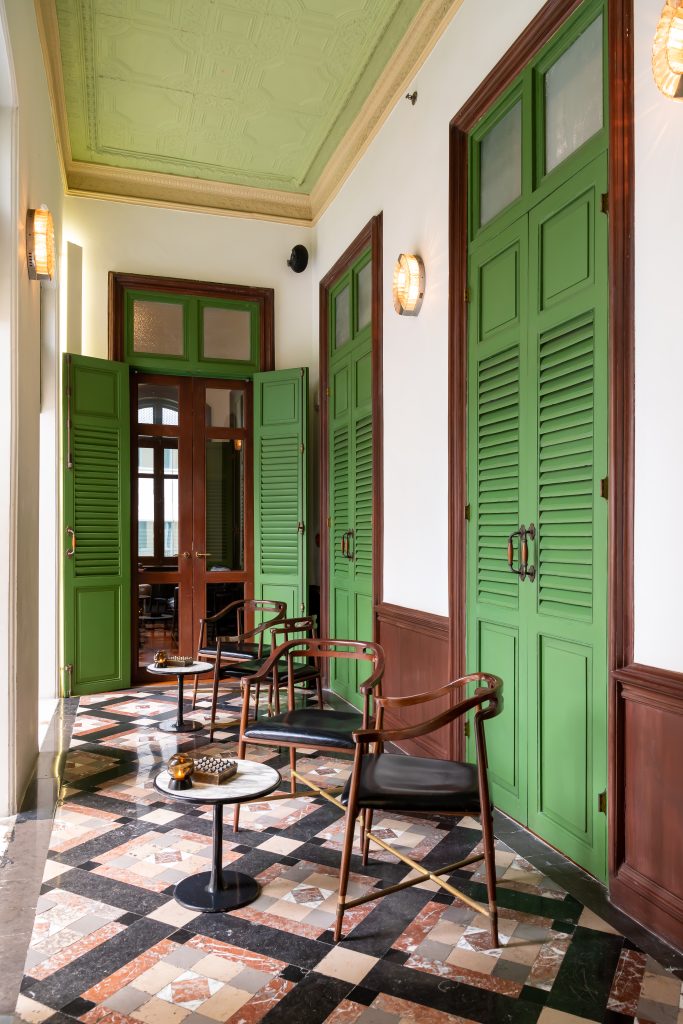
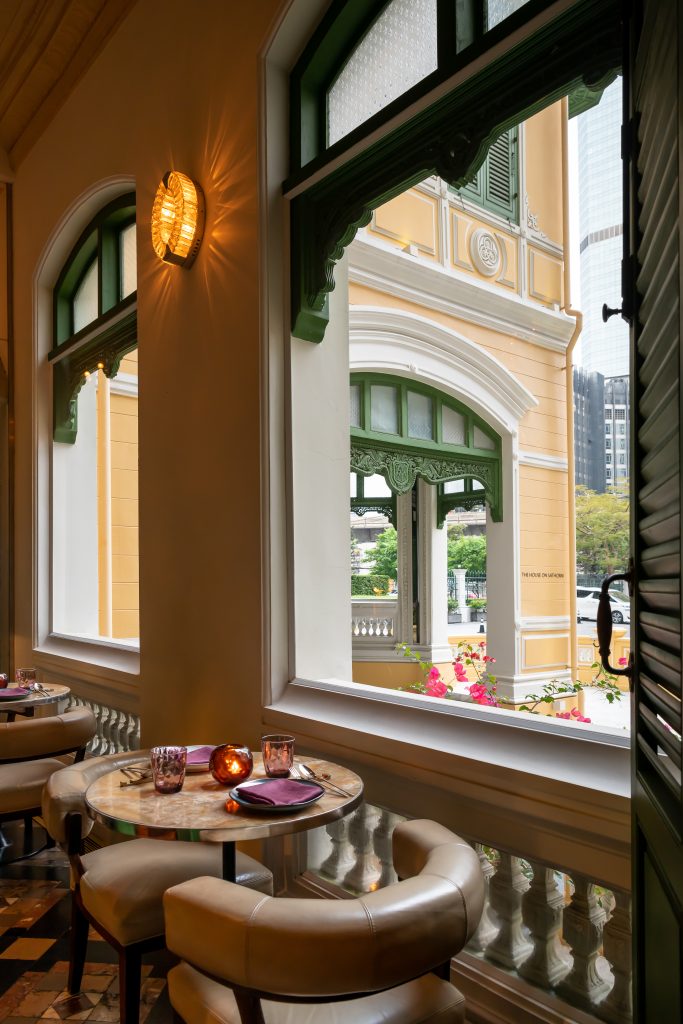
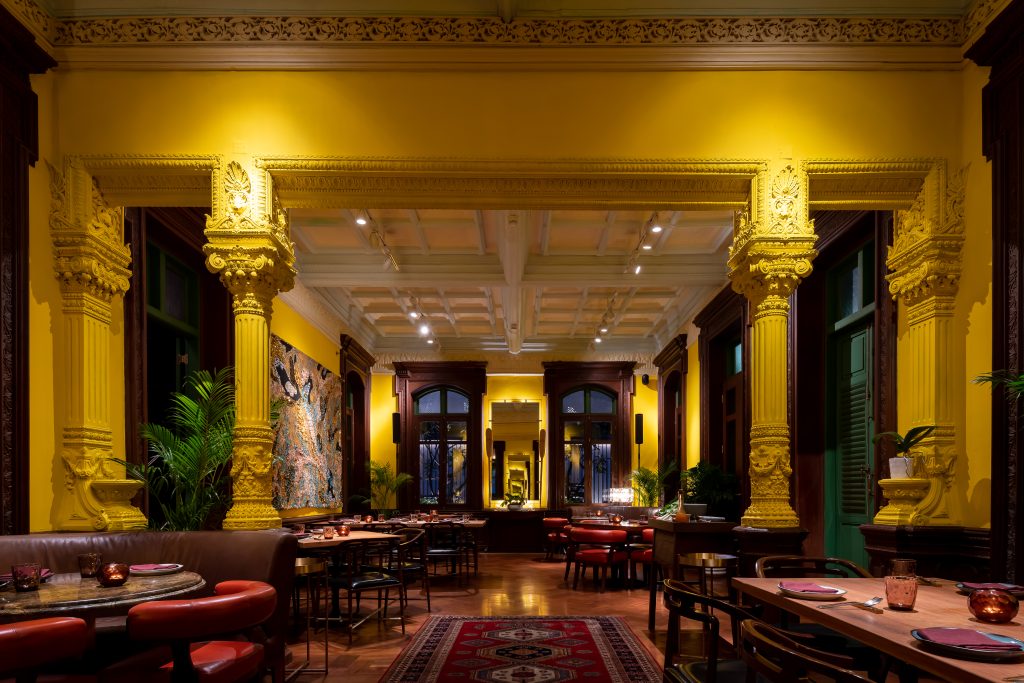
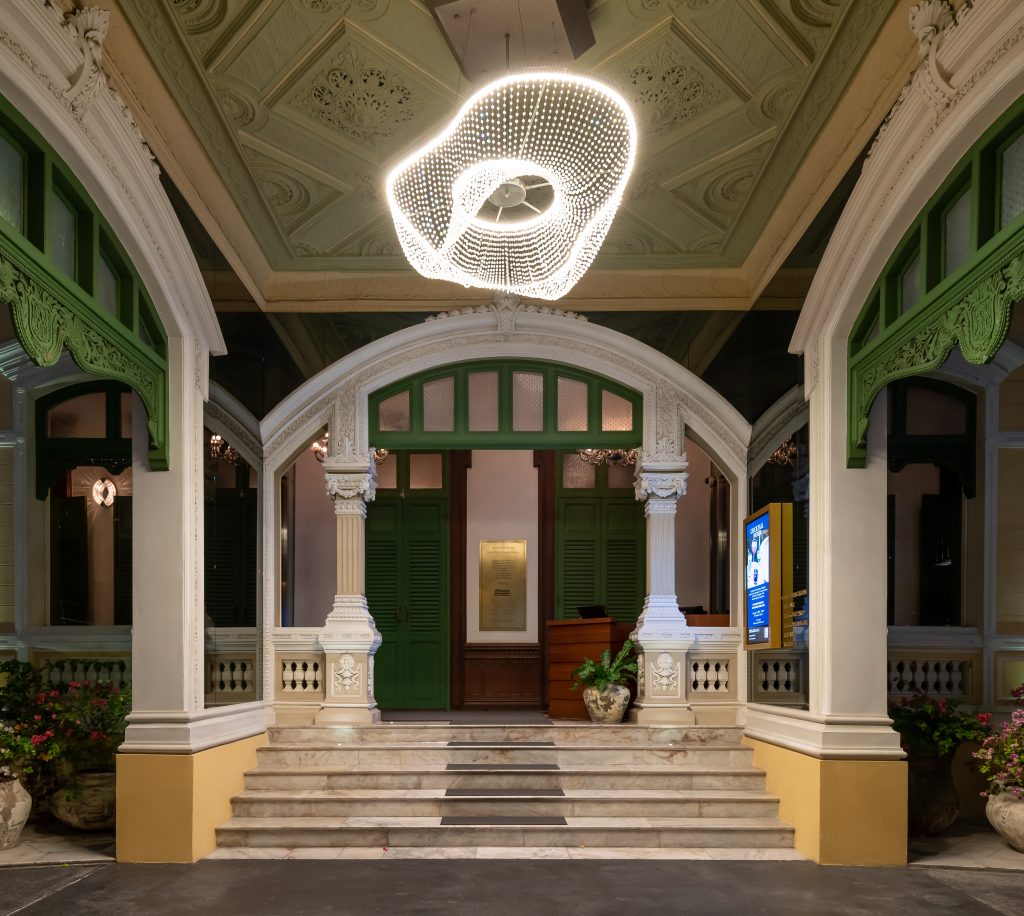
บ้านหลวงสาทรราชายุกต์ตั้งอยู่บนถนนสาทรเหนือ สร้างขึ้นในสมัยรัชกาลที่ 5 โดยหลวงสาทรราชายุกต์ (ยม พิศลยบุตร) หรือเจ้าสัวยม คหบดีที่ทำธุรกิจค้าขาย เป็นผู้ขุดคลองสาทรเพื่อพัฒนาที่ดินและเป็นหุ้นส่วนบริษัทขุดคลองแลคูนาสยาม ต่อมาบ้านหลังนี้ได้ตกเป็นของคุณแช่ม ธิดาของหลวงสาทรราชายุกต์ และหลวงจิตรจำนงค์วานิช บุตรเขย และเมื่อกิจการของหลวงจิตรจำนงค์วานิชได้ขาดทุนจนถึงขั้นล้มละลาย ท่านจึงได้นำบ้านมาจำนองและตกเป็นของกรมพระคลังข้างที่ในพ.ศ. 2459 ต่อมาในพ.ศ. 2467 อาคารได้ปรับเปลี่ยนมาใช้เป็นโรงแรมชื่อ “โฮเต็ล รอแยล” เป็นโรงแรมชั้นหนึ่งที่มีชื่อเสียงและเป็นที่นิยมของชาวต่างชาติ เมื่ออาคารได้ตกเป็นของรัฐบาลหลังการเปลี่ยนแปลงการปกครองในสมัยจอมพล ป. พิบูลสงคราม ได้เปลี่ยนชื่อเป็น “โรงแรมไทยแลนด์” หลังจากนั้นเมื่อรัฐบาลได้ส่งคืนให้สำนักงานทรัพย์สินพระมหากษัตริย์สหภาพสาธารณรัฐสังคมนิยมโซเวียต ได้เช่าอาคารและที่ดินใช้เป็นสถานเอกอัครราชทูตของรัสเซียระหว่างพ.ศ. 2491 – 2542 เมื่อได้ย้ายสถานทูตออกไปในพ.ศ. 2543 กรมศิลปากรจึงได้เข้าทำการสำรวจอาคารและขึ้นทะเบียนโบราณสถาน ปัจจุบันบ้านหลวงสาทรราชายุกต์ได้กลับมาใช้งานเป็นโรงแรมอีกครั้งโดย บริษัท นอร์ท สาธร เรียลตี้ จำกัด เช่าที่ดินจากสำนักงานทรัพย์สินพระมหากษัตริย์และได้ปรับปรุงอาคารใช้เป็นส่วนร้านอาหารและจัดเลี้ยงโดยเป็นส่วนหนึ่งของโรงแรมดับเบิลยู กรุงเทพฯ
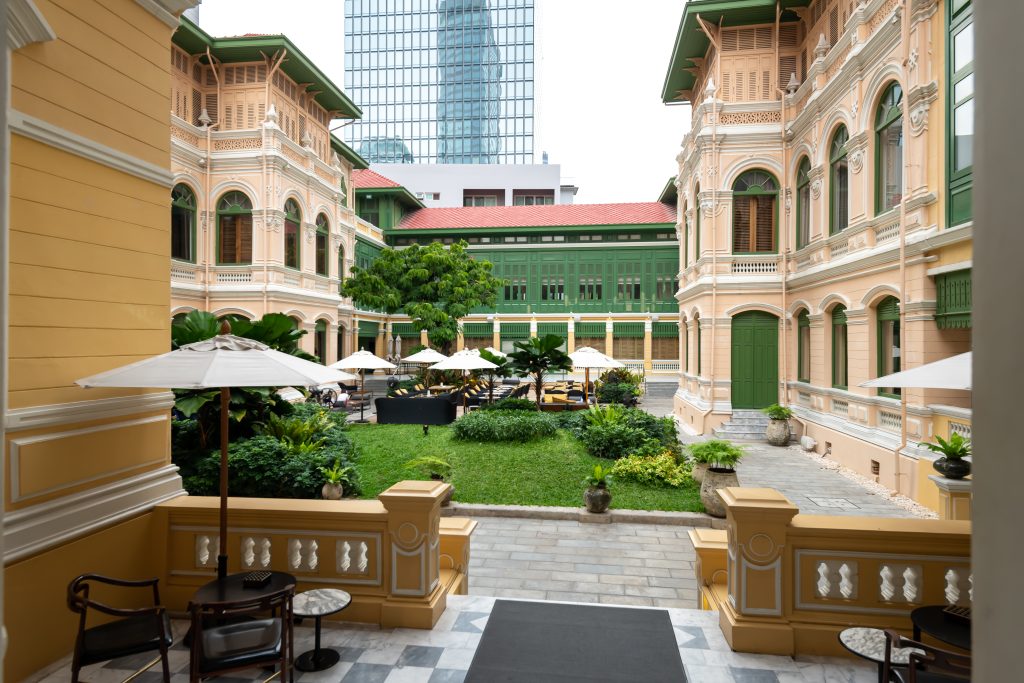
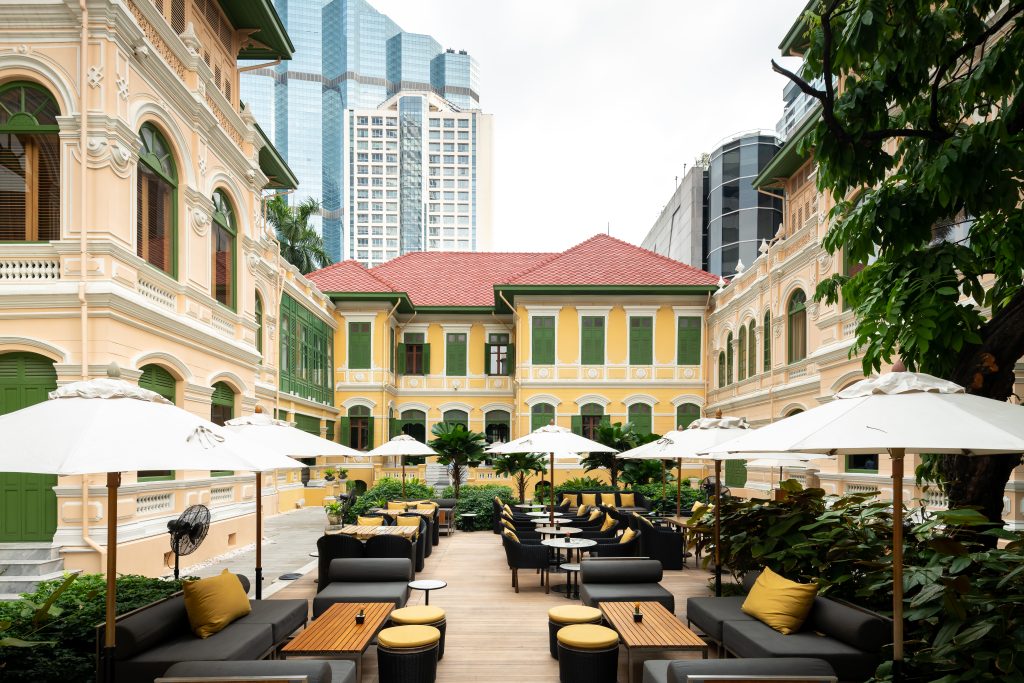
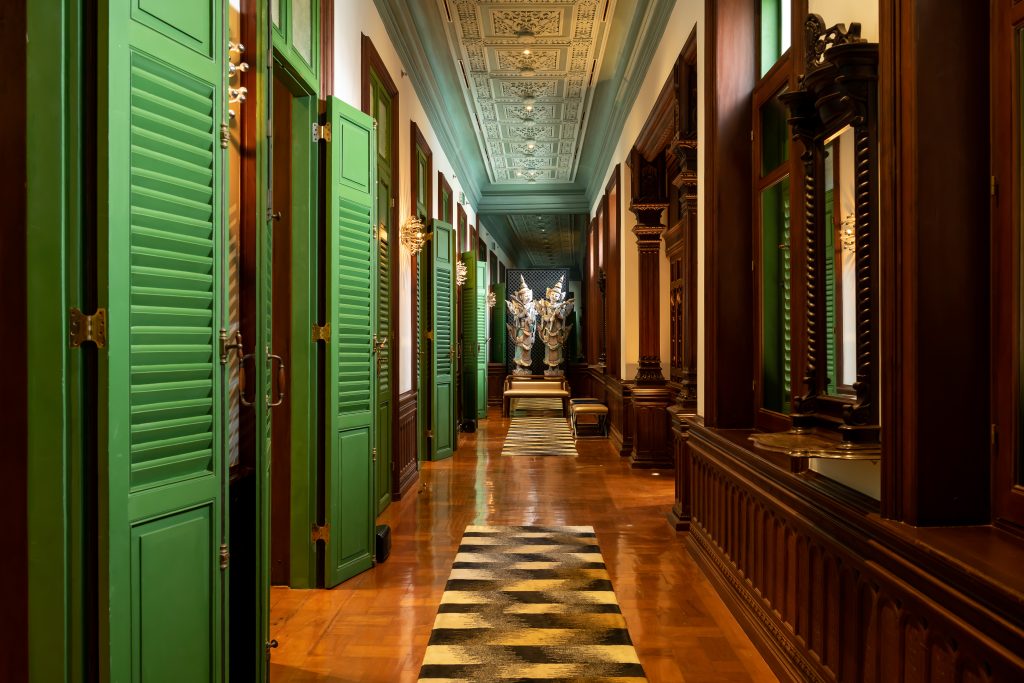
บ้านหลวงสาทรราชายุกต์ ประกอบด้วยอาคาร 4 หลัง สร้างล้อมลานตรงกลาง อาคารด้านหน้าสร้างขึ้นก่อนเป็นบ้านสองชั้น มีรูปแบบสถาปัตยกรรมแบบคลาสสิครีไววัล หลังคาทรงปั้นหยามุงกระเบื้องว่าวซีเมนต์ อาคารปีกสองข้างสูงสามชั้นสร้างในสมัยหลวงจิตร์จำนงวานิช ส่วนอาคารด้านหลังเดิมเป็นเรือนบริการชั้นเดียว ปัจจุบันได้สร้างขึ้นใหม่เป็นอาคารสองชั้น ที่มีรูปแบบกลมกลืนกับอาคารเดิมที่อาคารด้านหน้า มีมุขกลางยื่นตรงหน้าบ้านเป็นบันไดทางเข้าและสำหรับเทียบรถยนต์ ตรงมุมบันไดหลักทำเป็นหอสูงสามชั้น ที่ชั้นสามสันนิษฐานว่าเป็นห้องพระในสมัยแรกสร้าง เสา ราวลูกกรง ผนังด้านข้างและท้องบันไดเป็นไม้สักจำหลักและฉลุลาย ประตูหน้าต่างและกรอบซุ้มทั้งหมดทำด้วยไม้สักจำหลักลาย ฝ้าเพดานชั้นล่างของอาคารทำด้วยแผ่นโลหะปั๊มลายนูน ซึ่งนำเข้าจากต่างประเทศที่เรียกว่า Tin Ceiling ส่วนฝ้าชั้นบนเป็นไม้สักฉลุและจำหลักลายที่งดงามและแต่ละห้องไม่ซ้ำกัน
บ้านหลวงสาทรราชายุกต์ เป็นตัวอย่างของการอนุรักษ์อาคารเก่าควบคู่กับพัฒนาที่ดินในเชิงธุรกิจ โดยการปรับปรุงฟื้นฟูอาคารโบราณสถานตามหลักวิชาการ ทำให้สามารถรักษาประวัติศาสตร์และสถาปัตยกรรมบ้านพักอาศัยที่หรูหรางดงามเอาไว้ได้ ด้วยการวางผังที่ชาญฉลาดของการก่อสร้างอาคารสูงในพื้นที่ ที่ได้เปิดมุมมองให้ยังสามารถเห็นความงามสถาปัตยกรรมโบราณ ที่กลายมาเป็นจุดเด่นของโครงการ
Ban Luang Sathonrachayuk
- Location: No. 108 Sathon Nuea Road, Khwaeng Silom, Khet Bang Rak, Bangkok
- Proprietor: North Sathorn Realty Co.,Ltd.
- Construction Date: 1890
- Architect/Conservation Designer: Watanyoo Thephuttee, Kudakahn Co.,Ltd.
- Conservation Awarded Date: 2020 – 2021
- Category: Architectural and community heritage conservation projects
- Level: Award of Merit
Ban Luang Sathonrachayuk is situated on North Sathon Road. It was built in the reign of King Rama V by Luang Sathonrachayuk (Yom Pisalyabut) or Chao Sua Yom, a wealthy businessman who had Sathon Canal dug for land development, and was a partner of Siam Canals, Lands and Irrigation Company. Later, the house was inherited by Ms. Chaem, his daughter, and Luang Chitchamnongwanit, his son-in-law who was also a businessman. However, his business faced serious problems until he went bankrupt, therefore, the house was mortgaged and, finally, became the property of the Privy Purse Bureau in 1916. In 1924, the house was changed to be a hotel named “Hotel Royal”, a 5-star hotel that was popular among foreign tourists. After democratization, in the time of PM P. Phibunsongkhram, the name was changed to “Thailand Hotel”. Later, the Government returned the property to the Privy Purse Bureau and the Union of Soviet Socialist Republics rented the place to be used as their Embassy during 1948 – 1999. After the Soviet Embassy moved out in 2000, the Fine Arts Department surveyed and registered the building as National Monument. At present, the place is used as a hotel again by the North Sathorn Realty Co.,Ltd. that rented the place from the Privy Purse Bureau. Consequently, this heritage house has been renovated and used as restaurant and reception hall, which are parts of the W Bangkok Hotel.
Ban Luang Sathonrachayuk comprises 4 buildings located around a courtyard. The front building was the first built, 2-storey, Classic Revival style, hip roof with rhombus cement tiles; on both sides of the main house are 3-storey buildings built in the time of Luang Chitchamnongwanit; the rear house was originally a service building, single-storey, which has been replaced by a 2-storey new building designed to be harmonized with the front building, with an entrance porch. At the corner of the main stairs is a 3-storey tower, the 3rd floor is believed to have originally been a Buddha room. The buildings are elaborately decorated with teak carved wood and openwork designs at columns, balustrades, walls and stairs soffits; all doors and windows including the frames are made of carved teakwood; ceilings of the ground floor are made of imported embossed design metal sheets called “tin ceilings”; and upper floor ceilings are carved and openwork teakwood in beautiful designs that differ from room to room.
Ban Luang Sathonrachayuk is an example of historic building conservation that goes along with property development business by scientific conservation of the history and architecture, with an ingenious planning and design of high-rise buildings that opens the view to the historic architecture that has become the landmark of the project.
วิลล่าประวัติศาสตร์ขุนวิเชียรพานิช
อ่านเพิ่มเติม
วิลล่าประวัติศาสตร์ขุนวิเชียรพานิช
- ที่ตั้ง เลขที่ 1 ถนนสุรพันธุ์ ตำบลท่าราบ อำเภอเมือง จังหวัดเพชรบุรี
- ผู้ครอบครอง ครอบครัวของบุตรทั้ง 5 คนของขุนวิเชียรพานิชและนางร่าย ประจวบเหมาะ
- ปีที่สร้าง พ.ศ. 2473
- สถาปนิก/ผู้ออกแบบอนุรักษ์ พันตำรวจโท กุลธน ประจวบเหมาะ (ครั้งที่ 1 พ.ศ. 2556 – 2558) และ ภาคภูมิ กอบเพ็ชร (ครั้งที่ 2 พ.ศ. 2562)
- ปีที่ได้รับรางวัล พ.ศ. 2563-2564
- ประเภท งานอนุรักษ์มรดกทางสถาปัตยกรรมและชุมชน
- ระดับ ดี
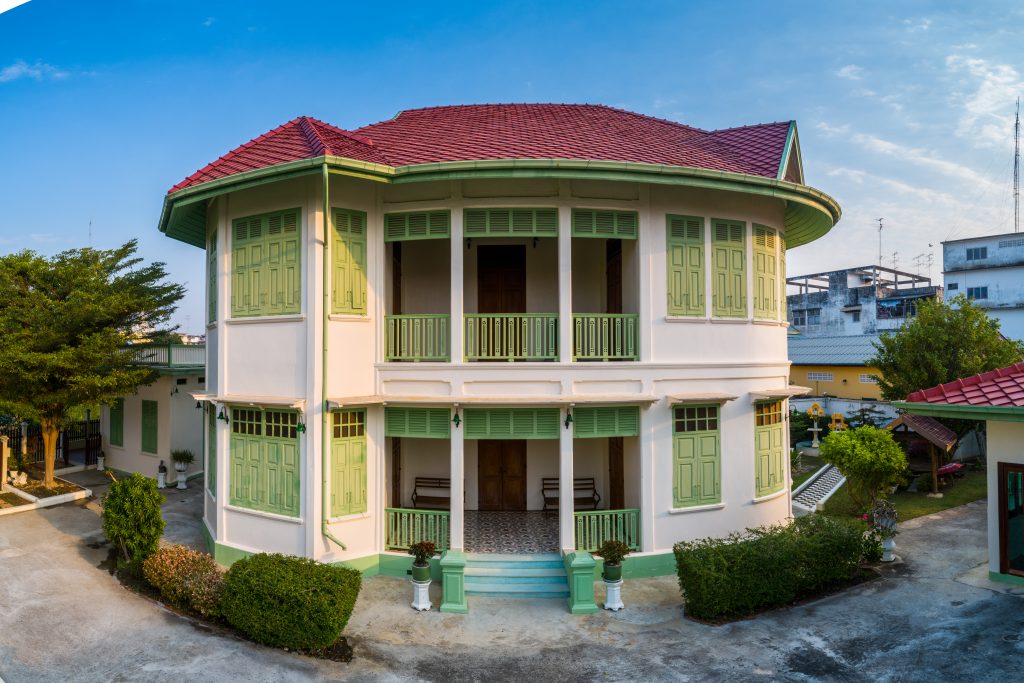
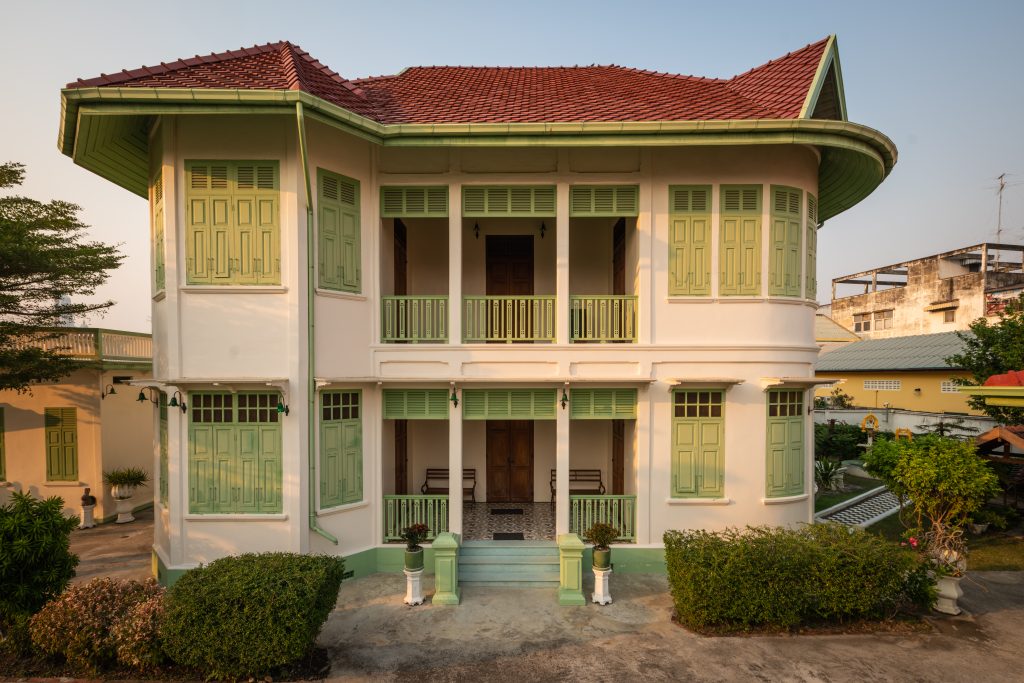
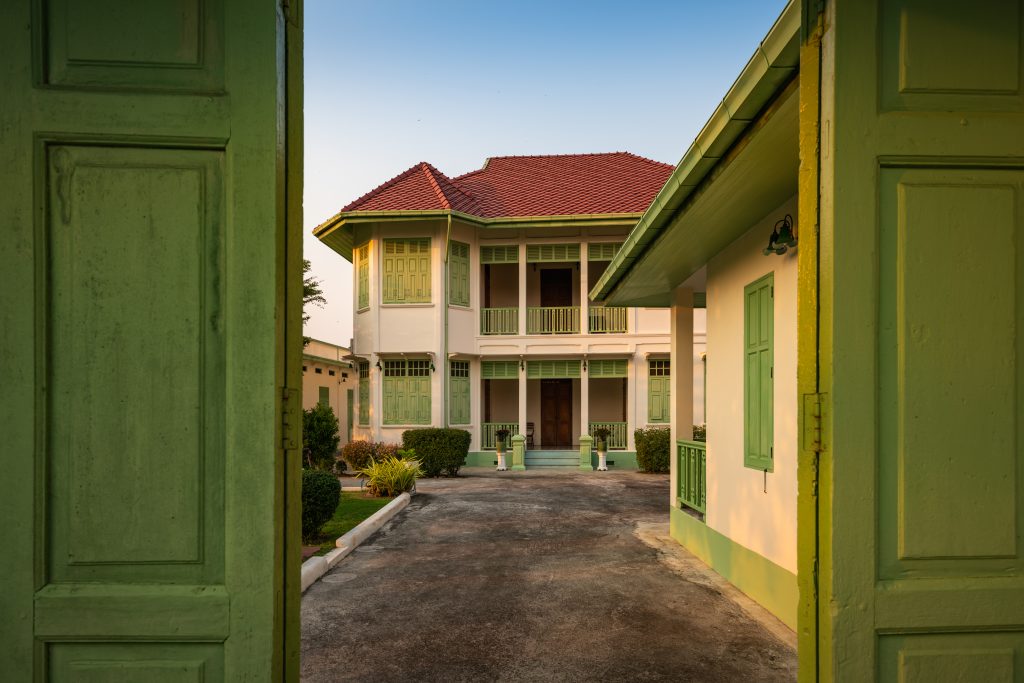
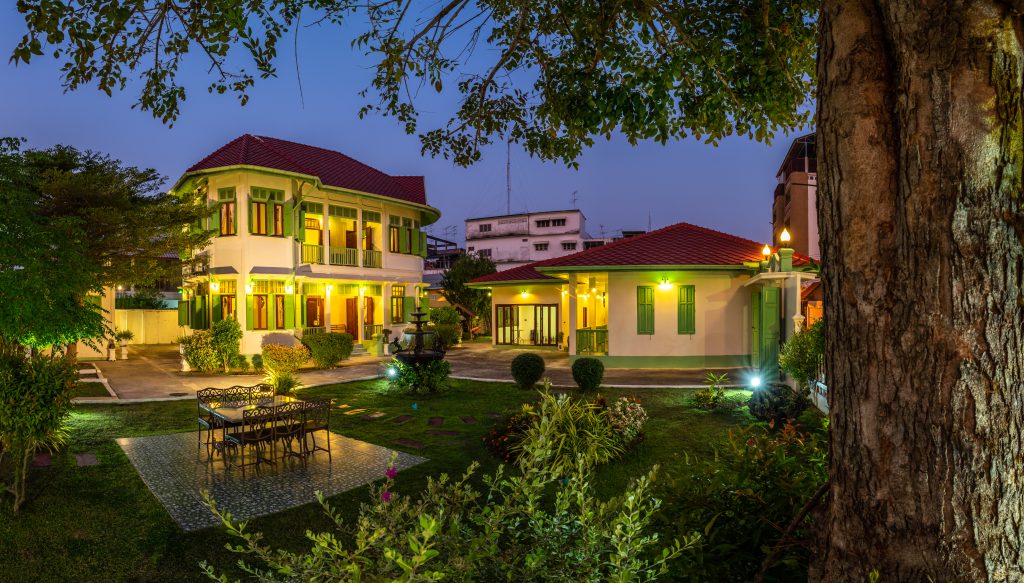
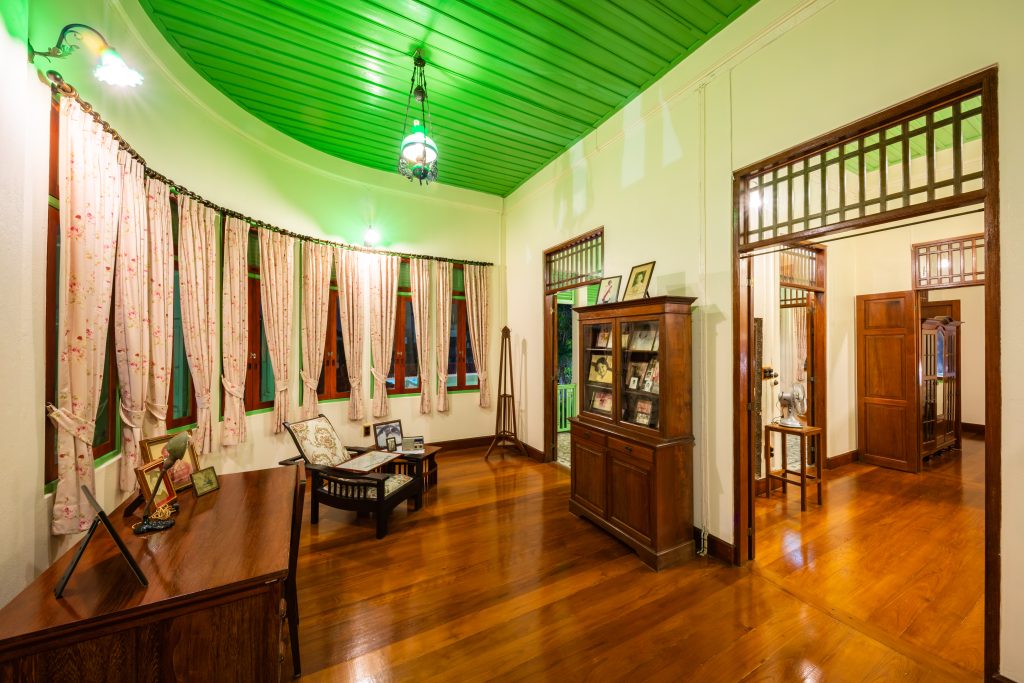
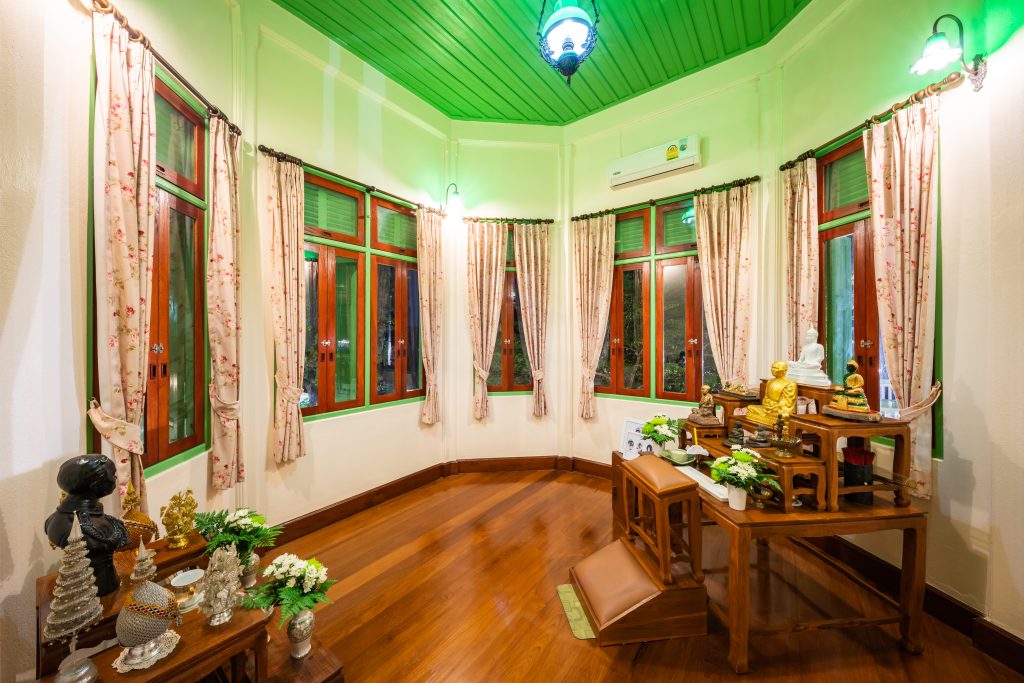
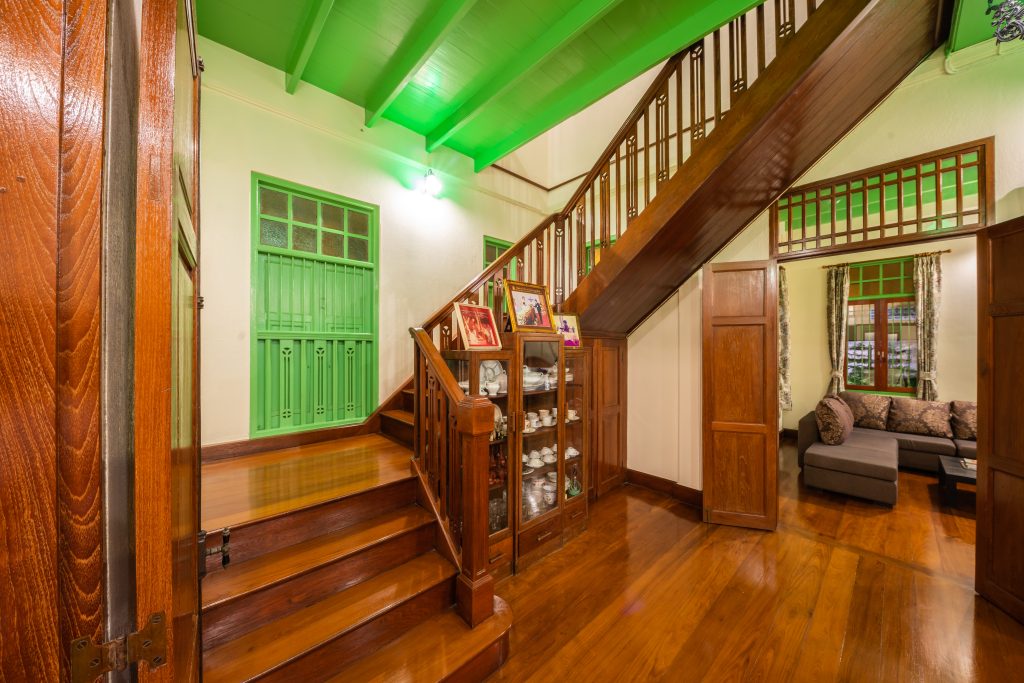
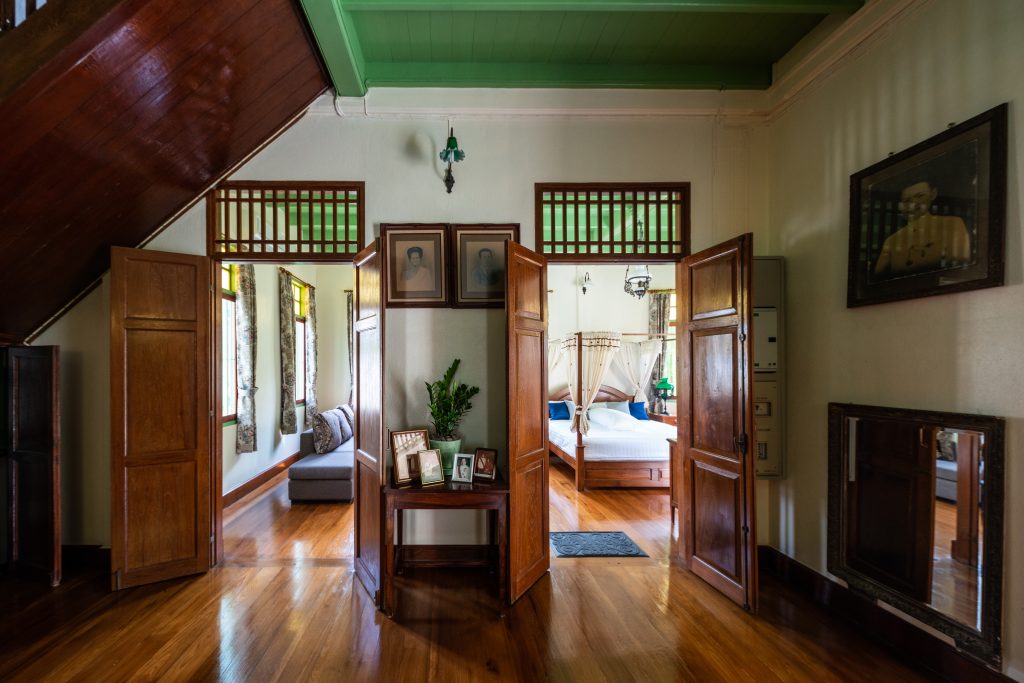
วิลล่าประวัติศาสตร์ขุนวิเชียรพานิชตั้งอยู่ริมแม่น้ำเพชรบุรี สันนิษฐานจากคำบอกเล่าว่าสร้างเสร็จในพ.ศ. 2473 แต่เดิมเรียกว่า บ้านพักขุนวิเชียรพานิช – ร่าย ประจวบเหมาะ ขุนวิเชียรพานิชดำรงตำแหน่งเป็นนายกเทศมนตรีคนแรกของเมืองเพชรบุรี โดยดำรงตำแหน่งในช่วงพ.ศ. 2478 – 2479 และพ.ศ. 2483 – 2484 อีกทั้งยังเป็นคหบดีผู้เป็นที่นับหน้าถือตาในจังหวัดเพชรบุรี มีการประกอบธุรกิจและกิจการหลายอย่าง เช่น โรงสี โรงไฟฟ้า ร้านสังฆภัณฑ์ โรงน้ำแข็ง ตัวแทนจำหน่ายน้ำมันสามทหาร ร้านวิเชียรพานิชขายสินค้าอุปโภคบริโภคที่จำเป็นและของอื่นๆ อีกมากมาย ขุนวิเชียรพานิชและครอบครัวพักอาศัยอยู่ในบ้านหลังนี้เรื่อยมาจนกระทั่งขุนวิเชียรพานิชเสียชีวิตเมื่อพ.ศ. 2486 และเมื่อนางร่าย ประจวบเหมาะ ภรรยาของขุนวิเชียรพานิชเสียชีวิตลงในพ.ศ. 2536 บ้านหลังนี้ก็ได้ถูกปิดไว้ตั้งแต่นั้นมา ในพ.ศ. 2556 – 2558 นายธรรมนูญ ประจวบเหมาะ บุตรคนที่ 5 และลูกชาย พันตำรวจโท กุลธน ประจวบเหมาะ ได้รับอนุญาตจากญาติพี่น้องให้เข้ามาปรับปรุงฟื้นฟูบ้านให้มีสภาพที่ดีขึ้น รวมทั้งรื้อถอนสิ่งก่อสร้างที่ไม่เหมาะสมออก ต่อมาในพ.ศ. 2562 มีการปรับปรุงซ่อมแซมหลังคาให้อยู่ในสภาพมั่นคงแข็งแรง ปัจจุบัน บ้านพักขุนวิเชียรพานิช – ร่าย ประจวบเหมาะ ใช้เป็นที่พักอาศัยและจัดทำเป็นที่พักและพิพิธภัณฑ์ขนาดเล็กโดยใช้ชื่อว่า วิลล่าประวัติศาสตร์ขุนวิเชียรพานิช
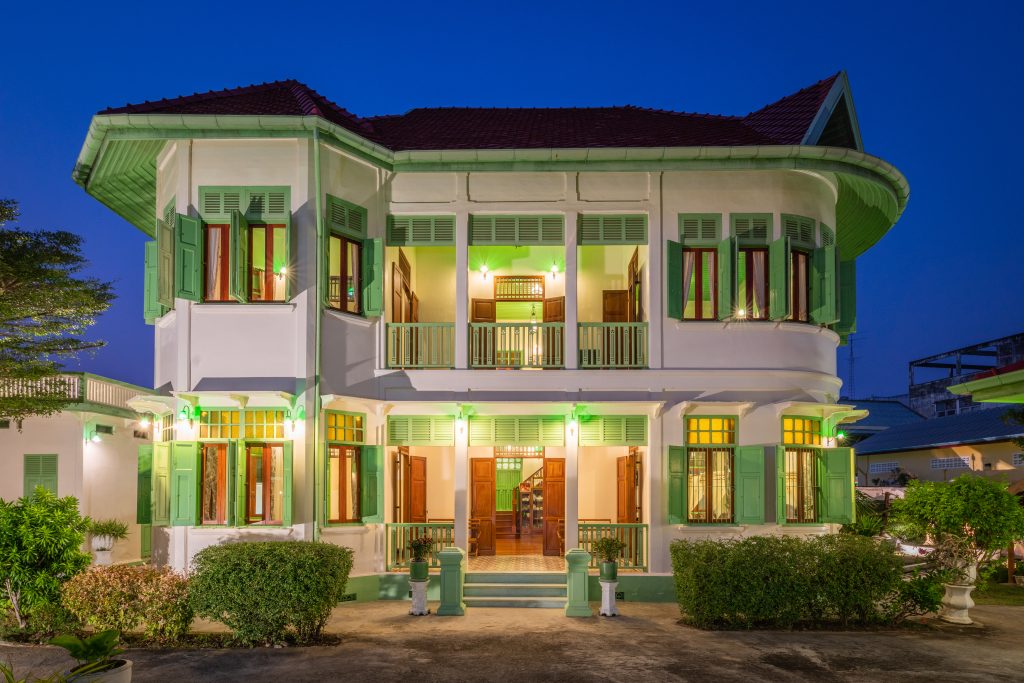
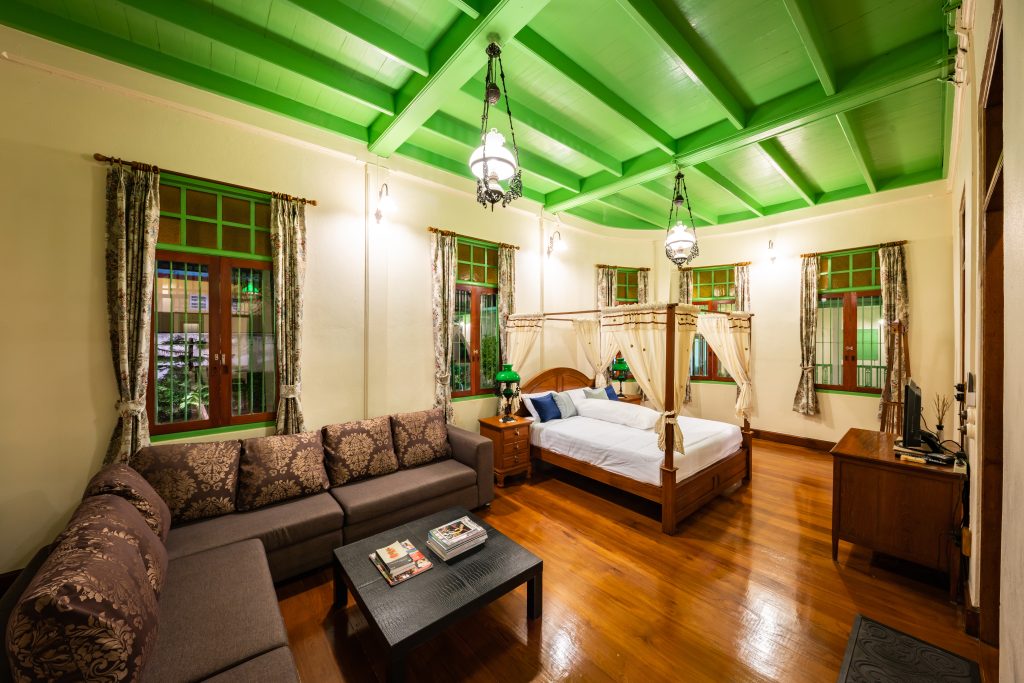
วิลล่าประวัติศาสตร์ขุนวิเชียรพานิชเป็นอาคารก่ออิฐถือปูน 2 ชั้น โครงสร้างคอนกรีตเสริมเหล็ก รูปแบบสถาปัตยกรรมแบบโคโลเนียล ลักษณะเด่นอยู่ที่มุขหกเหลี่ยมด้านขวาและมุขโค้งมนด้านซ้ายของอาคาร เชื่อมต่อกันด้วยหลังคาทรงปั้นหยา ทั้งหมดมุงด้วยกระเบื้องว่าวซีเมนต์ ภายในปูพื้นด้วยไม้สักทองทั้งหลัง พื้นที่ใช้สอยชั้นล่างประกอบด้วย ทางเข้าด้านหน้า ห้องโถง ห้องรับแขก ห้องนอนใหญ่ ห้องรับประทานอาหาร ห้องน้ำ และห้องเก็บของใต้บันได ส่วนพื้นที่ใช้สอยชั้นบนประกอบด้วย ระเบียงด้านหน้า ห้องโถง ห้องนอนใหญ่ ห้องนอนเล็ก ห้องพระ และห้องน้ำ
วิลล่าประวัติศาสตร์ขุนวิเชียรพานิชถือเป็นตัวอย่างของการปรับปรุงอาคารที่มีคุณค่าตามหลักวิชาการ สามารถรักษาองค์ประกอบทางสถาปัตยกรรม ตลอดจนเครื่องเรือน สิ่งของเครื่องใช้เดิมเอาไว้ได้อย่างน่าชื่นชม นอกจากนี้ยังเปิดโอกาสให้ผู้คนที่สนใจด้านประวัติศาสตร์ สถาปัตยกรรม และการท่องเที่ยวเชิงอนุรักษ์ได้เข้ามาใช้งานเข้าพักซึ่งจะทำให้เกิดรายได้เพียงพอในการดูแลรักษาอาคารได้อย่างยั่งยืนต่อไป
Khun Wichianphanit Historical Villa
- Location: No. 1 Suraphan Road, Tambon Tha Rap, Amphoe Mueang, Phetchaburi
- Proprietor: Families of 5 offspring of Khun Wichianphanit and Mrs. Rai Prachuabmoh
- Construction Date: 1930
- Architects/Conservation Designers: Police Lieutenant Colonel Kulthon Prachuabmoh (1st renovation 2013 – 2015), and Phakphum Kobpetch
- Conservation Awarded Date: 2020 – 2021
- Category: Architectural and community heritage conservation projects
- Level: Award of Merit
Khun Wichianphanit Historical Villa is situated on the bank of Phetchaburi River, from verbal account, it was built in 1930, originally called the House of Khun Wichianphanit – Rai Prachuabmoh. Khun Wichianphanit was the first Mayor of Phetchaburi who was in office during 1935 – 1936, and 1940 – 1941. He was also a wealthy businessman who was well-known and respected. His business included rice mill, power plant, monastery items shop, ice factory, Sam Thahan petrol distributor, Wichianphanit shop selling daily goods and various items. Khun Wichianphanit and his family lived in the house until he passed away in 1943, and later, Mrs. Rai Prachuabmoh, his wife, passed away in 1993, then the house was closed from that time onward. During 2013 – 2015, his 5th son, Mr. Thammanun Prachuabmoh and his son, Police Lieutenant Colonel Kulthon Prachuabmoh, were consented by relatives to renovate the house, which included removing unsightly structures. Later, in 2019, the house underwent roof repair and consolidation. At present, the House of Khun Wichianphanit – Rai Prachuabmoh is used as residence and a small museum called Khun Wichianphanit Historical Villa.
Khun Wichianphanit Historical Villa is a 2-storey brick masonry building, reinforced concrete structure, colonial style, distinguished with the hexagonal porch to the right and round porch to the left which are connected by a hip roof, all roofed with rhombus cement tiles. The interior floors are entirely paved with teakwood planks; the ground floor consists of front entrance, reception hall, guest room, master bedroom, dining room, restroom, and under stairs storage. The second floor consists of front balcony, a hall, master bedroom, bedroom, Buddha room, and restrooms.
Khun Wichianphanit Historical Villa is an example of renovation of valuable buildings which commendably conserves architectural features, furniture, and original objects of the house. The place is provided for visitors who are interested in history, architecture, and conservation-based tourism to visit and stay, which also generates income for sustainable conservation and maintenance.
หม่อเส้ง มิวเซี่ยม
อ่านเพิ่มเติม
หม่อเส้ง มิวเซี่ยม
- ที่ตั้ง เลขที่ 78 ถนนถลาง ตำบลตลาดใหญ่ อำเภอเมือง จังหวัดภูเก็ต
- ผู้ครอบครอง เผด็จ วุฒิชาญ
- ปีที่สร้าง ก่อนพ.ศ. 2453
- สถาปนิก/ผู้ออกแบบอนุรักษ์ เผด็จ วุฒิชาญ
- ปีที่ได้รับรางวัล พ.ศ. 2563-2564
- ประเภท งานอนุรักษ์มรดกทางสถาปัตยกรรมและชุมชน
- ระดับ ดี
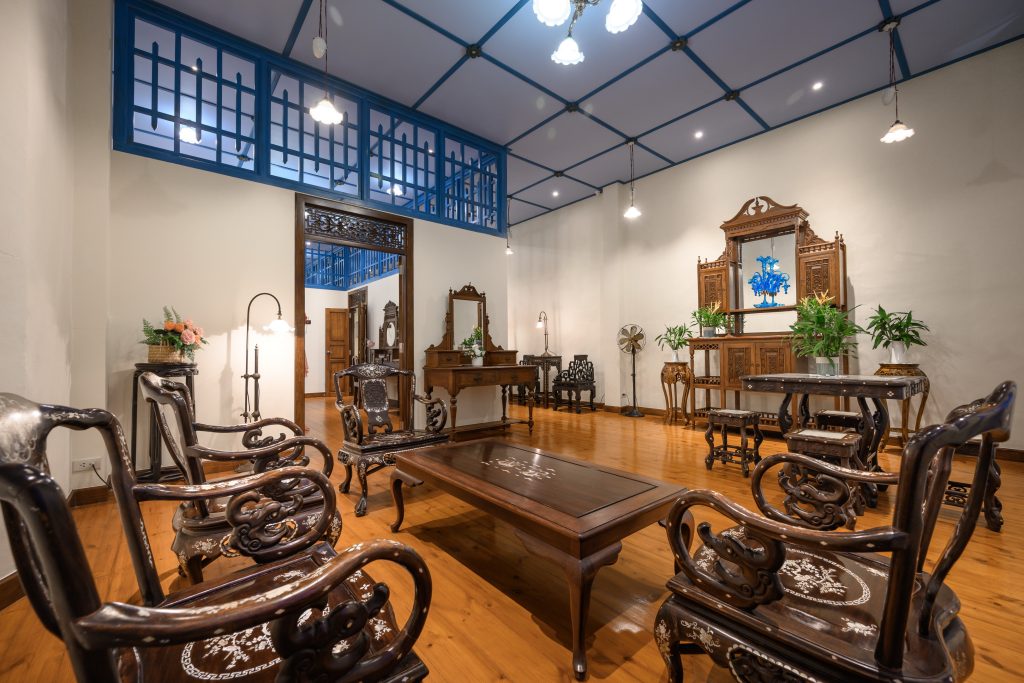
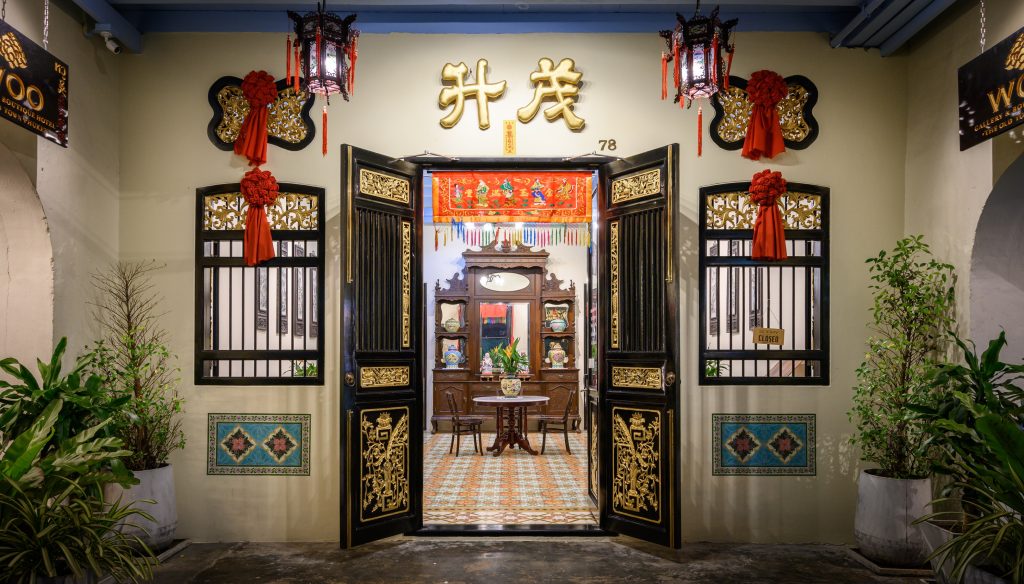
บ้านเลขที่ 78 ถนนถลาง แห่งนี้ก่อตั้งขึ้นโดยชาวจีนคนหนึ่งที่มาตั้งรกราก ณ เกาะภูเก็ต คือนายหงอเลียดฉ่าน ชาวจีนฮกเกี้ยน ผู้ออกเดินทางจากแผ่นดินจีนมาแสวงโชค ผ่านสิงคโปร์ มะละกา ปีนัง จนมาถึงภูเก็ต มาประกอบอาชีพช่างซ่อมนาฬิกา และได้สมรสกับนางตันสิ้วหอง บุตรสาวร้าน หม่อหงวน ถนนถลาง ซึ่งจำหน่ายสินค้าเครื่องใช้ในครัวเรือน ทั้งสองซื้อบ้านหลังนี้เปิดกิจการร้านขายนาฬิกานำเข้าจากต่างประเทศและรับซ่อมนาฬิกาชื่อร้าน หม่อเส้ง กิจการดำเนินมาจนถึงยุคหลังสงครามโลกครั้งที่ 2 สภาพเศรษฐกิจในช่วงเวลานั้นส่งผลให้ธุรกิจซบเซา ร้านหม่อเส้งจึงปิดตัวลง และให้ผู้อื่นเช่าอาคารจนถึง พ.ศ. 2560 หลังจากนั้น คุณเผด็จ วุฒิชาญ ซึ่งเป็นทายาทรุ่นที่ 3 ของตระกูล ได้เข้ามาปรับปรุงฟื้นฟูอาคารเป็นพิพิธภัณฑ์ ศูนย์การศึกษาเรียนรู้ และสถานที่จัดเสวนาเพื่อเผยแพร่ประวัติของเจ้าของอาคารและตัวอาคาร รวมถึงจัดแสดงวิธีการปรับปรุงซ่อมแซมอาคารในเชิงอนุรักษ์ โดยตั้งชื่อว่า “หม่อเส้ง มิวเซี่ยม”
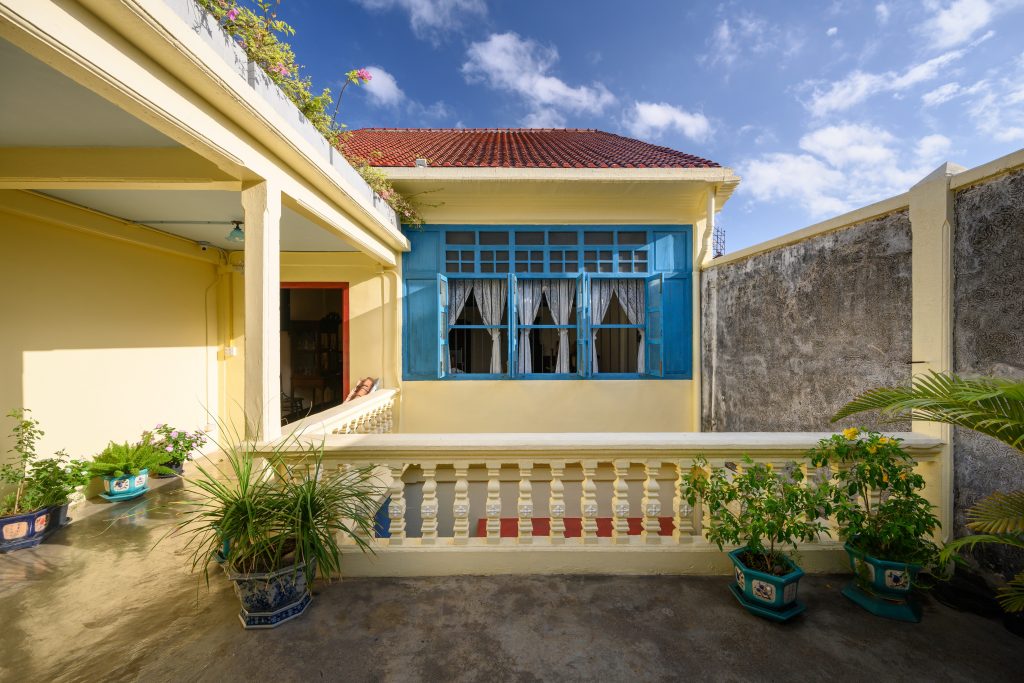
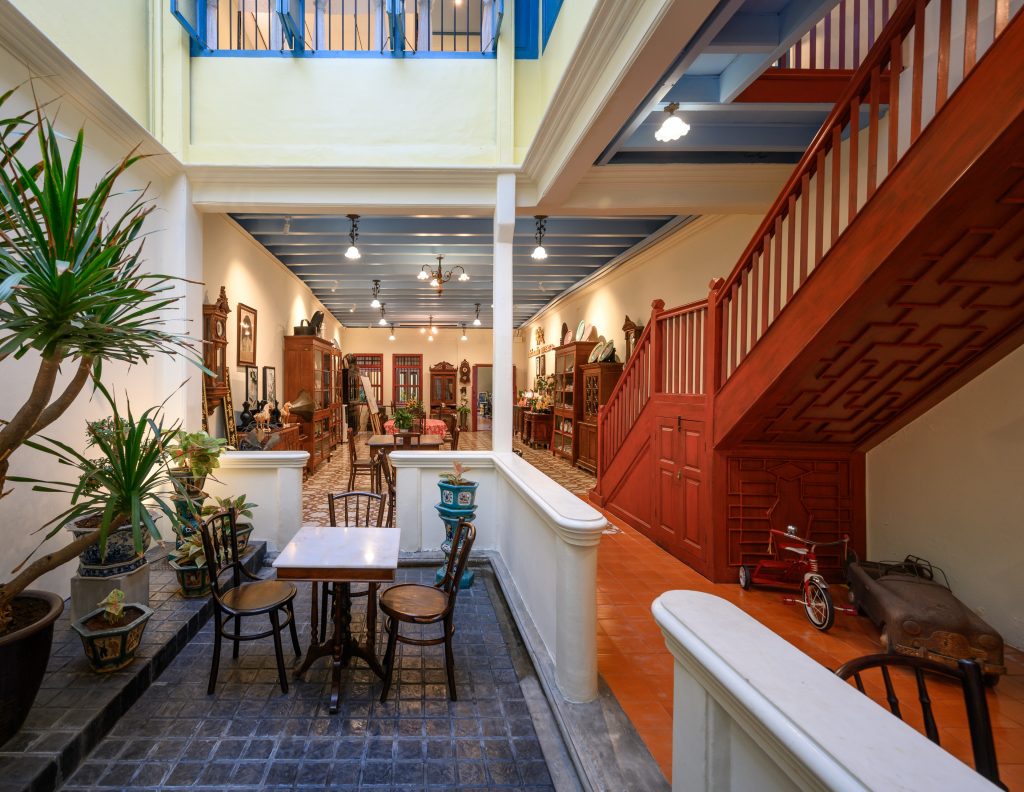
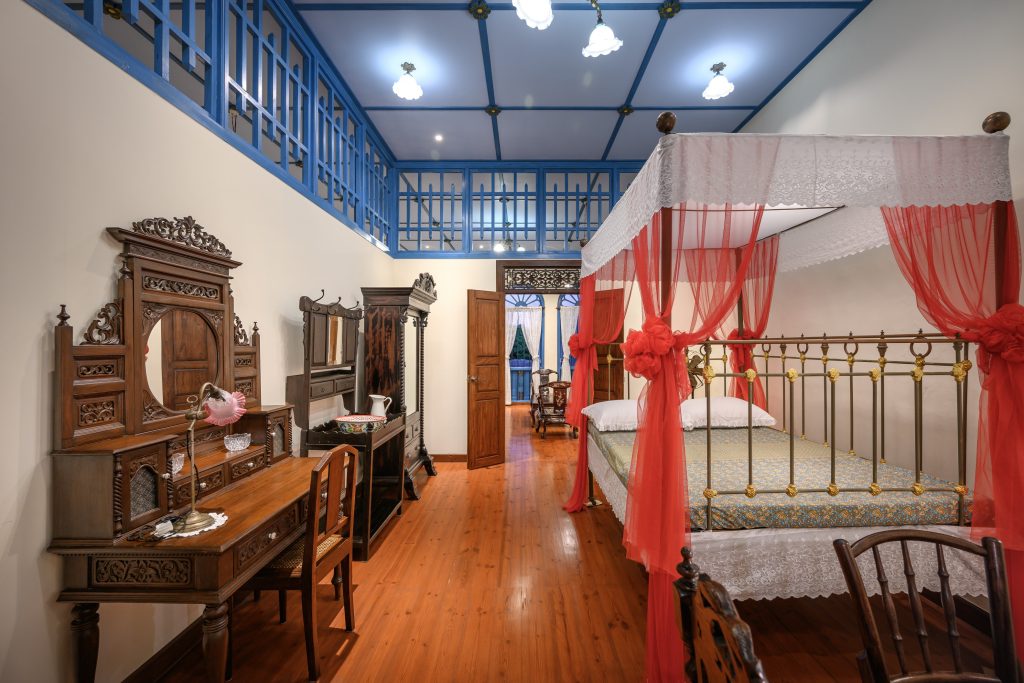
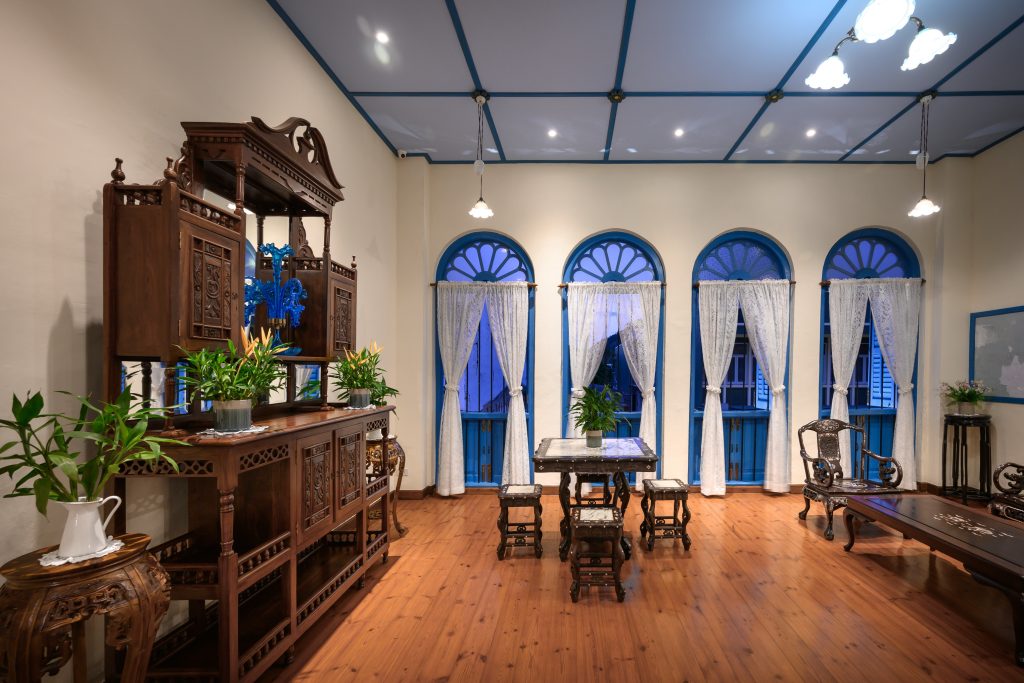
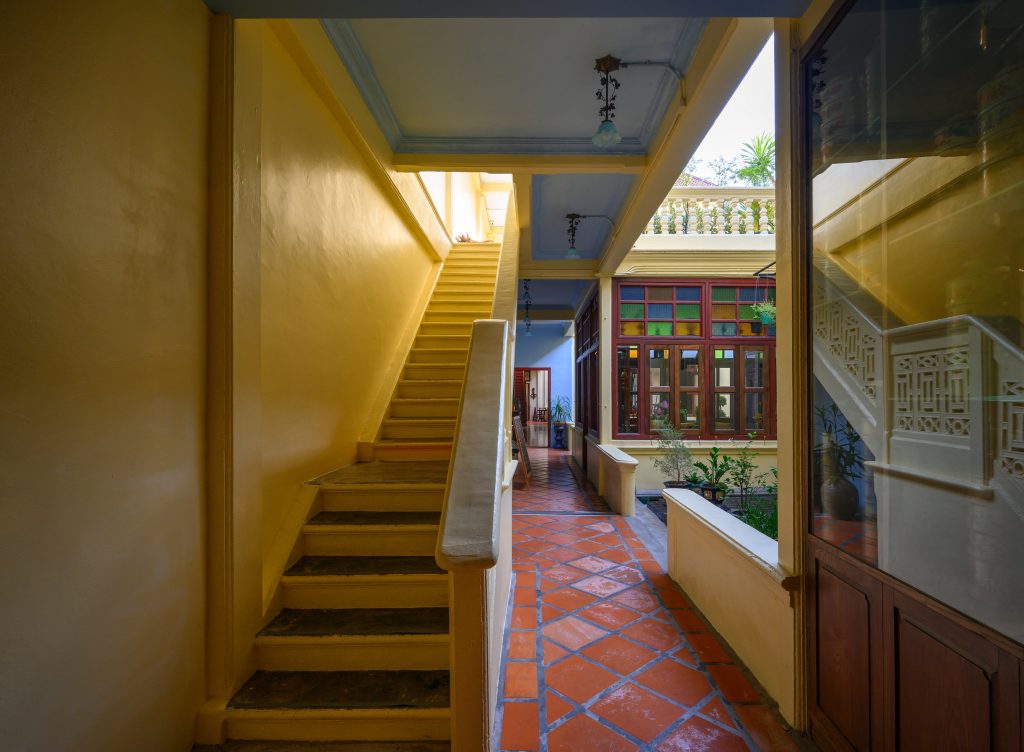
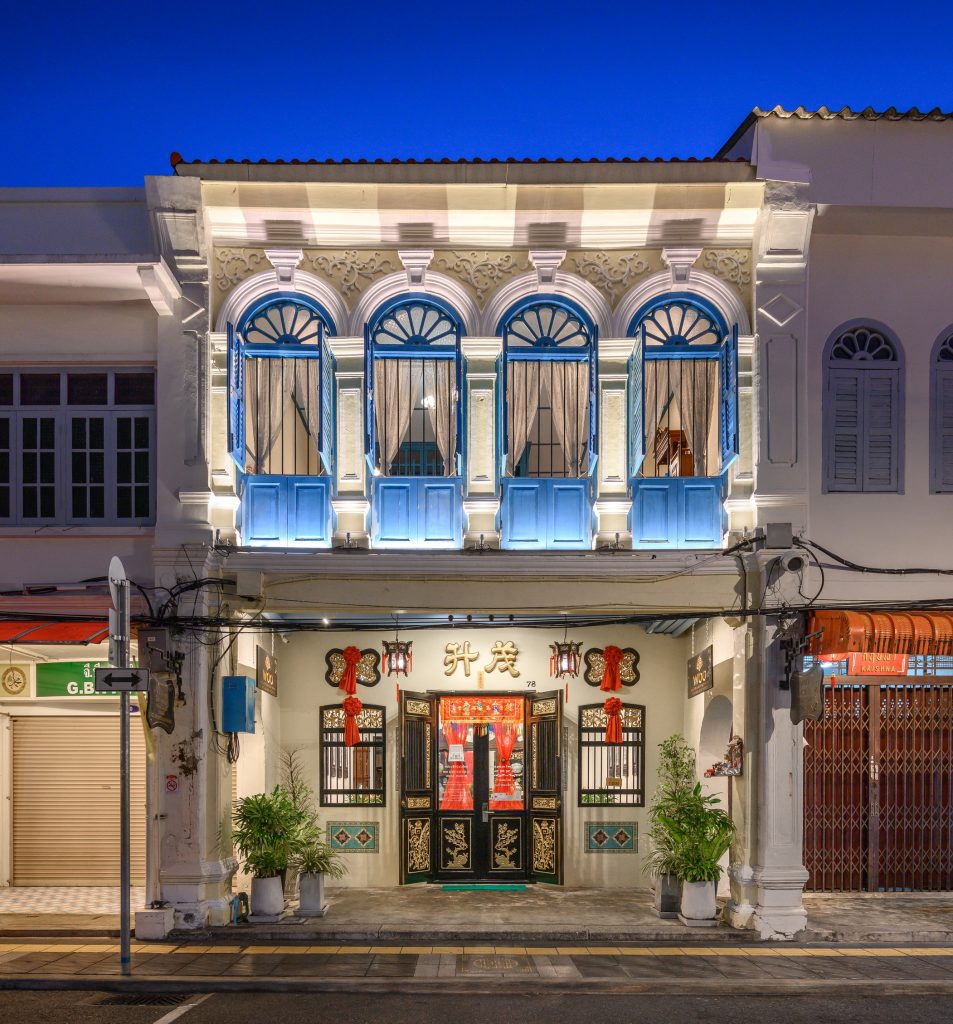
หม่อเส้ง มิวเซี่ยม เป็นตึกแถว 2 ชั้น จำนวน 2 คูหาติดกัน อาคารด้านหน้าติดถนนถลางโครงสร้างเป็น ผนังดินอัด ส่วนอาคารด้านหลังโครงสร้างเป็นคอนกรีตเสริมเหล็ก พื้นที่ใช้สอยรวม 630 ตารางเมตร รูปแบบสถาปัตยกรรมแบบจีนผสมยุโรป ด้านหน้ามีช่องทางเดินด้านหน้าอยู่ใต้พื้นชั้นบนที่เรียกว่า หง่อคาขี่ หรือ อาเขต ช่วยกันแดดกันฝนและระบายอากาศ หลังคาทรงสูงมุงด้วยกระเบื้องดินเผา มีคอร์ทเปิดโล่งที่มีบ่อน้ำ เรียกว่า จิ่มแจ้ ช่วยทำให้มีการระบายอากาศที่ดี พื้นที่ใช้สอยชั้นล่างประกอบด้วยห้องรับแขก ห้องพระ ห้องโถง และห้องจัดแสดงเครื่องแก้ว ส่วนชั้นบนประกอบด้วยห้องนอน ห้องนั่งเล่น และห้องทำงาน ภายในพิพิธภัณฑ์ยังจัดแสดงเครื่องเรือนเก่าแก่ ของตกแต่งบ้าน ข้าวของเครื่องใช้โบราณ เช่น ตู้ไม้แกะสลัก เตียงเหล็กโบราณ โต๊ะเครื่องแป้ง ชุดโต๊ะเก้าอี้ จักรเย็บผ้าโบราณ เครื่องเล่นแผ่นเสียง ถ้วยชาม และเครื่องแก้วศิลปะสไตล์วิคทอเรียน
หม่อเส้ง มิวเซี่ยม ได้รับการปรับปรุงฟื้นฟูตามหลักวิชาการ ทำให้สามารถรักษาองค์ประกอบสถาปัตยกรรมเอาไว้ได้อย่างครบถ้วนทั้งโครงสร้าง วัสดุ หง่อคาขี่ จิ่มแจ้ บ่อน้ำ เตาไฟ ระเบียง และช่องลม โดยคุณเผด็จ วุฒิชาญ ได้เริ่มศึกษาและเตรียมข้อมูลเรื่องรูปแบบ วัสดุ วิธีการดำเนินการใช้ระยะเวลา 3 ปี โดยอ้างอิงจากรูปถ่ายของตัวบ้านเดิมและค้นคว้าประวัติของอาคารจากการสอบถามคนภายในครอบครัว เพื่อนบ้าน หอจดหมายเหตุ รวมทั้งปรึกษาผู้เชี่ยวชาญด้านการอนุรักษ์อาคาร หลังจากนั้นดำเนินการปรับปรุงและซ่อมแซมใช้ระยะเวลา 2 ปี ประกอบด้วยงานปรับปรุงและซ่อมแซมโครงสร้าง งานสถาปัตยกรรมและงานตกแต่งภายใน
Moh Seng Museum
- Location: No.78 Thalang Road, Tambon Talat Yai, Amphoe Mueang, Phuket
- Proprietor: Phadet Wutthichan
- Construction Date: Before 1910
- Architect/Conservation Designer: Phadet Wutthichan
- Conservation Awarded Date: 2020-2021
- Category: Architectural and community heritage conservation projects
- Level: Award of Merit
No.78 Thalang Road was founded by Mr. Woo Liat Chan, a Chinese immigrant from Fujian who traveled to Singapore, Malacca, and Penang before settling in Phuket. He opened a clock shop and later married Miss Tan Siu Tong, daughter of Mo Nguan Shop family who sold daily goods and utensils. After their marriage, they bought this shophouse to open a shop selling imported clocks and operating a clock repair service named “Moh Seng & Co”. The business thrived until after WWII, the economic downturn caused the shop to decline until it was closed down, then it was rented out until 2017, Mr. Phadet Wutthichan, the 3rd generation heir, decided to renovate the building as a museum, learning center, and seminar center to exhibit history of the owners, building, and conservation process, called “Moh Seng Museum”.
Moh Seng Museum is a 2-storey, 2-unit shophouse, the front building on roadside is wall-bearing packed earth structured, the rear building is reinforced concrete structured, total area 630 sq.m., Sino-European architectural style. The second-floor front is supported by an arcade; the roof is high-pitched with terracotta tiles; the middle part of the house is an open courtyard with a well. The ground floor consists of a guest reception room, Buddhist altar room, hall, and exhibition room for glassware items. The second floor consists of bedrooms, living room, and study. The museum exhibits old furniture, decorative items, old daily use objects such as carved wood cabinets, iron beds, powder table, table and chairs, old sewing machines, gramophone, chinaware, and glassware of Victorian style.
Moh Seng Museum has undergone scientific conservation process, therefore, all important architectural elements are well-conserved. Mr. Phadet Wutthichan worked for 3 years to study and prepare information on the design and materials by studying old photographs and interviewing old family members, neighbors, search the archives, as well as consulting conservation experts. Then the renovation and repair work was carried out, which took 2 years to complete.
ระดับสมควรเผยแพร่
บ้านหลวงประเทืองคดี
อ่านเพิ่มเติม
บ้านหลวงประเทืองคดี
- ที่ตั้ง เลขที่ 197/4 หมู่ 1 ตำบลบ้านบุ่ง อำเภอเมือง จังหวัดพิจิตร
- ผู้ครอบครอง เทศบาลตำบลวังกรด
- ปีที่สร้าง พ.ศ. 2471
- สถาปนิก/ผู้ออกแบบอนุรักษ์ ห้างหุ้นส่วนจำกัด มิตรเมืองเก่า 2544
- ปีที่ได้รับรางวัล พ.ศ. 2563-2564
- ประเภท งานอนุรักษ์มรดกทางสถาปัตยกรรมและชุมชน
- ระดับ สมควรได้รับการเผยแพร่
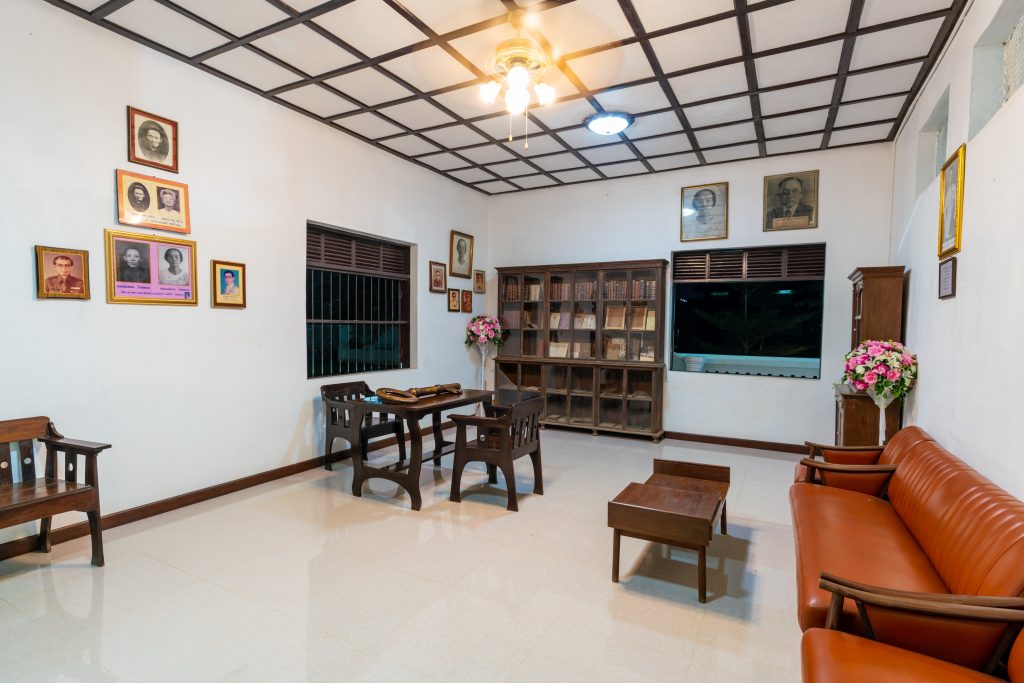
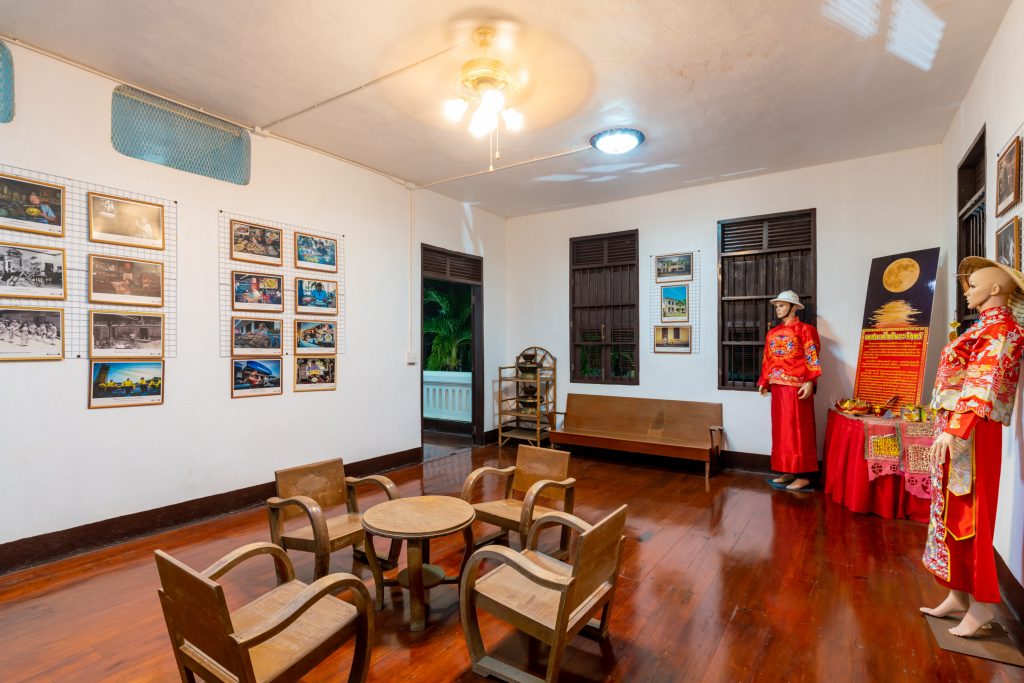
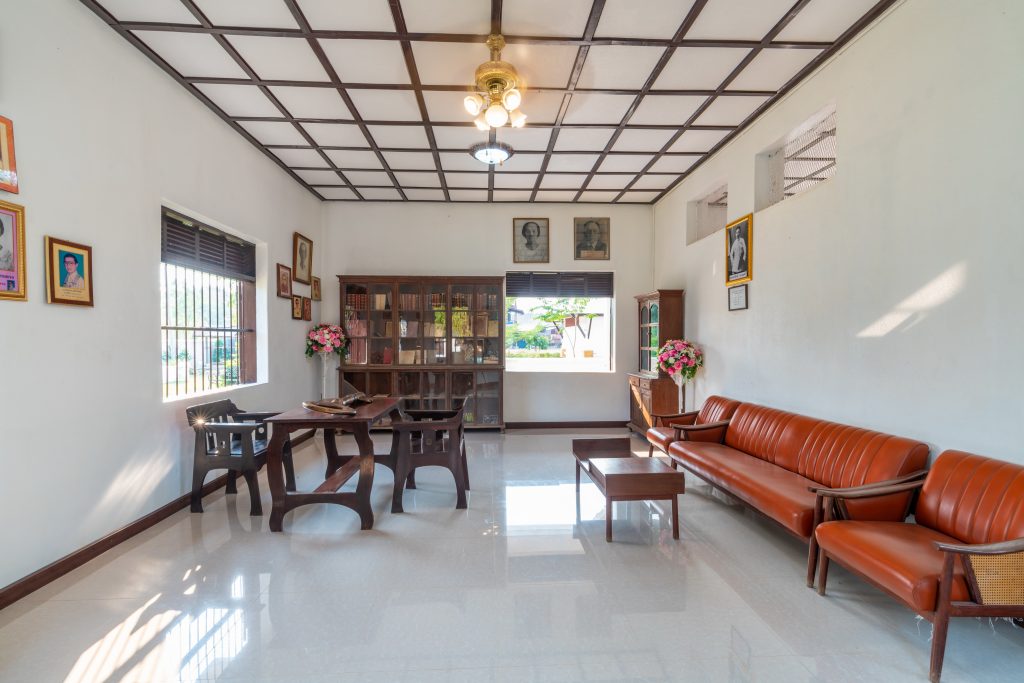
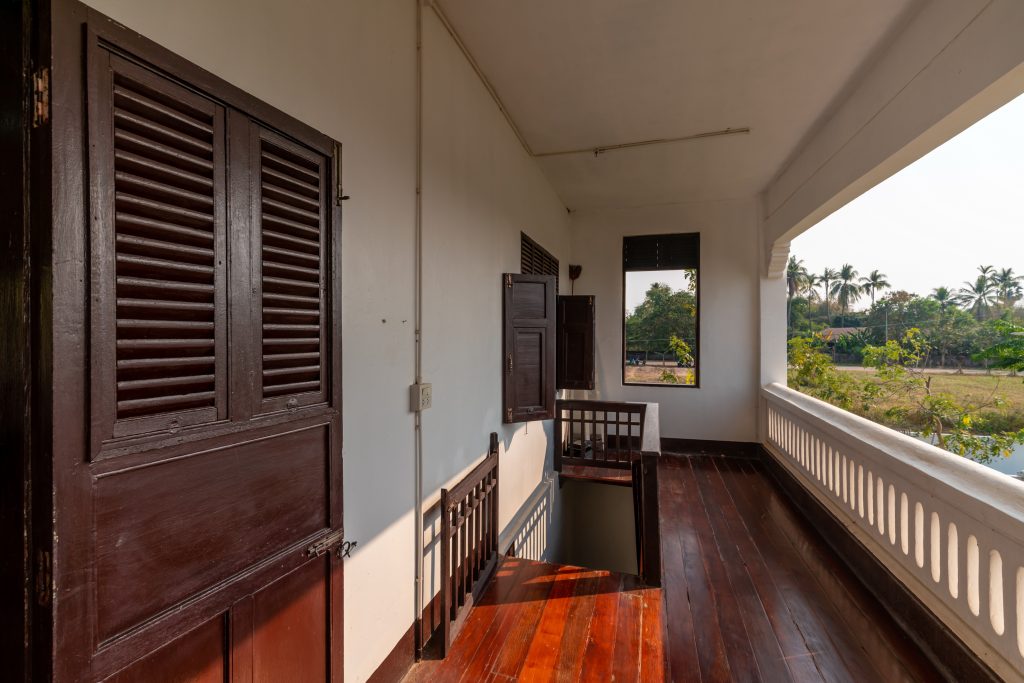
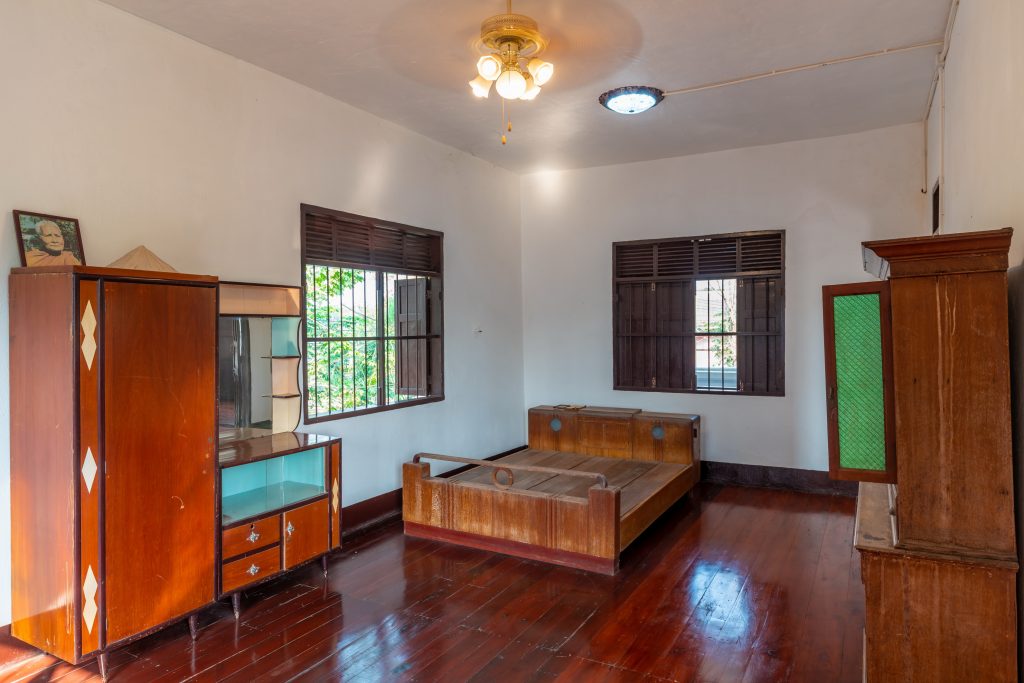
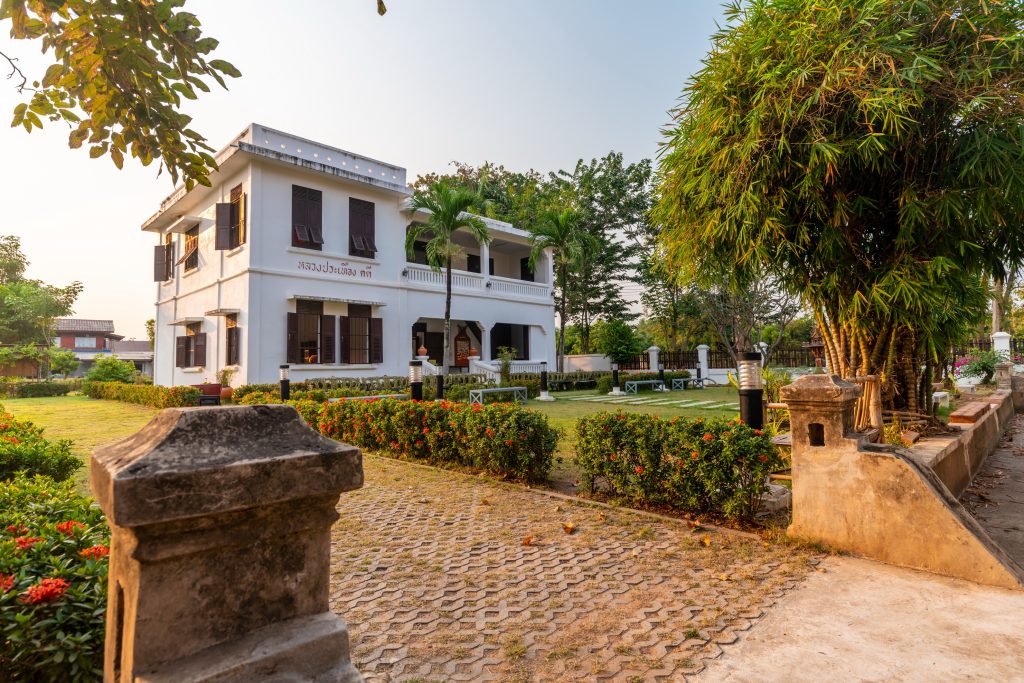
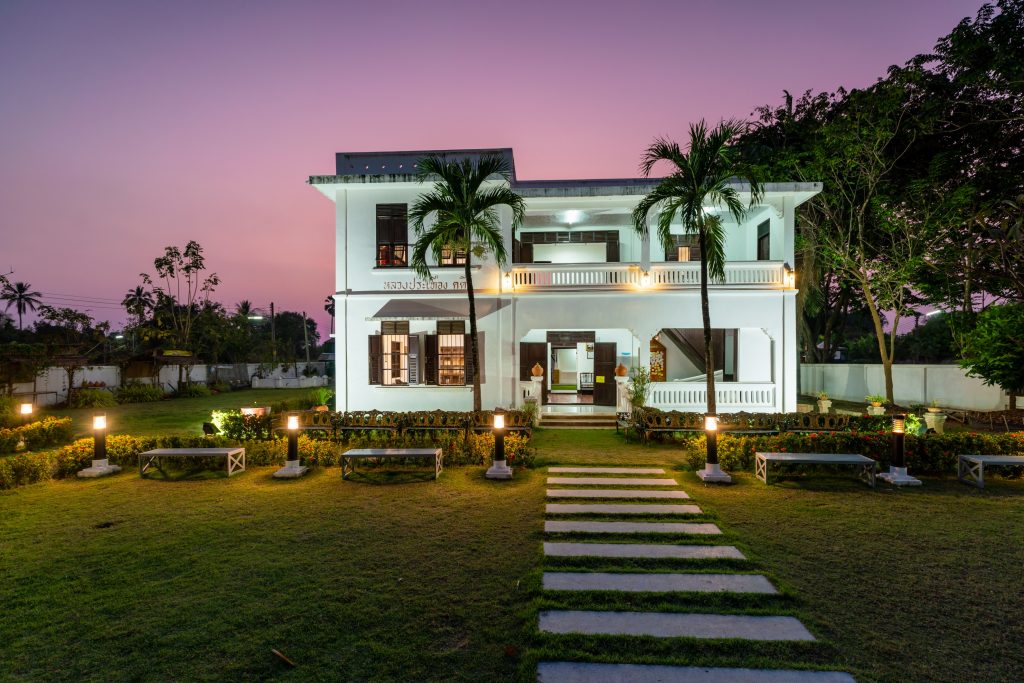
บ้านหลวงประเทืองคดี ตั้งอยู่ด้านทิศใต้ของชุมชนตลาดวังกรด สร้างขึ้นในพ.ศ. 2471 เดิมชาวบ้านเรียกกันว่า “บ้านคุณนายแจง” ตามชื่อเจ้าของบ้านเดิม คือ นางแจงและนายทอง ไทยตรง ซึ่งทั้งสองเป็นชาวเวียดนามที่อพยพมาอยู่เมืองไทย ต่อมานายทอง ไทยตรง ซึ่งเป็นคนสนิทท่านโฮจิมินห์ถูกลอบสังหาร นางแจงจึงให้หลวงประเทืองคดีว่าความทำให้มีความสนิทสนมและตกลงอยู่กินเป็นสามีภรรยากันโดยได้ใช้บ้านหลังนี้เป็นสำนักงานให้บริการด้านกฎหมายแก่ประชาชน ใช้ชื่อบ้านว่า “บ้านหลวงประเทืองคดี” หลวงประเทืองคดีอดีตเคยรับราชการเป็นอัยการ ต่อมาได้รับเลือกเป็นนายกเทศมนตรีคนแรกของจังหวัดพิจิตร นอกจากนี้ท่านยังเป็นบุคคลสำคัญของชาวตลาดวังกรด โดยเป็นผู้ริเริ่มและสนับสนุนให้ชาวบ้านสร้างตลาดวังกรด รวมถึง การสร้างศาลเจ้าพ่อวัง พันเอกพิเศษ นายแพทย์วรสิทธิ์ ไทยตรง บุตรคนเล็กของนางแจงได้เป็นผู้ครอบครองบ้านหลวงประเทืองคดี ในเวลาต่อมาได้มอบบ้านหลังนี้ให้กับเทศบาลตำบลวังกรดในพ.ศ. 2559 หลังจากนั้นจังหวัดพิจิตรได้สนับสนุนประมาณในการปรับปรุงฟื้นฟูจนแล้วเสร็จในพ.ศ. 2560 และเปิดใช้เป็นแหล่งเรียนรู้ของชุมชนตลาดวังกรด
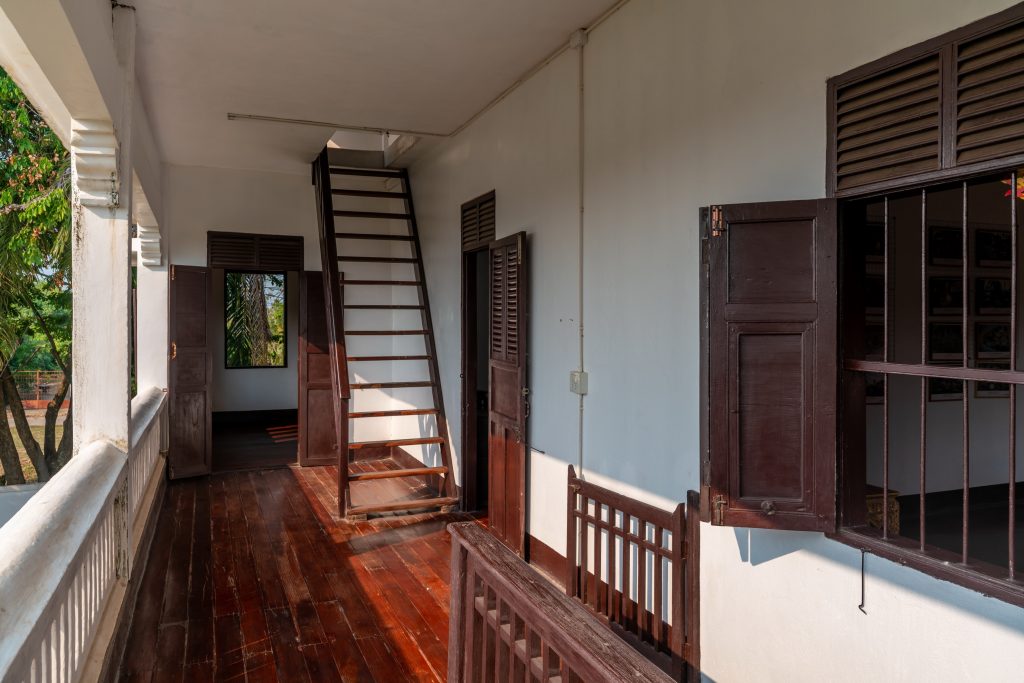
บ้านหลวงประเทืองคดี เป็นอาคารก่ออิฐฉาบปูนหลังแรกของชุมชนตลาดวังกรด สร้างโดยช่าง ชาวเวียดนาม ชื่อนายบัว โดยใช้อิฐที่ปั้นและเผาเอง เป็นอาคารสูง 2 ชั้น รูปแบบสถาปัตยกรรมแบบโมเดิร์น ผังพื้นอาคารเป็นรูปสี่เหลี่ยมผืนผ้า กว้าง 13.60 เมตร ยาว 10.70 เมตร ผนังอาคารหลักเป็นผนังก่ออิฐ รับน้ำหนัก มีห้องใต้ดินขนาดความกว้างประมาณ 3.80 เมตร ยาว 5.00 เมตร ลึก 1.30 เมตร ใช้เป็นที่หลบภัยเมื่อครั้งสงครามโลกครั้งที่ 2 นอกจากนี้ยังใช้เก็บทรัพย์สินและหลบซ่อนตัว พื้นที่ใช้สอยชั้นล่างประกอบด้วย ห้องทำงานของหลวงประเทืองคดี โถงกลาง ห้องดื่มน้ำชา และระเบียงด้านหน้าและด้านหลัง ส่วนชั้นบนประกอบด้วยห้องโถงขนาดใหญ่ ห้องนอน โถงกลาง ระเบียงหน้าและระเบียงด้านหลัง บริเวณหลังบ้านมีบ่อน้ำโบราณอายุประมาณ 90 ปี
บ้านหลวงประเทืองคดี เป็นตัวอย่างของการอนุรักษ์ด้วยกระบวนการมีส่วนร่วมของทุกภาคส่วนตั้งแต่เริ่มต้นโครงการ มีการทำความเข้าใจภาพรวมของชุมชนและประเมินความเป็นไปได้ในการอนุรักษ์ ดำเนินการสำรวจข้อมูล และเปิดเวทีเสวนากับผู้ที่มีส่วนเกี่ยวข้อง กระตุ้นให้เกิดการมีส่วนร่วมและสร้างจิตสำนึกความเป็นเจ้าของ สื่อสารคุณค่าและความงามทางสถาปัตยกรรม สรุปรูปแบบการอนุรักษ์ จัดหางบประมาณ และดำเนินการปรับปรุงฟื้นฟูตามหลักวิชาการ ทำให้บ้านหลังนี้กลายเป็นแหล่งเรียนรู้สำคัญทางด้านประวัติศาสตร์ สถาปัตยกรรม และการอนุรักษ์และพัฒนาชุมชนตลาดวังกรด
Ban Luang Prathueangkhadi
- Location: No. 197/4 Mu 1, Tambon Ban Bung, Amphoe Mueang, Phichit
- Proprietor: Wang Krot Subdistrict Municipality
- Construction Date: 1928
- Architect/Conservation Designer: Mitrmuangkao 2544 Ltd., Part.
- Conservation Awarded Date: 2020 – 2021
- Category: Architectural and community heritage conservation projects
- Level: Honorable Mention
Ban Luang Prathueangkhadi (Luang Prathueangkhadi’s house) is located to the south of Talat Wang Krot community. The house was built in 1928, originally called “Ban Khun Nai Chaeng” (Madam Chaeng’s house) because the first owners were Mrs. Chaeng and Mr. thong Thaitrong, Vietnamese immigrants. Later, Mr. Thong Thaitrong, who was a henchman of Mr. Ho Chi Mihn, was assassinated, therefore, Mrs. Chaeng commissioned Luang Prathueangkhadi to try the case. Later, Mrs. Chaeng and Luang Prathueangkhadi decided to live together as man and wife, then they opened a law office at the house, which was named “Ban Luang Prathueangkhadi”. Luang Prathueangkhadi was an attorney, who was elected as the first Mayor of Phichit. He also was an important figure of Wang Krot Market Community as the initiator and supporter of the founding of Talat Wang Krot (Wang Krot Market) including Chao Pho Wang Shrine. Special Colonel Dr. Worasit Thaitrong, the youngest son of Mrs. Chaeng inherited Ban Luang Prathueangkhadi, and gave the house to Wang Krot Municipality in 2016. Consequently, Phichit Province had funded the renovation of the house until completion in 2017, which has been opened as a learning center of Talat Wang Krot community.
Ban Luang Prathueangkhadi is the first brick masonry building in Talat Wang Krot community. It was built by Mr. Bua, a Vietnamese builder. It is 2-storey, Modern architecture, rectangular plan 13.60×10.70 meters; the main buildings are brick masonry wall-bearing structured, with a basement approximately 3.8 meters wide, 5.00 meters long, and 1.30 meters deep, used as shelter during WWII). The ground floor of the building consists of Luang Prathueangkhadi’s office, central hall, tearoom and balconies to the front and the rear; the second floor consists of a large hall, bedrooms, middle hall, and front and rear balconies; at the back of the house there is an ancient pond dated approximaately 90 years.
Ban Luang Prathueangkhadi is an example of conservation by participation of various sectors from the beginning. Conservation process began with learning and understanding the community’s characteristics and evaluation of possibility in conservation; survey; discussions with stakeholders to urge participation and build ownership mindset; interpretation on values and architectural aesthetic; conclusion of conservation plan; fundraising; and practical work to renovate the house by scientific methods. The project is successful in making the house an important learning center in history, architecture, and conservation and development of Talat Wang Krot community.
โรงแรมไมอามี่
อ่านเพิ่มเติม
โรงแรมไมอามี่
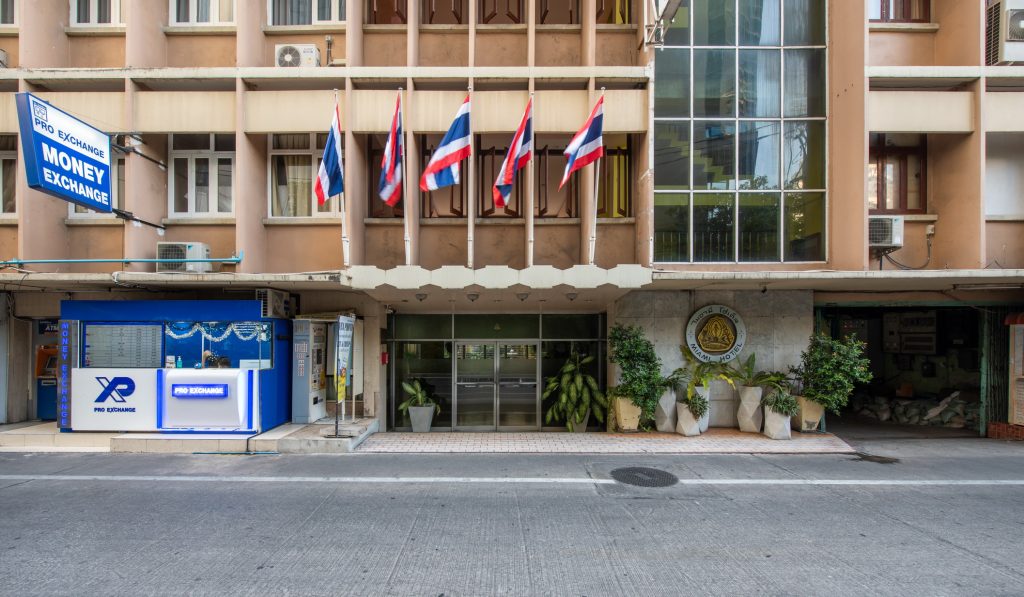
- ที่ตั้ง เลขที่ 2 ถนนสุขุมวิท 13 แขวงคลองเตยเหนือ เขตวัฒนา กรุงเทพมหานคร
- ผู้ครอบครอง สุพล ตัณศิริชัยยา
- ปีที่สร้าง พ.ศ. 2508
- สถาปนิก / ผู้ออกแบบอนุรักษ์ สุพล ตัณศิริชัยยา
- ปีที่ได้รับรางวัล พ.ศ. 2563-2564
- ประเภท งานอนุรักษ์มรดกทางสถาปัตยกรรมและชุมชน
- ระดับ สมควรได้รับการเผยแพร่
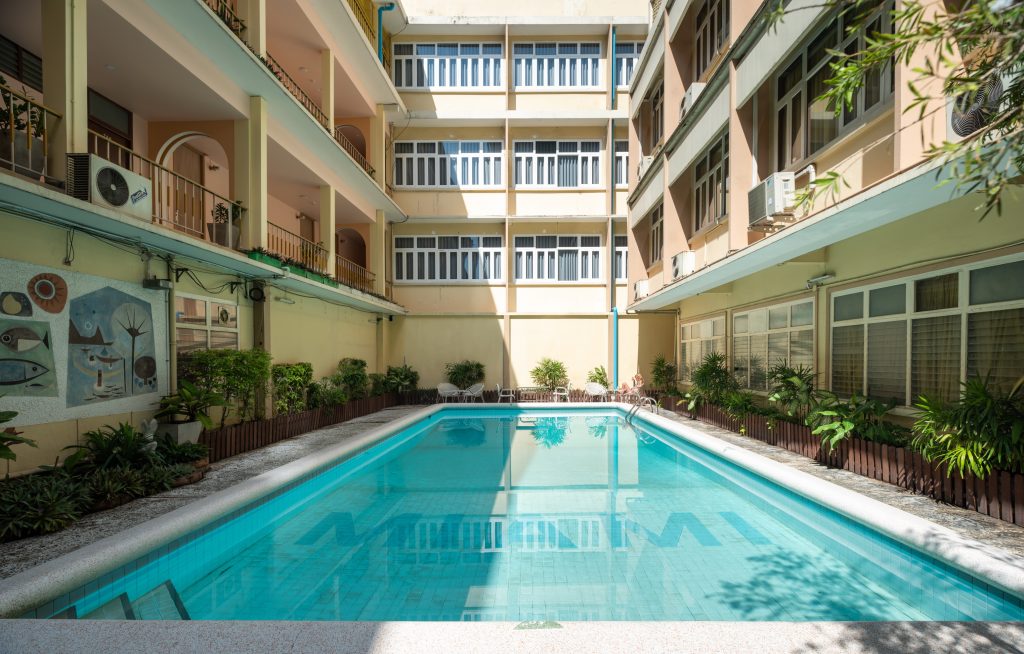
โรงแรมไมอามี่ เกิดขึ้นโดยคุณบัญชา และคุณมาลี แซ่ตั้ง (ตัณศิริชัยยา) สองสามีภรรยาชาวจีนจากเมืองซัวเถา ที่เดินทางมาจากจีนแผ่นดินใหญ่มาพึ่งใต้ร่มพระบรมโพธิสมภาร ณ แผ่นดินสยาม ด้วยความวิริยะอุตสาหะเก็บเล็กผสมน้อยจนมีทุนก้อนแรกกับธุรกิจสามล้อถีบให้เช่า วันเวลาผ่านไปจากรถเช่าเพียงไม่กี่คัน ก็ขยายไปเรื่อย ๆ จนกระทั่งพ.ศ. 2503 รัฐบาลของจอมพลสฤษดิ์ ธนะรัชต์ ได้ประกาศยกเลิกสามล้อถีบในเขตกรุงเทพมหานครและปริมณฑลเพื่อลดปัญหาจราจรและความเป็นระเบียบของบ้านเมือง ทำให้ธุรกิจต้องปรับตัวและลงทุนครั้งใหญ่โดยเปลี่ยนเป็นสามล้อเครื่องแทน ประกอบกับช่วงเวลานั้นชาวต่างชาติเริ่มเดินทางมาท่องเที่ยวในประเทศไทยมากขึ้น รวมทั้งทหารอเมริกันที่เดินทางมาพักผ่อนที่ไทยก่อนจะไปปฏิบัติภารกิจในสงครามเวียดนาม ท่านทั้งสองเห็นถึงโอกาสธุรกิจด้านการบริการจึงตัดสินใจขายกิจการสามล้อเครื่องแล้วนำเงินมาสร้างโรงแรม เริ่มดำเนินการในพ.ศ. 2508 ในชื่อ โรงแรมไมอามี่ โดยใช้รูปมงกุฎนางงามเป็นสัญลักษณ์ สำหรับที่มาของชื่อและสัญลักษณ์ของโรงแรมนั้น เนื่องจากโรงแรมไทยในสมัยนั้นจะนิยมตั้งเป็นชื่อเมืองต่าง ๆ ในประเทศสหรัฐอเมริกาเพื่อแสดงถึงการต้อนรับนักท่องเที่ยว และง่ายต่อการจดจำ ประกอบกับในปีที่โรงแรมเปิดดำเนินการเป็นปีที่มีการจัดประกวดนางงามจักรวาลขึ้นที่หาดไมอามี่ รัฐฟลอริด้า ประเทศสหรัฐอเมริกา และคุณอาภัสรา หงสกุล เป็นตัวแทนจากประเทศไทยคนแรกที่ได้รับเลือกเป็นนางงามจักรวาล
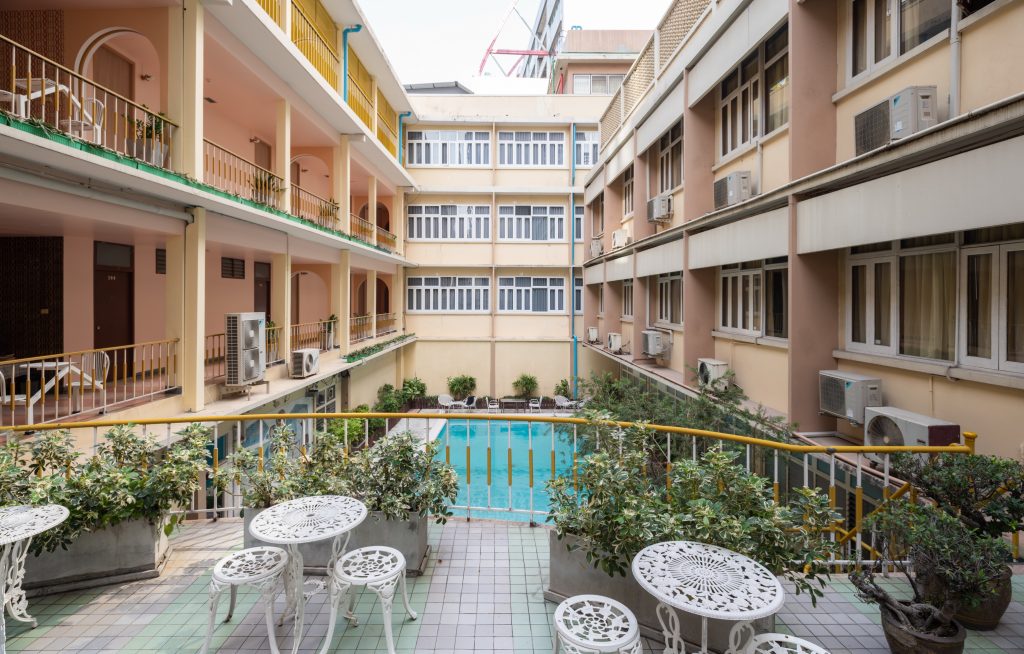
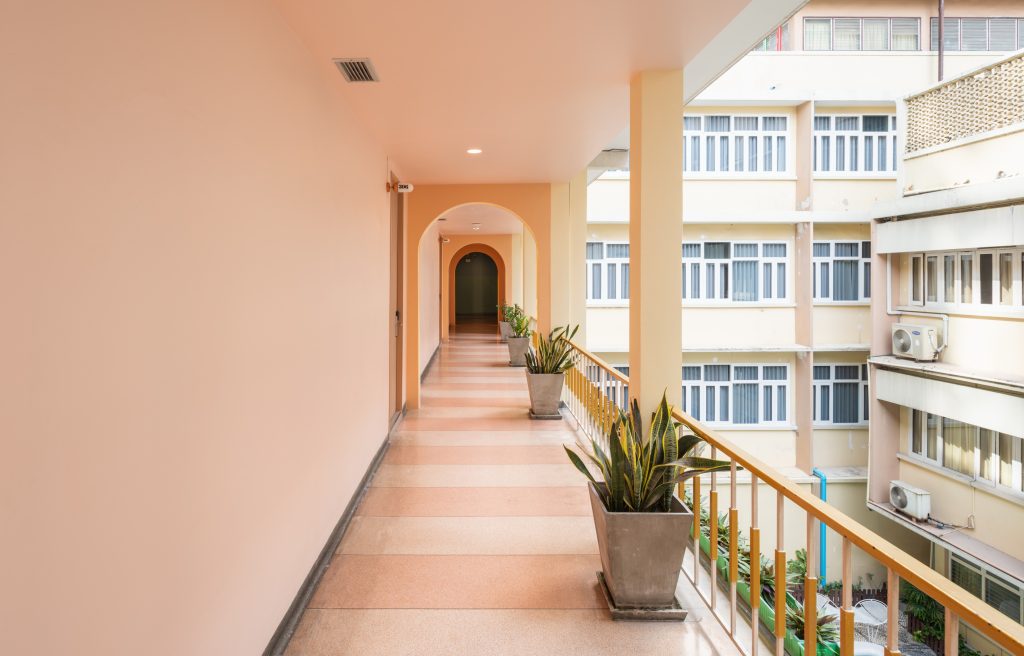
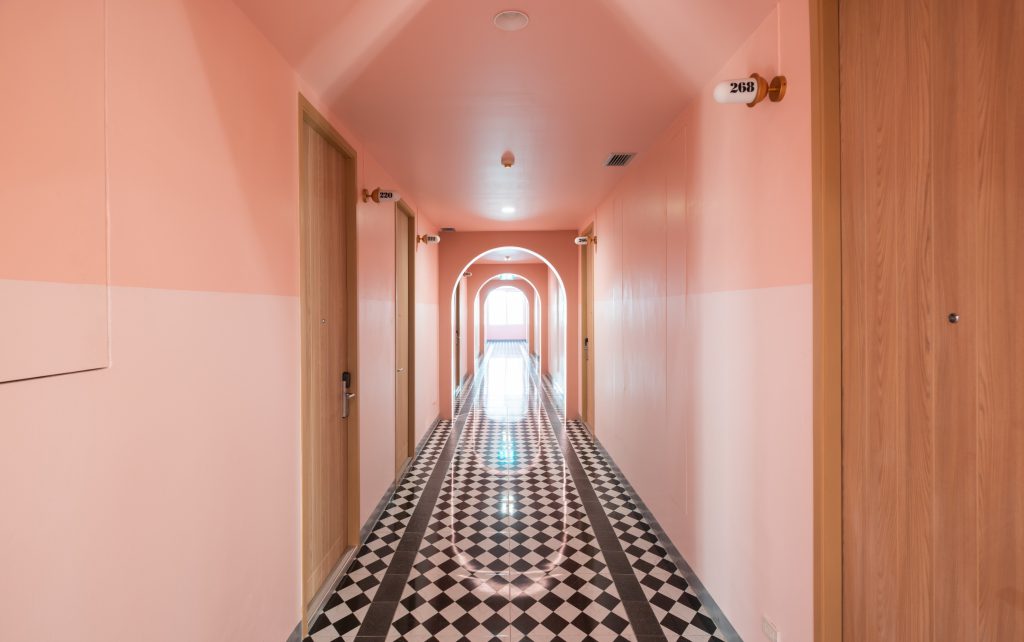
โรงแรมไมอามี่ เป็นอาคารคอนกรีตเสริมเหล็ก 4 ชั้น รูปแบบสถาปัตยกรรมแบบโมเดิร์นที่มีการออกแบบให้เข้ากับภูมิอากาศแบบร้อนชื้น ผังพื้นอาคารเป็นรูปตัวยู (U) ล้อมรอบช่องเปิดโล่ง และสระว่ายน้ำตรงกลาง พื้นที่ใช้สอยชั้นล่างประกอบด้วยส่วนต้อนรับ ห้องพัก พื้นที่ให้เช่า และอาคารห้องน้ำสระว่ายน้ำหลังคาในส่วนนี้เป็นหลังคาแบนคอนกรีต ใช้เป็นลานอเนกประสงค์ สวนหย่อม และลานอาบแดด พื้นที่ใช้สอยชั้น 2 – 3 เป็นห้องพักจำนวน 68 ห้อง ในส่วนของพื้นที่ใช้สอยชั้น 4 เป็นห้องพักจำนวน 16 ห้อง ห้องซักผ้า ลานซักผ้า และห้องพักพนักงาน หลังคาโรงแรมชั้นบนสุดเป็นดาดฟ้าคอนกรีตหลังคาแบน สามารถขึ้นไปยืนชมวิวได้ ทางเดินภายในอาคารมีทั้งแบบทางเดินที่มีห้องอยู่ฝั่งเดียว (Single Corridor) และทางเดินที่มีห้องอยู่สองฝั่ง (Double Corridor) มีช่องลมและหน้าต่างช่วยในการระบายอากาศ รวมทั้งแผงกันแดดภายในและภายนอกอาคารที่ช่วยบังแดด ในขณะเดียวกันแสงธรรมชาติก็สามารถเข้ามาในอาคารได้
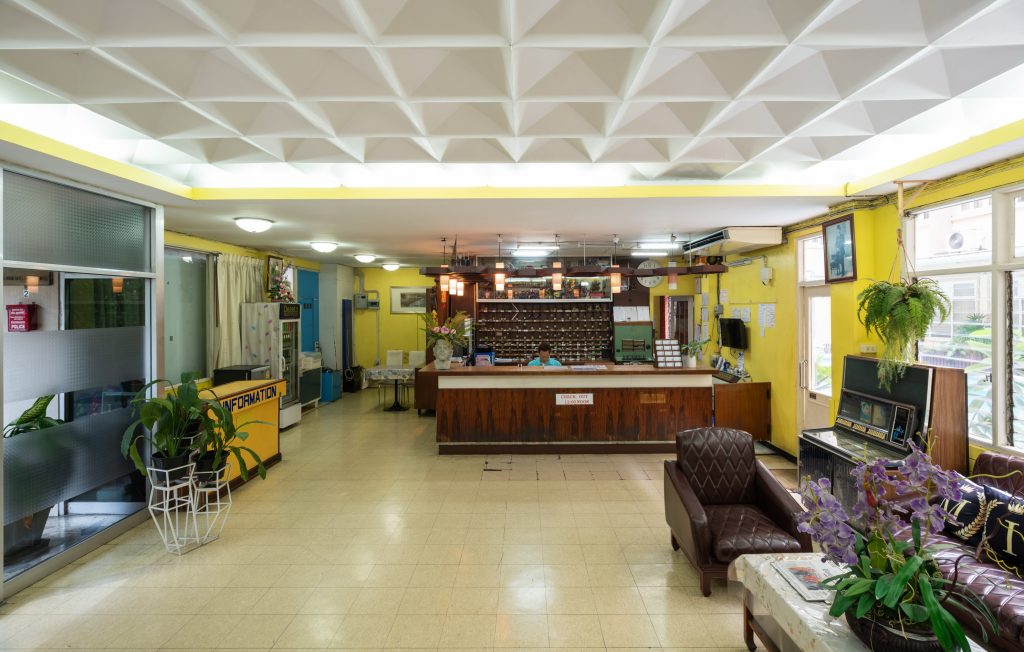
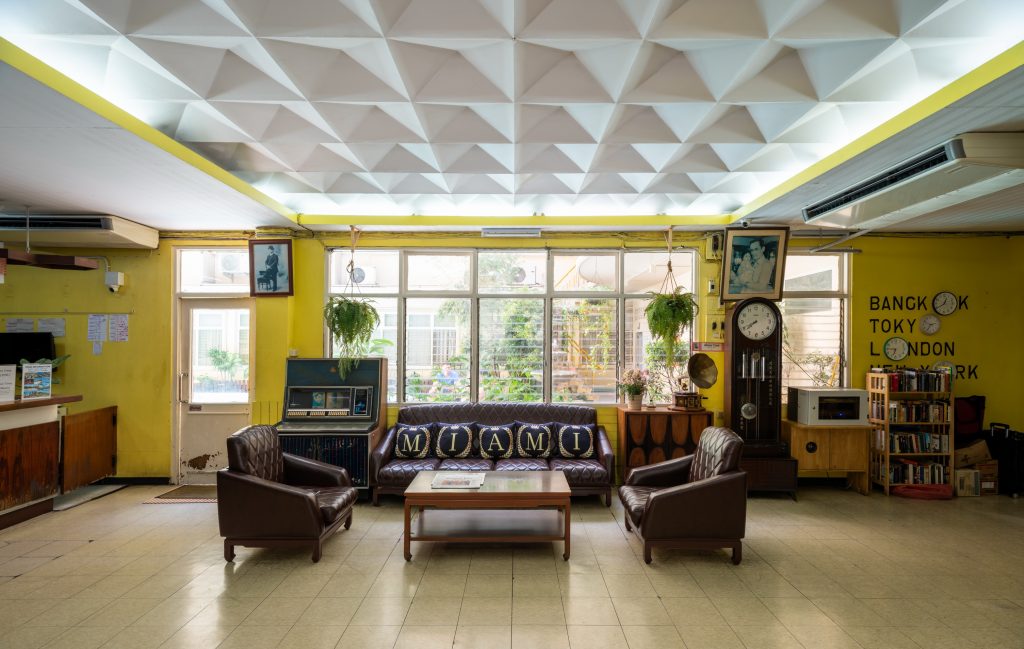
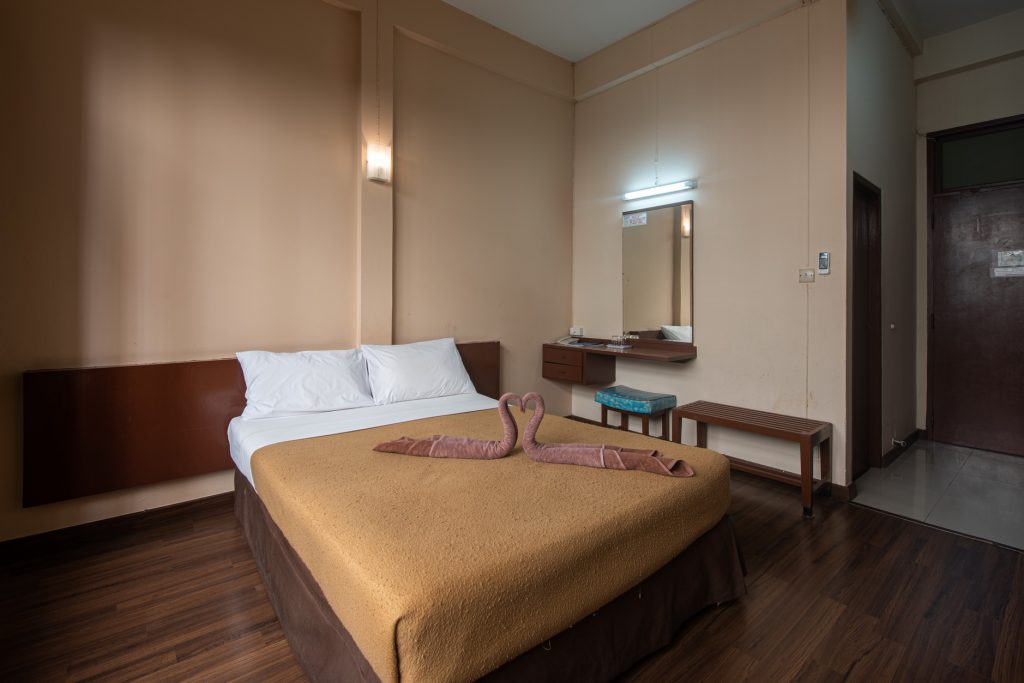
โรงแรมไมอามี่ เป็นตัวอย่างของโรงแรมในยุคที่การท่องเที่ยวเริ่มเข้ามามีบทบาทในระบบเศรษฐกิจของประเทศ โดยตลอดระยะเวลาที่ผ่านมา โรงแรมหลายแห่งที่สร้างขึ้นในยุคเดียวกันนั้นได้ปิดตัวลง หรือถูกรื้อถอนแล้วแทนที่ด้วยอาคารสูง แต่ด้วยความมุ่งมั่นใจตั้งของทายาทตระกูลตัณศิริชัยยา ทำให้โรงแรมไมอามี่ได้รับดูแลรักษาเป็นอย่างดี สามารถรักษารูปแบบทางสถาปัตยกรรมดั้งเดิมเอาไว้ได้ การตกแต่งภายในด้วยวัสดุ สี และบรรยากาศใกล้เคียงกับโรงแรมเมื่อแรกสร้าง ส่วนการเพิ่มเติมระบบต่าง ๆ ของอาคารเพื่อให้เป็นไปตามข้อกำหนดความปลอดภัยของอาคารสาธารณะก็ไม่ได้ไปลดทอนคุณค่าทางสถาปัตยกรรมของอาคารแต่อย่างใด
Miami Hotel
- Location: No. 2 Sukhumvit 13, Khwaeng Khlong Toei Nuea, Khet Watthana, Bangkok
- Proprietor: Suphon Tansirichaiya
- Construction Date: 1965
- Architect/Conservation Designer: Suphon Tansirichaiya
- Conservation Awarded Date: 2020 – 2021
- Category: Architectural and community heritage conservation projects
- Level: Honorable Mention
Miami Hotel was founded by Mr. Bancha and Mrs. Mali Tang (Tansirichaiya), a Chinese couple from Shantou (Swatow) who came to settle in Siam. With efforts and frugality, they built their first capital from trishaw rental business which gradually expanded until 1960 when the Government under Prime Minister Field Marshal Sarit Thanarat announced the termination of trishaw service in Bangkok Metropolitan Region to reduce traffic and urban untidiness problems, therefore, the business had to adapt by replacing trishaws with engine tricycles which demanded a great sum of investment. At that time, more foreign tourists came to Thailand including American soldiers who came for vacation before going to their mission in Vietnam, and the couple saw the opportunity in hospitality business, therefore, they sold their tricycle business and used the money for building a hotel. The hotel was opened in 1965, called Miami Hotel, using the crown of beauty queen as symbol. The sources of the name and symbol came from the popularity for hotels in those days to use names of towns in the US to create welcoming atmosphere and to be easy to memorize; and the year that the hotel opened was the year that Miss Universe beauty pageant event was held at Miami Beach, Florida, USA, and Miss Apassara Hongsakul was the winner. She was the first representative of Thailand who won the crown of Miss Universe Beauty Queen.
Miami Hotel is a 4-storey reinforced concrete Modern architecture designed to suit tropical climate. The plan is U-shaped, surrounding an open courtyard with a swimming pool; The ground floor consists of concierge, accommodation rooms, retail space, and bathrooms for the swimming pool, the roof of this part is a deck used as multipurpose area, roof garden, and sunbathe area. The second and third floor consists of 68 accommodation rooms, and the fourth floor consists of 16 accommodation rooms, laundry room, laundry drying area, and staff room. The topmost roof of the hotel is flat slab which can be used as viewing deck. Interior circulations are both single corridor type and double corridor type. There are ventilation openings and windows for air flow, and sunshades that help protect the building from direct sunlight while allowing indirect natural light to enter.
Miami Hotel Is an example of hotels in the time that tourism began to play important roles in economic system of the country. Along the course of time, several hotels built in the contemporary period were closed down or demolished and replaced with high rise buildings, but thanks to the determination of the heir of Tansirichaiya family, the hotel has been well-conserved with its original architectural features, whereas interior decorations, coloring, and atmosphere still retain most of their original characteristics. Even though new systems have been added according to building regulations, they do not affect the overall architectural values.
อาคารมาร์ติน เดอ ตูรส์
อ่านเพิ่มเติม
อาคารมาร์ติน เดอ ตูรส์
- ที่ตั้ง โรงเรียนเซนต์คาเบรียล เลขที่ 565 ถนนสามเสน แขวงวชิรพยาบาล เขต ดุสิต กรุงเทพมหานคร
- ผู้ครอบครอง คณะภราดาเซนต์คาเบรียล
- ปีที่สร้าง พ.ศ. 2464
- ปีที่ได้รับรางวัล พ.ศ. 2563-2564
- ประเภท งานอนุรักษ์มรดกทางสถาปัตยกรรมและชุมชน
- ระดับ สมควรได้รับการเผยแพร่
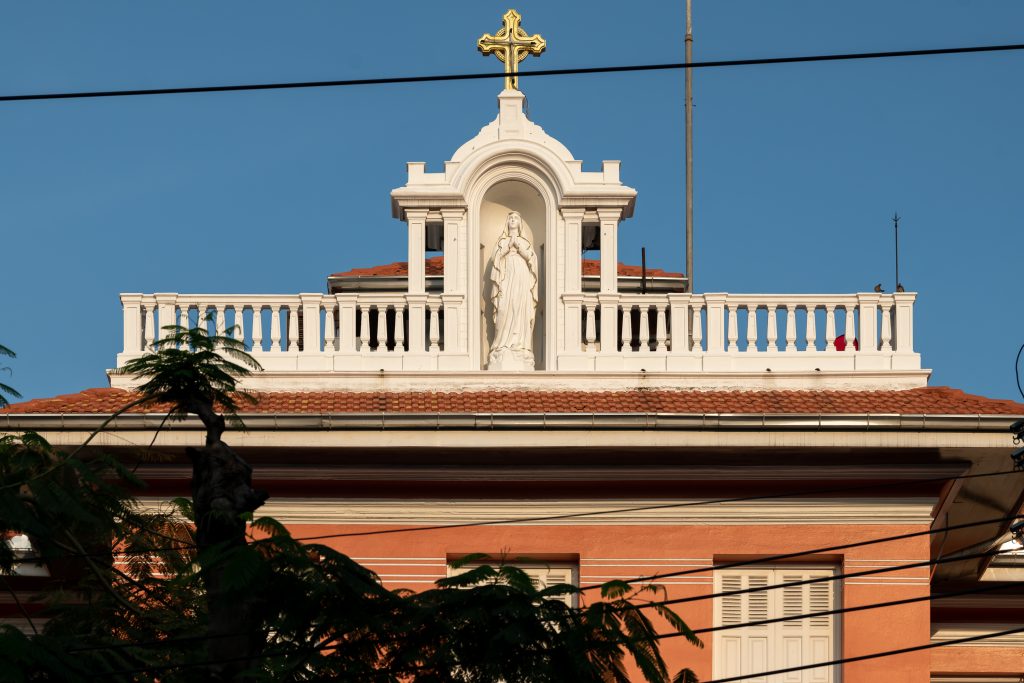
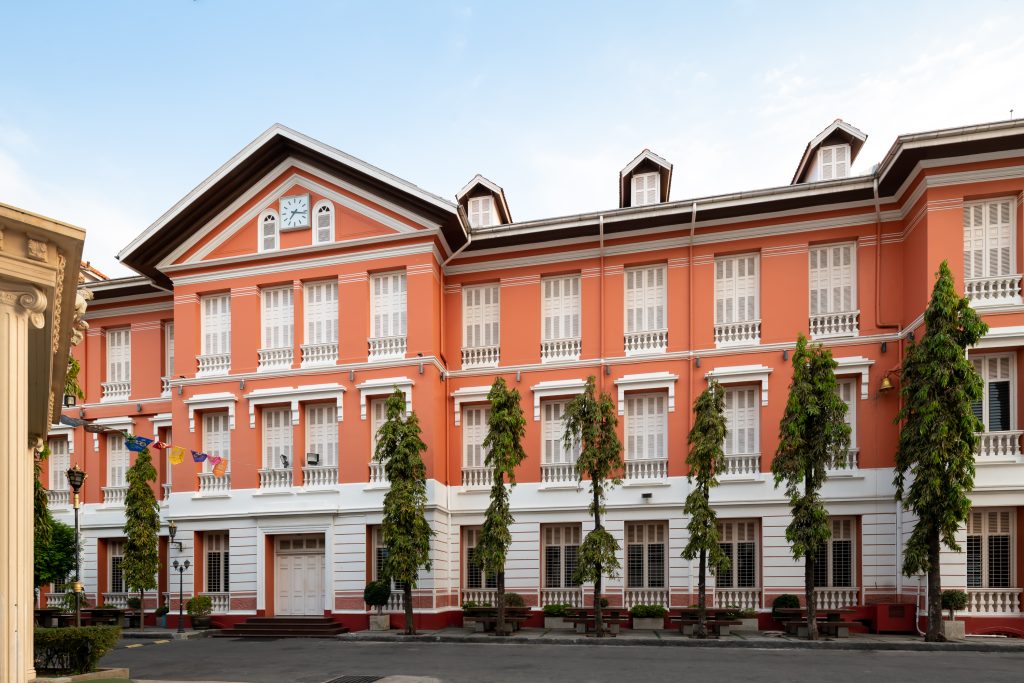
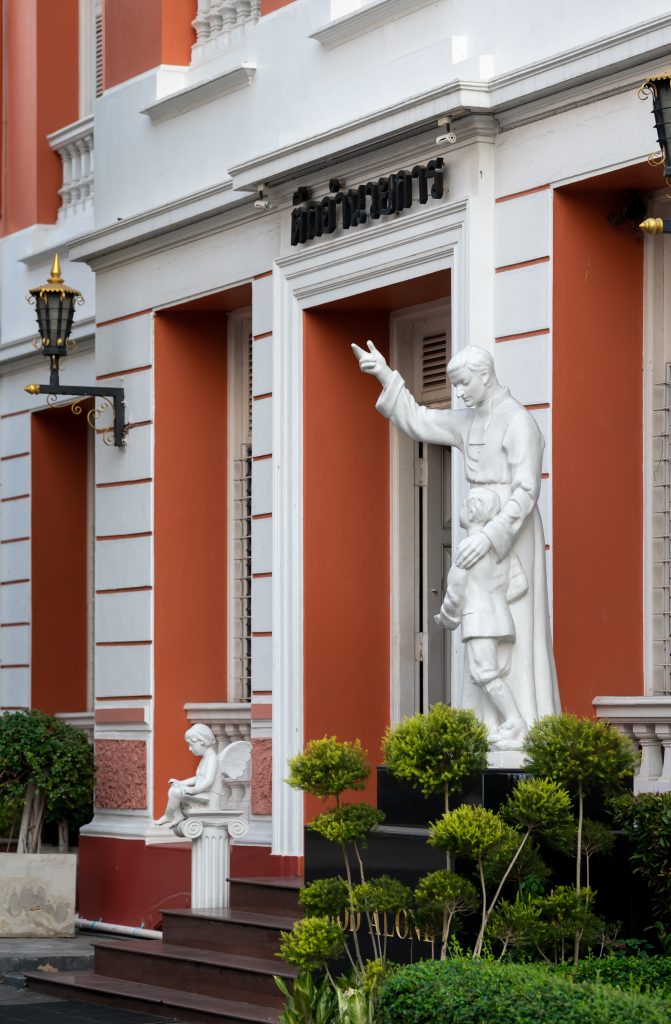
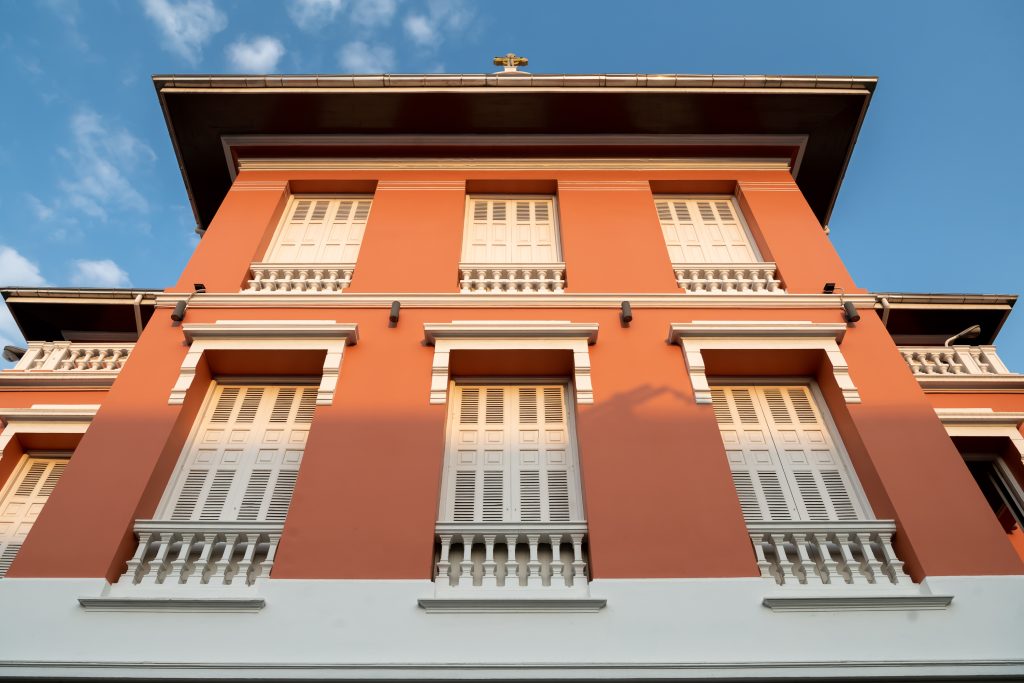
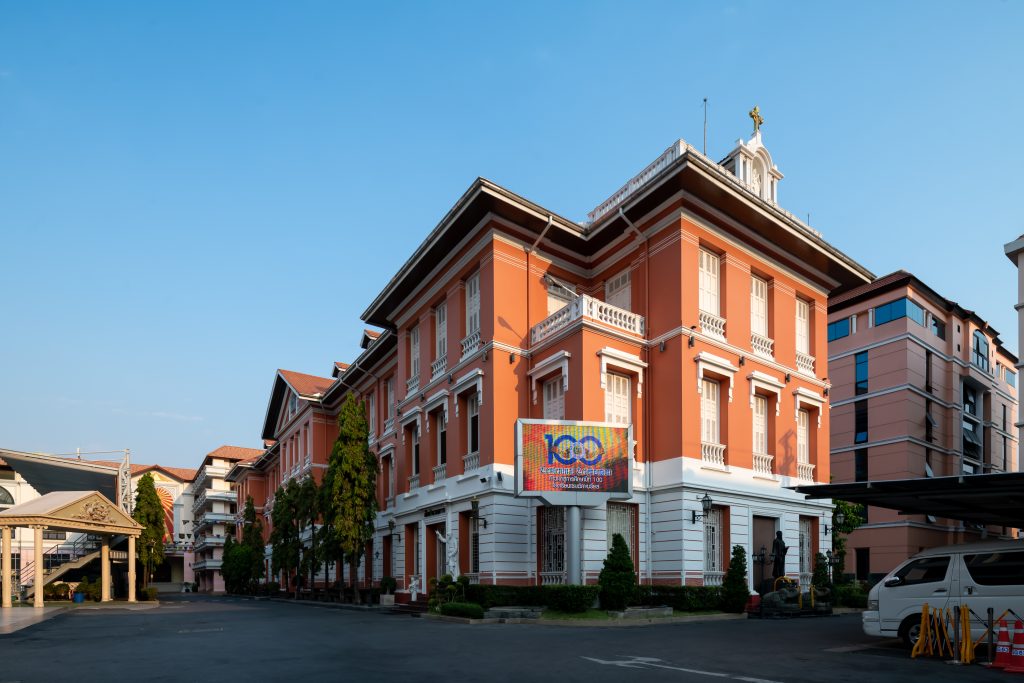
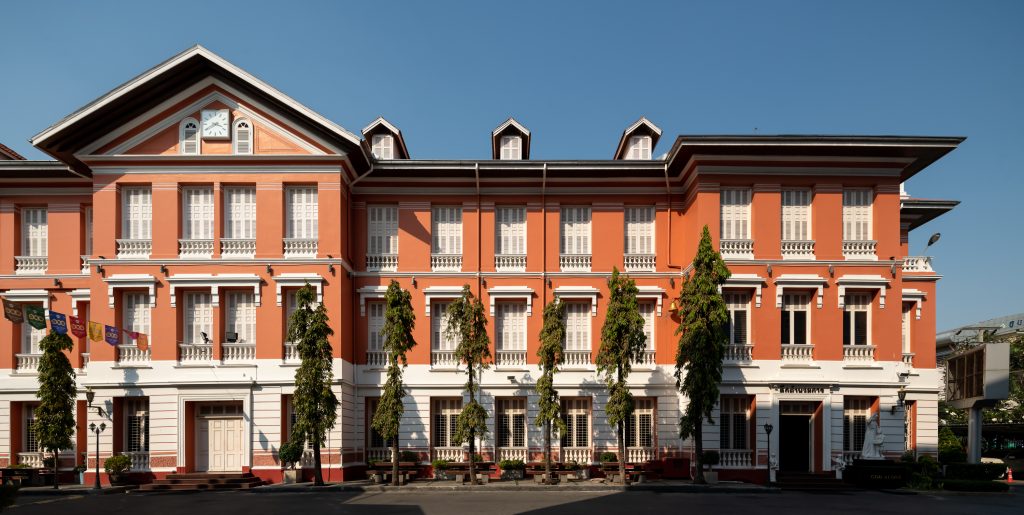
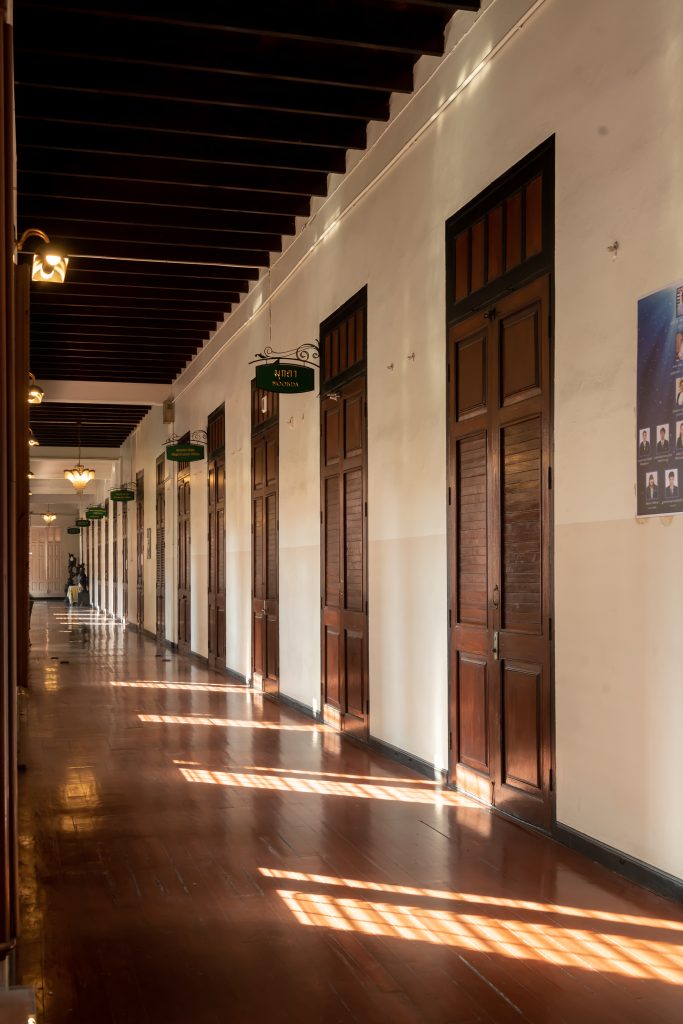
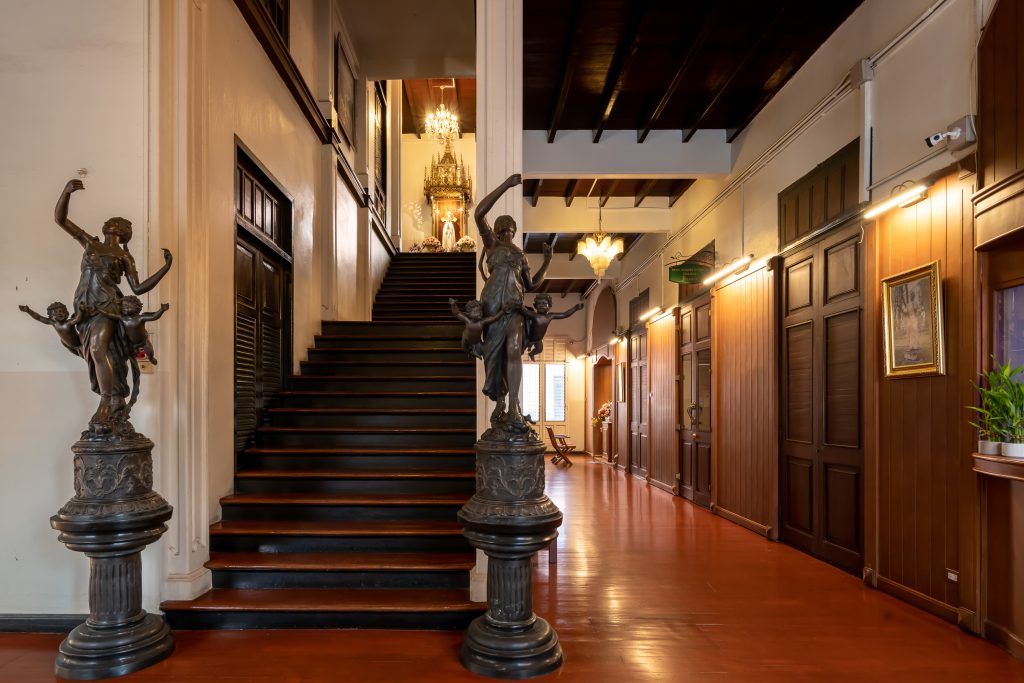
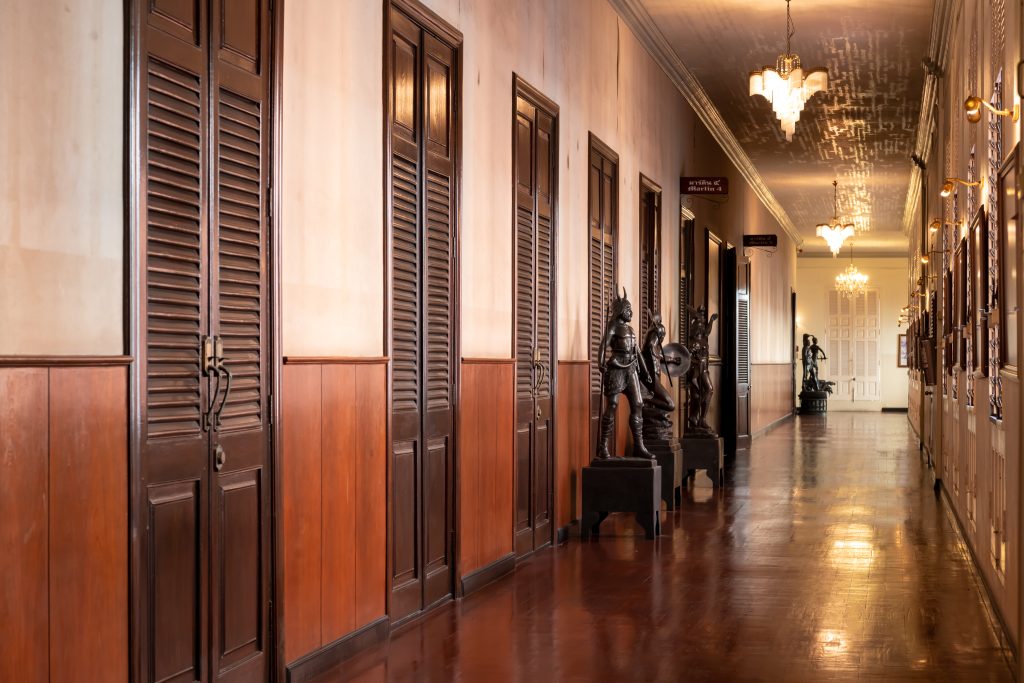
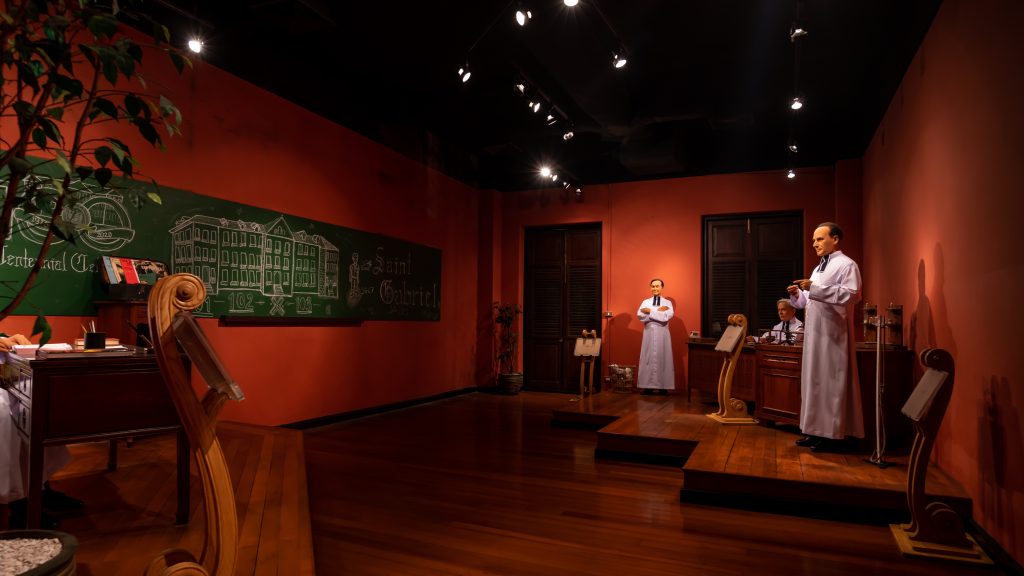
อาคารมาร์ติน เดอ ตูรส์ หรือตึกแดง สร้างขึ้นในที่ดินบริเวณถนนสามเสน โดยการนำของภราดามาร์ติน เดอ ตูรส์ เพื่อเป็นโรงเรียนแห่งใหม่ชื่อว่า โรงเรียนเซนต์คาเบรียล เพื่อแบ่งเบาจำนวนนักเรียนจากโรงเรียนอัสสัมชัญ บางรัก ที่เพิ่มมากขึ้น โดยเริ่มก่อสร้างในพ.ศ. 2462 สร้างเสร็จในพ.ศ. 2464 ตัวอาคารมี 3 ชั้น ชั้น 1 เป็นห้องเรียนเคมี ห้องธุรการ และห้องการเงิน ชั้น 2 เป็นห้องเรียนทั้งหมด และชั้น 3 เป็นที่พักของภราดาและนักเรียนประจำ ใต้ถุนตึกเป็นที่เก็บเหล้าองุ่น ต่อมาได้มีการปรับเปลี่ยนการใช้สอยอาคารเป็นห้องเรียนทั้งหมด จนกระทั่งในพ.ศ. 2542 – 2543 สมัยภราดา ดร. วิศิษฐ์ ศรีวิชัยรัตน์ เป็นอธิการ ท่านเกรงว่าอาคารจะชำรุดและยากแก่การซ่อมแซม ท่านจึงให้เปลี่ยนการใช้สอยอาคารเป็นห้องประชุมและสำนักงานต่าง ๆ ปัจจุบันชั้น 1 เป็นห้องทำงานของฝ่ายต่าง ๆ ชั้น 2 เป็นห้องทำงานของฝ่ายต่าง ๆ และห้องเกียรติยศ และชั้น 3 เป็นพิพิธภัณฑ์หุ่นขี้ผึ้งและห้องประชุม
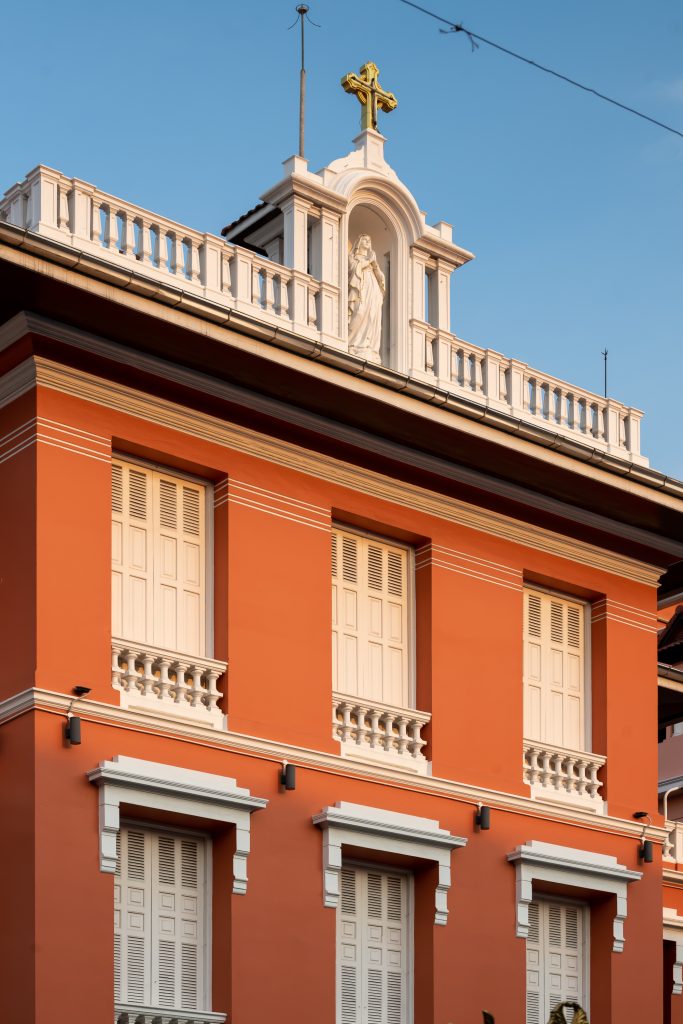
อาคารมาร์ติน เดอ ตูรส์ เป็นอาคารโครงสร้างแบบกำแพงรับน้ำหนักวางบนฐานรากไม้โดยมีไม้ซุงทั้งต้นปูเรียงเป็นหน้ากระดานต่างเสาเข็ม อาคารยกสูงจากพื้นเล็กน้อยเพื่อระบายอากาศ กว้าง 16 เมตร ยาว 60 เมตร สูง 3 ชั้น รูปแบบสถาปัตยกรรมแบบโคโลเนียลในลักษณะคลาสสิครีไววัล ผังพื้นอาคารเป็นรูปตัวอี (E) ทางเข้าอาคารอยู่ที่มุขกลาง มุขริมทั้ง 2 ข้างเป็นโถงบันไดสร้างด้วยไม้ ห้องต่าง ๆ เรียงไปตามแนวความยาวอาคาร โดยมีระเบียงทางเดินไม้รอบทุกด้าน มุขกลางมีหน้าจั่วเป็นแบบศิลปะคลาสสิค มีช่องลมประดับ 3 ช่องหลังคาโครงสร้างไม้ทรงปั้นหยามุงกระเบื้อง ช่องหน้าต่างขนาดใหญ่และยาวจรดพื้น ผนังมีลวดบัวแบ่งชั้นอาคารยาวตลอดในแต่ละชั้น ผนังชั้นล่างสุดฉาบปูนแต่งแนวเป็นลายเลียนแบบการก่อด้วยหิน (Rustication) และทาสีเป็นแถบยาวสีขาว ในขณะที่ผนังชั้น 2 และ 3 เป็นสีแดง
อาคารมาร์ติน เดอ ตูรส์ ได้รับการดูแลรักษาอย่างต่อเนื่อง อธิการและผู้บริหารโรงเรียนเซนต์คา-
เบรียลทุกสมัยล้วนตระหนักถึงคุณค่าความสำคัญของอาคารหลังนี้ ทั้งคุณค่าด้านประวัติศาสตร์การศึกษา คุณค่าทางศิลปกรรม คุณค่าทางสถาปัตยกรรม และคุณค่าทางด้านสังคม ทำให้สามารถรักษาสภาพของอาคารให้คงอยู่ดังเดิมและไม่ให้เกิดความชำรุดทรุดโทรม
Martin de Tours Building
- Location: Saint Gabriel’s College, No. 565 Samsen Road, Khwaeng Wachira Phayaban, Khet Dusit, Bangkok
- Proprietor: Brothers of Saint Gabriel
- Construction Date: 1921
- Conservation Awarded Date: 2020 – 2021
- Category: Architectural heritage and community conservation projects
- Level: Honourable Mention
Martin de Tours Building or Red Building was built on a piece of land in Samsen Road area by initiation of Brother Martin de Tours to be a schoolhouse of the new school called “Saint Gabriel’s College”, established for transferring students from Assumption College Bang Rak that had increasing number of students. Construction began in 1919, completed in 1921. The building is 3-storey with a basement, at the beginning the 1st floor consisted of chemistry classroom, administration room, and finance room; 2nd floor consisted of classrooms; and 3rd floor was accommodation of brothers and students’ dormitory; the basement was wine cellar. Later during 1999 – 2000 when Brother Dr. Wisit Siwichairat was Director, he was concerned about the condition of the building, therefore, he had the use of building changed from school building to serve only meeting and office functions. At present, 1st floor consists of offices; 2nd floor consists of office and Hall of Fame; and 3rd floor consists of Wax Museum and meeting room.
Martin de Tours Building is a wall-bearing structure, 16×60 meters, 3-storey, Classic Revival colonial style built on raft foundation made of logs, the floor is slightly elevated from ground level for ventilation. The building is E-shaped plan, with main entrance at the central porch, 2 other side porches are staircase halls built of wood; rooms are laid along the length of the building, accessible by wooden corridors surrounding the rooms; the middle porch pediment is classical style decorated with 3 windows. The roof is tiled hip roof; windows are French style; the walls are decorated with moldings along each floor level; the 1st floor walls are rusticated; the ground floor and moldings are painted in white color, and the 2 upper floors are painted in red.
Martin de Tours Building has been well-maintained because the Director and Administrative body of the Saint Gabriel’s College of all periods have valued its importance in history of education, art, architecture, and social aspects. Consequently, the building has been conserved in its original features and is in good condition.
ประเภท ข. งานออกแบบใหม่ในบริบทการอนุรักษ์
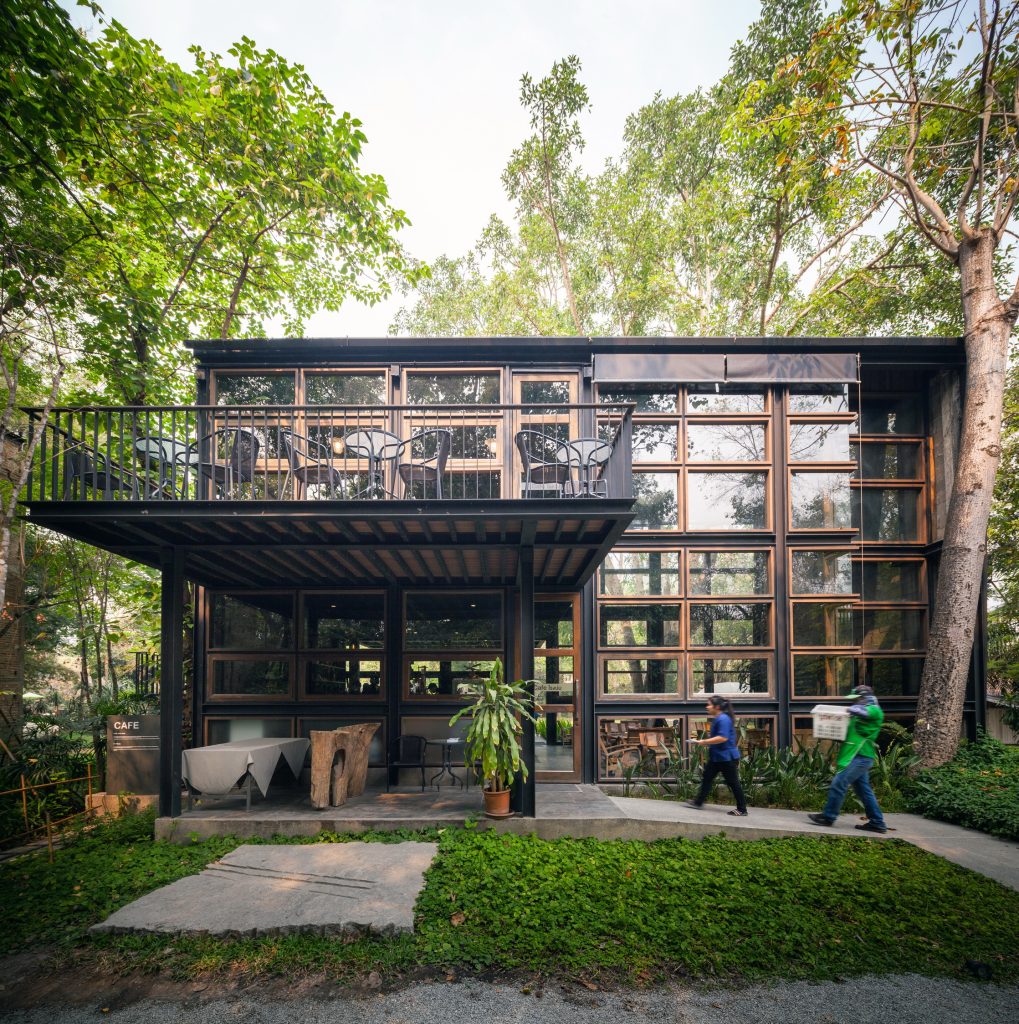
เก๊าไม้ เอสเตท 1955
อ่านเพิ่มเติม
เก๊าไม้ เอสเตท 1955
- ที่ตั้ง เลขที่ 1 หมู่ 6 ถนนเชียงใหม่ – ฮอด ตำบลบ้านกลาง อำเภอสันป่าตอง จังหวัด เชียงใหม่
- สถาปนิก งานออกแบบใหม่ PAVA architects
- ผู้ครอบครอง จักร์ เชิดสถิรกุล
- ปีที่สร้าง พ.ศ. 2498
- ปีที่ได้รับรางวัล พ.ศ. 2563-2564
- ประเภท งานออกแบบใหม่ในบริบทการอนุรักษ์
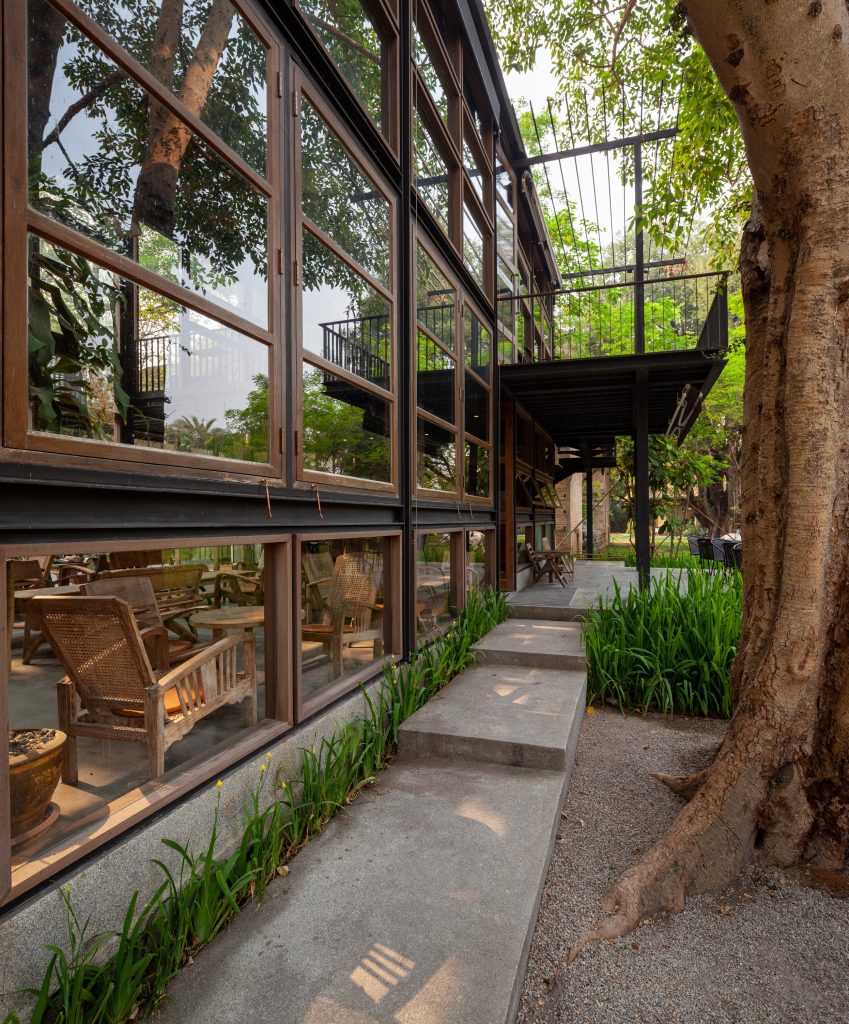
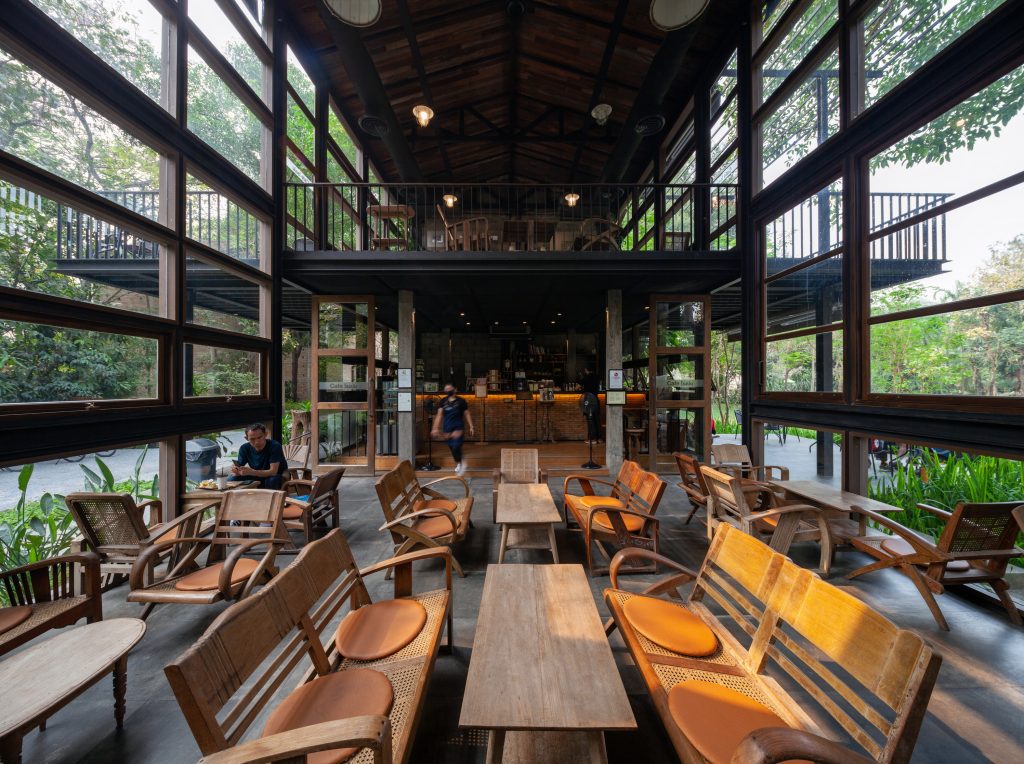
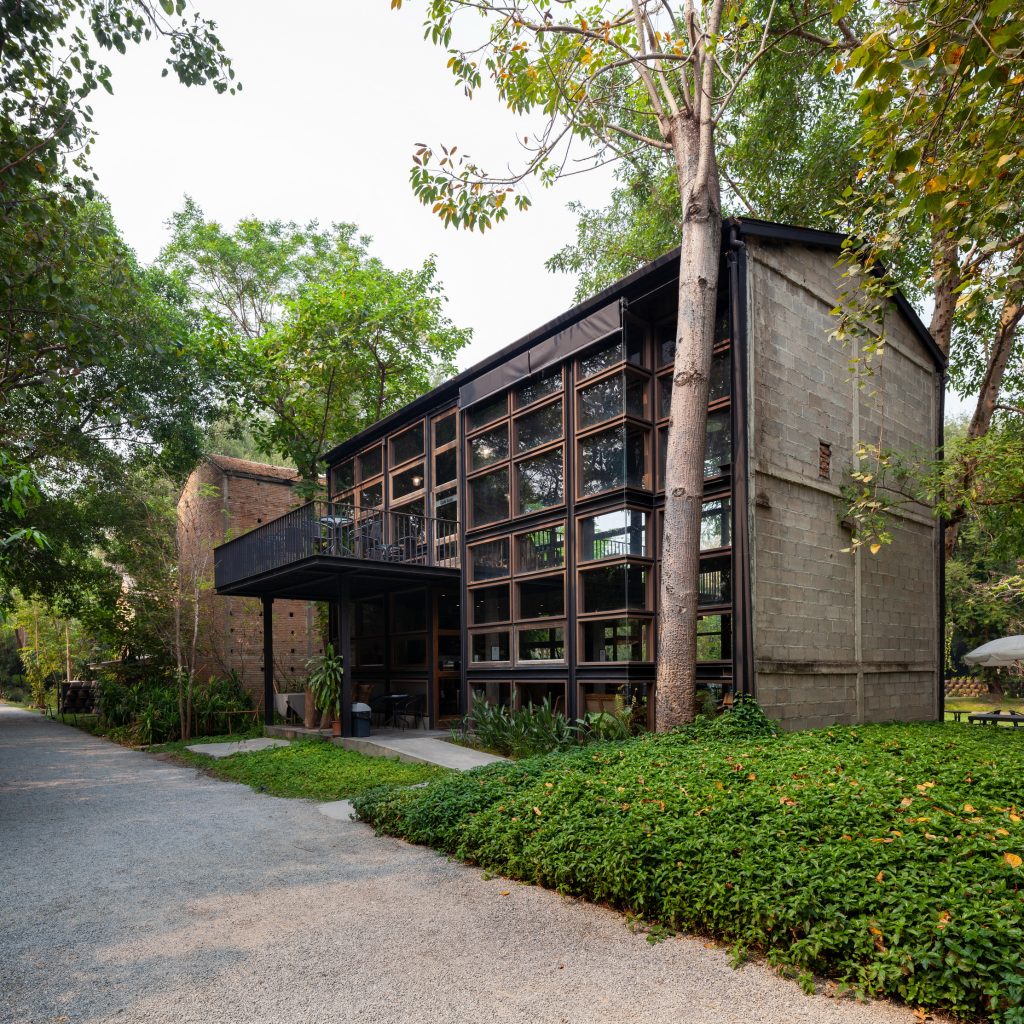
โครงการเก๊าไม้ เอสเตท 1955 ตั้งอยู่บนพื้นที่ของอดีตโรงงานบ่มใบยาสูบ แม่ปิงยาสูบ ของเจ้าชื่น สิโรรส สร้างขึ้นเมื่อ พ.ศ. 2498 มีโรงบ่มใบยาสูบจำนวน 50 หลัง ต่อมาในพ.ศ. 2529 คุณธวัช เชิดสถิรกุล ได้ซื้อกิจการต่อจากตระกูลสิโรรส และเปลี่ยนชื่อเป็น ฟาร์มทุ่งเสี้ยว ดำเนินกิจการบ่มใบยาสูบเรื่อยมาจนถึง พ.ศ. 2535 จึงได้ปิดตัวลงเนื่องจากมีการใช้ยาสูบลดน้อยลง หลังจากนั้นได้เปลี่ยนแปลงการใช้งานพื้นที่บางส่วนของฟาร์มเพื่อรองรับธุรกิจการท่องเที่ยว โดยเริ่มจากเปิดร้านอาหารชื่อว่า เก๊าไม้ ใน พ.ศ. 2536 และเก๊าไม้ล้านนารีสอร์ท ใน พ.ศ. 2540 เป็นที่พักจำนวน 34 ห้อง ที่เกิดจากการปรับเปลี่ยนโรงบ่มใบยาสูบเดิมจำนวน 18 หลัง ต่อมาในระหว่างพ.ศ. 2559 – 2561 ครอบครัวเชิดสถิรกุลและทีมงานได้ปรับเปลี่ยนโรงบ่มใบยาสูบเดิมจำนวน 15 หลัง และพื้นที่ที่อุดมสมบูรณ์ไปด้วยต้นไม้ใหญ่โดยรอบให้เป็นสถานที่เรียนรู้เกี่ยวกับประวัติศาสตร์ของชุมชน สถาปัตยกรรม และระบบนิเวศน์ รวมทั้งเป็นสถานที่พักผ่อนและทำกิจกรรมนันทนาการ ในชื่อว่า เก๊าไม้ เอสเตท 1955
เก๊าไม้ เอสเตท 1955 ประกอบไปด้วยโรงบ่มใบยาสูบที่มีลักษณะและการใช้งานที่มีเอกลักษณ์ คือ ผังพื้นอาคารเป็นรูปสี่เหลี่ยมจัตุรัส มีความกว้างและความยาวด้านละ 6 เมตร หลังคาทรงจั่ว มีเตาไฟและท่อโลหะนำความร้อนอยู่ด้านหน้าอาคาร มีช่องพาดไม้ราวยา และช่องระบายอากาศ แบ่งออกเป็น 3 ยุค ตามวัสดุที่ใช้ทำผนัง ได้แก่ ยุคโรงบ่มใบยาสูบผนังไม้ไผ่สานฉาบปูนหมัก ยุคโรงบ่มใบยาสูบผนังอิฐมอญ และยุคโรงบ่มใบยาสูบผนังคอนกรีตบล็อก ตามลำดับ โรงบ่มใบยาสูบแต่ละหลังได้รับการสงวนรักษาไว้ และมีการเสริมโครงสร้างเหล็กในบางอาคารเพื่อสร้างความแข็งแรง โดยรอบกลุ่มอาคารโรงบ่มใบยาสูบมีต้นไม้ใหญ่ขึ้นอยู่อย่างหนาแน่นทั้งที่ขึ้นเกิดเองตามธรรมชาติ และถูกนำมาปลูกใหม่ ซึ่งช่วยป้องกันลมแรงที่จะมากระทบต่อตัวโครงสร้างอาคาร นอกจากนี้ยังมีทางเดินและอัฒจันทร์ สำหรับจัดกิจกรรมนันทนาการ และเป็นพื้นที่เชื่อมต่อเก๊าไม้ล้านนารีสอร์ทและเก๊าไม้ เอสเตท 1955 เข้าไว้ด้วยกัน
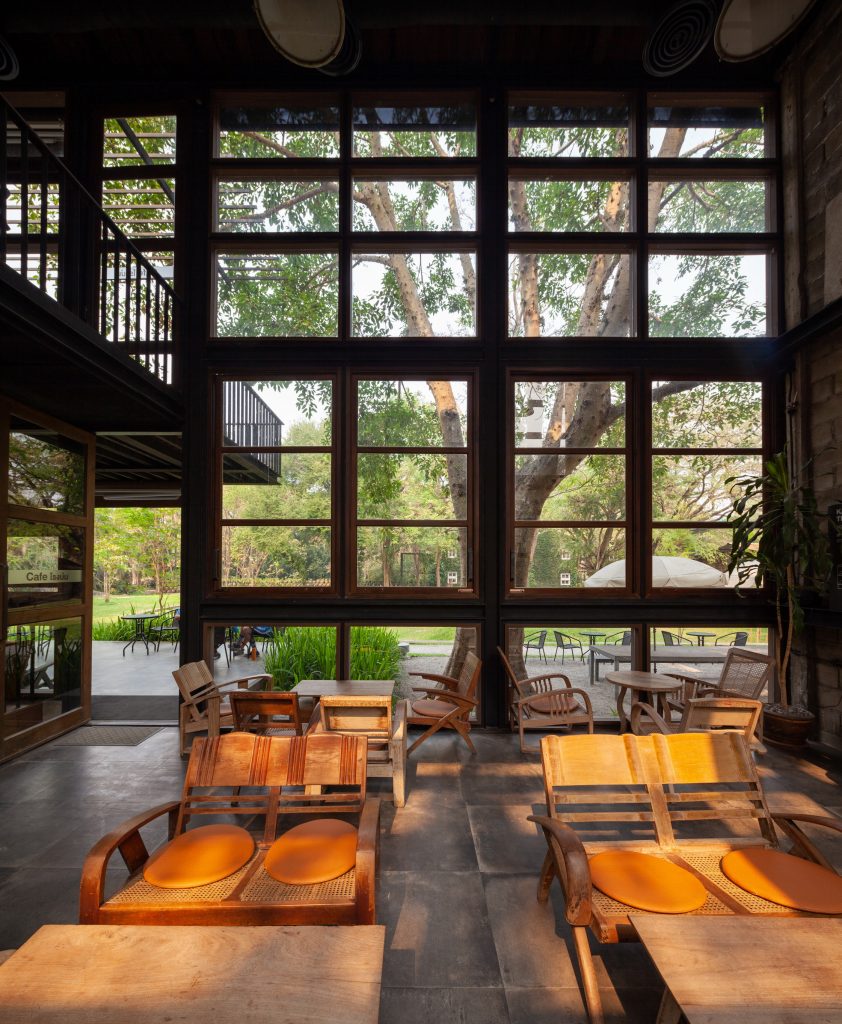
เก๊าไม้ เอสเตท 1955 ได้รับการอนุรักษ์ให้เป็นพิพิธภัณฑ์เชิงประวัติศาสตร์และนิเวศน์ ด้วยวิธีการปรับปรุงฟื้นฟูและปรับเปลี่ยนการใช้สอย (Adaptive Reuse) มีการออกแบบต่อเติมสิ่งก่อสร้างใหม่เข้าไปได้อย่างผสานกลมกลืนและทันสมัย ภายใต้แนวคิดการออกแบบ พิพิธภัณฑ์ที่สามารถเรียนรู้ได้ทั้งโครงการ ทำให้ผู้มาเยี่ยมชมได้มาเรียนรู้ถึงความสมดุลในการอยู่ร่วมกันระหว่างมรดกทางสถาปัตยกรรมกับธรรมชาติ ด้วยการทำการประเมินและสำรวจทั้งที่ตั้ง อาคาร และสภาพแวดล้อมอย่างละเอียดไปพร้อมกับการทำงานอย่างเป็นองค์รวมร่วมกับผู้เชี่ยวชาญในหลากหลายสาขา เก๊าไม้ เอสเตท 1955 จึงสามารถสอดแทรกกิจกรรมและองค์ประกอบใหม่เข้าไปอย่างถ่อมตัว ควบคู่ไปกับการสงวนรักษาคุณค่าความแท้ดั้งเดิมของสถานที่นี้เอาไว้ เพื่อให้ที่แห่งนี้ได้กลับมาเป็นศูนย์กลางของชุมชนอย่างยั่งยืนและส่งต่อเรื่องราวเหล่านี้สู่คนรุ่นหลัง
Kaomai Estate 1955
- Location: No. 1 Mu 6 Chiang Mai-Hot Road, Tambon Ban Klang, Amphoe San Pa Tong, Chiang Mai
- Architect/Designer: PAVA Architects
- Proprietor: Chak Choedsathirakul
- Construction Date: 1955
- Conservation Awarded Date: 2020 – 2021
- Category: New designs in conservation context
Kaomai Estate 1955 is located in the area which was originally a tobacco curing factory “Mae Ping Tobacco” of Chao Chuen Siroros. The factory was founded in 1955, comprising 50 tobacco curing barns. Later, in 1986, Mr. Thawat Choedsathirakul bought the business from Siroros family and changed the name to “Farm Thung Siao”. The tobacco curing business continued until 1992 when it was closed down due to decreasing number of smokers. Consequently, some parts of the farm were adapted to serve tourism businesses, beginning with a restaurant named “Kaomai” in 1993 and expanded to a resort named “Kaomai Lanna Resort” in 1997, which consisted of 34 accommodation rooms adapted from 18 old tobacco barns. Then, during 2016 – 2018, the Choedsathirakul family and team adapted 15 more tobacco barns and the area which is lush and green with large trees to be a learning center on local history, architecture, and ecosystems, as well as being a rest area and activities center by the name “Kaomai Estate 1955”.
Kaomai Estate 1955 consists of tobacco barns of unique characteristics architecture, that is, each building is square plan, 6×6 meters, gable roof, with a stove and steel pipe at the front. Other elements are tobacco hanging rails and ventilation openings. The buildings can be divided into 3 groups by wall materials, which are: the wattle-and-daub made of woven bamboo and lime plaster; the brick barns; and the concrete blocks barns consecutively. These tobacco barns have been conserved, some of which have been consolidated by steel structure. The area of the estate is abundant with large trees which help protect the buildings from strong wind. Furthermore, there are pathways and semi-circular seating area for holding events, which is the area that connects Kaomai Lanna Resort and Kaomai Estate 1955.
Kaomai Estate 1955 has been conserved as a museum of history and ecosystems by adaptive reuse scheme; new additions were made harmoniously and contemporarily by the concept “entirely learnable museum”. Visitors can perceive the balance of coexistence between architectural and natural heritage. The project began by thoroughly evaluating and surveying the site, buildings, and environment by holistic approach that involved experts in several fields. Consequently, the Kaomai Estate 1955 can humbly insert new activities and new elements along with preservation of original values to preserve authenticity of the building and site so that the building remains a community center to convey the messages to future generations.
ศูนย์สร้างสรรค์งานออกแบบ (TCDC)
อ่านเพิ่มเติม
ศูนย์สร้างสรรค์งานออกแบบ (TCDC)
- ที่ตั้ง อาคารไปรษณีย์กลาง เลขที่ 1160 ถนนเจริญกรุง แขวงบางรัก เขตบางรัก กรุงเทพมหานคร
- สถาปนิก / ผู้ออกแบบ อาคารเดิม พระสาโรชรัตนนิมมานก์ และหมิว อภัยวงศ์
- สถาปนิก งานออกแบบใหม่ บริษัท ดีพาร์ทเม้นท์ ออฟ อาร์คิเทคเจอร์ จำกัด
- ผู้ครอบครอง ศูนย์สร้างสรรค์งานออกแบบ (TCDC)
- ปีที่สร้าง งานออกแบบใหม่ พ.ศ. 2558 – 2560
- ปีที่ได้รับรางวัล พ.ศ. 2563 – 2564
- ประเภท งานออกแบบใหม่ในบริบทการอนุรักษ์
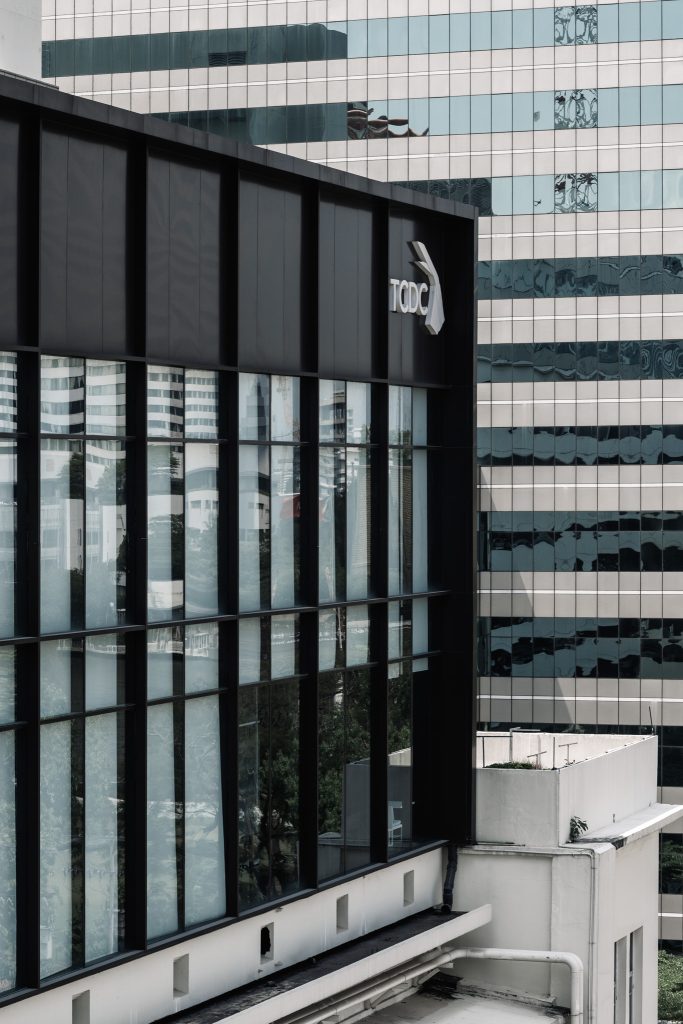
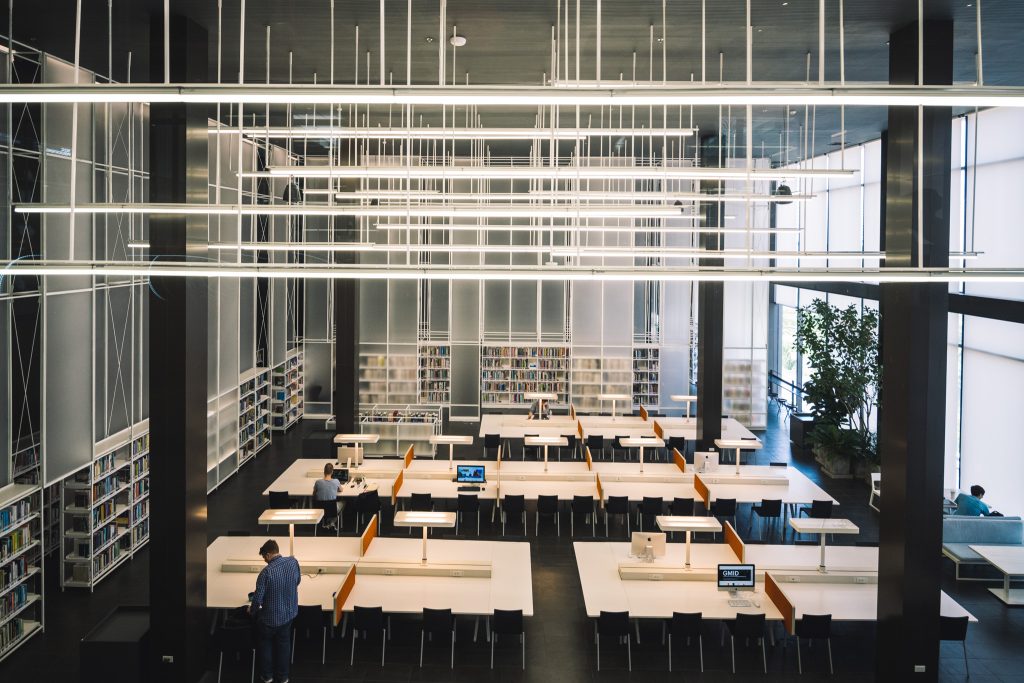
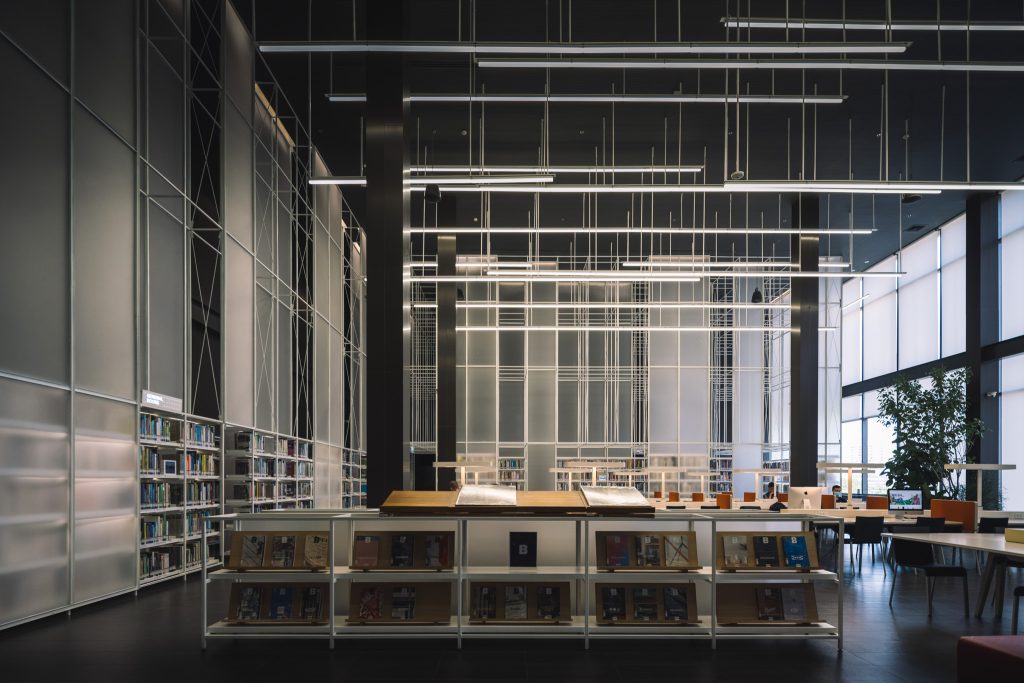
ศูนย์สร้างสรรค์งานออกแบบ (TCDC) เป็นหน่วยงานของรัฐที่ตั้งขึ้นเพื่อขับเคลื่อนเศรษฐกิจสร้างสรรค์ของประเทศ เดิมเคยตั้งอยู่ในศูนย์การค้า เมื่อสัญญาเช่าหมดลงทางศูนย์ได้มีความสนใจที่จะมาใช้อาคารไปรษณีย์กลาง บางรัก ซึ่งมีความเหมาะสมในการใช้เป็นพื้นที่ทำการใหม่ของศูนย์ที่นักออกแบบ ผู้ประกอบการ และประชาชนที่สนใจสามารถเข้าถึงได้ง่าย อาคารไปรษณีย์กลางนี้เป็นโบราณสถาน สร้างมาตั้งแต่ พ.ศ. 2483 มีคุณค่าทางประวัติศาสตร์และสถาปัตยกรรม รวมทั้งความสัมพันธ์ในด้านสังคมกับชุมชนโดยรอบ ผังของอาคารเป็นรูปตัวที (T) ความสูง 4 ชั้น และมีชั้นใต้ดิน 1 ชั้น โครงสร้างคอนกรีตเสริมเหล็ก รูปแบบสถาปัตยกรรมแบบโมเดิร์น มีจุดเด่นอยู่ที่การประดับประติมากรรมรูปครุฑขนาดใหญ่ ที่ยอดอาคารด้านหน้าตรงส่วนกลางทั้งสองข้าง เป็นผลงานของอาจารย์ศิลป์ พีระศรี โดยทางศูนย์สร้างสรรค์งานออกแบบสามารถเช่าพื้นที่ของอาคารได้เพียงบางส่วน ได้แก่บริเวณพื้นที่ปีกฝั่งซ้ายและด้านหลังของอาคาร มีเป้าหมายในการเปลี่ยนพื้นที่ส่วนดังกล่าวให้เป็นแหล่งความรู้และประกอบกิจกรรมต่าง ๆ ที่เกี่ยวข้องกับงานออกแบบ รวมพื้นที่ทั้งหมด 9,820 ตารางเมตร เริ่มดำเนินการปรับปรุงในพุทธศักราช 2558 และดำเนินการแล้วเสร็จในพุทธศักราช 2560
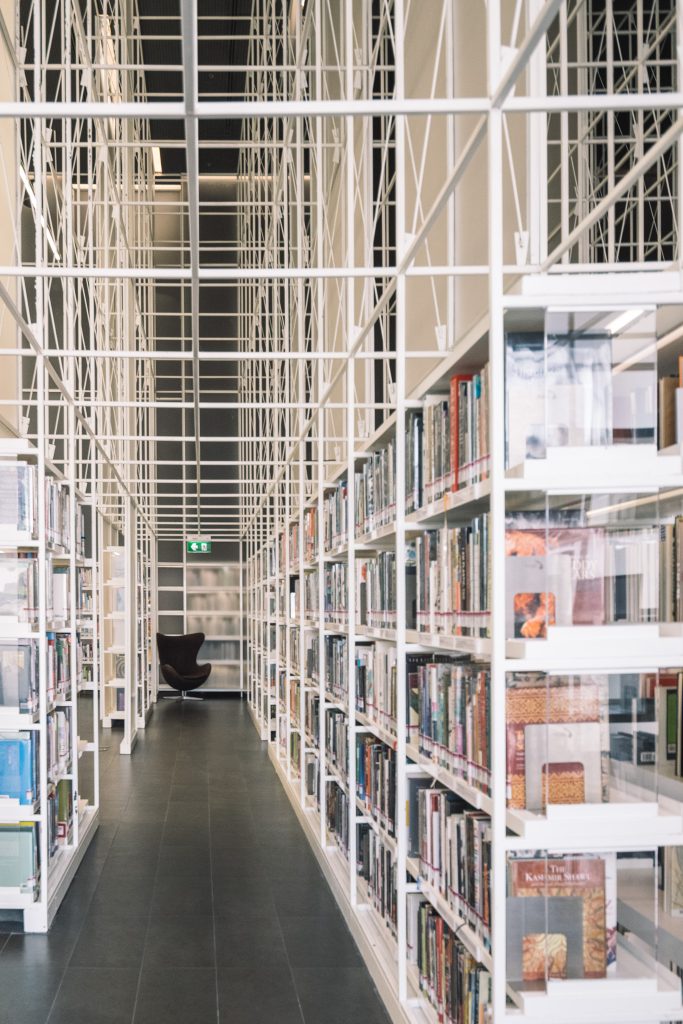
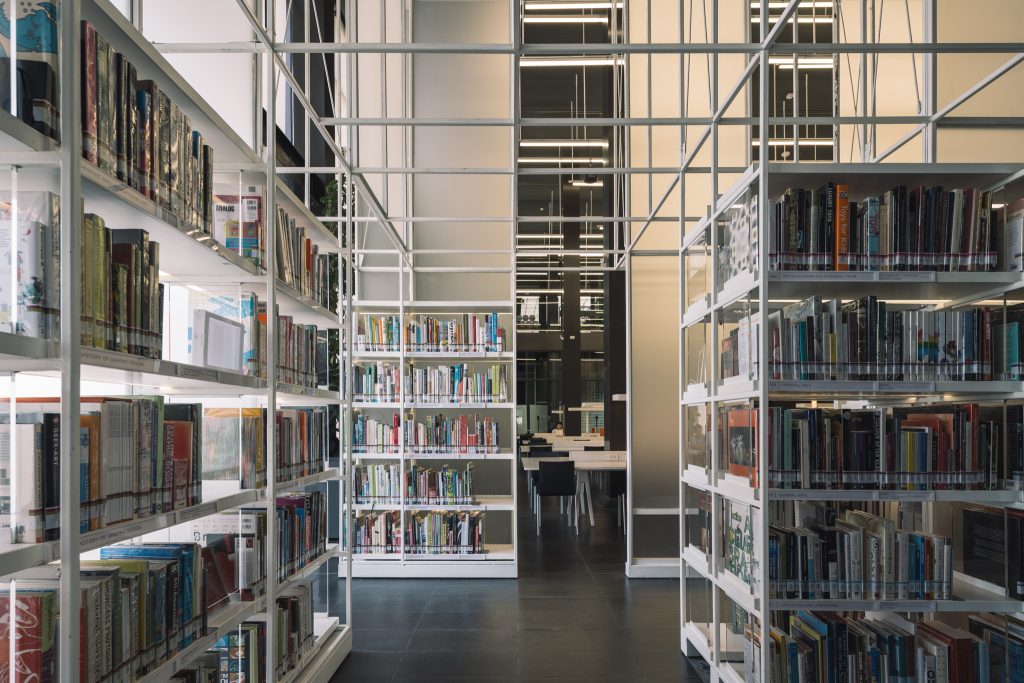
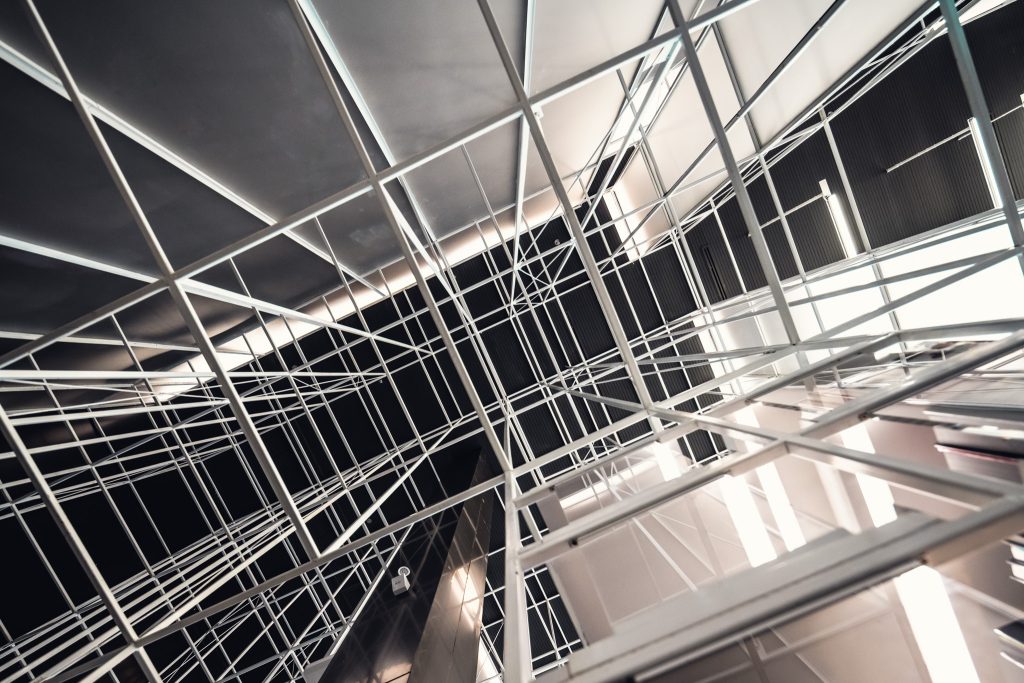
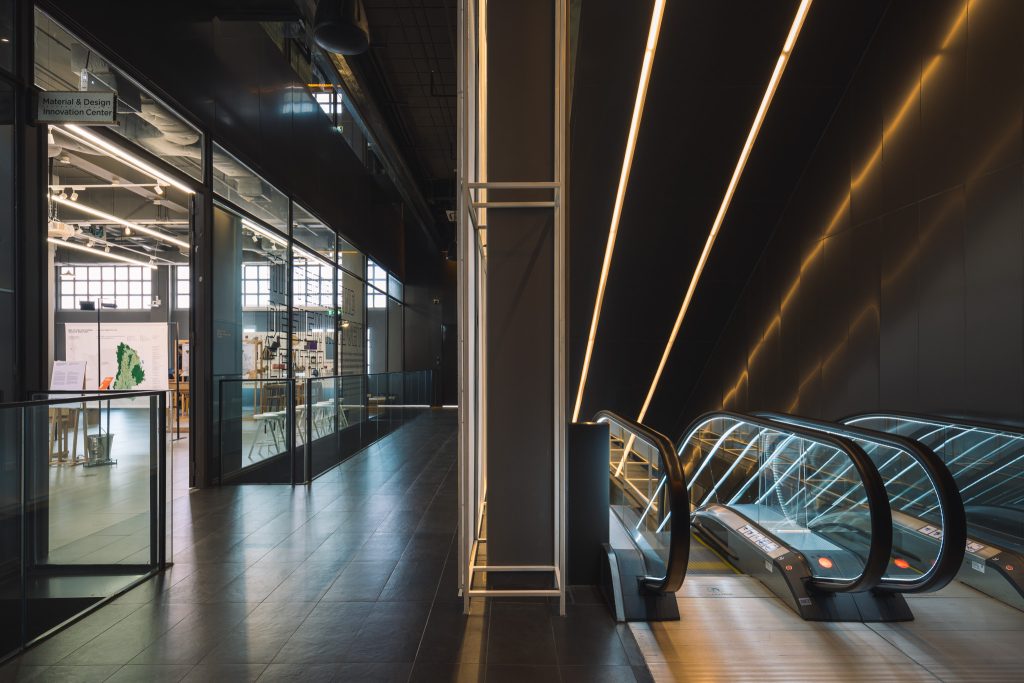
สถาปนิกผู้ออกแบบศูนย์สร้างสรรค์งานออกแบบ (TCDC) ใช้แนวทางการออกแบบงานร่วมสมัยให้สอดคล้องกับอาคารเดิม โดยการรักษาองค์ประกอบทางสถาปัตยกรรมของอาคารไปรษณีย์กลางที่มีคุณค่าไว้ ได้แก่ รูปด้านด้านหน้าของอาคารพร้อมด้วยประติมากรรมรูปครุฑ ในขณะที่โครงสร้างของส่วนต่อเติมเป็นโครงสร้างเหล็กและผนังเบาเป็นหลัก ใช้วัสดุร่วมสมัยอย่าง เหล็ก กระจก และแผ่นอะคริลิค เพื่อทำให้เห็นความแตกต่างกับวัสดุของอาคารเดิมที่ใช้คอนกรีตและอิฐ การปรับเปลี่ยนพื้นที่ใช้สอยต่าง ๆ คำนึงถึงการใช้งาน โดยอาคารด้านหน้าบริเวณพื้นที่ปีกฝั่งซ้ายใช้เป็นโถงทางเข้า ร้านขายของ สำนักงาน และห้องประชุม ส่วนอาคารด้านหลังใช้เป็นพื้นที่จัดแสดงนิทรรศการ ห้องสมุดวัสดุ พื้นที่สร้างสรรค์ผลงาน และห้องสมุด โดยมีการเจาะพื้นอาคารตัดผ่านพื้นที่ใช้สอยต่าง ๆ ตลอดทั้งอาคารตั้งแต่ชั้นบนสู่ชั้นล่างและติดตั้งบันไดเลื่อนทำหน้าที่เป็นตัวเชื่อมให้ผู้คนสามารถมองเห็นกิจกรรมที่เกิดขึ้นในพื้นที่ต่าง ๆ ในแต่ละชั้น ซึ่งทำให้ผู้ใช้งานเกิดแรงบันดาลใจตามแนวคิดและวัตถุประสงค์หลักของโครงการ สำหรับชั้นบนสุดเป็นพื้นที่ทำงาน (Co-Working Space) และร้านขายอาหารและเครื่องดื่ม ซึ่งเป็นพื้นที่เชื่อมอาคารด้านหน้าและด้านหลังเข้าไว้ด้วยกันส่วนดาดฟ้าของอาคารด้านหน้าจัดเป็นสวนหย่อมสำหรับพักผ่อน นอกจากนี้ยังมีส่วนบริการเสริมต่าง ๆครบครัน เช่น ห้องน้ำ ห้องพยาบาล ห้องเก็บสัมภาระ และห้องควบคุมงานระบบอาคาร
ศูนย์สร้างสรรค์งานออกแบบ (TCDC) เป็นตัวอย่างของงานออกแบบร่วมสมัยให้เข้ากับอาคารที่มีคุณค่าความสำคัญทางประวัติศาสตร์และสถาปัตยกรรม ด้วยวิธีการประยุกต์การใช้สอย (Adaptive Reuse) สอดคล้องกับการใช้งานและเทคโนโลยีสมัยใหม่ ที่มีความน่าสนใจทั้งในส่วนของงานออกแบบใหม่เองและยังเป็นการช่วยส่งเสริมคุณค่าของอาคารเก่าได้เป็นอย่างดีอีกด้วย สามารถถือเป็นตัวอย่างของการอนุรักษ์และพัฒนาอาคารเก่าให้กับโครงการอื่น ๆ ในลักษณะเดียวกันได้ต่อไป
Thailand Creative & Design Center (TCDC)
- Location: Central Post Office, No. 1160 Charoen Krung Road, Khwaeng Bang Rak, Khet Bang Rak, Bangkok
- Architects/Designers of Original Building: Phra Sarot Rattananimman and Miu Abhaiwong
- Architects of New Design: Department of Architecture Co.,Ltd.
- Proprietor: TCDC
- Construction Date – new design: 2015 – 2017
- Conservation Awarded Date: 2020 – 2021
- Category: New designs in conservation context
Thailand Creative & Design Center (TCDC) is a public organization established for promotion and motivation of creative economy. When it was founded, the original office was in a department store, after the rental term ended, the Center was moved to the Bang Rak Central Post Office which has convenient access for designers, entrepreneurs, and general people. The Central Post Office building is a historic building built in 1940, a significant architecture in terms of history, architecture, as well as social relationship with the living community. The building is T-shaped plan, 4-storey with 1 basement, reinforced concrete structure, Modern architectural style distinguished with the large Garudas decorative elements on top of the building created by Prof. Silpa Bhirasri. TCDC has rented part of the building which includes the left wing and the rear, to be renovated as a learning and activities center for design-related activities, total area 9,820 sq.ms. The renovation began in 2015 and was completed in 2017.
For renovation design, the architects used the contemporary design approach, harmonized with the original building by preserving valuable iconic elements which are the front façade and Garuda sculptures, while using new steel structure and materials such as lightweight partitions, steel, glass, and acrylic sheets for additional parts to be distinguishable from the originals. Functional areas were designed for efficiency, for instance, the front area at the left wing consists of entrance hall, souvenir shop, office, and meeting room; the area to the rear is used as exhibition hall, material library, creative activities area, and library; the floors are cut open to create a flowing connection throughout the building from top to bottom floors, and escalators are used as linkage for people to see and be inspired by activities in each floor. The top floor consists of co-working space and a restaurant, which connects the front and the rear; the deck is roof garden. The project also includes all supportive facilities such as restrooms, first aid room, storage, and building system control room.
TCDC is an example of a contemporary design applied to a historic building by adaptive reuse approach, which is compatible with the present use and new technology. This project is interesting in both the new design and the conservation idea that enhances the building’s values, being a commendable example of conservation and development of old buildings to inspire other projects in similar conditions.
ประเภท ค. บุคคลและองค์กรอนุรักษ์ศิลปสถาปัตยกรรม
นายวีระพันธุ์ ชินวัตร (ด.บ.)
อ่านเพิ่มเติม
นายวีระพันธุ์ ชินวัตร (ด.บ.)
- ปีที่ได้รับรางวัล: พ.ศ. 2563-2564
- ประเภท : บุคคล
ดร.วีระพันธุ์ ชินวัตร ในฐานะผู้เชี่ยวชาญด้านการจัดการมรดกวัฒนธรรมในนามหน่วยงานภาครัฐและภาคเอกชนต่างๆ อาทิ สมาคมสถาปนิกสยาม ในพระบรมราชูปถัมภ์ สมาคมอนุรักษ์ศิลปกรรมและสิ่งแวดล้อม และสภาวิจัยแห่งชาติสาขาปรัชญา ที่ผ่านมามีส่วนร่วมในการส่งเสริมผลักดันและเชื่อมประสานงานด้านศาสนา ศิลปะ มรดกวัฒนธรรม และงานวิจัย ที่เกี่ยวข้องกับมรดกสถาปัตยกรรม มีส่วนช่วยส่งเสริมผลักดันการพัฒนาเชิงอนุรักษ์งานมรดกสถาปัตยกรรมและชุมชนในท้องถิ่น สนับสนุนให้เกิดความร่วมมือของภาคส่วนต่างๆ มาตลอดระยะเวลากว่า 25 ปี รวมทั้งงานผลักดันให้การอนุรักษ์ย่านเมืองเก่าดำเนินไปในทิศทางที่เป็นที่ยอมรับของทุกภาคส่วนและสอดคล้องกับหลักการพื้นฐานในระดับสากล จึงถือได้ว่าเป็นบุคคลผู้ริเริ่มผลักดันให้มีการอนุรักษ์มรดกสถาปัตยกรรมและชุมชนอย่างต่อเนื่อง สมควรที่จะได้รับรางวัลประเภท ค. บุคคลและองค์กรอนุรักษ์ศิลปสถาปัตยกรรมดีเด่นประจำปีนี้
Mr. Weerapan Shinawatra, Ph.D.
- Conservation Awarded Date: 2020-2021
- Architectural Conservation Award for Individuals
Education
- Doctor of Philosophy in Architectural Heritage Management and Tourism, Faculty of Architecture, Silpakorn University, 2550 B.E.
- Bachelor of Architecture, Silpakorn University, 2522 B.E.
Work Experience
- 2558 B.E. – present Executive Director, Architects 3D Co., Ltd / Executive Director, Bangkok International Design Strategy Co., Ltd
- 2559 – 2560 B.E. Director of the Academic Service Bureau, Association of Siamese Architects under Royal Patronage
- 2554 – 2558 B.E. Dean of the Faculty of Architecture and Design, King Mongkut University of Technology, Thonburi, International Program
- 2553 – 2555 B.E. Advisor to the Senate Standing Committee on Religions, Morality, Ethics, Arts and Culture / Expert advisor on City Planning, Environment, Traffic, Arts and Culture for the Governor of Bangkok
- 2551 – 2554 B.E. Executive Director, Bangkok International Design Strategy Co., Ltd (Overseas projects)
- 2548 – 2551 B.E. Advisor to the House of Representative Standing Committee on Religion, Arts and Culture
- 2547 – 2550 B.E. Dean’s Advisor, Faculty of Architecture, Silpakorn University
- 2543 – 2553 B.E. Executive Director of Marketing, Desire Tour Co., Ltd.
- 2533 – 2553 B.E. Executive Director, SJA 3D Co., Ltd.
- 2530 – 2532 B.E. Executive Director, 3D Design Co., Ltd.
- 2526 – 2530 B.E. Executive Director, Metagroup Design Research Consultant Co., Ltd. / Short term exchange architect, under MAA Co., Ltd., Malaysia
- 2521 – 2526 B.E. Project Architect, Sumet Jumsai Architect Co., Ltd. / Short term exchange architect, URA Design competition, under DPA Pte Ltd., Singapore
Awards and distinctions
- Phrom Phichit Honorable Award, Outstanding Alumni Student, Academic Category, on the occasion of the 55th anniversary of the Faculty of Architecture of Silpakorn University, 2553 B.E.
- Outstanding Community Design Award of the Year 2552 B.E., Thai Urban Designers Association – TUDA, in the Specific Area Planning Project Category, “Bright Chao Phraya Project to honour the King – Masterplan project for the rehabilitation of the Chao Phraya waterfront area”, under SJA 3D Co., Ltd.
- Outstanding Community Design Award of the Year 2552 B.E., Thai Urban Designers Association – TUDA, Grouped Buildings Masterplanning Category, Boon Rawd Brewery’s ‘“Singha Beer Factory in Bang Lane Project”, under SJA 3D Co., Ltd.
- Outstanding Community Design Award of the Year 2552 B.E., Thai Urban Designers Association – TUDA, Grouped Buildings Masterplanning Category, “Mae Fa Luang University Project, Chiang Rai”, under SJA 3D Co., Ltd. in collaboration with Architects 49 Co., Ltd. and Architects 110 Co., Ltd.
- Winning Award, Architectural Competition, TKV Office Tower, Ho Chi Minh City, Vietnam, under BID Co., Ltd. in 2551 B.E.
- Winning Award, Architectural Competition, The National Discovery Museum Institute 1 Phase 2, Area of the (former) Ministry of Commerce Building, Pak Khlong Talat, under SJA 3D Co., Ltd., Neovista International Co., Ltd. and Axis Landscape Co., Ltd., 2549 B.E.
- Honorable Mention, Oustanding Research Project of the Year 2547 B.E., National Research Council of Thailand, on the subject of Conservation Projects of Local Architecture and Environment to Attract Tourism in the Eleven Provinces, under the research team of the Faculty of Architecture of Silpakorn University
- Outstanding Alumni Student of the Year 2546 B.E., Social Value Category, Silpakorn University
- Certificate of Special Lecturer, the Faculty of Architecture, Sripatum University, 2546 B.E.
- Outstanding Alumni Student of the Year 2542 B.E., the Alumni Association of Silpakorn University’s Faculty of Architecture
PUBLICATIONS – Books
- Ross King and Weeraphan Shinawatra. 2017. Chapter 2 Heritage and Imagination: Chiang Saen, pp.35 – 47. in Ross King, Heritage and Identity in Contemporary Thailand. Singapore: NUS Press.
- Weeraphan Shinawatra. Editor. 2554 B.E. Visiting Kudee Jeen, the Chao Phraya Riverside Community: The Cultural Heritage of Three Religions and Four Faiths
- Weeraphan Shinawatra. Editor. 2552 B.E. Rattanakosin on the banks of the Chao Phraya. Bangkok. Plus Press Co., Ltd.
PUBLICATIONS – Articles and Academic Articles
- Weeraphan Shinawatra. 2560 B.E. Zhuang-Thai in the lens of Housing : Shared Memories from the experience of travelling to witness Thai-Chinese cultural works.
- Weeraphan Shinawatra. 2014. The Possibility of making water retention basins (monkey cheeks) in the Gulf of Thailand as a long term solution for flooding. 5th International Conference on Sustainable Energy and Environment (SEE 2014) : Science, Technology and Innovation for ASEAN Green Growth 19 – 21 November 2014, Bangkok, Thailand.
- Weeraphan Shinawatra. 2012. Understanding Cultural Landscapes in Thai Urban Context: Bangkok as a Neglecting Water-Based City. Proceeding in 6th South East Asian Technical University Consortium (SEATUC) Symposium 6 – 7 March, KMUTT, Bangkok, Thailand.
- Weeraphan Shinawatra. 2006. The Cultural Landscape Associated with the Old Town of Chiang Saen: Threats and Interpretation of Forgotten Heritage. Proceeding in ISALS: International Sumposium on Architecture in the Land of Suvarnabhumi: Proceeding (Bangkok: Silpakorn University). pp. 395 – 417
- Weeraphan Shinawatra. 2005. The Cultural Landscape Associated with The Old Town of Chiang Saen: Interpretation and Conservation of the Forgotten Heritage. Proceeding in Scientific Seminar on “2 Decades of ICOMOS Thailand: Cultural Heritage Conservation Towards Thailand Charter on Conservation” and ICOMOS Thailand Annual Meeting 2005. pp .217 – 239
- Weeraphan Shinawatra. 2002. Adaptability: An Alternative Solution for Bangkok as The Water-based City. Proceeding of International Workshop “Water Based Cities: Planning and Management” organised by Faculty of Architecture, Chulalongkorn University. pp. 237 – 248
Since 2538 B.E., Dr. Weeraphan Shinawatra has actively participated in historical conservation with Dr. Sumeth Jumsai Na Ayuthaya, especially on the topic of architecture and water and the conservation of the Rattanakosin Island. With the Magic Eyes Association and civic organisations, he was part of the movements that successfully opposed the Road project on the Chao Phraya River and the construction of an elevated electric train line alongside the historical Phasi Charoen canal. He was part of Silpakorn University’s research project on the conservation of local architectures and environments in the eleven provinces. The research, funded by the Ministry of Finance, was an implementation research that involved the participation of civic organisations from the very beginning. As a result, both government agencies and local communities became more aware of the value of their local architectural heritage. The sense of pride in community heritage favoured the conservation and renovation of local architectural heritage, with the collaboration of areas such as Chiang Rai, Phrae, Phetchaburi and Suphanburi. The research project was awarded an Honorable Mention by the National Research Council of Thailand in the Philosophy section in 2547 B.E.
Furthermore, Dr. Weeraphan Shinawatra initiated the revisions of the criteria for the Architectural Conservation Award, granted by the Association of Siamese Architecture under Royal Patronage from 2542 B.E. onwards. He organised a project to assess the status of the buildings and edifices that had won the Architecture Conservation Award over the past 20 years (2525 B.E.-2545 B.E.). It came to light that the award had only been attributed to buildings that had been entirely conserved. Most cases were conservations of buildings that were State properties in which civilians had no participation. In response to those findings, new categories of awards were created: the Civilian Conservation Award, Community Conservation Award and Conservation by an Individual. These new categories broadly encouraged architectural heritage conservation by the private sector, people and communities and still have an impact nowadays. Dr. Weeraphan is also the initiator of the Chao Phraya riverside community cultural heritage map by the Association of Siamese Architects. The community-based participation project connected educational institutions with civic groups working as project operators. The project focused on raising awareness in children as well as adults living in the community. Children were trained to be young guides and inspired adults to value and protect the heritage of their own communities. Students from the participating institutions got real experience of onsite conservative development which expanded into a project called “The communities think, the students design”. All these initiatives led to the concrete conservation of Kudee Jeen community as we see it nowadays. Moreover, Dr. Weeraphan initiated the drafting of a charter for the management of cultural heritage in Thailand, in collaboration with the Senate’s Standing Committee on Religions, Morality, Ethics, Arts and Culture and ICOMOS Thailand. The Charter for the Management of Cultural Heritage that resulted from this project is currently being tested and used by ICOMOS Thailand.
To conclude, as a cultural heritage management expert having worked for government agencies as much as independent organisations such as the Association of Siamese Architects (ASA) and the Society for the Conservation of National Treasure and Environment (SCONTE) and as a member of the Philosophy division of the National Research Council of Thailand, Dr. Weeraphan has played an important role in supporting and mediating works on religion, arts, cultural heritage and research in relation to architectural and social heritage and water-related architecture. Over the past 25 years, he has actively promoted conservative development, working with communities on heritage questions, and supported collaboration of all parties on community-based participation projects. Nowadays, Dr. Weeraphan is pushing forward the conservation of old towns and neighborhoods, working to find directions accepted by all interested parties and more in line with international principles.