ประเภท ก. งานอนุรักษ์มรดกทางสถาปัตยกรรมและชุมชน
ระดับดีเยี่ยม
ไม่มีผู้ที่สมควรได้รับรางวัลนี้
ระดับดีมาก
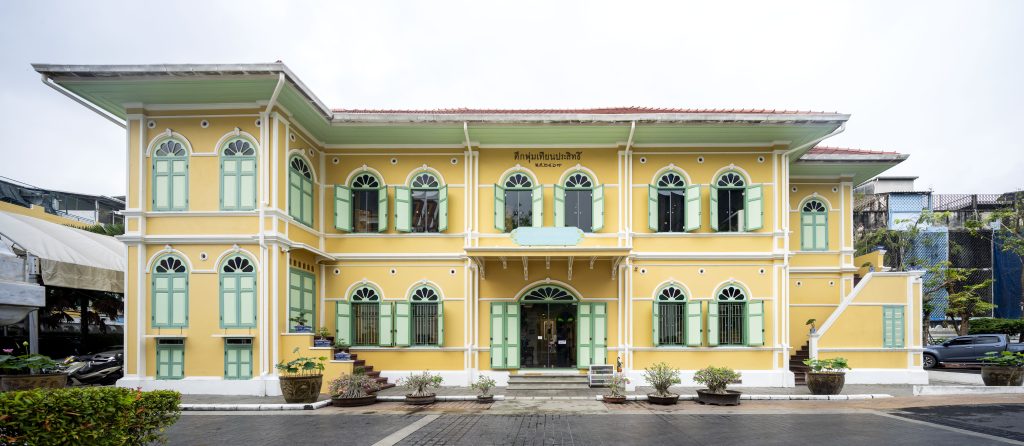
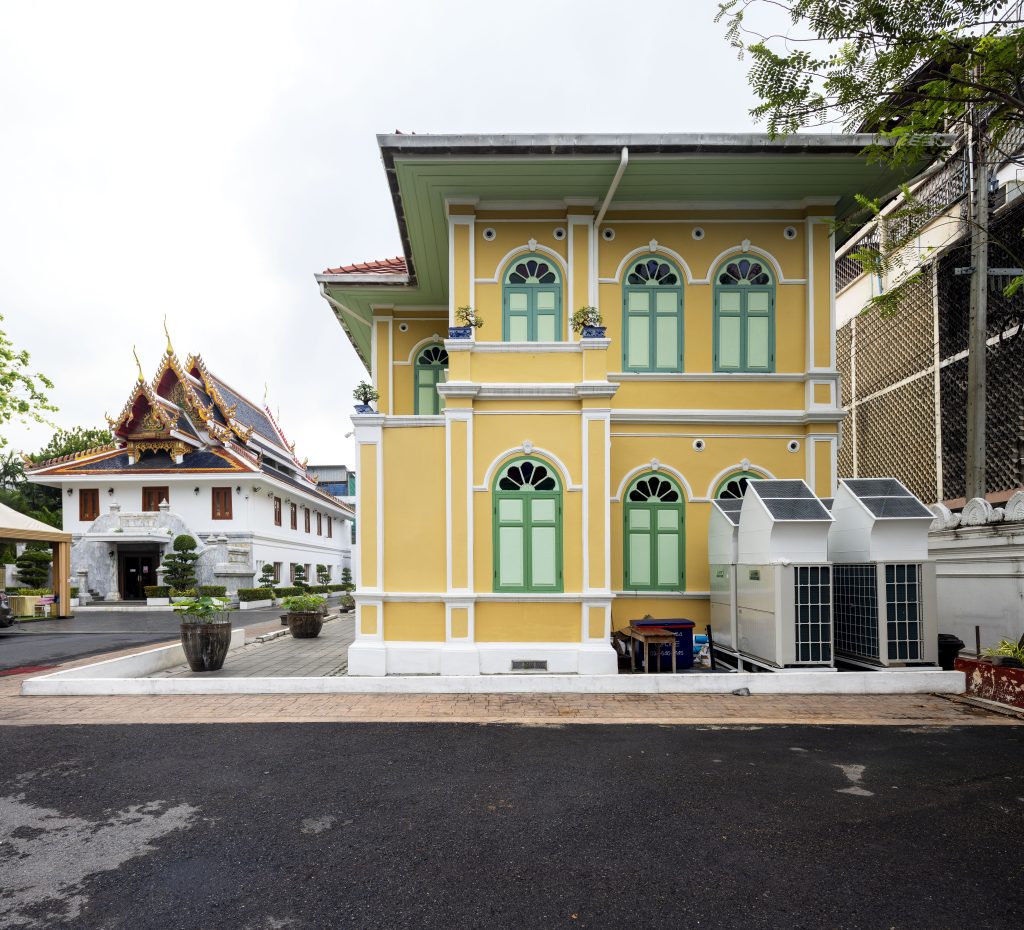
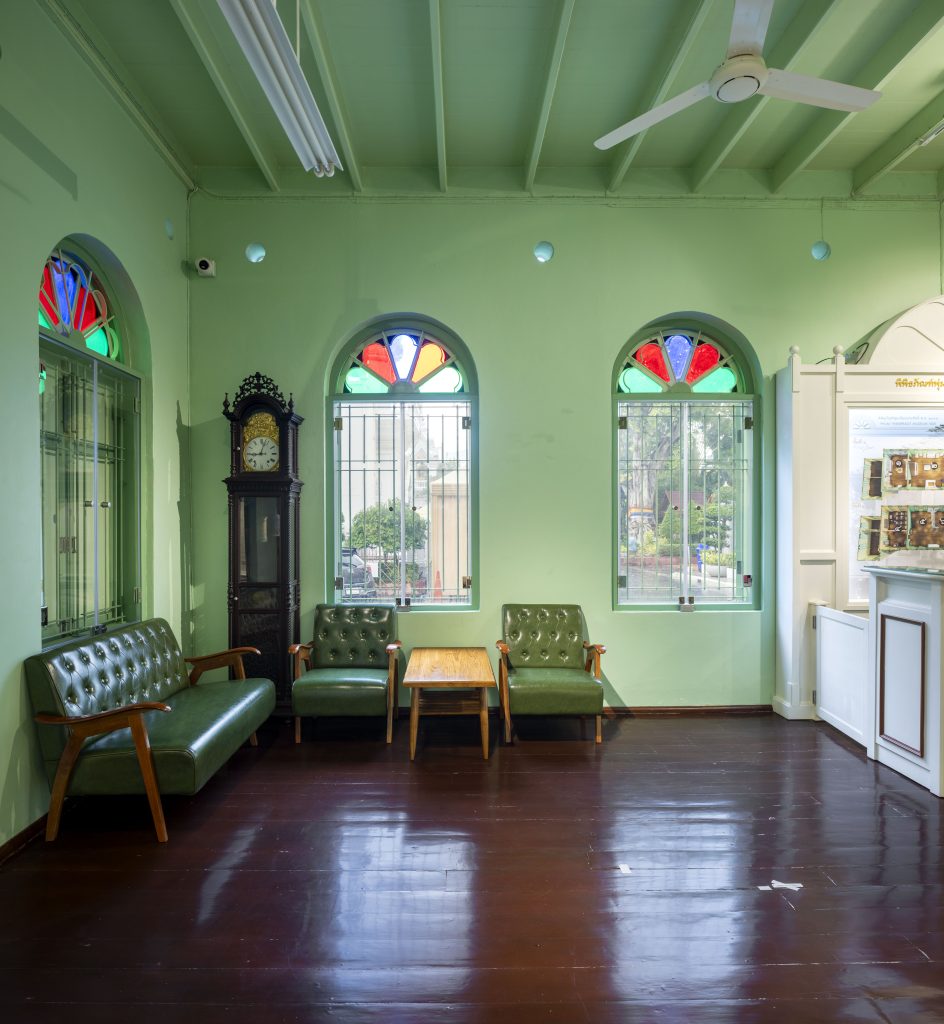
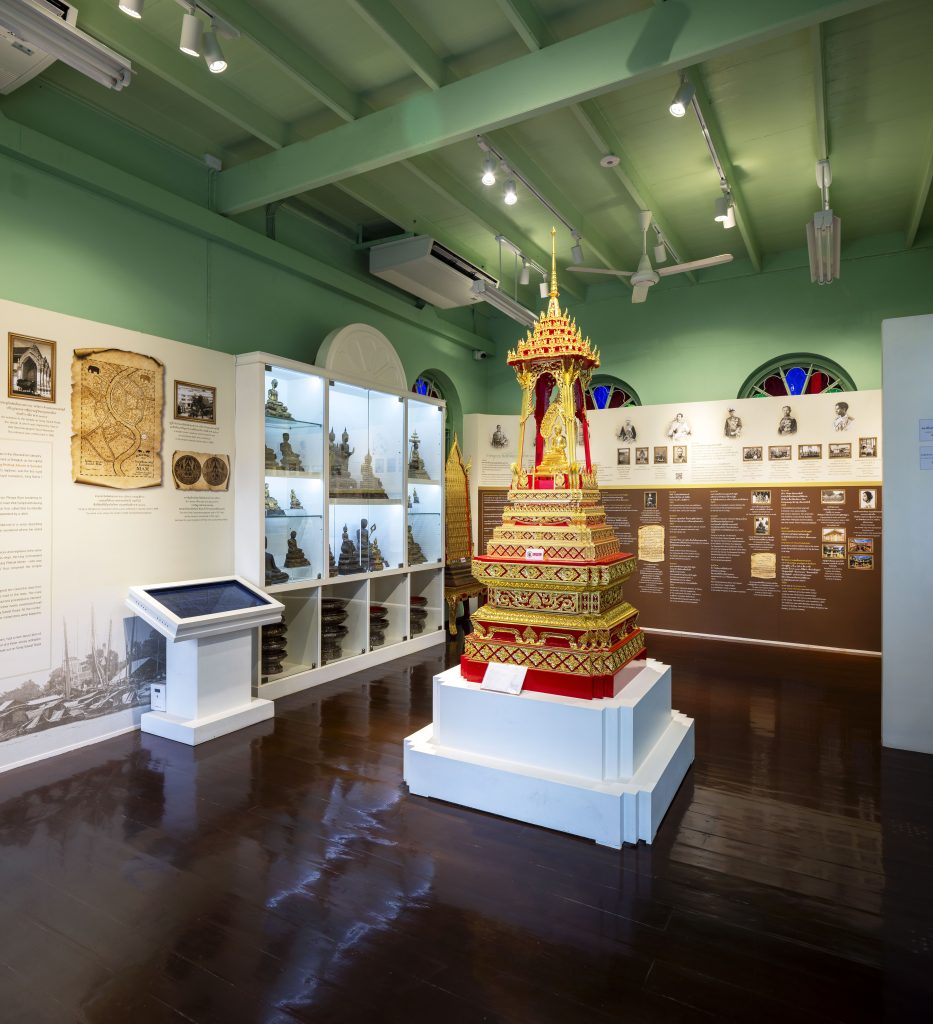
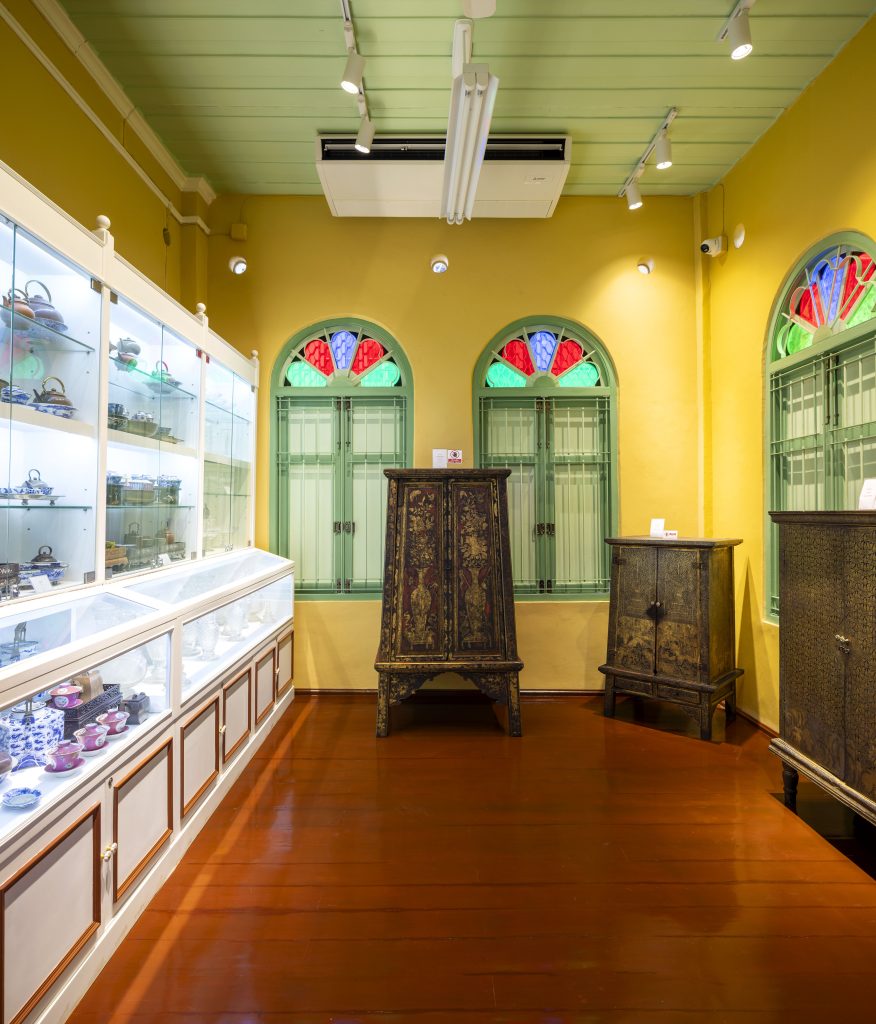
ตึกพุ่มเทียนประสิทธิ์
อ่านเพิ่มเติม
ตึกพุ่มเทียนประสิทธิ์
- ที่ตั้ง: เลขที่ 579 ถนนทรงสวัสดิ์ แขวงสัมพันธวงศ์ เขตสัมพันธวงศ์ กรุงเทพมหานคร
- สถาปนิก/ผู้ออกแบบ: ไม่ปรากฏชื่อผู้ออกแบบ
- สถาปนิกอนุรักษ์: นายสิทธิชัย สิริรัชมงคล สถาปนิกชำนาญการ กรมศิลปากร
- ผู้ครอบครอง: วัดสัมพันธวงศารามวรวิหาร
- ปีที่สร้าง: พุทธศักราช 2469
- ปีที่ได้รับรางวัล พ.ศ. 2569
- ประเภท งานอนุรักษ์มรดกทางสถาปัตยกรรมและชุมชน
- ระดับ ดีมาก
ข้อมูลอาคาร
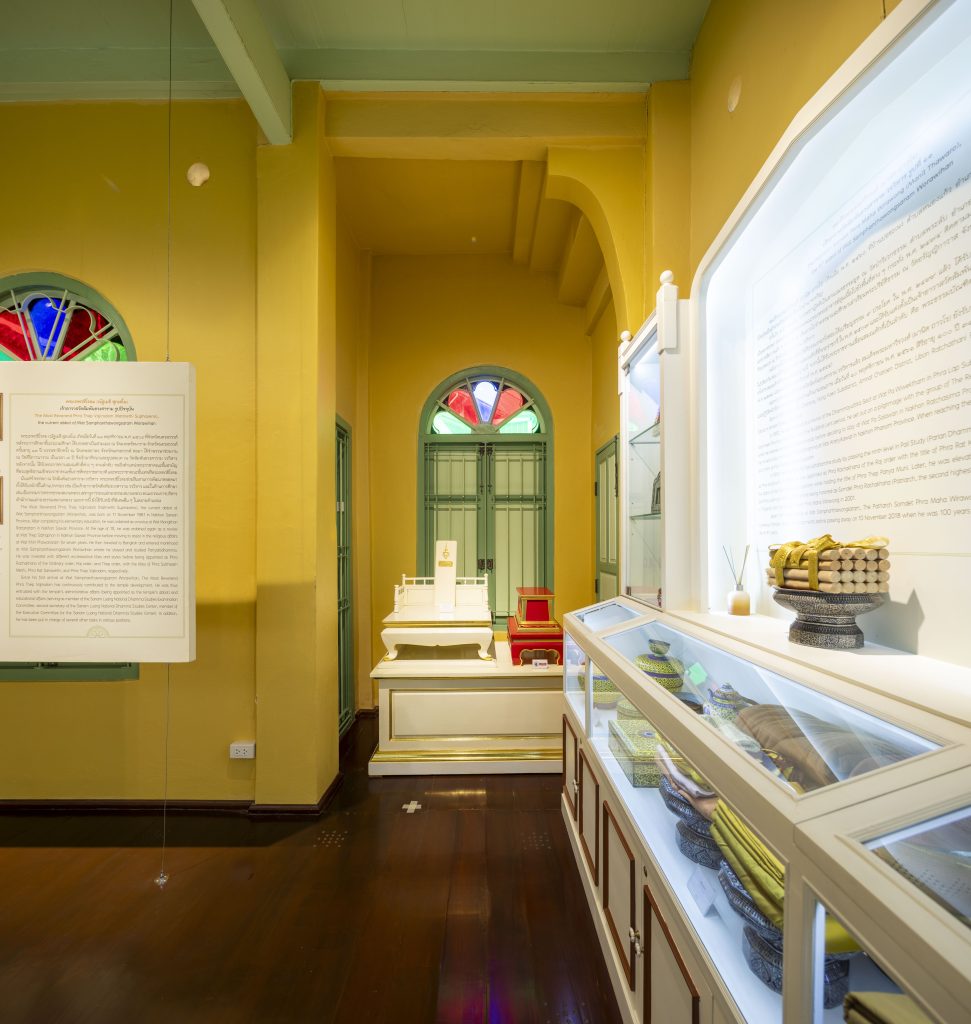
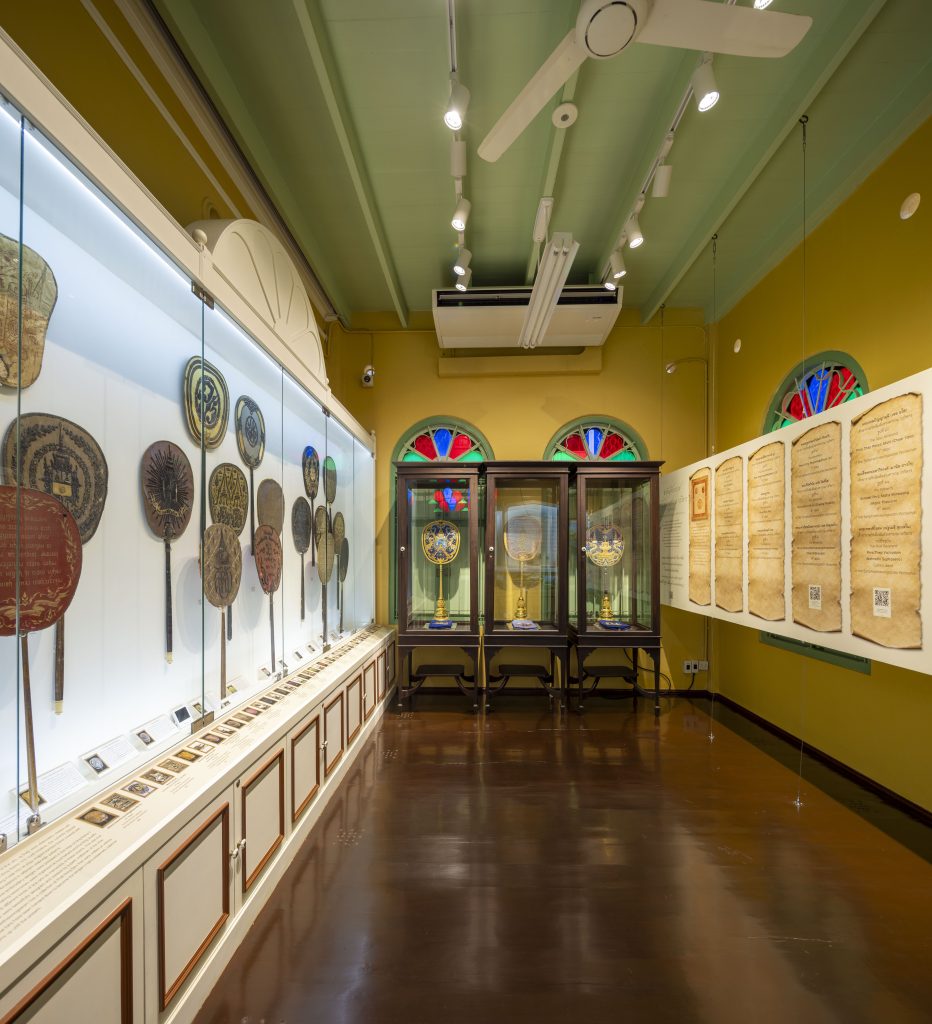
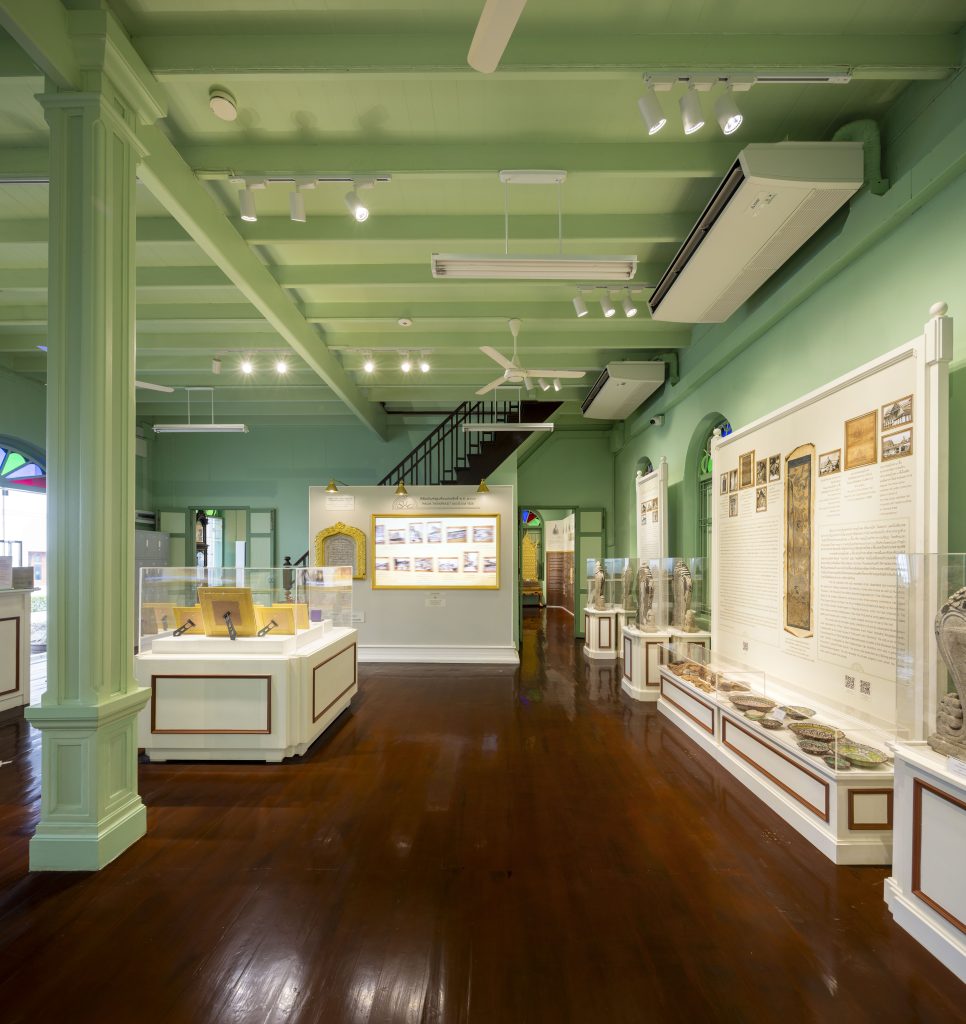
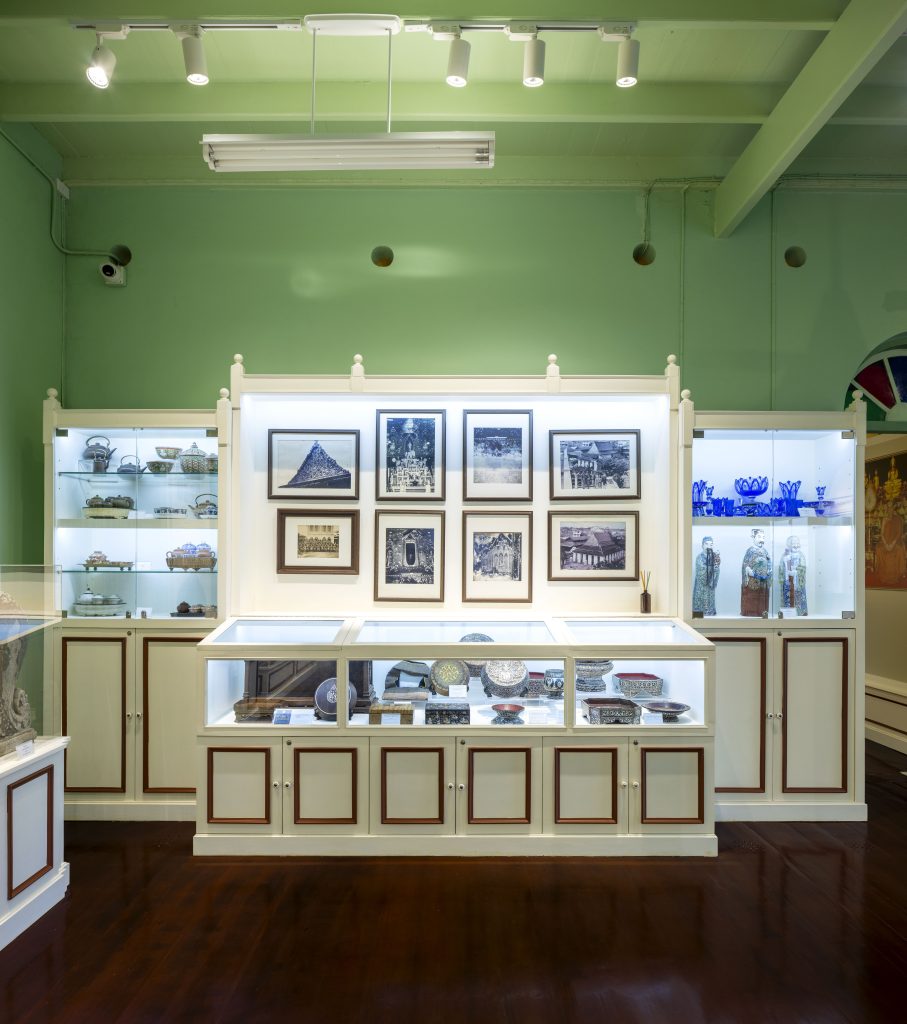
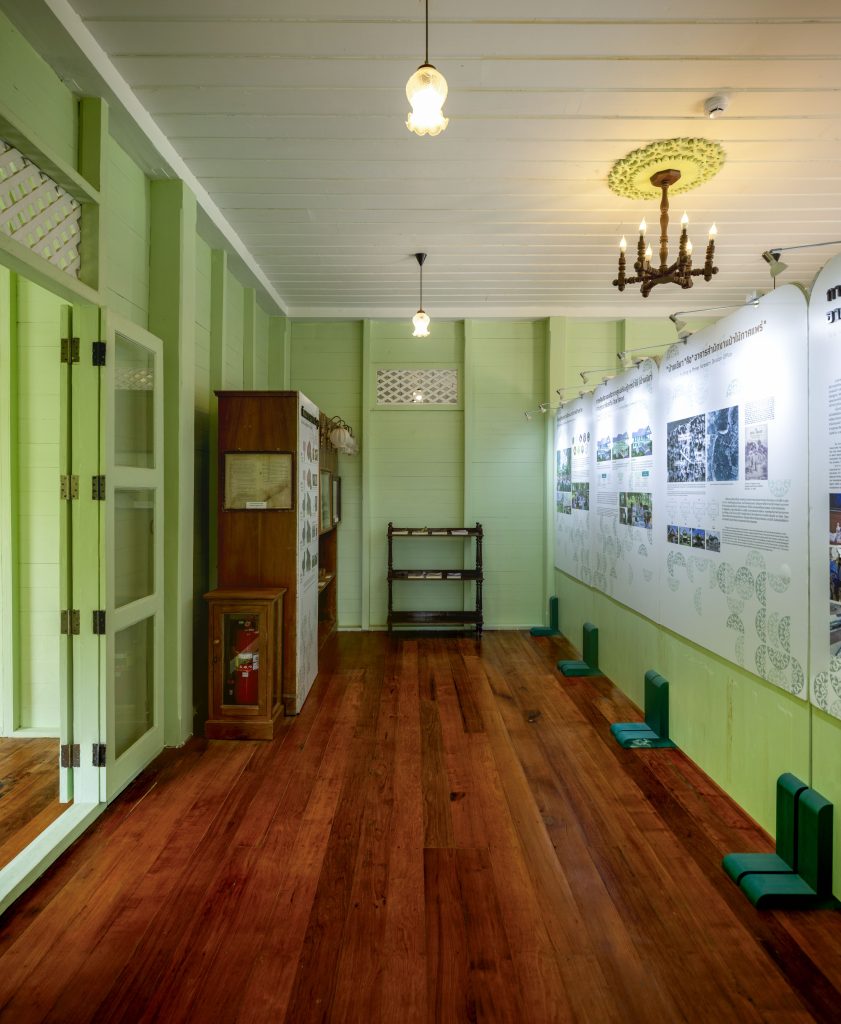
ตึกพุ่มเทียนประสิทธิ์ วัดสัมพันธวงศารามวรวิหาร สร้างถวายโดยนางพุ่ม เทียนประสิทธิ์ มหาอุบาสิกกาในย่านวัดสัมพันธวงศาราม สิ้นเงินจำนวนทั้งสิ้น 12,896 บาท (หนึ่งหมื่นสองพันแปดร้อยเก้าสิบหกบาทถ้วน) ในระยะเวลาที่พระมหารัชชมังคลาจารย์ (เทศ นิทฺเทสกเถร) ดำรงตำแหน่งเจ้าอาวาส เพื่อใช้เป็นอาคารโรงเรียนพระปริยัติธรรมของพระภิกษุสามเณรในด้านนักธรรมและบาลี ต่อมาในพุทธศักราช 2502 มีการเปิดโรงเรียนสอนแผนกบาลีมัธยมวิสามัญ (พระปริยัติธรรมแผนกสามัญศึกษา) ในชื่อ “โรงเรียนสัมพันธวงศ์ศึกษา” โดยใช้ตึกพุ่มเทียนประสิทธิ์และใต้พระอุโบสถหลังใหม่เป็นสถานที่เรียน มีพระภิกษุสามเณรทั้งในวัดและต่างวัดเข้ามาศึกษาเล่าเรียนเป็นจำนวนมาก หลังจากโรงเรียนสัมพันธวงศ์ศึกษาปิดตัวลงในพุทธศักราช 2530 ตึกพุ่มเทียมประสิทธิ์ถูกปล่อยทิ้งร้าง ขาดการบูรณะซ่อมแซมจนอาคารมีสภาพทรุดโทรมเสียหายเป็นอย่างมาก ต่อมาในวันที่ 9 ธันวาคม พุทธศักราช 2563 กรมศิลปากรประกาศขึ้นทะเบียนและกำหนดขอบเขตที่ดินโบราณสถานตึกพุ่มเทียนประสิทธิ์ พื้นที่ 1 ไร่ 36 ตารางวา หลังจากนั้นในพุทธศักราช 2565 กรมศิลปากรและวัดสัมพันธวงศารามวรวิหารเริ่มดำเนินการบูรณะตึกพุ่มเทียนประสิทธิ์จนแล้วเสร็จและเปิดเป็นพิพิธภัณฑ์ในพุทธศักราช 2567 ภายในอาคารจัดแสดงเรื่องราวของตึกพุ่มเทียนประสิทธิ์ การก่อสร้างโรงเรียนพระปริยัติธรรม ประวัติวัดสัมพันธวงศารามวรวิหาร รวมทั้งพัฒนาการของชุมชนที่เกี่ยวกับเขตสัมพันธวงศ์ ผ่านการนำเสนอด้วยโบราณวัตถุ ศิลปวัตถุ ภาพถ่าย แผนที่ แผนผัง และสื่อทัศนูปกรณ์
ตึกพุ่มเทียนประสิทธิ์ วัดสัมพันธวงศารามวรวิหาร เป็นอาคารสาธารณะที่ถือว่ามีความทันสมัยในช่วงต้นรัชกาลที่ 7 ที่ยังคงรักษารูปแบบสถาปัตยกรรมแบบตะวันตกที่เข้ามาในประเทศไทยตั้งแต่สมัยรัชกาลที่ 6 ลักษณะอาคารเป็นอาคารคอนกรีตเสริมเหล็ก 2 ชั้น ผนังก่ออิฐฉาบปูน รูปแบบสถาปัตยกรรมแบบโคโลเนียล (Colonial) ผังพื้นอาคารเป็นรูปสี่เหลี่ยมผืนผ้า กว้าง 10.40 เมตร ยาว 25.45 เมตร หลังคาทรงปั้นหยา โครงสร้างหลังคาเป็นไม้ หลังคามุงกระเบื้องซีเมนต์ปลายตัดแผ่นใหญ่ หลังคากันสาดและบันไดภายนอกอาคารเป็นโครงสร้างคอนกรีตเสริมเหล็ก พื้นอาคาร ฝ้าเพดาน และบันไดภายในเป็นโครงสร้างไม้ ประตูทางเข้าด้านหน้าเป็นบานเฟี้ยมกรอบบานลูกฟักไม้ ประตูห้องทั่วไปเป็นแบบเปิดคู่ หน้าต่างเป็นกรอบบานลูกฟักไม้บานเปิดคู่แบบมีช่องแสงด้านบน
ตึกพุ่มเทียนประสิทธิ์ วัดสัมพันธวงศารามวรวิหาร ได้รับการอนุรักษ์ตามหลักวิชาการอย่างเคร่งครัดเพื่อให้การทำงานมีความถูกต้องในทุกขั้นตอน โดยได้รับความร่วมมือจากทุกภาคส่วนทั้งวัดในฐานะผุ้ครอบครองอาคาร หน่วยงานรัฐ เอกชน และทายาทของผู้บริจาค ถือเป็นตัวอย่างการบูรณะอาคารที่ช่วยสร้างกระบวนการมีส่วนร่วมของผู้อยู่อาศัยในชุมชนให้เห็นถึงคุณค่าความสำคัญของย่านชุมชนเก่า กระตุ้นให้เกิดโครงการอนุรักษ์สถานที่สำคัญในพื้นที่ใกล้เคียง เช่น วัดเกาะ วัดปทุมคงคา หรืออาคารเก่าในย่านตลาดน้อย นอกจากนี้ ยังเป็นสถานที่เรียนรู้ด้านสถาปัตยกรรม ศิลปกรรม และประวัติศาสตร์สำหรับนักเรียน นิสิต นักศึกษาและประชาชนทั่วไปอีกด้วย
คำประกาศรางวัล
ตึกพุ่มเทียนประสิทธิ์ วัดสัมพันธวงศารามวรวิหาร ได้รับการอนุรักษ์ตามหลักวิชาการอย่างเคร่งครัดเพื่อให้การทำงานมีความถูกต้องในทุกขั้นตอน โดยได้รับความร่วมมือจากทุกภาคส่วนทั้งวัดในฐานะผุ้ครอบครองอาคาร หน่วยงานรัฐ เอกชน และทายาทของผู้บริจาค ถือเป็นตัวอย่างการบูรณะอาคารที่ช่วยสร้างกระบวนการมีส่วนร่วมของผู้อยู่อาศัยในชุมชนให้เห็นถึงคุณค่าความสำคัญของย่านชุมชนเก่า กระตุ้นให้เกิดโครงการอนุรักษ์สถานที่สำคัญในพื้นที่ใกล้เคียง เช่น วัดเกาะ วัดปทุมคงคา หรืออาคารเก่าในย่านตลาดน้อย นอกจากนี้ ยังเป็นสถานที่เรียนรู้ด้านสถาปัตยกรรม ศิลปกรรม และประวัติศาสตร์สำหรับนักเรียน นิสิต นักศึกษาและประชาชนทั่วไปอีกด้วย
ภายหลังการปิดตัวลงของโรงเรียน อาคารถูกปล่อยทิ้งร้างจนอาคารมีสภาพทรุดโทรม ต่อมาในพุทธศักราช 2563 กรมศิลปากรประกาศขึ้นทะเบียน และในพุทธศักราช 2565 กรมศิลปากรและวัดสัมพันธวงศารามวรวิหารได้เริ่มดำเนินการบูรณะอาคาร จนแล้วเสร็จในพุทธศักราช 2567 การบูรณะอาคารเป็นไปตามหลักการและขั้นตอนที่เหมาะสม มีการซ่อมแซมและแก้ไขปัญหาความเสื่อมสภาพ พร้อมทั้งรักษาองค์ประกอบเดิมไว้ ทำให้อาคารสามารถเปิดใช้งานเป็นพิพิธภัณฑ์ จัดแสดงเรื่องราวของโรงเรียนพระปริยัติธรรม และพัฒนาการของชุมชนในเขตสัมพันธวงศ์ โครงการอนุรักษ์ตึกพุ่มเทียนประสิทธิ์จึงนับเป็นตัวอย่างที่ดีของการอนุรักษ์อาคารที่มีคุณค่า ซึ่งเกิดจากความร่วมมือของผู้มีส่วนเกี่ยวข้องทุกฝ่าย
The Phum Thienprasit Building
- Location: 579 Songsawat Road, Samphanthawong-Sub District, Samphanthawong District, Bangkok, Thailand
- Architect / Designer: Unattribute
- Conservation Architect: Mr Sittichai Siriratmongkol, Professional Level Architect, Fine Arts Department
- Custodian: Wat Samphanthawongsaram
- Date of Construction: 1926
- Conservation Awarded Date: 2026
- Category: Architectural and community heritage conservation projects
- Level: Award of Distinction
Building Information
The Phum Thienprasit Building at Wat Samphanthawongsaram was donated at a total cost of 12,896 baht by a female devotee, Mrs Phum Thienprasit, who lived near Wat Samphanthawongsaram. The construction was carried out during the tenure of Phra Maha Ratchamangkarajan (Thet Nitthesakathera) as abbot. The building was intended to serve as a Phra Pariyattitham school for the instruction of monks and novices in Nak Tham (Dhamma studies) and Pali. In 1959, a Pali school offering a general Buddhist education curriculum was established under the name “Samphanthawong School”, with classes held in the Phum Thienprasit Building and in the hall beneath the new ordination hall. The school attracted a large enrolment of monks and novices both from within the temple and from other monasteries. Following the closure of Samphanthawong School in 1987, the Phum Thienprasit Building was left abandoned. Without restoration or maintenance, the structure fell into a state of serious deterioration. On 9 December 2020, the Fine Arts Department officially registered the Phum Thienprasit Building as a national monument and delineated its site boundaries, encompassing an area of 1,744 square metres (1 rai 36 square wah). In 2022, the Fine Arts Department and Wat Samphanthawongsaram commenced restoration works, which were completed and the building inaugurated as a museum in 2024. The museum presents the history of the Phum Thienprasit Building, the founding of the Phra Pariyattitham school, the history of Wat Samphanthawongsaram, and the development of the communities within Samphanthawong District. The narrative is conveyed through displays of antiquities, art objects, photographs, maps, architectural plans, and audio-visual media.
The Phum Thienprasit Building at Wat Samphanthawongsaram is considered a distinctly modern public building for its time, constructed during the early reign of King Rama VII. The building retains the Western architectural vocabulary that had been introduced into Thailand since the reign of King Rama VI. It is a two-storey reinforced concrete structure with rendered brick masonry walls, executed in the Colonial architectural style. The floor plan is rectangular, measuring 10.40 metres in width by 25.45 metres in length. The building has a hipped roof with a timber structure, clad with large flat-edged cement tiles. The projecting eaves canopies and the external staircase are of reinforced concrete construction, while the floors, ceilings, and internal staircase are of timber construction. The principal entrance doors at the front façade are timber folding doors with panelled leaves, while the interior room doors are typically double-leaf panelled timber doors. The windows are double-leaf timber casement windows with panelled sashes, surmounted by transom lights.
The conservation of the Phum Thienprasit Building has been undertaken in accordance with scholarly conservation principles, ensuring correct methodology at every stage of the work. The project was realised in collaboration with all stakeholders: the temple as custodian of the building, public-sector agencies, private organisations, and the descendants of the original donor. The project stands as an exemplary case of building restoration that has fostered a participatory process among local residents, raising awareness of the cultural value and significance of the historic community district. It has further served as a conservation model for other significant sites in the surrounding area, including Wat Ko, Wat Pathum Khongkha, and historic buildings in the Talat Noi district. In addition, the building now functions as an educational centre for architecture, fine arts, and history, serving pupils, university students, and the general public.
Award Announcement
The Phum Tiansprasit Building at Wat Samphanthawongsaram Worawihan is a
structure of significant historical and architectural value. Built during the early reign of King Rama VII, the building reflects a modern architectural style influenced by Western architecture that had entered Thailand since the reign of King Rama VI. The building was donated by Mrs. Phum Tiansprasit to serve as a Buddhist scripture school for monks and novices. Later, in 1959, it was used as a Pali language school under the name “Samphanthawong Suksa School” until its closure in 1987.
After the school ceased operations, the building was abandoned and gradually fell
into disrepair. In 2020, the Fine Arts Department officially registered the building as a historic structure. In 2022, the Fine Arts Department and Wat Samphanthawongsaram Worawihan began a restoration project, which was completed in 2024. The restoration followed appropriate conservation principles and procedures, including structural repairs, treatment of deterioration, and preservation of the building’s original architectural elements. As a result, the building has been reopened as a museum showcasing the history of Buddhist scripture education and the development of the Samphanthawong community. The conservation project of the Phum Tiansprasit Building is therefore considered an excellent example of heritage conservation achieved through the cooperation of all involved parties.
เจดีย์ทรงจีน วัดกุศลสมาคร
อ่านเพิ่มเติม
เจดีย์ทรงจีน วัดกุศลสมาคร
- ที่ตั้ง: เลขที่ 97 ถนนราชวงศ์ แขวงสัมพันธวงศ์ เขตสัมพันธวงศ์ กรุงเทพมหานคร
- สถาปนิก/ผู้ออกแบบ: ไม่ปรากฏชื่อ
- สถาปนิกอนุรักษ์: บริษัท กุฎาคาร จำกัด
- ผู้ครอบครอง: วัดกุศลสมาคร
- ปีที่สร้าง: สร้างขึ้นในสมัยรัชกาลที่ 5 (ก่อนพุทธศักราช 2450)
- ปีที่ได้รับรางวัล พ.ศ. 2569
- ประเภท งานอนุรักษ์มรดกทางสถาปัตยกรรมและชุมชน
- ระดับ ดีมาก
ข้อมูลอาคาร
เจดีย์ทรงจีน วัดกุศลสมาคร สร้างขึ้นเพื่อเป็นสถานที่ตั้งป้ายบูชาบรรพบุรุษของคุณหญิงอิ่ม ภริยาของพระเจริญราชธน (เท่ง เลาหะเศรษฐี) และประดิษฐานพระพุทธรูปและบรรจุอัฐิผู้วายชนม์ หลังจากคุณหญิงอิ่ม และพระยาโชฎึกราชเศรษฐี (มิ้น เลาหะเศรษฐี) บุตรชาย ตลอดจนทายาทในสายสกุลถึงแก่กรรมลง ทายาทได้นำอัฐิมาบรรจุไว้ในเจดีย์ และมีการจัดงานทำบุญอุทิศส่วนกุศลให้แก่บรรพบุรุษทุก ๆ ปี ต่อมาเจดีย์มีความชำรุดทรุดโทรม อีกทั้งบางส่วนถูกดัดแปลงจากสภาพดั้งเดิม ทายาทพระยาโชฎึกราชเศรษฐี (มิ้น เลาหะเศรษฐี) ในสกุลโชติกเสถียร และเกษมศรี เห็นสมควรให้ดำเนินการอนุรักษ์และแก้ปัญหาการชำรุดเสื่อมสภาพของอาคารในระยะยาว ด้วยวัสดุและวิธีการอนุรักษ์ที่ถูกต้องตามหลักวิชาการ รื้อฟื้นรูปแบบทางสถาปัตยกรรมให้กลับมาใกล้เคียงกับรูปแบบเดิมเมื่อแรกสร้าง ทั้งในด้านรูปทรง วัสดุ สี และลวดลายตกแต่งที่มีความหมาย ปรับปรุงการตกแต่งและประดับสิ่งของภายในเจดีย์ที่เกิดขึ้นในสมัยหลังและจากการใช้งานปัจจุบัน ให้มีความกลมกลืนกับลักษณะทางสถาปัตยกรรมแบบจีนของเจดีย์ โดยการอนุรักษ์แล้วเสร็จในพุทธศักราช 2559
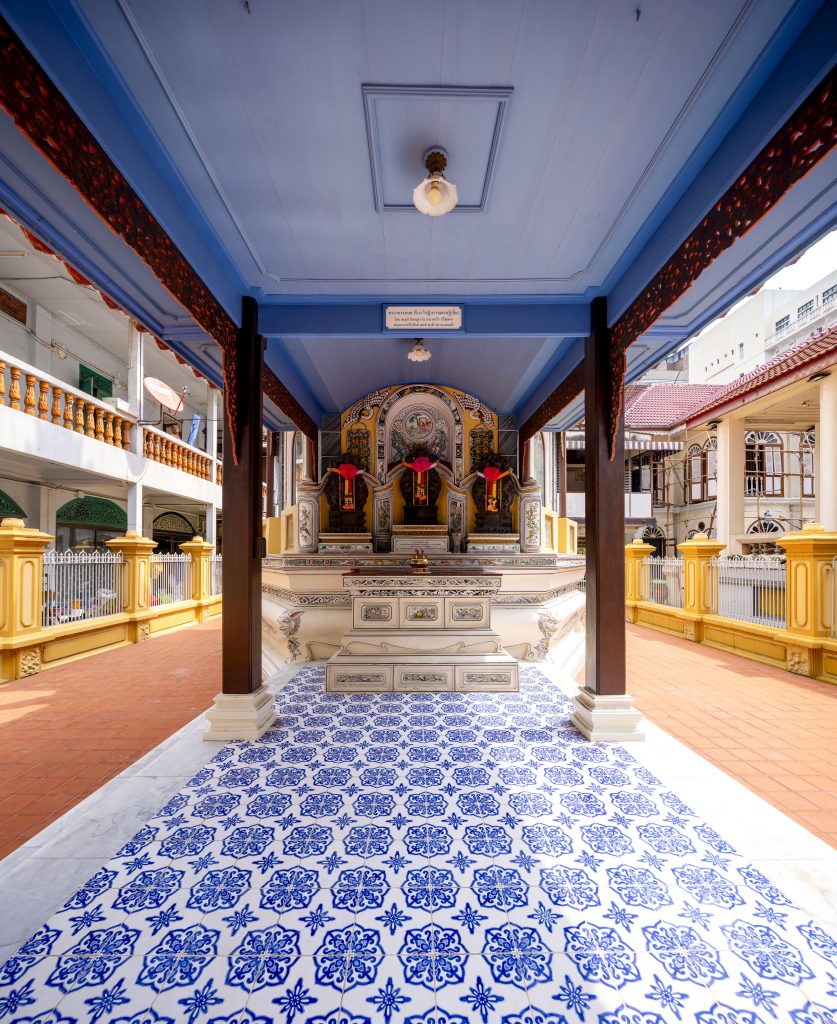
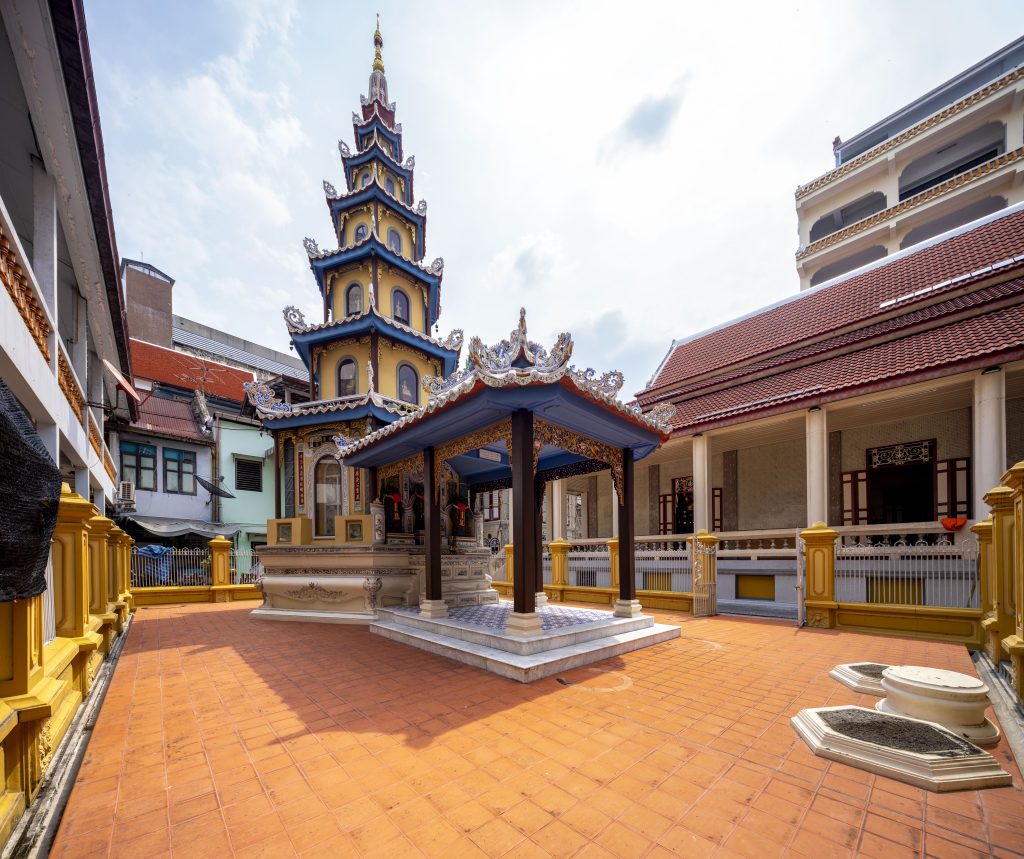
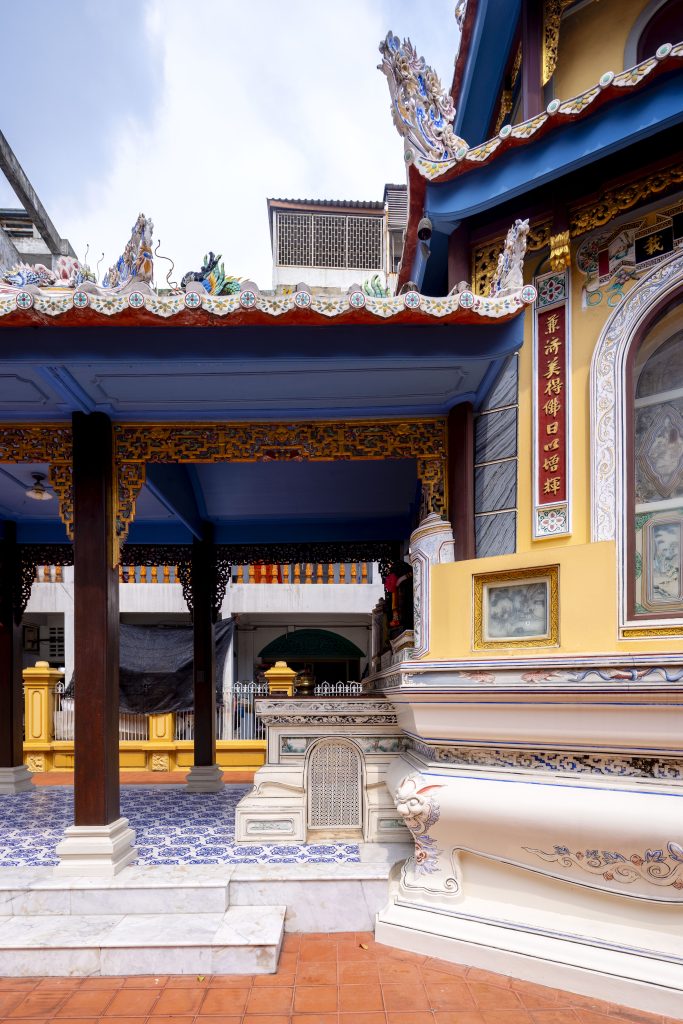
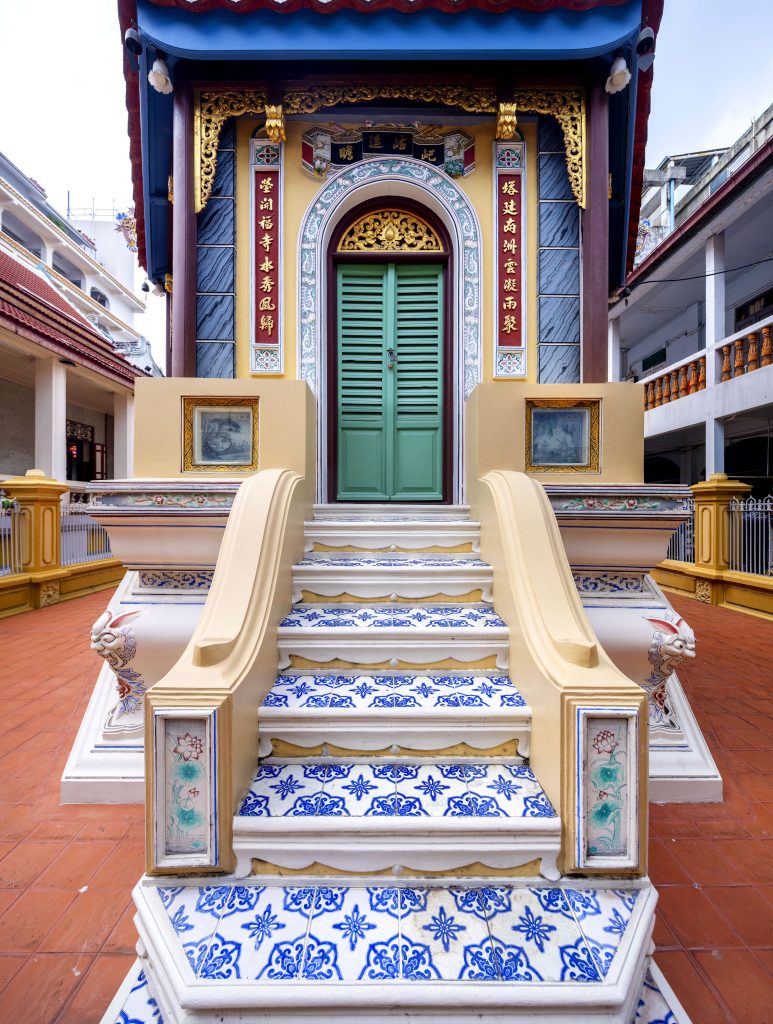
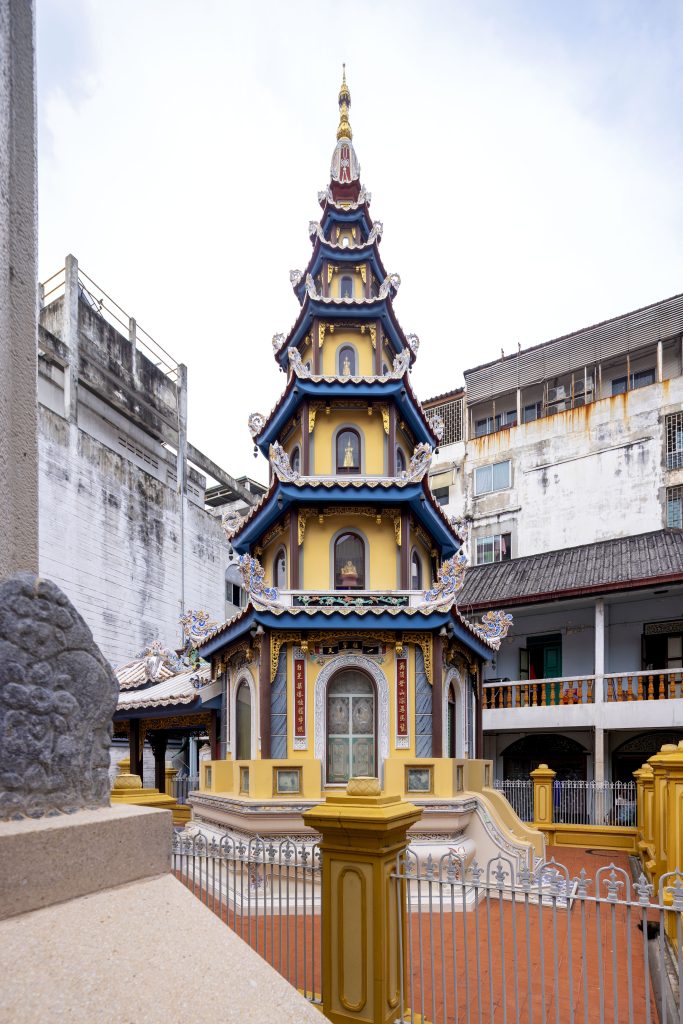
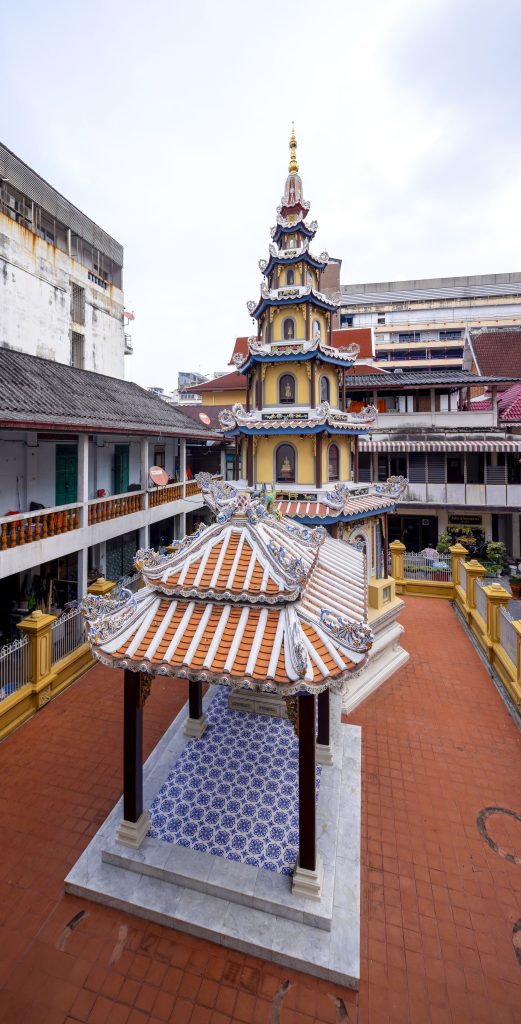
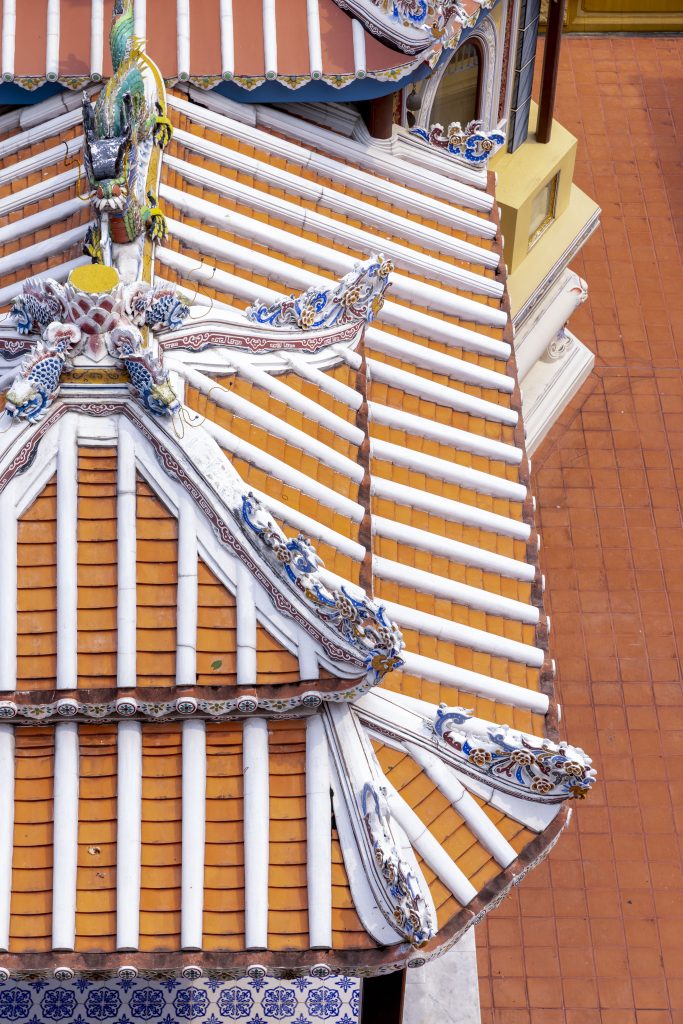
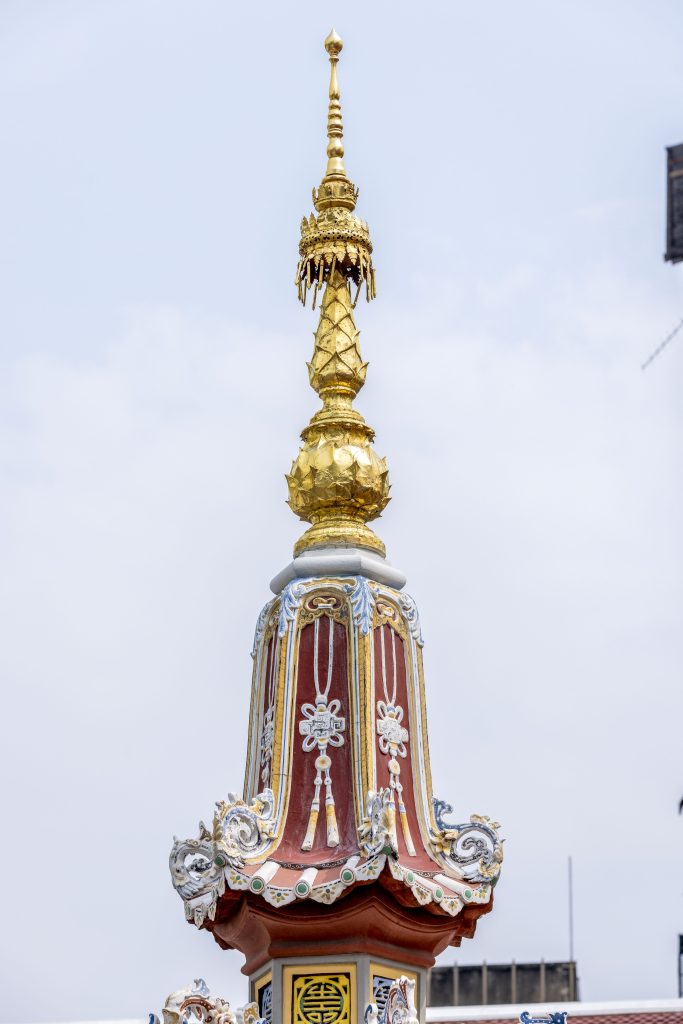
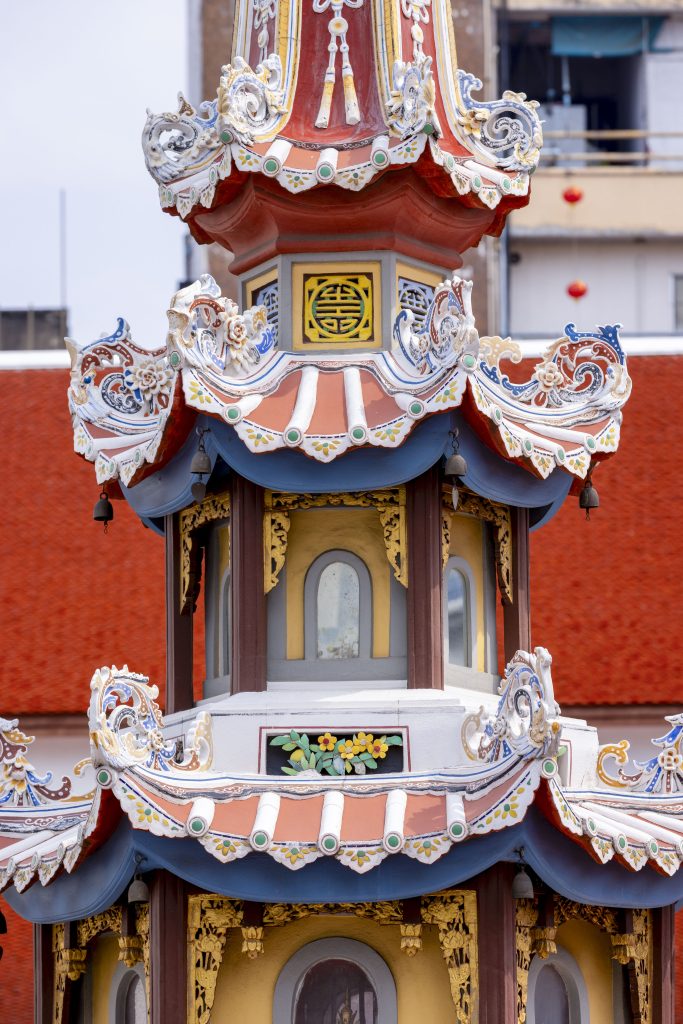
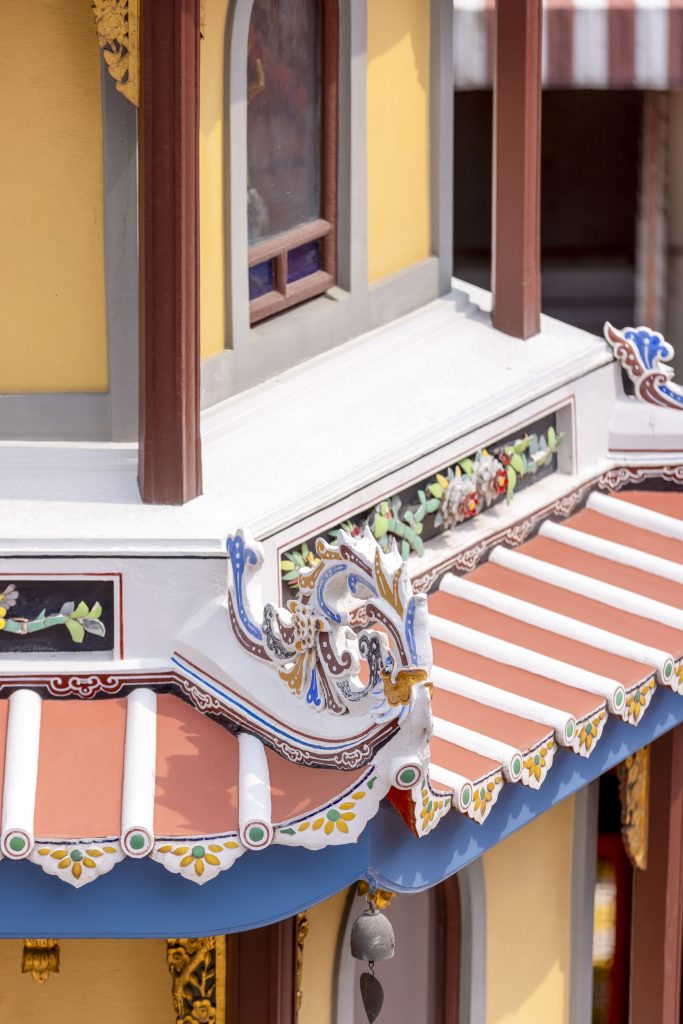
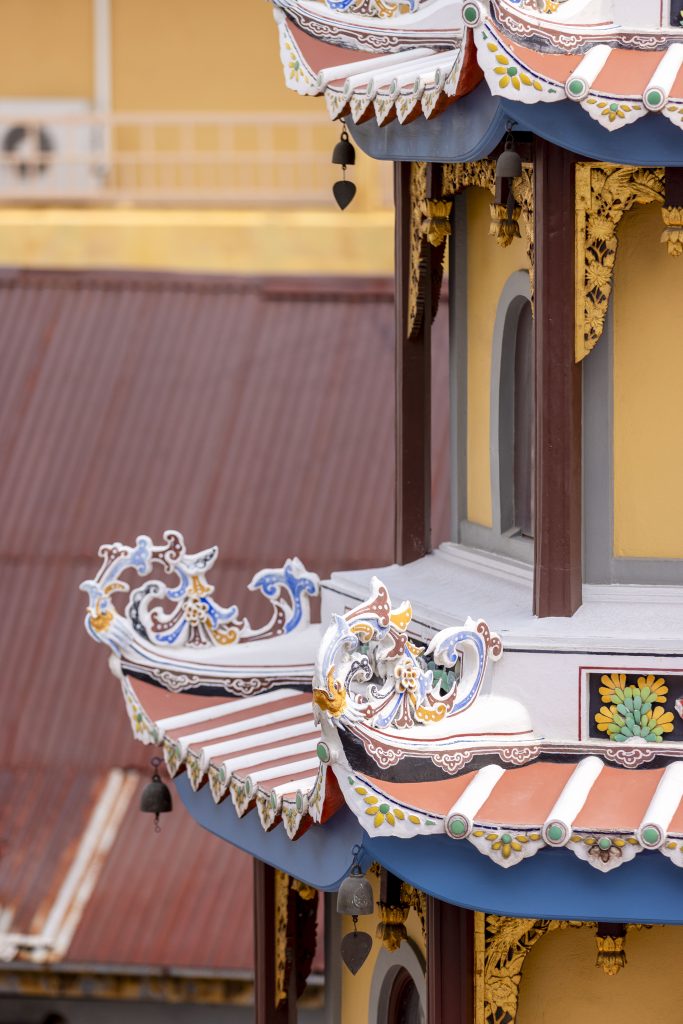
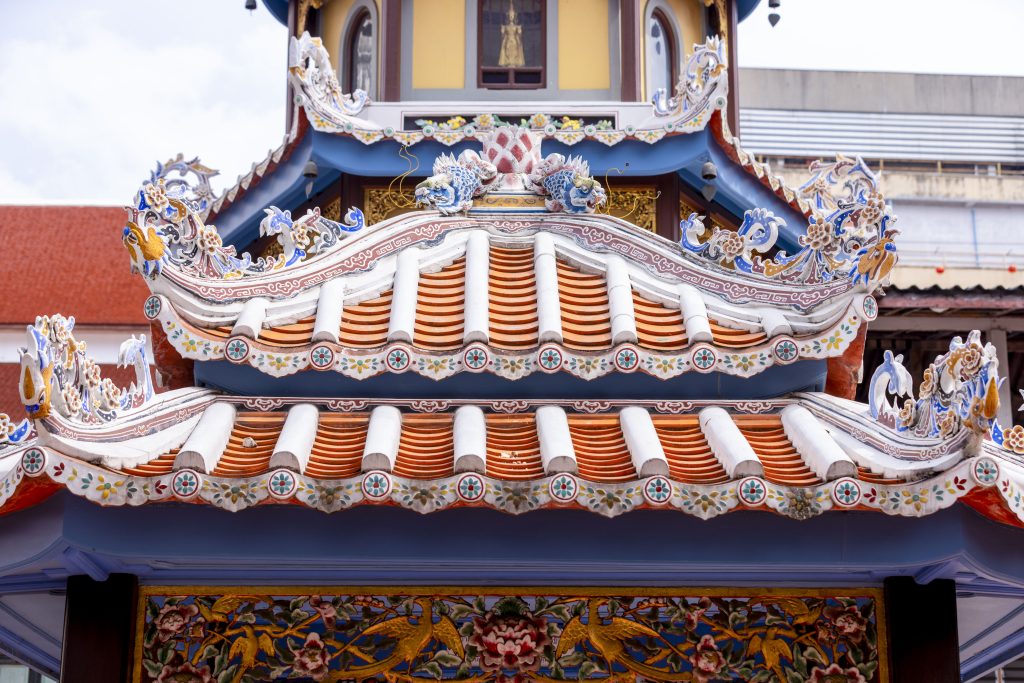
เจดีย์ทรงจีน วัดกุศลสมาคร มีจุดเด่นที่การผสมผสานรูปแบบและโครงสร้างสถาปัตยกรรมจีนเข้ากับเทคนิคการก่อสร้างแบบไทย ประกอบด้วยศาลาเก๋งจีนชั้นเดียวเชื่อมต่อกับเจดีย์ 7 ชั้น พื้นที่โดยรอบเป็นลานโล่งปูด้วยกระเบื้องดินเผา ล้อมด้วยผนังและเสารั้วปูน รั้วและประตูเหล็กทั้ง 4 ด้าน ผังพื้นศาลาเก๋งจีนเป็นรูปสี่เหลี่ยมผืนผ้า กว้าง 3.60 เมตร ยาว 4.29 เมตร ภายในบรรจุแท่นบูชาบรรพบุรุษ และซุ้มปูนปั้นบูชาบรรพบุรุษ โครงสร้างอาคาร ฝ้าเพดาน และหลังคาเป็นไม้ พื้นปูด้วยหินอ่อน หลังคามุงด้วยกระเบื้องดินเผาแบบจีน บริเวณยอดสันหลังคาและปลายตะเข้สันตกแต่งด้วยปูนปั้น พื้นที่ระหว่างเสาไม้ติดกับฝ้าเพดานประดับด้วยไม้ฉลุลายปิดทอง ส่วนผังพื้นเจดีย์เป็นรูปหกเหลี่ยมด้านเท่า ภายในเจดีย์บรรจุโกศบรรจุอัฐิ ฐานเจดีย์เป็นฐานสิงห์ยกสูง 1.20 เมตร ประดับด้วยปูนปั้นนูนต่ำตกแต่งลายเขียนสี ผนังก่ออิฐรับน้ำหนัก บันไดทางเข้าโครงสร้างก่ออิฐ ประตูทางเข้าเป็นประตูไม้เปิดคู่ เหนือประตูเป็นซุ้มโค้งประดับด้วยไม้ฉลุลาย เจดีย์ชั้นที่ 1 ประดับด้วยซุ้มคูหาภาพเขียน เจดีย์ชั้นที่ 2–7 ประดับด้วยซุ้มคูหาประดิษฐานพระพุทธรูป เหนือเจดีย์ชั้น 7 เป็นชั้นองค์ระฆัง โดยมีชั้นปลียอดเป็นโครงสร้างไม้ปิดทอง กลางซุ้มคูหาภายนอกเจดีย์ในแต่ละชั้นประดับด้วยไม้ฉลุลาย และเสาอิงมุมผนังเจดีย์ หลังคาเจดีย์มุงด้วยกระเบื้องดินเผาแบบจีน บริเวณยอดสันหลังคาและปลายตะเข้สันตกแต่งด้วยปูนปั้น
เจดีย์ทรงจีน วัดกุศลสมาคร ถือเป็นตัวอย่างสำคัญของการอนุรักษ์ศาสนสถานที่ทรงคุณค่าตามหลักวิชาการ สามารถรักษาองค์ประกอบทางสถาปัตยกรรมและสัญลักษณ์ต่าง ๆ ที่ปรากฏ สะท้อนให้เห็นถึงคติความเชื่อและปรัชญาของคนจีนและญวนในเมืองไทย ซึ่งมีความเป็นเอกลักษณ์เฉพาะตัวเอาไว้ได้อย่างน่าชื่นชม นอกจากนี้ ยังสนับสนุนการผลิตวัสดุที่หายาก การรื้อฟื้นเทคนิคงานปูนปั้น งานประดับกระเบื้อง งานลายเขียนสี และงานปิดทองตามรูปแบบดั้งเดิม รวมทั้งช่วยฝึกฝนบุคลากรที่เกี่ยวข้องให้มีประสบการณ์ความชำนาญในการบูรณะ และการอนุรักษ์มีบทบาทสำคัญในการปรับปรุงสภาพแวดล้อมของวัดให้ดียิ่งขึ้น พร้อมทั้งกระตุ้นให้เกิดการดูแลรักษาภายในสถานที่อย่างต่อเนื่องอีกด้วย
คำปรกาศรางวัล
เจดีย์ทรงจีน วัดกุศลสมาคร เป็นสถาปัตยกรรมที่มีคุณค่าทางประวัติศาสตร์ สถาปัตยกรรม และสังคม โดยสะท้อนการผสมผสานระหว่างรูปแบบและโครงสร้างสถาปัตยกรรมจีนกับเทคนิคการก่อสร้างของไทยในสมัยรัชกาลที่ 5 เจดีย์แห่งนี้เป็นตัวอย่างสำคัญของงานศิลปะสถาปัตยกรรม เป็นสถานที่รำลึกถึงบรรพบุรุษของครอบครัวพระยาโชฎึกราชเศรษฐี (มิ้น เลาหะเศรษฐี) และคุณหญิงอิ่ม อีกทั้งเป็นศาสนสถานศูนย์รวมจิตใจของชาวไทยเชื้อสายจีนการอนุรักษ์อาคารแห่งนี้ดำเนินการอย่างเป็นระบบ
การอนุรักษ์อาคารแห่งนี้ดำเนินการอย่างเป็นระบบ โดยเริ่มจากการศึกษาวิเคราะห์องค์ประกอบทางสถาปัตยกรรมและประเมินสภาพ เพื่อนำไปสู่การรักษาความแท้ของรูปทรงขององค์ประกอบดั้งเดิม ควบคู่กับการแก้ไขปัญหาโครงสร้างและวัสดุ โดยเฉพาะกำแพงอิฐรับน้ำหนักและโครงสร้างไม้รูปวงแหวน ซึ่งเป็นองค์ประกอบเฉพาะของเจดีย์ นอกจากนี้ การบูรณะยังครอบคลุมการอนุรักษ์ภาพจิตรกรรมฝาผนัง งานปูนปั้น และงานกระเบื้องเคลือบ โดยสนับสนุนการผลิตวัสดุที่หายาก และการถ่ายทอดองค์ความรู้ด้านช่างฝีมือแขนงต่าง ๆ การดำเนินงานทั้งหมดเป็นไปตามหลักวิชาการและเทคนิคที่ถูกต้อง จึงนับเป็นแบบอย่างที่ดีในการอนุรักษ์มรดกสถาปัตยกรรมอันทรงคุณค่า สมควรได้รับรางวัลอนุรักษ์ศิลปะสถาปัตยกรรม
The Chinese-Style Pagoda, Wat Kuson Samakhon
- Location: 97 Ratchawong Road, Samphanthawong Sub-district, Samphanthawong District, Bangkok
- Architect / Designer: Unattribute
- Conservation Architect: Kudakhan Company Limited
- Custodian: Wat Kuson Samakhon
- Date of Construction: Reign of King Rama V (prior to 1907)
- Conservation Awarded Date: 2026
- Category: Architectural and community heritage conservation projects
- Level: Award of Distinction
Building Information
The Chinese-style pagoda at Wat Kuson Samakhon was created as a repository for the ancestral tablets of Lady Im, wife of Phra Charoen Ratchathon (Theng Lauhasreshthi), and to enshrine Buddha images together with the cremated remains of the deceased. Following the passing of Lady Im, her son Phraya Choduk Ratchasetthi (Min Lauhasreshthi), and successive members of the family, later descendants interred the ashes within the pagoda and held annual merit-making ceremonies dedicated to their ancestors. Over time the pagoda fell into a state of considerable dilapidation, and some elements had been altered from their original condition. The descendants of Phraya Choduk Ratchasetthi (Min Lauhasreshthi), of the Jotikasthira and Kshemasri families, agreed to conserve the structure and to remedy its long-term materials deterioration through conservation principles. The objective was to reinstate the architectural character as closely as possible to the original construction, in terms of form, materials, colour, and symbolic ornamental motifs, while adapting later accretions and devotional furnishings within the chedi to achieve visual harmony with its Chinese architectural character. The conservation works were completed in 2016.
The distinctive Chinese-style pagoda at Wat Kuson Samakhon was its synthesis of Chinese architectural form and Thai building techniques. The pagoda comprises a single-storey Chinese-style pavilion connected to a seven-tiered pagoda. The surrounding consists of an open court laid with terracotta tiles, enclosed all four sides by rendered masonry walls with piers and wrought-iron railings and gates. The plan of the Chinese-style pavilion is rectangular, measuring 3.60 metres by 4.29 metres. Its interior housed an ancestral altar and a stucco ancestral shrine. The structural frame, ceiling, and roof are constructed of timber. The floor is paved with marble, and the roof is clad with Chinese terracotta tiles. The ridge and hip-ridge terminations are embellished with stucco ornament. The space between the timber columns and the ceiling are ornamented with gilded pierced-wood fretwork. The plan of the pagoda is a regular hexagon. Its interor houses funerary urns containing cremated remains. The pagoda rests upon an elevated Singha pedestal (a Thai-style lion pedestal) rising 1.2 metres in height, decorated with painted low-relief stucco ornament. The walls are of load-bearing brick masonry, and the entrance staircase is likewise of masonry construction. The entrance doors are double-leaf timber doors, surmounted by an arched ornamented with pierced-wood fretwork. The first tier features painted panels, while the second through seventh tiers contain niches enshrining Buddha images. Above the seventh tier rises the bell-shaped element, crowned by a gilded timber finial. The central field of each exterior niche on every tier is ornamented with pierced-wood fretwork, and the corners of the pagoda walls are articulated with engaged pilasters. The pagoda roofs are clad in Chinese terracotta pan-and-roll tiles, with the ridge and hip-ridge terminations decorated with stucco ornament.
The Chinese-style chedi of Wat Kusolsamakorn stands as a significant scholarly conservation example of a religious monument. The project has successfully preserved the architectural elements and distinctive symbolic of beliefs and philosophy of the Chinese and Vietnamese communities in Thailand. Furthermore, the project has supported the sourcing and production of rare traditional materials, and the revival of craft techniques in stucco work, tile ornamentation, polychrome painting, and gilding in accordance with historic methods. It has also provided practical training to the personnel involved in the restoration. The conservation work has played a significant role in enhancing the environment of the temple and has fostered a sustained cultural preservation of the site.
Award Announcement
The Chinese-style pagoda at Wat Kusol Samakorn is an architectural work of historical, architectural, and social significance. It reflects the integration of Chinese architectural forms and structures with Thai construction techniques during the reign of King Rama V. The pagoda stands as an important example of architectural artistry and serves as a memorial to the ancestors of the family of Phraya Choduek Ratchasethi (Min Laohaseththi) and Khunying Im. It also functions as a religious site and spiritual center for the Thai-Chinese community.
The conservation of this structure was carried out systematically, beginning with a detailed architectural analysis and condition assessment in order to preserve the authenticity of its original form and components, alongside addressing structural and material deterioration. Particular attention was given to the load-bearing brick walls and the circular wooden structural framework, which are unique features of the pagoda. In addition, the restoration covered the conservation of mural paintings, stucco decorations, and glazed ceramic tiles, while also supporting the reproduction of rare traditional materials and the transmission of craftsmanship knowledge in various artisan fields. All restoration work was conducted in accordance with proper academic principles and conservation techniques. The project therefore stands as an exemplary model for the preservation of valuable architectural heritage and is worthy of receiving an architectural conservation award.
บ้านบุญยงค์บริรักษ์
อ่านเพิ่มเติม
บ้านบุญยงค์บริรักษ์
- ที่ตั้ง: เลขที่ 1 ถนนวรวิชัย ตำบลในเวียง อำเภอเมือง จังหวัดน่าน
- สถาปนิก/ผู้ออกแบบ: ไม่ปรากฏชื่อผู้ออกแบบ
- สถาปนิกอนุรักษ์: บริษัท ป่าเหนือ สตูดิโอ จำกัด
- ผู้ครอบครอง: โรงพยาบาลน่าน
- ปีที่สร้าง: พุทธศักราช 2497
- ปีที่ได้รับรางวัล พ.ศ. 2569
- ประเภท งานอนุรักษ์มรดกทางสถาปัตยกรรมและชุมชน
- ระดับ ดีมาก
ข้อมูลอาคาร
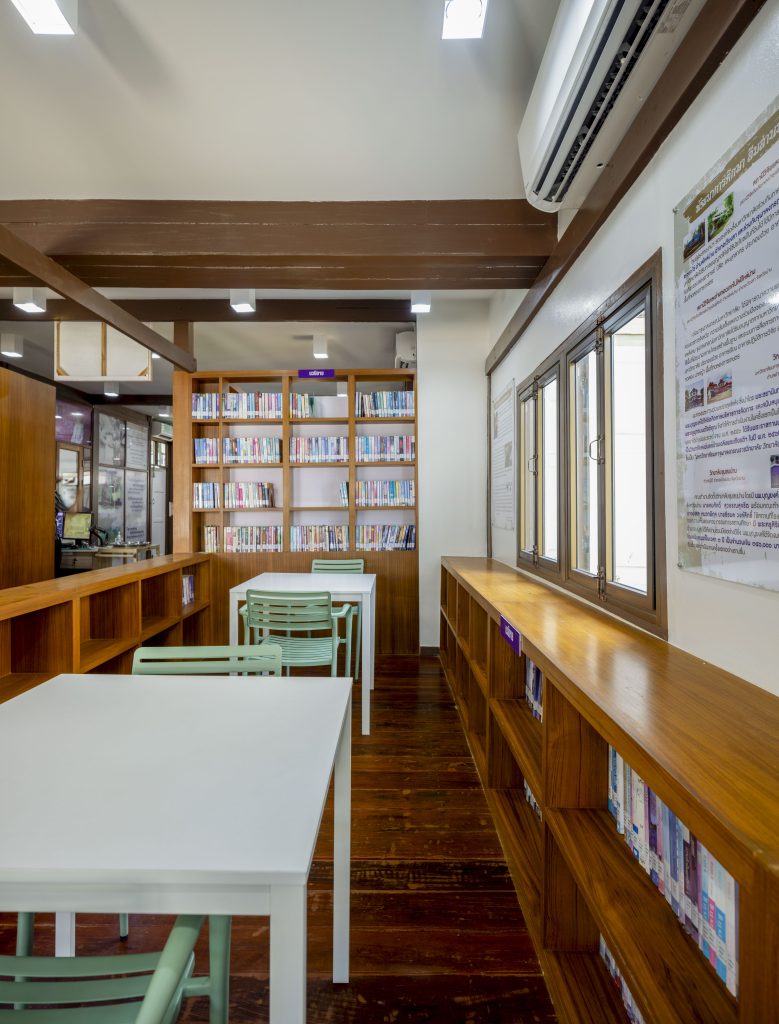
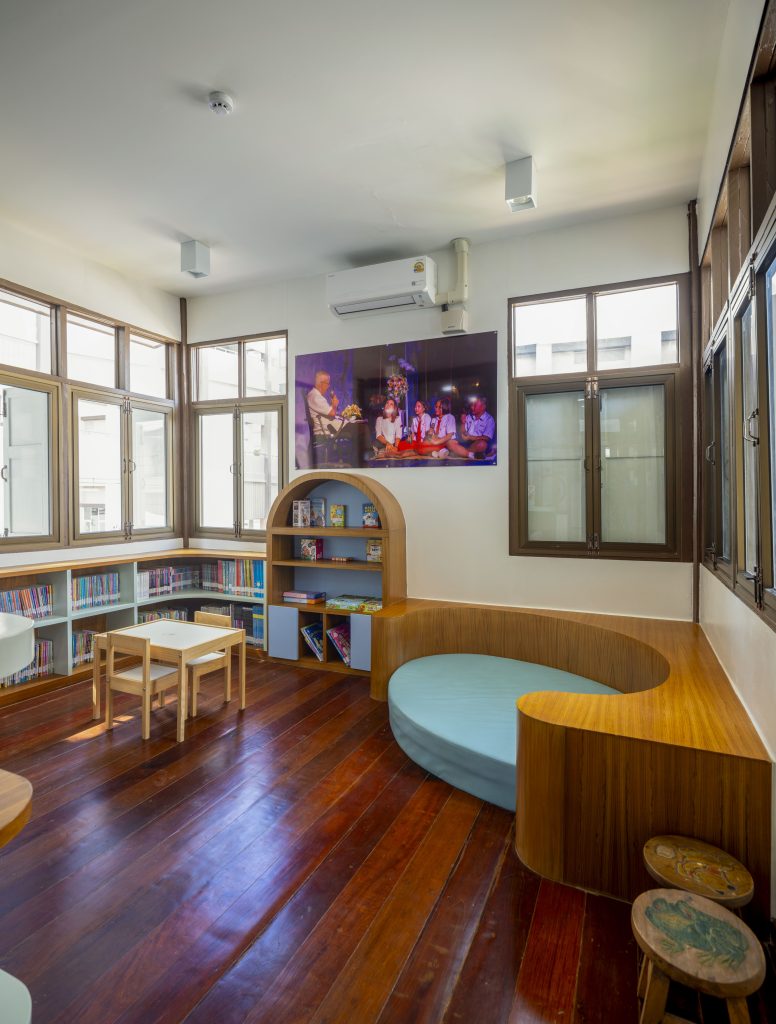
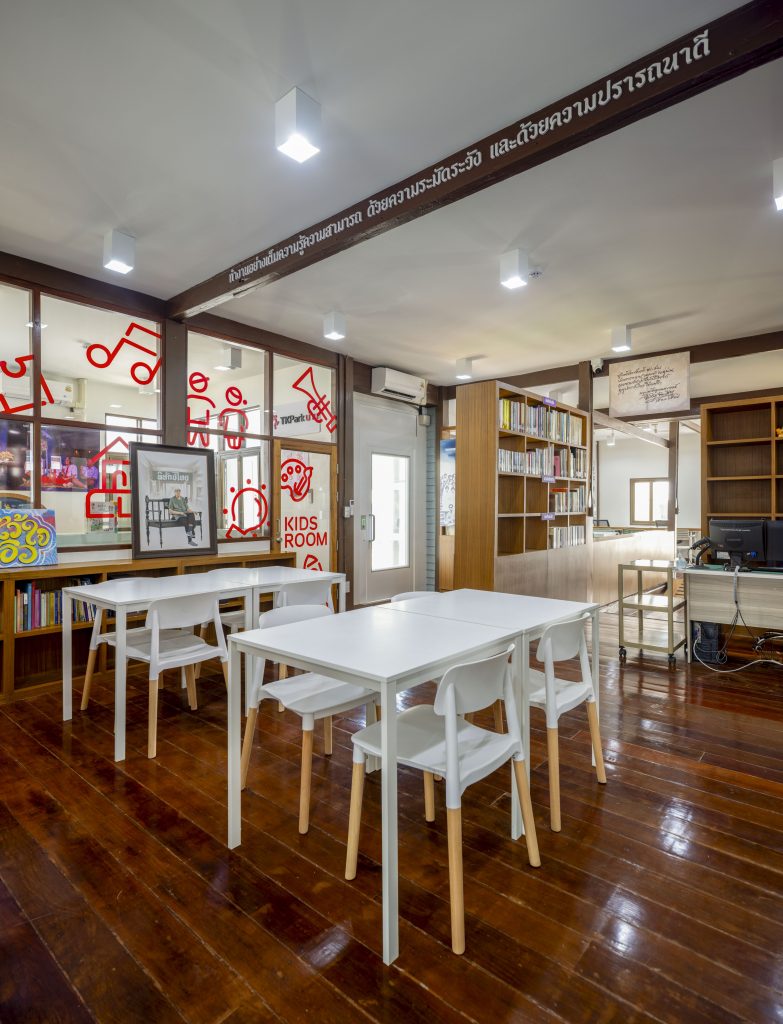
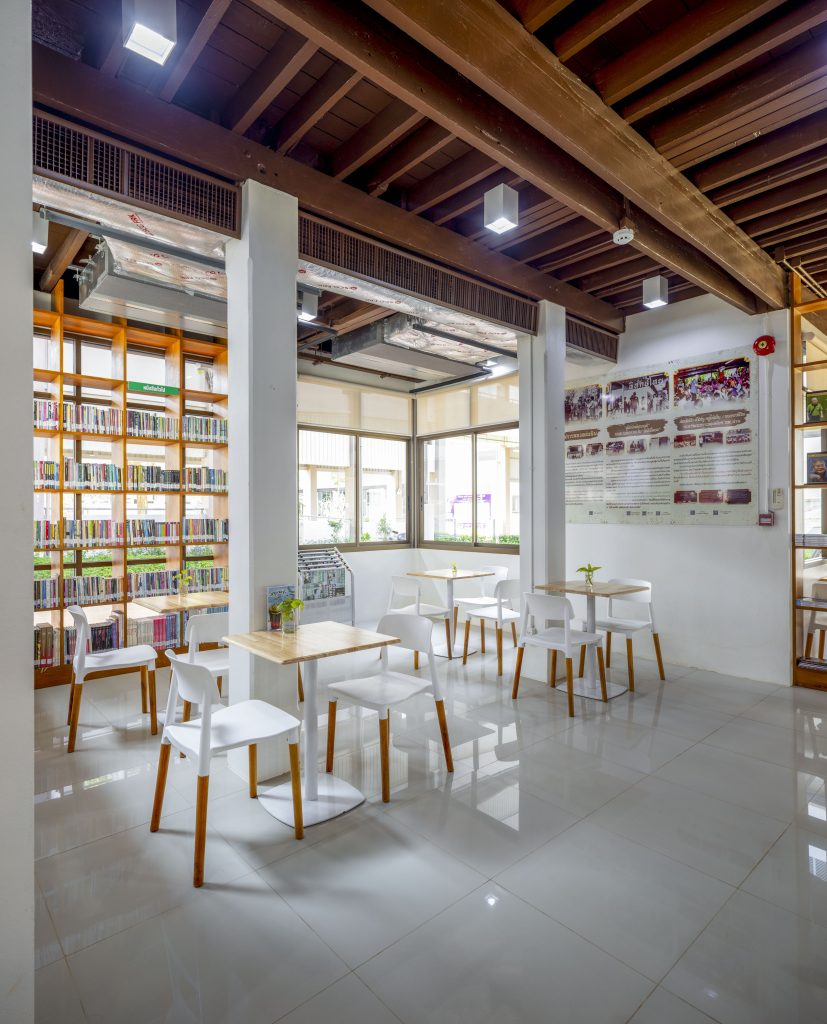
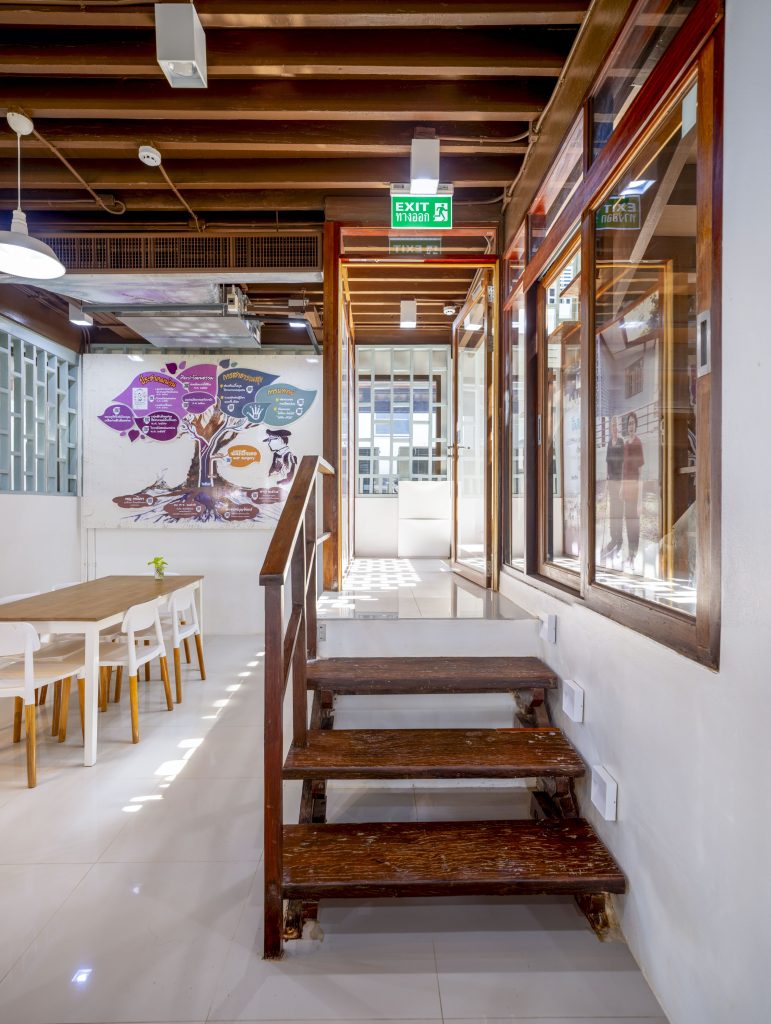
บ้านบุญยงค์บริรักษ์ สร้างขึ้นพร้อม ๆ กับการสร้างโรงพยาบาลจังหวัดน่าน เพื่อใช้เป็นบ้านพักของผู้อำนวยการโรงพยาบาล ต่อมานายแพทย์บุญยงค์ วงศ์รักมิตร ผู้อำนวยการโรงพยาบาลคนที่ 3 และครอบครัวได้ใช้อยู่อาศัยตั้งแต่พุทธศักราช 2508 จนเกษียณอายุราชการในพุทธศักราช 2537 ระหว่างพุทธศักราช 2510 – 2524 จังหวัดน่านเป็นพื้นที่สู้รบระหว่างพรรคอมมิวนิสต์แห่งประเทศไทยกับรัฐบาลในขณะนั้น ส่งผลให้มีทหาร ตำรวจ และอาสาสมัครบาดเจ็บเป็นจำนวนมาก และถูกส่งตัวมารักษาที่โรงพยาบาลน่าน นายแพทย์บุญยงค์ วงศ์รักมิตร และทีมงานได้ร่วมปฏิบัติภารกิจอย่างหนักทั้งกลางวันและกลางคืน บ้านพักหลังนี้จึงทำหน้าที่หลากหลายมากกว่าเป็นบ้านพักของผู้อำนวยการโรงพยาบาลอย่างเดียวจนเกิดเป็นความผูกพันต่อสถานที่แก่ทุกผู้คนที่ร่วมสมัยในเวลานั้น รวมทั้งนายแพทย์บุญยงค์ วงศ์รักมิตร ที่ยังคงแวะเวียนมาที่บ้านหลังนี้จนท่านถึงแก่อนิจกรรมในพุทธศักราช 2567 หลังจากนั้น โรงพยาบาลจังหวัดน่านเริ่มดำเนินการปรับปรุงฟื้นฟูอาคารจนแล้วเสร็จและเปิดใช้ในพุทธศักราช 2568 โดยพื้นที่ชั้นล่างเป็นร้านกาแฟ และพื้นที่รองรับบุคลากรทางการแพทย์ พื้นที่ชั้นเป็นห้องจัดแสดงนิทรรศการประวัติโรงพยาบาลจังหวัดน่านและนายแพทย์บุญยงค์ ห้องสมุด พื้นที่สื่ออิเล็กทรอนิกส์ ห้องสมุดเด็ก พื้นที่ทำงานอเนกประสงค์ และห้องทำงานบุคลากร
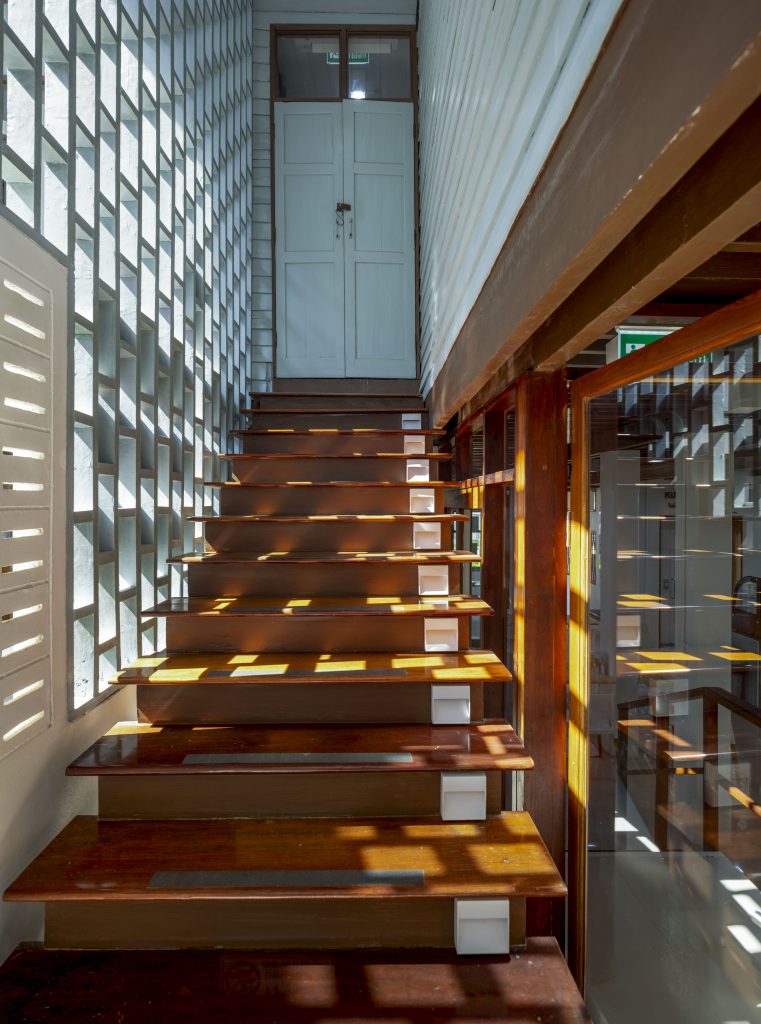
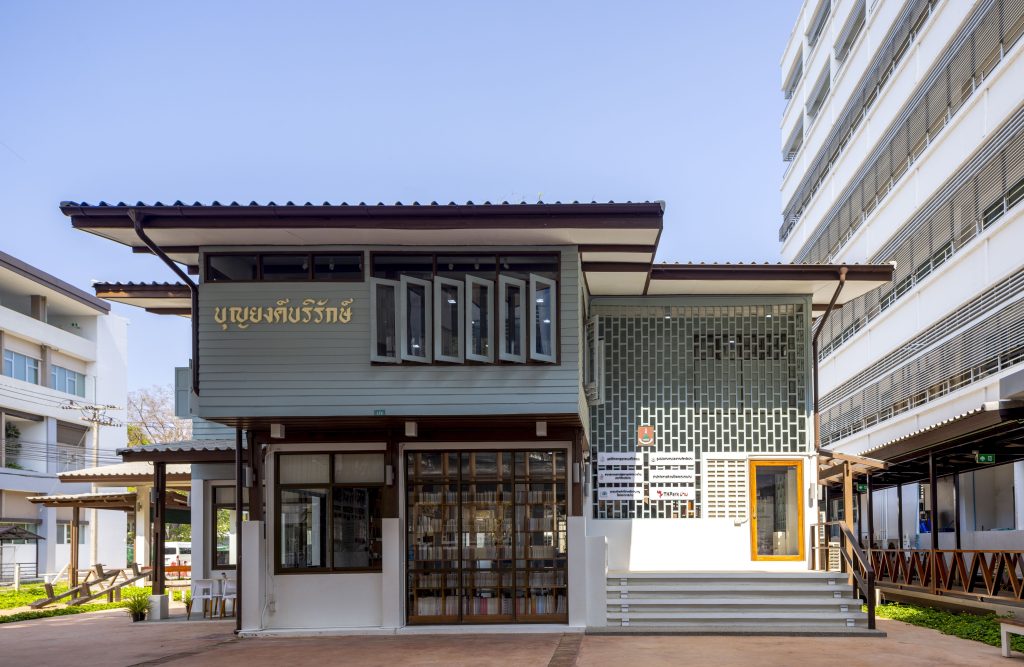
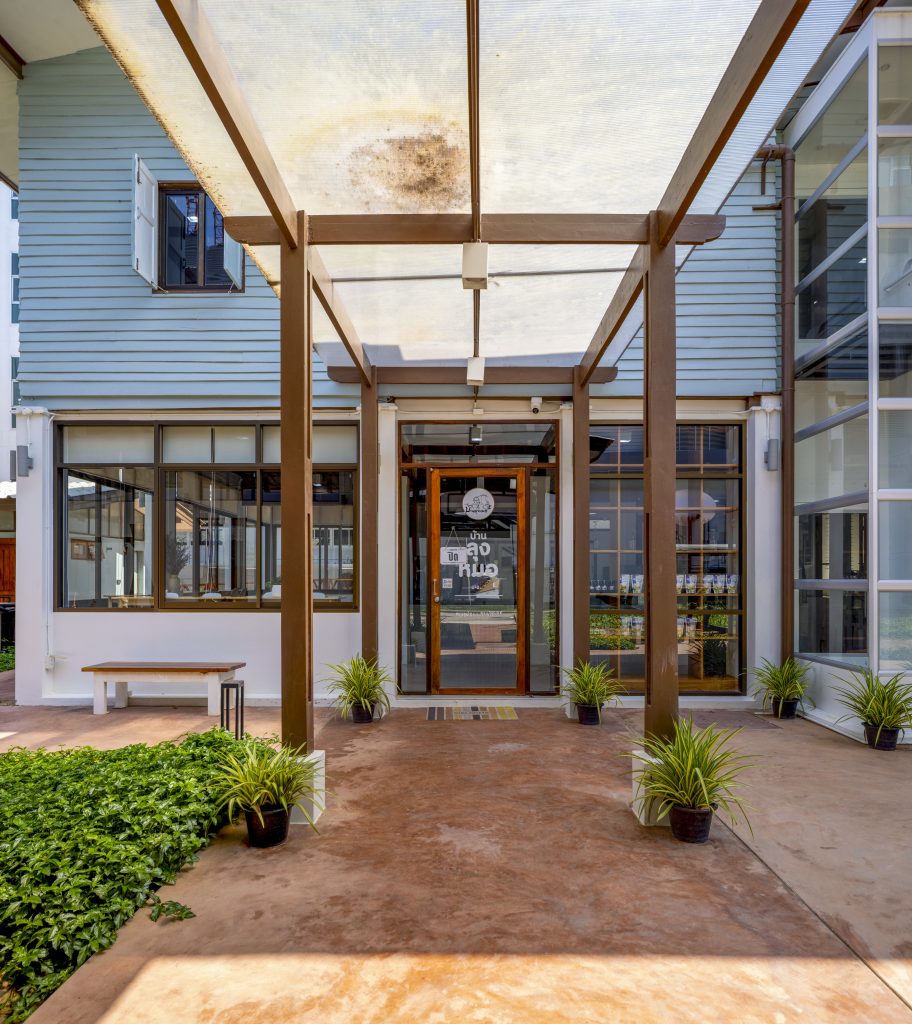
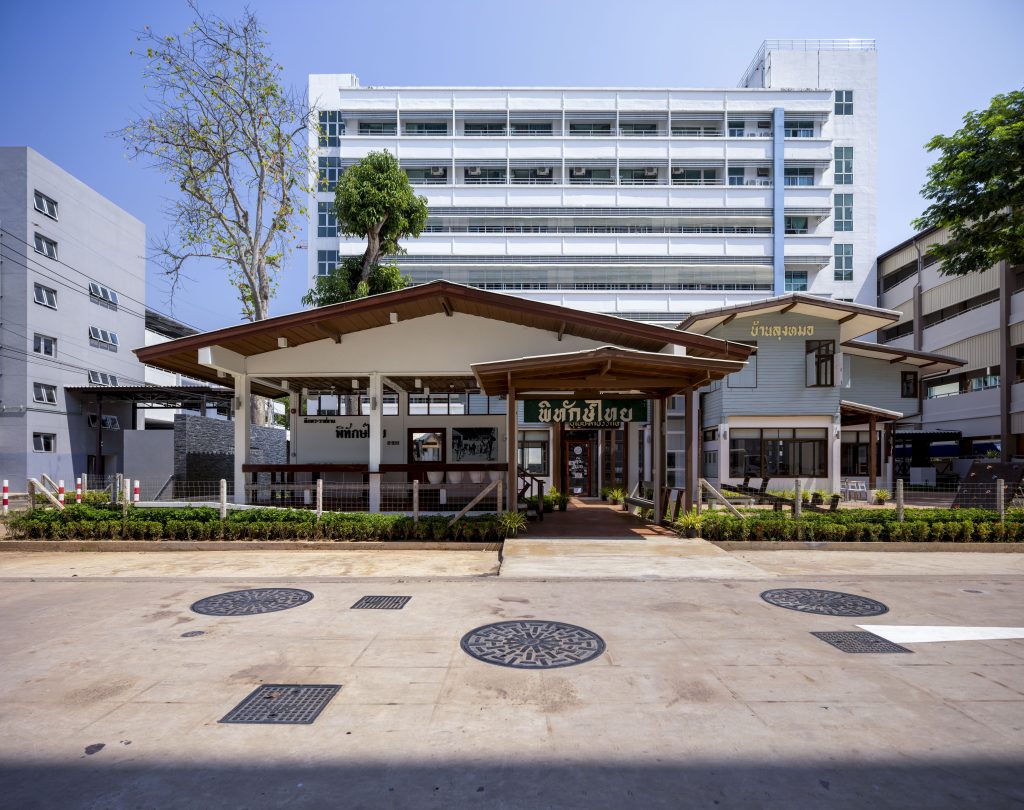
บ้านบุญยงค์บริรักษ์ เมื่อแรกสร้างเป็นเรือนไม้ชั้นเดียวยกใต้ถุนสูง ต่อมามีการกั้นผนังชั้นใต้เพื่อเพิ่มพื้นที่ใช้สอย ทำด้วยไม้ประดู่ป่าเป็นส่วนมากทั้งเสาชั้นสอง คาน ตง พื้น โครงสร้างหลังคารวมทั้งฝาผนัง ส่วนประตูและหน้าต่างทำจากไม้สัก โครงสร้างเสาชั้นล่างและฐานรากทำด้วยคอนกรีตเสริมเหล็ก ผังเรือนแบ่งเป็น 4 ช่วงประกอบด้วยห้องโถงด้านหน้า และห้องนอน ชานกลางบ้าน (อยู่ใต้หลังคา) ห้องครัว และชานหลังบ้าน หลังคามุงด้วยกระเบื้องลูกฟูก ในการปรับปรุงฟื้นฟูอาคารมีการยกระดับพื้นอาคารขึ้น 1.45 เมตร จากระดับพื้นเดิม รื้อถอนโครงสร้างคอนกรีตเสริมเหล็กชั้นล่างออกทั้งหมด และจัดทำโครงสร้างฐานราก คานคอดิน และเสาชั้นล่างกลับเข้าไปใหม่ โดยออกแบบรองรับน้ำหนักเชิงอาคารสาธารณะ เปลี่ยนวัสดุมุงหลังคา ซ่อมแซมโครงสร้างไม้ที่ชำรุดทรุดโทรม ลอกสีอาคารเดิมออกและทาสีน้ำมันใหม่ รื้อถอนโครงสร้างบางส่วนที่ถูกต่อเติมขึ้นมาภายหลัง ก่อสร้างผนังอิฐ และปรับเปลี่ยนช่องประตูหน้าต่างเป็นบานอะลูมิเนียมโดยยังคงสภาพรูปแบบภายนอกของอาคารเดิม ด้านหน้าบ้านบุญยงค์บริรักษ์มีการสร้างอาคารจำลอง “พิทักษ์ไทย” เดิมเป็นตึกผู้ป่วยอยู่ในพื้นที่โรงพยาบาล และเป็นอาคารที่สร้างจากเงินพระราชทานส่วนพระองค์ในหลวง รัชกาลที่ 9 ให้กับคุณหมอบุญยงค์ในพุทธศักราช 2512 พื้นที่โดยรอบอาคารปรับเปลี่ยนเป็นสนามเด็กเล่น และลานอเนกประสงค์สำหรับจัดกิจกรรม ช่วยให้สภาพแวดล้อมภายในโรงพยาบาลมีชีวิตชีวามากขึ้น
บ้านบุญยงค์บริรักษ์ เป็นตัวอย่างของการปรับปรุงฟื้นฟูอาคารตามหลักวิชาการตั้งแต่การบันทึกคุณค่าความสำคัญ การประเมินความแท้ และเลือกวิธีการอนุรักษ์ตามแนวคิดการปรับเปลี่ยนการใช้ประโยชน์ที่สามารถสื่อความหมายคุณค่าอาคารที่มีความสำคัญทางประวัติศาสตร์และสถาปัตยกรรมโดยการคงสภาพรูปแบบดั้งเดิมและปรับปรุงให้เหมาะสมต่อการใช้งานใหม่ รวมทั้งเป็นพื้นที่ศูนย์รวมจิตใจของบุคลากรโรงพยาบาลน่านและผู้คนภายนอกเพื่อระลึกถึงความเสียสละของนายแพทย์บุญยงค์ วงศ์รักมิตร ในการบำบัดทุกข์บำรุงสุขของชาวจังหวัดน่านทั้งในเรื่องสาธารณะสุข สังคม วัฒนธรรม และสิ่งแวดล้อมสืบไป
คำประกาศรางวัล
บ้านบุญยงค์บริรักษ์ เป็นตัวแทนอาคารที่มีคุณค่าประวัติศาสตร์ที่ยังคงอยู่ในโรงพยาบาลน่าน นอกจากคุณค่าทางประวัติศาสตร์และสถาปัตยกรรมแล้ว ยังมีคุณค่าทางสังคมและจิตใจ จากการที่อาคารเป็นอนุสรณ์สถานที่บุคลากรโรงพยาบาลน่านและผู้คนภายนอก ใช้ระลึกถึงความเสียสละของนายแพทย์บุญยงค์ วงศ์รักมิตร ผู้อำนวยการโรงพยาบาลคนที่ 3 ซึ่งท่านและครอบครัวได้ใช้อยู่อาศัยตั้งแต่พุทธศักราช 2508 จนถึง 2537 และผู้คนมีความผูกพันกับอาคารที่ได้รับการใช้สอยและดูแลรักษามาอย่างต่อเนื่อง
เรือนไม้ชั้นเดียวยกใต้ถุนสูงแบบเรียบง่ายตามแบบบ้านพักข้าราชการ ได้รับการอนุรักษ์และปรับการใช้สอยผ่านกระบวนการเก็บบันทึกข้อมูล การประเมินคุณค่า และการประเมินสภาพอย่างครบถ้วน การปรับปรุงประกอบด้วยการยกระดับพื้นอาคาร รื้อถอนส่วนต่อเติมบางส่วน และเสริมโครงสร้างเพื่อรอบรับการใช้สอยใหม่เป็นอาคารสาธารณะ นอกจากนี้ ยังพยายามเก็บรูปทรงภายนอกอาคารไว้ แม้จะมีการปรับใช้วัสดุใหม่ ภายหลังการอนุรักษ์ อาคารสามารถรองรับการจัดกิจกรรมต่าง ๆ และเชื่อมโยงการใช้ไปยังพื้นที่สนามเด็กเล่นและลานอเนกประสงค์ รวมถึงอาคารจำลอง “พิทักษ์ไทย” ซึ่งเป็นอาคารผู้ป่วยที่ก่อสร้างขึ้นจากเงินพระราชทานส่วนพระองค์ในพระบาทสมเด็จพระเจ้าอยู่หัวรัชกาลที่ 9 เพื่อพระราชทานแก่คุณหมอบุญยงค์ อย่างไรก็ตาม การสร้างอาคารและลานดังกล่าวจำเป็นต้องตั้งอยู่ในพื้นที่ว่างด้านหน้าบ้านบุญยงค์บริรักษ์ ส่งผลให้มุมมองสู่อาคารค่อนข้างจำกัด
ด้วยคุณค่าทางสถาปัตยกรรมและการอนุรักษ์ที่ดี บ้านบุญยงค์บริรักษ์จึงเป็นตัวอย่างสำคัญของการอนุรักษ์อาคารที่มีคุณค่า อันเกิดขึ้นจากร่วมมือของประชาชนชาวน่าน สมควรได้รับรางวัลอนุรักษ์ศิลปสถาปัตยกรรม
The Boonyong Borirak House
- Location: 1 Worawichai Road, Nai Wiang Sub-district, Mueang District, Nan Province
- Architect / Designer: Unattribute
- Conservation Architect: Northforest Studio Company Limited
- Custodian: Nan Hospital
- Date of Construction: 1954
- Conservation Awarded Date: 2026
- Category: Architectural and community heritage conservation projects
- Level: Award of Distinction
Building Information
The Boonyong Borirak House was constructed simultaneously with theestablishment of Nan Hospital, to serve as the official residence for the hospital director. From 1965 onwards, the third director of the hospital, Dr Boonyong Wongrakmit, and his family resided in the house until his retirement from civil service in 1994. Between 1967 and 1981, Nan Province was a theatre of armed conflict between the Communist Party of Thailand and the government, resulting in large numbers of wounded soldiers, police officers, and volunteers being brought to Nan Hospital for treatment. Dr Boonyong Wongrakmit and his medical team worked throughout day and night; the house therefore served a wider purpose than simply being the director’s residence. In consequence, the building acquired a profound significance for all who lived through that period, including Dr Boonyong Wongrakmit himself, who continued to visit until his passing in 2024. Thereafter, Nan Hospital commenced a rehabilitation project, which was completed and the building opened to the public in 2025. The ground floor now accommodates a café and welfare facilities for medical personnel, while the upper floor houses an exhibition on the history of Nan Hospital and the life of Dr Boonyong, alongside a library, an electronic media area, a children’s library, a multipurpose workspace, and staff offices.
In its original form, the Boonyong Borirak House was a single-storey timber dwelling raised upon an elevated understorey. The lower level was later enclosed to provide additional usable space. The structure is constructed predominantly of Burmese rosewood, including the upper-storey columns, beams, joists, flooring, roof framework, and wall cladding, while the doors and windows are of teak. The lower-storey columns and foundations are of reinforced concrete. The plan is organised into four distinct zones: the front hall and bedroom; a central terrace situated beneath the roof; the kitchen; and a rear terrace. The roof is clad with corrugated tiles. During the rehabilitation works, the floor level of the building was raised by 1.45 metres from its original elevation. The existing reinforced concrete structure of the lower storey was entirely dismantled and reconstructed with new foundations, ground beams, and lower-storey columns, engineered to meet the loading requirements of a public building. The roofing material was replaced, deteriorated timber members were repaired, the original paintwork was stripped and repainted with new oil-based paint, and later accretions were selectively removed. Brick infill walls were introduced, and the door and window openings were fitted with new aluminium frames, while retaining the external character of the original building. In front of Baan Boonyong Borirak, a replica of the Phitak Thai Building has been constructed. The original Phitak Thai was a ward building within the hospital grounds, funded by His Majesty King Rama IX’s personal donation to Dr Boonyong in 1969. The surrounding area has been redeveloped to include a children’s playground and a multipurpose open court for public activities, bringing new vitality to the hospital environment.
The Boonyong Borirak House represents an exemplary case of scholarly building rehabilitation, executed in accordance with rigorous conservation methodology, from the documentation of cultural significance and the assessment of authenticity, through to the selection of a conservation strategy founded on the principle of adaptive reuse. The approach has effectively communicated the historical and architectural values of the building by preserving its original character while adapting it for new and appropriate uses. The building further serves as a place of remembrance for the staff of Nan Hospital and the wider community, commemorating the lifelong dedication of Dr Boonyong Wongrakmit to the welfare of the people of Nan Province, across the spheres of public health, society, culture, and the environment.
Award Announcement
Boonyong Borirak House is a representative historic building that still remains within Nan Hospital. In addition to its historical and architectural significance, the building also holds social and emotional value, as it serves as a memorial through which hospital staff and the general public commemorate the dedication and sacrifice of Dr. Bunyong Wongrakmit, the third director of the hospital. Dr. Boonyong and his family resided in the house from 1965 to 1994, and the building has remained closely connected to the community through its continuous use and maintenance over the years.
The simple elevated single-storey wooden house, designed in the style of a traditional government officer’s residence, was conserved and adaptively reused through a comprehensive process of documentation, value assessment, and condition evaluation. The renovation included raising the floor level, removing certain later additions, and reinforcing the structure to support its new function as a public building. At the same time, efforts were made to preserve the original external appearance of the house, despite the introduction of some new materials.
Following the conservation project, the building became capable of accommodating various public activities and was integrated with adjacent facilities, including a children’s playground, a multipurpose courtyard, and the replica building “Pitak Thai,” a patient ward constructed with royal funds graciously granted by His Majesty King Rama IX for Dr. Bunyong. However, the construction of these additional buildings and open spaces within the front area of Boonyong Borirak House has resulted in somewhat limited views toward the house itself.
With its architectural significance and well-executed conservation approach, Boonyong Borirak House stands as an important example of heritage building conservation achieved through the cooperation of the people of Nan Province, and is therefore worthy of receiving an architectural conservation award.
บ้านบุณยัษฐิติ
อ่านเพิ่มเติม
บ้านบุณยัษฐิติ
- ที่ตั้ง: เลขที่ 148 ถนนสุขาภิบาล อำเภอเมือง จังหวัดจันทบุรี
- สถาปนิก/ผู้ออกแบบ: ไม่ปรากฏชื่อผู้ออกแบบ
- สถาปนิกอนุรักษ์: บริษัท สถาปนิกชุมชนและสิ่งแวดล้อม อาศรมศิลป์ จำกัด
- ผู้ครอบครอง: ผู้ช่วยศาสตราจารย์กนิช บุณยัษฐิติ
- ปีที่สร้าง: ไม่ปรากฏปีที่สร้าง สันนิษฐานว่าอาคารมีอายุกว่า 150 ปี
- ปีที่ได้รับรางวัล พ.ศ. 2569
- ประเภท งานอนุรักษ์มรดกทางสถาปัตยกรรมและชุมชน
- ระดับ ดีมาก
ข้อมูลอาคาร
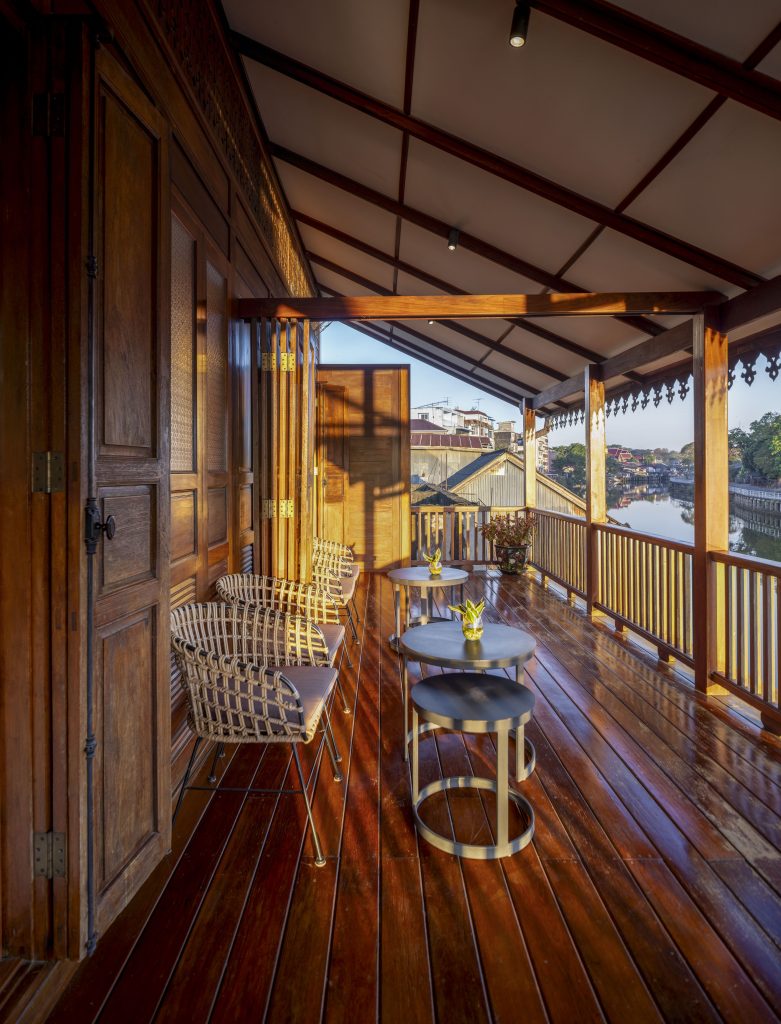
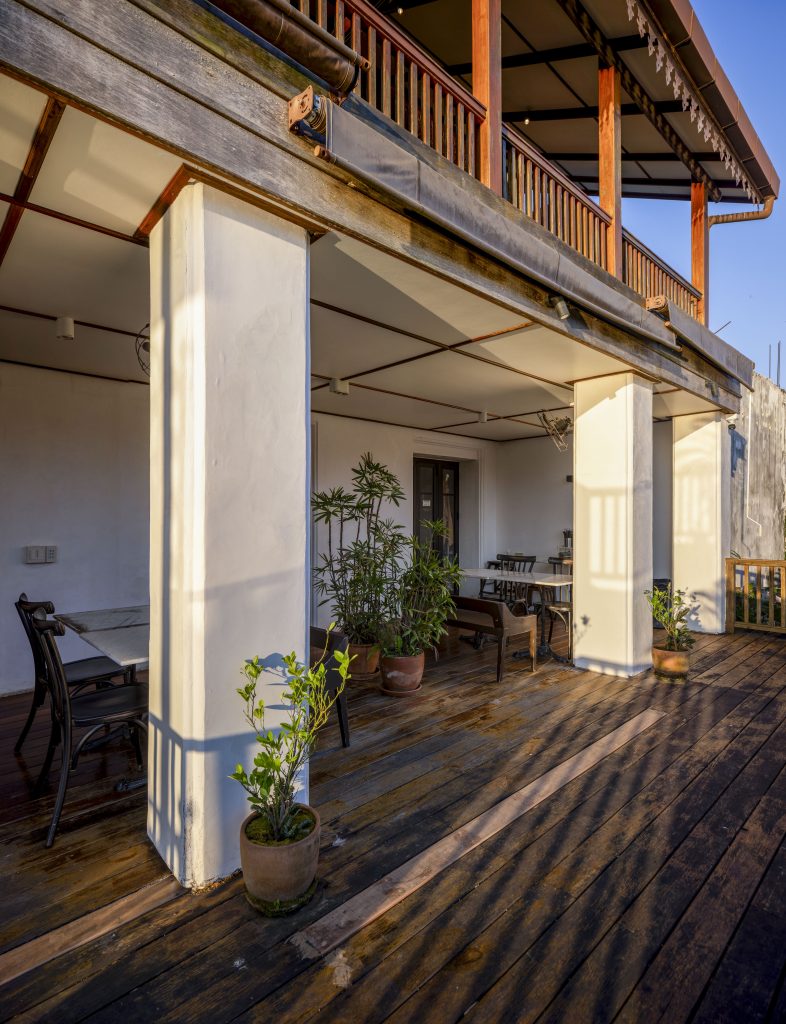
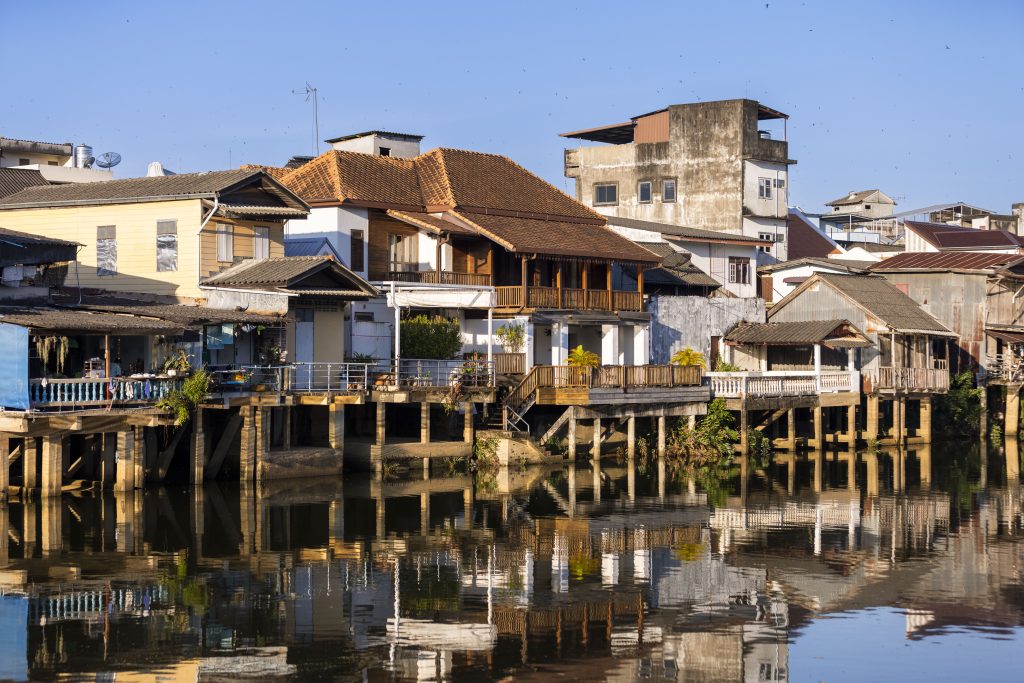
บ้านบุณยัษฐิติ ตั้งอยู่ในย่านตลาดล่าง ชุมชนริมน้ำจันทบูร ซึ่งเป็นชุมชนเก่าแก่ที่มีประวัติการตั้งถิ่นฐานมาตั้งแต่ปลายสมัยอยุธยา และพัฒนาสืบเนื่องมาจนถึงปัจจุบัน โดยริมแม่น้ำจันทบุรีซึ่งมีทำเลเหมาะสมต่อการคมนาคมและการค้าทำให้พื้นที่แห่งนี้กลายเป็นศูนย์กลางทางเศรษฐกิจที่สำคัญของจังหวัดในอดีต การติดต่อค้าขายส่งผลให้เกิดการผสมผสานทางวัฒนธรรมระหว่างคนไทย คนจีน และคนญวน จนเกิดเอกลักษณ์เฉพาะของชุมชน ทั้งด้านวิถีชีวิต สถาปัตยกรรม ประเพณี และยังเป็นสถานที่ที่พระบาทสมเด็จพระจุลจอมเกล้าเจ้าอยู่หัว รัชกาลที่ 5 เคยเสด็จประพาสหลายครั้ง ในอดีตพื้นที่อาคารส่วนหน้าของบ้านใช้เป็นสถานที่รับแขก โดยชั้นล่างเป็นโถงรับแขกและพื้นที่ทำกิจกรรมในชีวิตประจำวัน ชั้นสองเป็นห้องพักของสมาชิกในครอบครัว ส่วนชั้นสามใช้เป็นห้องรับแขกและสถานที่สูบฝิ่นซึ่งเป็นเรื่องปกติในสมัยนั้น อาคารส่วนหลังของบ้านซึ่งติดแม่น้ำจันทบุรีใช้รับรองแขกบ้านแขกเมือง รวมทั้งเป็นพื้นที่ทำกิจกรรมริมแม่น้ำของคนในครอบครัว พื้นที่ระหว่างอาคารส่วนหน้าและส่วนหลังเป็นช่องเปิดโล่งภายใน (Open Inner Court) ด้วยอาคารมีอายุและการใช้งานที่ยาวนานทำให้โครงสร้างและองค์ประกอบทางสถาปัตยกรรมมีสภาพทรุดโทรม เจ้าของบ้านซึ่งเป็นทายาทตระกูลบุณยัษฐิติจึงดำเนินการ ปรับปรุงฟื้นฟูบ้านของต้นตระกูลด้วยความกตัญญูที่มีต่อบรรพบุรุษ ช่วยสืบสานภูมิปัญญาเชิงช่างโบราณให้เป็นความรู้แก่คนรุ่นหลังและหวังให้เป็นโครงการต้นแบบที่สร้างแรงบันดาลใจของการทำงานร่วมกันระหว่างเจ้าของบ้านและคนในชุมชน โดยการปรับปรุงฟื้นฟูเริ่มต้นในพุทธศักราช 2559 แล้วเสร็จในพุทธศักราช 2563 ปัจจุบันส่วนหน้าของบ้านเป็นส่วนต้อนรับและพิพิธภัณฑ์ และส่วนหลังของบ้านเป็นโรงแรมขนาดเล็ก มีห้องพักจำนวน 5 ห้อง โดยเจ้าของบ้านได้ให้ บริษัท จันทบูรรักษ์ดี จำกัด ซึ่งเป็นองค์กรกิจการเพื่อสังคม (Social Enterprise) ที่มีชาวชุมชนเป็นผู้ถือหุ้นร่วมกันเข้ามาบริหารโครงการ โดยเจ้าของบ้านไม่ได้มีจุดประสงค์ในการแสวงหากำไรจากโครงการนี้เป็นที่ตั้ง
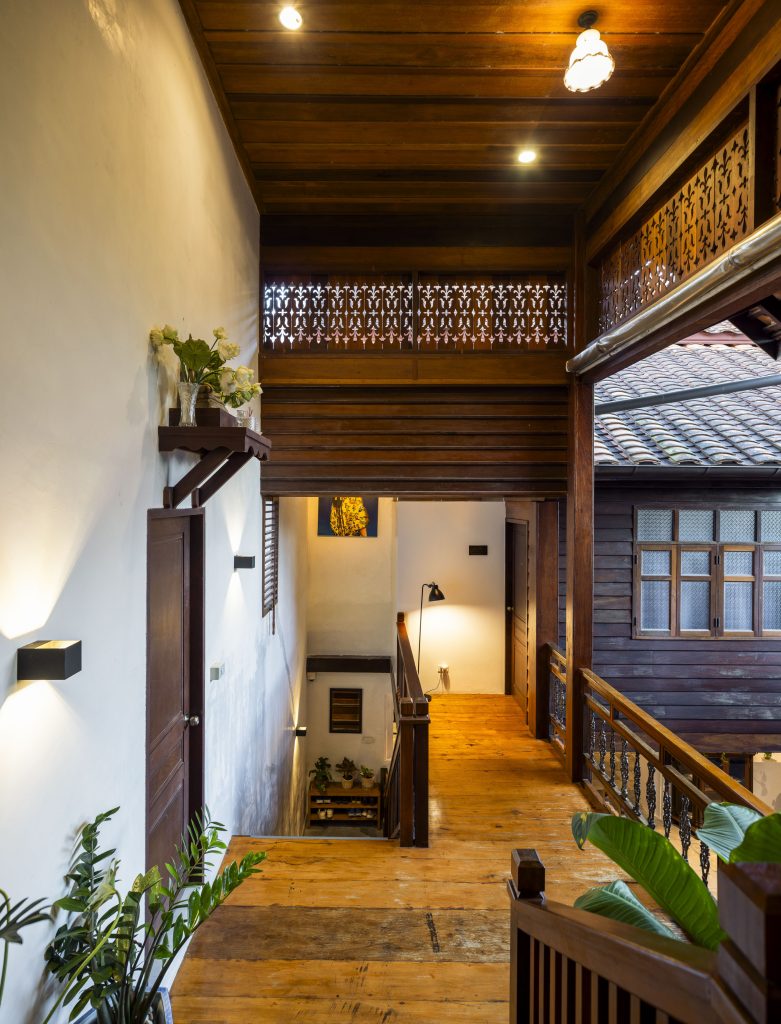
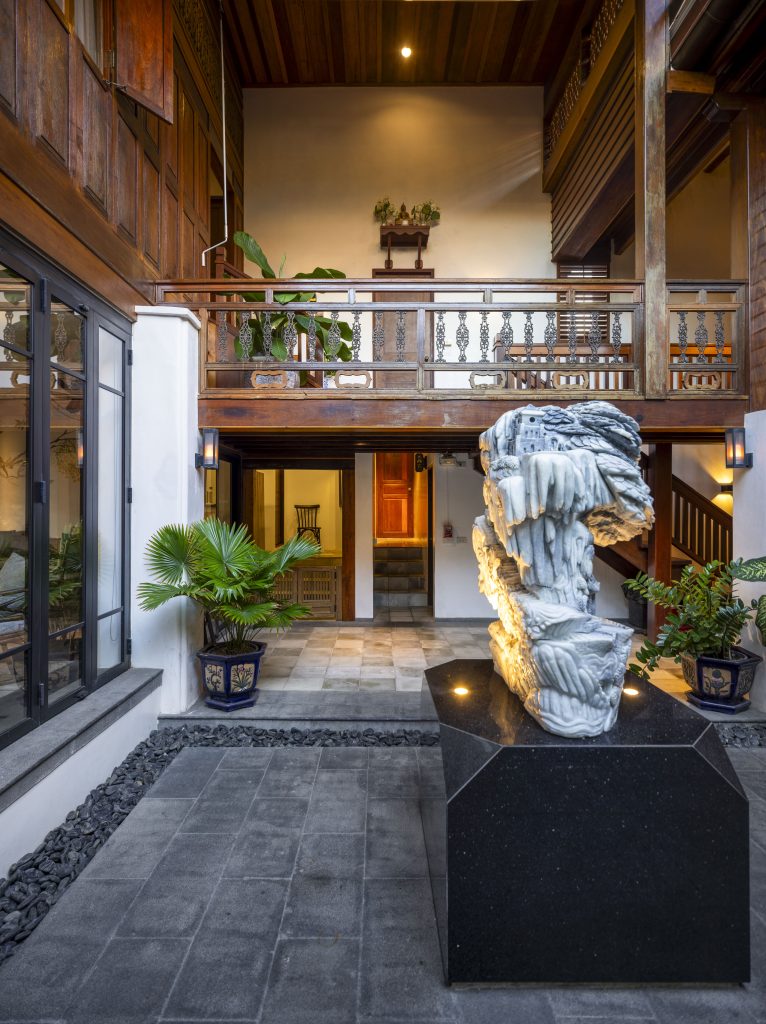
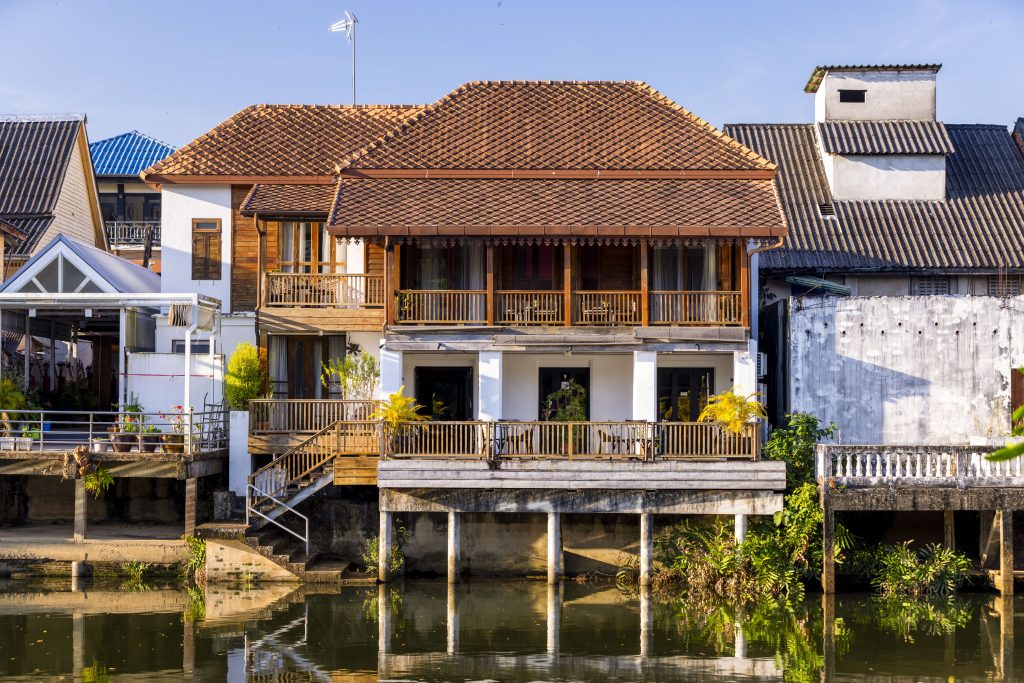
บ้านบุณยัษฐิติ มีรูปแบบสถาปัตยกรรมผสมผสานระหว่างจีน ไทย และตะวันตก โครงสร้างหลักของบ้านเป็นกำแพงรับน้ำหนัก ใช้ผนังบ้านก่อด้วยอิฐบนเสาเข็มไม้เป็นตัวรับน้ำหนักพื้นและหลังคา โครงสร้างรับพื้นไม้ชั้นสอง และชั้นสามเป็นโครงสร้างตงและคานไม้ขนาดใหญ่รับพื้น จุดเด่นอยู่ที่กระเบื้องมุงหลังคาเป็นกระเบื้องดินเผาหงาย – คว่ำครอบซ้อนกันเป็นแนว แบบชนิดที่มีความโค้งมนน้อย ภายในอาคารส่วนหน้ามีชั้นลอยที่ประดับด้วยลูกกรงเหล็กหล่อและโครงสร้างที่มีรูปแบบเฉพาะตัว บนชั้นลอยมีโต๊ะบูชาสิ่งศักดิ์สิทธิ์ตามคติจีนและภาพถ่ายของหลวงเสนาราชภักดีศรีสงครามซึ่งเป็นบุคคลสำคัญของตระกูล มีการประดับบัวปูนปั้นลวดลายเรียบง่ายแต่มีความประณีตอยู่ตามบริเวณกรอบประตู หน้าต่าง และสันหลังคา หลังคาอาคารส่วนหลังทรงปั้นหยามีชายคายื่นยาวคลุมระเบียงริมน้ำชั้นสอง ชายคาบ้านตกแต่งด้วยแผ่นสังกะสีรุ่นแรกที่ฉลุลวดลายแบบไทยใหญ่ ช่องลมประดับด้วยเหล็กหล่อและไม้แกะสลักลวดลายแบบฝรั่งเศส
บ้านบุณยัษฐิติ เป็นตัวอย่างของการปรับปรุงฟื้นฟูอาคารประวัติศาสตร์ตามหลักวิชาการตั้งแต่การศึกษาประวัติศาสตร์ความเป็นมา การสำรวจสภาพโครงสร้าง การบันทึกองค์ประกอบสถาปัตยกรรมอย่างละเอียด และการปรับเปลี่ยนการใช้สอยบางส่วนของอาคารอย่างเหมาะสมเพื่อให้สามารถใช้งานได้ในบริบทปัจจุบัน รวมทั้งการบริหารจัดการมรดกวัฒนธรรมอย่างยั่งยืนโดยกระบวนการมีส่วนร่วมของชุมชน สามารถรักษาความทรงจำของสถานที่ ถ่ายทอดคุณค่าทางวัฒนธรรม และสร้างพลังให้ชุมชนร่วมกันดูแลมรดกของเมืองเพื่อส่งต่อสู่คนรุ่นต่อไปได้อย่างน่าชื่นชม
คำประกาศรางวัล
บ้านบุณยัษฐิติเป็นสถาปัตยกรรมที่มีคุณค่าทางประวัติศาสตร์และสถาปัตยกรรม โดยมีรูปแบบผสมผสานระหว่างจีน ไทย และตะวันตก โครงสร้างกำแพงรับน้ำหนัก โครงสร้างพื้นไม้ และโครงสร้างไม้มุงกระเบื้องดินเผา ประดับบัวปูนปั้น ช่องลมและเชิงชายประดับลวดลายงดงาม อีกทั้งมีลักษณะที่ว่างภายในที่มีความเฉพาะตัวจากการจัดวางคอร์ตภายใน นอกจากนี้ อาคารมีคุณค่าทางสังคม โดยตั้งอยู่ในย่านตลาดล่าง ชุมชนริมน้ำจันทบูร จึงเป็นอาคารที่มีความสำคัญต่อความทรงจำร่วม และสะท้อนวิถีชีวิตของคนในท้องถิ่น
โครงการอนุรักษ์บ้านบุญยัษฐิติมีความน่าสนใจจากการที่ผู้ครอบครองอาคารได้ให้บริษัท จันทบูรรักษ์ดี จำกัด องค์กรกิจการเพื่อสังคม (Social Enterprise) ซึ่งมีชาวชุมชนเป็นผู้ถือหุ้น เข้ามาบริหารโครงการ การดำเนินงานเป็นไปตามกระบวนการอนุรักษ์ โดยมีการจัดทำเอกสารทางประวัติศาสตร์และการสำรวจสภาพอาคาร เพื่อนำไปสู่การเลือกวิธีการอนุรักษ์ที่เหมาะสม ส่งผลให้อาคารยังคงรักษาองค์ประกอบที่มีคุณค่าไว้ พร้อมกับการปรับการใช้สอยเป็นพิพิธภัณฑ์และโรงแรมขนาดเล็ก โครงการนี้จึงเป็นตัวอย่างที่ดีของการอนุรักษ์อาคารที่มีคุณค่าให้ดำรงอยู่อย่างยั่งยืน
The Punyashthiti House
- Location: 148 Sukhapibal Road, Mueang District, Chanthaburi Province
- Architect / Designer: Unattribute
- Conservation Architect: Arsomsilp Community and Environmental Architect Company Limited
- Custodian: Assistant Professor Kanich Punyashthiti
- Date of Construction: Unknown; the building is estimated to be over 150 years old
- Conservation Awarded Date: 2026
- Category: Architectural and community heritage conservation projects
- Level: Award of Distinction
Building Information
The Punyashthiti House is located in the Talat Lang community of the Chanthaboon Waterfront Community, an historic settlement whose origins can be traced to the late Ayutthaya period and which continued to develop to the present day. The banks of Chanthaburi River, well suited to transport and commerce, made this area an important economic centre of the province in former times. Trading activity fostered a cultural diversity among Thai, Chinese, and Vietnamese, forming a distinctive character of the community as expressed in their way of life, architecture, and traditions. The community was also visited by His Majesty King Chulalongkorn (Rama V) on several occasions. Historically, the front block of the house served as the reception area. The ground floor functioned as a reception hall and space for daily domestic activities. The first floor accommodated family bedrooms and the second floor was used as a reception hall and for opium smoking which was a commonplace in those days. The rear block, which adjoins Chanthaburi River, was used to receive distinguished guests and served as the family’s riverside living area. Between the front and rear blocks lies an open inner court. Owing to the building’s considerable age and prolonged use, its structure and architectural elements had deteriorated significantly. The owner, a descendant of the Punyashthiti family, undertook a rehabilitation project for the gratitude to the ancestors who built the house, with the further aims of transmitting traditional building craftsmanship to future generations and of establishing an exemplary model of collaborative conservation between the owner and the local community. The rehabilitation works commenced in 2016 and were completed in 2020. The front portion of the house now serves as a reception area and museum, while the rear has been converted into a small boutique hotel with five guest rooms. The owner has entrusted the management of the project to Chanthaboon Rak Dee Company Limited, a social enterprise whose shareholders are drawn from the local community. The owner’s intention was not to seek a commercial profit from this undertaking.
The Punyashthiti House was a hybrid architectural character, blending Chinese, Thai, and Western elements. The principal structure employs load-bearing brick masonry walls raised upon timber piles, carrying the loads of both the floors and the roof. The first-floor and second-floor timber decking is supported by heavy timber joists and beams. A notable feature is the roofing, which consists of traditional terracotta pan-and-roll tiles of a shallow-curved profile, laid in alternating concave and convex courses. Within the front block, a mezzanine level is adorned with a cast-iron balustrade and a structure of distinctive character. The mezzanine houses a shrine table for the veneration of deities in the Chinese tradition, together with a photograph of Luang Sena Ratchaphakdi Sri Songkhram, a significant person of the family, and the executed stucco mouldings embellish the door surrounds, window surrounds, and the roof ridge. The rear block is capped by a hipped roof with deep projecting eaves sheltering the first-floor riverside verandah. The eaves are dressed with zinc sheet lambrequins in the Tai Yai decorative style, while the ventilation panels are fitted with cast-iron fretwork and carved timber ornament in the French manner.
The Punyashthiti House represents an example of the scholarly rehabilitation of an historic building, consisting of historical research, structural survey, detailed documentation of architectural elements, and the building adaptation for contemporary use. It further supports sustainable cultural heritage management through a participatory community process. The project has successfully safeguarded the memory of the place, conveyed its cultural values, and empowered the community to care collectively for their community’s heritage and to pass it on to future generations.
Award Announcement
Punyasthiti House is an architecturally and historically significant building that reflects a unique blend of Chinese, Thai, and Western architectural styles. The structure features load-bearing walls, wooden floor structures, and timber roof framing covered with clay tiles. Decorative stucco moldings, beautifully patterned ventilation panels, and intricately designed eaves further enhance its architectural character. The building also possesses a distinctive interior spatial quality through the arrangement of internal courtyards. In addition, the house holds social significance due to its location in the Talat Lang area within the Chanthaboon Waterfront Community, making it an important part of the collective memory and local way of life.
The conservation project of Punyasthiti House is particularly notable because the building owner entrusted the management of the project to Chanthaboon Rakdee Co., Ltd., a social enterprise in which members of the local community are shareholders. The project was carried out in accordance with conservation principles, beginning with historical documentation and a thorough building condition survey in order to determine appropriate conservation methods. As a result, the building has retained its valuable original elements while being adaptively reused as a museum and boutique hotel. This project therefore serves as an excellent example of the sustainable conservation of a heritage building.
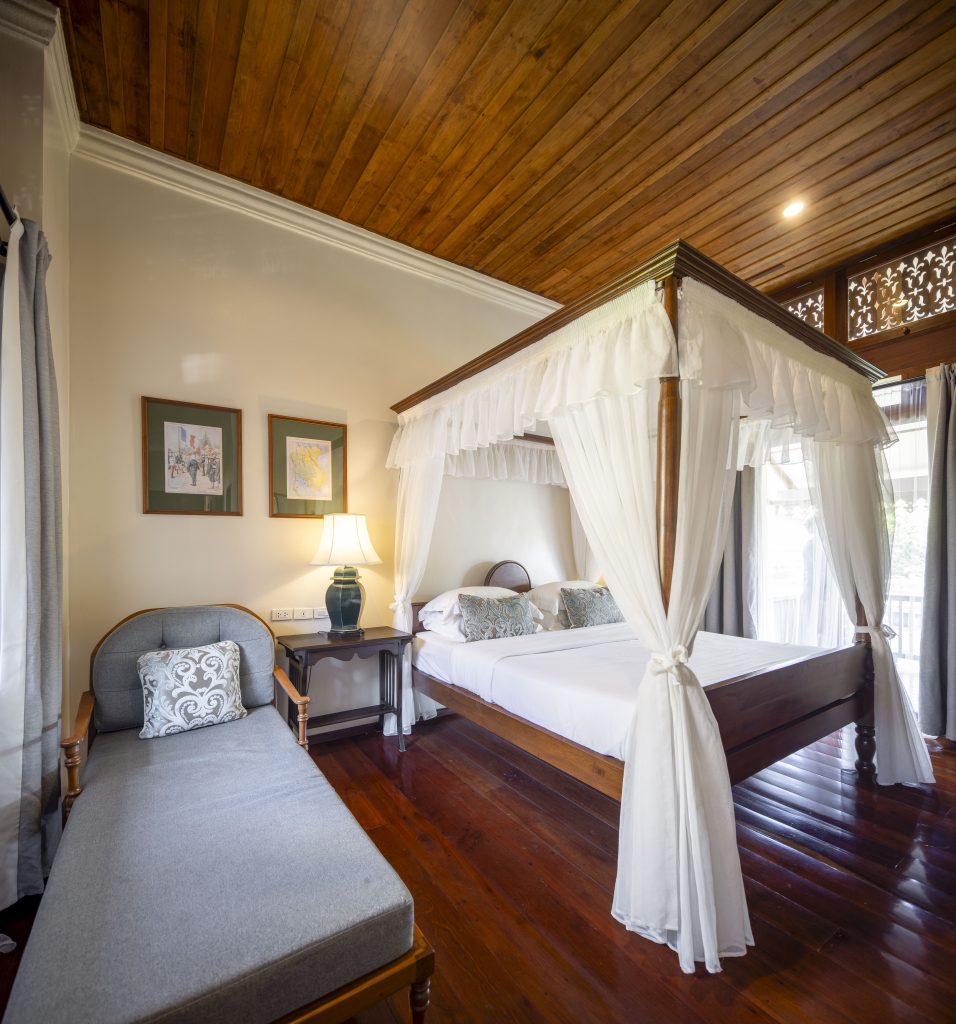
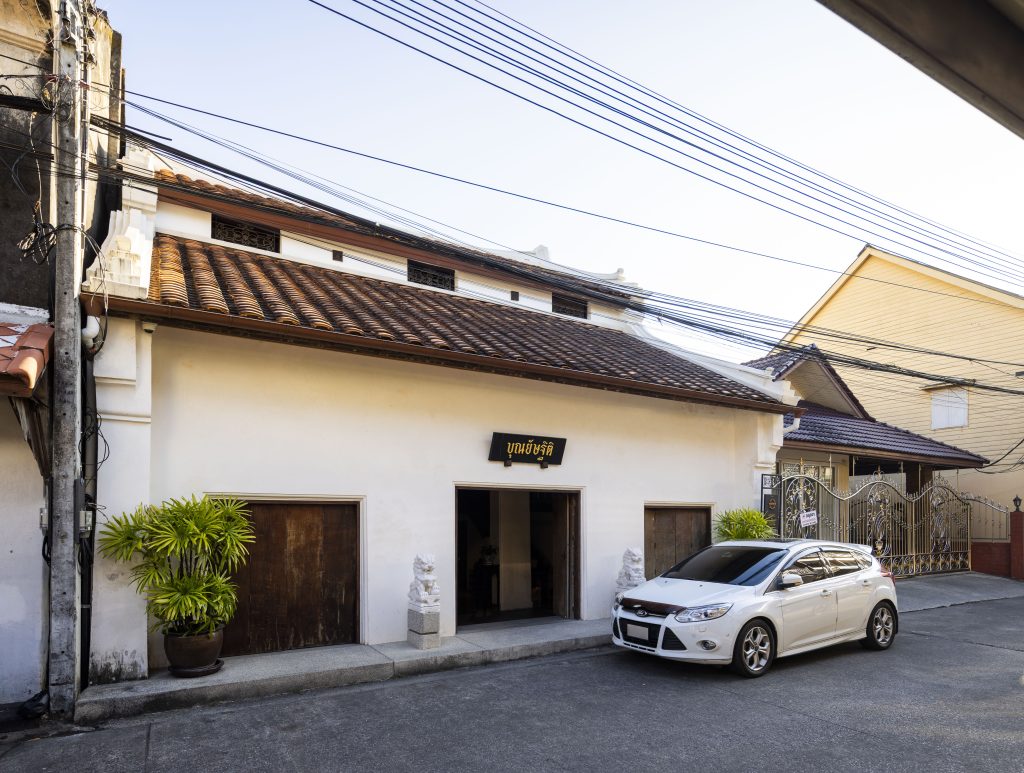
อาคารศูนย์เรียนรู้การป่าไม้ สวนรุกขชาติเชตวัน จังหวัดแพร่ (บ้านเขียว)
อ่านเพิ่มเติม
อาคารศูนย์เรียนรู้การป่าไม้ สวนรุกขชาติเชตวัน จังหวัดแพร่ (บ้านเขียว)
- ที่ตั้ง: เลขที่ 87 ถนนเชตะวัน ตำบลในเวียง อำเภอเมือง จังหวัดแพร่
- สถาปนิก/ผู้ออกแบบ: ไม่ปรากฏชื่อผู้ออกแบบ
- สถาปนิกอนุรักษ์: กรมศิลปากร
- ผู้ครอบครอง: สวนรุกขชาติเชตวัน สังกัดกรมอุทยานแห่งชาติ สัตว์ป่า และพันธุ์พืช
- ปีที่สร้าง: พุทธศักราช 2444
- ปีที่ได้รับรางวัล พ.ศ. 2569
- ประเภท งานอนุรักษ์มรดกทางสถาปัตยกรรมและชุมชน
- ระดับ ดีมาก
ข้อมูลอาคาร
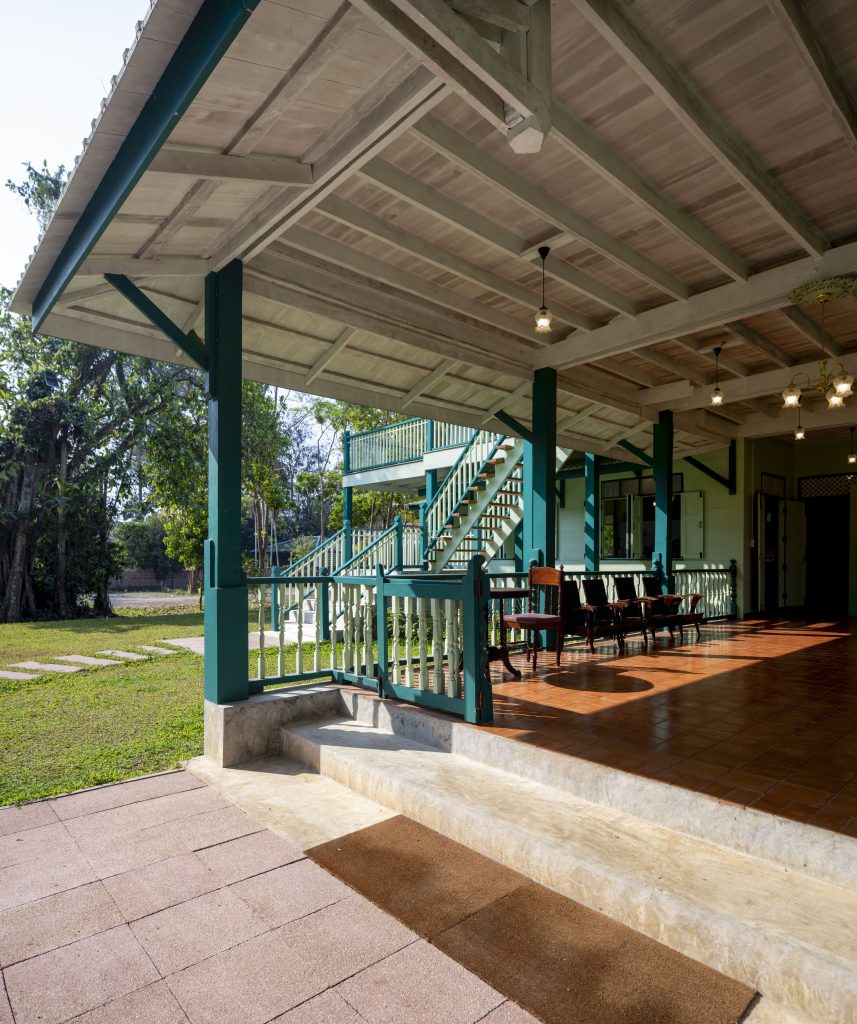
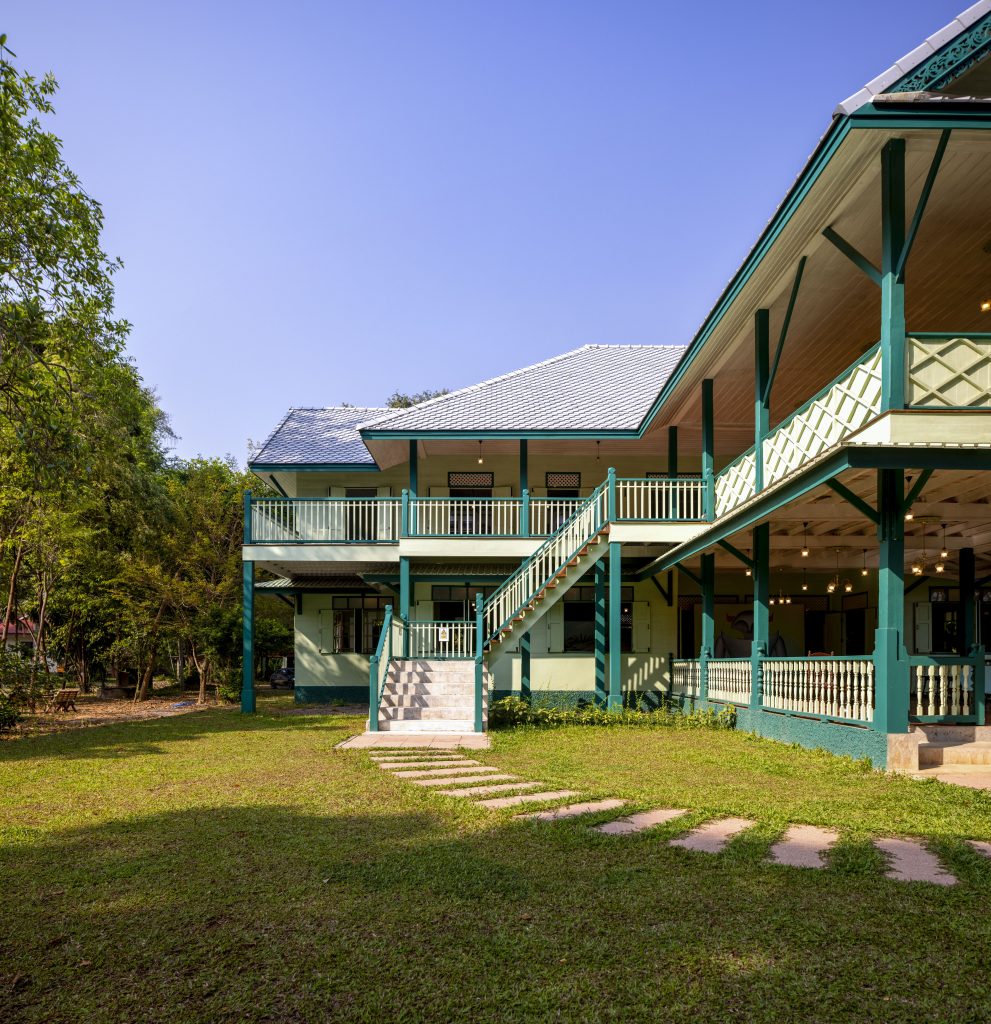
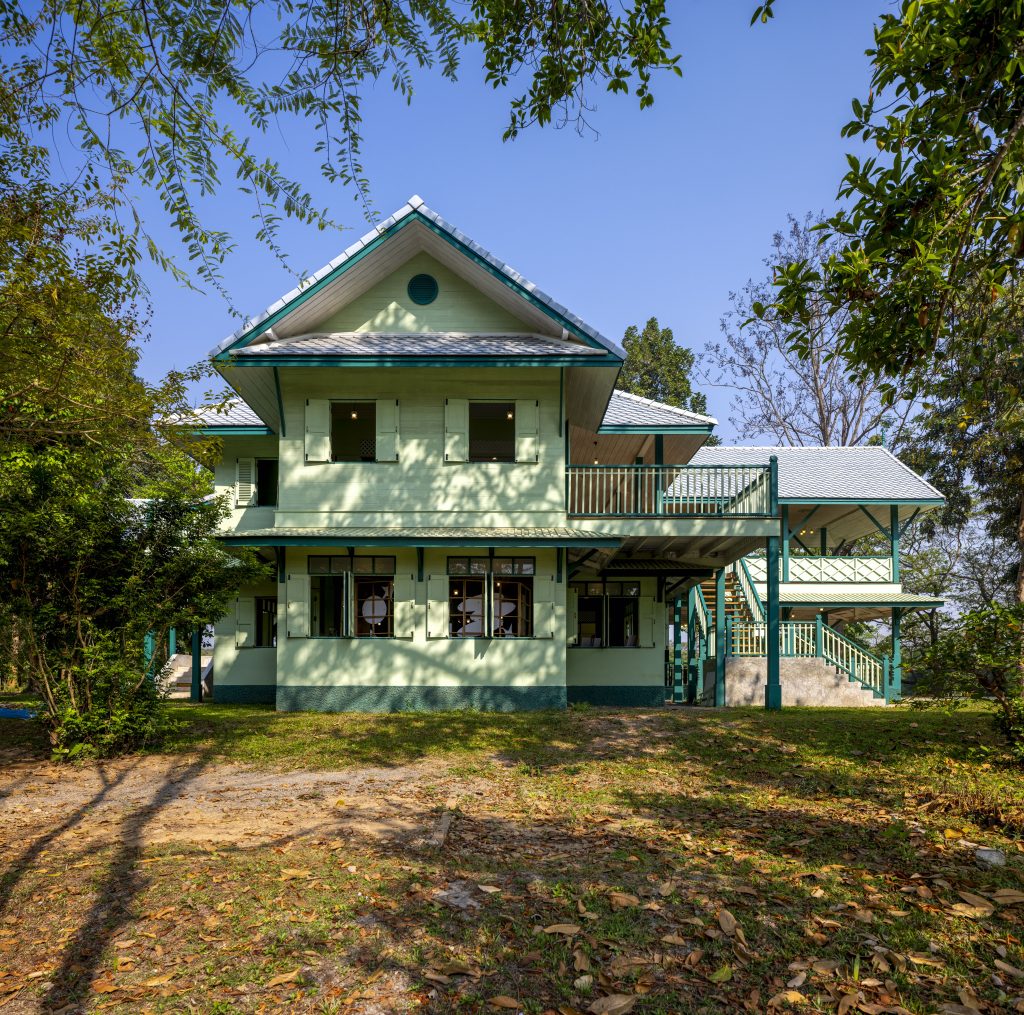
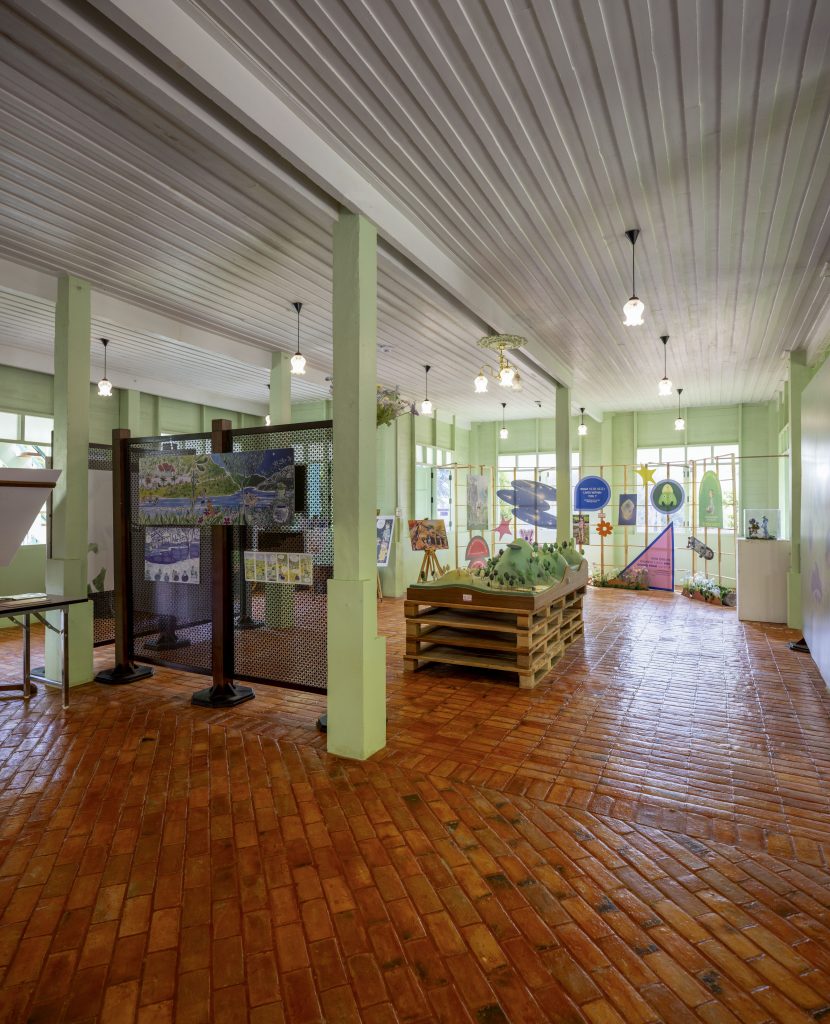
อาคารศูนย์เรียนรู้การป่าไม้ สวนรุกขชาติเชตวัน จังหวัดแพร่ (บ้านเขียว) เดิมเป็นอาคารของกรมป่าไม้สยามหรือสำนักงานป่าไม้ภาคแพร่มาตั้งแต่พุทธศักราช 2444 ด้วยทำเลที่ตั้งอยู่ติดแม่น้ำยมซึ่งเกิดน้ำท่วมอยู่บ่อยครั้งจึงมีการย้ายสำนักงานป่าไม้ออกไปยังสถานที่แห่งใหม่ และปรับปรุงอาคารหลังนี้เป็นเรือนพักรับรองเชตวันสำหรับเจ้าหน้าที่ป่าไม้ ต่อมาในพุทธศักราช 2533 มีการจัดตั้งศูนย์เรียนรู้การป่าไม้จังหวัดแพร่โดยใช้พื้นที่โถงชั้นล่างอาคารจัดแสดงนิทรรศการเผยแพร่ประวัติการป่าไม้ของจังหวัดแพร่ตั้งแต่อดีตจนถึงปัจจุบัน เมื่อเวลาผ่านไปอาคารมีสภาพทรุดโทรมและอาจเกิดอันตรายต่อผู้ใช้งานได้ กรมอุทยานแห่งชาติ สัตว์ป่า และพันธุ์พืชจึงจัดทำโครงการปรับปรุงฟื้นฟูอาคารในพุทธศักราช 2563 แต่การทำงานที่ผิดขั้นตอนทำให้อาคารได้รับความเสียหายและเกิดข้อวิพากษ์จากภาคประชาสังคมจนทำให้โครงการต้องยุติลง ต่อมากรมอุทยานแห่งชาติ สัตว์ป่า และพันธุ์พืช โดยสำนักบริหารพื้นที่อนุรักษ์ที่ 13 (แพร่) ร่วมกับกรมศิลปากร สมาคมสถาปนิกสยาม ในพระบรมราชูปถัมภ์ สมาคมรักษ์เมืองเก่าแพร่ เทศบาลตำบลป่าแมต เทศบาลเมืองแพร่ องค์การบริหารส่วนจังหวัดแพร่ และสำนักงานโยธาธิการและผังเมืองแพร่ จัดทำโครงการขึ้นใหม่อีกครั้งโดยมีวัตถุประสงค์เพื่ออนุรักษ์คุณค่าทางประวัติศาสตร์ สถาปัตยกรรม และฝีมือช่างของอาคารตามหลักวิชาการอย่างเคร่งครัด โดยการปรับปรุงฟื้นฟูอาคารใช้การปฏิสังขรณ์ (Restoration) เพื่อคืนสภาพอาคารให้กลับมามีความใกล้เคียงกับของเดิมมากที่สุด แล้วเสร็จในพุทธศักราช 2567 ปัจจุบัน พื้นที่ชั้นล่างขนาด 375 ตารางเมตร เป็นพื้นที่สำหรับจัดนิทรรศการหมุนเวียน ส่วนพื้นที่ชั้นบนขนาด 295 ตารางเมตร เป็นพื้นที่นิทรรศการประวัติศาสตร์การป่าไม้จังหวัดแพร่
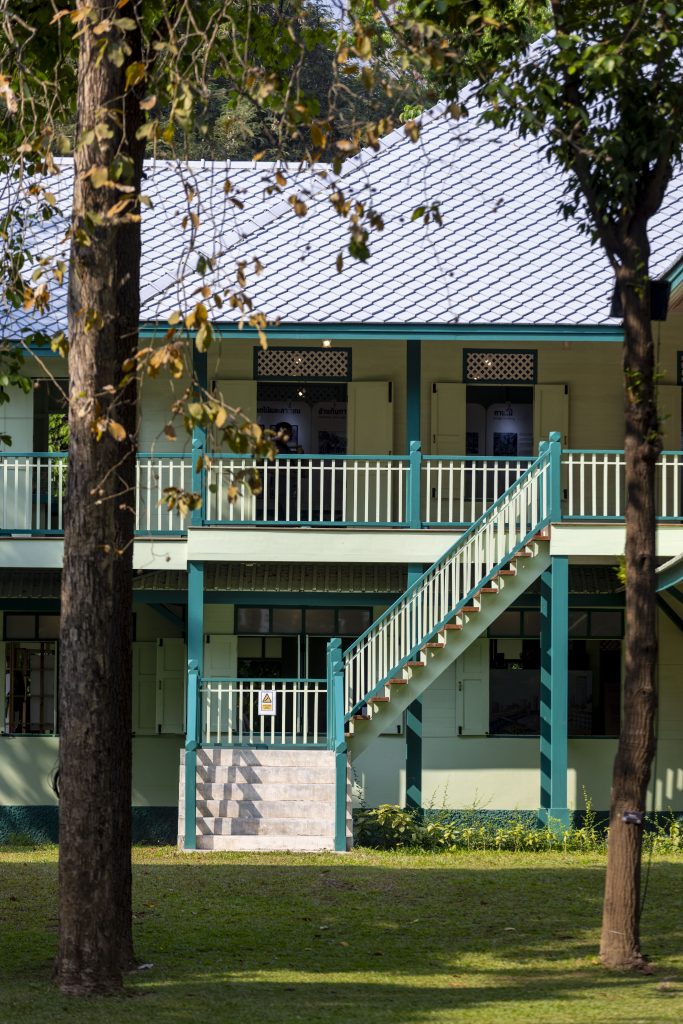
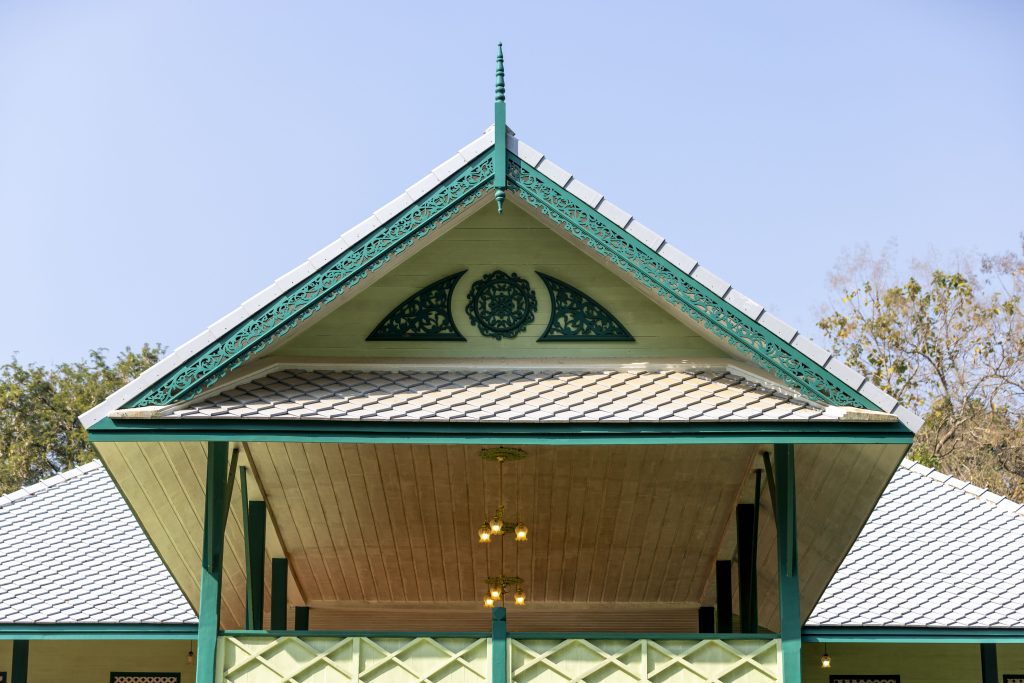
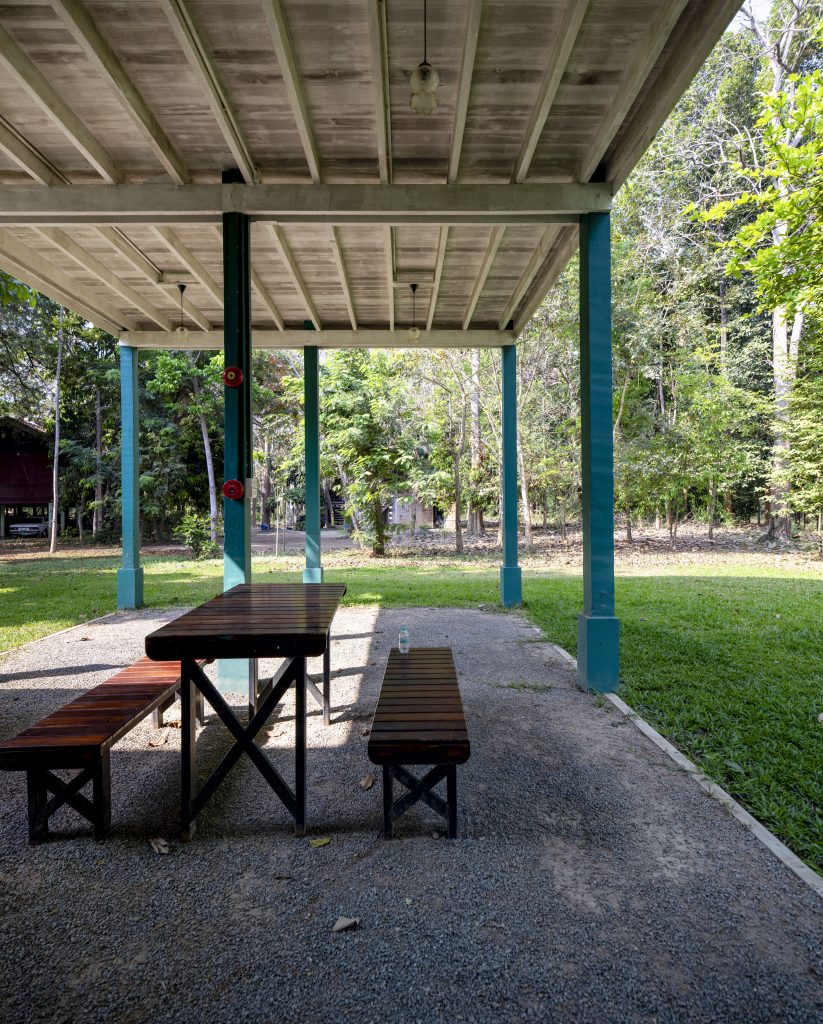
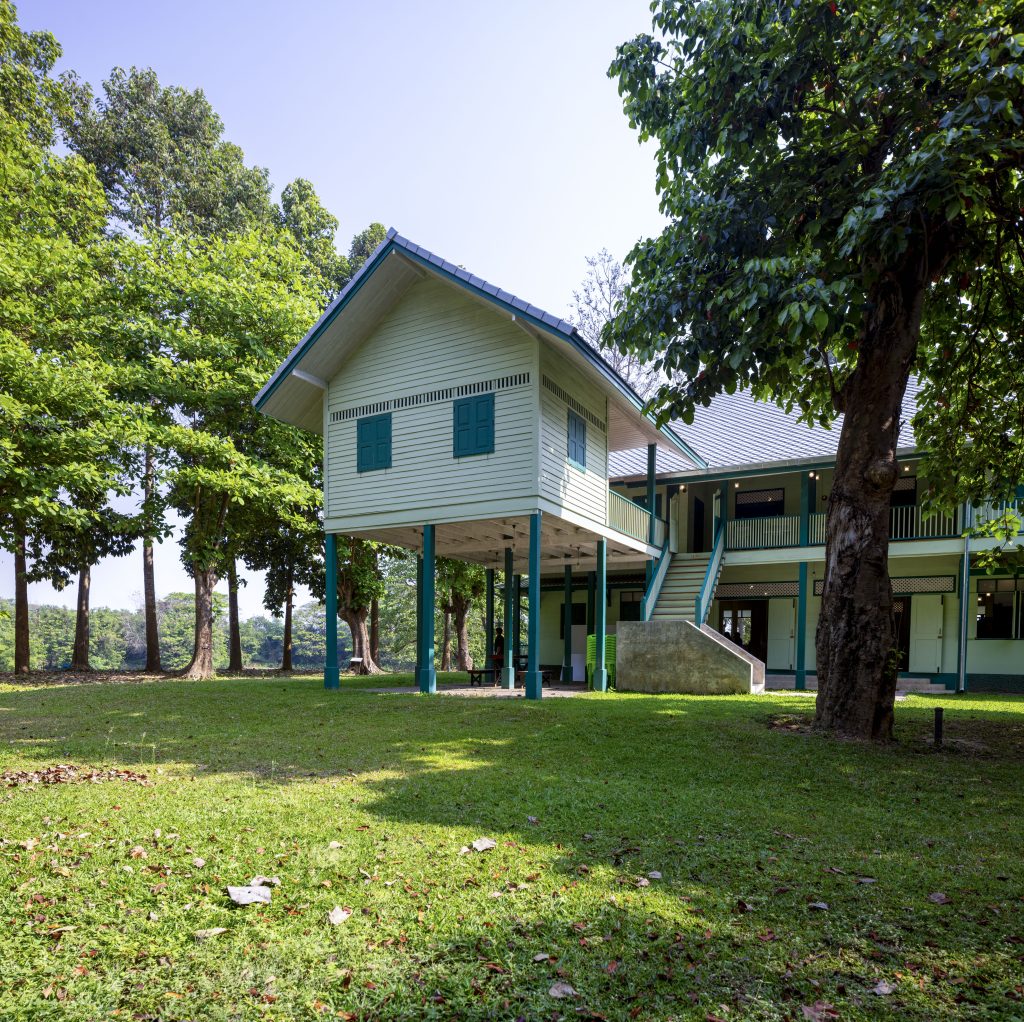
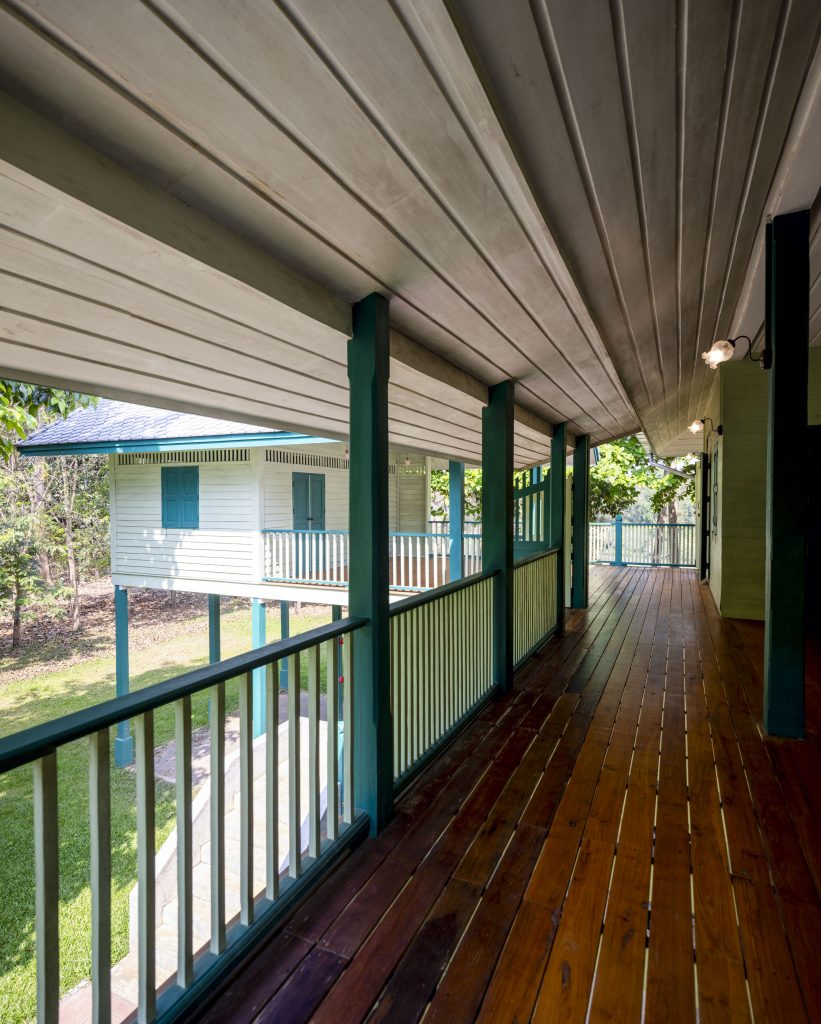
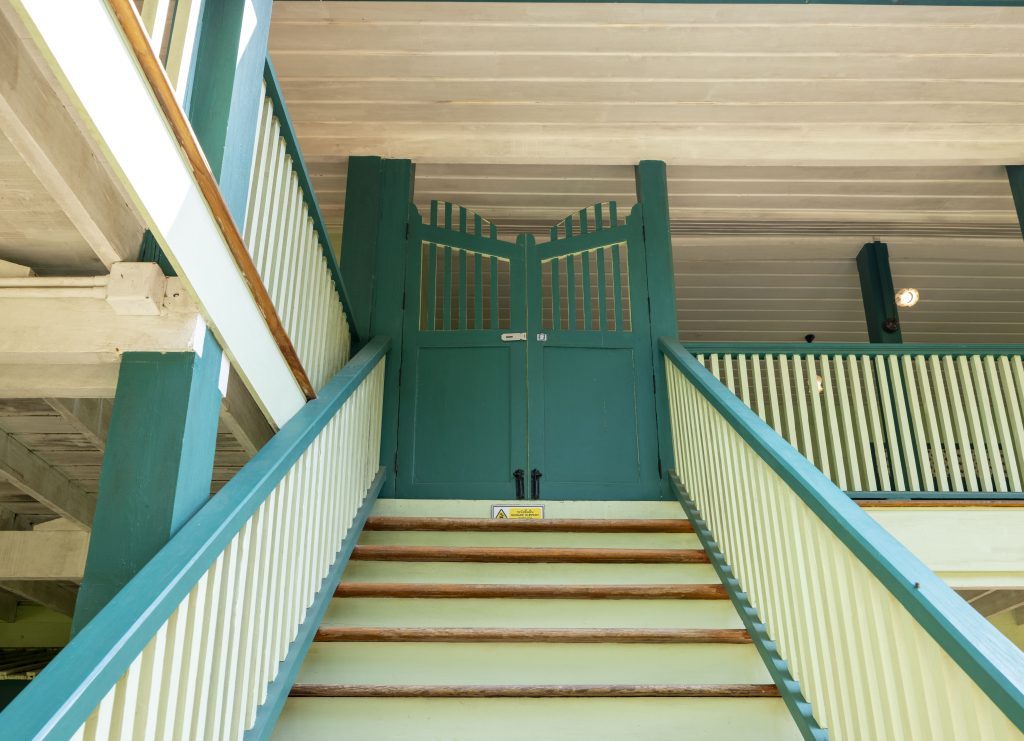
อาคารศูนย์เรียนรู้การป่าไม้ สวนรุกขชาติเชตวัน จังหวัดแพร่ (บ้านเขียว) เป็นอาคารไม้สักสองชั้น รูปแบบสถาปัตยกรรมแบบโคโลเนียล (Colonial) ที่ออกแบบให้เข้ากับภูมิอากาศแบบร้อนชื้น ผังพื้นเป็นรูปตัวที (T) มีมุขกลางยื่นตรงหน้าบ้าน และมุขกลางยื่นตรงข้างบ้านด้านทิศใต้ หลังคาหลักเป็นทรงปั้นหยา หลังคามุขตรงหน้าบ้านและด้านข้างบ้านด้านทิศใต้เป็นหลังคาทรงจั่ว ด้านหลังบ้านชั้นบนเป็นชานไม้ยาวตลอดแนวมีทางเดินเชื่อมต่อกับห้องเก็บของ ด้านล่างห้องเก็บของเป็นใต้ถุนโล่ง หลังคาห้องเก็บของเป็นทรงจั่ว หลังคาบ้านทั้งหลังมุงด้วยกระเบื้องซีเมนต์รูปว่าว บันไดทางขึ้นลงบ้านเป็นบันไดไม้ภายนอกมี 2 ตัว ตั้งอยู่ด้านหน้าบ้านและด้านหลังบ้าน ประตูและหน้าต่างลูกฟักไม้ เหนือประตูและหน้าต่างเป็นช่องลมแบบตีระแนงตารางทแยง มุขกลางยื่นตรงหน้าบ้านประดับด้วยไม้ฉลุลายลวดลายสวยงาม
อาคารศูนย์เรียนรู้การป่าไม้ สวนรุกขชาติเชตวัน จังหวัดแพร่ (บ้านเขียว) ได้รับการอนุรักษ์ตามหลักวิชาการและการมีส่วนร่วมของทุกภาคส่วนตั้งแต่การเก็บข้อมูลและการขุดค้นทางโบราณคดี การบันทึกคุณค่าความสำคัญ การประเมินความแท้ และการเลือกวิธีการอนุรักษ์ ทำให้อาคารกลับมามีสภาพรูปแบบดั้งเดิมที่มีปรับปรุงให้เหมาะสมต่อการใช้งานใหม่ กลายเป็นพื้นที่เรียนรู้ด้านการอนุรักษ์สถาปัตยกรรมที่สำคัญของเมืองแพร่ และเป็นพื้นที่ทางสังคมในการพบปะ แลกเปลี่ยน จัดกิจกรรมในระดับเมืองร่วมกับเครือข่ายพัฒนาเมืองและย่านชุมชนเก่าในสภาพแวดล้อมที่มีความร่มรื่นสวยงาม
คำประกาศรางวัล
อาคารศูนย์เรียนรู้การป่าไม้ สวนรุกขชาติเชตะวัน เป็นอาคารมีคุณค่าทางประวัติศาสตร์และสถาปัตยกรรมโดยเป็นอาคารไม้สักสองชั้นรูปแบบแบบโคโลเนียล ที่ประชาชนในท้องถิ่นให้ความสำคัญและจดจำได้จากที่ตั้งริมแม่น้ำยม อีกทั้งยังได้รับการใช้งานมาอย่างยาวนาน เริ่มจากการเป็นที่ทำการของกรมป่าไม้สยาม หรือสำนักงานป่าไม้ภาคแพร่ ตั้งแต่พุทธศักราช 2444 จากนั้นได้รับการปรับปรุงเป็นเรือนพักรับรองเชตวัน ในปีพุทธศักราช 2533 ได้รับการใช้เป็นศูนย์เรียนรู้การป่าไม้จังหวัดแพร่ ต่อมาในปีพุทธศักราช 2563 อาคารถูกรื้อลงจากความผิดพลาดในการจัดทำโครงการปรับปรุงอาคาร
ภาคประชาสังคมในเมืองก่าเเพร่มีส่วนสำคัญในการรณรงค์ให้เกิดการปฏิสังขรณ์อาคารหลังนี้ให้กลับคืนมาสู่สภาพเดิม จากความร่วมมือของกรมอุทยานแห่งชาติ สัตว์ป่าและพันธุ์พืช กรมศิลปากร สมาคมสถาปนิกสยามฯ ร่วมกับหน่วยงานในท้องถิ่นเเละภาคประชาสังคมในพื้นที่ การดำเนินงานมีความท้าทายจากการต้องประกอบอาคารให้กลับคืนมา โดยผ่านการวิเคราะห์ข้อมูลการขุดค้นทางโบราณคดีประกอบกับข้อมูลภาคเอกสาร และการประเมินคุณค่า จนสามารถสรุปรูปแบบทางสถาปัตยกรรมในแต่ละช่วงเวลา นำมาสู่การอนุรักษ์อย่างมีเหตุผล ภายหลังการอนุรักษ์ อาคารเป็นแหล่งเรียนรู้และใช้จัดกิจกรรม อีกทั้งเป็นสัญลักษณ์ของความร่วมมือระหว่างเครือข่าย ซึ่งน่าจะนำไปสู่การอนุรักษ์มรดกเมืองแพร่ในอนาคต
Forest Learning Center, Chetawan Arboretum, Phrae Province (The Green House)
- Location: 87 Chetawan Road, Nai Wiang Sub-district, Mueang District, Phrae Province
- Architect / Designer: Unattributed
- Conservation Architect: The Fine Arts Department
- Custodian: Chetawan Arboretum, the Department of National Parks, Wildlife and Plant Conservation (DNP)
- Date of Construction: 1901
- Conservation Awarded Date: 2026
- Category: Architectural and community heritage conservation projects
- Level: Award of Distinction
Building Information
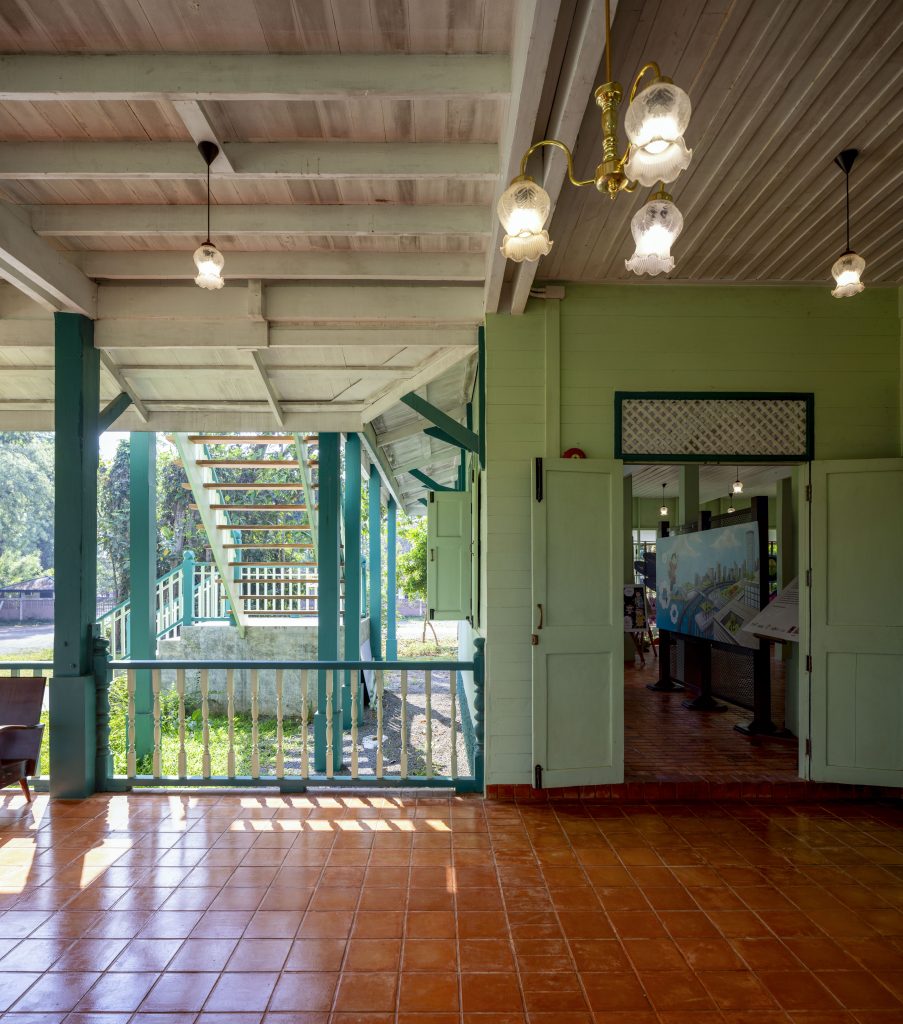
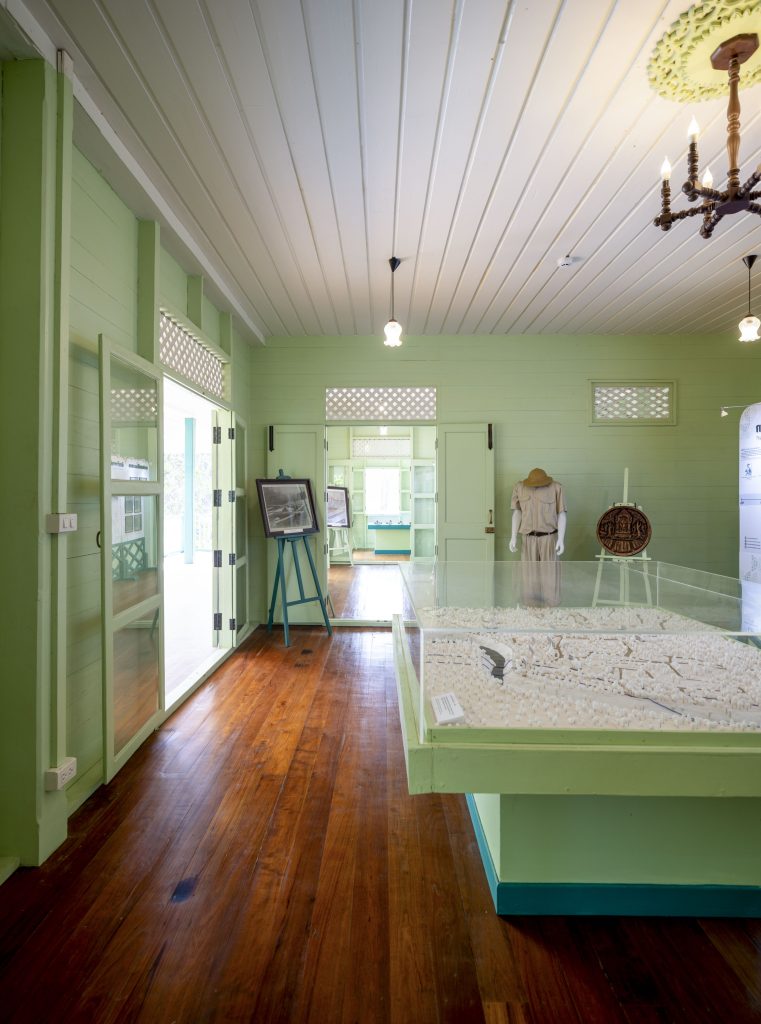
The Forest Learning Centre at Chetawan Arboretum, commonly known as The Green House, originally served as the office of the Royal Forest Department of Siam, later called the Phrae Regional Forestry Office since 1901. Owing to its riverside location on the banks of Yom River, which is frequently flooded, the forestry office was eventually relocated and the building converted into the Chetawan Guest House for forestry officials. In 1990, the Forest Learning Centre of Phrae Province was established within the ground-floor hall, presenting an exhibition on the history of forestry in Phrae Province from its origins to the present day. As the building deteriorated over time and posed a potential safety risk to visitors, the Department of National Parks, Wildlife and Plant Conservation initiated a rehabilitation project in 2020. However, procedurally flawed execution caused further damage to the building and drew criticism from civil society, leading to the suspension of the project. A new project was subsequently launched through a collaboration between the Department of National Parks, Wildlife and Plant Conservation (Protected Area Regional Office 13, Phrae Province), the Fine Arts Department, the Association of Siamese Architects under Royal Patronage, the Association of Phrae Old Town Preservation (APT), Pa Maet Subdistrict Municipality, Phrae Town Municipality, Phrae Provincial Administrative Organization, and the Phrae Provincial Office of Public Works and Town and Country Planning. The objective was to conserve the historical, architectural, and craft values of the building in strict accordance with scholarly principles. The approach adopted was that of restoration and returning the building as closely as possible to its original condition. The works were completed in 2024. The ground floor (375 square metres) now serves as a temporary exhibition space, while the upper floor (295 square metres) houses a permanent exhibition on the history of forestry in Phrae Province.
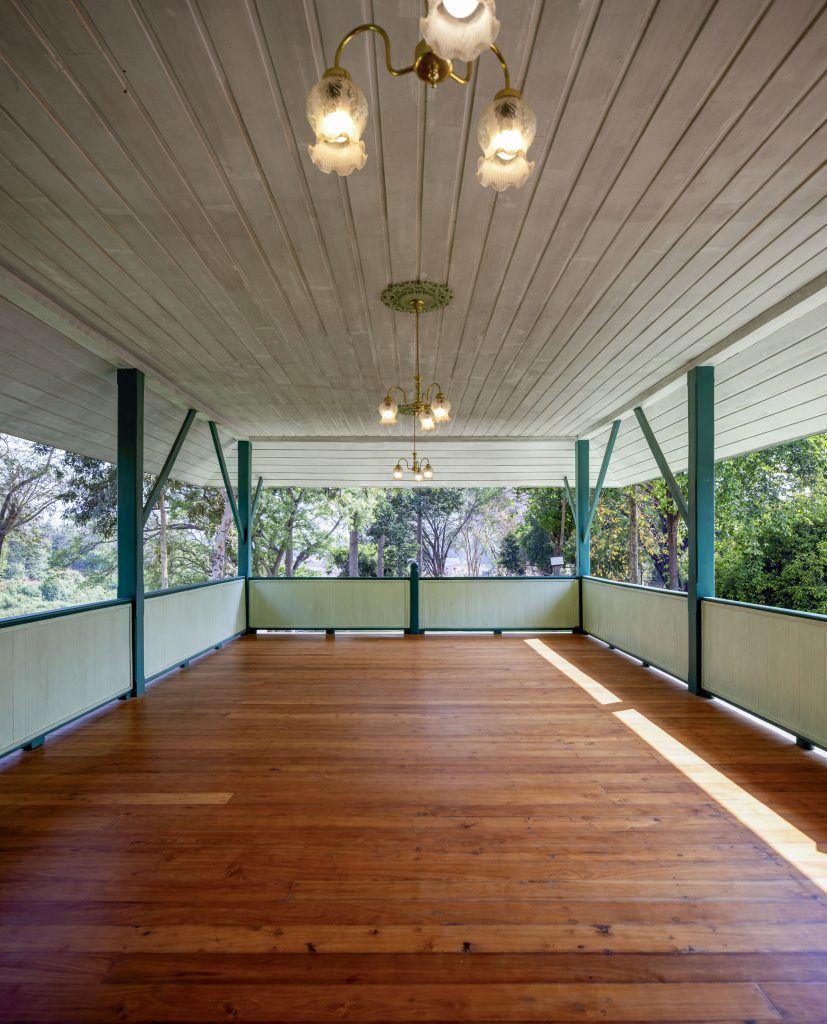
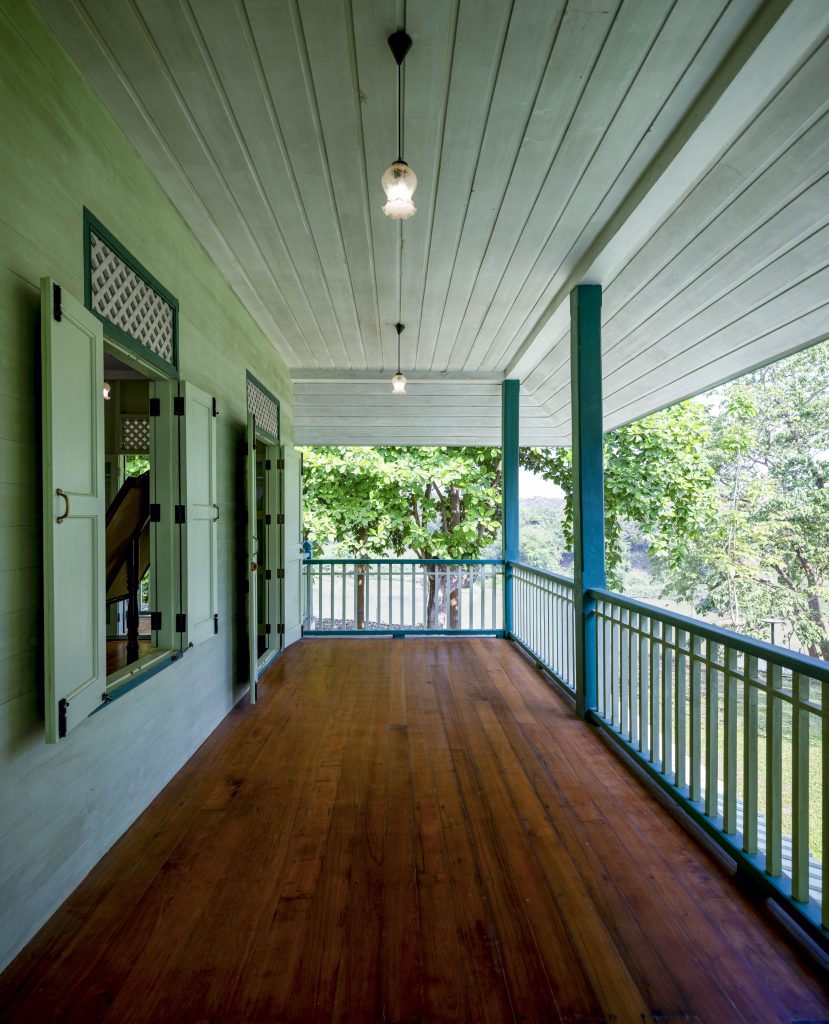
The Forest Learning Centre is a two-storey teak timber building in the Colonial architectural style, designed to suit a hot and humid tropical climate. The floor plan is T-shaped, with a projecting central bay at the front elevation and a second projecting bay on the south side elevation. The principal roof is hipped, while the roofs over the front and south bays are gabled. At the rear of the upper floor, an open timber terrace runs the full width of the building, connected by a covered walkway to a detached store room raised on an open understorey. The store room is capped by a gabled roof. The entire building is roofed with diamond-shaped cement tiles. Two external timber staircases provide access to the upper floor, one at the front and one at the rear. The doors and windows are of panelled timber, surmounted by ventilation transoms fitted with diagonal timber lattice. The projecting front bay is embellished with decorative pierced-wood fretwork.
The Forest Learning Centre has been conserved through scholarly methodology and multi-stakeholder participation encompassing data collection and archaeological investigation, documentation of cultural significance, assessment of authenticity, and the selection of an appropriate conservation approach. The building has been restored to its original character with sensitive modifications for contemporary use, becoming an important venue for architectural conservation education in Phrae and a civic gathering place for community exchange and city-level activities in partnership with urban development and historic neighbourhood networks, all within the building’s leafy arboretum setting.
Award Announcement
The Forestry Learning Center Building at Chetawan Arboretum is a structure of historical and architectural significance. The building is a two-storey teakwood structure designed in the Colonial style, prominently located along the Yom River, making it an important local landmark recognized and valued by the community. The building has served the public continuously for many years, beginning as the office of the Royal Forest Department of Siam, or the Phrae Regional Forestry Office, in 1901. Later, it was renovated into the Chetawan Guesthouse, and in 1990 it was adapted for use as the Forestry Learning Center of Phrae Province. However, in 2020, the building was dismantled due to errors in the implementation of a renovation project.
Civil society groups in the old town of Phrae played a crucial role in campaigning for the reconstruction of the building to restore it to its original condition. The restoration project resulted from cooperation among the Department of National Parks, Wildlife and Plant Conservation, the Fine Arts Department, the Association of Siamese Architects under Royal Patronage, local authorities, and community networks. The project faced significant challenges, particularly in reconstructing the building through analysis of archaeological excavation evidence, documentary research, and heritage value assessments. These studies enabled the team to identify the architectural characteristics of each historical period, leading to a well-reasoned conservation approach.
Following the conservation project, the building now functions as a learning center and venue for community activities. It also stands as a symbol of collaboration among various networks and is expected to encourage further conservation efforts for the architectural heritage of Phrae in the future.
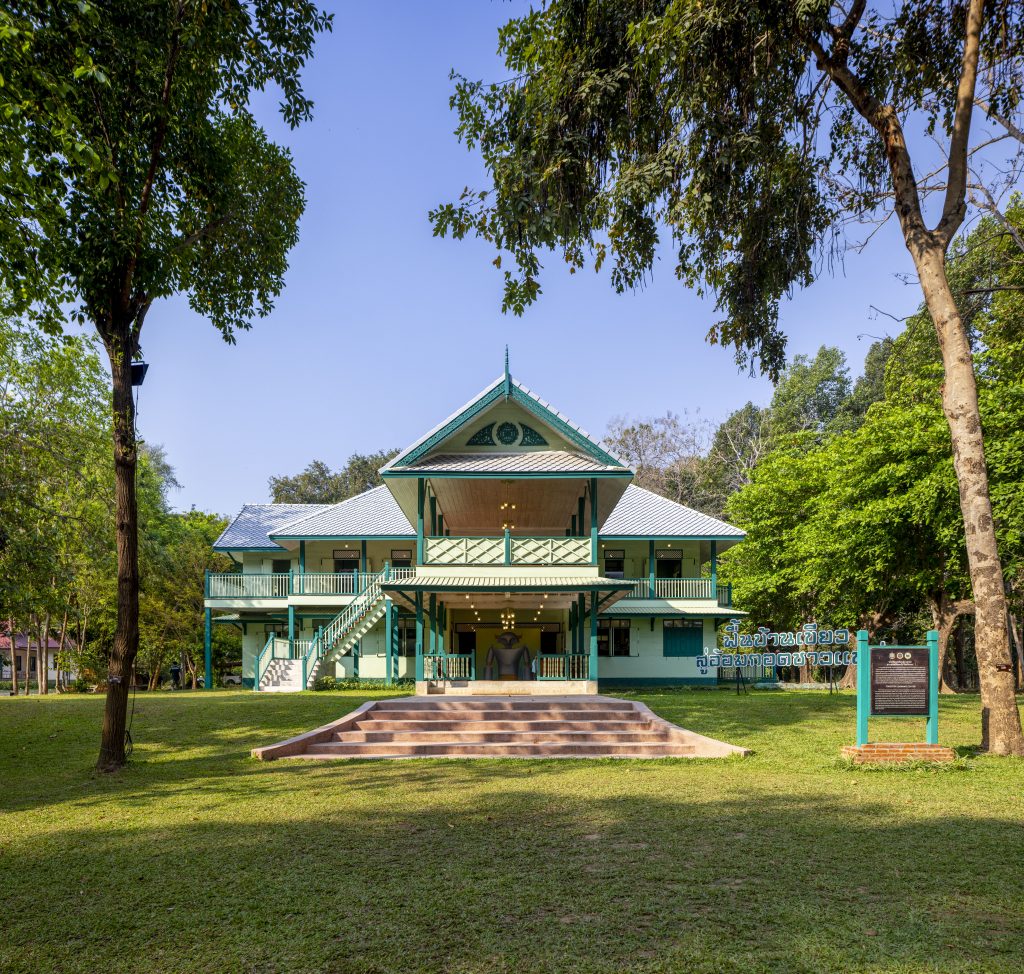
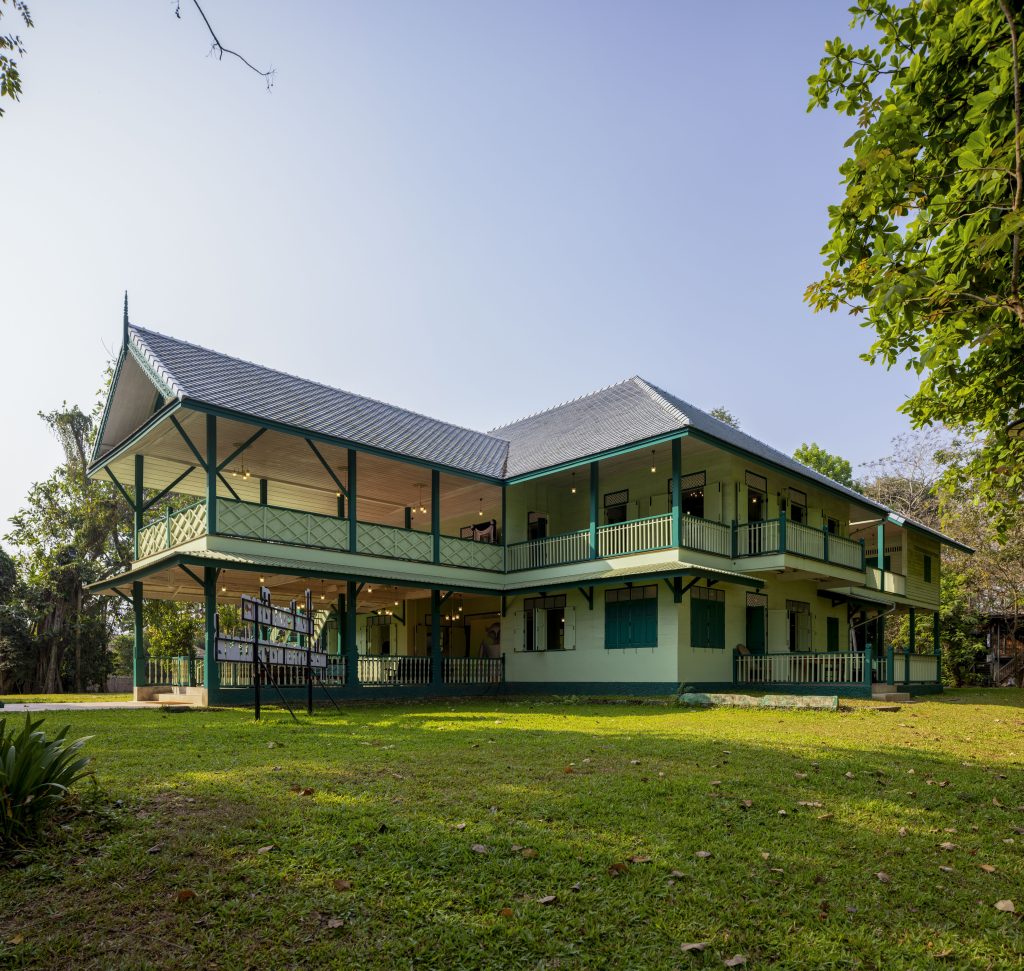
ระดับดี
โครงการสวนป่าเบญจกิติระยะ 2 – 3
อ่านเพิ่มเติม
โครงการสวนป่าเบญจกิติระยะ 2 – 3
- ที่ตั้ง: โครงกาารสวนป่าเบญจกิติ ถนนรัชดาภิเษก แขวงคลองเตย เขตคลองเตย กรุงเทพมหานคร
- สถาปนิก/ผู้ออกแบบ: หม่อมราชวงศ์แหลมฉาน หัสดินทร ศาสตราจารย์กิตติคุณร้อยเอกกฤษฎา อรุณวงษ์ ณ อยุธยา รองศาสตราจารย์ ดร.ทรงคุณ อัตถากร อาจารย์รังสรรค์ ต่อสุวรรณ
- สถาปนิกอนุรักษ์: บริษัท สถาปนิกชุมชนและสิ่งแวดล้อม อาศรมศิลป์ จำกัด
- ผู้ครอบครอง: กรมธนารักษ์
- ปีที่สร้าง: พุทธศักราช 2515
- ปีที่ได้รับรางวัล พ.ศ. 2569
- ประเภท งานอนุรักษ์มรดกทางสถาปัตยกรรมและชุมชน
- ระดับ ดี
ข้อมูลอาคาร
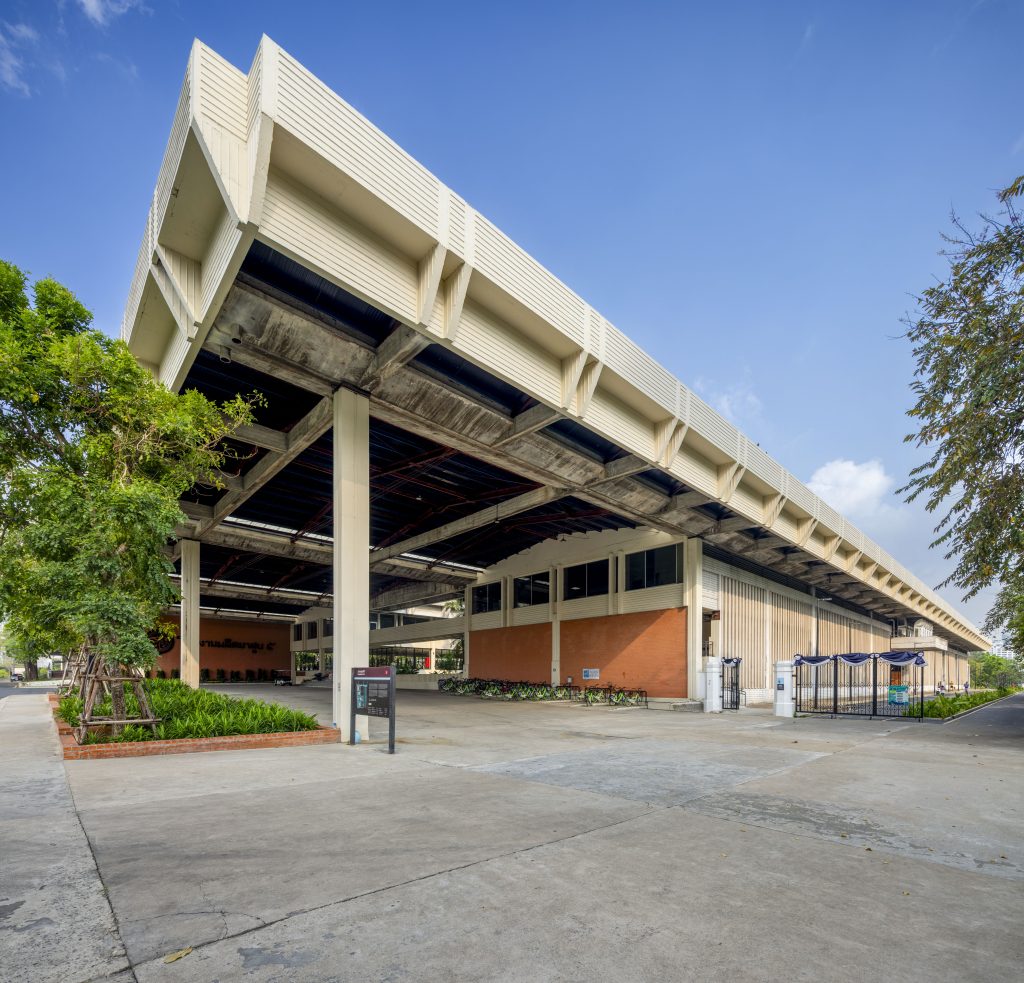
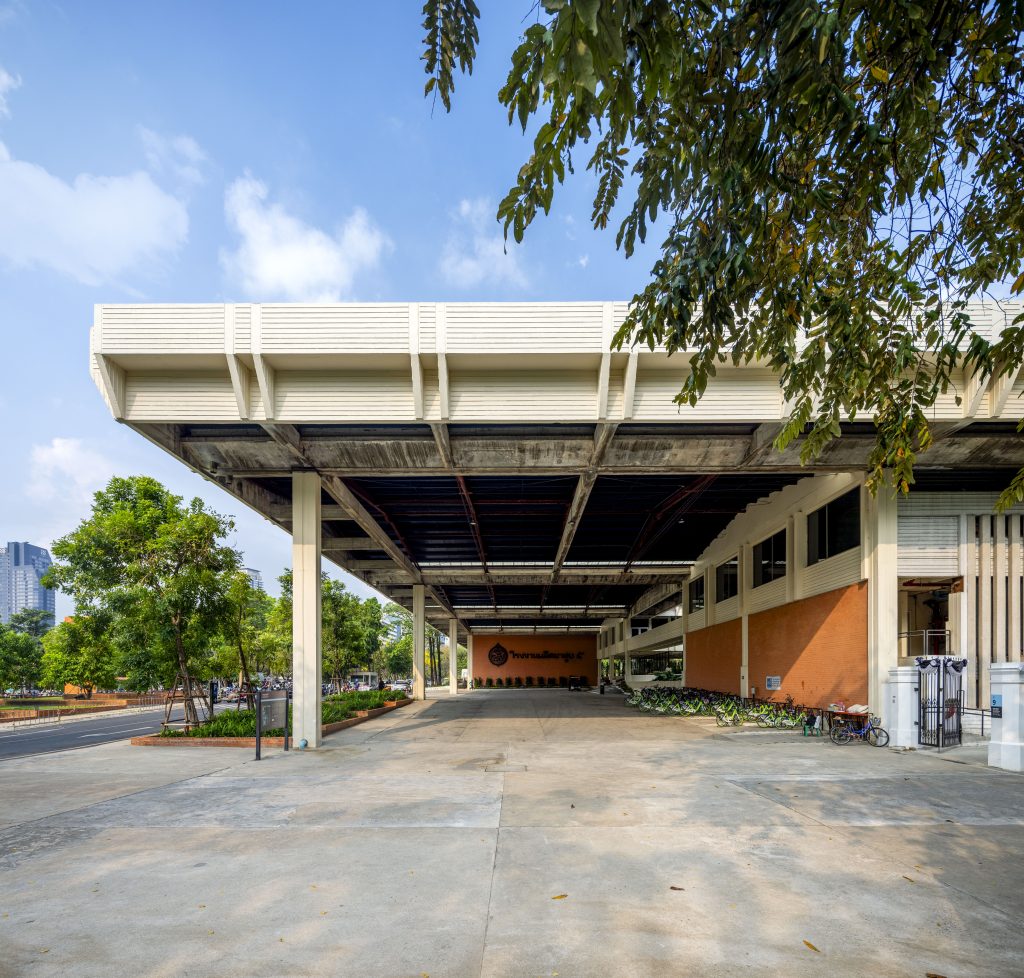
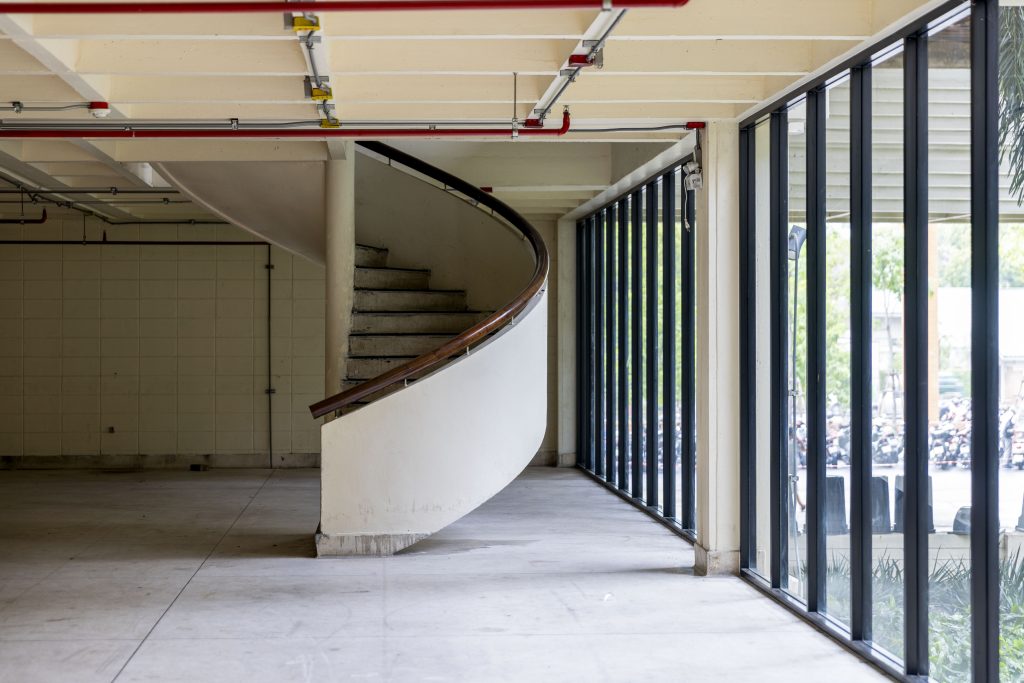
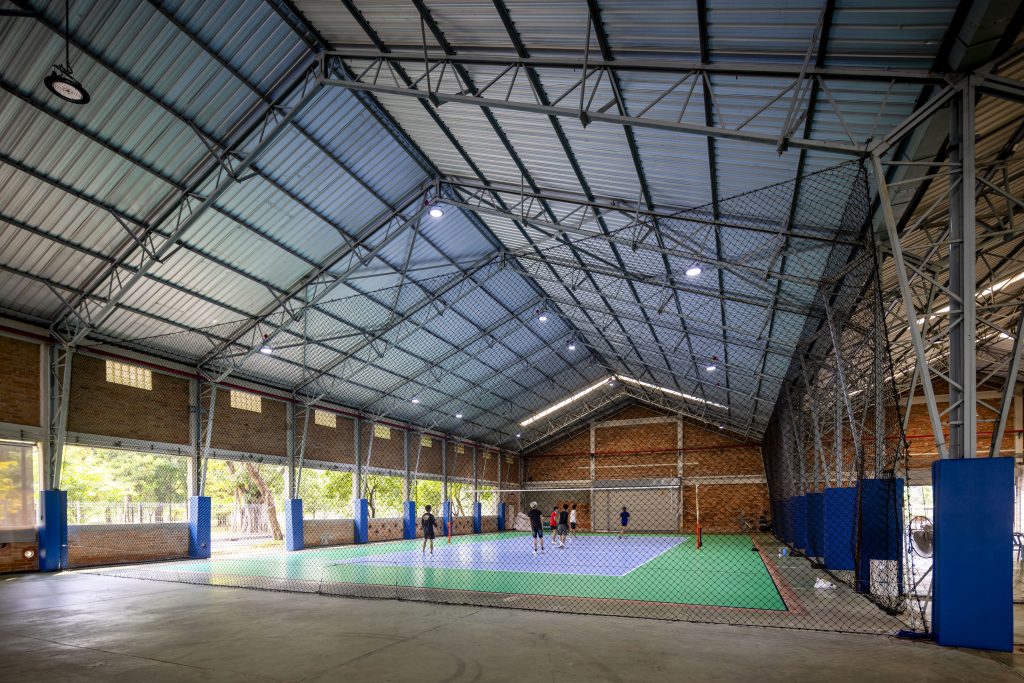
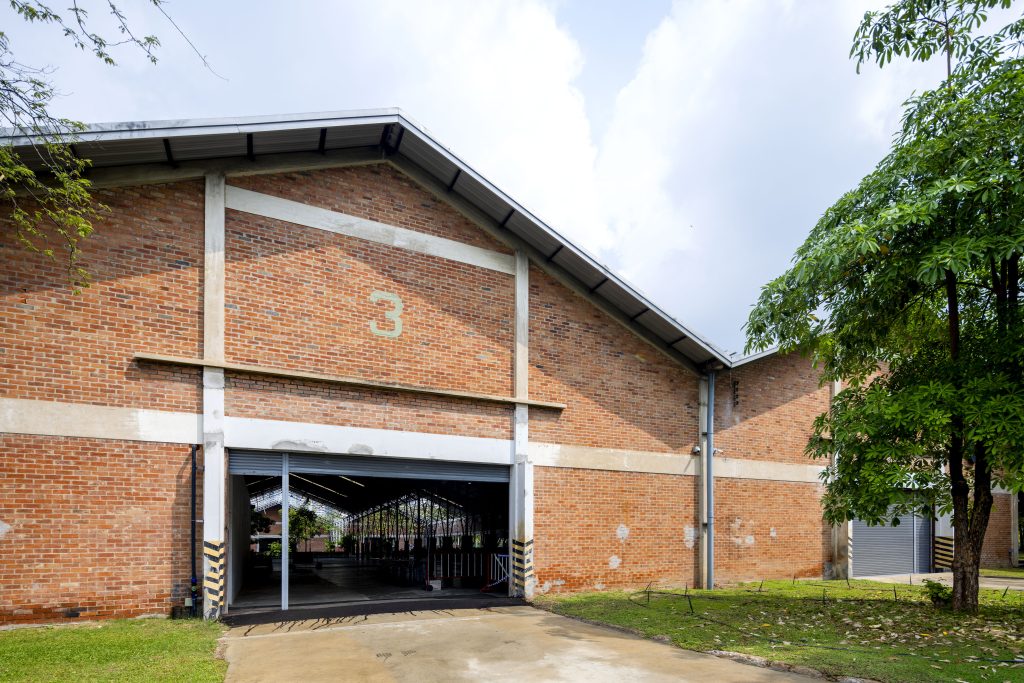
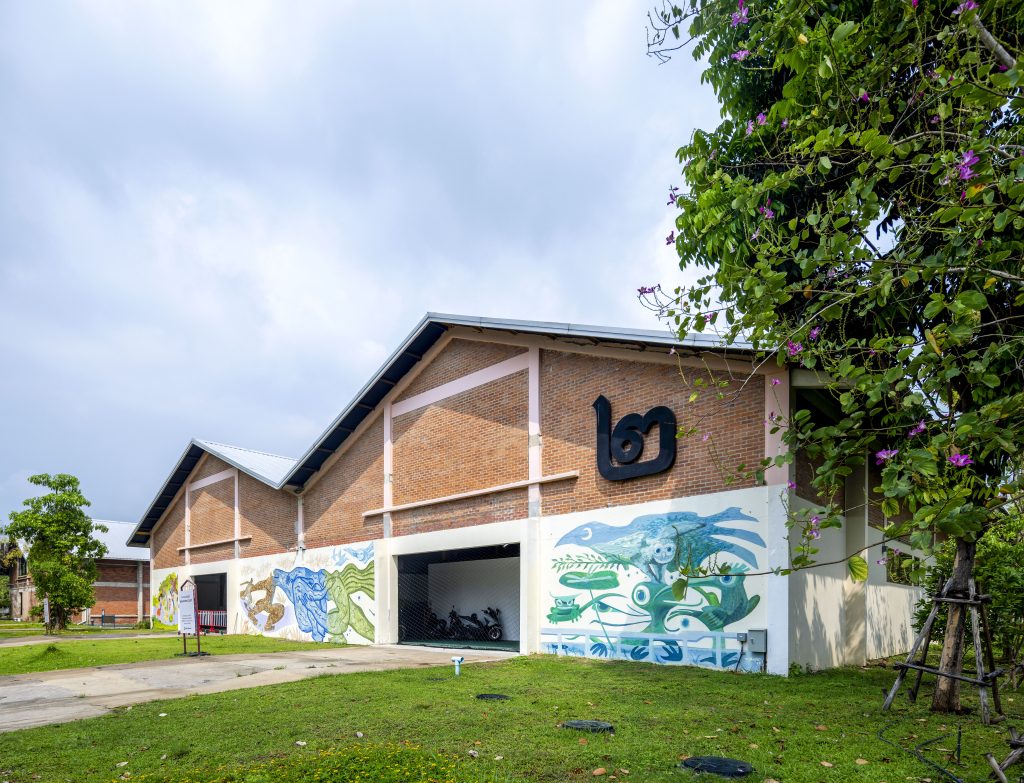
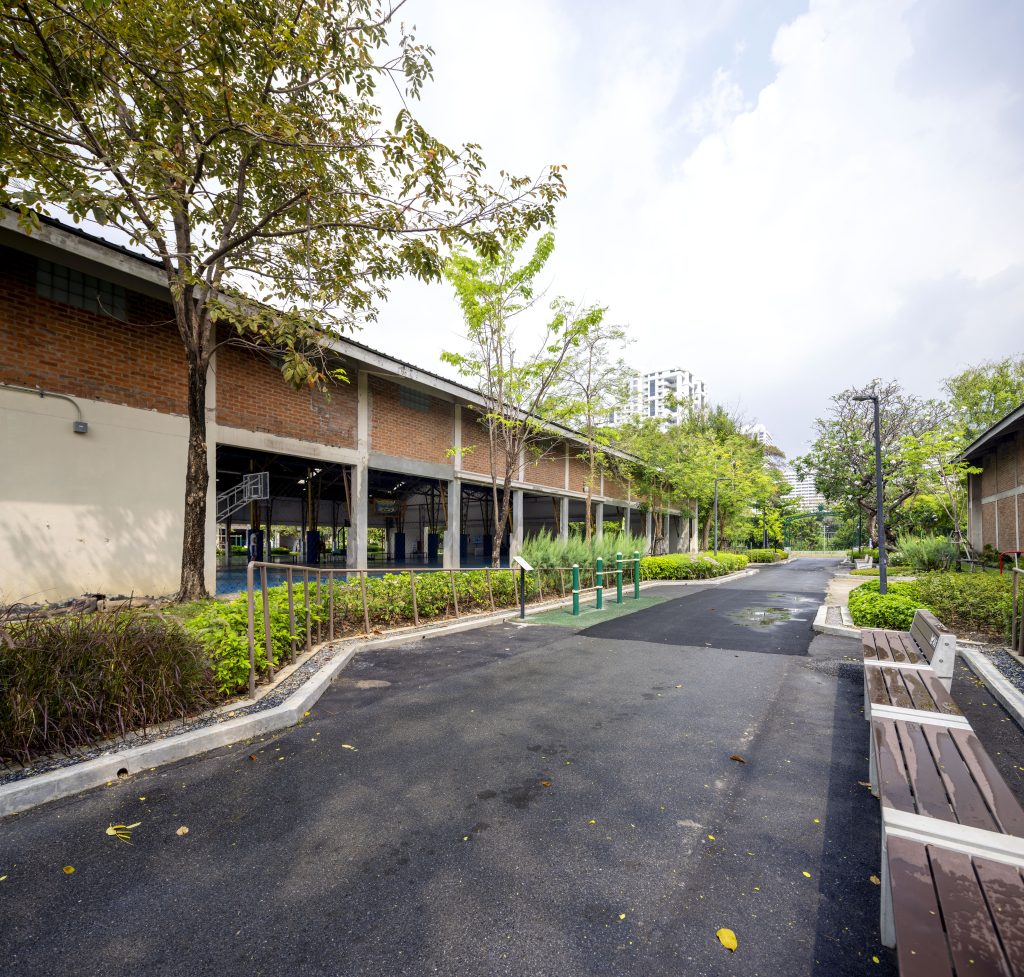
โครงการสวนป่าเบญจกิติระยะ 2–3 ประกอบด้วยอาคารโรงงานยาสูบ 5 และอาคารโกดัง
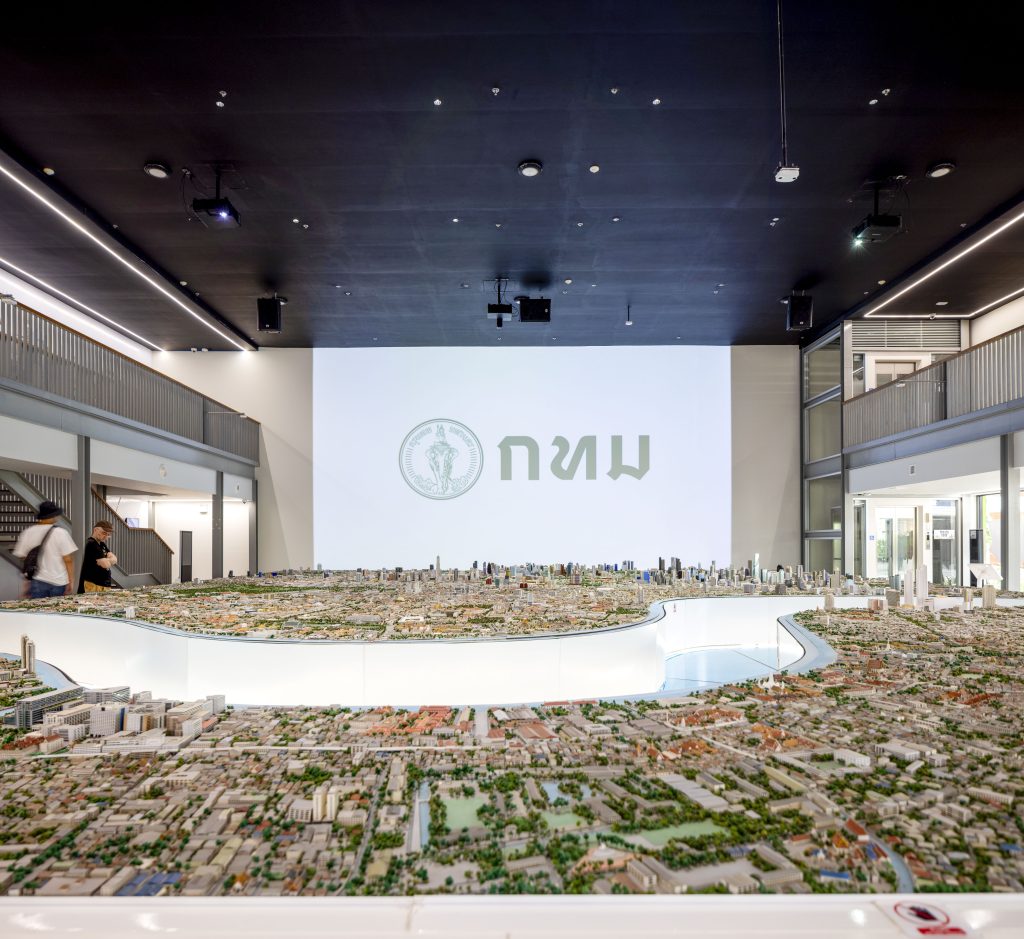
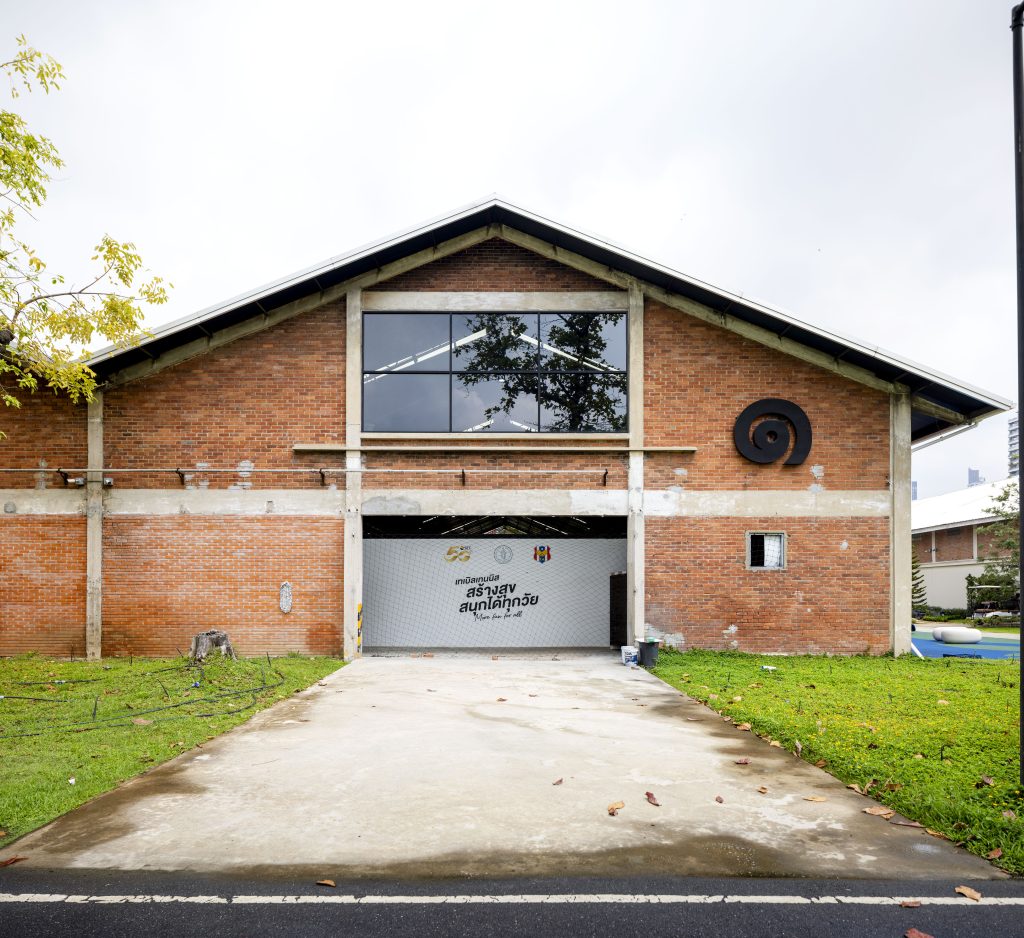
1–3 ซึ่งเป็นส่วนหนึ่งของโรงงานยาสูบที่สร้างขึ้นในพุทธศักราช 2493 เมื่อรัฐบาลในสมัยนั้นได้จัดซื้อที่ดินบริเวณคลองเตยประมาณ 600 ไร่ เพื่อก่อสร้างโรงงาน โดยอาคารโรงงานยาสูบ 5 ก่อสร้างขึ้นในพุทธศักราช 2515 เพื่อใช้เป็นโรงงานผลิตยาสูบ ออกแบบโดยกลุ่มสถาปนิกรุ่นบุกเบิกของไทยหลายท่าน ส่วนอาคารโกดัง 1 – 3 สร้างขึ้นเพื่อใช้สำหรับเก็บใบยาสูบ ไม่ปรากฏหลักฐานชัดเจนเกี่ยวกับผู้ออกแบบและปีที่ก่อสร้าง ซึ่งตลอดเวลากว่า 6 ทศวรรษ โรงงานยาสูบได้มีบทบาทสำคัญต่อเศรษฐกิจของประเทศ เป็นแหล่งจ้างงานขนาดใหญ่และเป็นศูนย์กลางกิจกรรมทางเศรษฐกิจของพื้นที่โดยรอบ อย่างไรก็ตาม เมื่อกรุงเทพมหานครขยายตัวอย่างรวดเร็ว พื้นที่ดังกล่าวได้กลายเป็นย่านธุรกิจและที่อยู่อาศัยหนาแน่น จึงเกิดแนวคิดในการย้ายอุตสาหกรรมขนาดใหญ่ออกจากใจกลางเมือง พร้อมกับการเพิ่มพื้นที่สีเขียวสำหรับประชาชน แนวคิดนี้เริ่มเป็นรูปธรรมในพุทธศักราช 2535 ในสมัยรัฐบาลนายกอานันท์ ปันยารชุน โดยมีนโยบายย้ายโรงงานยาสูบออกจากคลองเตยและพัฒนาพื้นที่ให้เป็นสวนสาธารณะขนาดใหญ่เพื่อเฉลิมพระเกียรติสมเด็จพระนางเจ้าสิริกิติ์ พระบรมราชินีนาถ พระบรมราชชนนีพันปีหลวง การย้ายฐานการผลิตไปยังนิคมอุตสาหกรรมโรจนะ จังหวัดพระนครศรีอยุธยา แล้วเสร็จในพุทธศักราช 2561 พื้นที่ประวัติศาสตร์แห่งนี้จึงได้รับการฟื้นฟูเป็น “สวนป่าเบญจกิติ” สวนสาธารณะขนาดใหญ่ของกรุงเทพมหานคร โดยยังคงอนุรักษ์อาคารที่มีคุณค่าทางประวัติศาสตร์บางส่วนไว้ คือ อาคารโรงงานยาสูบ 5 และกลุ่มอาคารโกดัง 1–3 โดยอาคารโรงงานยาสูบ 5 ได้รับการปรับปรุงเป็นพิพิธภัณฑ์สวนป่าเบญจกิติ ส่วนกลุ่มอาคารโกดัง 1–3 ได้รับการปรับเปลี่ยนเป็นศูนย์กีฬาเพื่อส่งเสริมสุขภาพและกิจกรรมของประชาชนในเมืองให้สอดคล้องกับวิถีชีวิตร่วมสมัย
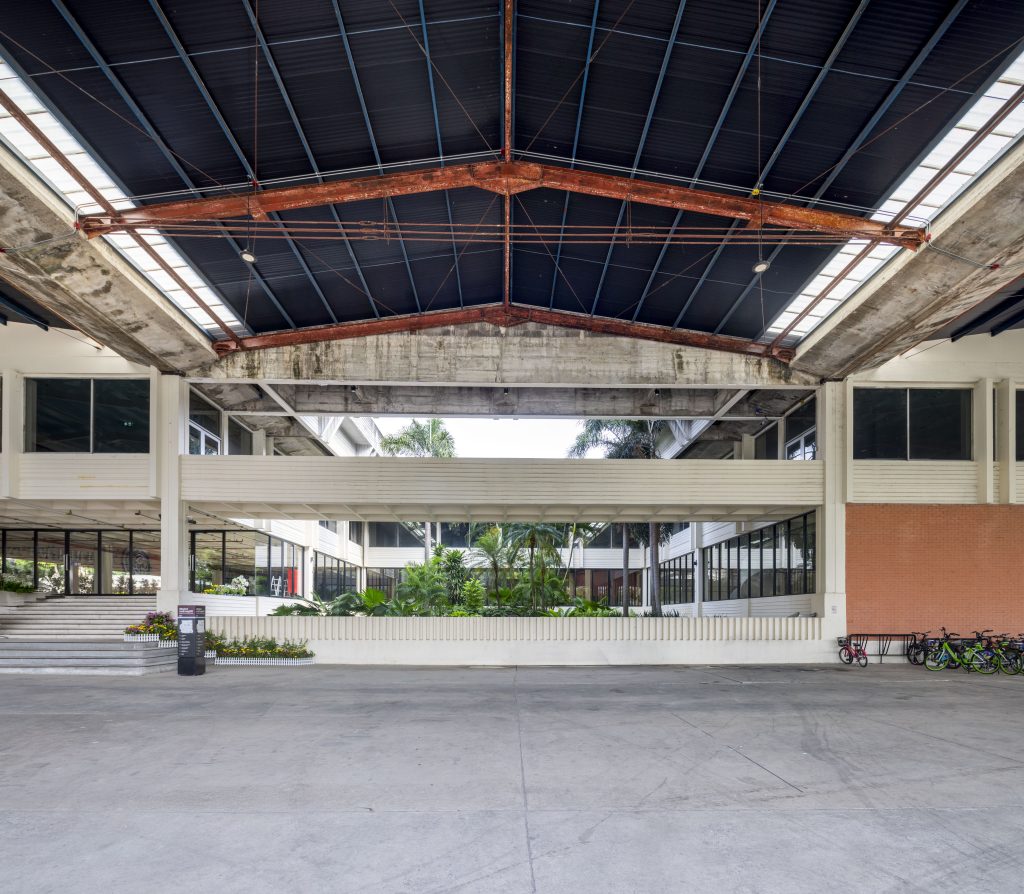
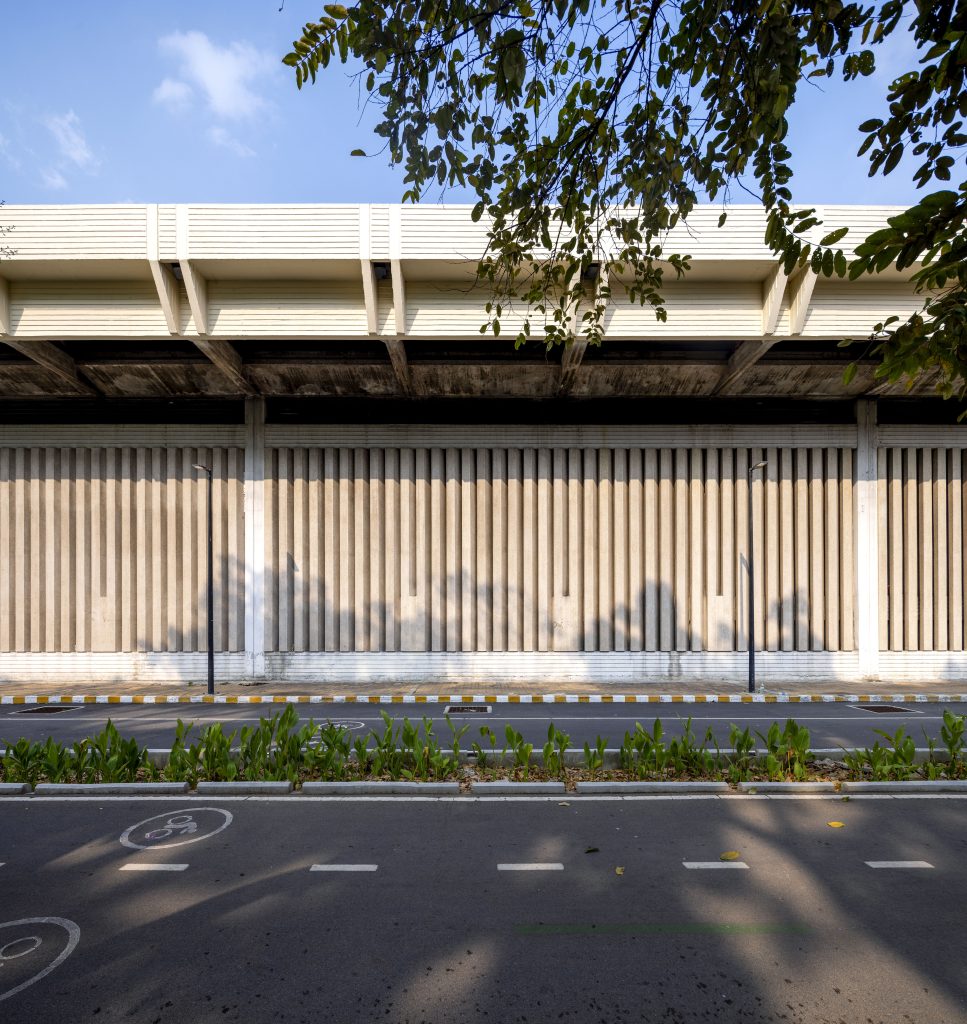
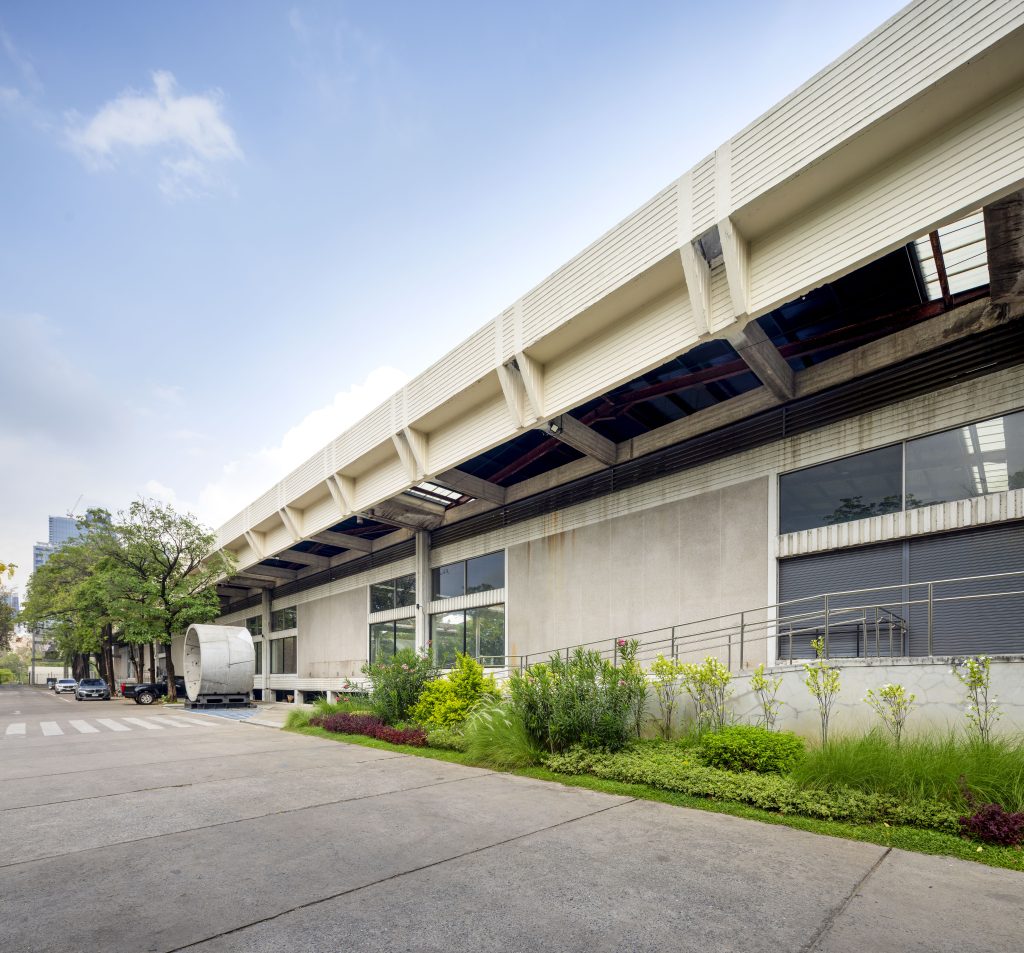
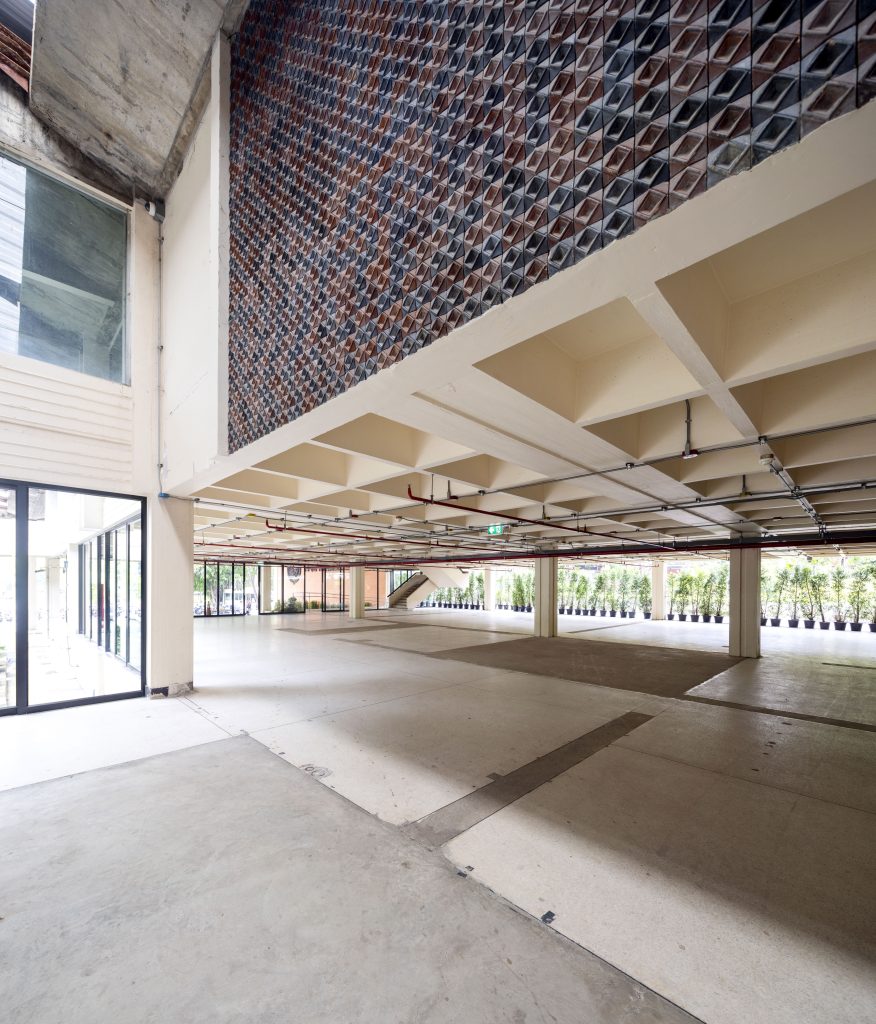
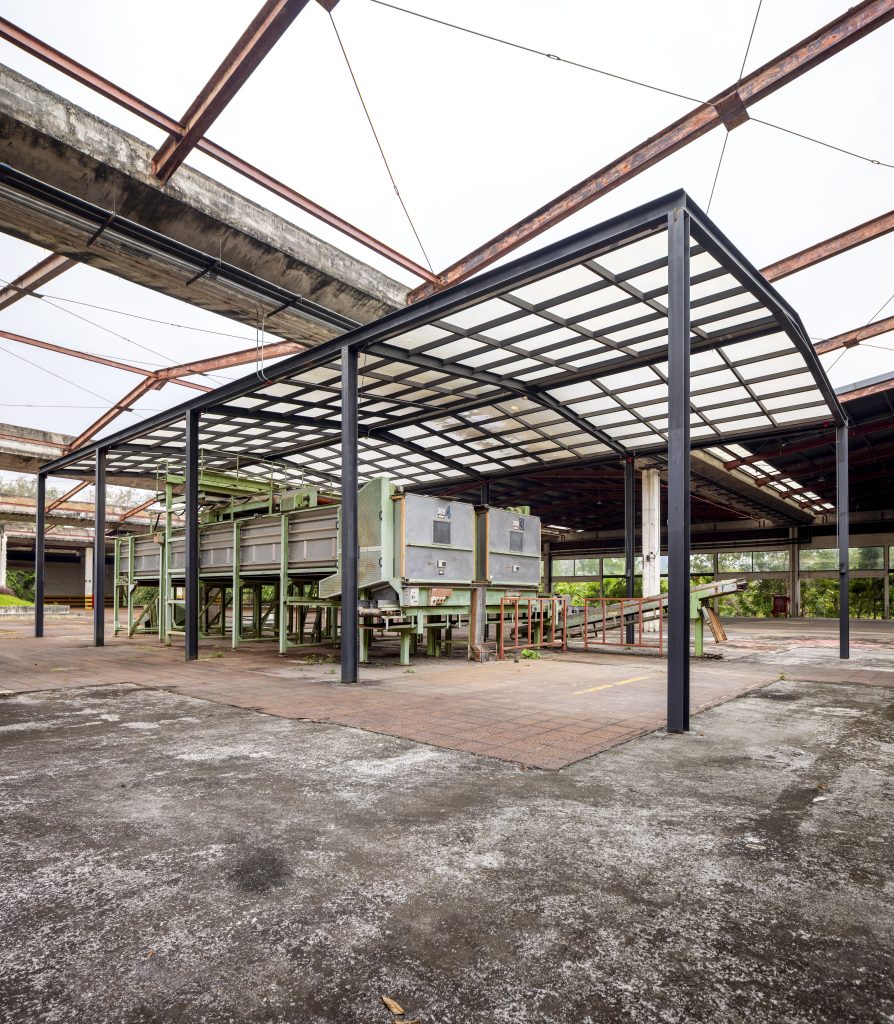
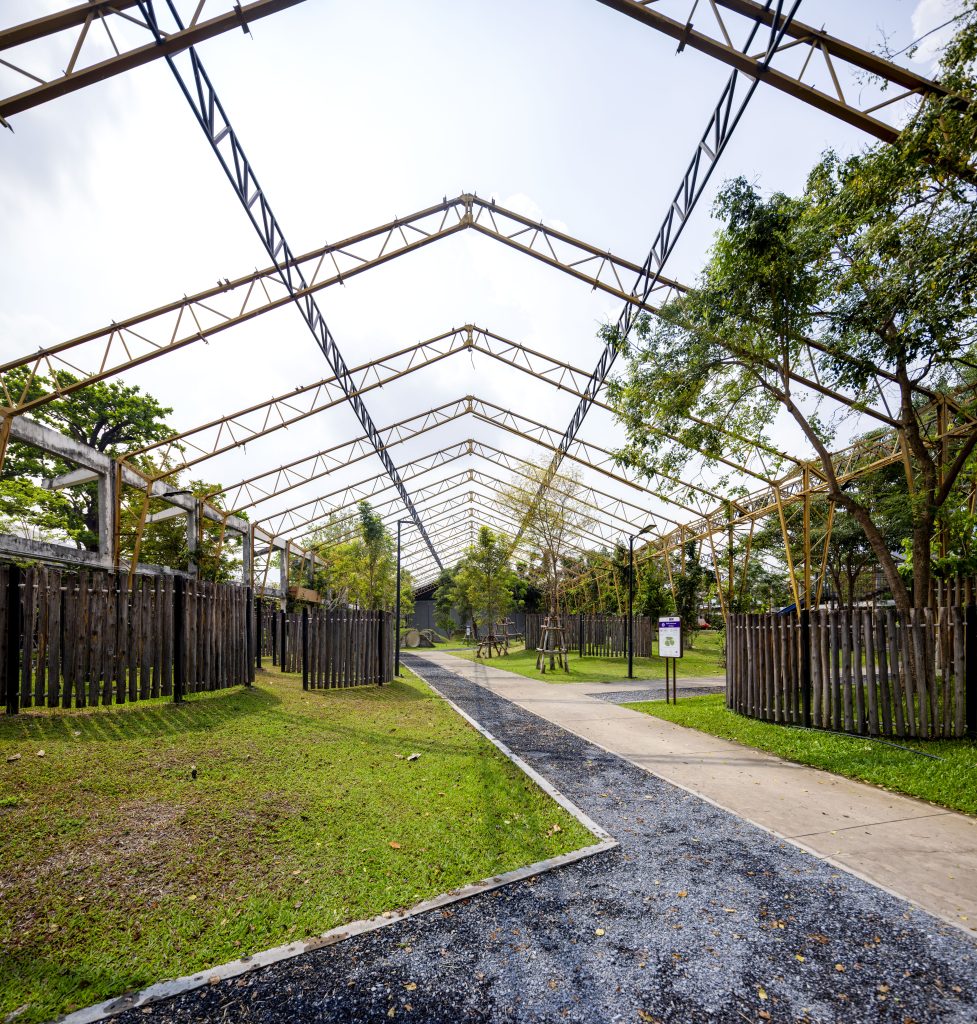
โครงการสวนป่าเบญจกิติระยะ 2–3 มีลักษณะทางสถาปัตยกรรมที่มีเอกลักษณ์เฉพาะตัว เน้นความเรียบง่าย รองรับการใช้งานจริง และสะท้อนยุคอุตสาหกรรมของไทยได้อย่างชัดเจน โดยอาคารโรงงานยาสูบ 5 มีจุดเด่นอยู่ที่การใช้โครงสร้างคอนกรีตเสริมเหล็กร่วมกับโครงสร้างเหล็กที่จัดวางอย่างเป็นระบบแบบโมดูลาร์ (Modular) มีการใช้โครงสร้างเหล็กพาดช่วงกว้างและพื้นโครงสร้างคอนกรีตเสริมเหล็กที่ออกแบบให้ใต้ท้องพื้นเป็นช่องตารางสี่เหลี่ยมลึก (Waffle Slab) ส่วนกลุ่มอาคารโกดัง 1–3 เป็นอาคารคอนกรีตเสริมเหล็กชั้นเดียว หลังคาโครงเหล็กถัก (Truss) พาดช่วงกว้าง
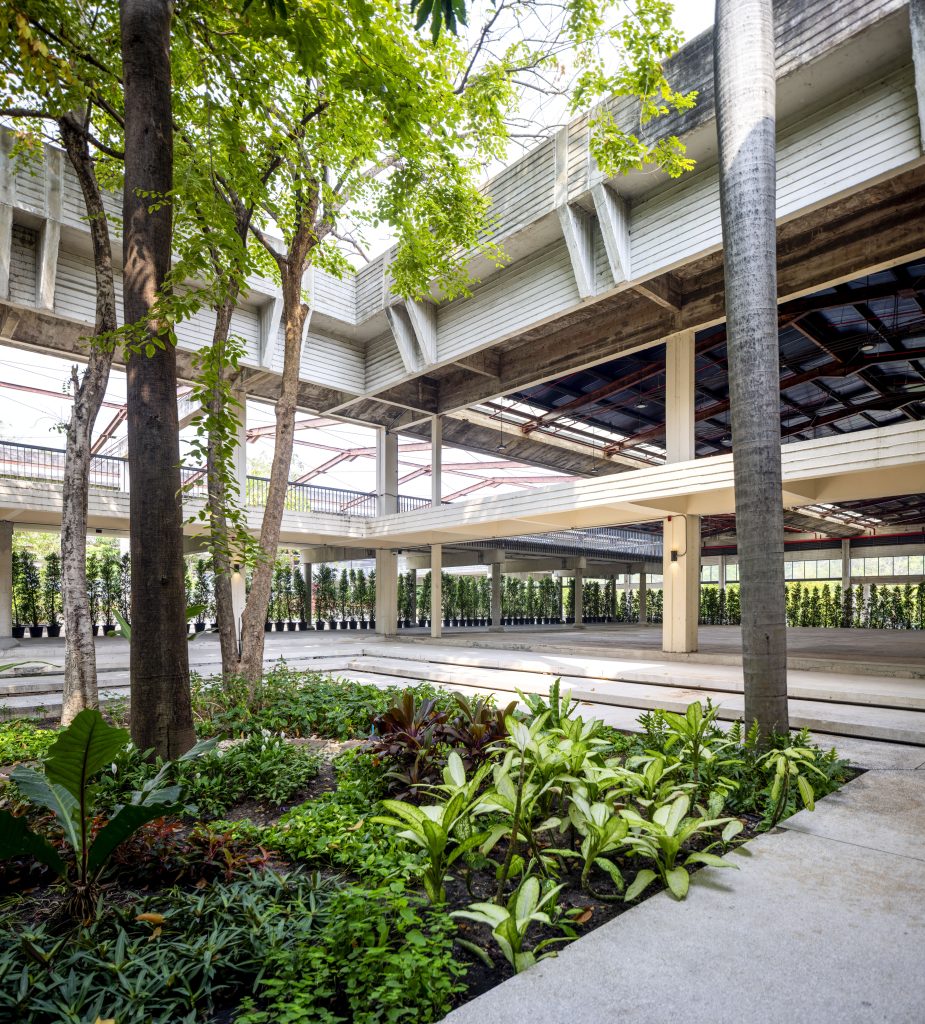
โครงการสวนป่าเบญจกิติระยะ 2–3 แสดงให้เห็นถึงการปรับเปลี่ยนพื้นที่อุตสาหกรรมเดิมให้กลายเป็นส่วนหนึ่งของเครือข่ายพื้นที่สีเขียวของเมือง พร้อมทั้งเชื่อมโยงอาคารพิพิธภัณฑ์เข้ากับสวนป่าเบญจกิติและระบบทางเดินสาธารณะอย่างต่อเนื่อง ก่อให้เกิดพื้นที่สาธารณะสำหรับการพักผ่อน การออกกำลังกาย และการเรียนรู้ด้านสิ่งแวดล้อมของประชาชน การผสานการอนุรักษ์สถาปัตยกรรมอุตสาหกรรมเข้ากับการฟื้นฟูสิ่งแวดล้อมเมืองเช่นนี้สะท้อนแนวคิดของการพัฒนาเมืองอย่างยั่งยืน และทำให้โครงการสวนป่าเบญจกิติกลายเป็นต้นแบบสำคัญของการอนุรักษ์มรดกอุตสาหกรรมควบคู่กับการยกระดับคุณภาพชีวิตของคนเมืองในปัจจุบัน
คำประกาศรางวัล
อาคารศูนย์เรียนรู้การป่าไม้ สวนรุกขชาติเชตะวัน เป็นอาคารมีคุณค่าทางประวัติศาสตร์และสถาปัตยกรรมโดยเป็นอาคารไม้สักสองชั้นรูปแบบแบบโคโลเนียล ที่ประชาชนในท้องถิ่นให้ความสำคัญและจดจำได้จากที่ตั้งริมแม่น้ำยม อีกทั้งยังได้รับการใช้งานมาอย่างยาวนาน เริ่มจากการเป็นที่ทำการของกรมป่าไม้สยาม หรือสำนักงานป่าไม้ภาคแพร่ ตั้งแต่พุทธศักราช 2444 จากนั้นได้รับการปรับปรุงเป็นเรือนพักรับรองเชตวัน ในปีพุทธศักราช 2533 ได้รับการใช้เป็นศูนย์เรียนรู้การป่าไม้จังหวัดแพร่ ต่อมาในปีพุทธศักราช 2563 อาคารถูกรื้อลงจากความผิดพลาดในการจัดทำโครงการปรับปรุงอาคาร
ภาคประชาสังคมในเมืองก่าเเพร่มีส่วนสำคัญในการรณรงค์ให้เกิดการปฏิสังขรณ์อาคารหลังนี้ให้กลับคืนมาสู่สภาพเดิม จากความร่วมมือของกรมอุทยานแห่งชาติ สัตว์ป่าและพันธุ์พืช กรมศิลปากร สมาคมสถาปนิกสยามฯ ร่วมกับหน่วยงานในท้องถิ่นเเละภาคประชาสังคมในพื้นที่ การดำเนินงานมีความท้าทายจากการต้องประกอบอาคารให้กลับคืนมา โดยผ่านการวิเคราะห์ข้อมูลการขุดค้นทางโบราณคดีประกอบกับข้อมูลภาคเอกสาร และการประเมินคุณค่า จนสามารถสรุปรูปแบบทางสถาปัตยกรรมในแต่ละช่วงเวลา นำมาสู่การอนุรักษ์อย่างมีเหตุผล ภายหลังการอนุรักษ์ อาคารเป็นแหล่งเรียนรู้และใช้จัดกิจกรรม อีกทั้งเป็นสัญลักษณ์ของความร่วมมือระหว่างเครือข่าย ซึ่งน่าจะนำไปสู่การอนุรักษ์มรดกเมืองแพร่ในอนาคต
Benjakitti Forest Park Phases 2–3
- Location: Benjakitti Forest Park, Ratchadaphisek Road, Khlong Toei Sub-district, Khlong Toei District, Bangkok
- Architect / Designer: M.R. Laemchan Hastindra Professor Emeritus Captain Krisda Arunvongse na Ayudhya Associate Professor Dr Songkhun Atthakor Assistant Professor Rangsan Tosuwan
- Conservation Architect: Arsomsilp Community and Environmental Architect Company Limited
- Custodian: The Treasury Department, Ministry of Finance
- Date of Construction: 1972
- Conservation Awarded Date: 2026
- Category: Architectural and community heritage conservation projects
Level: Award of Merit
Building Information
The Benjakitti Forest Park Phases 2–3 project comprises Tobacco Factory No. 5 and Warehouse Nos. 1–3, which were originally part of the Thailand Tobacco Monopoly complex. In 1950, the government of the day acquired approximately 96 hectares (600 rai) of land in the Khlong Toei area for the construction of the factory. Tobacco Factory No. 5 was created in 1972 as a manufacturing facility, designed by several pioneering Thai architects. Warehouse Nos. 1–3 were built to store tobacco leaf; neither their designer nor their precise date of construction is documented. Over more than six decades, the Tobacco Monopoly played a significant role in the national economy, serving as a major employer and an economic hub for the surrounding district. As Bangkok expanded rapidly, however, the site became engulfed by dense commercial and residential development, bringing a concept to relocate a large-scale industry from the city centre and to increase public green space. This vision took concrete form in 1992 under the government of Prime Minister Anand Panyarachun, whose policy was to relocate the Tobacco Monopoly from Khlong Toei and to develop the site as a large public park in honour of Her Majesty Queen Sirikit the Queen Mother. The relocation of manufacturing operations to Rojana Industrial Park in Phra Nakhon Si Ayutthaya Province was completed in 2018. The historic site was subsequently transformed into Benjakitti Forest Park, one of Bangkok’s major public parks, while retaining selected buildings of historical value — namely Tobacco Factory No. 5 and Warehouse Nos. 1–3. Factory Building No. 5 has been adapted as the Benjakitti Forest Park Museum, and the warehouse group has been converted into a sports and wellness centre for urban recreation.
The buildings of Benjakitti Forest Park Phases 2–3 possess a distinctive industrial architectural character: utilitarian, rationally planned, and clearly expressive of Thailand’s industrial era. Tobacco Factory No. 5 is notable for its combined reinforced concrete and structural steel frame, arranged on a modular grid. The building employs long-span steel beams together with reinforced concrete waffle slabs — floor plates whose soffits are articulated with a deep rectilinear coffer pattern. Warehouse Nos. 1–3 are single-storey reinforced concrete structures roofed with long-span steel trusses.
The Benjakitti Forest Park Phases 2–3 project demonstrates the successful transformation of a former industrial site into an integral component of the city’s green infrastructure network. The museum building is linked to the wider Benjakitti Forest Park and the public pedestrian system, creating a continuous public route for recreation, exercise, and environmental education. This integration of industrial heritage conservation with urban environment has integrated the principles of sustainable urban development, establishing Benjakitti Forest Park as an important model for the preservation of industrial heritage alongside the enhancement of urban quality of life.
Award Announcement
The Benjakitti Forest Park Phase 2–3 Project consists of Tobacco Factory Building No. 5 and Warehouse Buildings No. 1–3, which were formerly part of a tobacco factory complex occupying more than 600 rai of land. These buildings possess historical and architectural significance as examples of industrial heritage, having been constructed around the 1970s. A key architectural feature of the complex is its wide-span modular structural system, designed by prominent Thai architects of that period.
Following the relocation of the tobacco factory, completed in 2018, the site was redeveloped into the Benjakitti Forest Park Museum and public park area. Tobacco Factory Building No. 5 and Warehouse Buildings No. 1–3 were systematically conserved and adaptively reused. The conservation approach emphasized the preservation of the original structural framework while modifying the interior spaces to accommodate new functions, including a sports center, exhibition spaces, and areas for rotating public activities. In addition, certain building components were removed to create open-air spaces for exercise areas, children’s playgrounds, and stronger connections between the buildings and the surrounding park landscape.
The conservation project of these building groups serves as an excellent example of the preservation and adaptive reuse of industrial architecture, offering a valuable model for similar industrial heritage projects in other contexts. However, the conservation and redevelopment of Tobacco Factory Building No. 5 and Warehouse Buildings No. 1–3 still require further interior improvements in several areas in order to fully realize the original master plan.
สถานีวิทยุศาลาแดง
อ่านเพิ่มเติม
สถานีวิทยุศาลาแดง
- ที่ตั้ง: หัวมุมด้านตะวันออกเฉียงเหนือของถนนพระรามสี่และถนนวิทยุ กรุงเทพมหานคร
- สถาปนิก/ผู้ออกแบบ: ไม่ปรากฏชื่อผู้ออกแบบ
- สถาปนิกอนุรักษ์: บริษัท กุฎาคาร จำกัด
- ผู้ครอบครอง: โครงการ วัน แบงค็อก (บริหารจัดการโดยบริษัท วัน แบงค็อก จำกัด ภายใต้ สัญญาเช่าจากสำนักงานพระคลังข้างที่
- ปีที่สร้าง: พุทธศักราช 2567
- ปีที่ได้รับรางวัล พ.ศ. 2569
- ประเภท งานอนุรักษ์มรดกทางสถาปัตยกรรมและชุมชน
- ระดับ ดี
ข้อมูลอาคาร
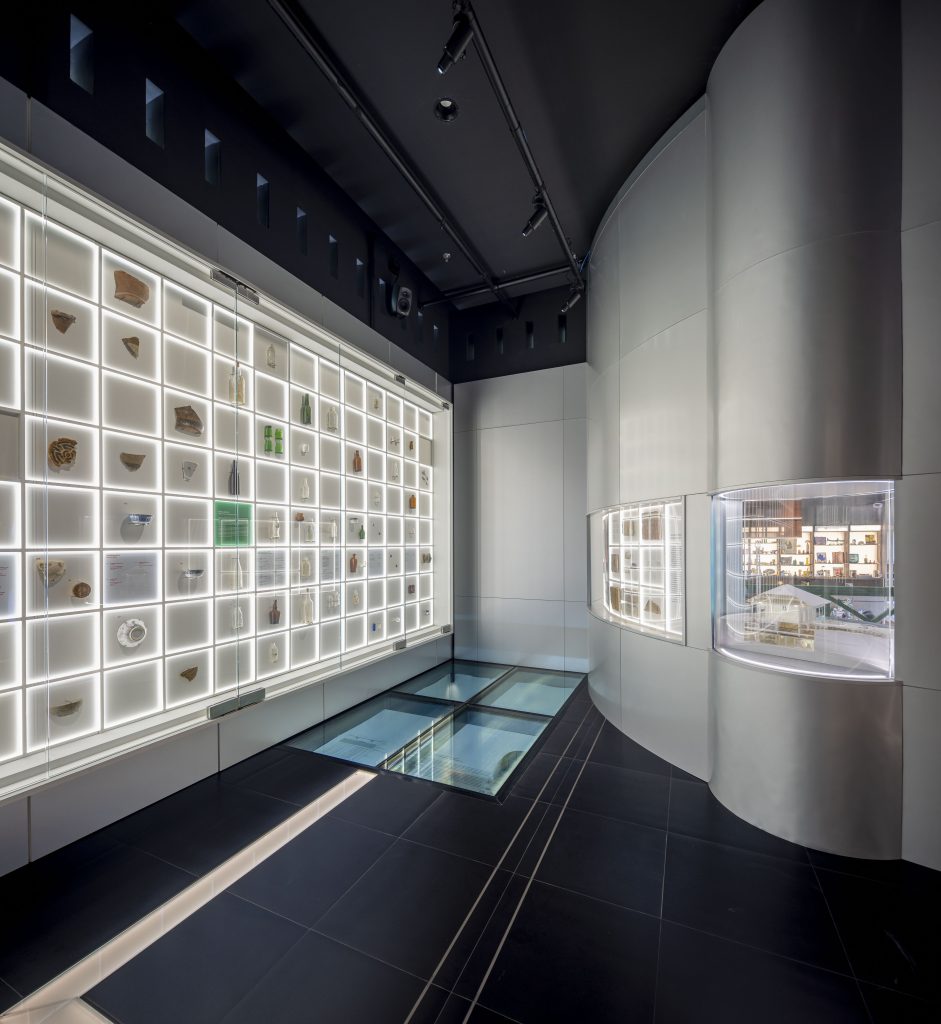
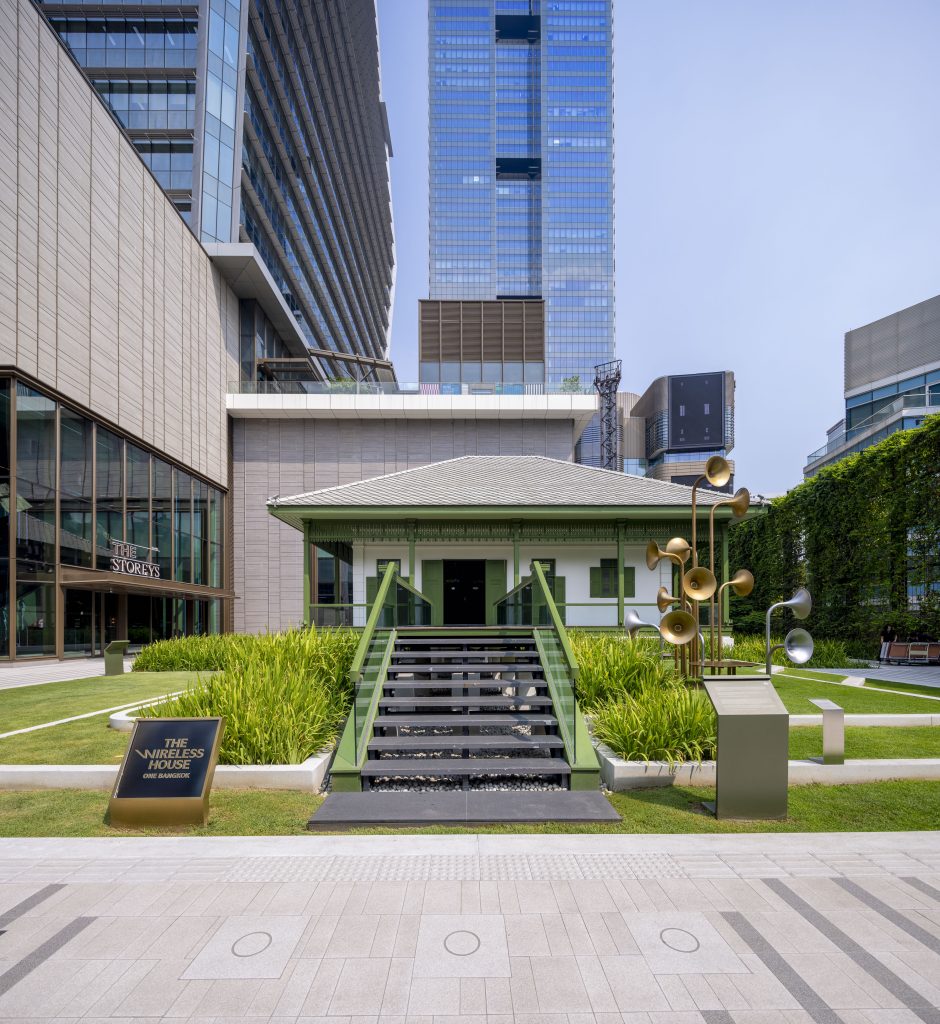
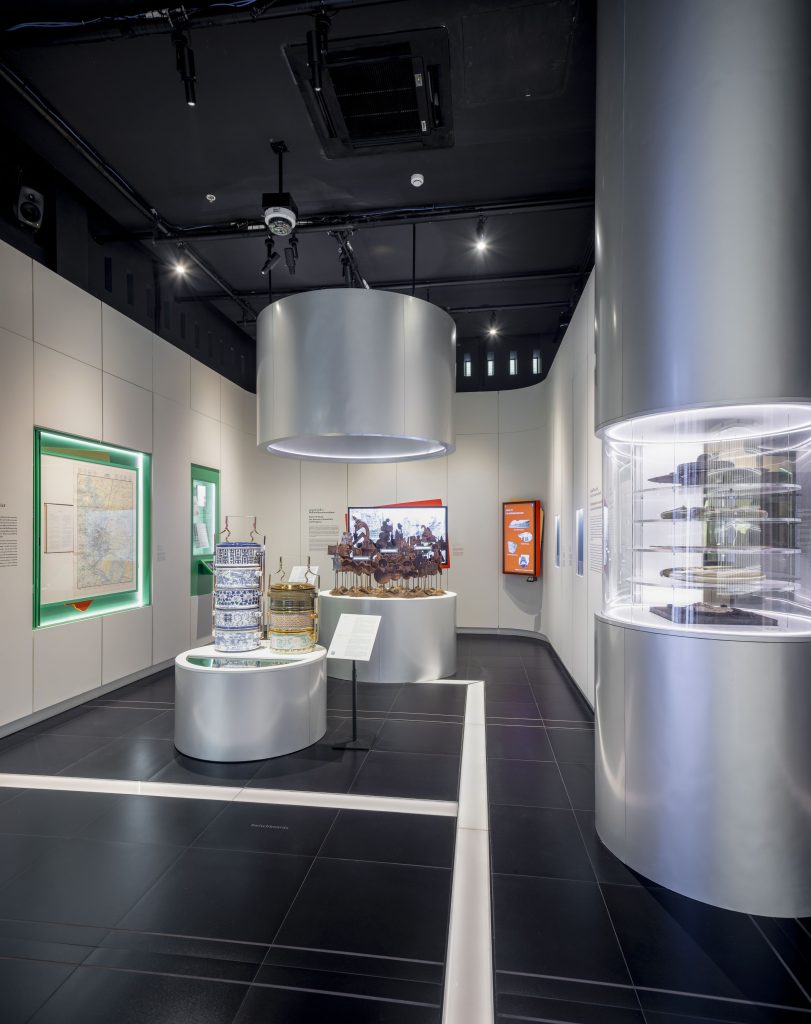
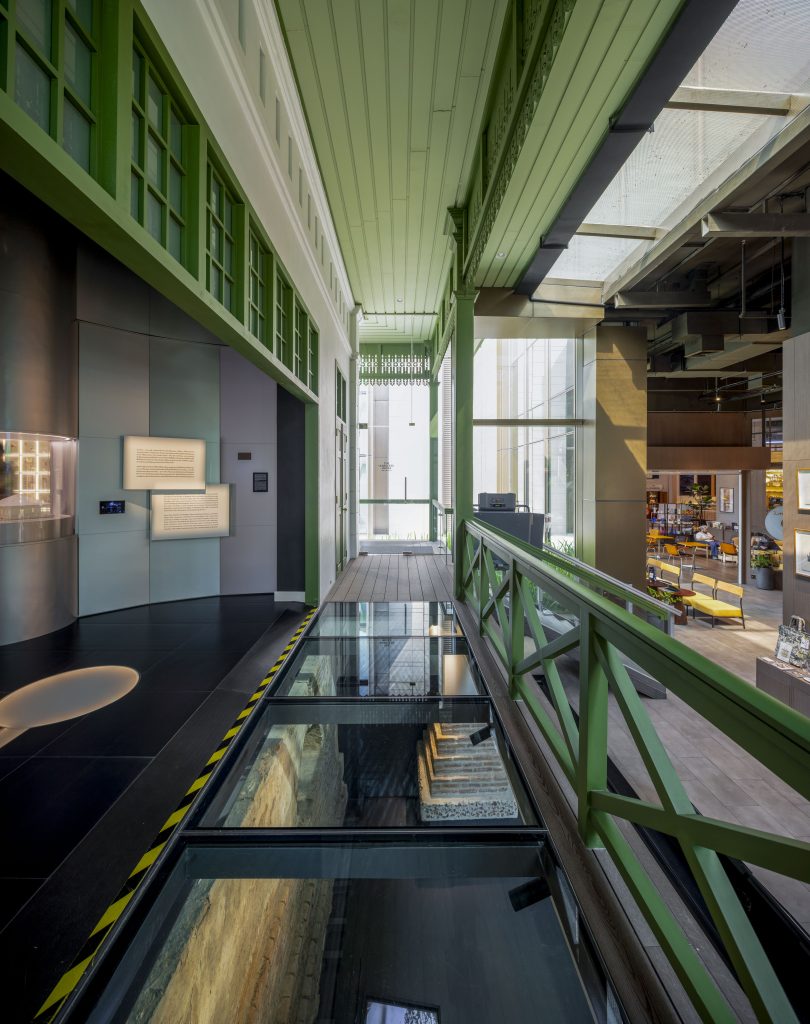
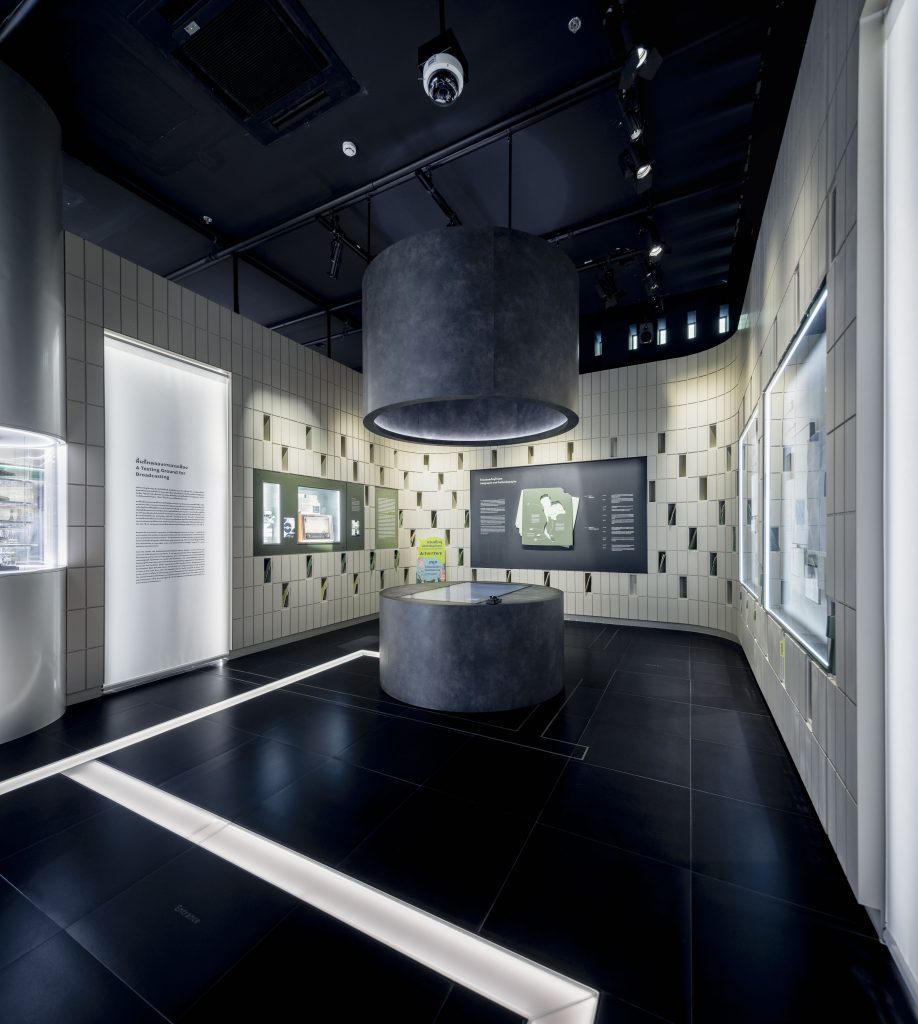
สถานีวิทยุศาลาแดง เป็นโครงการที่วัน แบงค็อกได้ทำงานร่วมกับผู้เชี่ยวชาญแขนงต่าง ๆ ที่เกี่ยวข้องกับการอนุรักษ์ ประกอบด้วยนักโบราณคดี นักอนุรักษ์ สถาปนิกอนุรักษ์ และวิศวกรผู้มีความชำนาญด้านอาคารอนุรักษ์ เริ่มดำเนินการมาตั้งแต่พุทธศักราช 2559 กระบวนการทำงานครอบคลุมตั้งแต่การสำรวจและขุดค้นทางโบราณคดี การรื้อย้าย (Relocation) โบราณสถาน และเสาอากาศ และการสร้างใหม่ (Reconstruction) โดยอ้างอิงรูปแบบและลักษณะทางสถาปัตยกรรมจากหลักฐานเอกสาร ภาพถ่าย และผลการขุดค้นทางโบราณคดีเพื่อคืนสภาพอาคารให้กลับมามีความใกล้เคียงกับของเดิมมากที่สุด ทั้งนี้ตำแหน่งใหม่อยู่ห่างจากตำแหน่งเดิมประมาณ 200 เมตร โดยตลอดระยะเวลาดำเนินงานได้มีการจัดทำรายงานและบันทึกภาพทุกขั้นตอนอย่างเป็นระบบเพื่อคงไว้ซึ่งหลักฐานทางวิชาการและพัฒนาเป็นองค์ความรู้สำหรับการศึกษาต่อยอดในอนาคต และถูกนำมาถ่ายทอดผ่านการจัดทำนิทรรศการถาวรด้านประวัติศาสตร์และการอนุรักษ์ ทั้งนี้งานอนุรักษ์โบราณสถาน การสร้างอาคารและการจัดนิทรรศการแล้วเสร็จในเดือนตุลาคม พุทธศักราช 2567 และเปิดให้สาธารณชนเข้าชมโดยไม่เสียค่าใช้จ่ายตั้งแต่เดือนพฤศจิกายนปีเดียวกัน
สถานีวิทยุศาลาแดง เป็นอาคารชั้นเดียว มี 3 ระดับ ดังนี้
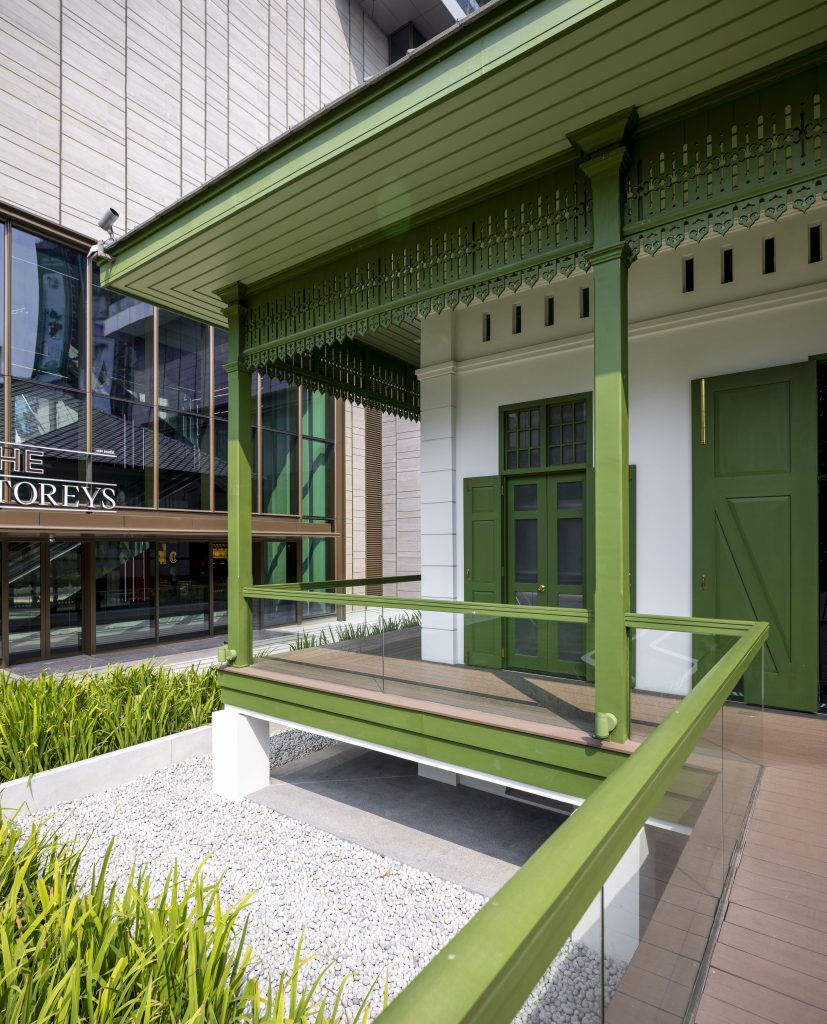
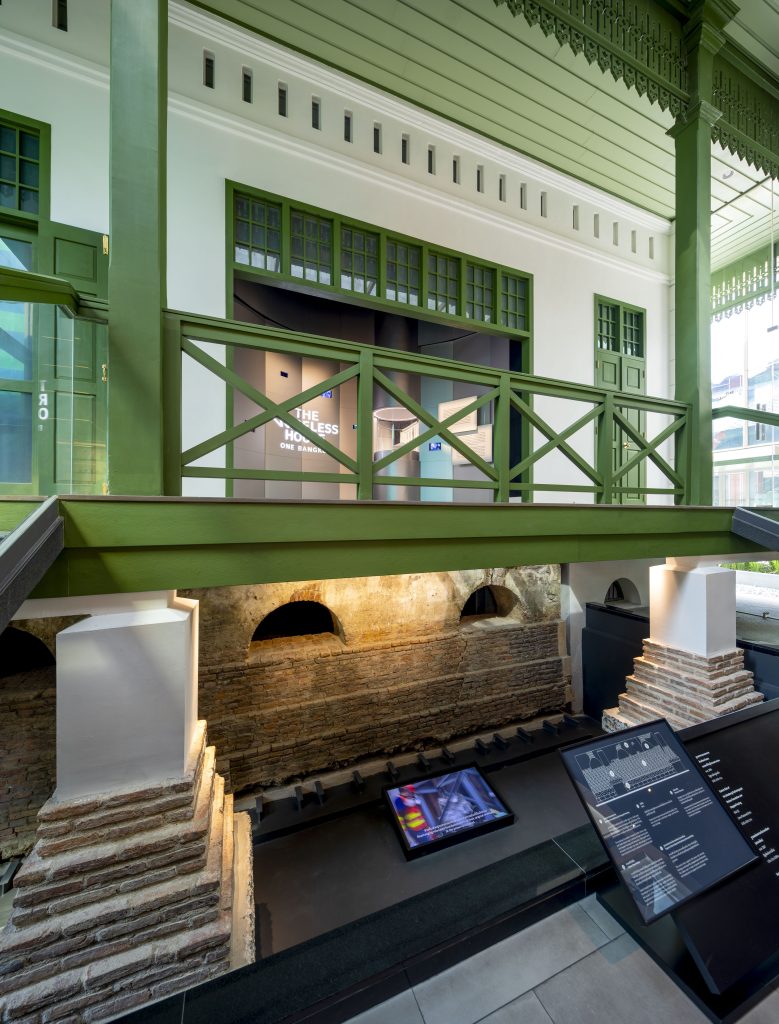
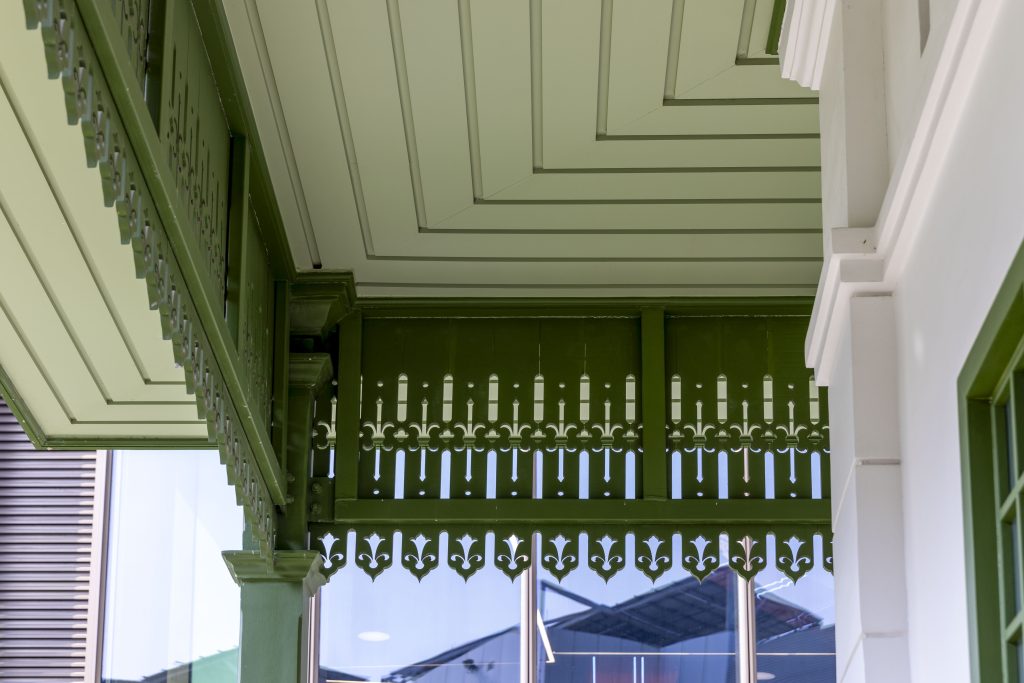
1. ระดับชั้นบนดิน เป็นส่วนอาคารที่สร้างขึ้นใหม่ใหม่ งานหลังคาออกแบบด้วยโครงสร้างเหล็กมุงด้วยกระเบื้องซีเมนต์รูปว่าว ขนาด 13 นิ้ว เพื่อรักษารูปแบบและขนาดดั้งเดิม ฝ้าชายคาและไม้ฉลุลายทำจากไม้เทียม โดยฝ้าชายคาตีทับแนวและไม้ฉลุลายฉลุตามรูปแบบเดิม ผนังภายนอกก่ออิฐสองชั้นเว้นช่องอากาศตรงกลางเพื่อให้ได้ความหนาตามแบบ ซ่อนโครงสร้างเสาและคานคอนกรีต ก่อนฉาบปูนเรียบและทาสีตามหลักฐานอาคารเดิม ส่วนผนังภายในออกแบบให้มีสัญลักษณ์สื่อความหมายบนพื้นและผนัง โดยใช้วัสดุแตกต่างเพื่อให้ง่ายต่อการสังเกตและเข้าใจ ประตูและหน้าต่างภายนอกคงรูปแบบดั้งเดิม ใช้ไม้สักเสริมบานกระจกภายในเพื่อป้องกันการรั่วไหลของอากาศจากระบบปรับอากาศ เสาระเบียงภายนอกใช้เสาเหล็กหุ้มไม้ ราวระเบียงกันตกทำจากกระจกใสประกอบราวจับไม้ เพื่อรักษาระดับความสูงตามต้นฉบับ พื้นระเบียงภายนอกใช้ไม้เทียมตีเว้นร่อง ส่วนพื้นภายในเป็นคอนกรีตเสริมเหล็ก ปูผิวด้วยหินขัด (Terrazzo) พร้อมฝังเส้นทองเหลืองตามแนวผนังเดิม เพื่อสื่อความหมายการแบ่งพื้นที่ใช้สอย ผนังใต้ถุนก่ออิฐฉาบปูนและทาสีเดียวกับผนังภายนอก เพื่อรักษาความต่อเนื่องของอาคาร ช่องระบายอากาศชั้นใต้ถุนติดตั้งโครงเหล็กและมุ้งลวดเพื่อให้อากาศถ่ายเทสะดวก และเพิ่มความปลอดภัยสำหรับการจัดเก็บโบราณวัตถุ
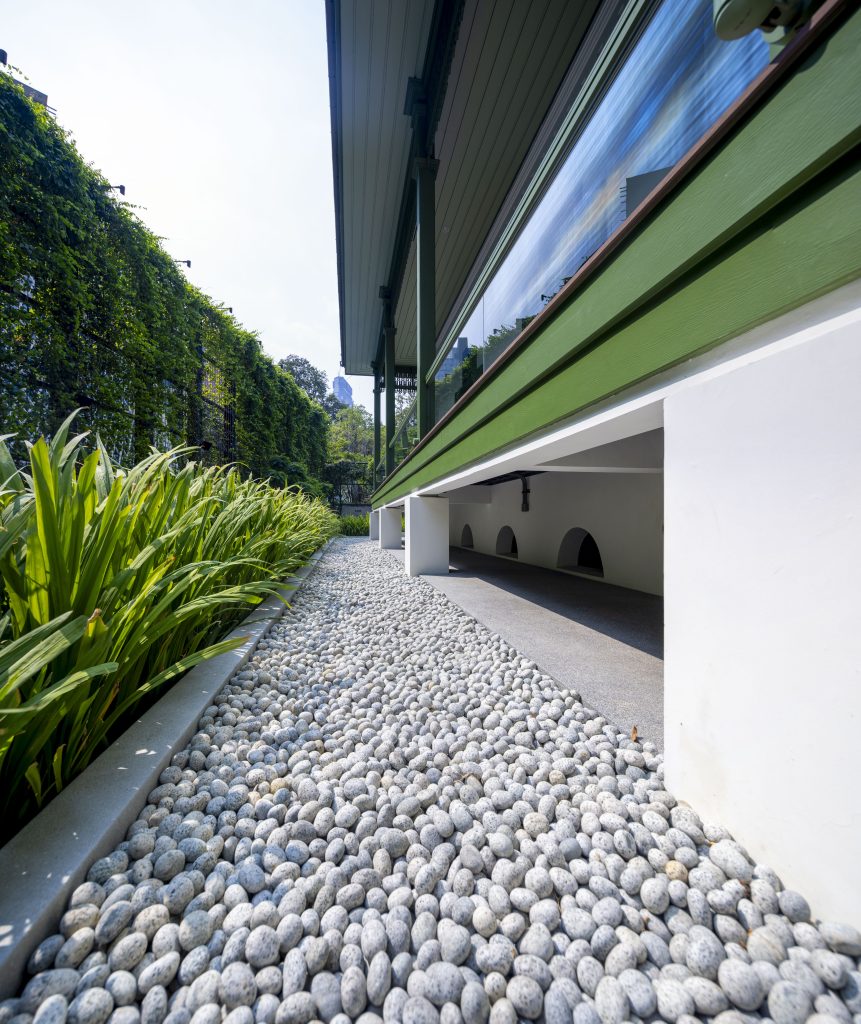
2. ระดับชั้นใต้ถุน ได้รับการออกแบบให้มีความสูงมากกว่าระดับสถาปัตยกรรมดั้งเดิมประมาณ 1.5 เมตร เพื่อเป็นพื้นที่จัดเก็บโบราณวัตถุ โดยคำนึงถึงหลักเกณฑ์ด้านความปลอดภัยและความเหมาะสมในการเก็บรักษา ทั้งในด้านการควบคุมความชื้น อุณหภูมิ การระบายอากาศ ตลอดจนมาตรการป้องกันและกำจัดแมลงหรือสัตว์รบกวนที่อาจก่อให้เกิดความเสียหายต่อโบราณวัตถุ
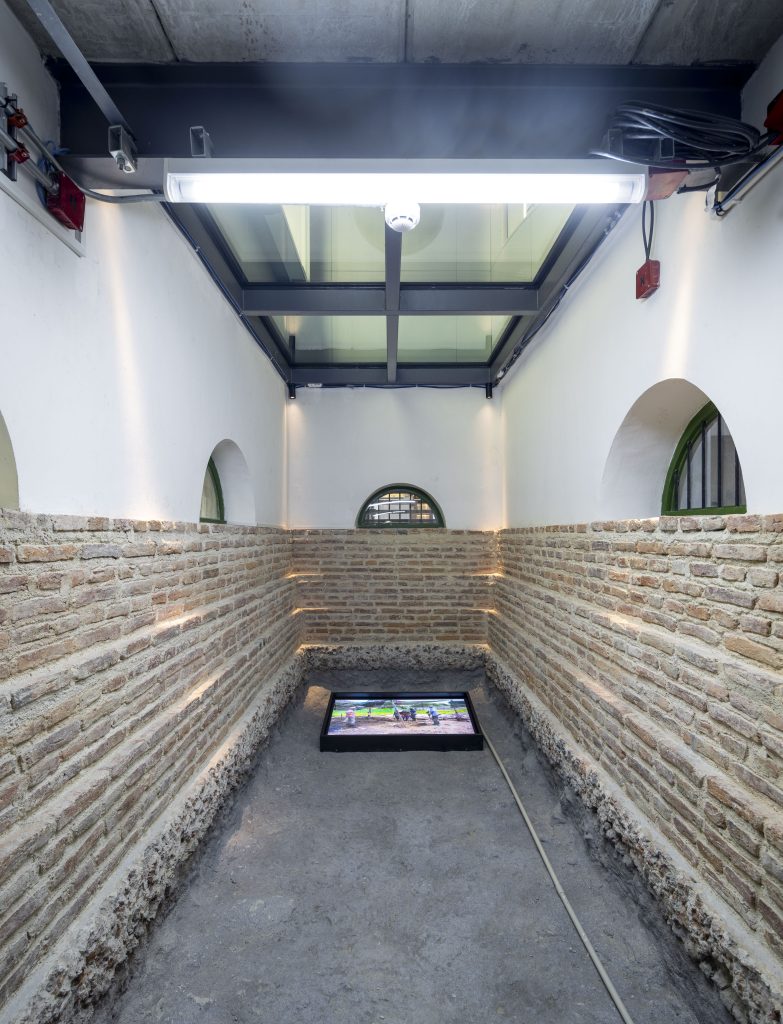
ระดับชั้นฝังกลบ ฐานรากอาคารและฐานเสาตอม่อรองรับชายคาเดิมถือเป็นหลักฐานทางสถาปัตยกรรมที่มีคุณค่ายิ่ง เนื่องจากสะท้อนรูปแบบสถาปัตยกรรมและเทคนิคการก่อสร้างในอดีต อย่างไรก็ตาม ด้วยข้อจำกัดด้านพื้นที่ก่อสร้างและการสร้างอาคารสถานีวิทยุศาลาแดง จึงไม่สามารถเก็บรักษาฐานรากและตอม่อไว้ ณ ตำแหน่งดั้งเดิมได้ จำเป็นต้องเคลื่อนย้ายและสงวนรักษาด้วยวิธีฝังกลบในพื้นที่ที่จัดเตรียมขึ้นเพื่อคงสภาพลดความเสี่ยงจากความชำรุดด และเปิดโอกาสในการศึกษาและการอนุรักษ์ในอนาคต ขณะเดียวกันฐานรากบางส่วนที่มีคุณค่าต่อการศึกษาได้ขออนุญุาตกรมศิลปากรนำมาจัดแสดงในพื้นที่จัดแสดงที่เหมาะสม
ระดับชั้นฝังกลบ ฐานรากอาคารและฐานเสาตอม่อรองรับชายคาเดิมถือเป็นหลักฐานทางสถาปัตยกรรมที่มีคุณค่ายิ่ง เนื่องจากสะท้อนรูปแบบสถาปัตยกรรมและเทคนิคการก่อสร้างในอดีต อย่างไรก็ตาม ด้วยข้อจำกัดด้านพื้นที่ก่อสร้างและการสร้างอาคารสถานีวิทยุศาลาแดง จึงไม่สามารถเก็บรักษาฐานรากและตอม่อไว้ ณ ตำแหน่งดั้งเดิมได้ จำเป็นต้องเคลื่อนย้ายและสงวนรักษาด้วยวิธีฝังกลบในพื้นที่ที่จัดเตรียมขึ้นเพื่อคงสภาพลดความเสี่ยงจากความชำรุดด และเปิดโอกาสในการศึกษาและการอนุรักษ์ในอนาคต ขณะเดียวกันฐานรากบางส่วนที่มีคุณค่าต่อการศึกษาได้ขออนุญุาตกรมศิลปากรนำมาจัดแสดงในพื้นที่จัดแสดงที่เหมาะสม
คำประกาศรางวัล
สถานีวิทยุศาลาแดงเป็นสถานีวิทยุโทรเลขแห่งแรกของไทย สร้างขึ้นในสมัยพระบาทสมเด็จพระมงกุฎเกล้าเจ้าอยู่หัว สำหรับใช้ในราชการทหารเรือ โดยเสด็จฯ มาทรงประกอบพิธีเปิดสถานีวิทยุแห่งนี้เมื่อวันที่ 13 มกราคม พ.ศ. 2456 อาคารจึงมีคุณค่าทางประวัติศาสตร์ในฐานะหลักฐานของการพัฒนาเศรษฐกิจและสังคม อีกทั้งมีคุณค่าทางสถาปัตยกรรมอย่างยิ่ง อาคารได้รับการขึ้นทะเบียนเป็นโบราณสถาน แต่ได้ถูกรื้อลงไปในเวลาต่อมา
โครงการอนุรักษ์สถานีวิทยุศาลาแดงได้รับการจัดทำขึ้นผ่านกระบวนการศึกษาข้อมูลจากเอกสาร ภาพถ่าย และผลการขุดค้นทางโบราณคดี เพื่อคืนสภาพอาคารให้กลับมาในพื้นที่ใกล้กับตำแหน่งเดิม ผู้เชี่ยวชาญหลายฝ่ายทำงานร่วมกันเพื่อก้าวข้ามข้อจำกัดต่าง ๆ โดยมีทั้งการสำรวจและขุดค้นทางโบราณคดี การรื้อย้ายส่วนของอาคาร และการสร้างใหม่ (Reconstruction) นอกจากนี้ ยังมีการออกแบบองค์ประกอบใหม่โดยเคารพหลักฐาน แต่แสดงให้เข้าใจว่าไม่ใช่ของดั้งเดิม มีการจัดเก็บองค์ประกอบด้วยการฝังกลบเพื่อรักษาสภาพให้คงเดิม ตลอดจนมีการจัดนิทรรศการเพื่อนำเสนอประวัติศาสตร์และการอนุรักษ์แก่สาธารณะ โครงการนี้จึงเป็นตัวอย่างของการอนุรักษ์ที่มีความท้าทายในการคืนอาคารให้สามารถกลับคืนมา เพื่อสื่อความหมายและสอดคล้องกับการใช้สอยใหม่
The Saladaeng Radiotelegraph Station
- Location: North-east corner of Rama IV Road and Witthayu Road, Bangkok
- Architect / Designer: Unattributed
- Conservation Architect: Kudakarn Company Limited
- Custodian: One Bangkok project (managed by One Bangkok Company Limited under a lease from the Privy Purse Bureau)
- Date of Construction: 2024 (reconstruction)
- Conservation Awarded Date: 2026
- Category: Architectural and community heritage conservation projects
- Level: Award of Merit
Building Information
The Saladaeng Radiotelegraph Station is a project in which One Bangkok collaborated with specialists from a range of conservation disciplines including archaeologists, conservators, conservation architects, and engineers with expertise in historic buildings. Work commenced in 2016 and encompassed archaeological survey and excavation, the relocation of the historic structure and its aerial mast, and the reconstruction of the building based on documentary evidence, archival photographs, and archaeological findings, with the aim of reinstating the building as faithfully as possible to its original form. The new site is located approximately 200 metres from the original position. Throughout the project, systematic reports and photographic records were prepared at every stage to preserve the scholarly evidence base and to develop a body of knowledge for future research. This material has been presented through a permanent exhibition on the building’s history and its conservation. The conservation of the historic fabric, the reconstruction of the building, and the installation of the exhibition were completed in October 2024, and the site was opened to the public free of charge from November of the same year.
The Saladaeng Radiotelegraph Station is a single-storey building arranged on three levels:
- Above-ground level, this is the reconstructed building proper. The roof employs a steel frame clad with 13-inch diamond-shaped cement tiles, preserving the original profile and module. The eaves soffit boards and decorative fretwork are executed in composite timber, with the soffit boards laid in overlapping courses and the fretwork cut to the original patterns. The external walls are of double-leaf brickwork with a central cavity to achieve the thickness of the original construction, concealing a reinforced concrete column-and-beam frame behind a smooth rendered and painted finish matching the documented colour scheme. The interior walls incorporate interpretive markers on floors and walls, executed in contrasting materials for ease of identification. The external doors and windows retain the original form, constructed in teak with internal glazed leaves added to prevent air leakage from the climate-control system. The verandah columns are of steel clad in timber. The verandah balustrade is of clear glass with a timber handrail, maintaining the original parapet height. The verandah decking is of composite timber with open joints, while the interior floor is of reinforced concrete finished with terrazzo inlaid with brass strips along the lines of the original walls to demarcate the historical room divisions. The understorey walls are of rendered and painted brickwork matching the external walls to maintain visual continuity. The understorey ventilation openings are fitted with steel frames and wire mesh to permit natural airflow and to secure the artefact storage area.
- Understorey level, this level has been designed with a clearance approximately 1.5 metres greater than the original architectural height, to serve as an artefact store. The design addresses conservation-grade environmental controls involving humidity, temperature, and ventilation together with measures for pest and vermin prevention to safeguard the archaeological material.
- Buried preservation level, the original building foundations and the eaves-canopy stub columns constitute architectural evidence of considerable value, reflecting historic construction techniques and building form. However, owing to site constraints arising from the reconstruction, it was not possible to preserve the foundations and stub columns in their original position. They were therefore relocated and conserved by means of controlled reburial within a purpose-prepared enclosure, reducing the risk of deterioration and allowing for future study and conservation. Selected foundation elements of particular scholarly interest were removed with the permission of the Fine Arts Department and placed on display in an appropriate exhibition setting.
The Saladaeng Radiotelegraph Station demonstrates that the conservation effort has extended well beyond the preservation of architectural form. The project represents an integration of knowledge from multiple disciplines concerned with archaeology, architecture, engineering, and museum studies to safeguard a heritage asset of national importance in the history of telecommunications, alongside urban development, in a manner unprecedented in Thailand. It reflects a conservation approach that bridges past and present, offering the public an opportunity for sustained engagement with the social and cultural dimensions of the site.
Award Announcement
The Saladaeng Radio Station was the first wireless telegraph station in Thailand. Constructed during the reign of King Vajiravudh (Rama VI) for use by the Royal Thai Navy, the station was officially inaugurated by the King on January 13, 1913. The building therefore holds significant historical value as evidence of the development of Thailand’s economy and society, while also possessing outstanding architectural significance. The building was later registered as a historic monument; however, it was eventually demolished.
The conservation project of the Saladaeng Radio Station was carried out through extensive research based on documentary evidence, historical photographs, and archaeological excavation findings in order to reconstruct the building near its original location. Experts from various disciplines collaborated to overcome numerous challenges, including archaeological surveys and excavations, the dismantling and relocation of building elements, and the reconstruction of the structure itself.
In addition, new architectural components were carefully designed in accordance with historical evidence while remaining distinguishable from the original fabric. Certain architectural elements were preserved through reburial techniques in order to maintain their original condition. The project also included exhibitions presenting the history of the station and the conservation process to the public. This project therefore represents an important example of challenging architectural conservation, successfully reconstructing a lost building in a way that conveys its historical significance while accommodating new functions.
วัดน้อย เดล โรซาริโอ
อ่านเพิ่มเติม
วัดน้อย เดล โรซาริโอ
- ที่ตั้ง: เลขที่ 29 หมู่ 10 ตำบลสุรศักดิ์ อำเภอศรีราชา จังหวัดชลบุรี
- สถาปนิก/ผู้ออกแบบ: กลุ่มสถาปนิกและวิศวกร นำโดย Dr. Giorgio Accinelli ชาวอิตาเลียน
- สถาปนิกอนุรักษ์: กลุ่มสถาปนิก ศิษย์เก่าโรงเรียนอัสสัมชัญศรีราชา รุ่น ACS 3821
- โดยคุณสุมิตร สุกิตติ คุณเฉลิมพงศ์ นัยวัฒน์ และคุณธนวัฒน์ เบ็ญจทิมาพร
- ผู้ครอบครอง: โรงเรียนอัสสัมชัญศรีราชา แห่งมูลนิธิเซนต์คาเบรียลแห่งประเทศไทย
- ปีที่สร้าง: พุทธศักราช 2503
- ปีที่ได้รับรางวัล พ.ศ. 2569
- ประเภท งานอนุรักษ์มรดกทางสถาปัตยกรรมและชุมชน
- ระดับ ดี
ข้อมูลอาคาร
วัดน้อย เดล โรซาริโอ แห่งโรงเรียนอัสสัมชัญศรีราชา (Del Rosario Chapel) เป็นสถานที่สำคัญของโรงเรียนอัสสัมชัญศรีราชา สร้างขึ้นในสมัย ภราดามงฟอร์ต เดล โรซาริโอ ชาวสเปน ดำรงตำแหน่งอธิการ (ผู้อำนวยการ) โรงเรียน ลำดับที่ 2 เพื่อใช้เป็นสถานที่ประกอบพิธีทางศาสนาของคนกลุ่มเล็ก เช่น สวดมนต์ หรือมิสซาของภราดาและสัตบุรุษที่มีความใกล้ชิดกับโรงเรียน โดยมีการทำพิธีวางศิลาฤกษ์ในวันที่ 28 เดือนเมษายน พุทธศักราช 2503 และทำพิธีเสกในวันที่ 2 กุมภาพันธ์ พุทธศักราช 2504 โดยพระสังฆราชสงวน สุวรรณศรี ด้วยสภาพอาคารที่ใช้งานมายาวนาน แม้ว่าจะถูกซ่อมแซมและดูแลอย่างดีมาโดยตลอด แต่กาลเวลาก็ทำให้หลายส่วนต้องการการปรับปรุงใหญ่ ดังนั้นในพุทธศักราช 2567 จึงมีการบูรณะอาคารและสภาพแวดล้อมโดยรอบ ทำให้สามารถกลับมาใช้งานได้อย่างมีประสิทธิภาพ และเป็นศูนย์รวมจิตใจของชาวอัสสัมชัญศรีราชา คริสต์ศาสนิกชน และชุมชนแวดล้อมต่อไป โดยตัวอาคารนอกจากเป็นพื้นที่สำหรับศาสนพิธีแล้ว ยังทำหน้าที่เก็บรักษาศาสนภัณฑ์สำคัญด้วย
วัดน้อย เดล โรซาริโอ เป็นอาคารโครงสร้างคอนกรีตเสริมเหล็กชั้นเดียว มีพื้นที่ใช้สอย 845 ตารางเมตร สามารถรองรับผู้ใช้งานได้ 1,200 คน โดย 600 คน บริเวณม้านั่งยาว และมากกว่า 400 คน สามารถยืนด้านหลังและด้านข้าง นอกจากนี้ ยังมีชั้นลอยสำหรับนักร้องประมาณ 80 คนและออแกนไฟฟ้า รูปแบบสถาปัตยกรรมของอาคารเป็นแบบโมเดิร์น ผังพื้นเป็นรูปทรงพัดคลี่ และมีขนาดตามสัดส่วนทองคำ พื้นโถงพิธีมีความลาดเอียงตามสภาพภูมิประเทศ ตรงมุมยอดจะเป็นแท่นบูชา มีกางเขนไม้ใหญ่สลักรูปพระเยซูตรึงบนกางเขนที่เสมือนจริงราวกับมีชีวิต เมื่อสัตบุรุษเข้ามาในวัด สายตาของทุกคนจะไปรวมศูนย์ที่จุดนั้น อันเป็นตำแหน่งพระแท่นบูชา พื้นที่ว่างภายในถูกออกแบบคล้ายโรงละคร สามารถมองเห็นส่วนสำคัญจากทุกพื้นที่ โดยปราศจากเสาบดบังสายตา มีรัศมียาว 34 เมตร ด้านหน้าเป็นส่วนโค้งหนึ่งในสี่ของวงกลม ยาว 52 เมตร ที่จุดศูนย์กลางของวงกลมเป็นหอระฆัง และกางเขนสูง 24.7 เมตร โถงอาคารเป็นพื้นที่โล่งสูงโปร่ง ใช้โครงสร้างถัก (Truss) คอนกรีตเสริมเหล็ก เพื่อรับน้ำหนักมหาศาลของโครงสร้างหลังคา แล้วกระจายน้ำหนักลงสู่เสาหน้าโบสถ์ และเสาบริเวณหอระฆัง จึงทำให้อาคารสามารถทรงตัวได้อย่างสมดุล มีการใช้หน้าต่างช่องนำแสงธรรมชาติในส่วนประกอบพิธี รอบอาคารมีหน้าต่างบานเกล็ดกระจกลายดอกพิกุลสีชาเพื่อกรองแสงอาทิตย์ และการถ่ายเทอากาศตามธรรมชาติ บริเวณด้านหน้าอาคารมีประติมากรรม แม่พระอัสสัมชัญ สร้างขึ้นเพื่อเป็นอนุสรณ์ 50 ปี ครบรอบโรงเรียนอัสสัมชัญศรีราชา
วัดน้อย เดล โรซาริโอ ถือเป็นตัวอย่างสำคัญของการอนุรักษ์ศาสนสถานที่ทรงคุณค่าทางด้านประวัติศาสตร์ และสถาปัตยกรรมตามหลักวิชาการได้เป็นอย่างดี สามารถรักษาองค์ประกอบทางสถาปัตยกรรมของอาคารซึ่งมีความเป็นเอกลักษณ์เฉพาะตัวเอาไว้ได้อย่างน่าชื่นชม และพื้นที่โดยรอบสามารถใช้เป็นสถานที่พักผ่อนหย่อนใจและการจัดกิจกรรมที่เกี่ยวเนื่องกับคริสต์ศาสนาได้อย่างเหมาะสม นอกจากนี้ ยังสามารถใช้เป็นแนวทางในการปรับปรุงอาคารหลังอื่น ๆ ภายในพื้นที่โรงเรียนได้อีกด้วย
คำประกาศรางวัล
วัดน้อย เดล โรซาริโอ แห่งโรงเรียนอัสสัมชัญศรีราชา เป็นอาคารที่มีคุณค่าทางประวัติศาสตร์ สถาปัตยกรรม และคุณค่าทางจิตใจ จากการเป็นสถานที่ประกอบพิธีทางศาสนา โดยได้รับการก่อสร้างในพุทธศักราช 2503 และทำพิธีเสกในวันที่ 2 กุมภาพันธ์ พุทธศักราช 2504 อาคารมีโครงสร้างและวัสดุที่แสดงถึงเทคโนโลยีการก่อสร้างอันทันสมัย ในรูปแบบสถาปัตยกรรมแบบสมัยใหม่ โดยมีการจัดวางผังอาคาร และออกแบบรูปทรงและองค์ประกอบอาคารที่โปร่งโล่งงดงามด้วยการใช้แสงและการระบายอากาศตามธรรมชาติ
การอนุรักษ์อาคารหลังนี้ได้รับการจัดทำขึ้นในพุทธศักราช 2567 โดยสามารถรักษาโครงสร้างและองค์ประกอบทางสถาปัตยกรรมของอาคารไว้ แม้ว่าจะมีการปรับเปลี่ยนสีและลักษณะภายในไปบ้าง อาคารยังคงเป็นศูนย์รวมจิตใจของโรงเรียนอัสสัมชัญศรีราชา และเป็นตัวอย่างของการดูแลรักษาและอนุรักษ์อาคารให้ยังคงมีชีวิตและการใช้งานต่อไปได้
Del Rosario Chapel, Assumption College Sriracha
- Location: 29 Moo 10, Surasak Sub-district, Sriracha District, Chonburi Province
- Architect / Designer: Unattributed
- Conservation Architect: A team of architects and engineers led by Dr Giorgio Accinelli (Italian
- Custodian: A group of alumni architects from Assumption College Sriracha, Class ACS 3821 — Mr Sumitr Sukitti, Mr Charempong Naiyavat, and Mr Thanawat Benjathimaphon
- Date of Construction: 1960
- Conservation Awarded Date: 2026
- Category: Architectural and community heritage conservation projects
- Level: Award of Distinction
Building Information
The Del Rosario Chapel is an important building of Assumption College Sriracha. It was built during the tenure of Reverend Brother Montfort Del Rosario, a Spanish member of the order, who served as the school’s second director. The chapel was built to serve as a place of worship for prayer and Mass celebrated by the Brothers and the congregation closely associated with the school. The foundation stone was laid on 28 April 1960, and the chapel was consecrated on 2 February 1961 by Bishop Sanguon Souvannasri. Although the building had been regularly maintained over the years, several parts of the structure required major restoration. In 2024, the chapel and its surrounding grounds were accordingly restored, returning the building to full functional use and reaffirming its role as a spiritual centre for the Assumption College Sriracha community, the Christian faithful, and the wider neighbourhood. In addition to its liturgical function, the chapel serves as a repository for important ecclesiastical objects.
The Del Rosario Chapel is a single-storey reinforced concrete structure with a usable floor area of 845 square metres, accommodating up to 1,200 persons: approximately 600 seated on pews, over 400 standing at the rear and sides, and some 80 choristers on a mezzanine level equipped with an electric organ. The building is designed in the Modern style. The floor plan takes the form of an unfolded fan, proportioned according to the golden ratio. The nave floor slopes with the natural gradient of the terrain, converging at the apex where the altar is positioned. Behind the altar stands a large timber crucifix bearing a remarkably lifelike carved figure of Christ. The plan ensures that upon entering the chapel, the congregation’s line of sight is drawn directly to this focal point. The interior volume is conceived in the manner of a theatre — every position in the space commands an unobstructed view of the sanctuary, free of intervening columns. The fan extends to a radius of 34 metres; the curved front elevation describes a quarter-circle arc of 52 metres. At the centre point of the circle stand the bell tower and a cross rising to a height of 24.7 metres. The lofty, open nave is spanned by reinforced concrete trusses that carry the considerable weight of the roof structure, distributing loads to the columns at the front façade and at the bell tower, thereby achieving structural balance. Clerestory windows introduce natural light into the sanctuary, while the perimeter walls are fitted with louvred glass windows in a Phikun (a star flower) pattern in tinted amber glass, filtering sunlight and providing natural cross-ventilation. Before the entrance stands a sculpture of the Assumption of Mary, created to commemorate the 50th anniversary of Assumption College Sriracha.
The Del Rosario Chapel stands as an important exemplar of the scholarly conservation of a religious building of both historical and architectural value. The project has successfully preserved the distinctive architectural elements of the chapel, while the restored surrounding grounds now serve appropriately as a place of leisure and a venue for Christian community activities. The project further provides a model for the future con
Award Announcement
The Del Rosario Chapel at Assumption College Sriracha is a building of historical, architectural, and spiritual significance, having long served as a place for religious ceremonies and worship. The chapel was constructed in 1960 and consecrated on February 2, 1961. Its structure and materials reflect advanced construction technology of the period and embody the principles of Modernist architecture. The building features a thoughtfully planned layout and elegantly designed architectural forms and elements, characterized by openness, natural lighting, and natural ventilation.
The conservation of the chapel was undertaken in 2024, successfully preserving the building’s structural system and key architectural elements, despite some modifications to the interior colors and finishes. The chapel continues to serve as the spiritual center of Assumption College Sriracha and stands as an excellent example of the care and conservation of a historic building that remains active and functional through continued use.
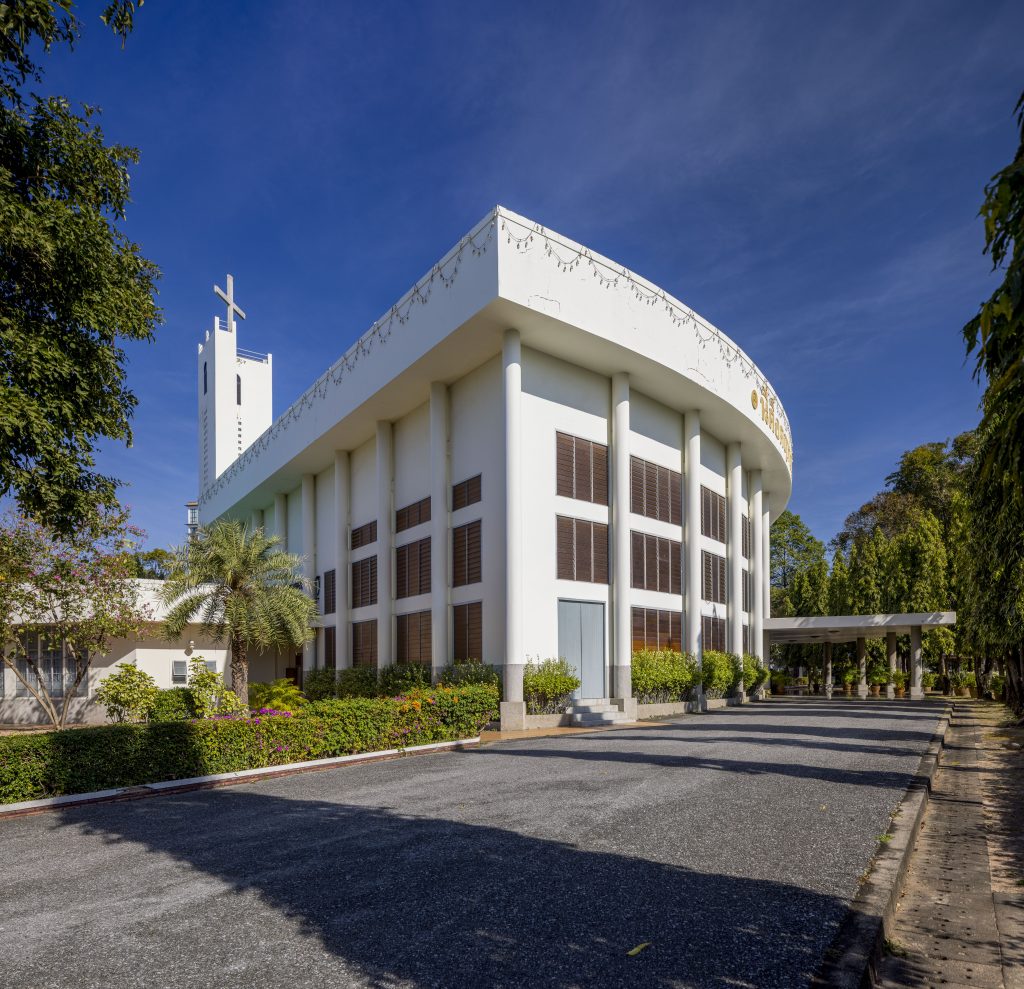
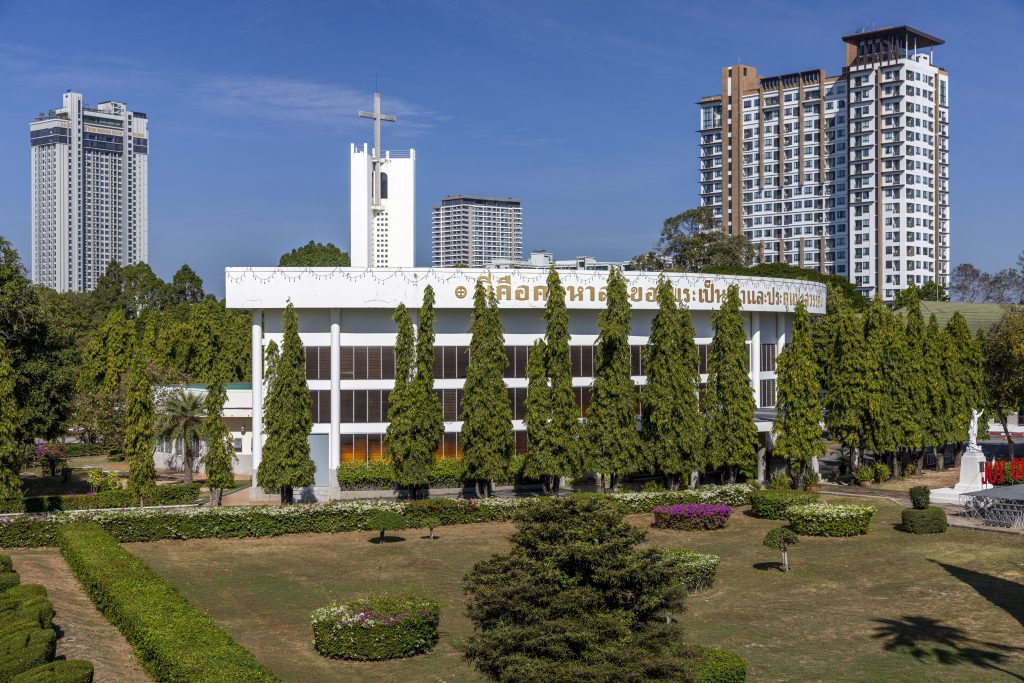
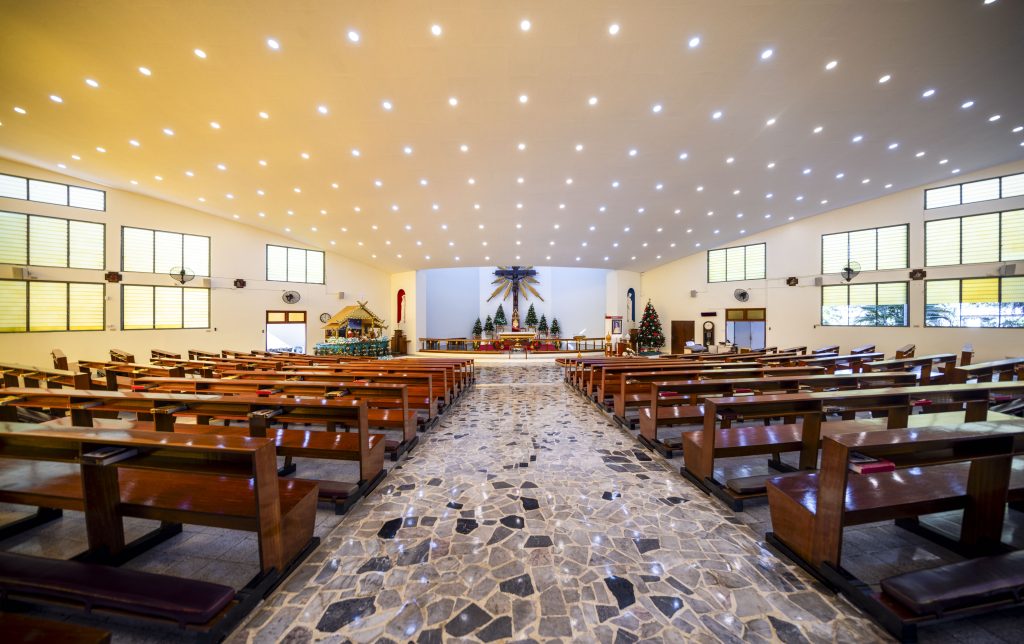
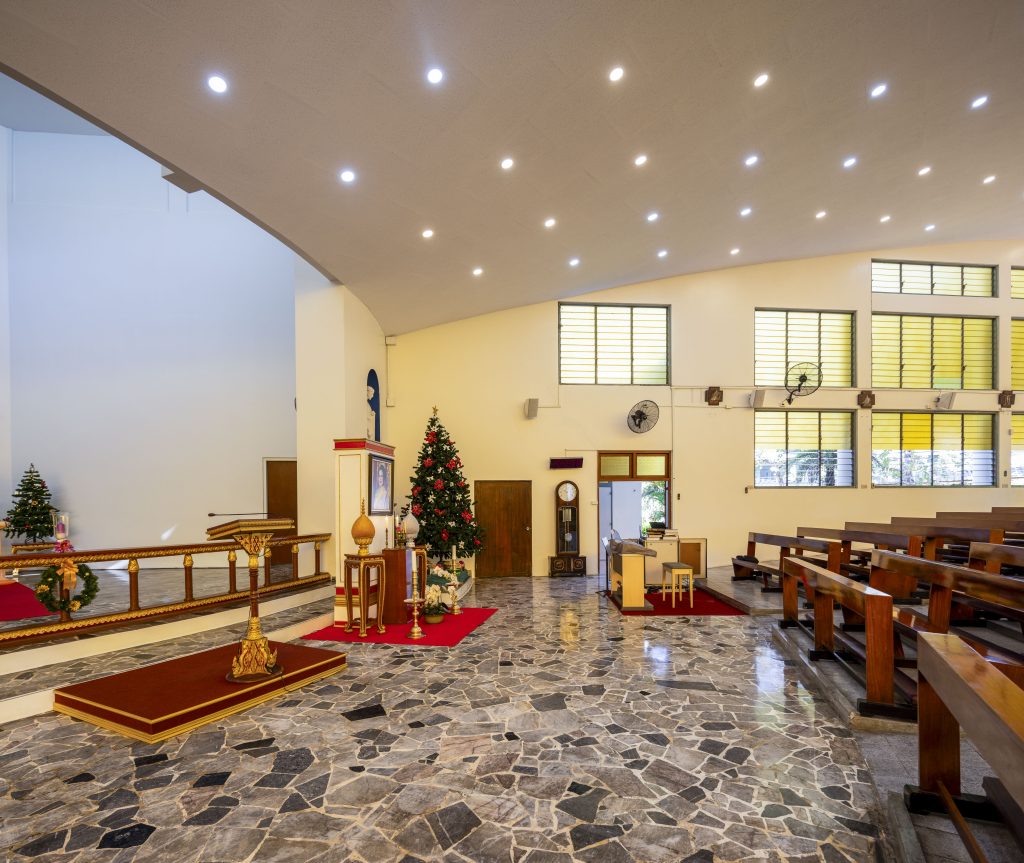
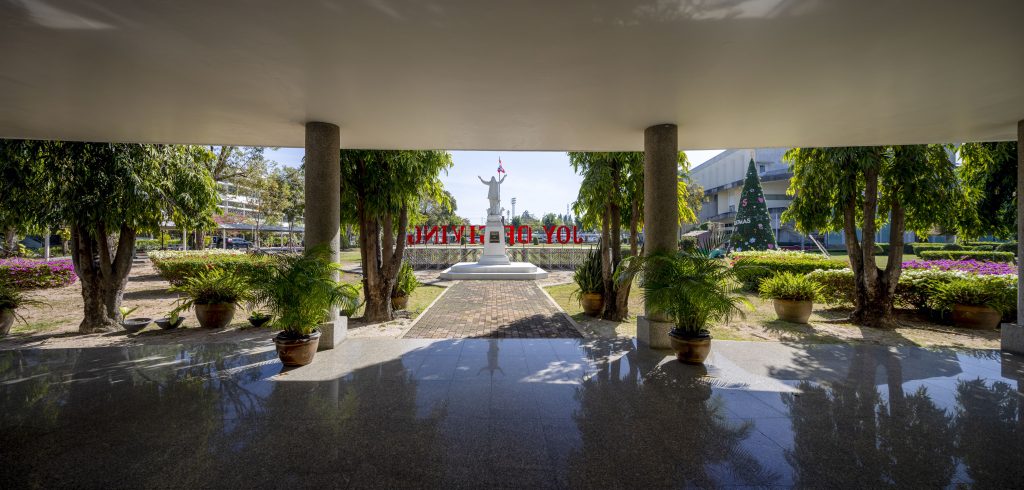
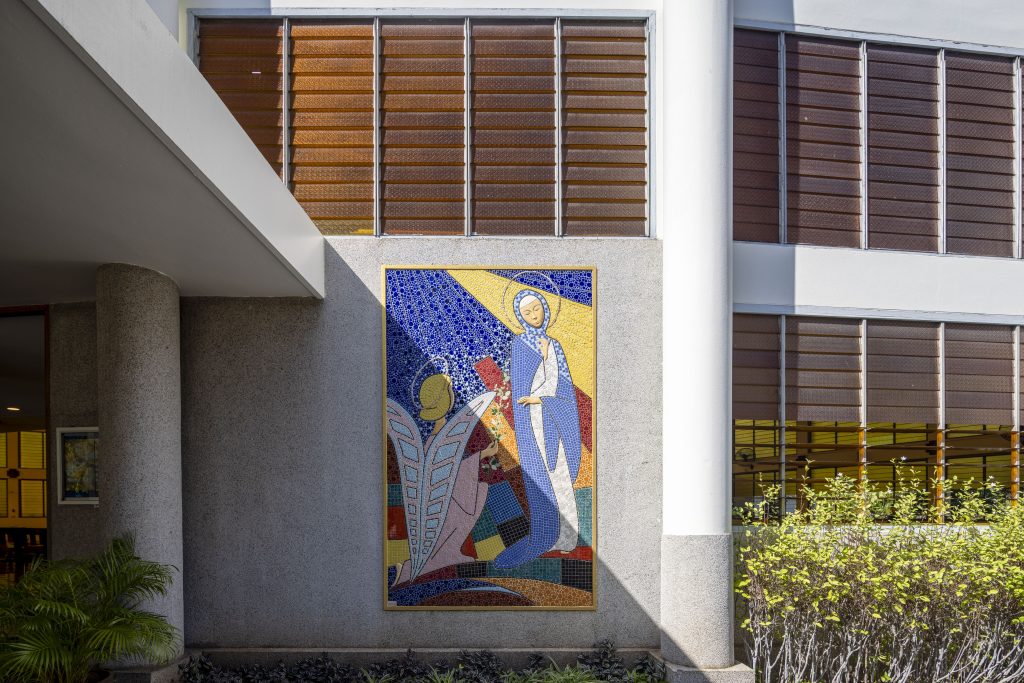
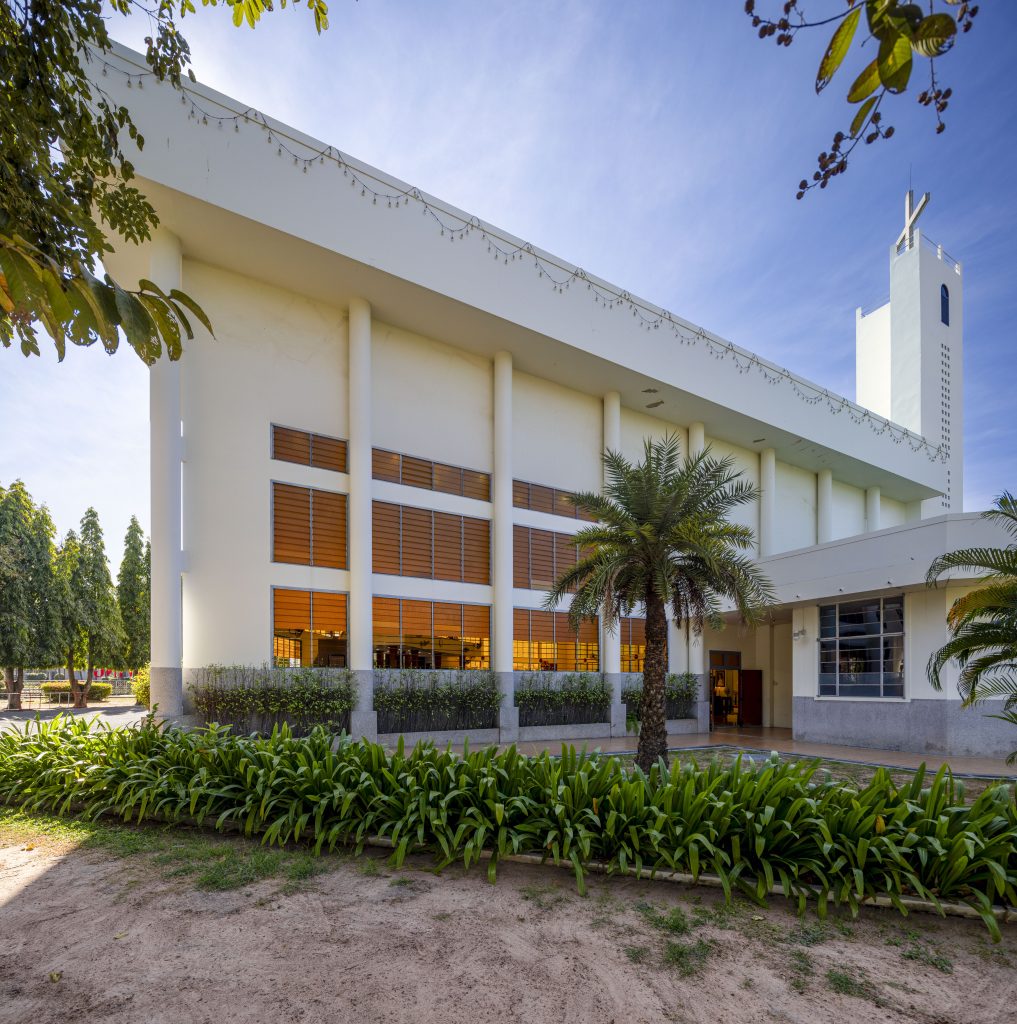
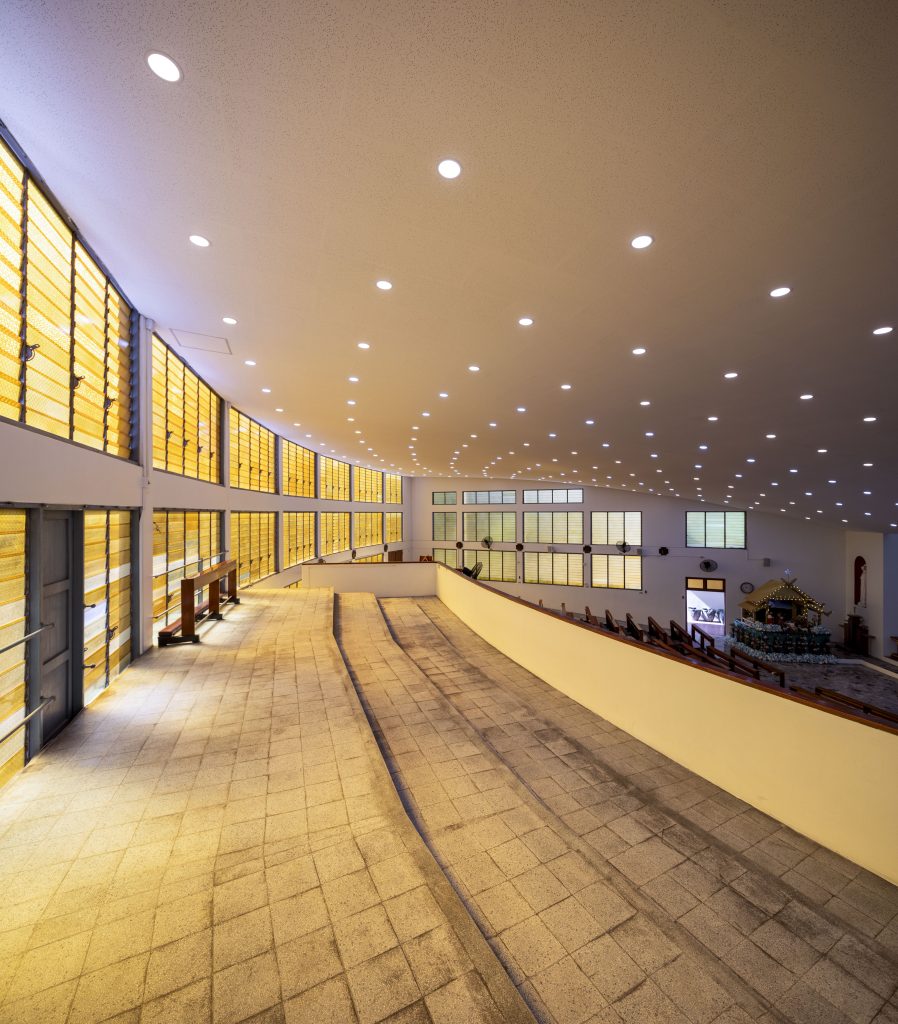
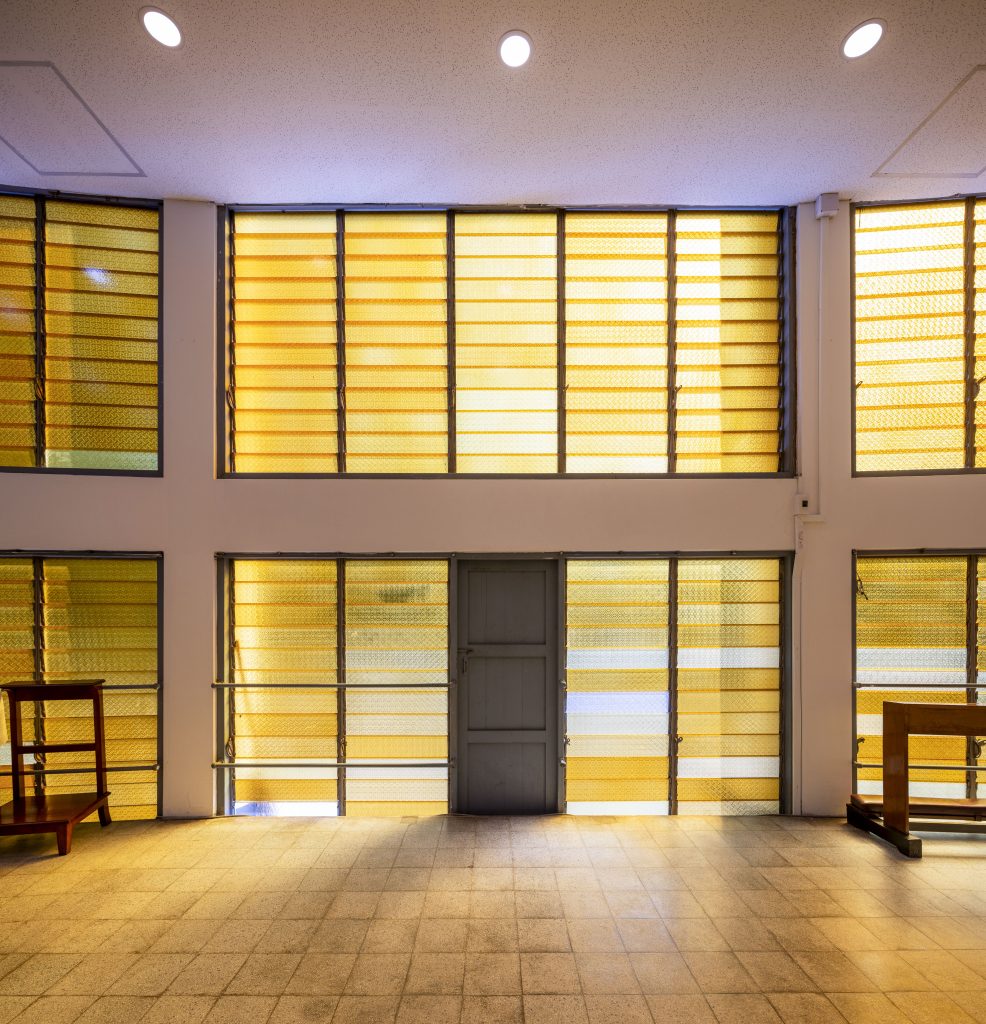
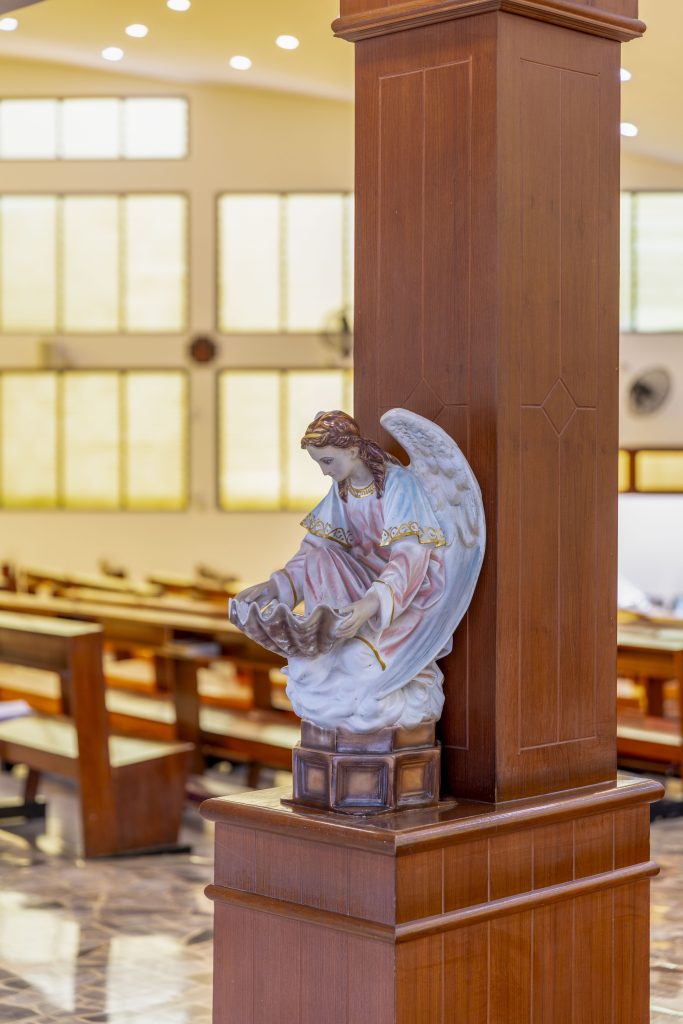
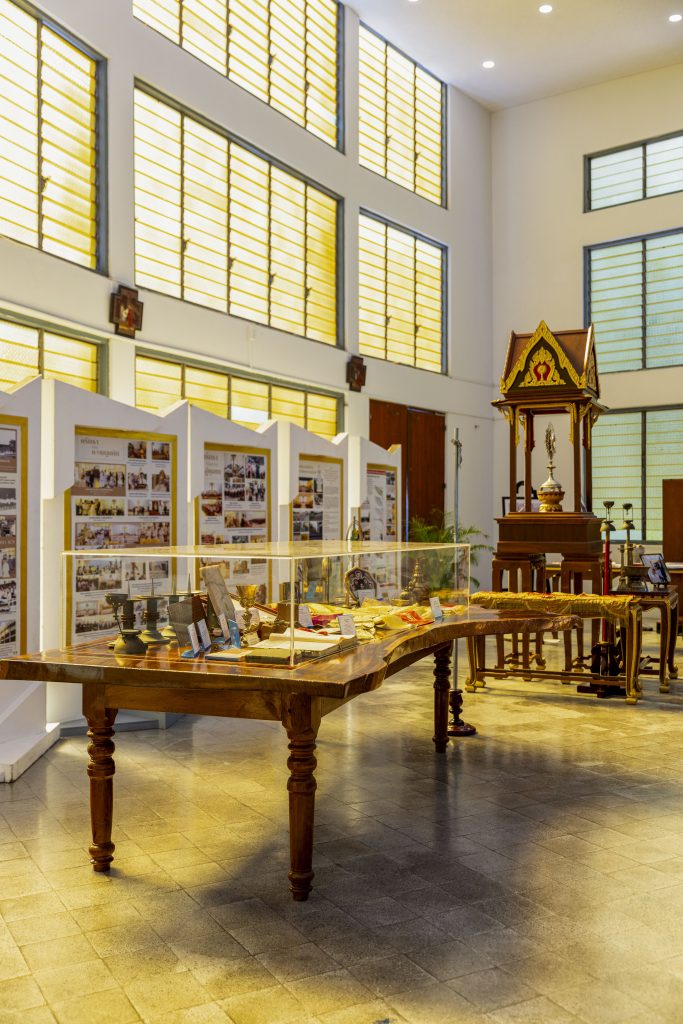
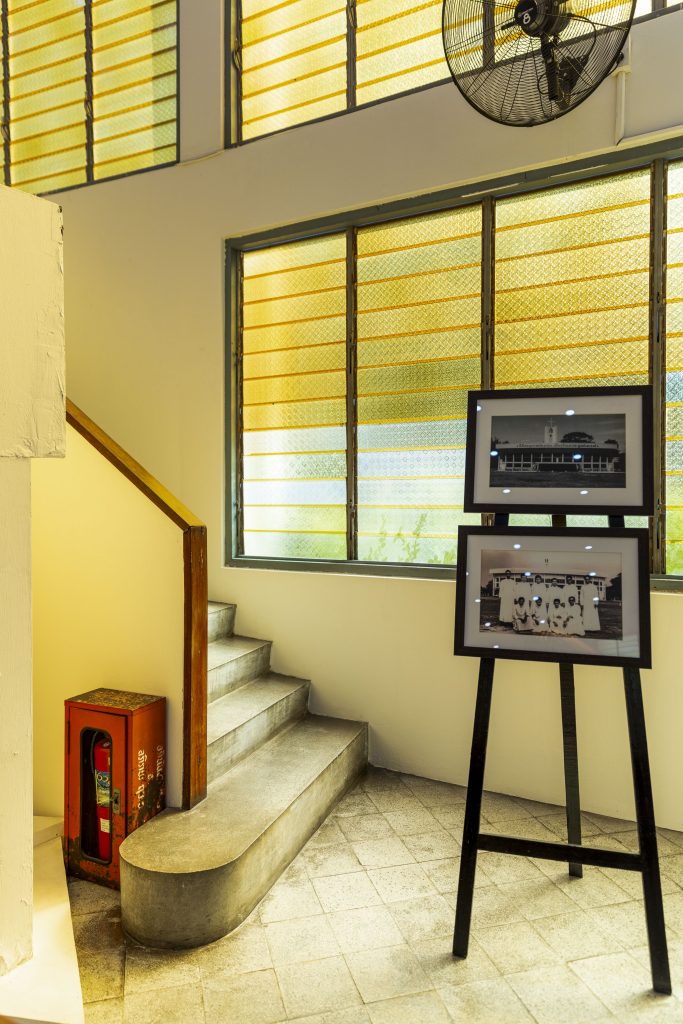
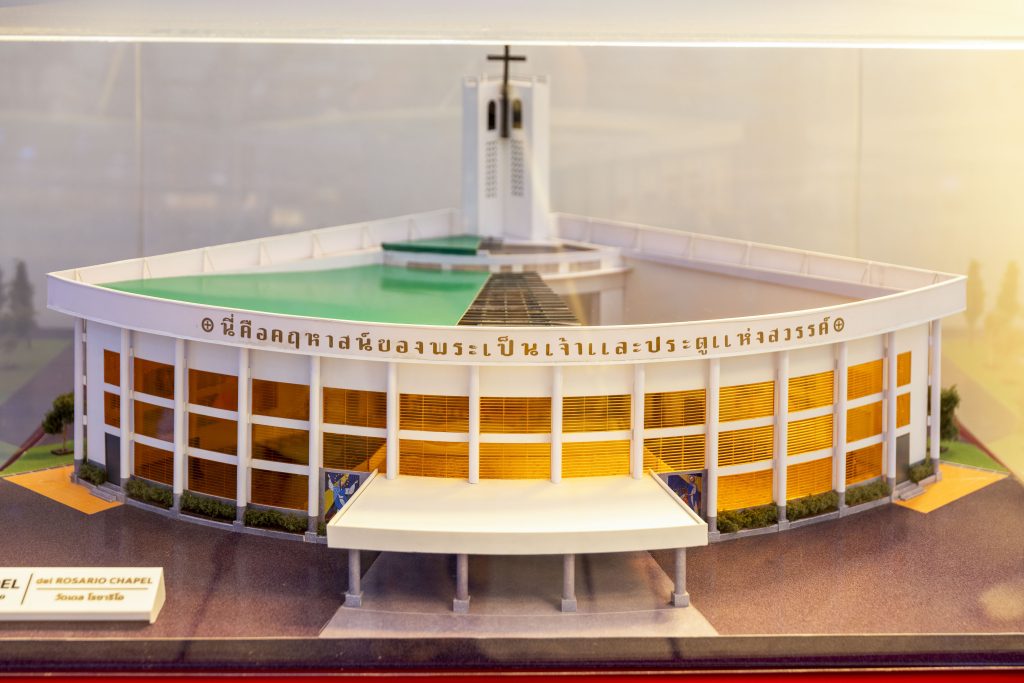
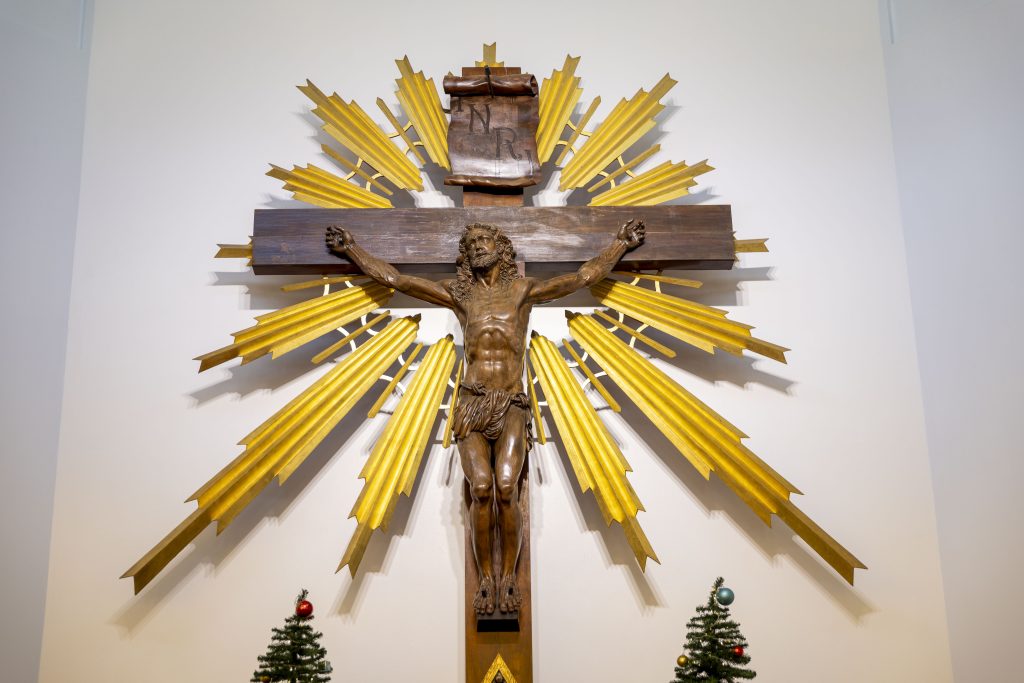
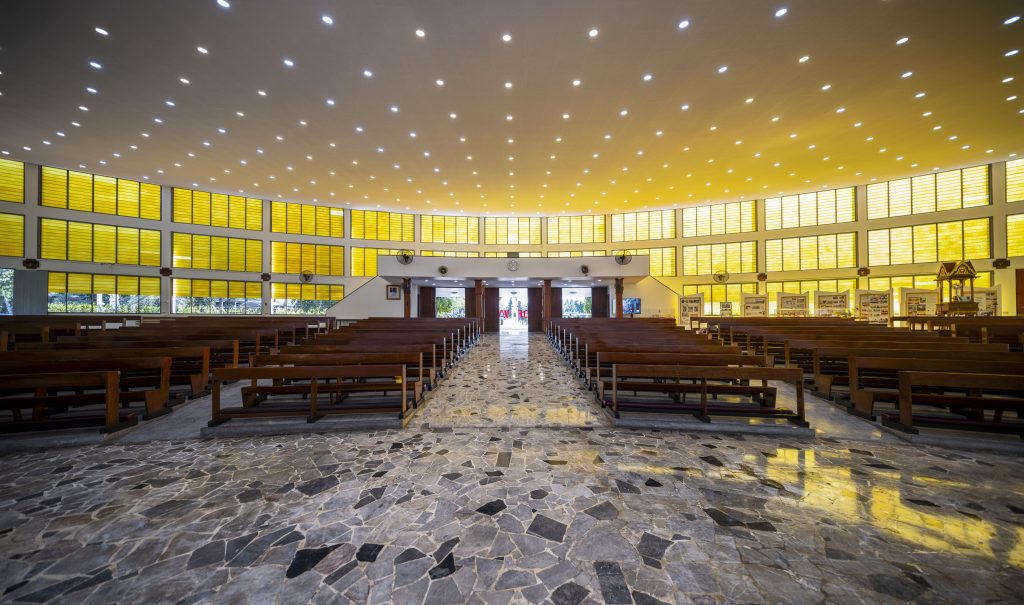
195 ถนนนครนอก
อ่านเพิ่มเติม
195 ถนนนครนอก
- ที่ตั้ง: เลขที่ 195 ถนนนครนอก ตำบลบ่อยาง อำเภอเมือง จังหวัดสงขลา
- สถาปนิก/ผู้ออกแบบ: ไม่ปรากฏชื่อผู้ออกแบบ
- สถาปนิกอนุรักษ์: นายไพฑูรย์ ศฤงฆารนันท์
- ผู้ครอบครอง: นายไพฑูรย์ ศฤงฆารนันท์ และนางไพรินทร์ ศฤงฆารนันท์
- ปีที่สร้าง: พุทธศักราช 2497
- ปีที่ได้รับรางวัล พ.ศ. 2569
- ประเภท งานอนุรักษ์มรดกทางสถาปัตยกรรมและชุมชน
- ระดับ ดี
ข้อมูลอาคาร
195 ถนนนครนอก เดิมเป็นบ้านจั่วทรงจีนของชาวฮกเกี้ยนที่มีประวัติศาสตร์ความเป็นมาราว 200 ปีโครงสร้างเป็นกำแพงรับน้ำหนัก มีแนวกำแพงใต้ดินเป็นโครงสร้างหินเรียงซ้อนชั้นหนา 60 เซนติเมตร ภายหลังสงครามโลกครั้งที่ 2 บ้านจีนฮกเกี้ยนได้พังทลายลง หลังจากนั้น ในพุทธศักราช 2497 บ้านหลังใหม่ถูกสร้างขึ้นเป็นอาคารคอนกรีต สูง3ชั้นครึ่งซ้อนทับโครงสร้างกำแพงรับน้ำหนักเดิมโดยกลุ่มช่างจากกรมศิลปากรและผู้ควบคุมงานชาวอิตาลีเพื่อเป็นสำนักงานนำเข้า-ส่งออกและพักอาศัยก่อนปิดไป ต่อมาในพุทธศักราช 2540 มีการดัดแปลงเป็นบ้านรังนกนางแอ่น ซึ่ง ภายหลังถูกทิ้งร้างอยู่หลายปีจนกระทั่งคุณไพฑูรย์และคุณไพรินทร์ ศฤงฆารนันท์ ได้เข้ามาปรับปรุงฟื้นฟูบ้านจนแล้วเสร็จในพุทธศักราช 2566 ผลของการปรับปรุงฟื้นฟูบ้านครั้งนี้ยังนำไปสู่การก่อตั้งกลุ่ม “ สถาปนิกอาสา” ที่สนับสนุนงานอนุรักษ์เมืองเก่าสงขลาอีกด้วย
195 ถนนนครนอก ประกอบด้วยตึกแถว 4 ชั้น จำนวน 1 คูหา พื้นที่ใช้สอยรวม 600 ตารางเมตร รูปแบบสถาปัตยกรรมแบบผสมผสานจีนโบราณกับอาร์ตเดโค โครงสร้างคอนกรีตเสริมเหล็ก และตึกแถว จำนวน 1 คูหา พื้นที่ใช้สอยชั้นล่างประกอบด้วยทางเข้าบ้านติดกับถนนนครนอก โถงกลางเชื่อมต่อกับห้องทำงาน บันได ห้องน้ำ และส่วนเตรียมอาหารเชื่อมต่อกับห้องรับประทานอาหาร ด้านหลังบ้านเป็นชานนั่งเล่นติดกับทะเลสาบสงขลา ระหว่างห้องทำงานและห้องรับประทานอาหารเป็นสวนกลางบ้าน(ช่องเปิดโล่ง)ไม่มีหลังคาคลุม ชั้นสองประกอบด้วยห้องสมุด ห้องน้ำ และห้องทำงาน ชั้นสามประกอบด้วยห้องนอน ห้องน้ำ และห้องนั่งเล่น และชั้นบนสุดประกอบด้วยห้องนอน ห้องน้ำ ห้องนั่งเล่น และระเบียงสวนหย่อมดาดฟ้าด้านถนนนครนอกและด้านทะเลสาบสงขลา
195 ถนนนครนอก แสดงให้เห็นถึงการอนุรักษ์คุณค่าทางประวัติศาสตร์ และสถาปัตยกรรมดั้งเดิมของบ้านทั้งวัสดุ รายละเอียดงานไม้ ช่องเปิด กระเบื้องปูพื้น พร้อมทั้งปรับปรุงระบบโครงสร้างให้มั่นคงปลอดภัยเพื่อรองรับการใช้งานร่วมสมัย และสร้างผลกระทบเชิงบวกต่อการฟื้นฟูเมืองเก่าสงขลาในภาพรวม รวมทั้งสร้างแรงบันดาลใจแก่เจ้าของอาคารในชุมชนให้เห็นความเป็นไปได้ในการปรับปรุงฟื้นฟูอาคารเก่า
คำประกาศรางวัล
195 ถนนนครนอก เป็นตึกแถวบนถนนนครนอก จังหวัดสงขลา มีความเป็นมาทางประวัติศาสตร์ที่ซ้อนทับกันมายาวนานกว่า 200 ปี เริ่มจากเป็นบ้านจั่วทรงจีนของชาวฮกเกี้ยน ภายหลังสงครามโลกครั้งที่ 2 บ้านดังกล่าวได้พังทลายลง และถูกสร้างขึ้นใหม่เป็นอาคารคอนกรีตสูง 3 ชั้นครึ่ง ในพุทธศักราช 2497 โดยกลุ่มช่างจากกรมศิลปากรและผู้ควบคุมงานชาวอิตาลี จึงนับว่ามีคุณค่าทางประวัติศาสตร์และสถาปัตยกรรม โดยเฉพาะในฐานะตัวอย่างของสถาปัตยกรรมสมัยใหม่ อย่างไรก็ตาม ในช่วงพุทธศักราช 2540 อาคารถูกปรับใช้เป็นบ้านรังนกนางแอ่น และถูกปล่อยทิ้งร้าง กระทั่งได้รับการอนุรักษ์และปรับการใช้สอยใหม่ในพุทธศักราช 2566
การอนุรักษ์ภายใต้ข้อจำกัดที่ส่วนประกอบดั้งเดิมของอาคารส่วนใหญ่ได้ถูกปรับเปลี่ยนไปก่อนหน้า ทำให้ผู้ดำเนินการต้องฟื้นฟูองค์ประกอบอาคารและดัดแปลงพื้นที่ให้สอดคล้องกับการใช้งานในปัจจุบัน โครงการนี้จึงเป็นตัวอย่างของความพยายามในการรักษารูปแบบสถาปัตยกรรมสมัยใหม่ โดยไม่ปรับเปลี่ยนไปเป็นรูปแบบอื่น พร้อมทั้งออกแบบองค์ประกอบใหม่ให้สอดคล้องกับของเดิม
The 195 Thanon Nakhon Nok Building
- Location: 29 Moo 10, Surasak Sub-district, Sriracha District, Chonburi Province
- Architect / Designer: Unattributed
- Conservation Architect: Mr Paitoon Sringkaranan
- Custodian: Mr Paitoon Sringkaranan and Mrs Pairin Sringkaranan
- Date of Construction: 1954
- Conservation Awarded Date: 2026
- Category: Architectural and community heritage conservation projects
- Level: Award of Distinction
Building Information
The 195 Thanon Nakhon Nok Building originally located on the site of a Hokkien Chinese gabled house with a history of approximately 200 years. The earlier structure was of load-bearing masonry with a subterranean wall of dry-stacked stone, 60 centimetres thick. The Hokkien house collapsed following the Second World War. In 1954, a new three-and-a-half-storey reinforced concrete building was created upon the surviving load-bearing wall foundations by a team of craftsmen from the Fine Arts Department under the supervision of an Italian foreman. The building served as the premises of an import–export business and a family residence before eventually ceasing operation. In 1997 it was converted into a swiftlet nesting house. The building was subsequently abandoned for several years until Mr Paitoon and Mrs Pairin Sringkaranan undertook its rehabilitation, which was completed in 2023. The project also gave rise to the founding of the Volunteer Architects group (Sathaapanik Aasa), which supports conservation efforts in Songkhla Old Town.
The 195 Thanon Nakhon Nok Building comprises a single-bay, four-storey shophouse with a total usable area of 600 square metres. Its architectural style is an eclectic blend of traditional Chinese and Art Deco elements, executed in a reinforced concrete structure. The ground floor is arranged as follows: the entrance, fronting Nakhon Nok Road, leads into a central hall connecting to a study, staircase, bathroom, and a kitchen-preparation area that opens onto a dining room. At the rear of the house, a terrace overlooks Songkhla Lake. Between the study and the dining room lies a central garden court which is an unroofed open-air light well. The first floor contains a library, a bathroom, and a study. The second floor accommodates a bedroom, a bathroom, and a living room. The uppermost floor comprises a bedroom, a bathroom, a living room, and a roof-terrace garden with views towards both Nakhon Nok Road and Songkhla Lake.
The 195 Thanon Nakhon Nok Building demonstrates the preservation of the building’s historical and architectural values including its materials, timber detailing, openings, and floor tiling together with structural upgrading to ensure safety for contemporary use. The project has generated a positive impact on the wider revitalisation of Songkhla Old Town and has inspired neighbouring building owners to recognise the potential for rehabilitating their own historic properties.
Award Announcement
The 195 Nakhon Nok Road is a shophouse located on Nakhon Nok Road in Songkhla, with a layered history spanning more than 200 years. Originally, the site was occupied by a traditional Chinese gabled house belonging to a Hokkien family. After World War II, the original house collapsed and was subsequently rebuilt in 1954 as a three-and-a-half-storey concrete building by a group of craftsmen from the Fine Arts Department together with an Italian construction supervisor. The building therefore possesses both historical and architectural significance, particularly as an example of Modernist architecture.
However, during the 1990s, the building was adapted for use as a swiftlet bird nest house and was later abandoned. It was eventually conserved and adaptively reused in 2023.
The conservation project was undertaken under the challenging condition that most of the building’s original architectural elements had already been significantly altered beforehand. As a result, the project team was required to restore architectural components and adapt the interior spaces to suit contemporary use. This project therefore represents an important effort to preserve the character of Modernist architecture without transforming it into another architectural style, while also introducing new design elements that remain compatible with the original building.
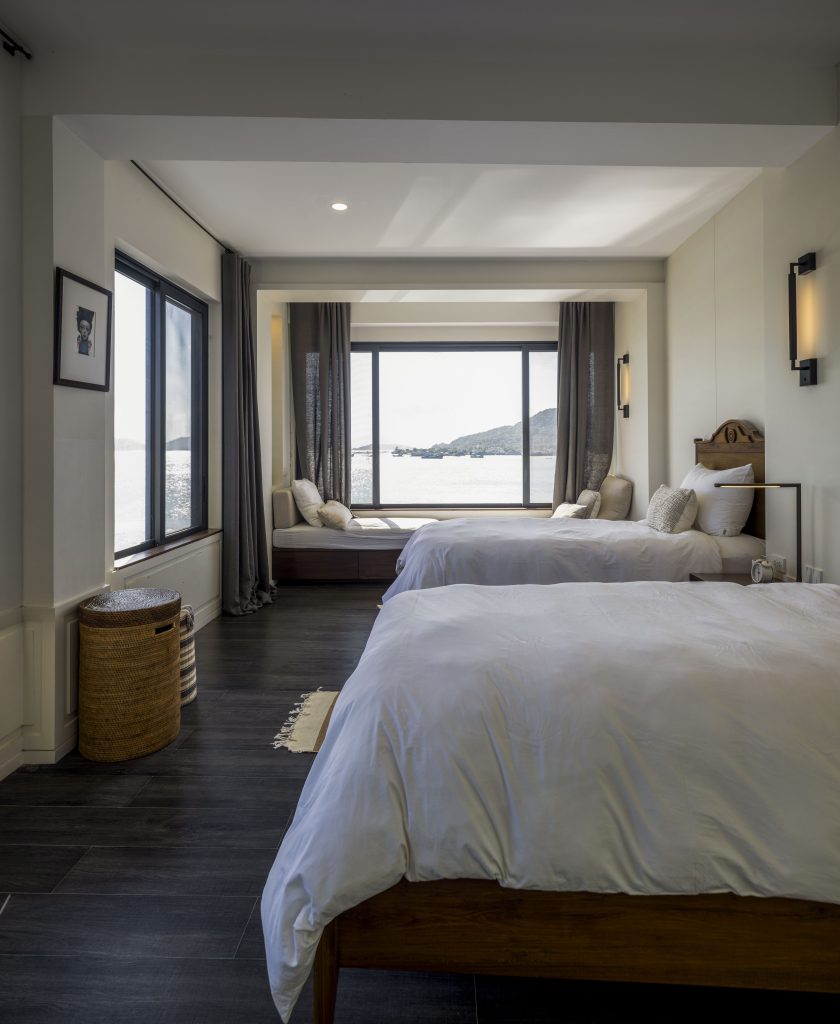
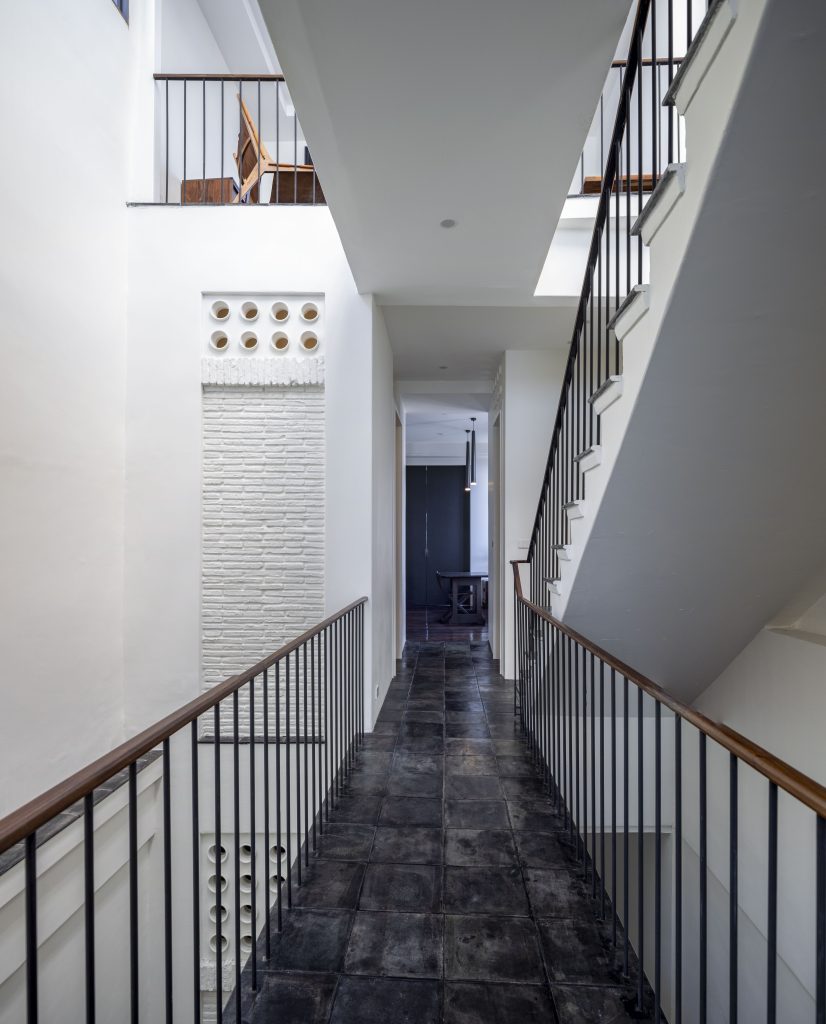
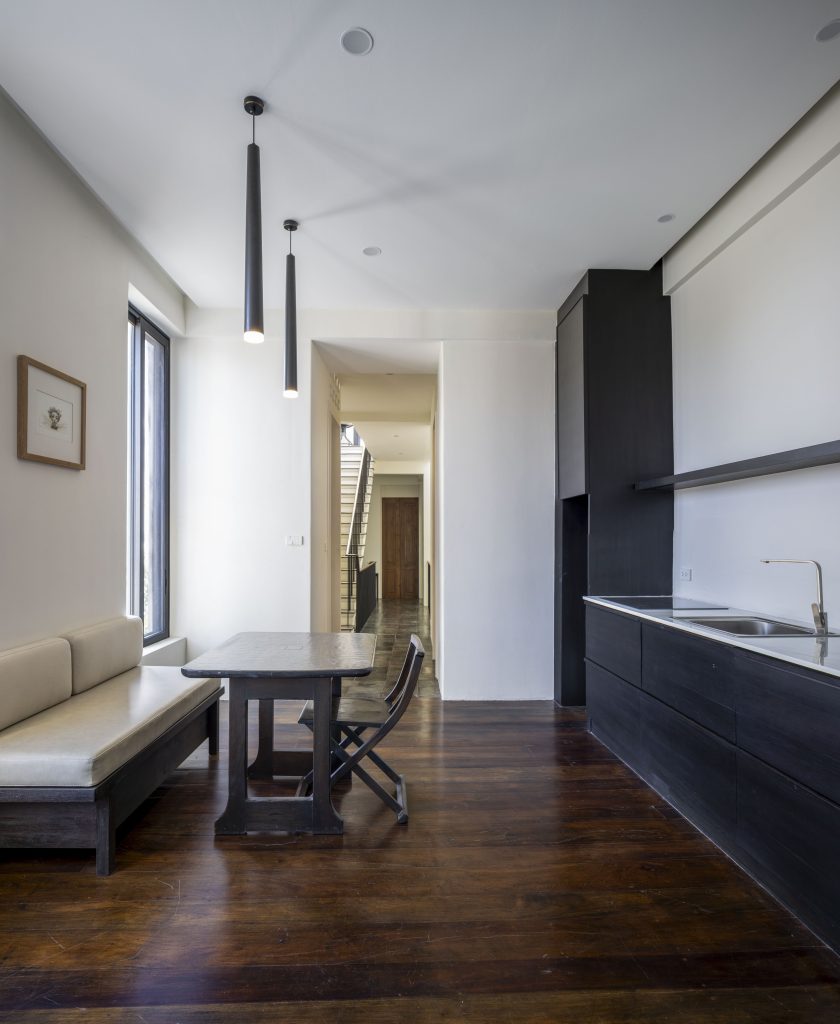
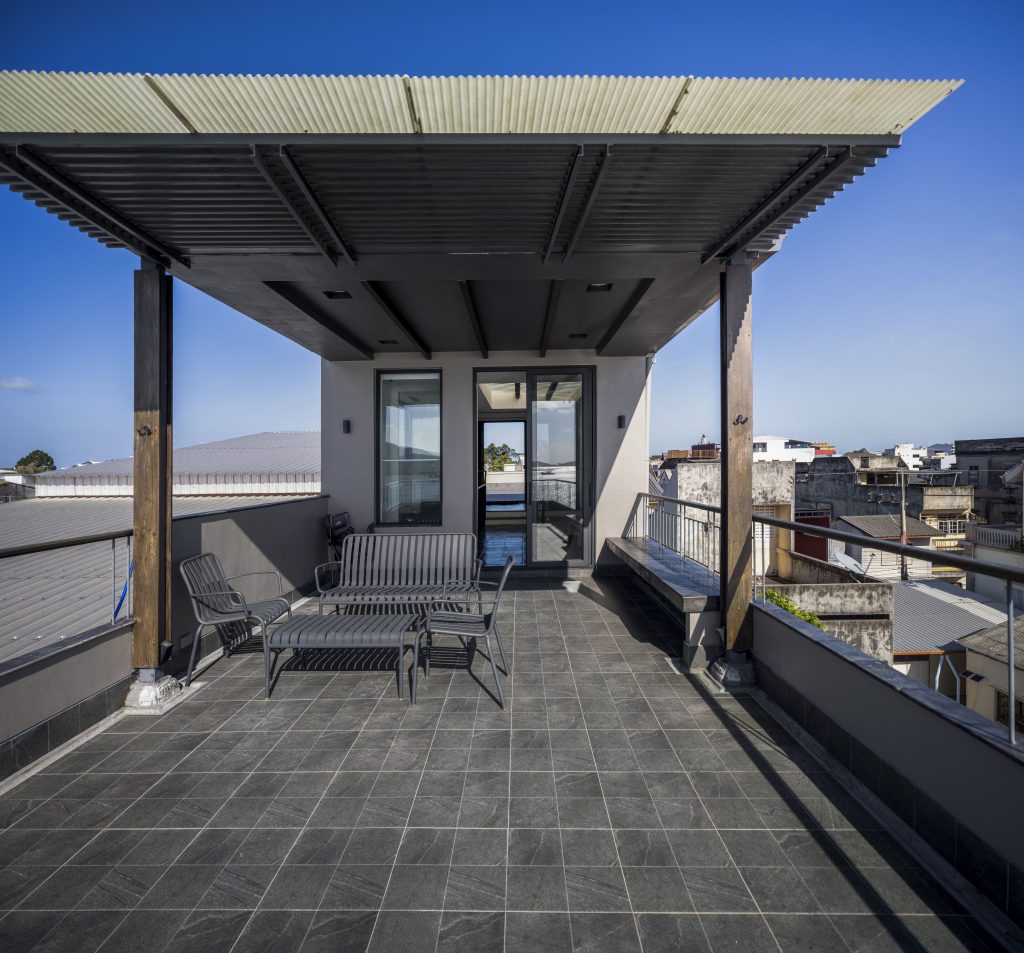
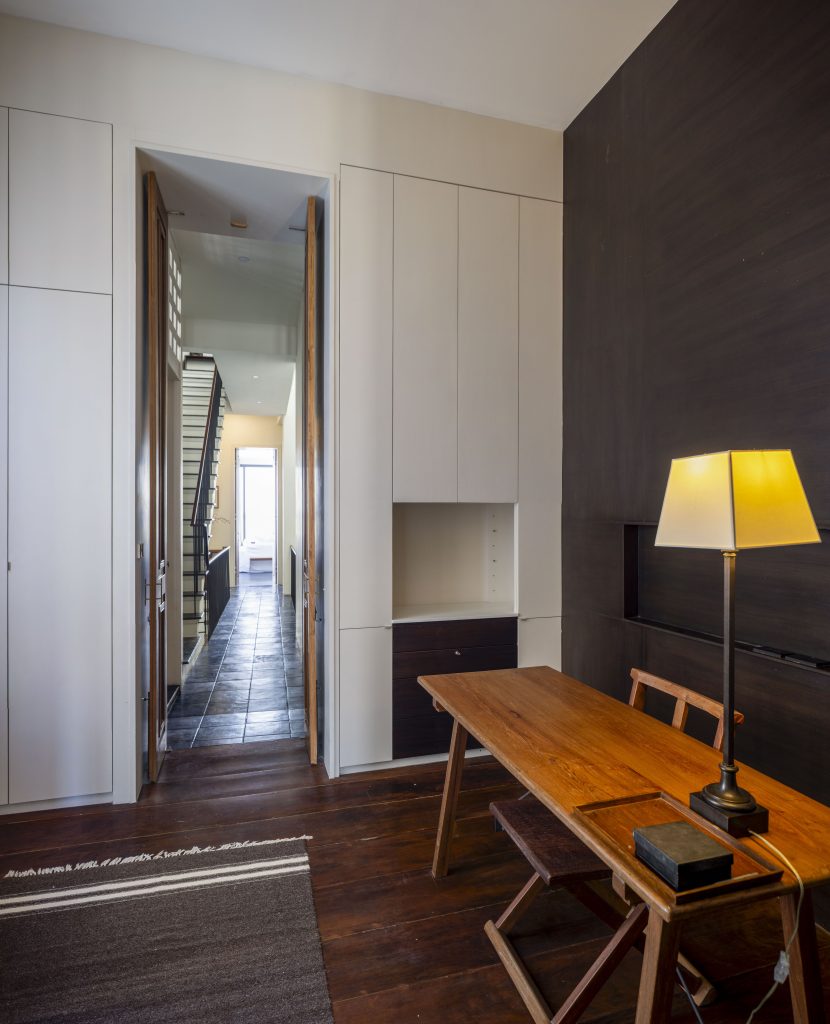
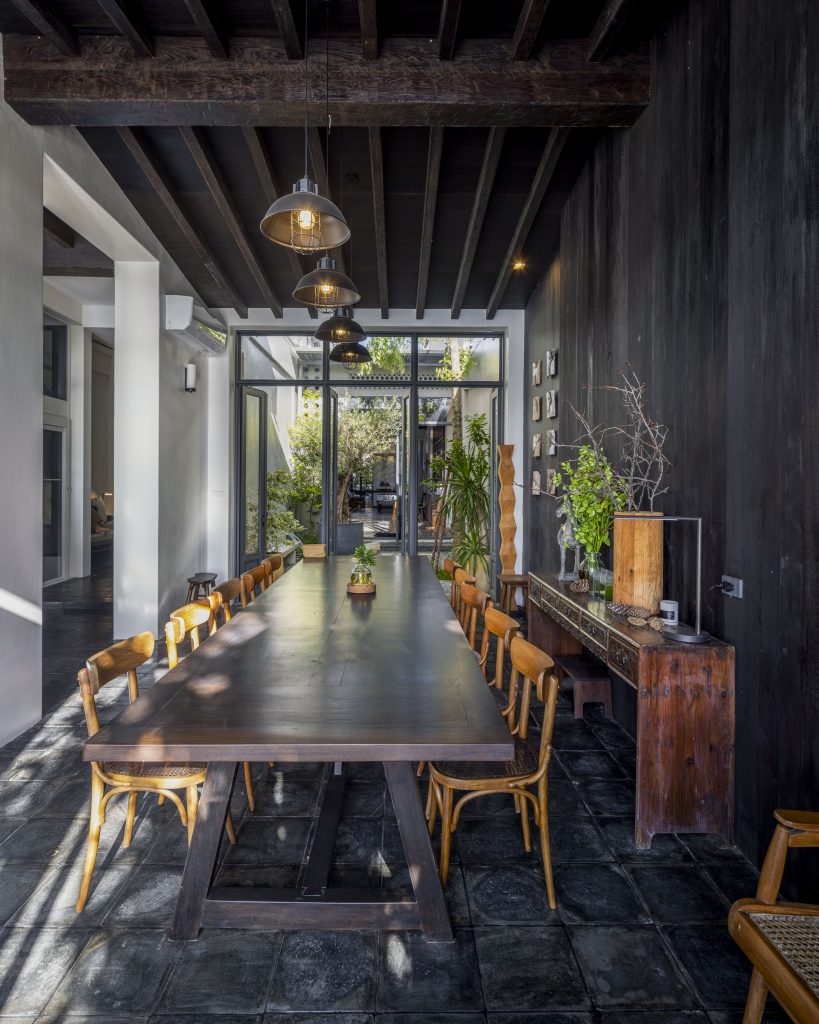
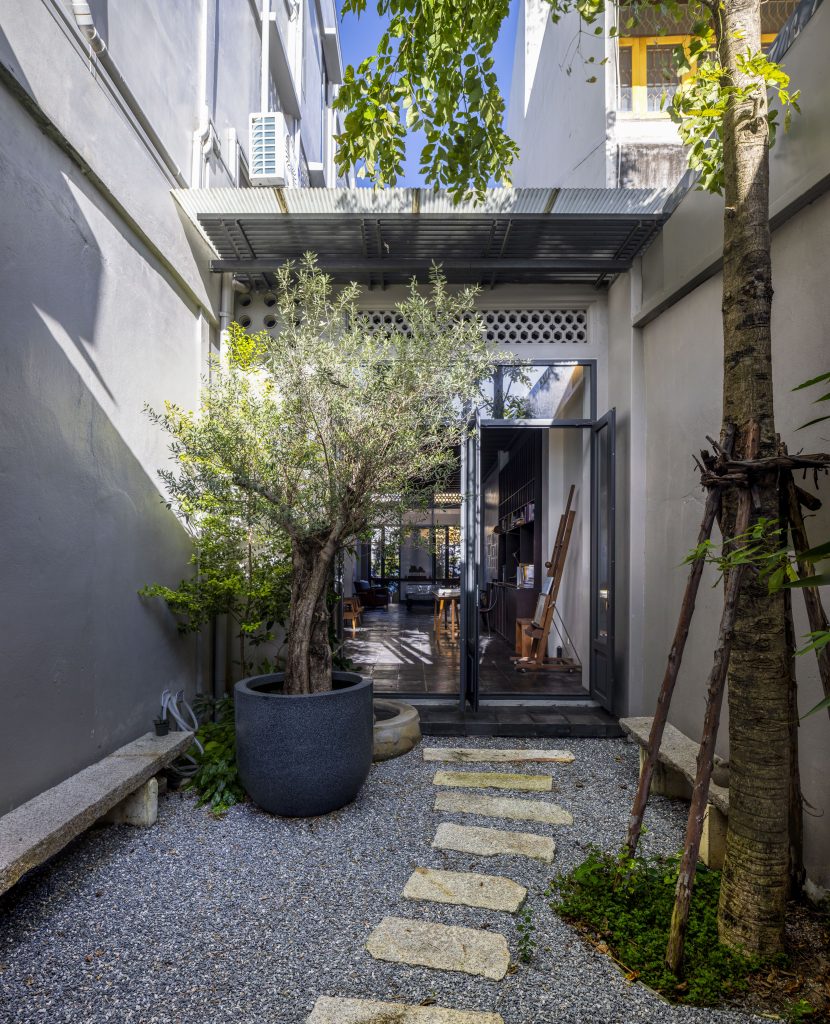
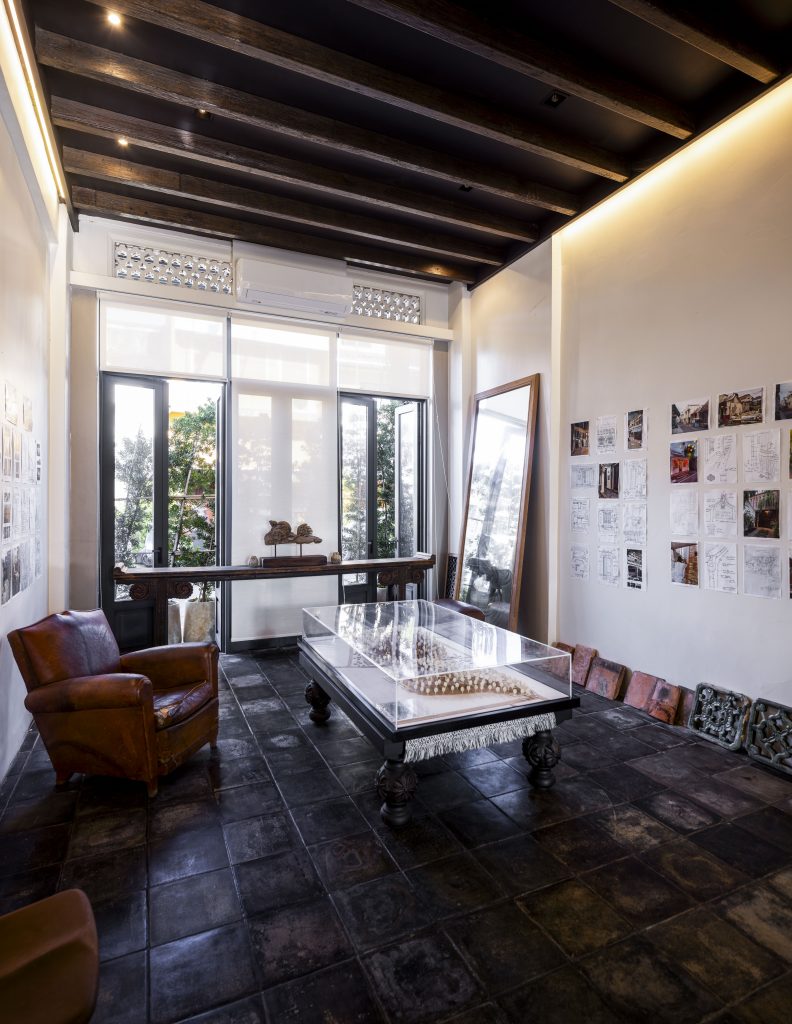
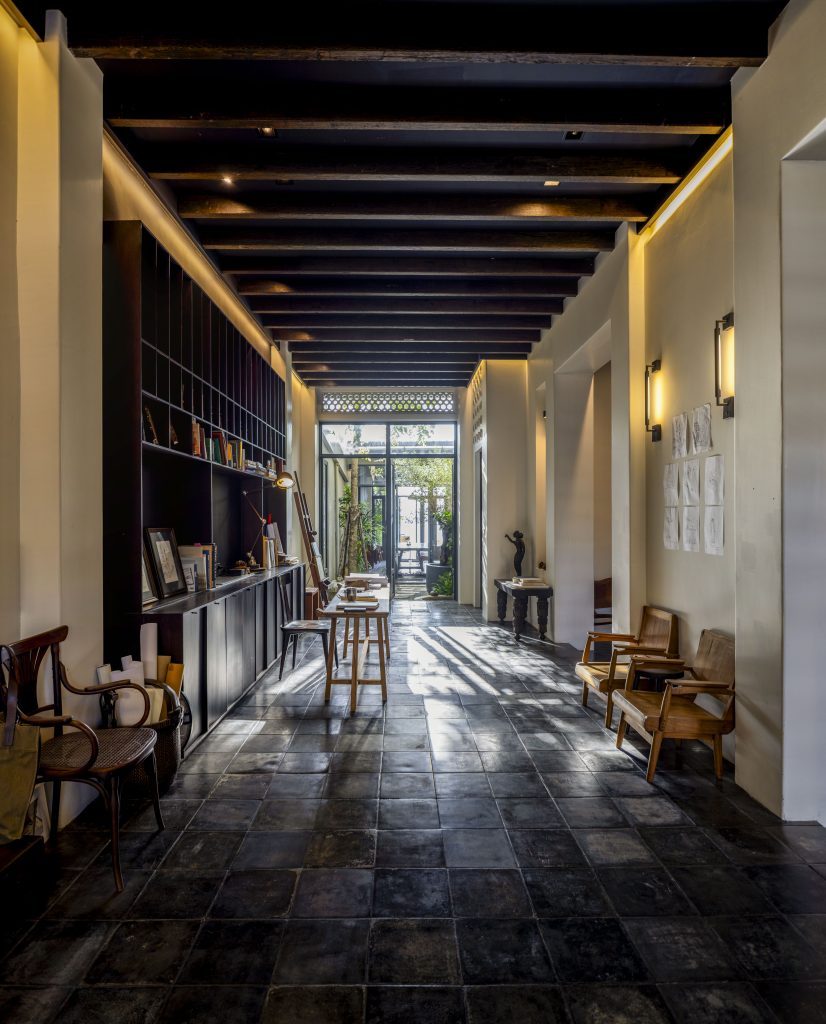
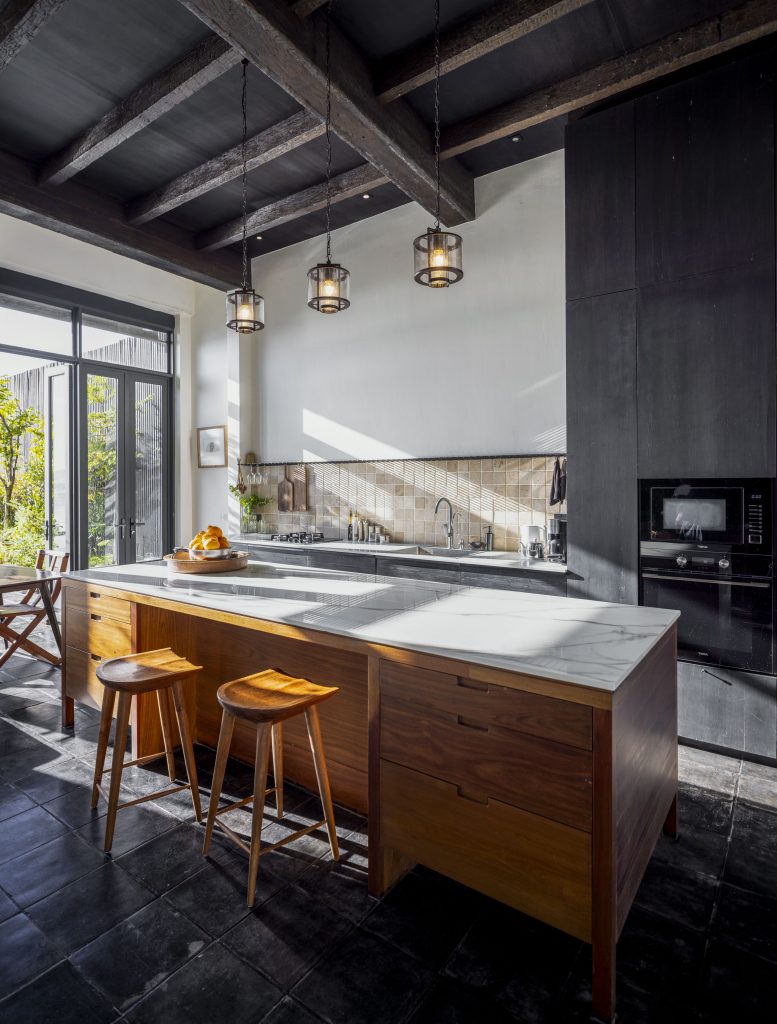
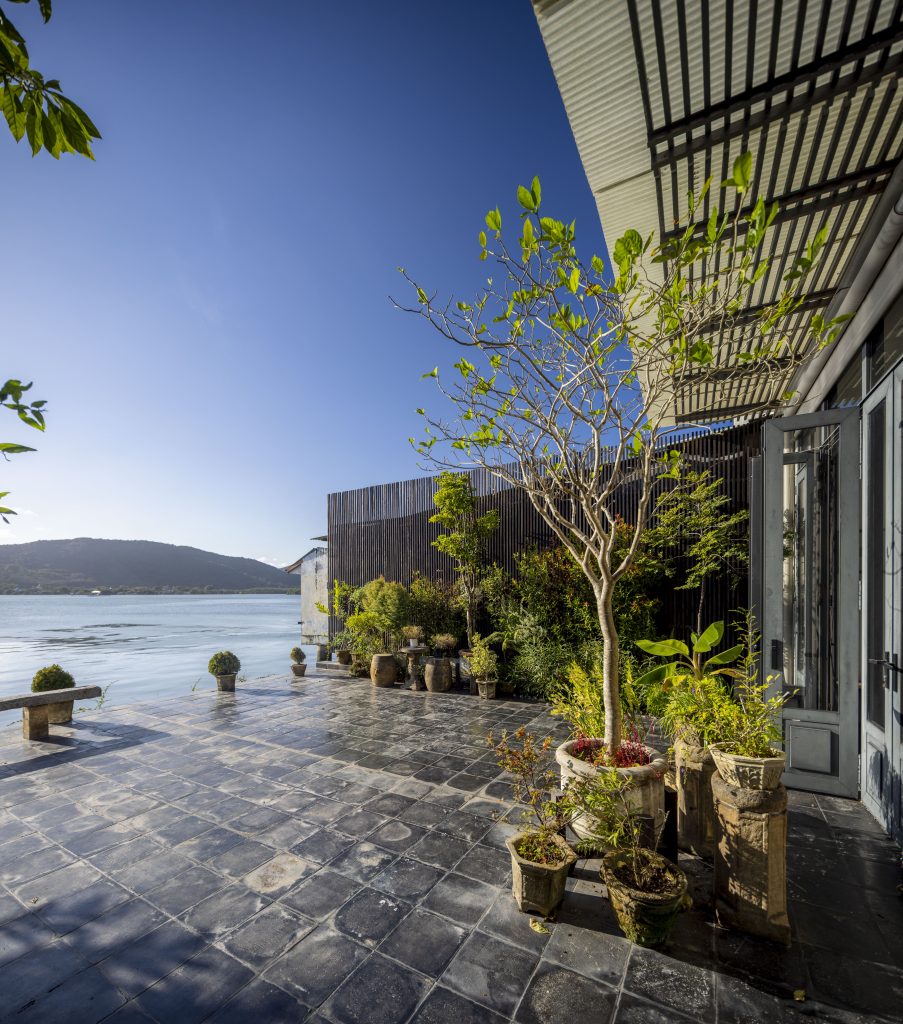
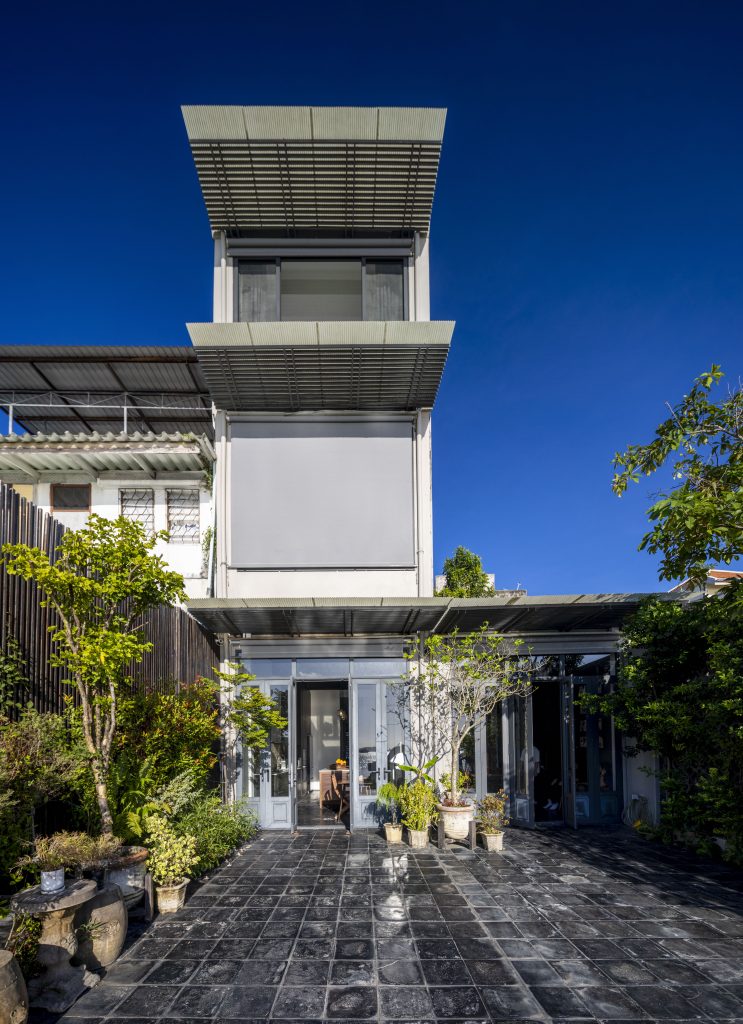
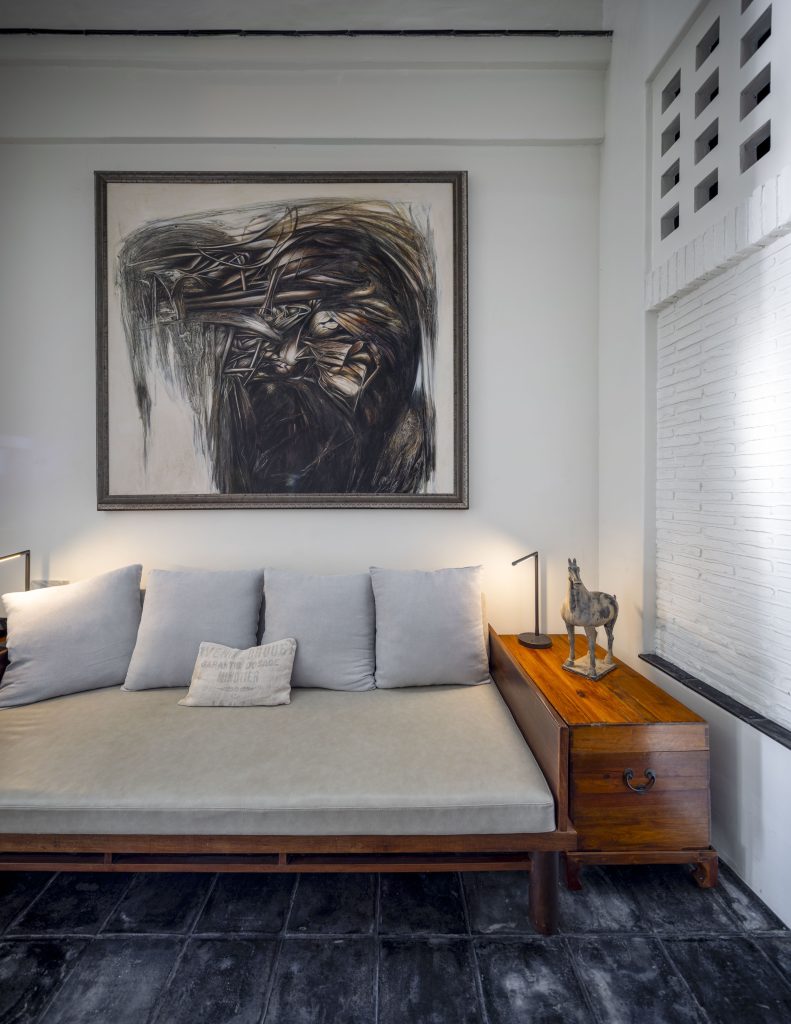
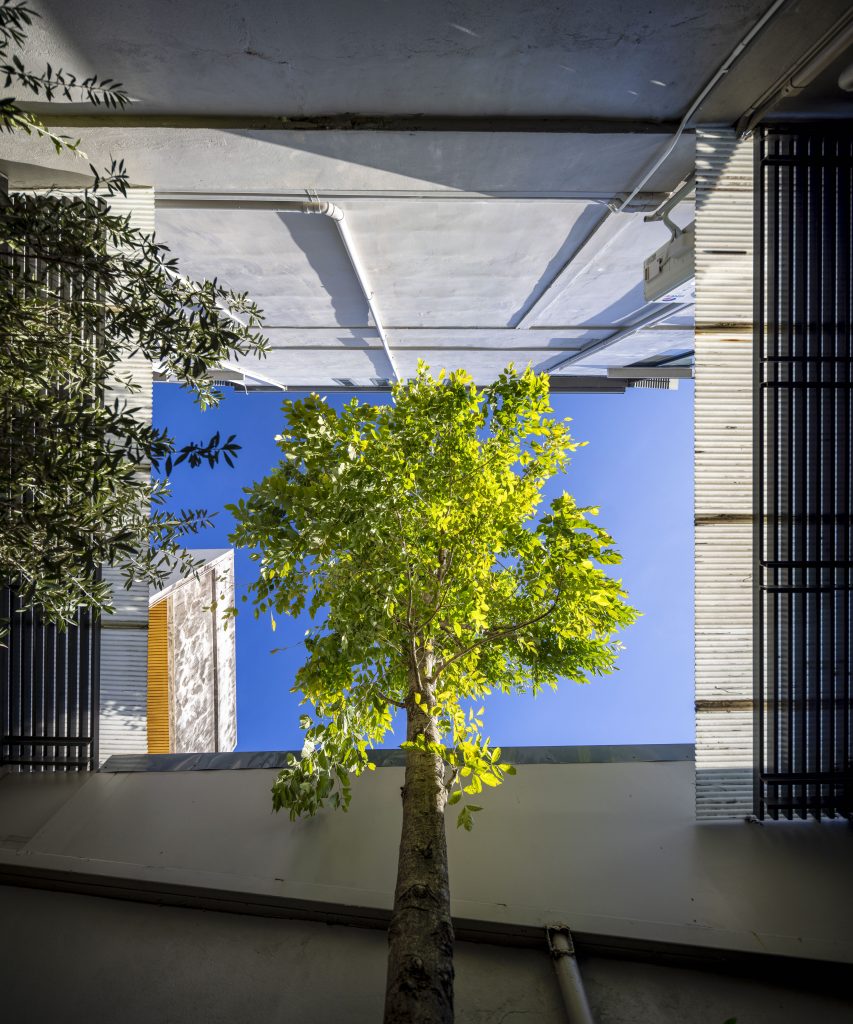
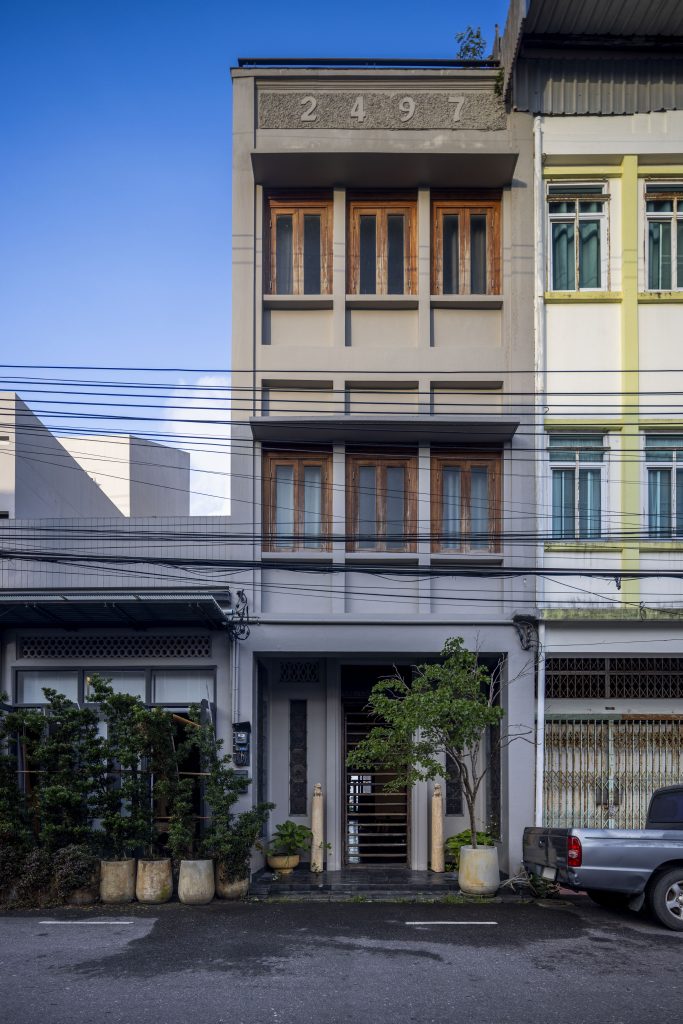
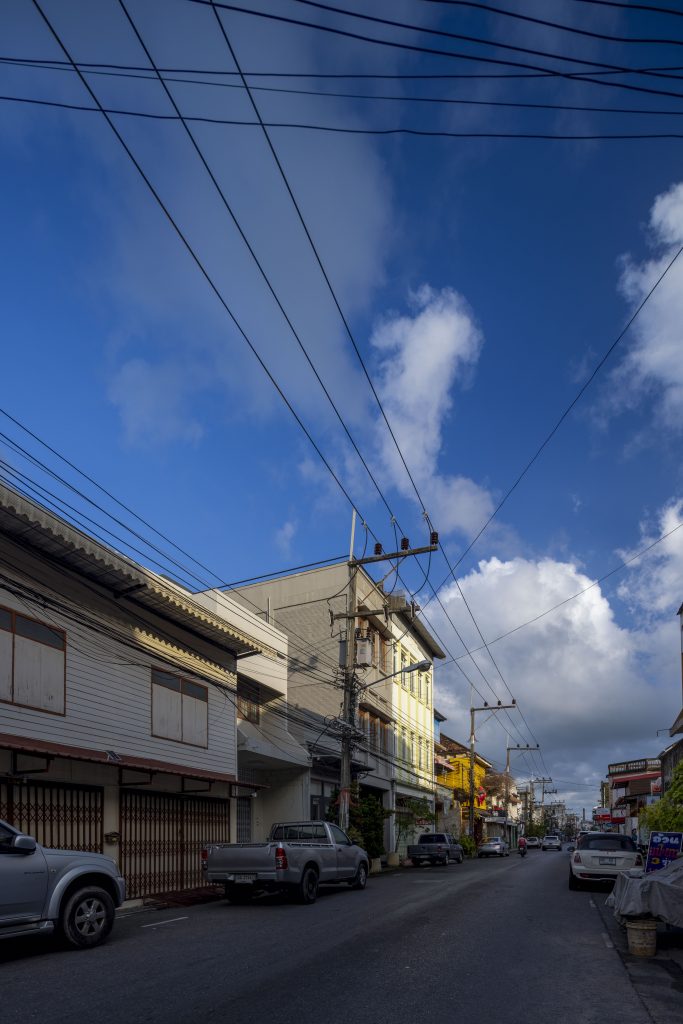
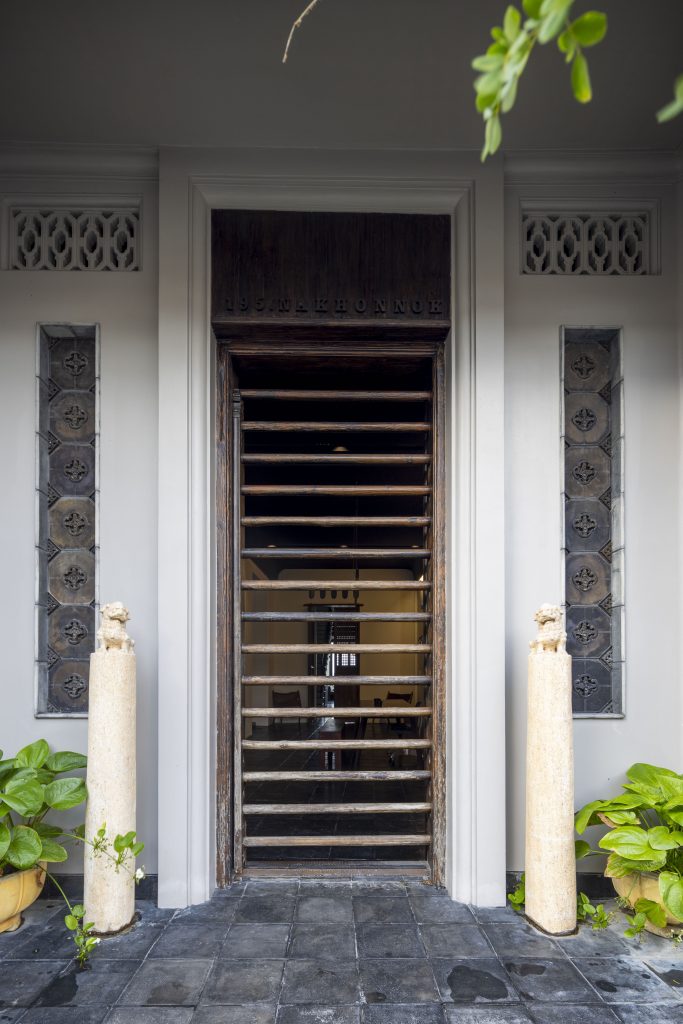
คงคาธรรมศาลา
อ่านเพิ่มเติม
คงคาธรรมศาลา
- ที่ตั้ง: เลขที่ 1 บ้านแหลมโพธิ์ ตำบลไสไทย อำเภอเมือง จังหวัดกระบี่
- สถาปนิก/ผู้ออกแบบ: ไม่ปรากฏชื่อผู้ออกแบบ
- สถาปนิกอนุรักษ์: นายยุทธการ จันทรกรานต์
- อาจารย์รณฤทธิ์ ธนโกเศศ ที่ปรึกษาโครงการ
- ผู้ครอบครอง: พลเรือเอกสุริยา ณ นคร
- ปีที่สร้าง: พุทธศักราช 2450
- ปีที่ได้รับรางวัล พ.ศ. 2569
- ประเภท งานอนุรักษ์มรดกทางสถาปัตยกรรมและชุมชน
- ระดับ ดี
ข้อมูลอาคาร
คงคาธรรมศาลา เดิมเป็นบ้านพักอาศัยของพระยาคงคาธราธิบดี (พลอย ณ นคร) อดีตสมุหเทศาภิบาลมณฑลสุราษฎร์ และอดีตผู้ว่าราชการจังหวัดพังงาและกระบี่ ท่านเป็นบุตรคนที่ 54 ในจำนวนทั้งสิ้น 58 คน ของพระยาเสนานุชิต (นุช ณ นคร) อดีตเจ้าเมืองเมืองตะกั่วป่า บ้านหลังนี้สร้างขึ้นในสวนมะพร้าว ได้รับการออกตราจองบ้านเลขที่ 1 และออกเป็นโฉนดที่ดินฉบับที่ 1 ของจังหวัดกระบี่ มณฑลภูเก็ต ในพุทธศักราช 2469 มีการผลิตมะพร้าวส่งออกไปขายยังเกาะปีนังในยุคสมัยอาณานิคมของอังกฤษ โดยตั้งชื่อสวนมะพร้าวว่า “สวนอิศระ” ตามบรรดาศักดิ์เมื่อครั้งท่านเป็นผู้ว่าราชการจังหวัดกระบี่ ด้านหน้าบ้านริมทะเลมีเตาเคี่ยวน้ำมันมะพร้าวและเป็นท่าเรือเนื่องจากสมัยนั้นใช้เส้นทางเรือติดต่อกับภายนอก หลังจากถูกปล่อยทิ้งร้างไว้หลายปี บ้านมีสภาพทรุดโทรม ประกอบกับมีฝูงลิงเข้าไปรื้อค้นทำลายข้าวของภายในบ้าน ทายาทของท่านจึงดำเนินการปรับปรุงฟื้นฟูอาคารจากบ้านพักอาศัยเป็นสถานที่จัดงานบำเพ็ญกุศลและกิจกรรมสาธารณประโยชน์ รวมทั้งฟื้นฟูสวนมะพร้าว หลังจากนี้ จะมีการอนุรักษ์และพัฒนาพื้นที่โดยรอบเพื่อส่งเสริมการอนุรักษ์และใช้ประโยชน์พื้นที่ชุ่มน้ำอย่างชาญฉลาด โดยมุ่งเน้นความสำคัญด้านชีววิทยาและความหลากหลายทางชีวภาพซึ่งมีคุณค่าต่อสิ่งมีชีวิตและระบบนิเวศในพื้นที่
คงคาธรรมศาลา เมื่อแรกสร้างเป็นเรือนไม้ชั้นเดียวยกใต้ถุนสูง หลังคาทรงปั้นหยามุงด้วยสังกะสีลอนเล็ก วัสดุก่อสร้างและเสาบ้านเป็นไม้ทั้งหลัง โดยว่าจ้างช่างชาวจีนมาทำการก่อสร้าง ฐานเสาและเชิงบันไดหล่อปูน มีบันไดขึ้นลงทั้งหน้าและหลังบ้าน ชั้นบนด้านหน้ามีระเบียงและลูกกรงไม้ หน้าต่างด้านในมีตาข่ายเหล็กซึ่งเติมมาภายหลังเพื่อป้องกันลิง หน้าต่างด้านนอกและประตูทางเข้าบ้านเป็นบานเปิดคู่ ชั้นบนแบ่งเป็นห้องสำหรับพัก 2 ห้อง ห้องพระ 1 ห้อง และมีพื้นที่ว่างหน้าห้องนอนเป็นห้องรับแขก มีกูบช้าง และตะขอบังคับช้างซึ่งเคยใช้งานในอดีตตั้งแสดงไว้ในห้องรับแขก ด้านหลังอาคารชั้นล่างมีทางเดินไปห้องครัวซึ่งจะแยกอยู่ต่างหาก และมีศาลาสำหรับรับประทานอาหาร ต่อมามีการต่อเติมส่วนครัวและห้องน้ำที่ด้านหลังติดกับตัวบ้าน มีการสร้างหอและถังเก็บน้ำที่ด้านข้างตัวบ้าน และส่วนเรือนครัวที่แยกออกไปจากตัวบ้านได้เปลี่ยนเป็นพื้นที่เลี้ยงสัตว์แทนการใช้สอยเดิม ในการปรับปรุงฟื้นฟูอาคารมีการซ่อมแซมฐานรากและเสาตอม่อ เปลี่ยนวัสดุมุงหลังคา ซ่อมแซมโครงสร้างไม้ที่ชำรุดทรุดโทรม รื้อถอนโครงสร้างบางส่วนที่ถูกต่อเติมขึ้นมาภายหลัง รื้อถอนผนังไม้กั้นห้องพักและห้องพระออกเพื่อเปิดพื้นที่สำหรับทำกิจกรรม โดยยังคงสภาพรูปแบบภายนอกของอาคารเดิมไว้
คงคาธรรมศาลา เป็นตัวอย่างของการปรับปรุงฟื้นฟูอาคารที่สามารถรักษาสัดส่วน รูปทรง และวัสดุดั้งเดิมเอาไว้ได้ โดยมีการสำรวจ รังวัด และบันทึกข้อมูลตลอดกระบวนการทำงาน นอกจากนี้ ยังให้ความสำคัญกับการรักษาสภาพแวดล้อมโดยรอบทั้งสวนมะพร้าวและพื้นที่ชุ่มน้ำของเมืองกระบี่ สามารถเป็นแหล่งเรียนรู้สำหรับนักเรียน นักศึกษา คนในชุมชน และผู้ที่สนใจด้านประวัติศาสตร์ สถาปัตยกรรม การตั้งถิ่นฐาน และวิถีชีวิตของคนในอดีตได้เป็นอย่างดี
คำประกาศรางวัล
คงคาธรรมศาลาเป็นสถาปัตยกรรมที่ทรงคุณค่าทางประวัติศาสตร์ และสถาปัตยกรรม โดยเป็นเรือนพักอาศัยของพระยาคงคาธราธิบดี (พลอย ณ นคร) อดีตสมุหเทศาภิบาลมณฑลสุราษฎร์ และอดีตผู้ว่าราชการจังหวัดพังงาและกระบี่ ได้รับการออกตราจองบ้านเลขที่ 1 และออกเป็นโฉนดที่ดินฉบับที่ 1 ของจังหวัดกระบี่ มณฑลภูเก็ต ในพุทธศักราช 2469 อาคารเป็นเรือนไม้ชั้นเดียวยกใต้ถุนสูง หลังคาทรงปั้นหยา ตั้งอยู่ในสวนที่ยังคงสภาพสมบูรณ์
การอนุรักษ์ได้ดำเนินการโดยทายาท นับเป็นตัวอย่างการของอนุรักษ์ที่มีการสำรวจ รังวัด และบันทึกสภาพตามกระบวนการที่ถูกต้อง วิธีการอนุรักษ์ประกอบด้วยการซ่อมแซมองค์ประกอบไม้เดิมที่เสียหาย การรื้อส่วนต่อเติม และการเลือกใช้วัสดุทดแทนที่พยายามให้สอดคล้องกับของเดิม พร้อมกันนี้มีการรักษาสภาพแวดล้อม องค์ประกอบของสวนมะพร้าวและพื้นที่ชุ่มน้ำเอาไว้ การอนุรักษ์คงคาธรรมศาลาช่วยให้เกิดการใช้ประโยชน์อย่างเหมาะสม ทั้งเป็นสถานที่ทำบุญและเป็นแหล่งเรียนรู้ด้านนิเวศวิทยา สังคมและวัฒนธรรมของของเด็ก เยาวชน และคนในชุมชนได้อย่างดียิ่ง
The Khongkha Thammasala House
- Location: 1 Ban Laem Pho, Sai Thai Sub-district, Mueang District, Krabi Province
- Architect / Designer: Unattributed
- Conservation Architect: Mr Yutthakan Jantaragrant
- Mr Ronnarit Dhanakoses (Project Consultant)
- Custodian: Admiral Suriya na Nagara
- Date of Construction: 1907
- Conservation Awarded Date: 2026
- Category: Architectural and community heritage conservation projects
- Level: Award of Distinction
Building Information
The Khongkha Thammasala House was originally the residence of Phraya Khongkha Tharathibodi (Ploy na Nagara), formerly the High Commissioner of Monthon Surat and former Governor of Phang Nga and Krabi Provinces. He was the fifty-fourth of fifty-eight children of Phraya Sena Nu Chit (Nut na Nagara), the former Lord of Takua Pa. The house was built within a coconut plantation and was registered as Address No. 1, with the first title deed issued in Krabi Province, Monthon Phuket, in 1926. Coconut was produced for export to Penang during the period of British colonial rule. The plantation was named Suan Itsara, after the owner’s noble title during his tenure as Governor of Krabi. The seafront of the property accommodated a coconut oil rendering furnace and a landing pier, as waterborne transport was the principal means of external communication at the time. After years of abandonment, the house fell into significant disrepair, compounded by troops of monkeys that entered the building and damaged its contents. The owner’s descendants undertook a programme of rehabilitation, adapting the residence for use as a venue for merit-making ceremonies and community functions, and restoring the coconut plantation. Future plans involve the conservation and development of the surrounding area to promote the wise use and preservation of the wetlands, with an emphasis on their biological significance and biodiversity value to the local ecosystem.
In its original form, The Khongkha Thammasala House was a single-storey timber dwelling raised upon an elevated understorey, with a hipped roof clad in small-gauge corrugated zinc sheeting. The entire structure, including the columns, is of timber which was built by Chinese craftsmen. The column bases and the foot of the staircases are of cast cement. External timber staircases are provided at both the front and rear. The upper-level front elevation features a verandah with a timber balustrade. The interior windows have been fitted with steel mesh, a later addition to prevent monkeys from entering. While the exterior windows and the entrance doors are double-leaf casements. The upper floor is divided into two bedrooms, a Buddhist devotional room, and an open reception area in front of the bedrooms. Displayed in the reception area are an elephant howdah and a mahout’s goad, artefacts formerly in active use. At the rear of the ground level, a covered walkway leads to a detached kitchen block, alongside a dining pavilion. Later additions include an attached kitchen and bathroom appended to the rear of the main house, and a water tower and storage tank at its side. The original detached kitchen was subsequently converted for use as an animal shelter. During the rehabilitation works, the foundations and stub columns were repaired, the roofing material was replaced, deteriorated timber were restored, and selected later accretions were removed. The internal timber partitions dividing the bedrooms and the devotional room were dismantled to create an open activity space, while the external character of the original building was retained.
The Khongkha Thammasala House exemplifies a rehabilitation that has successfully preserved the proportions, form, and original materials of the building, supported by survey, measured drawing, and documentation throughout the process. The project also accords importance to the conservation of the surrounding environment both the coconut plantation and the wetlands of Krabi and serves as a valuable educational resource for pupils, students, community members, and all those interested in the history, architecture, settlement patterns, and way of life of the region’s past.
Award Announcement
The Khongkha Thammasala is a building of outstanding historical and architectural significance. It was originally the residence of Phraya Khongkhathorathibodi (Ploy Na Nakhon), former High Commissioner of the Surat Thani Monthon and former governor of Phang Nga and Krabi Provinces. The property was granted House Registration No. 1 and was issued the first land title deed of Krabi Province, Phuket Monthon, in 1926. The building is a single-storey wooden house raised above the ground, featuring a hip roof and situated within a garden that remains largely intact in its original condition.
The conservation project was undertaken by the descendants of the family and serves as an exemplary case of heritage conservation carried out through proper documentation, surveying, and condition recording processes. Conservation methods included repairing damaged original wooden elements, removing later additions, and selecting replacement materials that closely matched the original materials and character of the building. At the same time, the surrounding environment, including the coconut garden and wetland landscape, was carefully preserved.
The conservation of Khongkha Thammasala has enabled the site to be used appropriately both as a place for merit-making activities and as a learning center on ecology, society, and culture for children, youth, and members of the local community
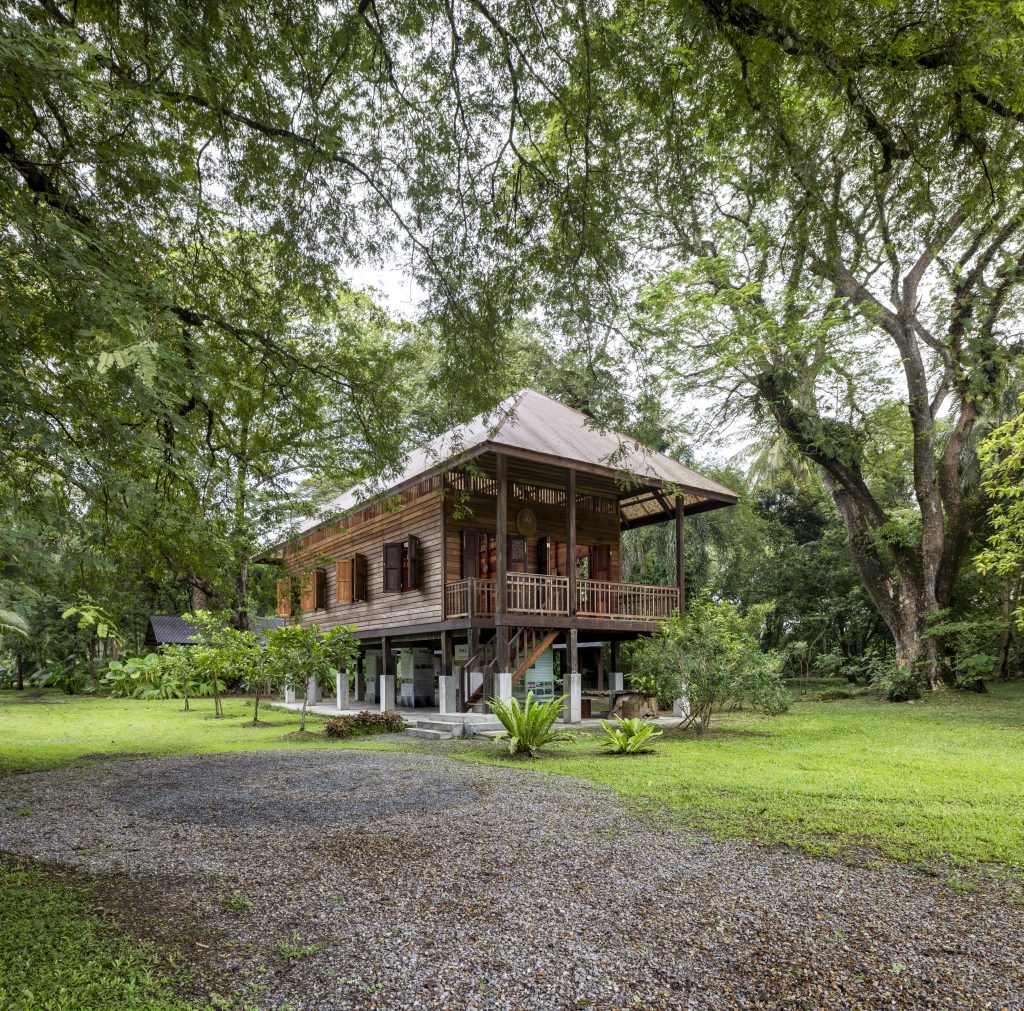
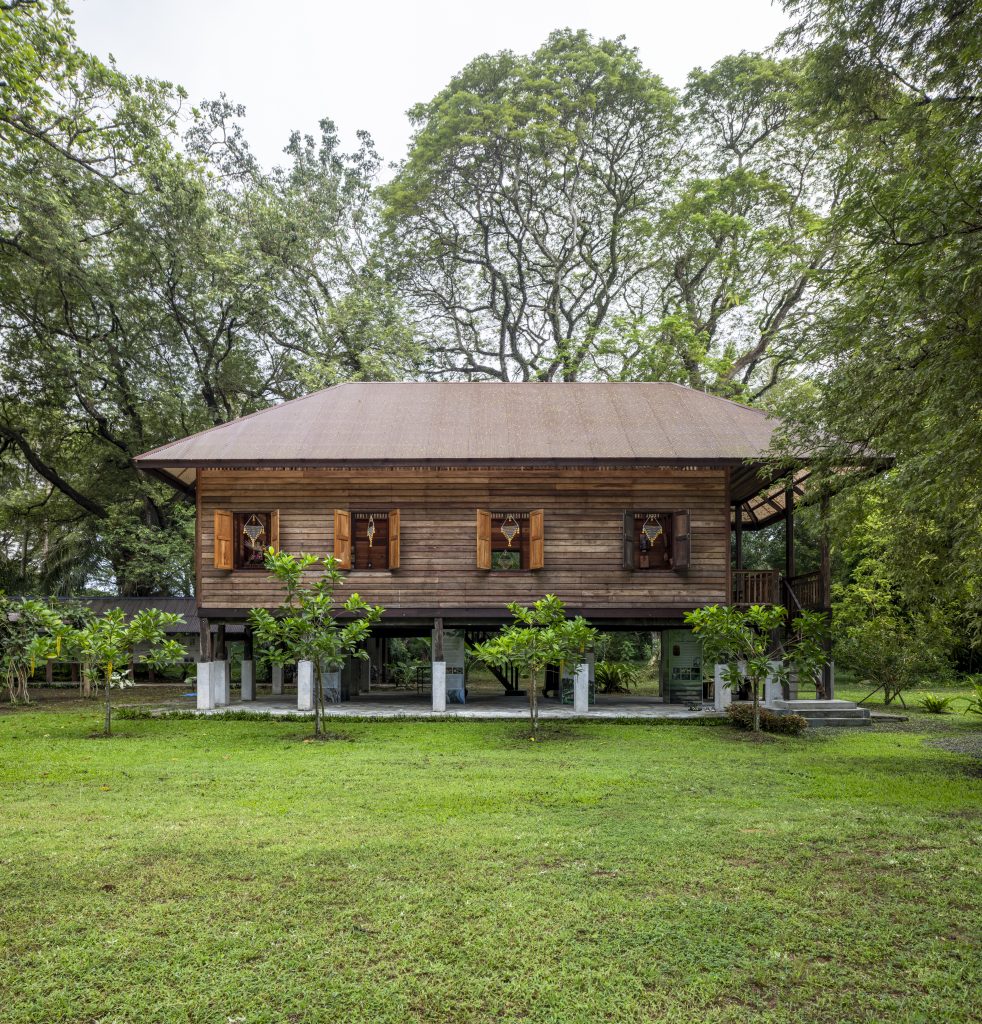
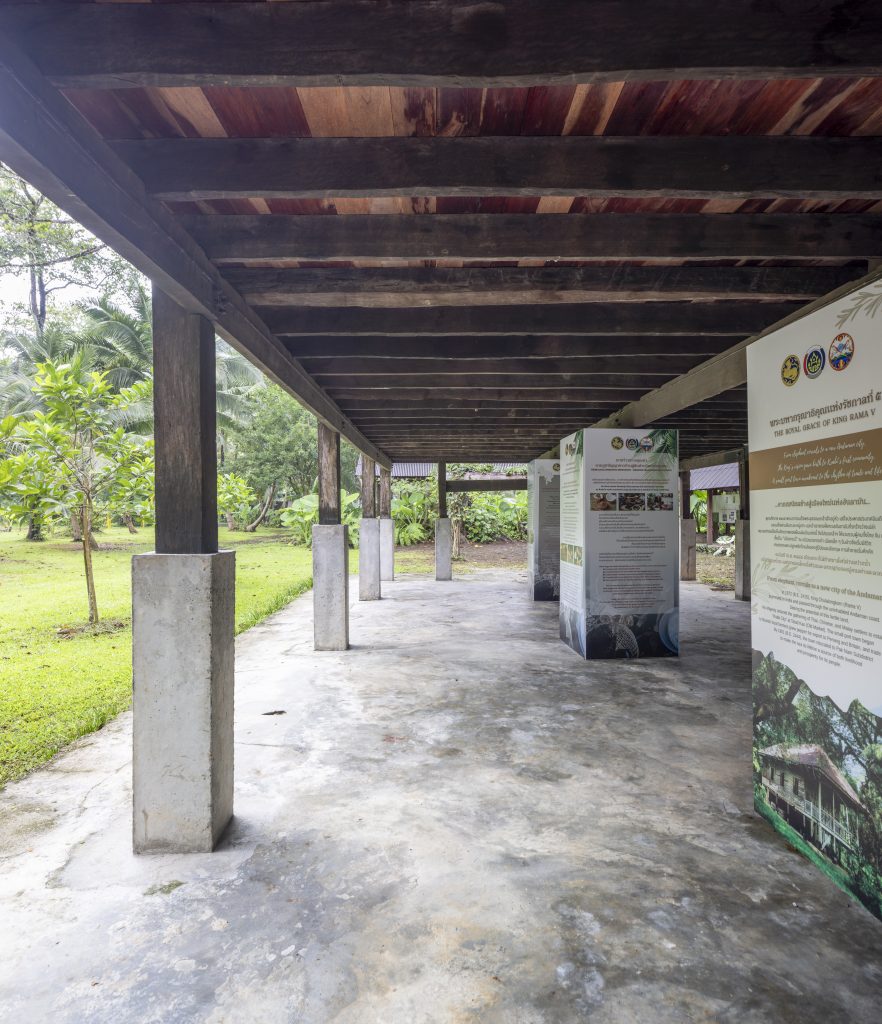
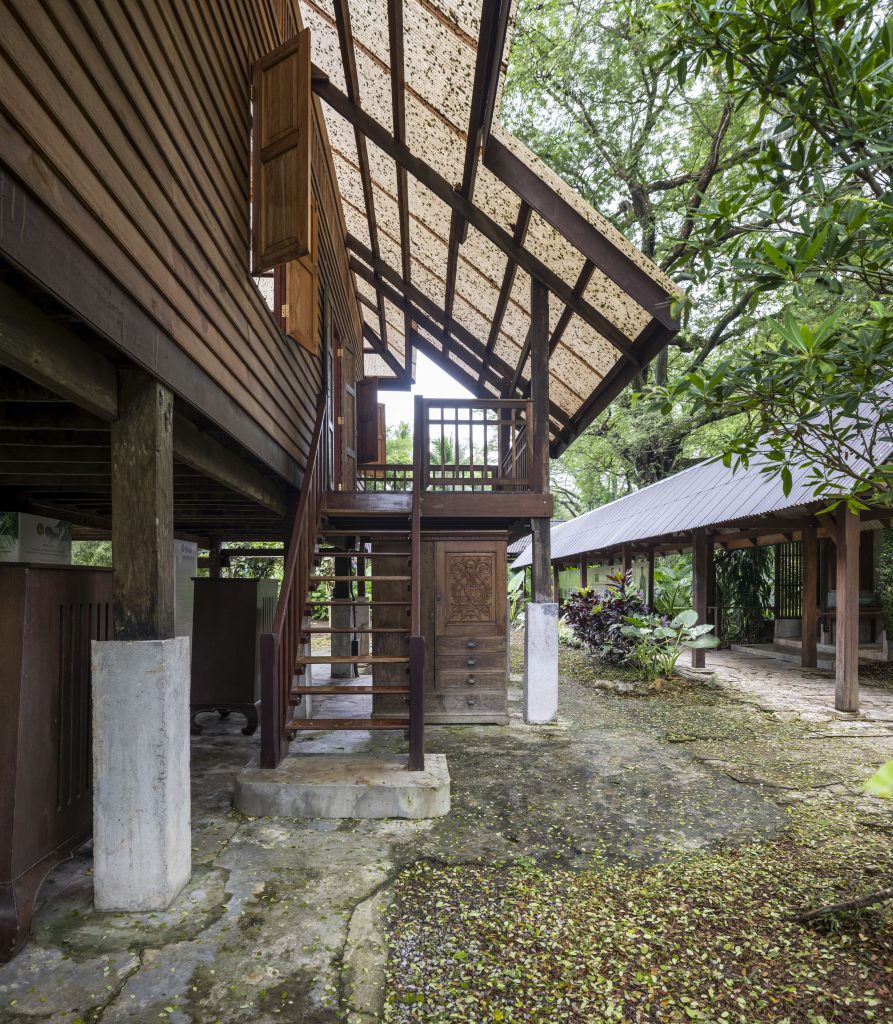
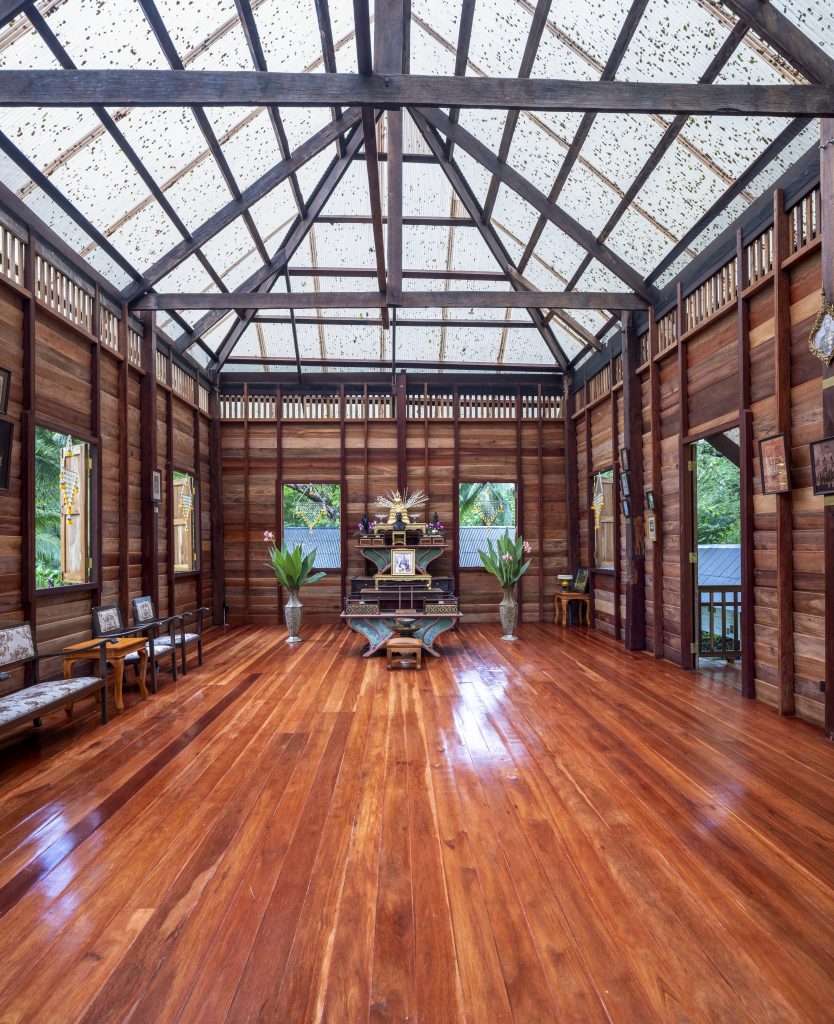
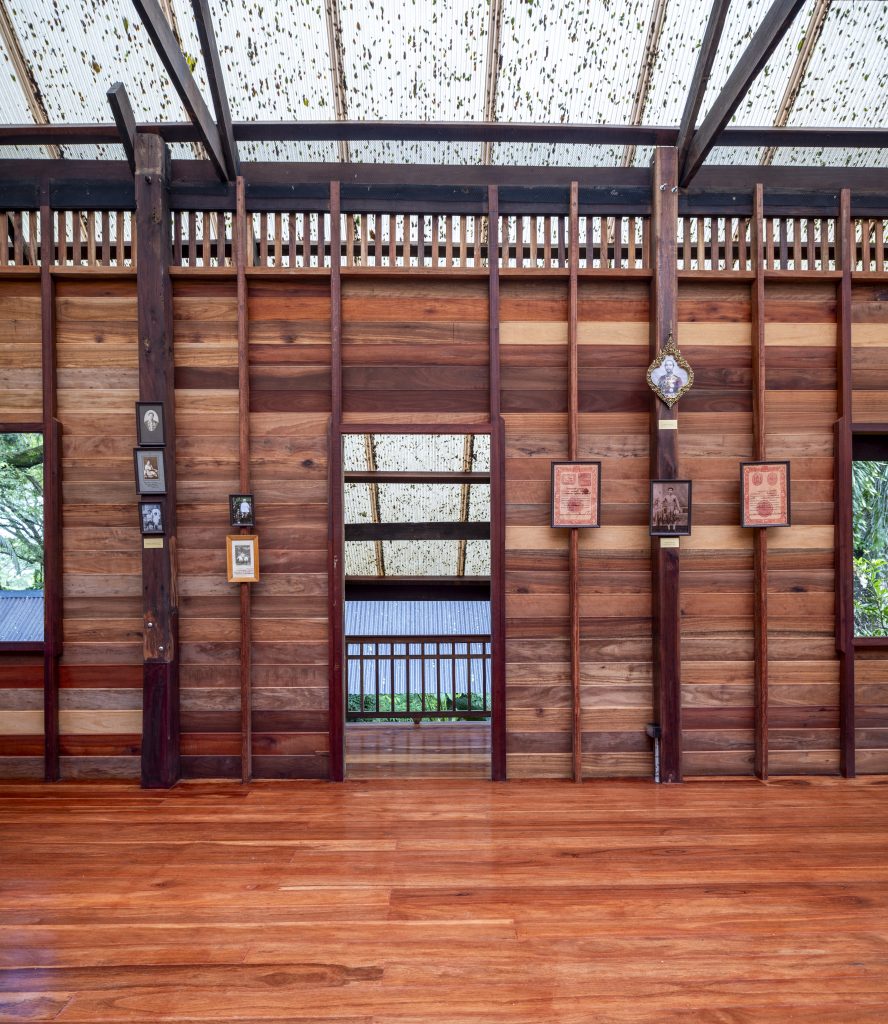
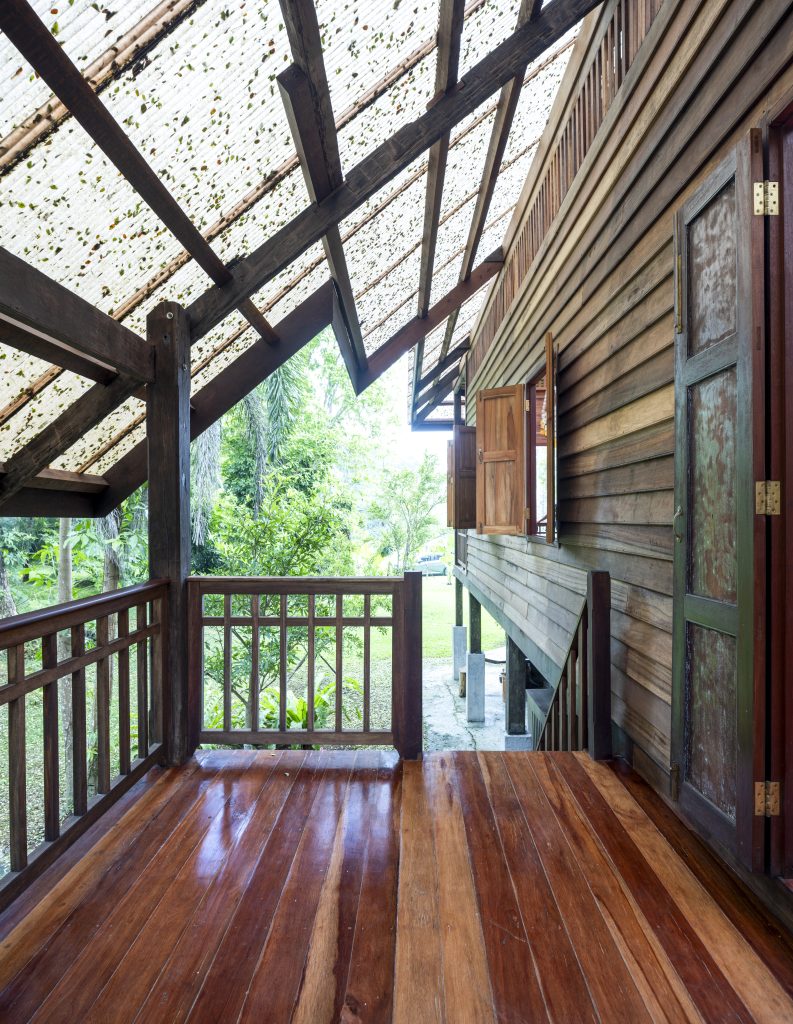
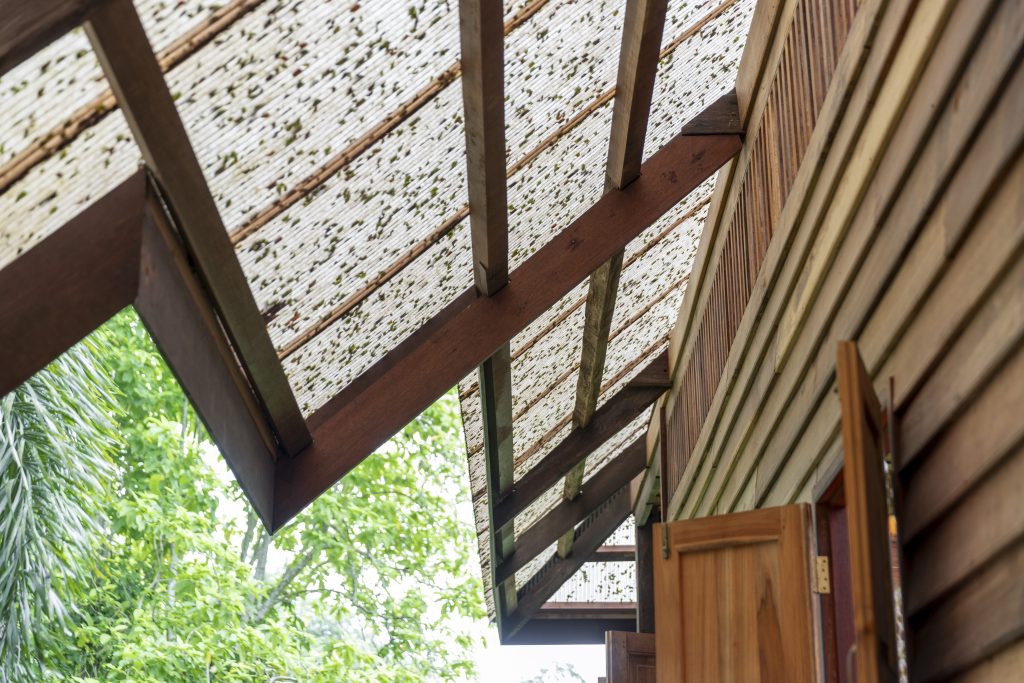
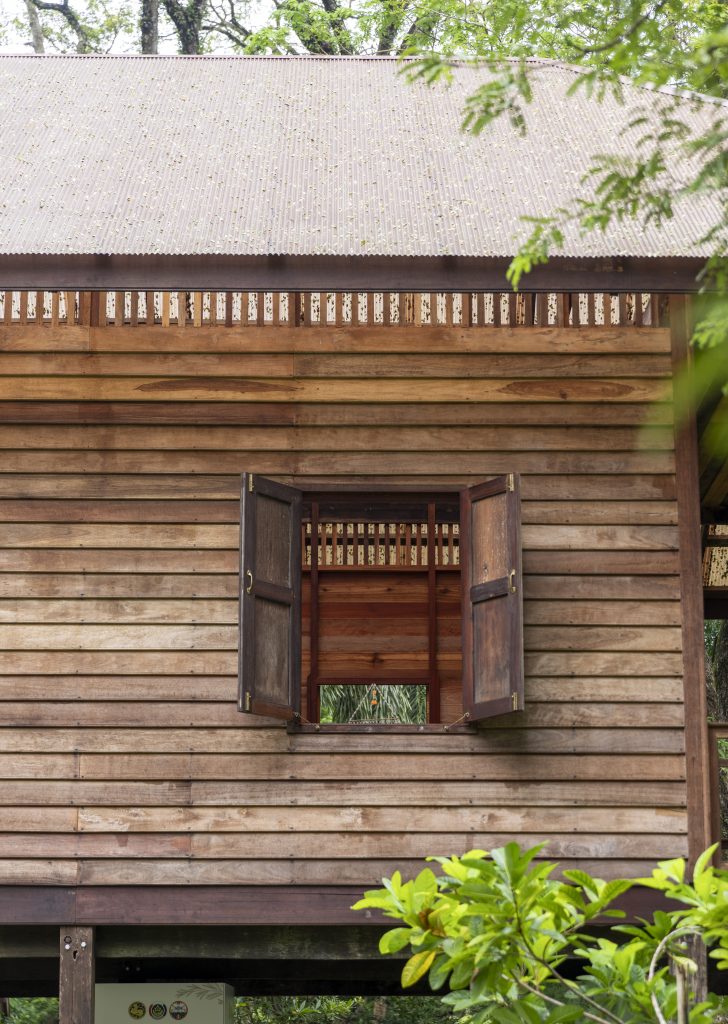
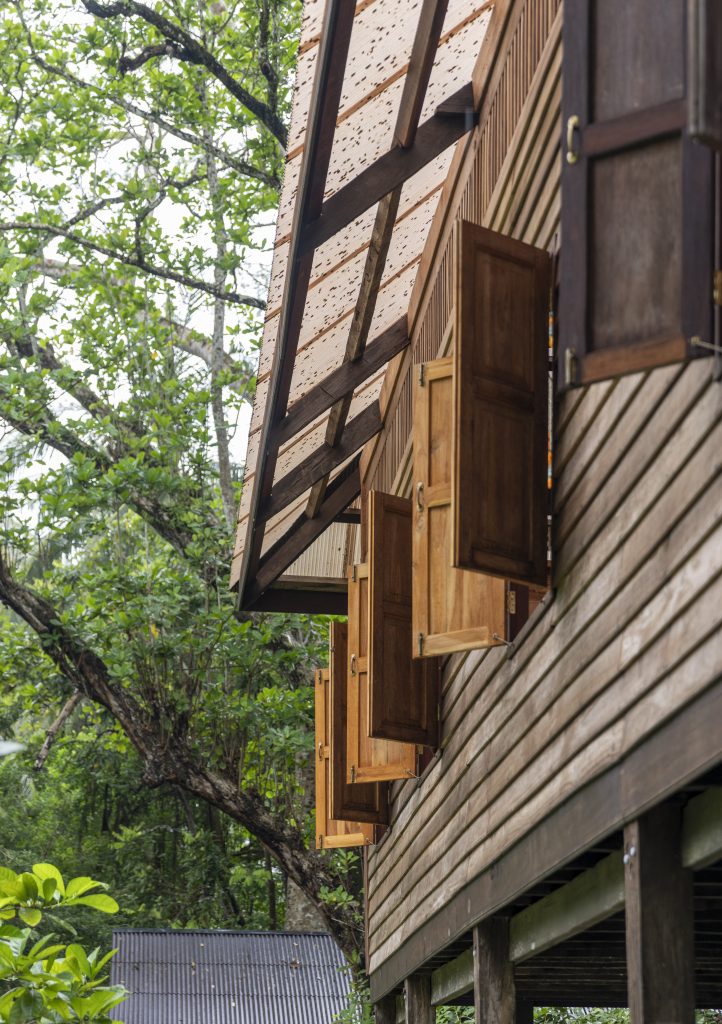
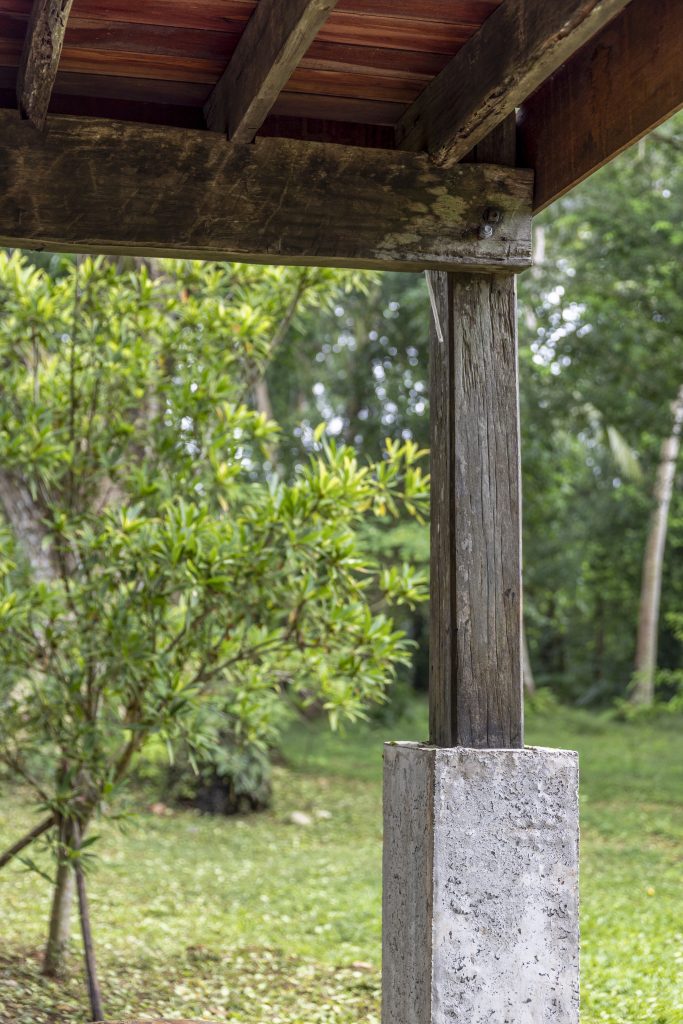
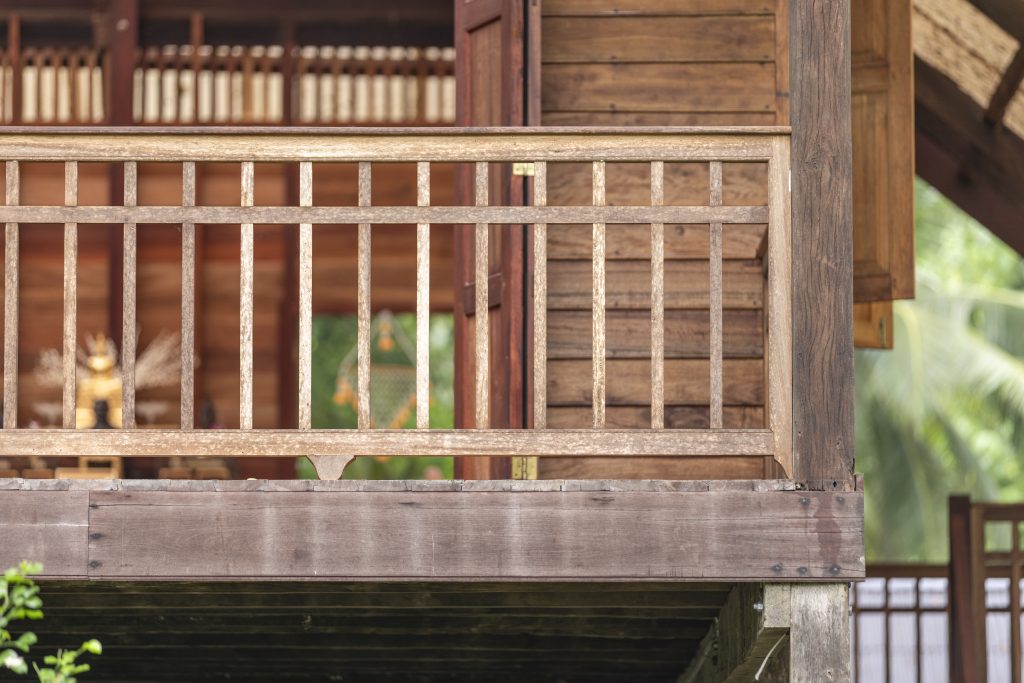
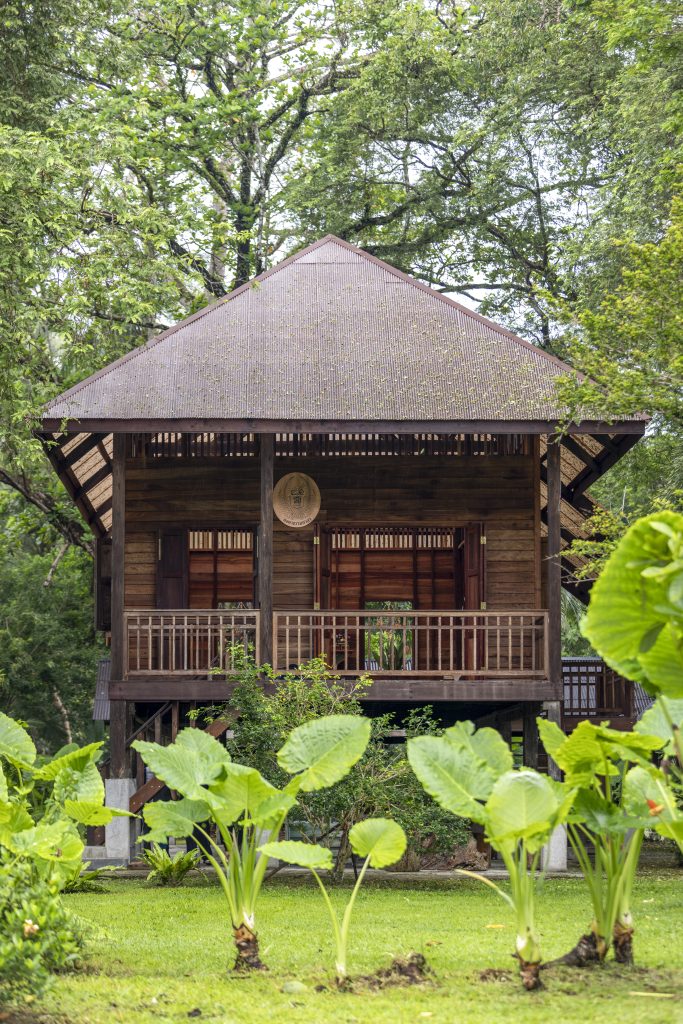
ระดับสมควรได้รับการเผยแพร่
อาคารโรงเรียนเต้าหมิง เมืองเก่าตะกั่วป่า
อ่านเพิ่มเติม
อาคารโรงเรียนเต้าหมิง เมืองเก่าตะกั่วป่า
- ที่ตั้ง: เลขที่ 307 ถนนศรีตะกั่วป่า ตำบลตะกั่วป่า อำเภอตะกั่วป่า จังหวัดพังงา
- สถาปนิก/ผู้ออกแบบ: ไม่ปรากฏชื่อผู้ออกแบบ
- สถาปนิกอนุรักษ์: นายศรัณย์ รองเรืองกุล
- ผู้ครอบครอง: มูลนิธิโรงเรียนเต้าหมิงตะกั่วป่า
- ปีที่สร้าง: พุทธศักราช 2465
- ปีที่ได้รับรางวัล พ.ศ. 2569
- ประเภท งานอนุรักษ์มรดกทางสถาปัตยกรรมและชุมชน
- ระดับสมควรได้รับการเผยแพร่
ข้อมูลอาคาร
อาคารโรงเรียนเต้าหมิง เมืองเก่าตะกั่วป่า เป็นอาคารเรียนหลังที่ 2 ของโรงเรียนซึ่งเป็นโรงเรียนเอกชนที่เปิดดำเนินการตั้งแต่พุทธศักราช 2448 อาคารหลังนี้สร้างโดยพ่อค้าและคหบดีชาวจีนในเมืองตะกั่วป่า ระนอง และภูเก็ต และใช้ช่างฝีมือชาวจีน มีวัตถุประสงค์เพื่อให้บุตรหลานของคนที่อาศัยอยู่ในเมืองตะกั่วป่าและบริเวณใกล้เคียงได้เรียนรู้ภาษาจีน และเรียนหนังสือในระดับประถมศึกษา หลังจากที่ยกเลิกกิจการโรงเรียนในพุทธศักราช 2541 มูลนิธิโรงเรียนเต้าหมิงตะกั่วป่าได้ปิดอาคารและพื้นที่โรงเรียนไว้และจัดให้มีผู้เฝ้าดูแลอาคาร จนกระทั่งในพุทธศักราช 2543 สถานธรรมติดต่อเพื่อขอเช่าอาคารเป็นสถานที่ปฏิบัติธรรม ทางมูลนิธิเห็นว่าการให้ใช้เป็นสถานที่ปฏิบัติธรรมไม่ได้เปลี่ยนเจตนาดั้งเดิมในการให้ความรู้แก่ชุมชนจึงตกลงให้เช่า ต่อมาในพุทธศักราช 2547 สถานธรรมภายใต้การกำกับดูแลของมูลนิธิโรงเรียนเต้าหมิงตะกั่วป่าได้ทำการปรับปรุงซ่อมแซมอาคารโดยเปลี่ยนแผ่นหลังคาสังกะสีทั้งหมดเป็นแผ่นกระเบื้องที่มีลอนคล้ายแผ่นสังกะสีเดิม เปลี่ยนเชิงชายไม้ฉลุเป็นชายคาแบบธรรมดาเนื่องจากไม่สามารถหาช่างฝีมือที่ฉลุไม้เชิงชายได้แบบเดิม ทำความสะอาดอาคารและบริเวณโดยรอบ และเปลี่ยนสีอาคารจากสีโทนอ่อนเกือบขาวเป็นสีเหลือง ปัจจุบัน พื้นที่ชั้นล่างใช้งานเพื่อกิจกรรมต่าง ๆ ตามวาระ โดยมีวัตถุประสงค์เพื่อส่งเสริมการท่องเที่ยวเชิงนิเวศวัฒนธรรมและเชิงสร้างสรรค์เมืองเก่าตะกั่วป่า ส่วนพื้นที่ชั้นบนใช้เป็นสถานที่ปฏิบัติธรรม
อาคารโรงเรียนเต้าหมิง เมืองเก่าตะกั่วป่า เป็นอาคารคอนกรีตเสริมเหล็ก 2 ชั้น ผนังก่ออิฐฉาบปูน รูปแบบสถาปัตยกรรมเป็นแบบผสมผสาน (Eclectic Architecture) ที่ประยุกต์จากสถาปัตยกรรมแบบโคโลเนียล (Colonial) ตามอิทธิพลของสถาปัตยกรรมที่เกิดขึ้นในช่องแคบมะละกา ผังพื้นอาคารเป็นรูปตัวที (T) แบบสมมาตร มีมุขกลางยื่นตรงหน้าอาคาร มีทางเดินและระเบียงโดยรอบอาคาร โครงสร้างหลังคาเป็นไม้ หลังคาทรงปั้นหยามุงด้วยกระเบื้องลอน จุดเด่นของอาคารอยู่ที่มุขกลางยื่นตรงหน้าอาคารประดับด้วยปูนปั้นรูปพระอาทิตย์ เปล่งรัศมี 12 แฉก หมายถึง เดือนทั้ง 12 เดือน ระบบการแบ่งเวลาเป็น 12 ชั่วโมงแบบจีน (1 ชั่วโมงจีนเท่ากับ 2 ชั่วโมงสากล) และเป็นสัญลักษณ์แบบเดียวกับธงประจำพรรคก๊กมินตั๋งและตราแผ่นดินของสาธารณรัฐจีน สะท้อนถึงเรื่องราวของชุมชนเชื้อสายจีนและบริบททางด้านการเมืองในตะกั่วป่า
อาคารโรงเรียนเต้าหมิง เมืองเก่าตะกั่วป่า แสดงให้เห็นถึงความตั้งใจในการอนุรักษ์รูปแบบของอาคารให้อยู่ในสภาพเดิมให้มากที่สุด ซึ่งในการดำเนินการนั้นขึ้นอยู่กับบุคลากร เวลา และงบประมาณที่สามารถหามาได้ ถือเป็นตัวอย่างของความพยายามในการทำงานร่วมกันของทุกภาคส่วนเพื่อที่จะรักษามรดกทางสถาปัตยกรรมท้องถิ่นและต่อยอดไปสู่การเป็นแหล่งเรียนรู้ของทุกคน รวมทั้งเปิดโอกาสให้มีการใช้งานในฐานะศูนย์กลางของชุมชนเหมือนเช่นในอดีตที่ผ่านมาที่อาคารเคยเป็นสถานที่รับรองแขกคนสำคัญของกลุ่มพ่อค้าชาวจีน เช่น กงสุลใหญ่สาธารณรัฐจีน การจัดงานพิธีต่าง ๆ และเป็นสถานที่ถ่ายภาพหมู่ในโอกาสสำคัญ เช่น งานแต่งงาน และกิจกรรมของคนในพื้นที่
คำประกาศรางวัล
อาคารโรงเรียนเต้าหมิง เมืองเก่าตะกั่วป่า เป็นอาคารที่มีคุณค่าทางประวัติศาสตร์ของท้องถิ่นและคุณค่าทางสถาปัตยกรรม โดยมีรูปแบบสถาปัตยกรรมแบบผสมผสาน (Eclectic Architecture) ที่ประยุกต์จากสถาปัตยกรรมแบบโคโลเนียล จุดเด่นคือมุขกลางประดับด้วยปูนปั้นรูปพระอาทิตย์ ซึ่งเป็นสัญลักษณ์แบบเดียวกับธงประจำพรรคก๊กมินตั๋งและตราแผ่นดินของสาธารณรัฐจีน สะท้อนบริบททางด้านการเมืองและวัฒนธรรมของชุมชนจีน
อาคารแห่งนี้เป็นอาคารของโรงเรียนที่เปิดดำเนินการตั้งแต่พุทธศักราช 2448 จนกระทั่งในปีพุทธศักราช 2541 โรงเรียนได้ปิดตัวลง และต่อมาในปีพุทธศักราช 2543 ได้รับการปรับใช้เป็นสถานที่ปฏิบัติธรรม อาคารได้รับการซ่อมแซมและปรับปรุงมาอย่างต่อเนื่อง มีการเปลี่ยนวัสดุและองค์ประกอบ โดยพยายามรักษารูปแบบและช่างฝีมือเดิมไว้ การอนุรักษ์อาคารแห่งนี้จึงแสดงถึงความพยายามของหน่วยงานทุกภาคส่วนในการดูแลรักษาและใช้งานอาคารให้ยังคงดำรงบทบาทเป็นศูนย์กลางของชุมชน อย่างไรก็ตาม อาคารยังคงต้องอาศัยการบูรณะและการดูแลจัดการอย่างต่อเนื่องเพื่อรักษาคุณค่าให้คงอยู่ต่อไป
Tao Ming School Building, Takua Pa Old Town
- Location: 1168 Ratchadamnoen Road, Klang Sub-district, Mueang District, Nakhon Si Thammarat Province
- Architect / Designer: Unattributed
- Conservation Architect: Mr Saran Rongruangkul
- Custodian: Tao Ming Takua Pa school foundation
- Date of Construction: 1922
- Conservation Awarded Date: 2026
- Category: Architectural and community heritage conservation projects
- Level: Honorable Mention
Building Information
The Tao Ming School Building in Takua Pa Old Town is the second building of the institution, a private school in operation since 1905. It was built by wealthy Chinese merchants of Takua Pa, Ranong, and Phuket, using Chinese craftsmen, with the purpose of providing Chinese-language and primary-level education to children of the town and surrounding area. Following the school’s closure in 1998, the Tao Ming Takua Pa school foundation secured the building and grounds and appointed a caretaker. In 2000, a religious organisation approached the foundation to lease the building for use as a meditation centre. The foundation agreed, considering that the use of the building for spiritual education did not depart from its original purpose of serving the community’s learning. In 2004, the Dhamma centre, under the oversight of the Tao Ming Takua Pa school foundation, carried out repairs: the corrugated zinc roof sheeting was replaced with profiled tiles matching the original corrugated profile; the pierced-timber bargeboard was replaced with a plain eaves board, as craftsmen capable of reproducing the original fretwork could not be found; the building and its surroundings were cleaned; and the external colour scheme was changed from a pale, near-white tone to yellow. The ground floor is currently used for occasional activities promoting cultural ecotourism and creative tourism in Takua Pa Old Town, while the upper floor serves as a meditation centre.
The Tao Ming School Building is a two-storey reinforced concrete structure with rendered brick masonry walls. Its architectural style is Eclectic, derived from the Colonial tradition as influenced by the architecture of the Straits of Malacca. The floor plan is a symmetrical T-shape with a projecting central bay at the front elevation, surrounded on all sides by a walkway and verandah. The roof structure is of timber; the principal roof is hipped and clad with corrugated tiles. The building’s most distinctive feature is the stucco sunburst motif adorning the pediment of the front projecting bay which is a radiant sun with twelve rays. The twelve rays signify the twelve months of the year and the traditional Chinese twelve-hour timekeeping system (in which one Chinese hour equals two standard hours). The motif also corresponds to the emblem of the Kuomintang party and the national coat of arms of the Republic of China, reflecting the history of the Chinese diaspora community and the political context of Takua Pa.
The Tao Ming School Building demonstrates a committed effort to preserve the building’s character as closely as possible to its original condition, carried out within the constraints of available personnel, time, and budget. It stands as an example of multi-stakeholder collaboration to safeguard local architectural heritage and to develop the building as a place of learning for all. The project has also reopened the building to its historic role as a community centre which is a function that served in the past when it hosted distinguished visitors such as the Consul-General of the Republic of China, ceremonial events, and group photographs on important occasions such as weddings and local gatherings.
Award Announcement
The Tao Ming School Building in the Old Town of Takua Pa is a building of local historical and architectural significance. The structure features an Eclectic architectural style adapted from Colonial architecture. Its most distinctive feature is the central pediment decorated with a stucco sun emblem, a symbol associated with both the flag of the Kuomintang Party and the national emblem of the Republic of China, reflecting the political and cultural context of the Chinese community in the area.
The building served as a school from 1905 until the institution closed in 1998. Later, in 2000, the building was adaptively reused as a meditation and religious practice center. Over the years, the building has undergone continuous repairs and renovations, including the replacement of certain materials and architectural elements, while efforts have been made to preserve its original architectural character and traditional craftsmanship.
The conservation of this building demonstrates the collective efforts of various sectors in maintaining and utilizing the structure so that it continues to serve as a center of the community. Nevertheless, the building still requires ongoing restoration and proper management in order to preserve its cultural and architectural significance for the future.
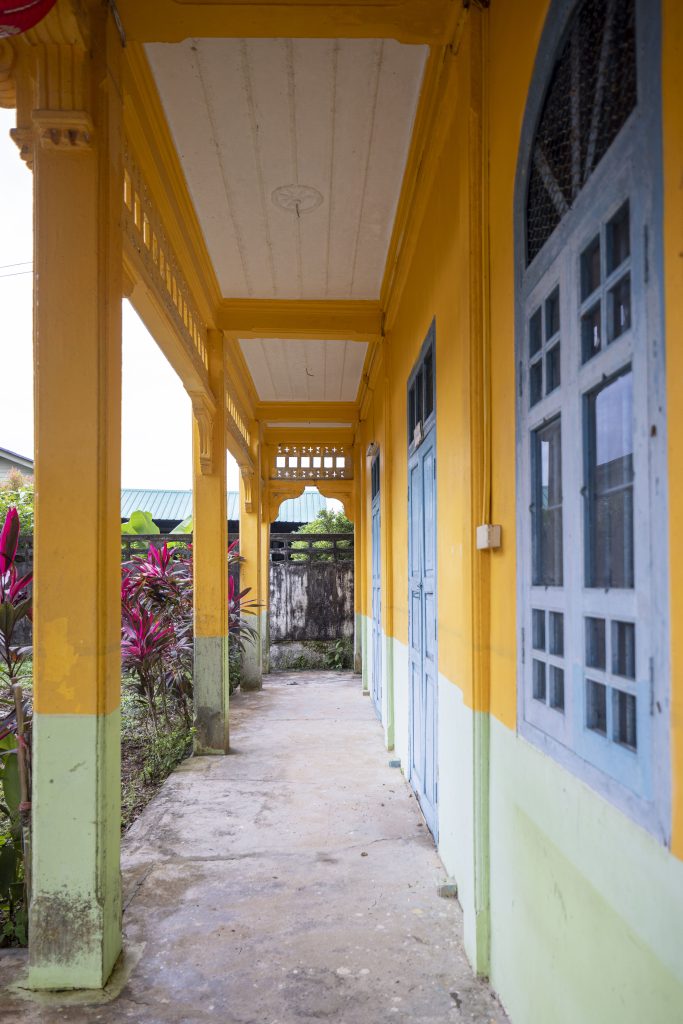
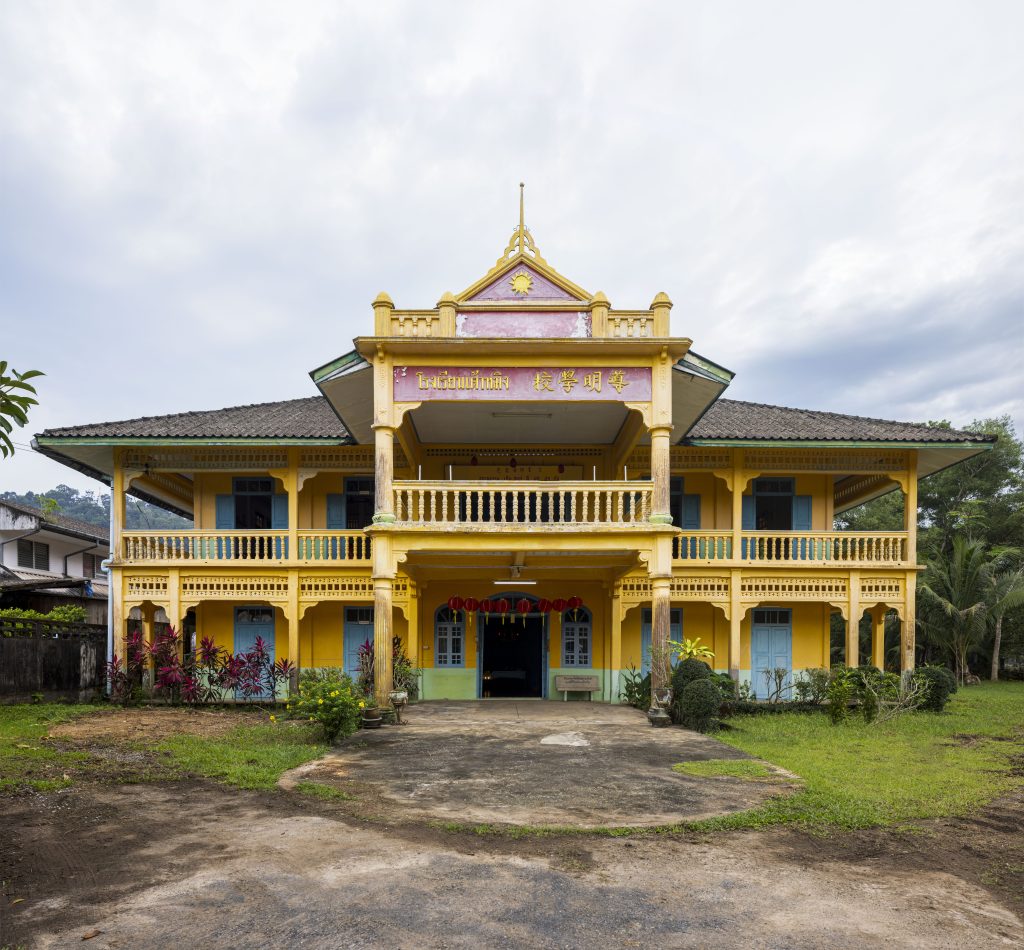
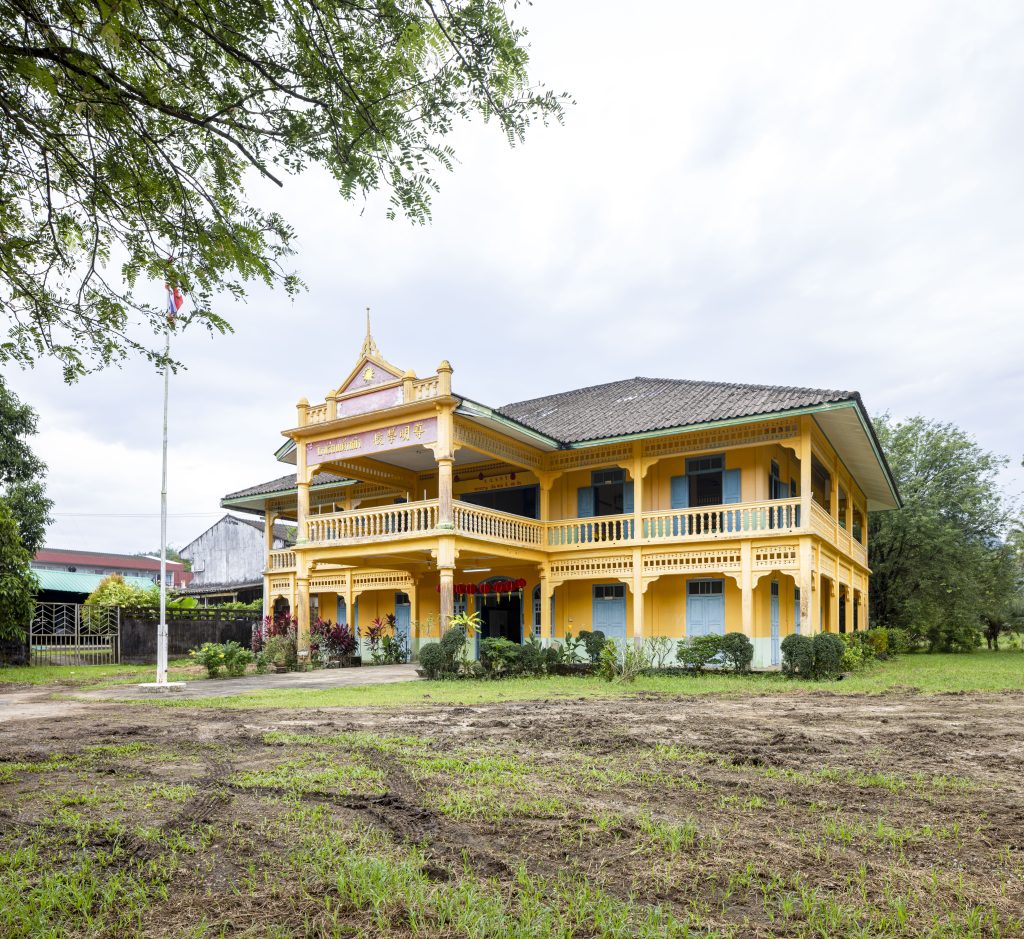
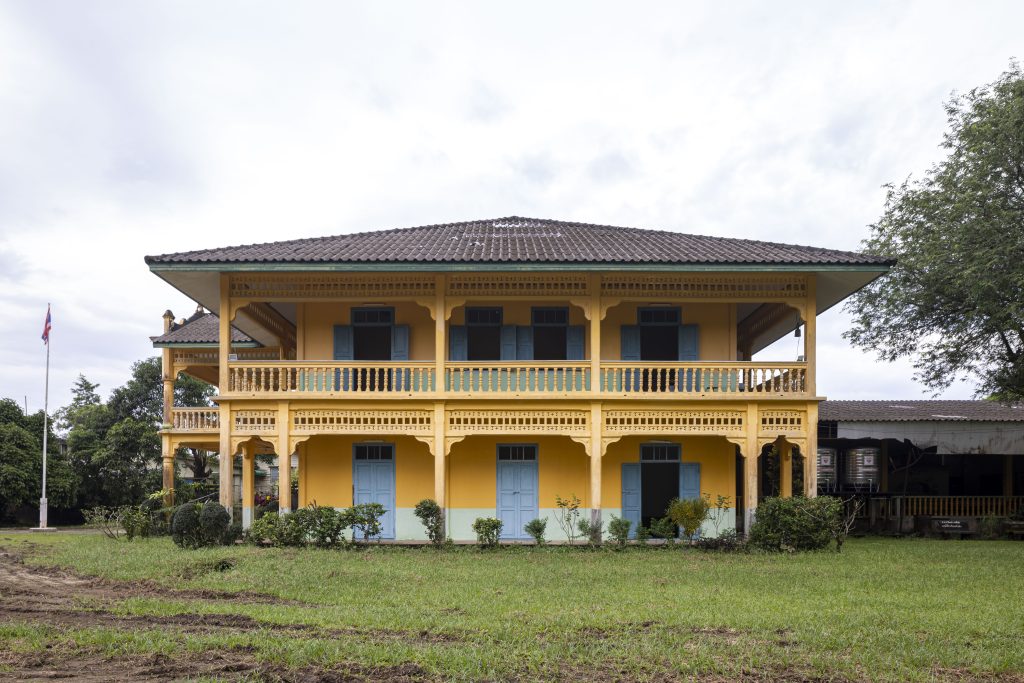
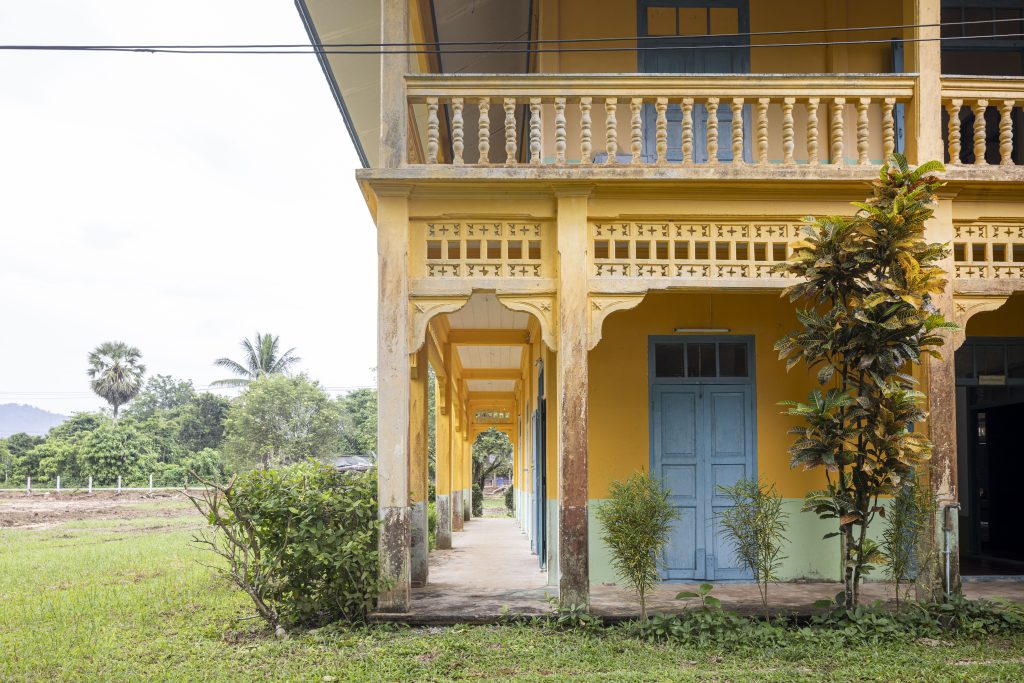
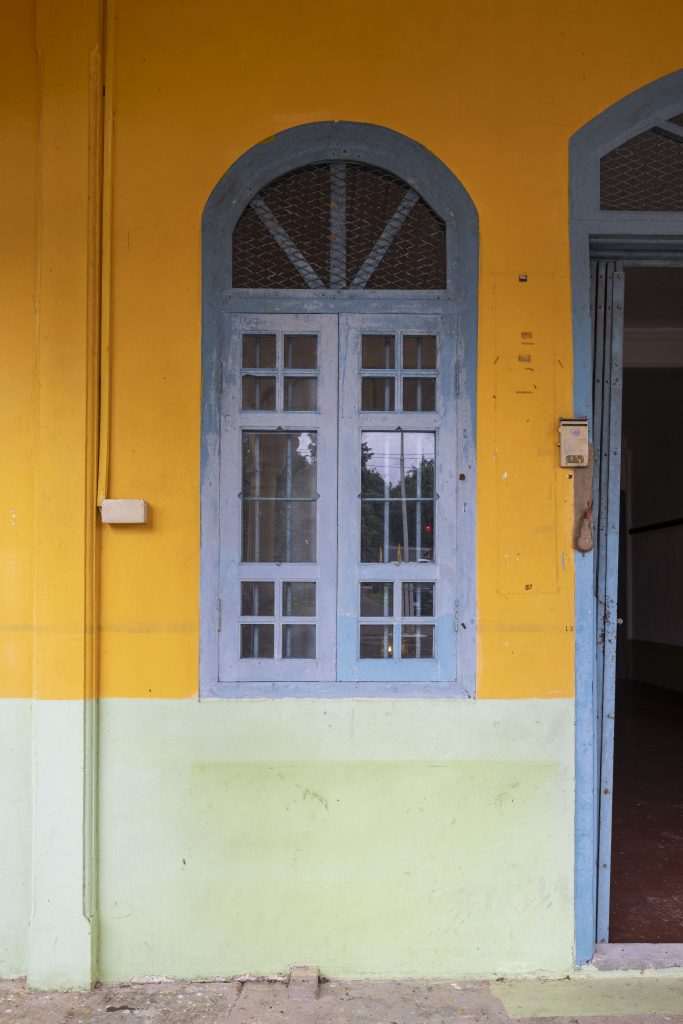
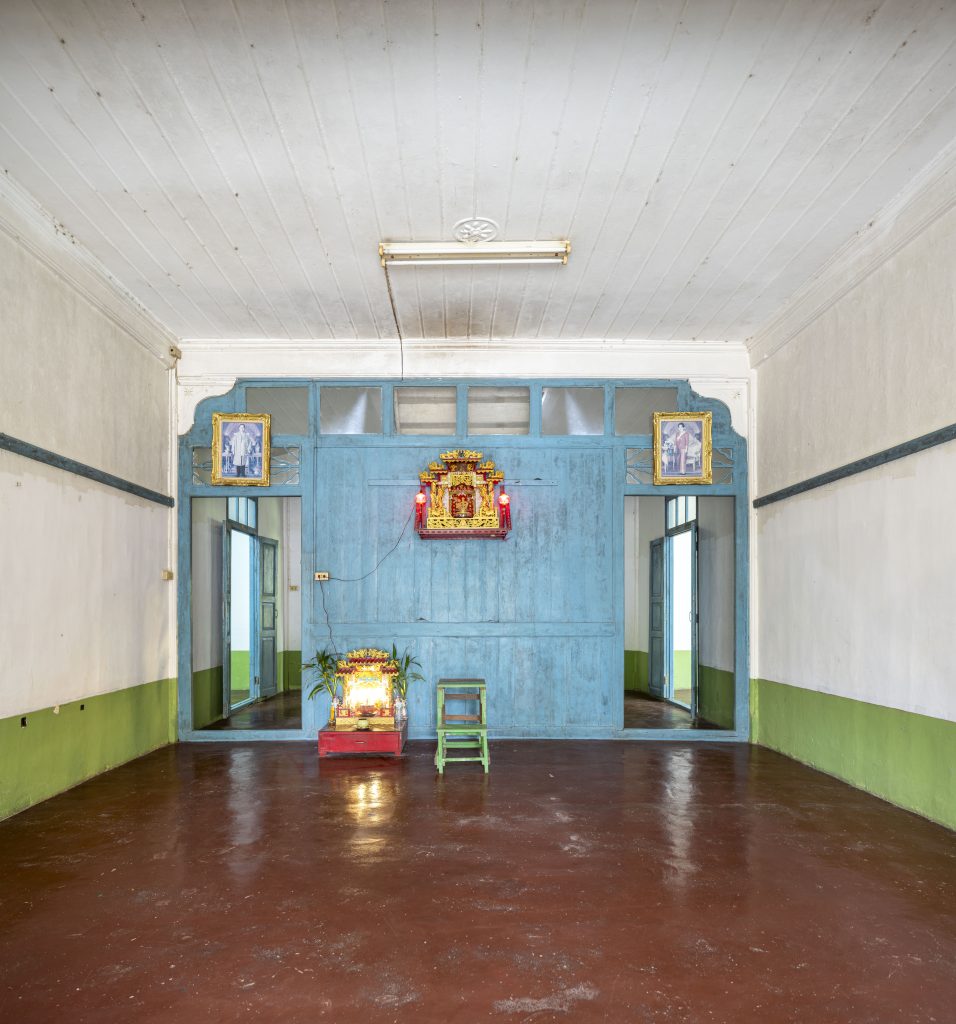
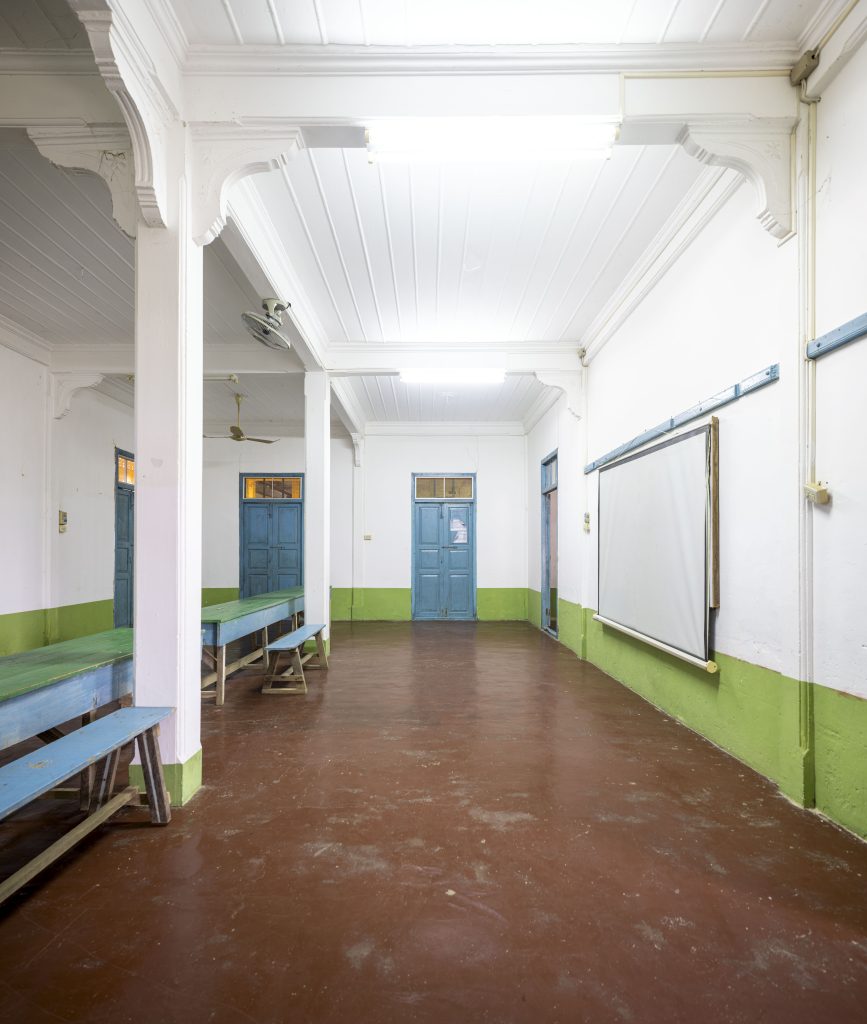
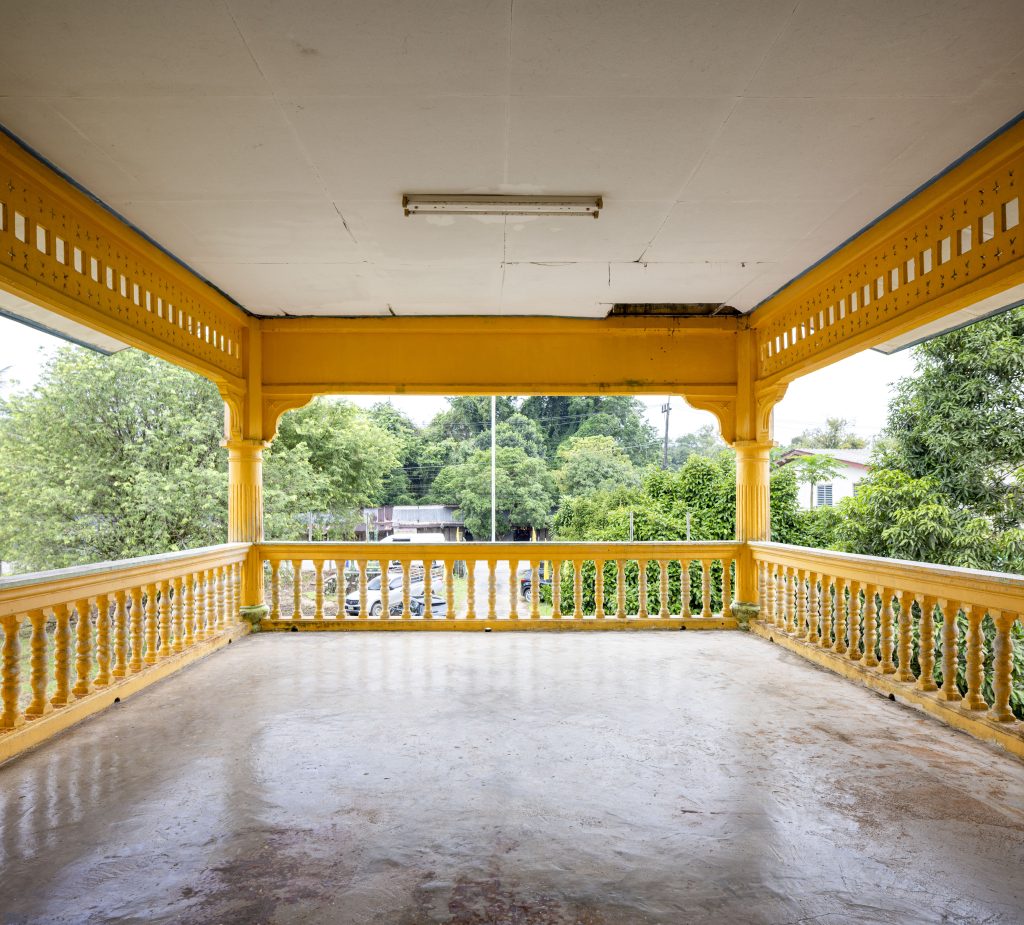
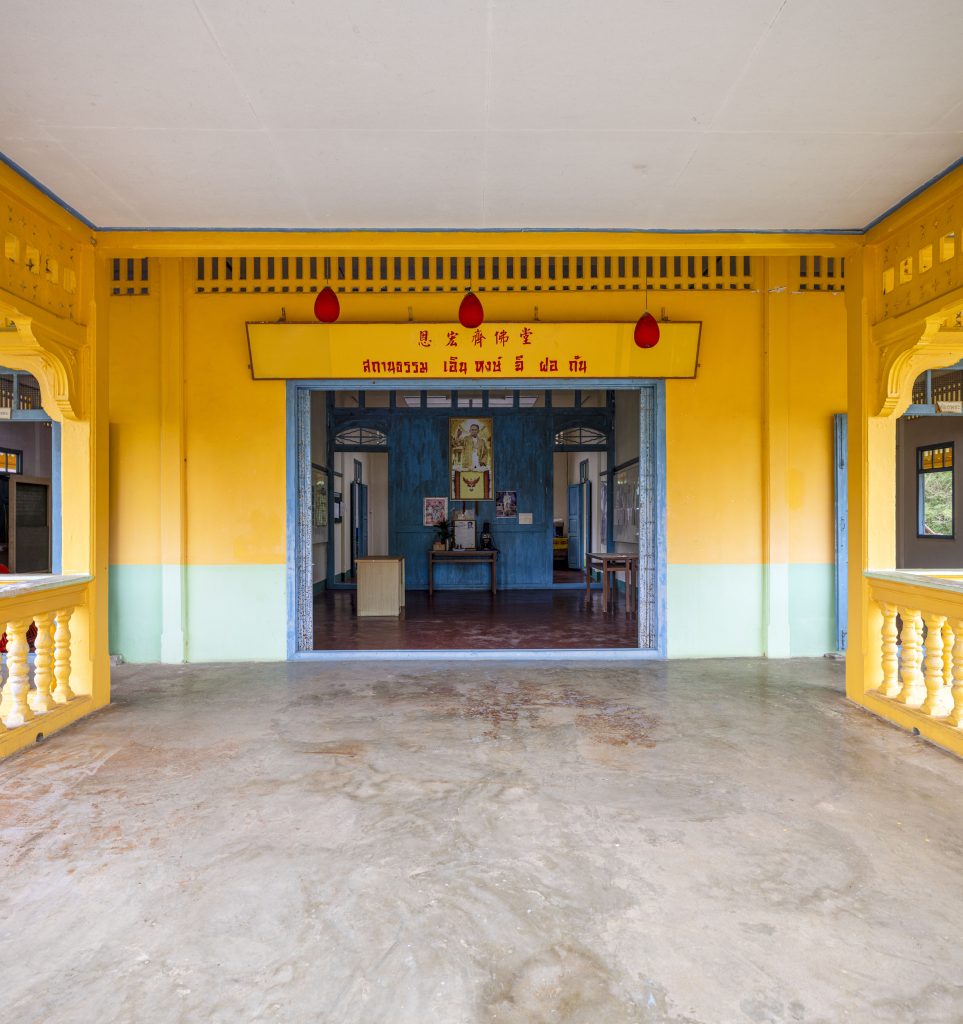
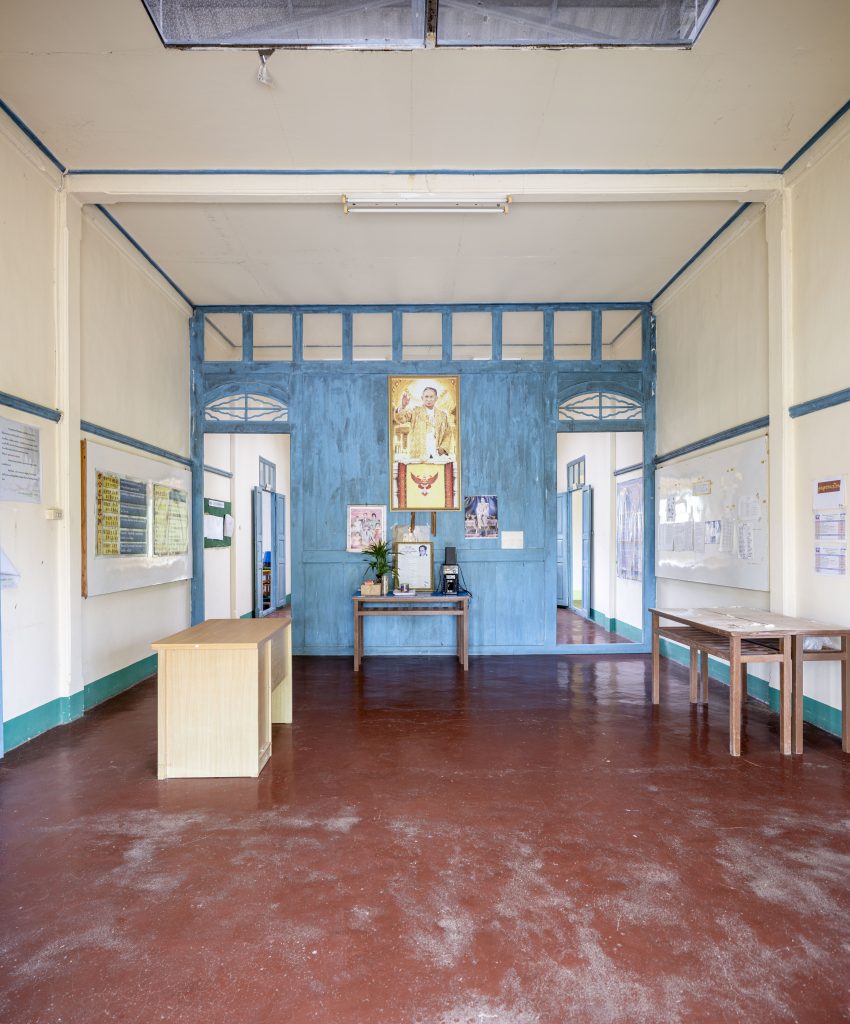
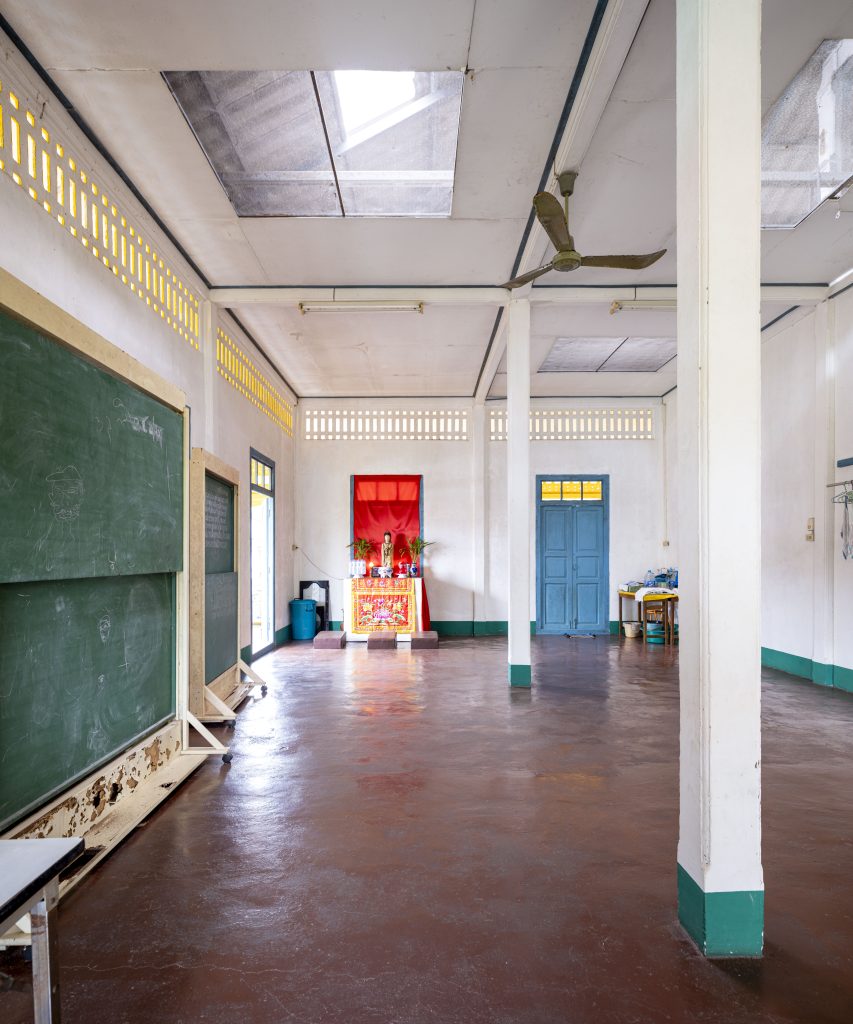
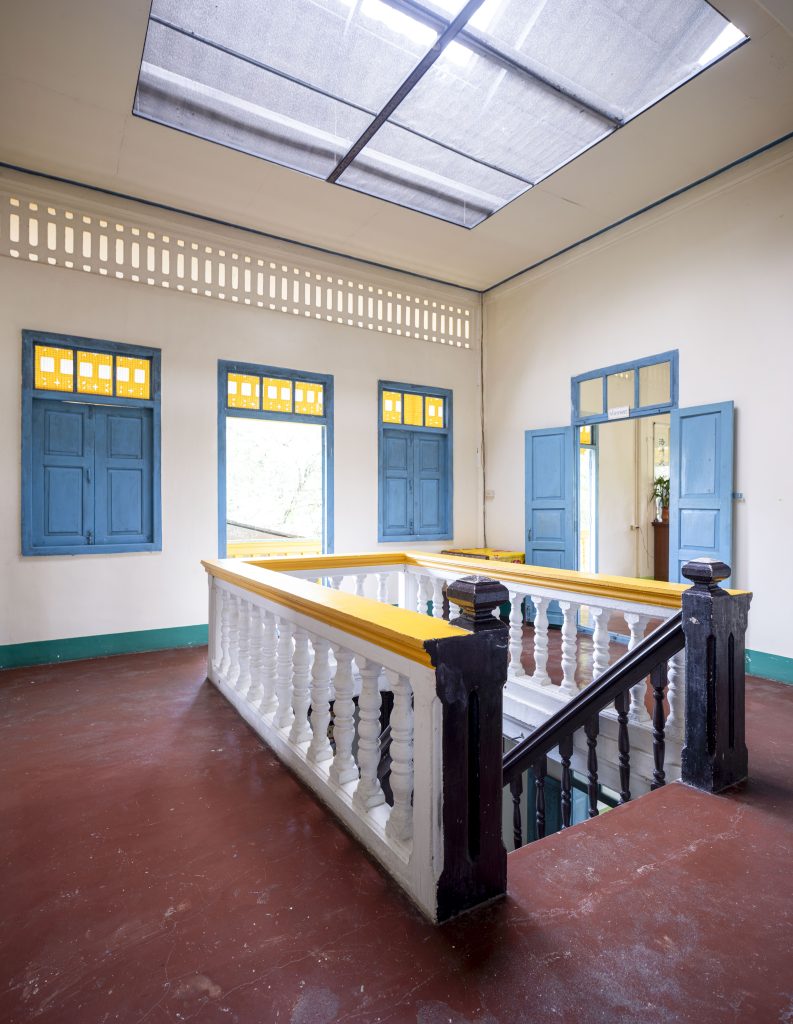
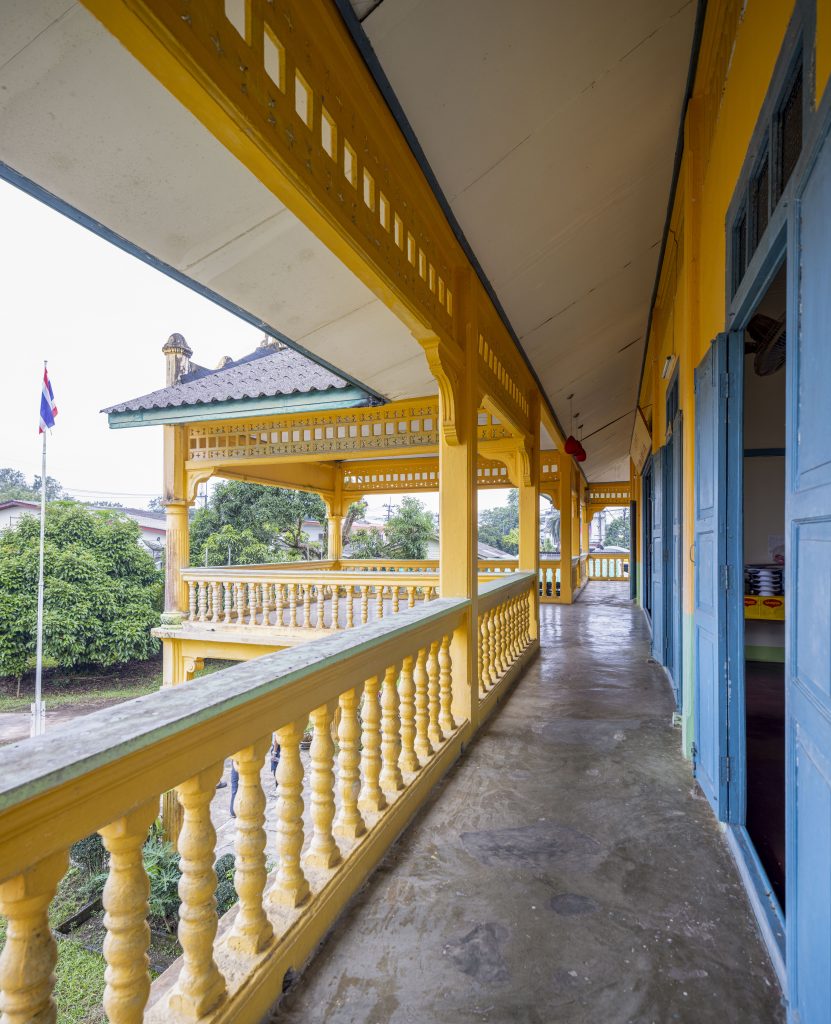
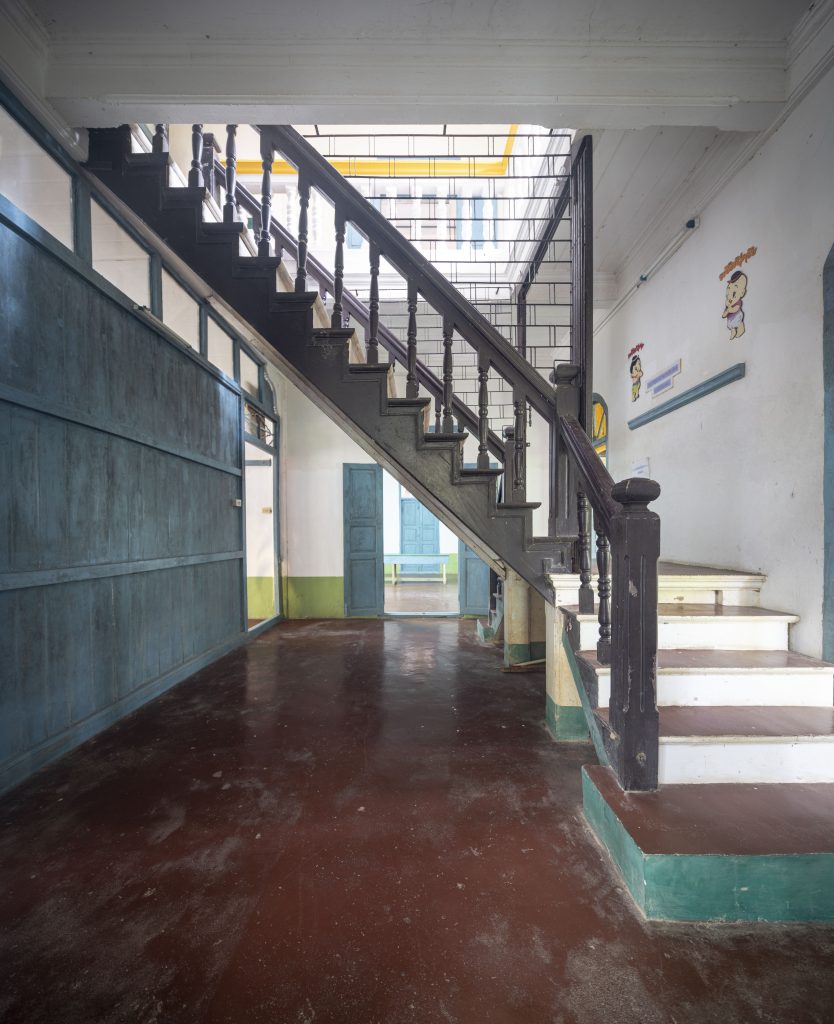
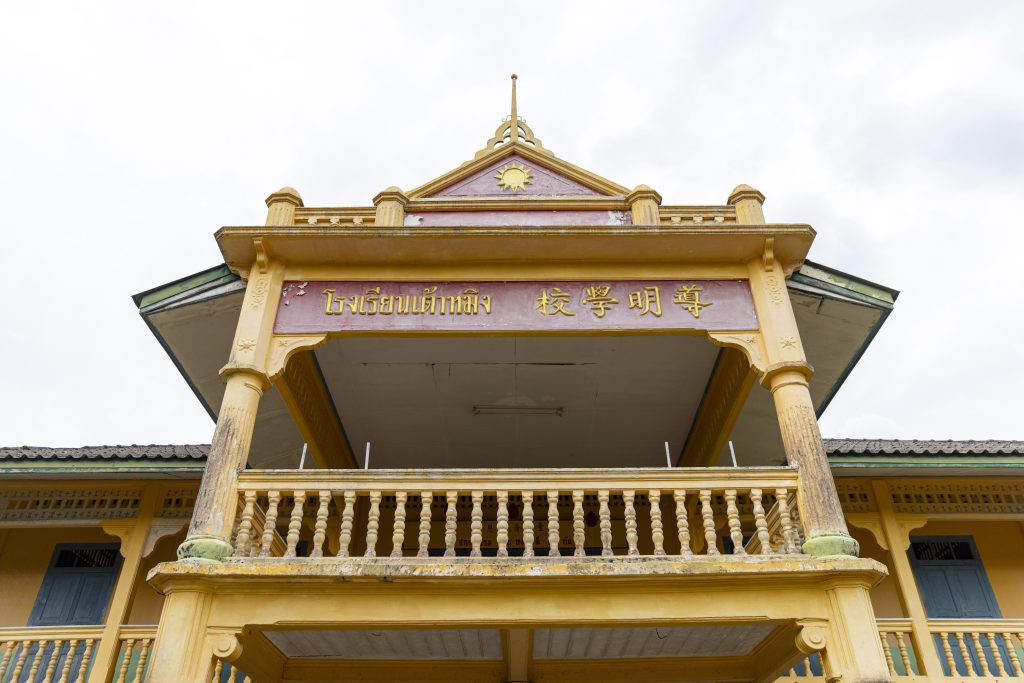
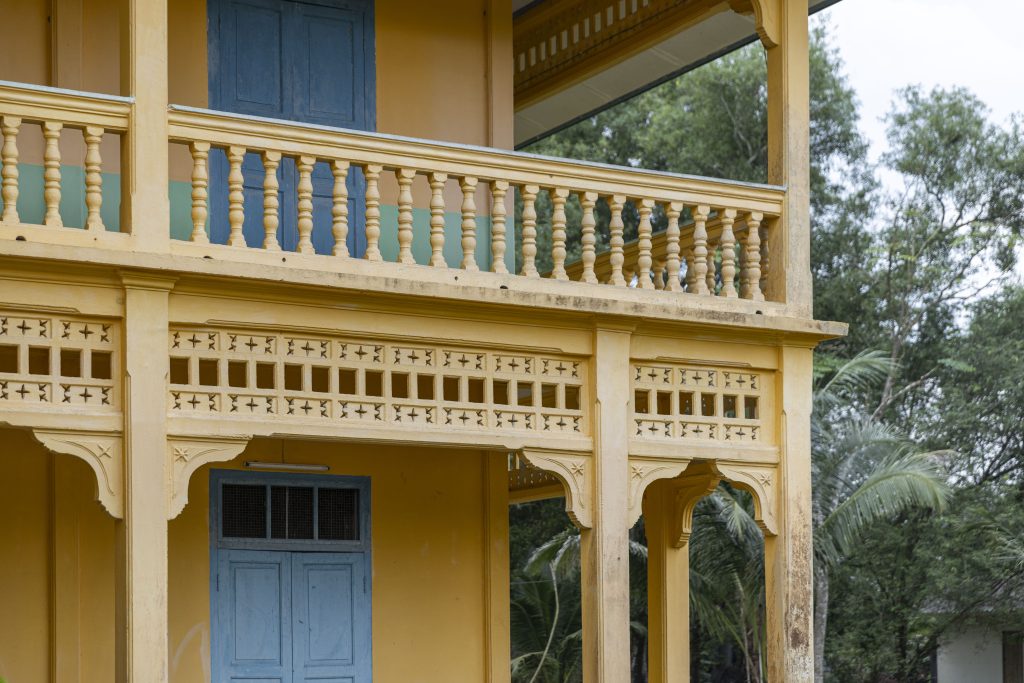
ประเภท ข. งานออกแบบใหม่ในบริบทการอนุรักษ์
ตึกยาว บวรนคร
อ่านเพิ่มเติม
ตึกยาว บวรนคร
- ที่ตั้ง: เลขที่ 1168 ถนนราชดำเนิน ตำบลคลัง อำเภอเมือง จังหวัดนครศรีธรรมราช
- สถาปนิก/ผู้ออกแบบ: ไม่ปรากฏชื่อผู้ออกแบบ
- สถาปนิกอนุรักษ์: รองศาสตราจารย์ ดร.วิมลรัตน์ อิสระธรรมนูญ
- ผู้ครอบครอง: นายแพทย์บัญชา พงษ์พานิช
- ปีที่สร้าง: ประมาณพุทธศักราช 2440
- ปีที่ได้รับรางวัล พ.ศ. 2569
- ประเภท งานออกแบบใหม่ในบริบทการอนุรักษ์
ข้อมูลอาคาร
ตึกยาว บวรนคร เป็นอาคารสูง 2 ชั้น พื้นที่ใช้สอยประมาณ 500 ตารางเมตร ตั้งอยู่ในที่ดินราว 2 ไร่ ย่านชุมชนเก่าท่าวัง จากหลักฐานที่ปรากฏสามารถจำแนกช่วงเวลาการเปลี่ยนแปลงของอาคารได้เป็น 3 ยุคสมัยหลัก ได้แก่ ยุคแรก สมัยแรกสร้างถึงการใช้งานเป็นโรงเรียนจีน (พุทธศักราช 2440 – 2480) สันนิษฐานว่าอาคารได้รับการสร้างขึ้นโดยชาวจีนจากประเทศสิงคโปร์ ซึ่งเข้ามาประกอบกิจการเหมืองแร่ในพื้นที่ราวพุทธศักราช 2440 ต่อมาราวพุทธศักราช 2480 อาคารได้ถูกใช้เป็นโรงเรียนตงฮั้ว หรือโรงเรียนจีนสยาม นครศรีธรรมราช ยุคที่ 2 นครสมาคมสถานและการใช้งานหลายรูปแบบ (พุทธศักราช 2490 – 2510) อาคารได้รับการปรับปรุงเป็นที่ทำการ “นครสมาคม” ต่อมาถูกใช้เป็นโรงแรม และโรงฝิ่น จากนั้นในช่วงปลายพุทธศักราช 2510 ได้ถูกเปลี่ยนเป็นโรงงานผลิตเฟอร์นิเจอร์ “มินกวง”และ ยุคที่ 3 สวนหนังสือ นคร-บวรนคร (พุทธศักราช 2528 – 2557) อาคารได้รับการบูรณะและปรับการใช้เป็น “สวนหนังสือ นคร – บวรรัตน์” ในพุทธศักราช 2528 จนปิดตัวลงในพุทธศักราช 2557 หลังจากถูกปล่อยร้างมาเป็นเวลานาน ในพุทธศักราช 2564 โครงการอนุรักษ์และปรับปรุงอาคารจึงเริ่มต้นขึ้น เพื่อใช้เป็นอาคารรองรับกิจกรรมทางวัฒนธรรมรูปแบบต่าง ๆ จนเสร็จสมบูรณ์ในพุทธศักราช 2568
ตึกยาว บวรนคร มีลักษณะหน้าแคบและลึกตามแบบตึกแถวในพื้นที่คาบสมุทร โครงสร้างเป็นผนังก่ออิฐรับน้ำหนัก พื้นชั้นล่างเป็นพื้นปูน ส่วนพื้นชั้นบนเป็นพื้นไม้ หลังคาทรงจั่วแบ่งเป็นสามตอน รูปด้านหน้ายุคแรกสันนิษฐานว่าเป็นแบบผสมผสานเขตเมืองท่าบริเวณคาบสมุทร ในช่วงพุทธศักราช 2490 – 2500 รูปด้านหน้าถูกเปลี่ยนไปเป็นแบบสากลนิยมสมัยใหม่ ผังอาคารเป็นรูปสี่เหลี่ยมผืนผ้า แบ่งพื้นที่ใช้งานอย่างชัดเจน ได้แก่ ทางเดินส่วนหน้า ห้องโถงด้านหน้า โถงบันไดและพื้นที่เปิดโล่งภายในอาคาร ห้องโถงด้านหลัง พื้นที่บริการและช่องเปิดโล่งภายใน (Open Inner Court) ด้านหลังอาคาร
ตึกยาว บวรนคร ได้รับการอนุรักษ์โดยนำพลวัตความเปลี่ยนแปลงมาเป็นส่วนหนึ่งในการสื่อความหมาย ให้ความสำคัญกับช่องเปิดโล่งภายใน แก้ไขปัญหาทางสัญจร และออกแบบพื้นที่ให้เกิดความยืดหยุ่นรองรับกิจกรรมได้อย่างอิสระ นอกจากนี้ มีการรักษาวัสดุดั้งเดิมและเลือกใช้วัสดุใหม่ที่ไม่กระทบต่อของเดิม ซ่อมแซมและเปลี่ยนองค์ประกอบเฉพาะส่วนที่เสียหาย พร้อมกับเสริมกำลังทางโครงสร้างตามความเหมาะสม การออกแบบองค์ประกอบใหม่ประกอบด้วยการออกแบบรูปด้านหน้าอาคารเพื่อสื่อความหมายด้วยการสร้างผนังจำลองของยุคแรกที่อ้างอิงรูปแบบและตำแหน่งของผนังเดิม พร้อมกับเก็บรักษาผนังแบบสากลนิยมสมัยใหม่ในยุคหลังเอาไว้ มีการออกแบบส่วนคาเฟ่ต่อเติมไปทางด้านหลังอาคารเพื่อให้เกิดผลกระทบต่ออาคารเดิมน้อยที่สุด และออกแบบทางเดินเชื่อมระหว่างส่วนเก่าและใหม่โดยเปิดมุมมองให้เห็นคอร์ตส่วนต่าง ๆ นอกจากนี้ ในการออกแบบองค์ประกอบใหม่จะอาศัยจังหวะและสัดส่วนขององค์ประกอบเดิมเพื่อสร้างความกลมกลืนระหว่างกัน ถือเป็นตัวอย่างของการออกแบบใหม่ในบริบทการอนุรักษ์ที่น่าชื่นชม โดยแสดงให้เห็นถึงการรักษาคุณค่ากับการใช้งานร่วมสมัยได้อย่างลงตัว จุดแข็งของโครงการนี้อยู่ที่กระบวนการอนุรักษ์ที่ครบถ้วน การพัฒนาเทคนิคการอนุรักษ์ที่มีประสิทธิภาพ และการสื่อความหมายประวัติศาสตร์ของอาคารให้เป็นที่รับรู้ได้ ซึ่งสามารถนำไปปรับและประยุกต์ใช้กับโครงการอื่นในอนาคต
คำประกาศรางวัล
ตึกยาว บวรนคร เป็นตึกแถวสูง 2 ชั้นตั้งอยู่ในย่านชุมชนเก่าท่าวัง จังหวัดนครศรีธรรมราช อาคารมีคุณค่าทางประวัติศาสตร์ สถาปัตยกรรม และสังคม โดยมีประวัติการปรับการใช้สอยและปรับเปลี่ยนองค์ประกอบในหลายช่วงเวลา ตั้งแต่การเป็นโรงเรียนจีนในพุทธศักราช 2440 การเป็น “นครสมาคมสถาน” ในช่วงพุทธศักราช 2490–2510 ซึ่งมีการปรับรูปด้านหน้าอาคารจากแบบผสมผสานสถาปัตยกรรมมืองท่าคาบสมุทร มาเป็นแบบสากลนิยมสมัยใหม่ อีกช่วงเวลาที่เป็นที่จดจำของชุมชน คือการใช้อาคารเป็น “สวนหนังสือ นคร-บวรนคร” พุทธศักราช 2528 กระทั่งปิดลงในพุทธศักราช 2557
การอนุรักษ์และปรับการใช้สอยอาคารในพุทธศักราช 2564 ดำเนินการตามหลักการและขั้นตอนอย่างครบถ้วน แก้ปัญหาความผุพังของโครงสร้างไม้และความเสื่อมสภาพของปูนด้วยวัสดุทดแทนที่เหมาะสม จุดเด่นของการออกแบบใหม่ให้สอดคล้องกับบริบทเดิมคือ การออกแบบรูปด้านหน้าอาคาร ให้สื่อความถึงรูปด้านเมื่อแรกสร้างที่เป็นซุ้มโค้ง เมื่อมองจากมุมมองภายนอกและภายในจะซ้อนทับกับรูปด้านหน้าอาคารแบบสมัยใหม่ที่ได้รับการเก็บไว้ มีการออกแบบพื้นที่ใช้สอยภายในให้สามารถปรับเปลี่ยนเพื่อรองรับกิจกรรมทางวัฒนธรรมหลายรูปแบบ โครงการนี้นับได้ว่าเป็นตัวอย่างการนำอาคารที่มีคุณค่ามาออกแบบและจัดการ บนฐานของคุณค่า ควบคู่กับการให้ชีวิตใหม่กับอาคารและย่านชุมชนอีกครั้ง
The Yao Bowon Nakhon Building
- Location: 1168 Ratchadamnoen Road, Klang Sub-district, Mueang District, Nakhon Si Thammarat Province
- Architect / Designer: Unattributed
- Conservation Architect: Associate Professor Wimonrat Issarathumnoon
- Custodian: Dr Bancha Phongphanit
- Date of Construction: Circa 1897
- Conservation Awarded Date: 2026
- Category: New designs in conservation context
Building Information
The Yao Bowon Nakhon Building is a two-storey building of approximately 500 square metres, standing on a plot of approximately 3,200 square metres (2 rai) in the historic Thawang area. The building’s evolution from the documentary evidence can be classified into three principal periods. The first period, from its construction to its use as a Chinese school (c. 1897–1937), presumably the building was created by Chinese entrepreneurs from Singapore who had come to engage in tin mining in the area around 1897. By approximately 1937, the building was in use as Tong Hua School, also known as the Chinese–Siamese School of Nakhon Si Thammarat. The second period (c. 1947–1967) encompassed a succession of uses: the building was converted into the premises of the Nakhon Association (Nakhon Samakhom), then operated as a hotel and subsequently as an opium house. Towards the end of this period, it was repurposed as the Min Kwang furniture factory. In the third period (1985–2014) the building was restored and adapted as the Nakhon–Bowonrat Book Garden, which remained in operation until its closure in 2014. After a prolonged period of abandonment, a conservation and rehabilitation project was initiated in 2021 to adapt the building for a variety of cultural activities. The works were completed in 2025.
The Yao Bowon Nakhon Building exhibits the characteristic narrow-frontage, deep-plan form of the peninsular shophouse. The structure is of load-bearing brick masonry; the ground floor is finished with a cement screed, while the upper floor is of timber. The gabled roof is divided into three sections. The original front elevation is believed to have followed the Eclectic port-town manner typical of the peninsula; during the period c. 1947–1957, it was remodelled in the International Modern style. The rectangular plan is clearly zoned into a front passage, a front hall, a staircase hall with an internal open court, a rear hall, and a service area with a further open inner court at the rear.
The conservation of the Yao Bowon Nakhon Building is notable for embracing the building’s accumulated layers of change as an integral part of its narrative. The design gives prominence to the internal open courts, resolves circulation constraints, and creates flexible spaces capable of accommodating a range of activities. Original materials have been retained wherever possible, and new materials have been selected so as not to compromise the historic fabric. Repairs and replacements have been confined to damaged elements, with targeted structural strengthening where necessary. The design of new elements includes a reinterpretation of the front elevation. A new screen wall has been constructed in front of the building, recreating the appearance and position of the original first-period façade. Behind this screen wall, the later International Modern façade has been retained. This layered approach allows visitors to read both historical phases of the building at once. A new café extension has been appended to the rear in a manner that minimises impact on the historic structure, and a connecting walkway between old and new opens up views into the successive courts. Throughout, the rhythm and proportions of the new work are drawn from those of the existing fabric, ensuring visual coherence between the two. The project stands as a commendable example of new design within a conservation context, demonstrating that heritage value and contemporary use can be reconciled with skill and sensitivity. Its strengths lie in the completeness of the conservation process, the development of effective conservation techniques, and the legibility of the building’s historical narrative, an approach readily transferable to future projects.
Award Announcementue
The Yao Bowon Nakhon Building is a two-storey shophouse located in the historic Tha Wang community of Nakhon Si Thammarat. The building possesses historical, architectural, and social significance, having undergone multiple adaptations and architectural transformations throughout its history. Originally established as a Chinese school in 1897, the building later became the “Nakhon Samakhom Sathaan” during the period between the 1940s and 1960s, when its façade was transformed from a style influenced by Peninsula port-town architecture into a Modern International Style. Another memorable phase in the building’s history was its use as “Suan Nang Sue Nakhon–Bovornakhon” (Nakhon–Bovornakhon Book Garden) in 1985, which continued until its closure in 2014.
The building served as a school from 1905 until the institution closed in 1998. Later, in 2000, the building was adaptively reused as a meditation and religious practice center. Over the years, the building has undergone continuousThe conservation and adaptive reuse project undertaken in 2021 was carried out in accordance with comprehensive conservation principles and procedures. Structural deterioration of the timber framework and the decay of plaster surfaces were repaired using appropriate replacement materials. One of the project’s most notable design features was the reinterpretation of the front façade to evoke the building’s original arched façade from its earliest period. From both exterior and interior perspectives, this newly designed layer visually overlaps with the preserved Modernist façade, creating a dialogue between different historical periods of the building. repairs and renovations, including the replacement of certain materials and architectural elements, while efforts have been made to preserve its original architectural character and traditional craftsmanship.
The interior spaces were also redesigned to allow flexibility for a variety of cultural activities. This project is therefore regarded as an exemplary case of heritage building conservation and management grounded in the recognition of cultural value, while simultaneously giving new life to both the building and the surrounding historic community once again.
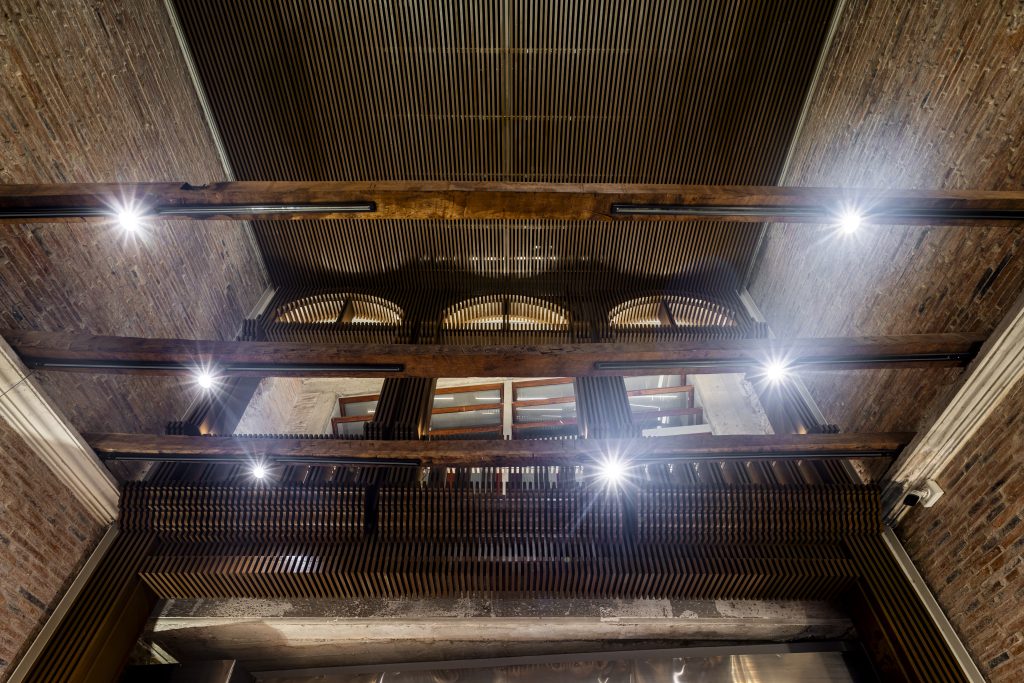
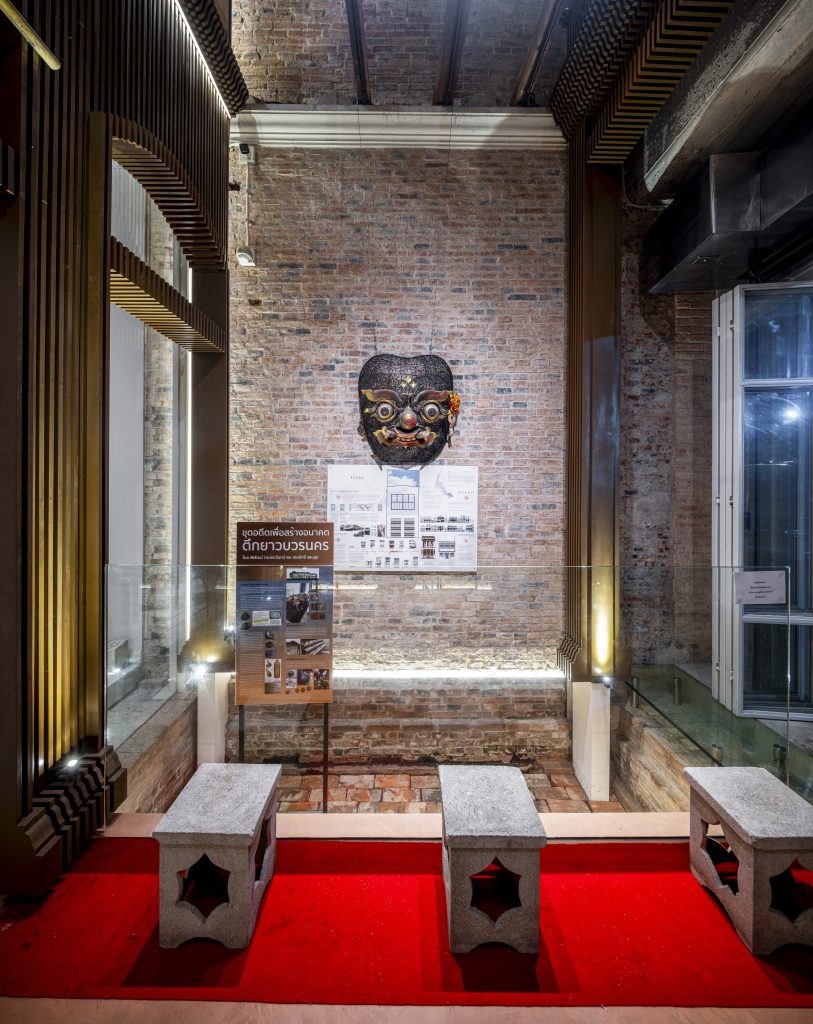
ประเภท ค. บุคคลหรือองค์กร อนุรักษ์ศิลปสถาปัตยกรรม
อาจารย์จิราภรณ์ อรัณยะนาค
อ่านเพิ่มเติม
อาจารย์ จิราภรณ์ อรัณยะนาค
- ปีที่ได้รับรางวัล: พ.ศ. 2569
- ประเภท บุคคล อนุรักษ์ศิลปสถาปัตยกรรม
อาจารย์จิราภรณ์ อรัณยะนาค เป็นผู้เชี่ยวชาญด้านการอนุรักษ์ เป็นผู้บุกเบิกและวางรากฐานการวิเคราะห์ความเสื่อมสภาพของโบราณวัตถุและศิลปวัตถุด้วยกระบวนการทางเคมีและฟิสิกส์ จากความรู้ปริญญาวิทยาศาสตร์บัณฑิต สาขาวิชาเคมี และปริญญาวิศวกรรมศาสตรมหาบัณฑิต สาขานิวเคลียร์เทคโนโลยี จากจุฬาลงกรณ์มหาวิทยาลัย ทำให้การซ่อมแซมโบราณวัตถุและศิลปวัตถุมีความแม่นยำและไม่ทำลายคุณค่าดั้งเดิม นอกจากนี้ ยังมีส่วนร่วมสำคัญในการกำหนดวิธีการอนุรักษ์จิตรกรรมฝาผนังวัดสำคัญทั่วประเทศไทย รวมถึงการจัดการกับปัญหาความชื้นและเชื้อรา และยังเป็นผู้เชี่ยวชาญการอนุรักษ์กระดาษและใบลานโบราณซึ่งเป็นมรดกทางปัญญาที่เปราะบางที่สุดอีกด้วย
อาจารย์จิราภรณ์ อรัณยะนาค มีผลงานวิจัย ตำรา และบทบทความทั้งภาษาไทยและภาษาอังกฤษมากมาย เช่น การศึกษาและวิเคราะห์บทบาทของเกลือบนโบราณสถาน การศึกษาและวิเคราะห์เชื้อราบนกระดาษและผ้า สาเหตุการเสื่อมสภาพของวัสดุบนโบราณสถาน โบราณวัตถุ ศิลปวัตถุ หนังสือและเอกสารจดหมายเหตุ
อาจารย์จิราภรณ์ อรัณยะนาค เกษียณอายุราชการจากกรมศิลปากรในพุทธศักราช 2551 หลังจากนั้น อาจารย์ยังคงถ่ายทอดความรู้ด้านการอนุรักษ์สมบัติวัฒนธรรมอย่างต่อเนื่องผ่านบทบาทการเป็นอาจารย์พิเศษให้กับมหาวิทยาลัยศิลปากร วิทยากรให้แก่บุคลากรจากหน่วยงานต่าง ๆ ที่เกี่ยวข้องทั้งในระดับประเทศและระดับภูมิภาคอาเซียน และเป็นที่ปรึกษาด้านการอนุรักษ์ให้กับหอศิลปวัฒนธรรมแห่งกรุงเทพมหานคร (BACC) และสถาบันวัฒนธรรมชั้นนำ ทำให้ภัณฑารักษ์และนักอนุรักษ์รุ่นใหม่มีความรู้ ความสามารถ และมาตรฐานการดูแลสมบัติชาติของไทยทัดเทียมระดับสากล นอกจากนี้ อาจารย์ยังเป็นสมาชิกองค์การระหว่างประเทศอีกหลายองค์กรอีกด้วย
คำประกาศรางวัล
อาจารย์จิราภรณ์ อรัณยะนาค รับราชการในกรมศิลปากร โดยทำหน้าที่วิเคราะห์วิจัยและอนุรักษ์ทรัพย์สินทางวัฒนธรรม อันได้แก่ ศิลปวัตถุ โบราณวัตถุ โบราณสถาน หนังสือและเอกสารที่มีคุณค่า ตั้งแต่พุทธศักราช 2515 ท่านเป็นผู้บุกเบิกและวางรากฐานการอนุรักษ์ที่ใช้การตรวจสอบความเสื่อมสถาพของวัสดุด้วยกระบวนการทางวิทยาศาสตร์ ส่งผลให้การวินิจฉัยมีความแม่นยำ สามารถกำหนดวิธีการแก้ไขปัญหาได้อย่างมีประสิทธิภาพ พร้อมทั้งรักษาองค์ประกอบที่มีความเป็นของแท้ดั้งเดิมไว้ได้
ภายหลังจากเกษียณอายุราชการจากกรมศิลปากรในพุทธศักราช 2551 ท่านได้ถ่ายทอดความรู้ด้านการอนุรักษ์ให้แก่สถาบันการศึกษาและหน่วยงานภาคส่วนต่าง ๆ ทั้งในและต่างประเทศ นอกจากนี้ ยังได้เผยแพร่ความรู้ผ่านการเขียนหนังสือและบทความในสื่อต่าง ๆ ให้ผู้สนใจและประชาชนทั่วไปตระหนักถึงปัญหาความเสื่อมสภาพ เช่น การเกิดเกลือในโบราณสถาน รวมถึงปัญหาที่เกิดขึ้นจากการใช้วัสดุที่ไม่เหมาะสมในการอนุรักษ์
ด้วยความรู้ความเชี่ยวชาญด้านการอนุรักษ์สถาปัตยกรรม และคุณูปการที่ท่านได้สร้างไว้แก่แวดวงการอนุรักษ์อย่างต่อเนื่อง จึงสมควรได้รับรางวัลอนุรักษ์ศิลปะสถาปัตยกรรมประเภทบุคคล
Dr. Jiraporn Aranyanak
- Conservation Awarded Date: 2026
- Architectural Conservation Award for Individuals
Dr. Jiraporn Aranyanak is a conservation specialist who pioneered and laid the foundations for the analysis of deterioration in antiquities and art objects through chemical and physical processes. Holding a Bachelor of Science degree in Chemistry and a Master of Engineering degree in Nuclear Technology, both from Chulalongkorn University, she has brought scientific precision to the treatment of antiquities and art objects, ensuring that interventions do not compromise original values. She has also played a central role in establishing conservation methodologies for mural paintings at important temples throughout Thailand including the management of moisture and mould and as a leading specialist in the conservation of paper and ancient palm-leaf manuscripts, among the most fragile of Thailand’s intellectual heritage.
Dr. Jiraporn Aranyanak has produced an extensive body of research, textbooks, and articles in both Thai and English. Her published work includes studies on the role of salts in the deterioration of historic monuments, the analysis of mould on paper and textiles, and the causes of material decay in historic buildings, antiquities, art objects, books, and archival documents.
Dr. Jiraporn Aranyanak retired from the Fine Arts Department in 2008. Since her retirement, she has continued to transmit her knowledge of cultural property conservation through her role as a guest lecturer at Silpakorn University, as a speaker and trainer for personnel from relevant agencies at both national and ASEAN regional levels, and as a conservation adviser to the Bangkok Art and Culture Centre (BACC) and other leading cultural institutions. Her sustained contributions have equipped a new generation of curators and conservators with the knowledge, skills, and professional standards required to care for Thailand’s national heritage to an international level. She is also a member of several international professional organisations.
Award Announcement
Dr. Jiraporn Aranyanak served in the Fine Arts Department, where she was responsible for the research, analysis, and conservation of cultural heritage assets, including works of art, antiquities, historic sites, books, and valuable documents, beginning in 1972. She was a pioneer in establishing conservation practices based on scientific investigation of material deterioration. Her approach significantly improved the accuracy of conservation diagnosis, enabling effective treatment methods while preserving the authenticity and original fabric of heritage materials.
After retiring from the Fine Arts Department in 2008, she continued to dedicate herself to the dissemination of conservation knowledge through teaching and professional training for educational institutions and organizations both in Thailand and abroad. In addition, she shared her expertise through books and articles published in various media, helping specialists and the general public become more aware of issues related to material deterioration, such as salt crystallization in historic structures and problems caused by the use of inappropriate materials in conservation work.
Through her extensive expertise in architectural conservation and her continuous contributions to the field of heritage preservation, Dr Jiraporn Aranyanak is highly deserving of recognition through an architectural conservation award in the individual category.
นายอดุลย์ เหรัญญะ
อ่านเพิ่มเติม
นายอดุลย์ เหรัญญะ
- ปีที่ได้รับรางวัล: พ.ศ. 2569
- ประเภท บุคคล อนุรักษ์ศิลปสถาปัตยกรรม
นายอดุลย์ เหรัญญะ เป็นผู้ที่เข้าใจถึงประวัติศาสตร์และสถาปัตยกรรมล้านนาเป็นอย่างมาก มีความรู้ด้านประวัติศาสตร์และชาติพันธุ์ล้านนา มีความเชี่ยวชาญในการใช้เทคนิคสมัยใหม่ร่วมกับภูมิปัญญาเทคนิคในการออกแบบ การก่อสร้างแบบดั้งเดิม อีกทั้งยังมีความเข้าใจในวัสดุท้องถิ่น และให้ความสำคัญกับช่างพื้นบ้าน เพราะมีการนำเอารูปแบบงานไม้มาใช้ผสมผสานกับการก่อสร้างสมัยใหม่ จึงจำเป็นต้องแสวงหาช่างพื้นบ้านที่มีองค์ความรู้และความชำนาญมาช่วยเพื่อสืบสานภูมิปัญญาให้ผลงานมีความสมบูรณ์ และเหมาะกับบริบทในปัจจุบันโดยไม่สูญเสียเอกลักษณ์พื้นถิ่น
นายอดุลย์ เหรัญญะ ได้ดำเนินโครงการต่าง ๆ ที่เกี่ยวข้องกับการอนุรักษ์สถาปัตยกรรม การอนุรักษ์ชุมชนและเมือง การจัดการมรดกทางด้านวัฒนธรรม และสถาปัตยกรรมที่เกี่ยวเนื่อง ถือเป็นบุคคลที่ทำงานอยู่เบื้องหลังความสำเร็จของโครงการสำคัญของเมือง ชุมชน และหน่วยงานต่าง ๆ อย่างต่อเนื่องจนเป็นที่ยอมรับในวงกว้าง ด้วยประสบการณ์การทำงานมายาวนาน ประกอบกับเป็นผู้ก่อตั้งและบริหารบริษัทสถาปนิก จึงมีความเชี่ยวชาญในการปฏิบัติงานอนุรักษ์ รวมไปถึงการสำรวจ การวิจัย การจัดเก็บข้อมูลงานสถาปัตยกรรม การวิเคราะห์ การออกแบบรายละเอียดงานสถาปัตยกรรม การบริหารงานก่อสร้าง การให้คำปรึกษาด้านการอนุรักษ์งานสถาปัตยกรรม การประสานความร่วมมือ และถ่ายทอดองค์ความรู้ของงานอนุรักษ์สถาปัตยกรรม สำหรับการปฏิบัติงานอนุรักษ์สถาปัตยกรรมของนายอดุลย์ เหรัญญะ นั้นจะเป็นผลงานที่มีลักษณะเด่นทางด้านสถาปัตยกรรมล้านนาร่วมสมัย เป็นการรวมระหว่างศาสตร์และศิลป์ทางด้านศิลปะและสถาปัตยกรรม รวมถึงภูมิปัญญาท้องถิ่นเพื่อนำมาใช้ในการสร้างสรรค์ผลงาน ตลอดจนการออกแบบสถาปัตยกรรมเพื่อศาสนา และการออกแบบสถาปัตยกรรมเพื่อกระตุ้นเศรษฐกิจในชุมชน อีกทั้งเป็นการออกแบบจะผสมผสานระหว่างเทคนิคการก่อสร้างแบบภูมิปัญญาพื้นถิ่นกับเทคโนโลยีสมัยใหม่ เพื่อให้สอดคล้องกับบริบทของพื้นที่และภูมิทัศน์โดยรอบอาคาร และก่อให้เกิดประโยชน์ต่อสังคมอีกด้วย
นายอดุลย์ เหรัญญะ ขณะดำรงตำแหน่งประธานกรรมาธิการสถาปนิกล้านนา สมาคมสถาปนิกสยาม ในพระบรมราชูปถัมภ์ ยังได้ขับเคลื่อนการอนุรักษ์สถาปัตยกรรมในภูมิภาคล้านนาร่วมกับคณะทำงานผ่านการศึกษา สืบค้น รวบรวม เพื่ออนุรักษ์งานสถาปัตยกรรมอันดีงามของพื้นถิ่นใน 17 จังหวัดภาคเหนือ และจัดทำหนังสือ “เก็บเก่า สถาปัตยกรรมที่มควรค่าแก่การอนุรักษ์ในเขตภาคเหนือ” เพื่อสร้างขวัญและกำลังใจให้เจ้าของอาคารและชุมชน ตลอดจนให้ทุกคนได้ตระหนักรู้และเห็นถึงความสำคัญของการอนุรักษ์สถาปัตยกรรม การสืบสานความรู้ และมรดกแห่งภูมิปัญญาต่าง ๆ ที่บรรพบุรุษได้สร้างสรรค์ไว้ ให้คงอยู่สืบต่อไป
คำประกาศรางวัล
นายอดุลย์ เหรัญญะ เป็นสถาปนิกผู้เชี่ยวชาญด้านการปฏิบัติงานอนุรักษ์ ครอบคลุมทั้งการศึกษาวิจัย การสำรวจ การจัดเก็บข้อมูล การออกแบบ ตลอดจนการให้คำปรึกษาด้านการอนุรักษ์งานสถาปัตยกรรม โดยเป็นผู้ที่มีความเข้าใจประวัติศาสตร์และสถาปัตยกรรมล้านนาอย่างลึกซึ้ง ผลงานมีลักษณะเด่นทางด้านสถาปัตยกรรมล้านนาร่วมสมัย ที่ผสมผสานระหว่างเทคนิคการก่อสร้างตามภูมิปัญญาพื้นถิ่นกับเทคโนโลยีสมัยใหม่
ในขณะดำรงตำแหน่งประธานกรรมาธิการสถาปนิกล้านนา สมาคมสถาปนิกสยามในพระบรมราชูปถัมภ์ นายอดุลย์ เหรัญญะได้ขับเคลื่อนการอนุรักษ์สถาปัตยกรรมในภูมิภาคล้านนาร่วมกับภาคการศึกษา ผลงานสำคัญคือการจัดทำหนังสือ “เก็บเก่า สถาปัตยกรรมที่ควรค่าแก่การอนุรักษ์ในเขตภาคเหนือ” เพื่อสร้างความตระหนักและกำลังใจให้แก่เจ้าของอาคารและชุมชน ให้เห็นถึงความสำคัญของการอนุรักษ์สถาปัตยกรรมและการสืบสานภูมิปัญญาให้คงอยู่
จากการทำงานอย่างต่อเนื่องและเป็นที่ยอมรับในวงกว้างด้านการสืบสานและอนุรักษ์มรดกทางสถาปัตยกรรม จึงสมควรได้รับรางวัลอนุรักษ์ศิลปสถาปัตยกรรมประเภทบุคคล
Mr. Adul Heranya
- Conservation Awarded Date: 2026
- Architectural Conservation Award for Individuals
Mr. Adul Heranya possesses a profound understanding of Lanna history and architecture, encompassing the history and ethnography of the Lanna region. He is skilled in combining modern techniques with the traditional design and construction wisdom of the region, and places particular importance on local craftsmen. His practice of integrating traditional timber craftsmanship with modern construction necessarily requires the engagement of vernacular builders who possess the requisite knowledge and skills. This commitment serves to perpetuate local building wisdom while producing work that is responsive to contemporary contexts without sacrificing regional identity.
Mr. Adul Heranya has undertaken a wide range of projects related to architectural conservation, community and urban conservation, cultural heritage management, and associated architectural work. He is widely recognised as a figure who has worked behind the success of significant projects for towns, communities, and public agencies over an extended period. Drawing on many years of professional experience as both the founder and director of an architectural practice, his expertise spans the full scope of conservation practice: survey, research, architectural documentation, analysis, detailed architectural design, construction management, conservation consultancy, stakeholder coordination, and the dissemination of conservation knowledge. Mr Adul Heranya’s conservation practice is distinguished by its focus on contemporary Lanna architecture which is a synthesis of art and science in which fine arts, architecture, and local wisdom are brought together in creative work. His output encompasses religious architecture and architecture designed to stimulate local economies, characterised throughout by the integration of vernacular building techniques with modern technology in a manner that responds to site context and surrounding landscape, and that generates broader social benefit.
During his tenure as Chairman of the Lanna Architects Committee of The Association of Siamese Architects under Royal Patronage, Mr. Adul Heranya advanced the conservation of architecture across the Lanna region in collaboration with a dedicated working group. This effort involved the study, documentation, and compilation of noteworthy vernacular architecture across seventeen northern provinces, resulting in the publication “Kep Kao: Architecture Worthy of Conservation in the Northern Region”, is a volume intended to encourage building owners and communities, and to foster wider public awareness of the importance of architectural conservation and the perpetuation of the knowledge and heritage of craftsmanship bequeathed by previous generations.
Award Announcement
Mr. Adul Heranya is an architect specializing in conservation practice, with expertise covering research, surveying, documentation, architectural design, and conservation consultancy. He possesses profound knowledge of the history and architecture of the Lanna region. His architectural works are distinguished by a contemporary Lanna style that harmoniously combines traditional local construction wisdom with modern technology.
While serving as Chairperson of the Lanna Architects Committee under the Association of Siamese Architects under Royal Patronage, Mr. Adul Heranya played an important role in advancing architectural conservation efforts throughout the Lanna region in collaboration with academic institutions. One of his significant contributions was the publication of the book “Kep Kao: Architecture Worthy of Conservation in the Northern Region”, which aimed to raise awareness and encourage building owners and local communities to recognize the importance of architectural conservation and the continuation of local wisdom and craftsmanship.
Through his continuous work and widely recognized contributions to the preservation and transmission of architectural heritage, Mr. Adul Heranya is highly deserving of recognition through an architectural conservation award in the individual category.