กลุ่มอาคารวิลล่า โรงแรมบางแสนเฮอริเทจ
อ่านเพิ่มเติม
กลุ่มอาคารวิลล่า โรงแรมบางแสนเฮอริเทจ
- ที่ตั้ง 50, 54 ถนนบางแสนสาย 1 ตำบลแสนสุข อำเภอเมือง จังหวัดชลบุรี
- ผู้ครอบครอง บริษัท บางแสนบีชรีสอร์ท จำกัด
- ปีที่สร้าง หลังพ.ศ. 2498
- สถาปนิก/ผู้ออกแบบอนุรักษ์ บริษัท บางแสนมหานคร จำกัด
- ปีที่ได้รับรางวัล พ.ศ. 2557
- ประเภท อาคารพาณิชย์
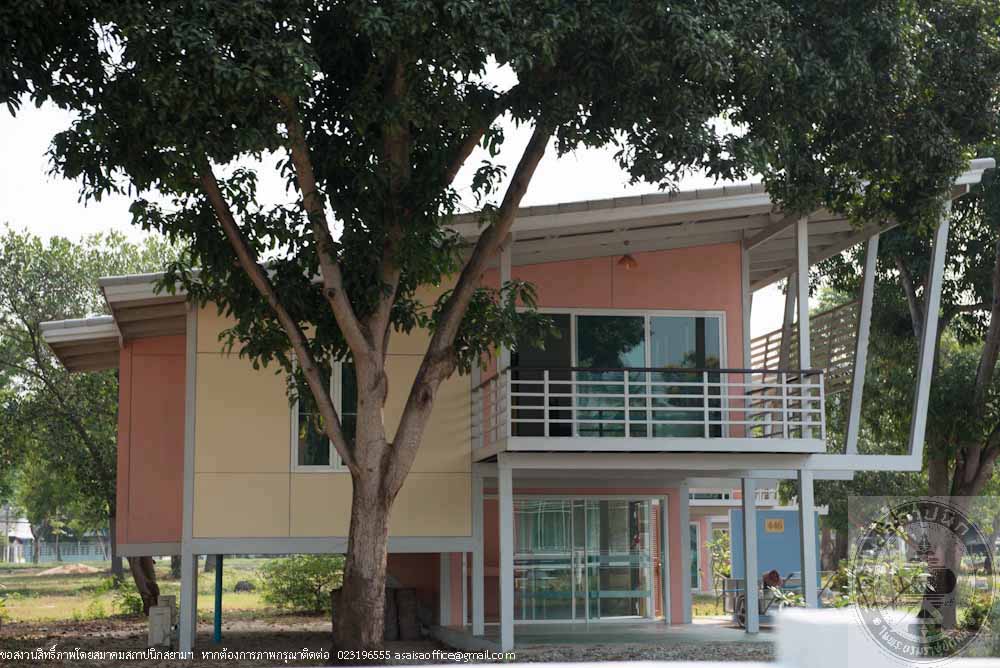
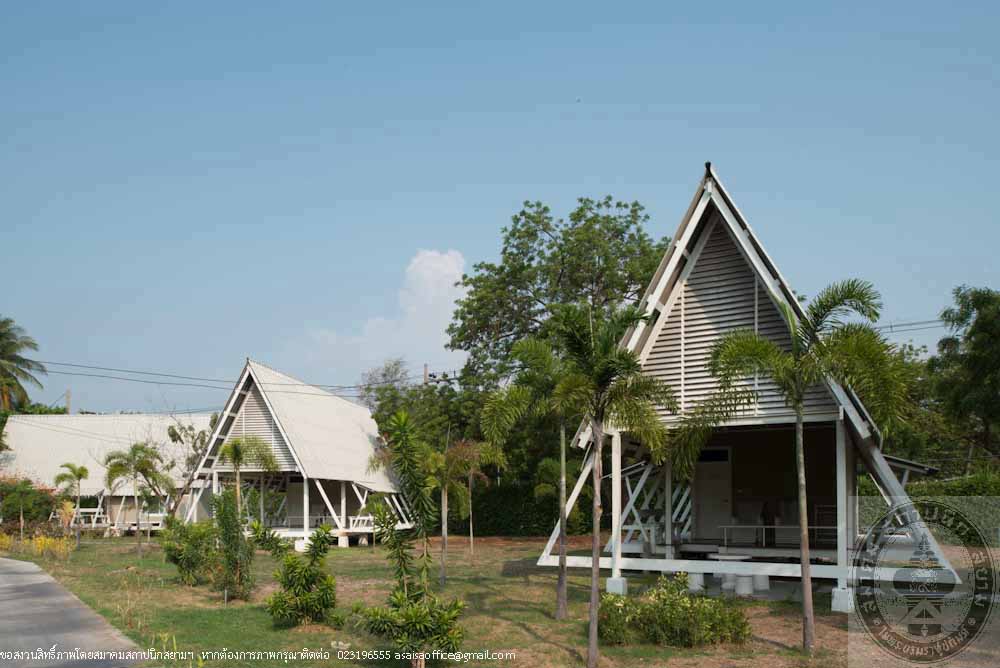
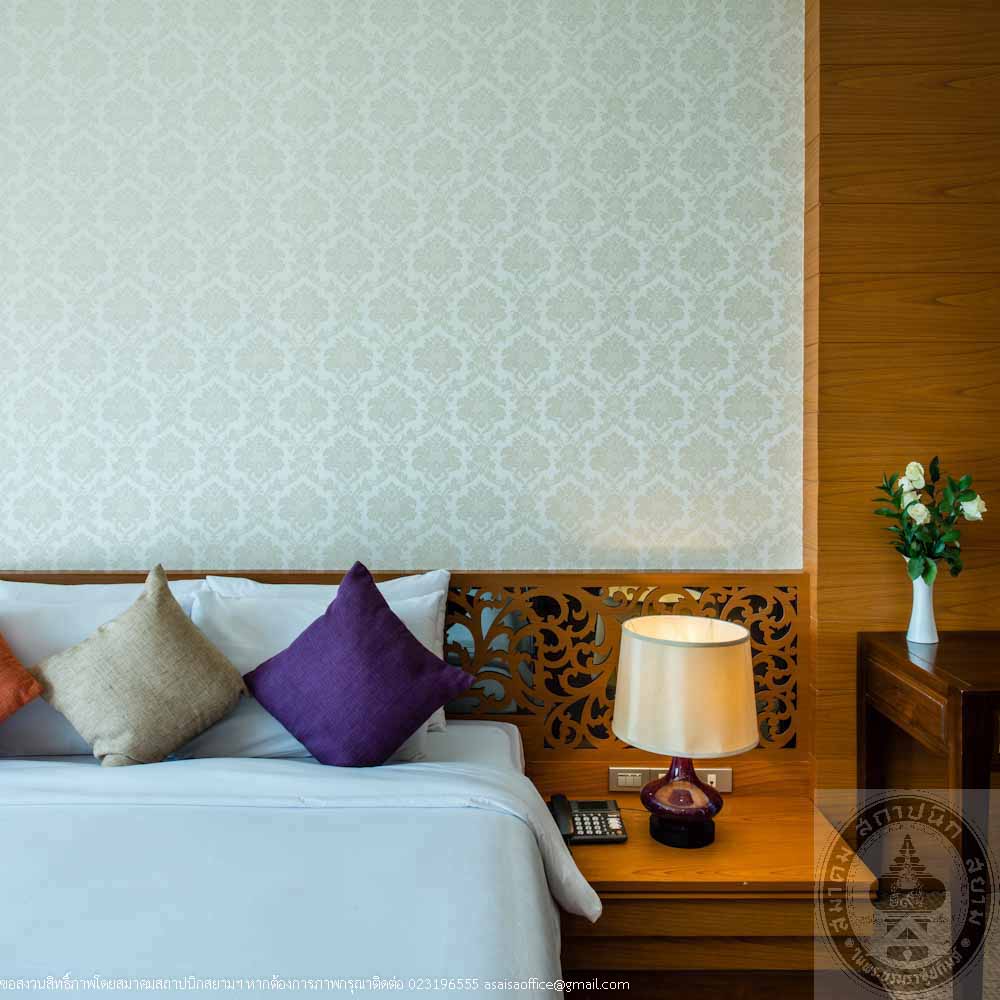
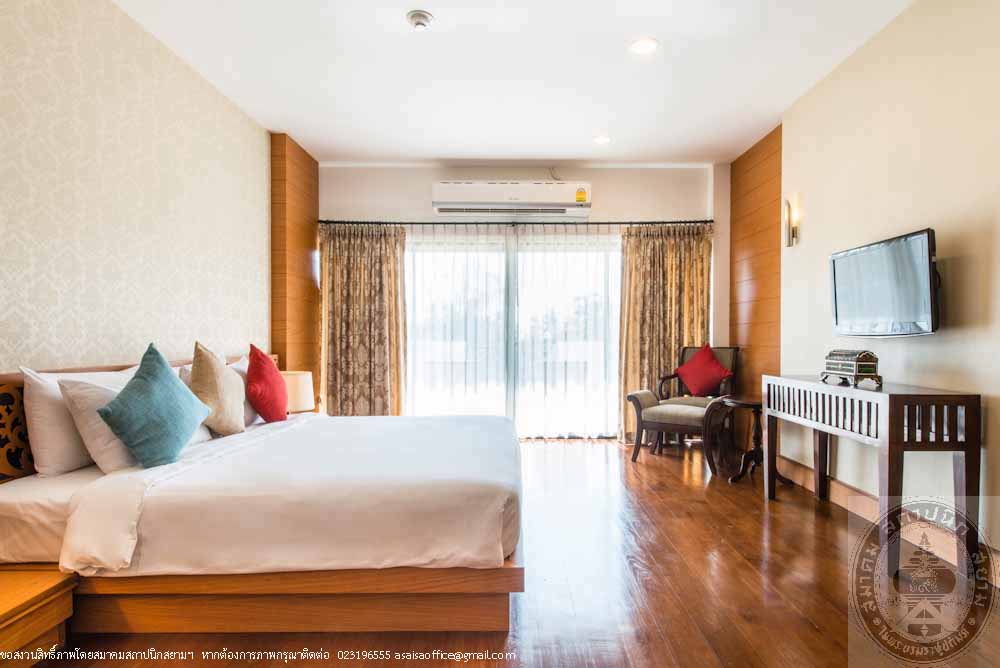
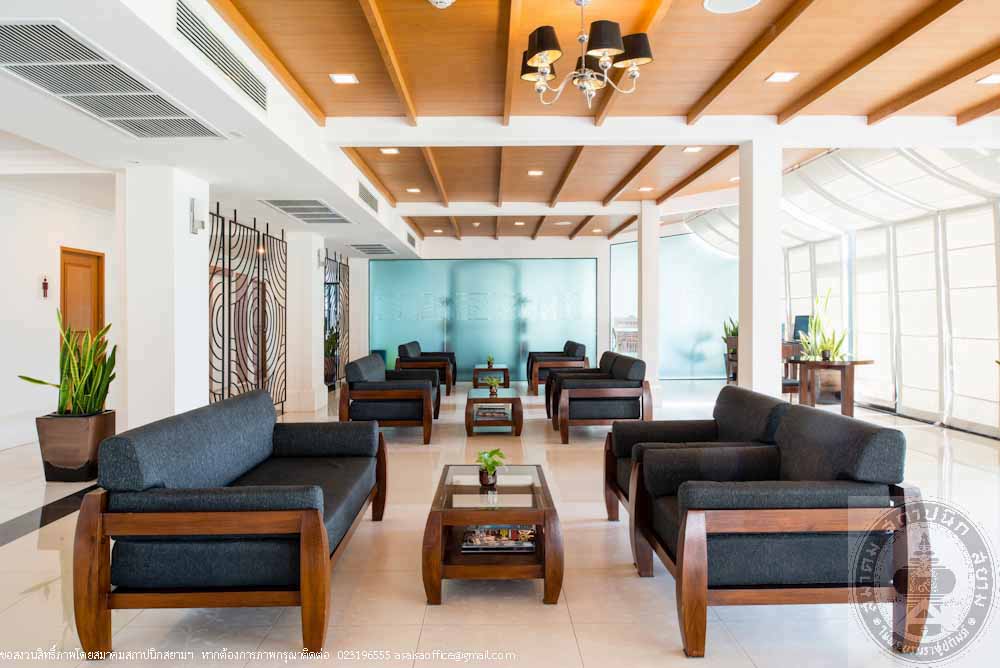
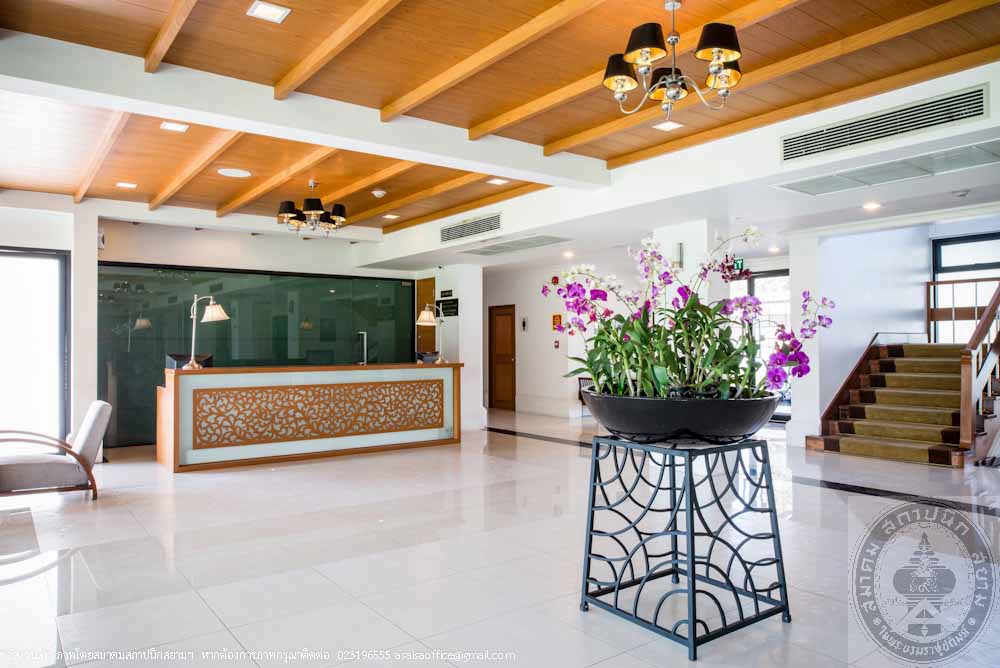
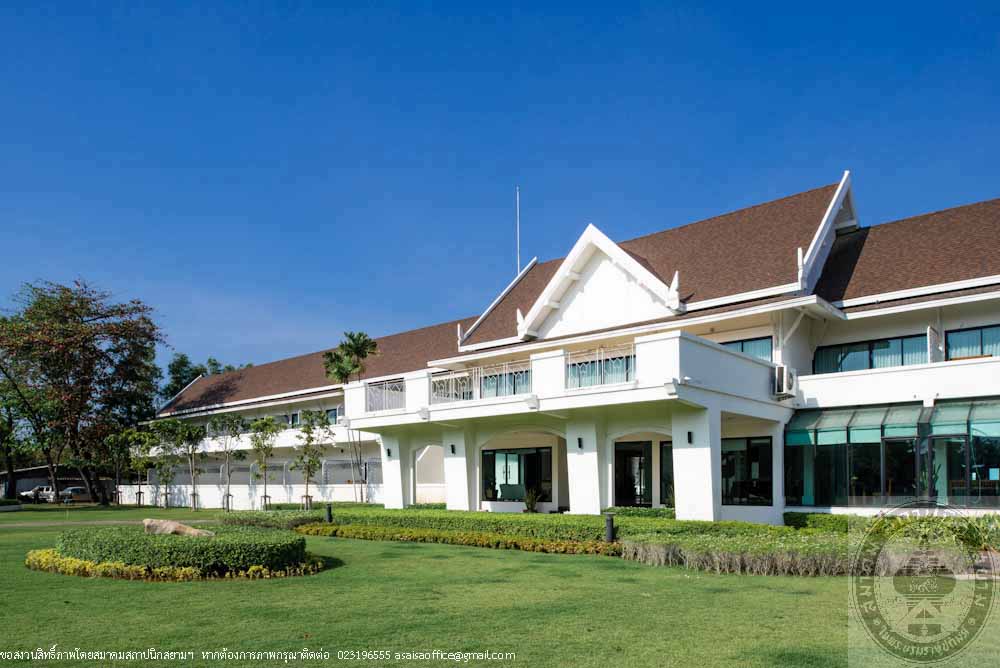
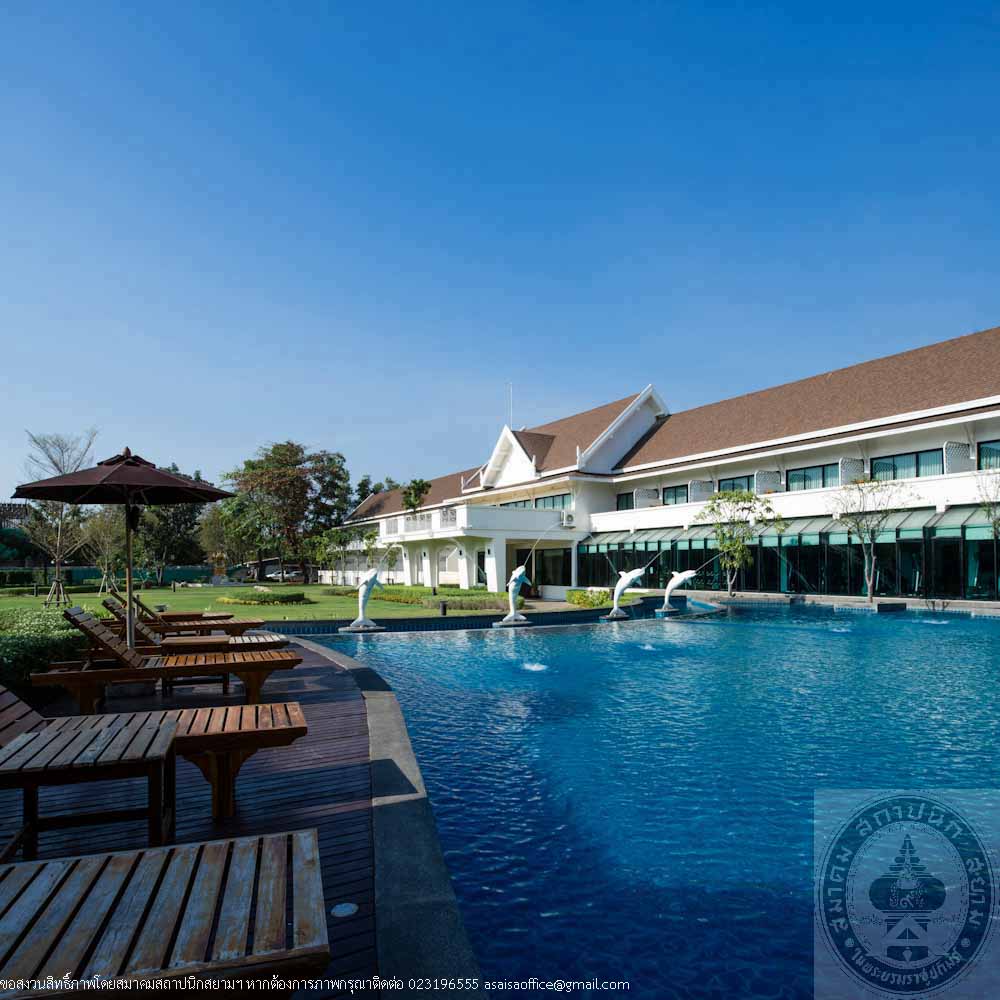
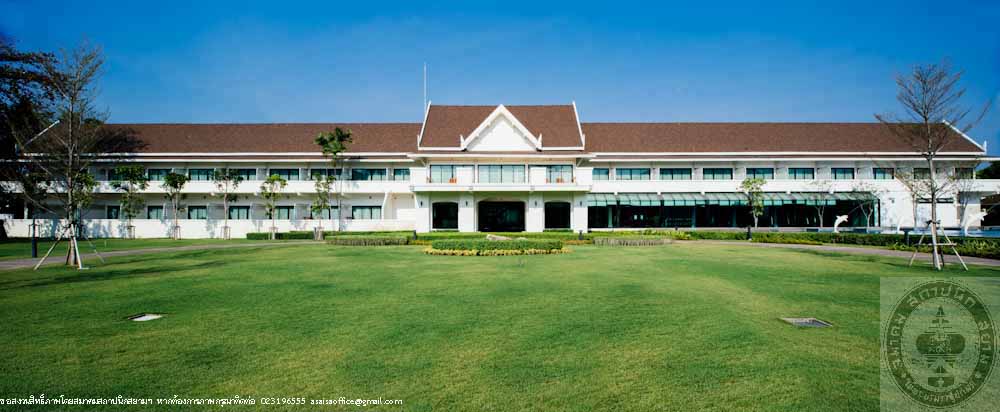
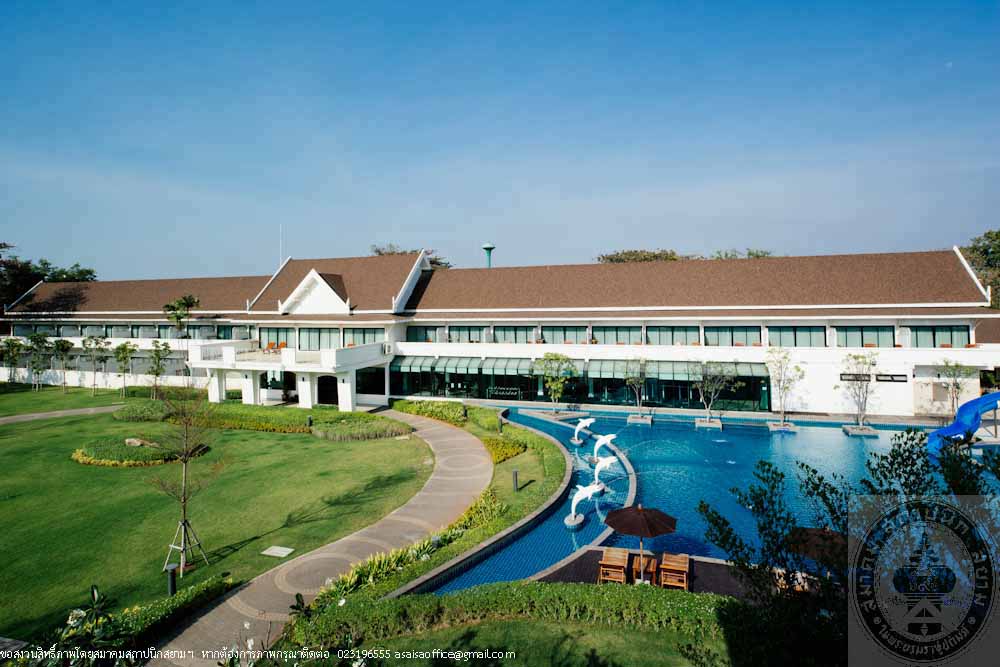
กลุ่มอาคารวิลล่า โรงแรมบางแสนเฮอริเทจ เดิมเป็นอาคารที่กรมโยธาเทศบาลออกแบบเป็นบ้านสำเร็จรูป และสร้างขึ้นจำนวน 50 หลังที่สถานตากอากาศบางปู จังหวัดสมุทรปราการ เพื่อใช้เป็นที่พักของผู้เข้าร่วมประชุมองค์การสนธิสัญญาการป้องกันร่วมกันแห่งเอเซียตะวันออกเฉียงใต้ (เรียกโดยย่อว่า ส.ป.อ. หรือ ซีอาโต้ ตามชื่อภาษาอังกฤษว่า Southeast Asia Treaty Organization S.E.A.T.O.) ซึ่งจัดการประชุมเป็นครั้งแรกที่กรุงเทพฯ ในวันที่ 23 – 25 กุมภาพันธ์ พ.ศ. 2498 เมื่อการประชุมผ่านพ้นไป รัฐบาลในขณะนั้นจึงมีมติให้ย้ายอาคารรวม 40 หลัง มาสร้างที่โรงแรมแสนสำราญ ซึ่งเป็นสถานพักตากอากาศที่รัฐบาลสร้างขึ้น ณ ตำบลแสนสุข อำเภอเมือง จังหวัดชลบุรี มาตั้งแต่พ.ศ. 2487 และสันนิษฐานว่าคงมีการก่อสร้างอาคารเพื่อการพักตากอากาศ ในรูปแบบเดียวกันหรือคล้ายกันเพิ่มเติมอีกเป็นจำนวนมาก
แต่เดิมโรงแรมแสนสำราญอยู่ในความดูแลของกรมโยธาเทศบาลและสำนักงานสลากกินแบ่งรัฐบาล ต่อมาจึงมีการโอนเป็นสมบัติขององค์การส่งเสริมการท่องเที่ยวแห่งประเทศไทย (ท.ท.ท.) และเปลี่ยนชื่อเป็น โรงแรมบางแสนบีชรีสอร์ท ปัจจุบันทางท.ท.ท. ได้ให้เอกชนเช่าพื้นที่ และดำเนินการปรับปรุงอาคารต่าง ๆ ให้ได้มาตรฐานโรงแรมที่ทันสมัย แต่ยังคงสงวนรักษารูปลักษณ์อาคารตลอดจนผังบริเวณของเดิมไว้ได้เป็นอย่างดีและเปลี่ยนชื่อเป็น โรงแรมบางแสนเฮอริเทจ
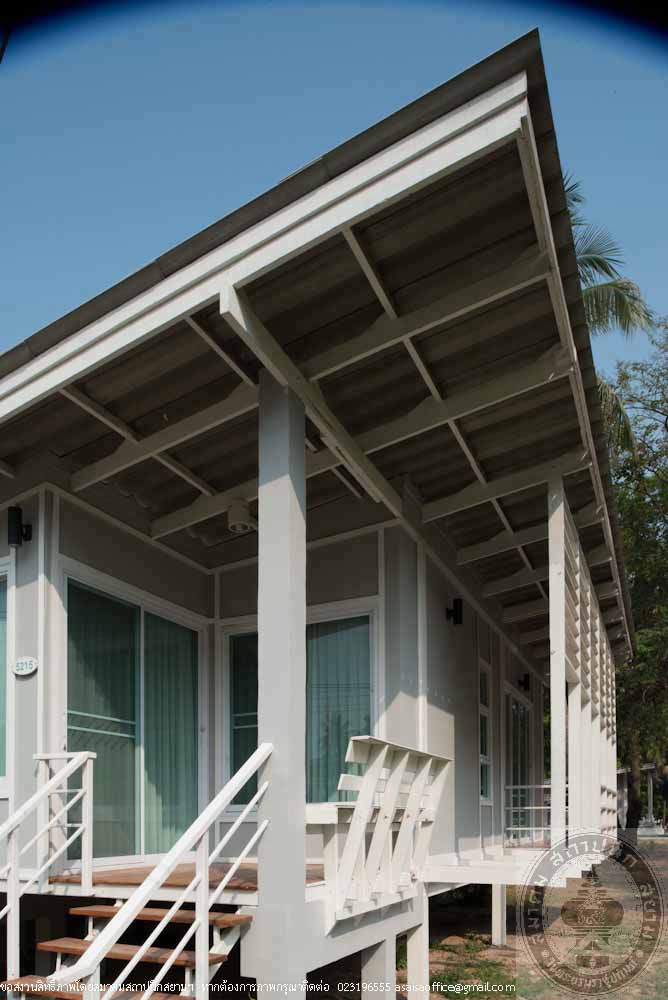
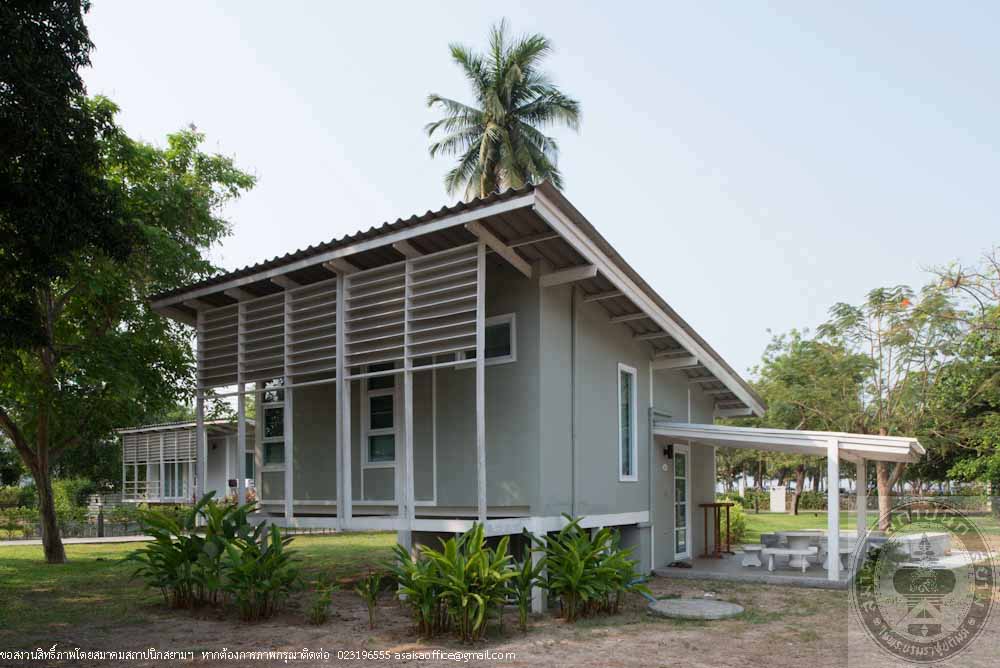
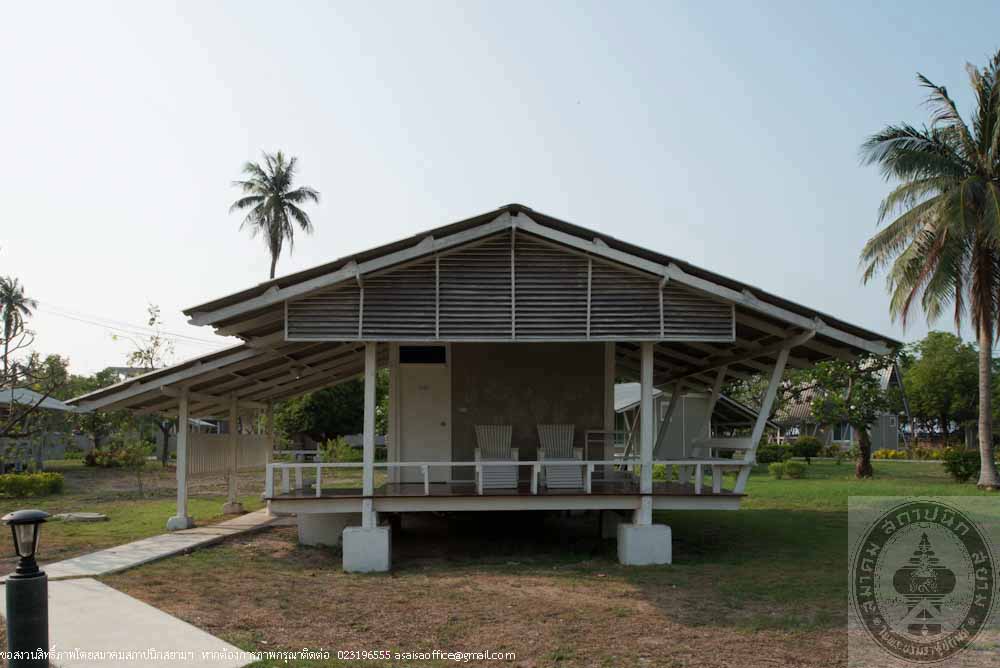
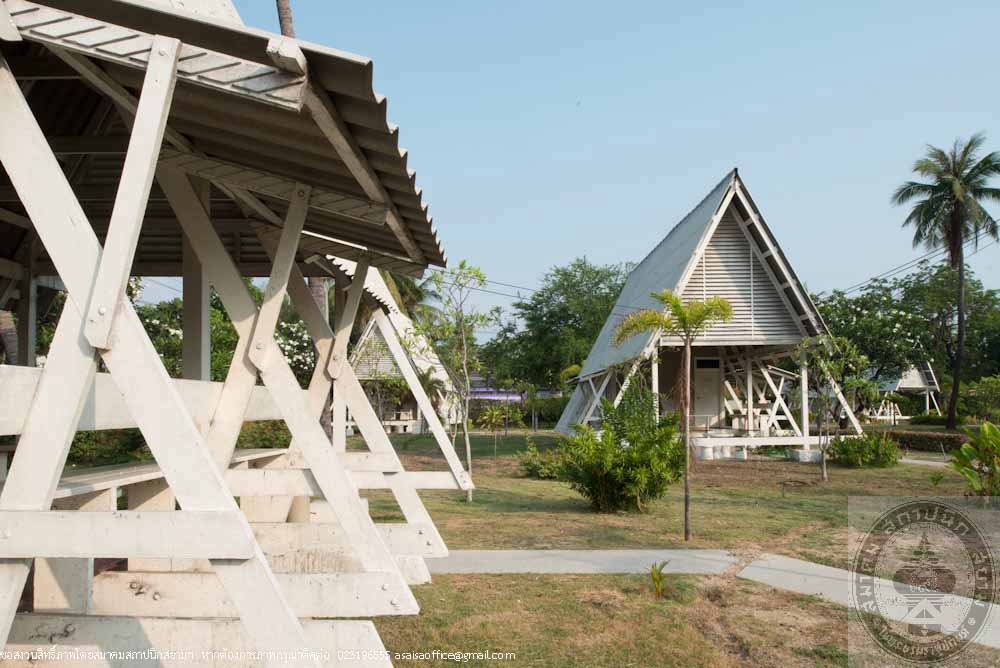
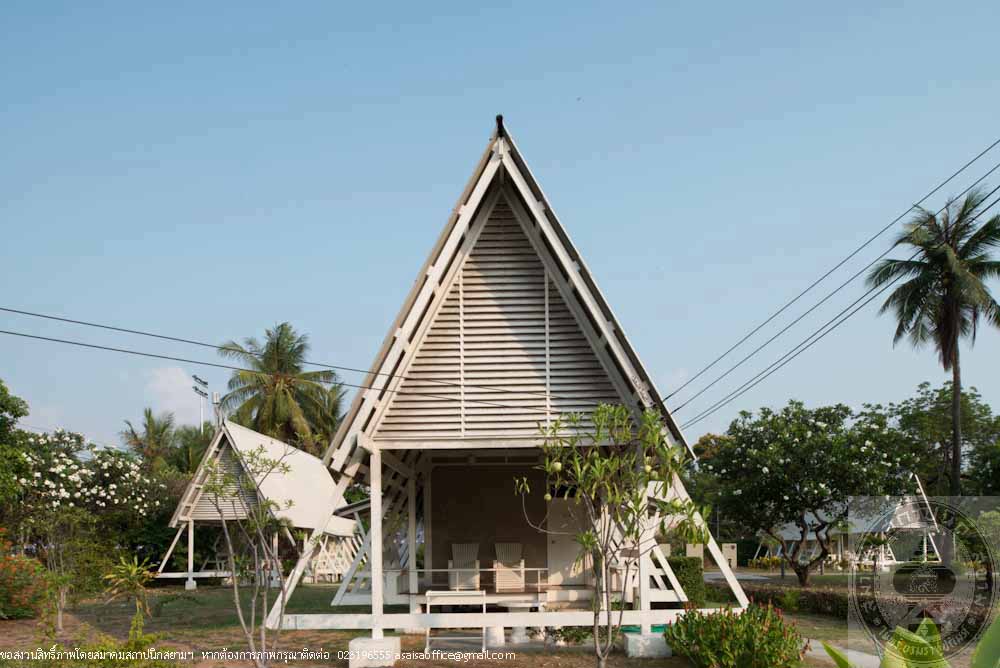
อาคารเหล่านี้เป็นอาคารโครงสร้างไม้ยกพื้นตั้งอยู่บนตอม่อคอนกรีต แบ่งตามรูปทรงหลังคาได้เป็นสามแบบ คือ แบบจั่วเอ-เฟรม (A-Frame) แบบจั่วลาด และแบบเพิงหมาแหงน มีลักษณะเด่นที่การออกแบบให้ประหยัดแต่ทันสมัย สอดคล้องกับสภาพภูมิอากาศแบบร้อนชื้นในประเทศไทย ทั้งยังยืดหยุ่นสามารถปรับเปลี่ยนรายละเอียดและส่วนประกอบได้ตามต้องการ
ปัจจุบันบริษัท บางแสนบีชรีสอร์ท จำกัด ได้ปรับปรุงกลุ่มอาคารวิลล่า โรงแรมบางแสนเฮอริเทจ โดยรักษาลักษณะของวิลล่าแบบดั้งเดิมไว้ไม่ได้เปลี่ยนแปลง มีเพียงได้วัสดุมุงหลังคาที่เปลี่ยนใหม่บางส่วนโดยใช้กระเบื้องลอนคู่ตามเดิม เปลี่ยนประตูหน้าต่างเป็นวงกบอลูมิเนียมสีขาวเพื่อให้คงลักษณะรูปลักษณ์ของเดิม แต่ใช้งานสะดวกขึ้น
The Villas, Bangsaen Heritage Hotel
- Location: No. 50, 54 Bang Saen Sai 1 Road, Tambon Saen Suk, Amphoe Mueang, Chon Buri
- Proprietor: Bangsaen Beach Resort Co.,Ltd.
- Construction Date: After 1955
- Architect/Conservation Designer: Bangsaen Mahanakorn Co.,Ltd.
- Conservation Awarded Date: 2014
- Category: Commercial buildings
The Villas, Bangsaen Heritage Hotel, was originally designed and built by Department of Municipality Public Works comprising 50 houses built at Bang Pu Recreation Center, Samut Prakan, to accommodate delegates of the Southeast Asia Treaty Organization (S.E.A.T.O.) Conference which was held for the first time in Bangkok during 23rd – 25th February 1955. After the conference, the Government had 40 houses in the group relocated to Saen Samran Hotel, the Government’s resort in Tambon Saen Suk, Amphoe Mueang, Chon Buri, built in 1945. It is believable that, afterwards, more resort houses of the same or similar styles could have been built at the site
Saen Samran Hotel was originally managed by Department of Municipality Public Works and Government Lottery Office. Later, it was transferred to Tourism Authority of Thailand (TAT) and changed the name to “Bang Saen Beach Resort Hotel”. At present, TAT has rented out the place to private business, which had the hotel renovated an improved to meet the present standards while conserving the heritage buildings and site planning, and changed the name of the hotel to “Bangsaen Heritage Hotel”.
These villas are wood-structured built on concrete bases, which can be categorized into 3 types by roof styles, namely: the A-Frame Type, the Sloping Gable Type, and the Lean-to Type. The outstanding characteristics are the economical yet Modern style, suitability with Thai tropical climate, and flexibility for adaptation of details to suit specific requirements.
At present, Bangsaen Beach Resort Co.,Ltd. has the Villas of Bangsaen Heritage Hotel renovated by conserving the original features with minor changes, for instance, roofing materials were partially changed, using double-ridge asbestos tiles as the originals, door and window frames were changed to white aluminum frames which have the same appearance as the originals but are more convenient in use.
บ้านฮั้วฮง
อ่านเพิ่มเติม
บ้านฮั้วฮง
- ที่ตั้ง ร้านฮั้วฮงคอฟฟี่ เลขที่ 154 ถนนปากแพรก ตำบลบ้านเหนือ อำเภอเมือง
- จังหวัดกาญจนบุรี
- สถาปนิก/ผู้ออกแบบ ฮั้ว นัยวินิจ
- ผู้ครอบครอง ดร. วรงค์ นัยวินิจ และสนิ นัยวินิจ
- ปีที่สร้าง ประมาณ พ.ศ. 2453
- สถาปนิก/ผู้ออกแบบอนุรักษ์ สนิ นัยวินิจ
- ปีที่ได้รับรางวัล พ.ศ. 2557
- ประเภท อาคารพาณิชย์
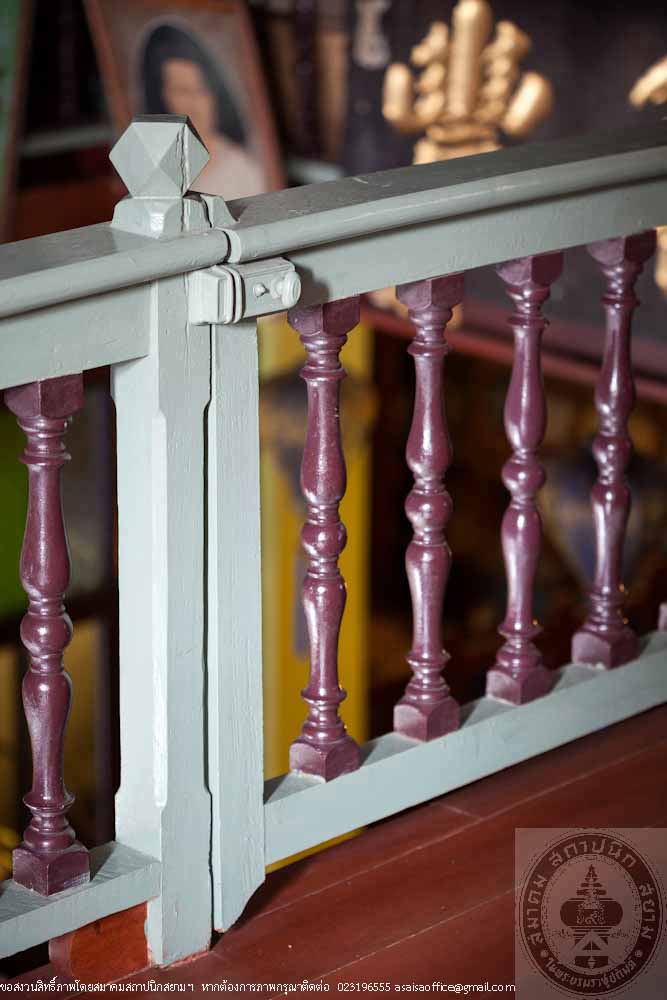
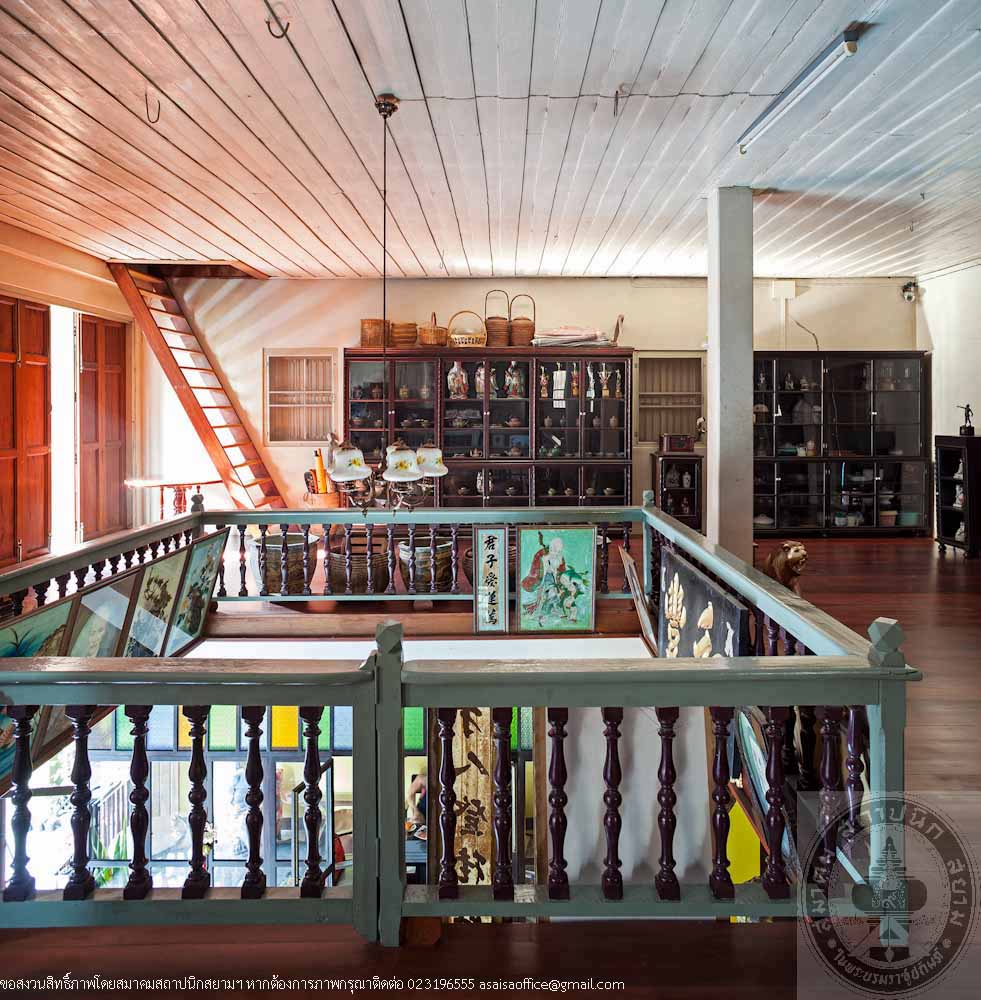
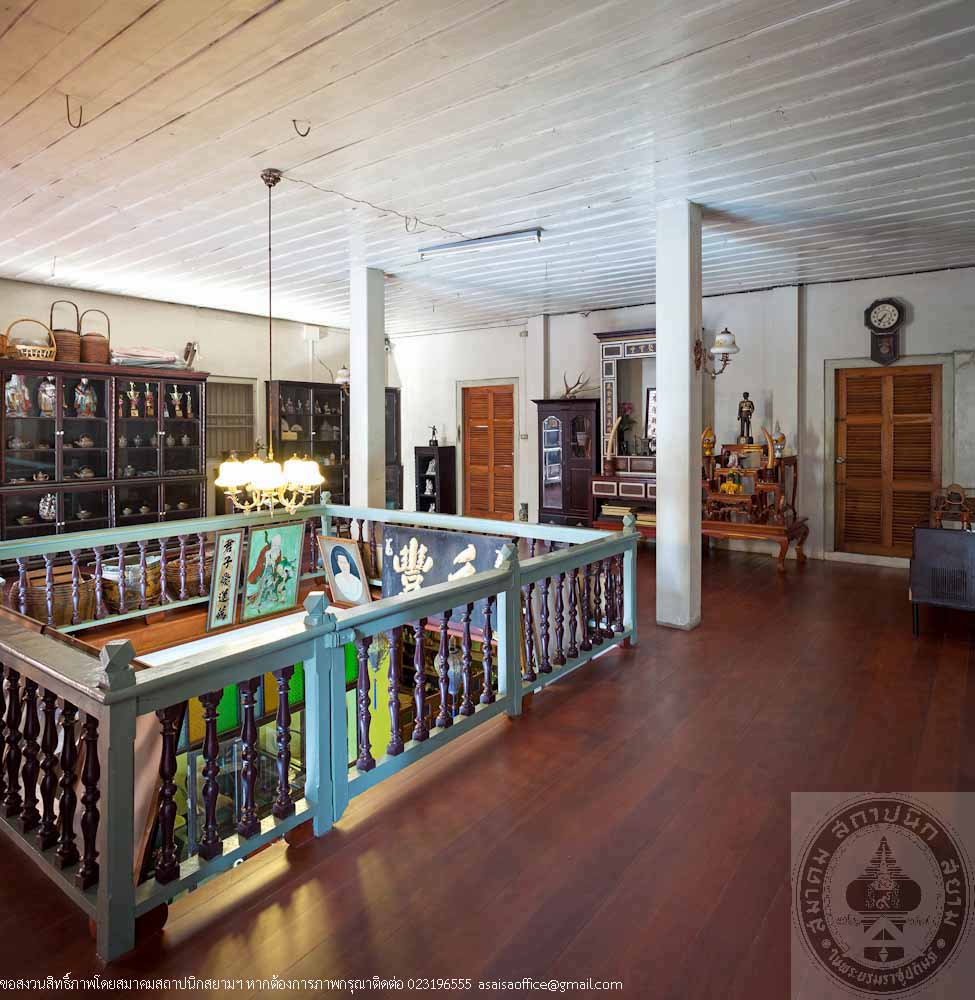
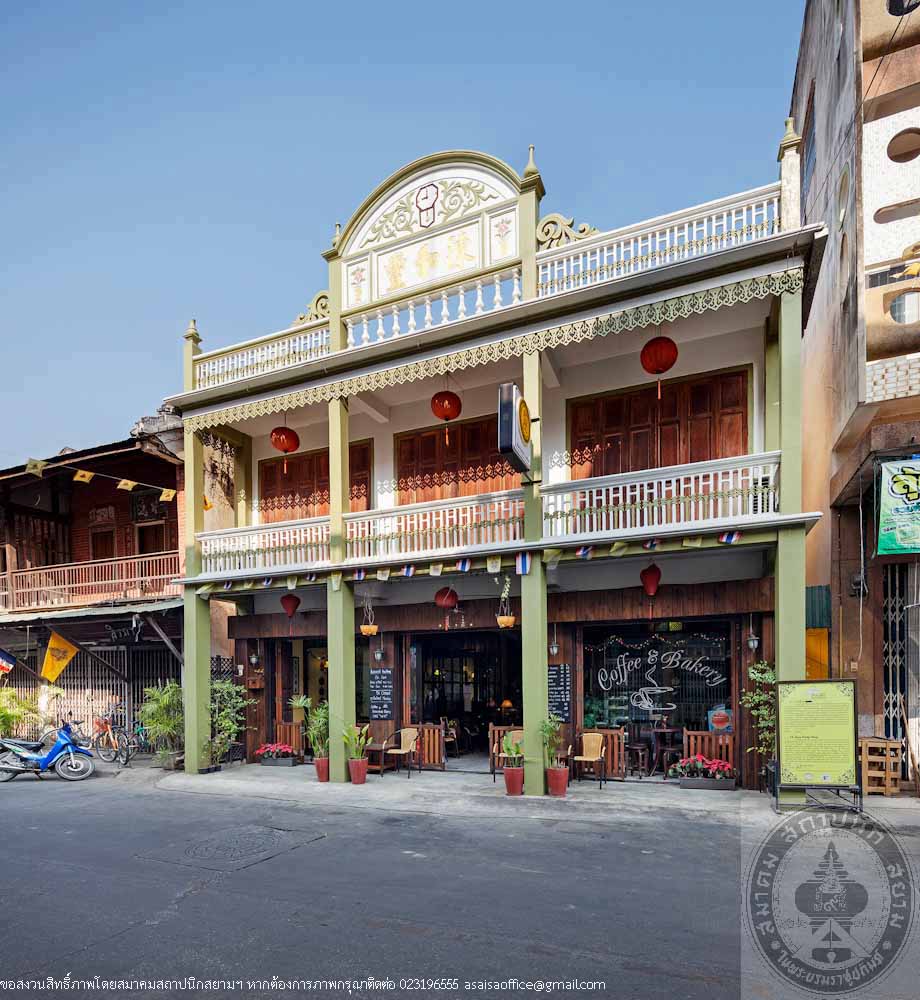
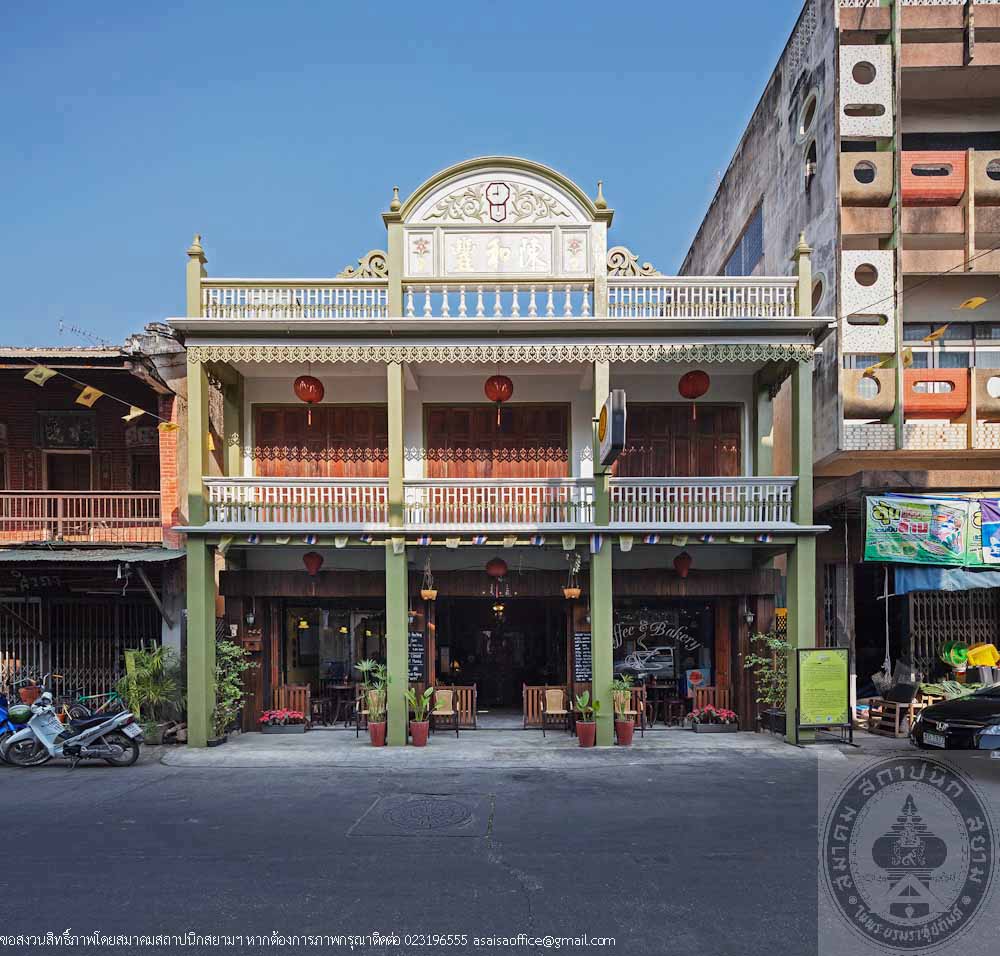
บ้านฮั้วฮงสร้างโดยนายฮั้ว นัยวินิจ ผู้เป็นเจ้าของด้วยตัวเอง โดยได้รับความช่วยเหลือในการก่อสร้างจากช่างพื้นเมืองเล็กน้อย รูปแบบอาคารนั้นนายชาญณรงค์ นัยวินิจ หลานชายคนโตเล่าว่าท่านได้ใช้ภาพอาคารหลังหนึ่งมาเป็นแบบในการก่อสร้าง โดยเป็นอาคารสองชั้นที่ชั้นหนึ่งใช้ค้าขายของชำหรือของโชห่วย ส่วนชั้นสองเป็นที่อยู่อาศัย ต่อมาในพ.ศ.2513 นายชาญณรงค์ นัยวินิจ ได้ใช้พื้นที่ชั้นหนึ่งของอาคารเป็นที่ล้างอัดฉีดและหลุมถ่ายน้ำมันเครื่องรถยนต์ และได้ดำเนินกิจการจนถึงพ.ศ. 2515 หลังจากนั้นก็ใช้อาคารเพื่อการอยู่อาศัยเท่านั้น จนกระทั่งในพ.ศ.2555 จึงมีการปรับปรุงและตกแต่งพื้นที่ชั้นหนึ่งของอาคารใหม่ทั้งหมดเพื่อดำเนินกิจการร้านกาแฟและโฮมเมดเบเกอรี่ในชื่อ ร้านฮั้วฮงคอฟฟี่ ดำเนินกิจการโดยสมาชิกรุ่นที่สามของครอบครัว
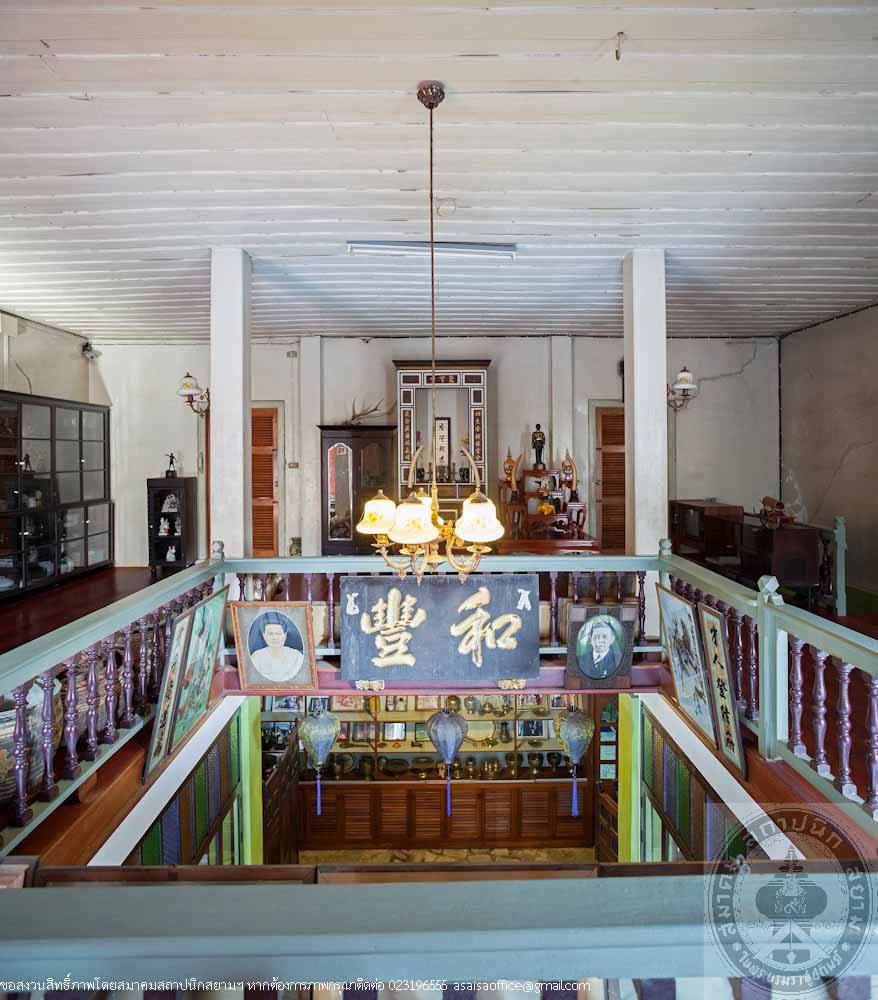
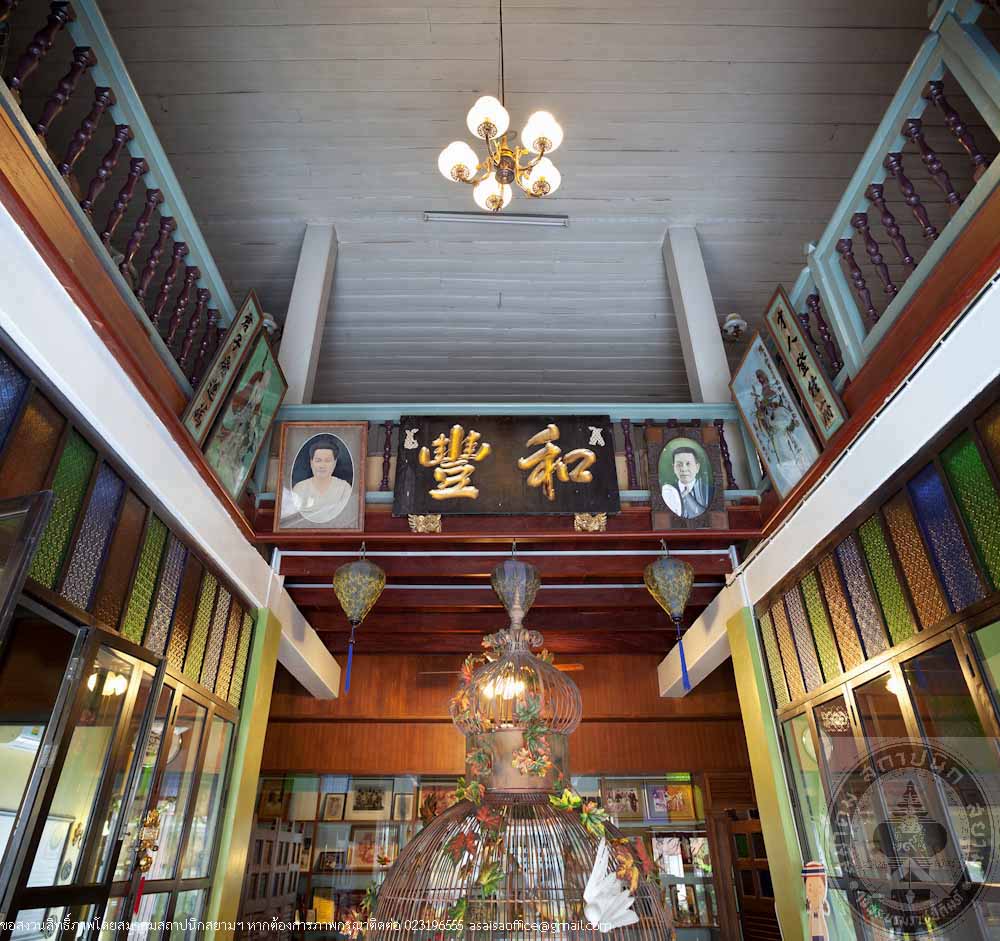
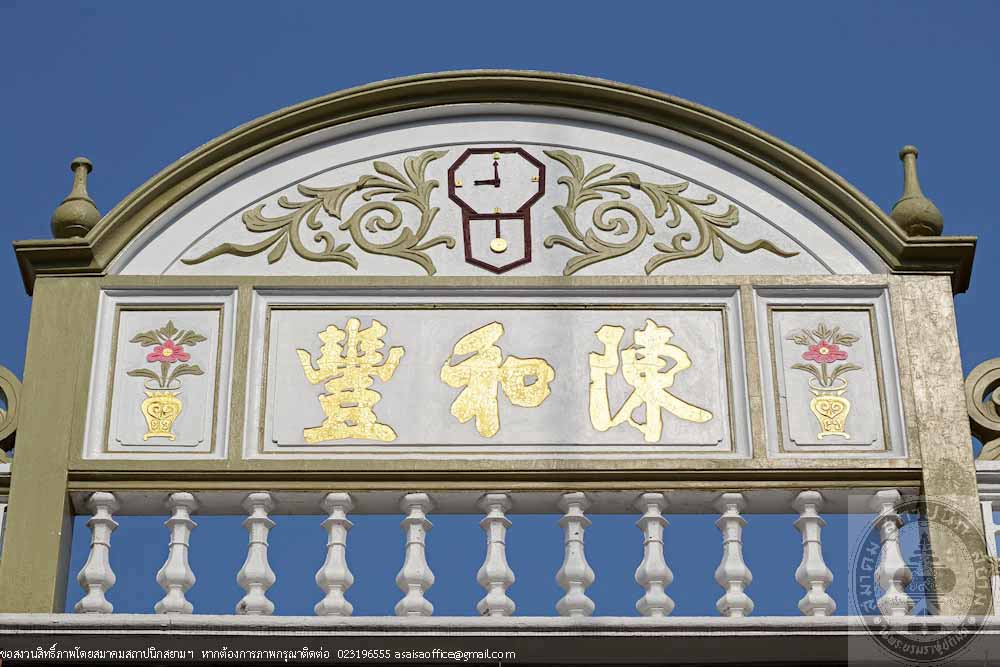
บ้านฮั้วฮงเป็นอาคารครึ่งตึกครึ่งไม้สูงสองชั้น ลักษณะทางสถาปัตยกรรมตะวันตกที่มีอิทธิพลจีนผสมญวน ขนาดกว้าง 9 เมตร ลึก 11 เมตร แบ่งเป็น 3 ห้อง ในพ.ศ. 2527 ได้มีการปรับปรุงซ่อมแซมครั้งใหญ่
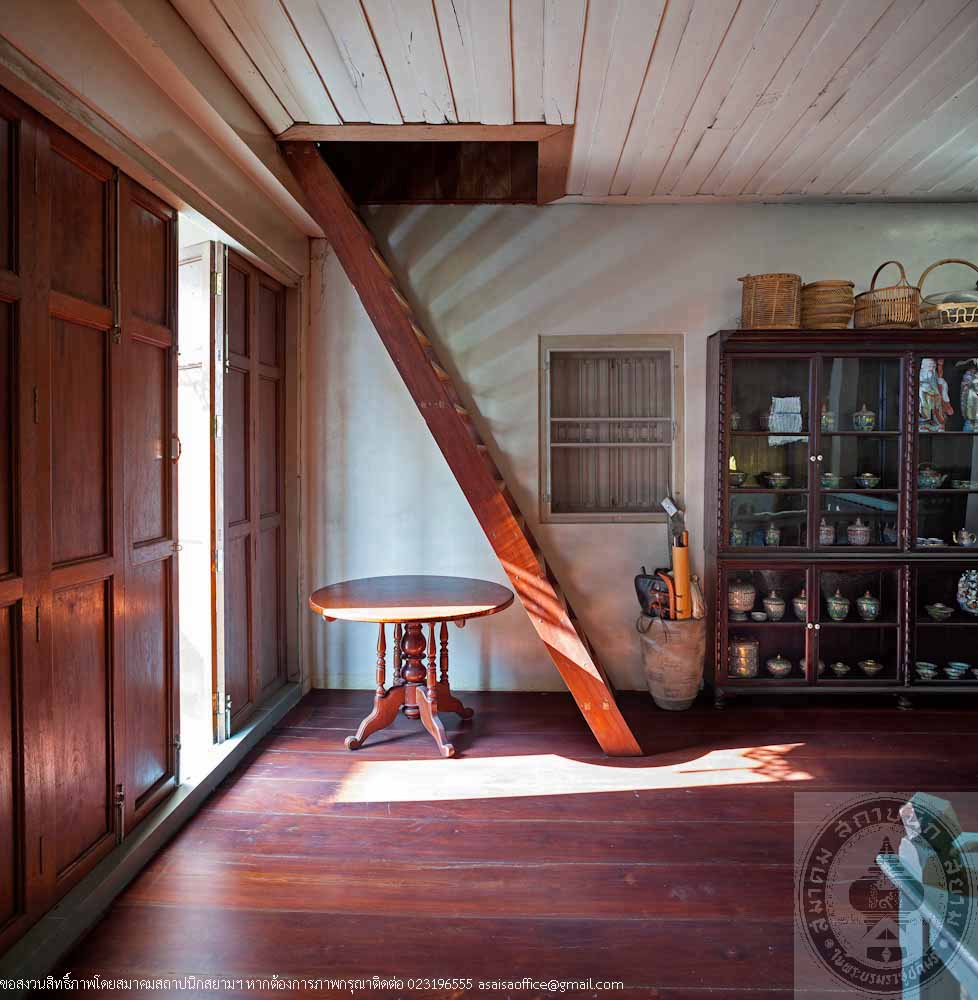
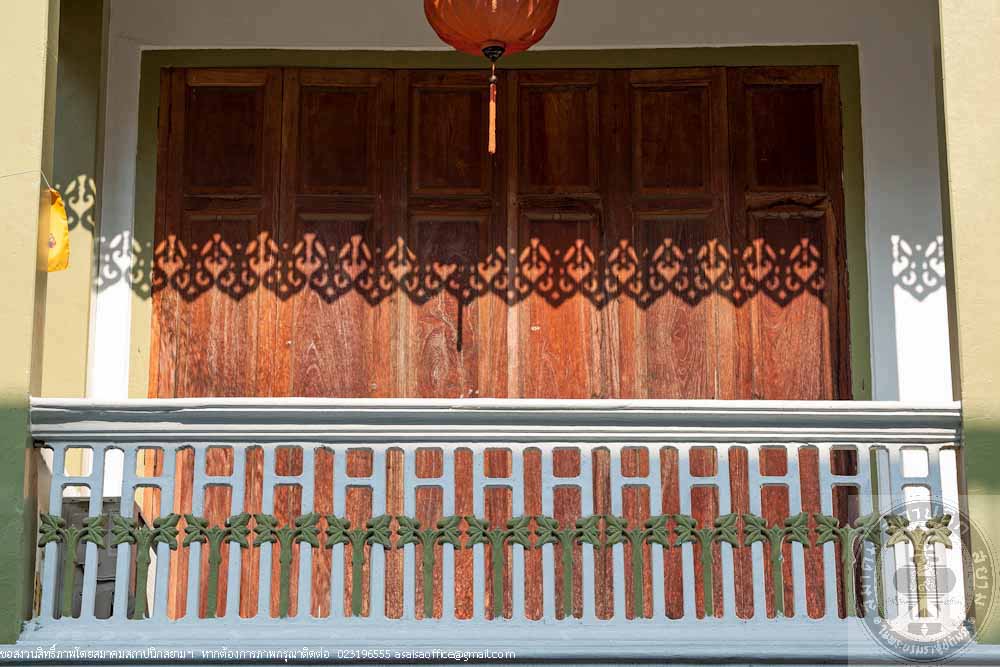
โดยรื้อส่วนต่อเติมที่เป็นที่ล้างอัดฉีดออกและปิดหลุมถ่ายน้ำมันเครื่อง พร้อมกับปูพื้นหินขัดบริเวณชั้นหนึ่งทั้งหมด ในพ.ศ. 2532 ได้มีการซ่อมแซมประตูไม้บานพับหน้าบ้านโดยนำประตูไม้เดิมซึ่งเป็นไม้แผ่นเรียบมาดัดแปลงใหม่เป็นลายลูกฟักและติดกลอนประตูแต่ละบานแทนการใช้ไม้ท่อนยาวคาดประตูแบบเดิม จากนั้นใน พ.ศ. 2554 ได้เปลี่ยนพื้นไม้ชั้นสองในส่วนที่เป็นไม้เนื้ออ่อนซึ่งถูกปลวกกัดกินเป็นพื้นไม้แดงทั้งหมด และด้วยการปรับปรุงซ่อมแซมอย่างสม่ำเสมอเช่นนี้ทำให้อาคารหลังนี้ยังคงความแข็งแรง สามารถทำการค้าและอยู่อาศัยได้จนถึงปัจจุบัน
ในปัจจุบันร้านฮั้วฮงคอฟฟี่ได้รับการตกแต่งด้วยศิลปะแบบจีนผสมญวนร่วมสมัยเพื่อให้สอดคล้องกับรูปแบบดั้งเดิมของอาคาร รวมทั้งเพื่อความกลมกลืนกับอาคารและสิ่งปลูกสร้างที่มีคุณค่าของชุมชนถนนปากแพรก อาคารภายนอกทาสีใหม่โดยเลือกใช้สีเขียวหม่น เพื่อมุ่งหวังที่จะเป็นส่วนหนึ่งในการสร้างความโดดเด่นให้กับถนนปากแพรก ซึ่งถนนสายแรกของจังหวัดกาญจนบุรี และเป็นอาคารตัวอย่างเพื่อที่จะสร้างความตระหนักรู้ถึงคุณค่าของอาคารเก่าในชุมชนถนนปากแพรกทั้งด้านสถาปัตยกรรม ประวัติศาสตร์ สังคมและเศรษฐกิจ เพื่อนำไปสู่การฟื้นฟูและอนุรักษ์อาคารเก่าหลังอื่น ๆ ในชุมชนต่อไป
Ban Hua Hong
- Location: Hua Hong Coffee, No. 154 Pak Phraek Road, Tambon Ban Nuea, Amphoe Mueang, Kanchanaburi
- Architect/Designer: Hua Naivinit
- Proprietor: Dr. Narong Naivinit and Sani Naivinit
- Construction Date: c. 1910
- Architect/Conservation Designer: Sani Naivinit
- Conservation Awarded Date: 2014
- Category: Commercial buildings
Ban Hua Hong (Hua Hong House) was built by Mr. Hua Naivinit, the owner, himself with some help from local builders. As for the style, Mr. Channarong Naivinit, his nephew, related that he took a photo of a building as design idea, which was an image of a 2-storey building that the ground floor was a grocery store and the second floor was a residence. In 1970, Mr. Channarong had the ground floor used as an auto services house, which continued until 1972 before it was closed and the house was used as residence only. In 2012, the house underwent a total renovation to be used as a coffee shop and bakery named “Hua Hong Coffee”, run by the 3rd generation members of the family.
Hua Hong Coffee is a 2-storey, half brick half wood, Western style architecture with Chinese and Vietnamese influences, measured 9×11 meters, divided into 3 rooms. In 1984 the house underwent a major restoration including the removal of car cleaning extension, closing the lubricating oil changing pit, and changing the ground floor to terrazzo. In 1989, the old folding door panels were changed from plain to paneled design and old wood bar lock was replaced by new latch locks. Later, in 2011, the old floor planks of the second floor which were soft wood were changed to redwood. Such continuous repair and maintenance have made the house well-conserved and functionable today.
At present, Hua Hong Coffee is decorated with a mixture of contemporary Chinese and Vietnamese styles, which is harmonized with the style of the house and other heritage buildings of Pak Phraek Road Community. The exterior has been repainted in muted green color, aiming to be part of the outstanding features of Pak Phraek Road which is the first road in Kanchanaburi, as well as being an example project for building awareness on the values of old buildings in Pak Phraek Road Community in terms of architecture, history, social, and economy, which could lead to revitalization and conservation of other heritage buildings in the future.
บำรุงชาติสาสนายาไทย (บ้านหมอหวาน)
อ่านเพิ่มเติม
บำรุงชาติสาสนายาไทย (บ้านหมอหวาน)
- ที่ตั้ง เลขที่ 9 ซอยเทศา ถนนบำรุงเมือง แขวงวัดราชบพิธ เขตพระนคร กรุงเทพมหานคร
- ผู้ครอบครอง ออระ วรโภค และออม ญาโณทัย
- ปีที่สร้าง พ.ศ. 2467
- สถาปนิก/ผู้ออกแบบอนุรักษ์ เอกรินทร์ สุขสว่าง
- ปีที่ได้รับรางวัล พ.ศ. 2557
- ประเภท อาคารพาณิชย์
ประวัติ
บำรุงชาติสาสนายาไทย หรือ บ้านหมอหวาน ตั้งอยู่บนถนนบำรุงเมืองใกล้สี่แยกเสาชิงช้า เจ้าของเดิม คือ หมอหวาน รอดม่วง แพทย์แผนไทยผู้มีชีวิตอยู่ในช่วงสมัยรัชกาลที่ 5 – รัชกาลที่ 8 หมอหวานเป็นแพทย์ผู้เคยถวายการรักษาสมเด็จพระเจ้าบรมวงศ์เธอกรมพระยาเทวะวงศ์วโรปการ อัครมหาเสนาบดี ในรัชกาลที่ 6 ต่อมาใน พ.ศ. 2466 พระราชบัญญัติการแพทย์ฉบับแรกของสยามประเทศได้ถูกประกาศขึ้นท่ามกลางกระแสความนิยมการแพทย์แผนตะวันตก แม้พระราชบัญญัติฉบับนี้จะมีจุดประสงค์เพื่อยกระดับมาตรฐานการแพทย์ของไทยให้เท่าเทียมอารยประเทศ แต่กลับส่งผลกระทบอันใหญ่หลวงทำให้การแพทย์แผนไทยต้องหยุดนิ่งและแพทย์แผนไทยจำนวนมากต้องเลิกอาชีพ หลังจากที่พระราชบัญญัติฯ ฉบับนี้ประกาศใช้เพียง 1 ปี หมอหวานได้สร้างบำรุงชาติสาสนายาไทยขึ้น เพื่อประกาศเจตนารมณ์อันแน่วแน่ที่จะผดุงวิชาชีพแพทย์แผนไทยให้ดำรงอยู่ต่อไป ต่อมาใน พ.ศ. 2488 หมอหวานได้สิ้นชีวิตลง อาคารบำรุงชาติสาสนายาไทย และกิจการปรุงยาของหมอหวานจึงกลายเป็นมรดกตกทอดที่สืบต่อกันมาภายในครอบครัวจนถึงปัจจุบัน
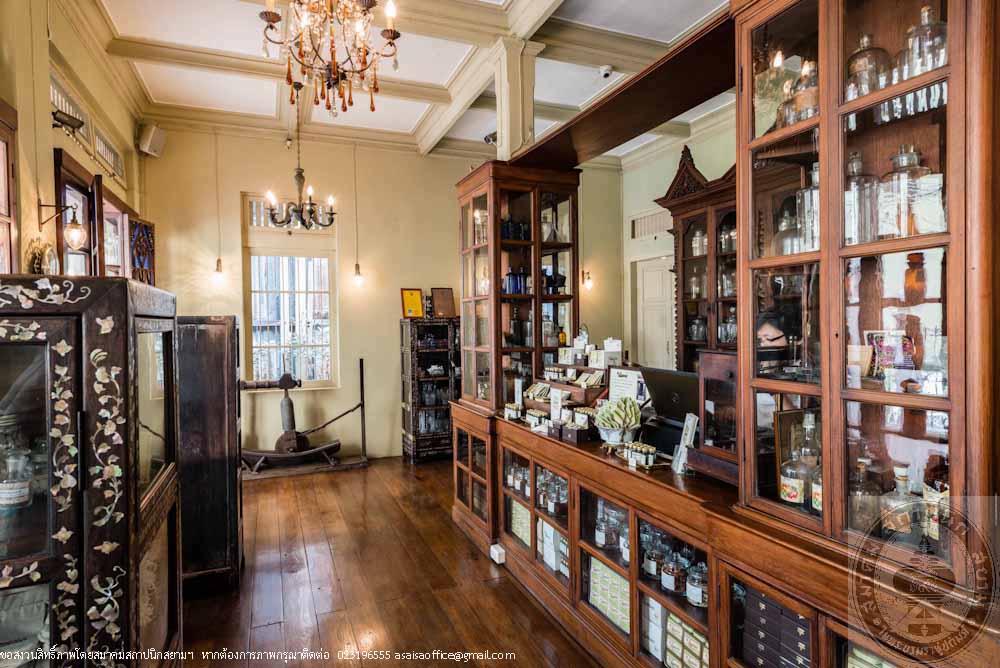
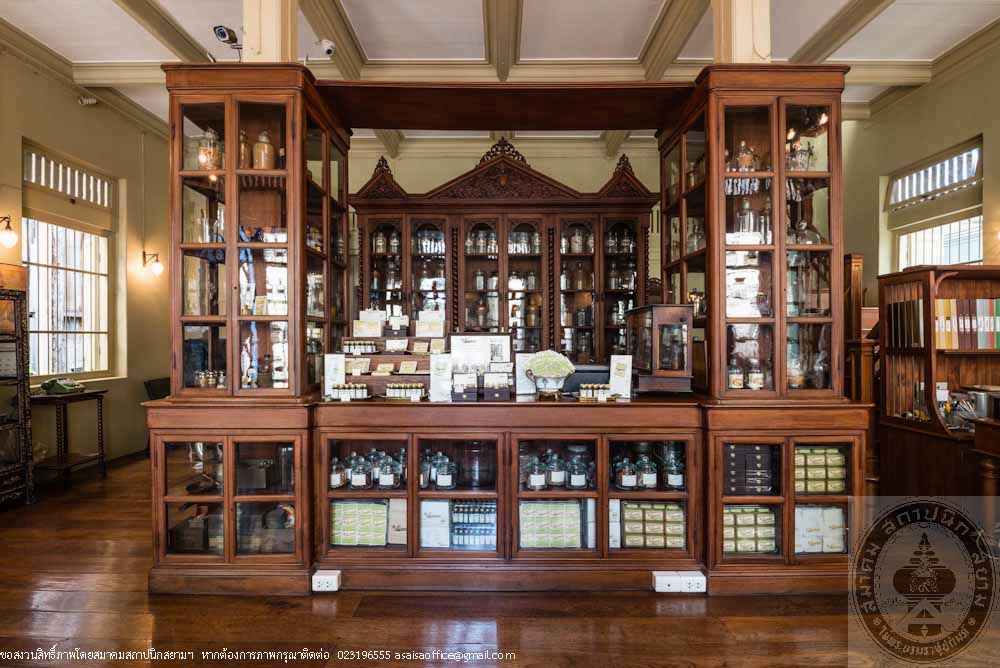
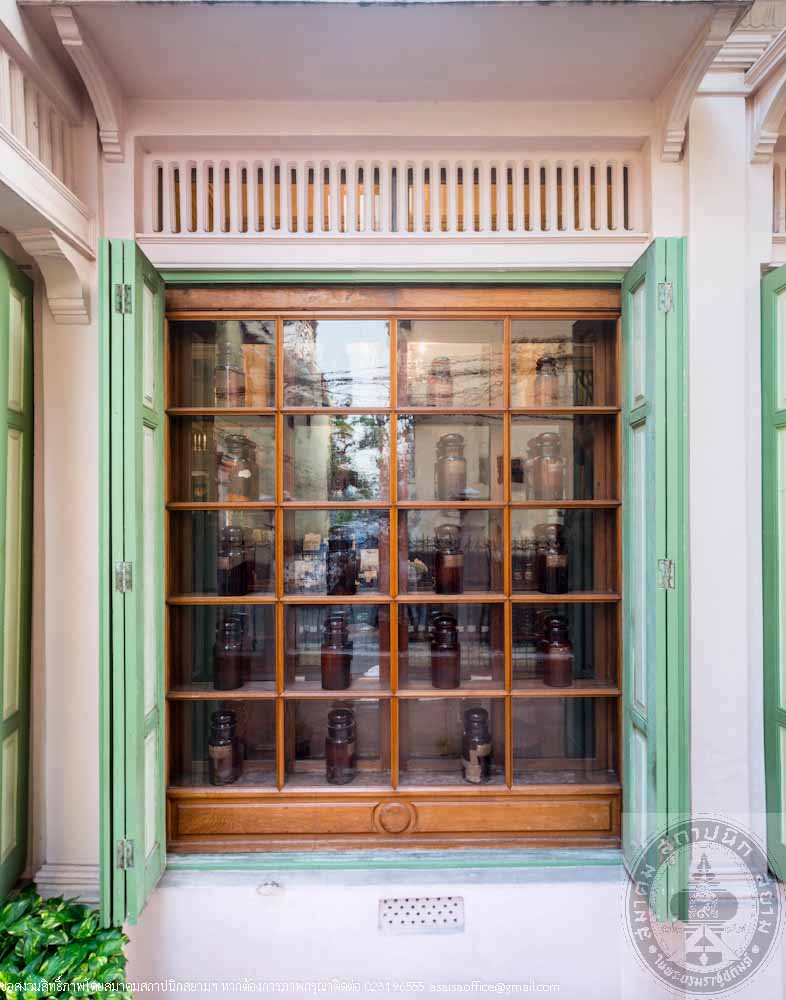
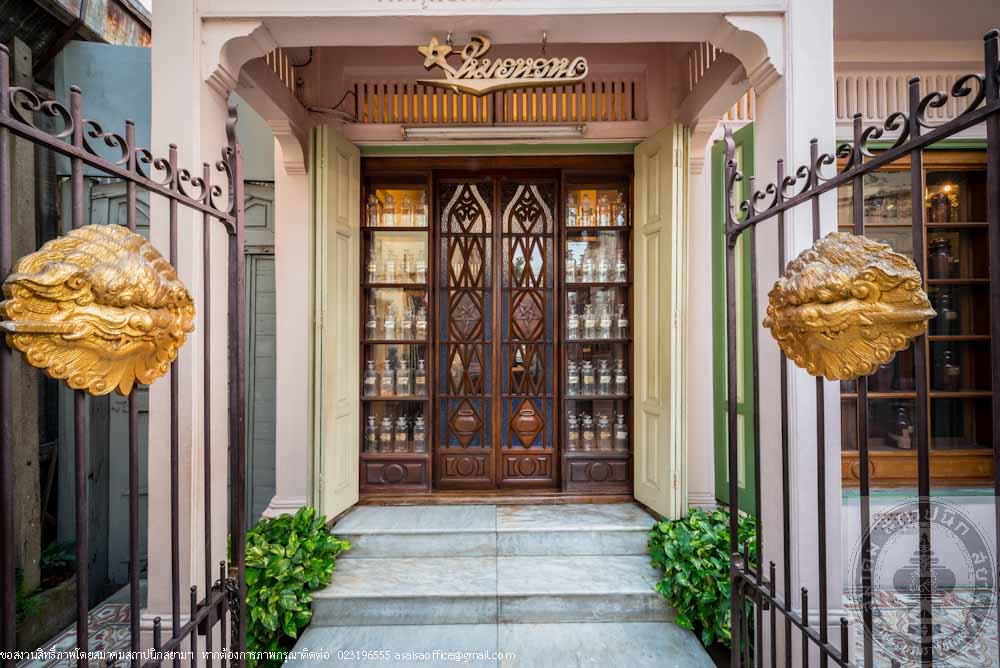
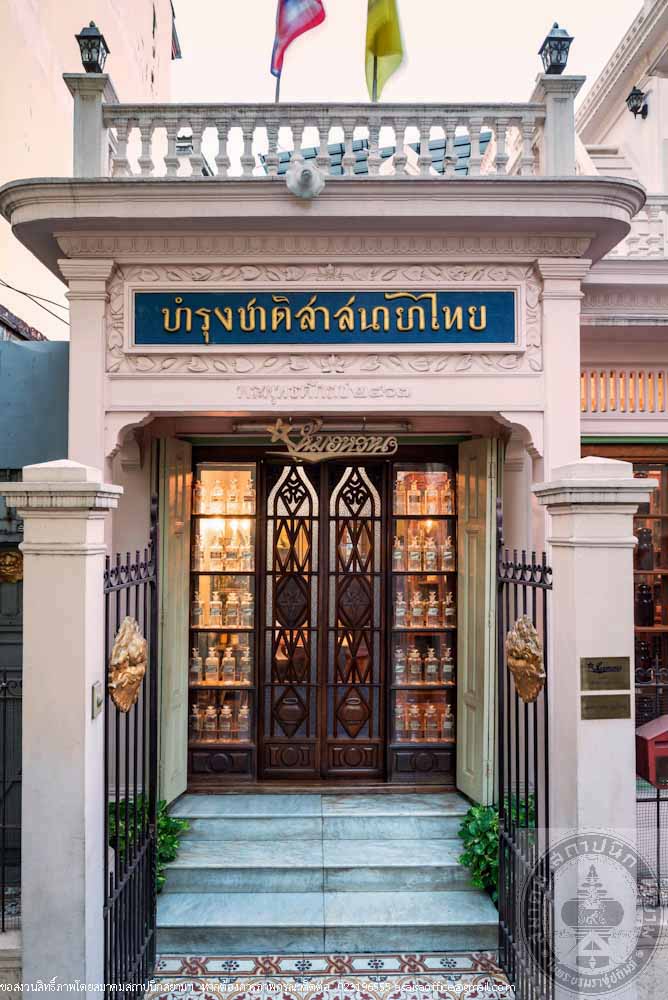
บำรุงชาติสาสนายาไทยมีรูปแบบทางสถาปัตยกรรมที่ได้รับอิทธิพลจากตะวันตก พื้นที่ใช้สอยแบ่งเป็น 2 ส่วน คือ ส่วนสำนักงานและสถานจำหน่ายยาเป็นอาคารกึ่งปูนกึ่งไม้ และส่วนพักอาศัยเป็นอาคารไม้ทั้งหลัง ตัวอาคารทาสีชมพูอ่อนตัดด้วยสีเขียวใบบัวของประตูเฟี้ยมบานลูกฟัก หน้าต่างเป็นบานเกล็ดไม้ หน้าบันส่วนมุขหน้าของอาคารประดับด้วยลายปูนปั้นรูปดอกบัวล้อมรอบป้ายไม้แกะสลักชื่อ “บำรุงชาติสาสนายาไทย” และตัวอักษรปูนปั้นระบุปีที่สร้าง “พระพุทธศักราช ๒๔๖๗” ถัดลงมาเป็นป้ายไม้แกะสลักตราสัญลักษณ์ “หมอหวาน” โดยมีรูปแบบอันแสดงถึงการได้รับอิทธิพลจากตราสินค้าของประเทศตะวันตก ตัวอาคารได้รับการออกแบบให้เป็นทั้งร้านขายยา สถานที่ปรุงยา และสถานรักษาคนไข้ของหมอหวาน มีรูปแบบทัดเทียมกับร้านขายยาของประเทศในทวีปยุโรป บานประตูไม้ประดับกระจกสีน้ำเงิน แกะสลักบานเป็นภาพหม้อยาไทยและสัญลักษณ์ตราเฉลว อันเป็นสัญลักษณ์ของแพทย์แผนไทย ผนังด้านหน้าชั้นล่างของอาคารทั้งหมดทำเป็น
ตู้โชว์เพื่อจัดแสดงขวดยาตำรับต่าง ๆ ของหมอหวาน โดยส่วนใหญ่เป็นขวดที่นำเข้าจากต่างประเทศ ชั้นล่างเป็นร้านขายยาและสถานที่รักษาคนไข้ ส่วนชั้นสองเป็นห้องเก็บเครื่องยา โดยมีระเบียงดาดฟ้าขนาดใหญ่ เพื่อใช้ตากยา และยังมีดาดฟ้าบนชั้น 3 เหนือห้องเก็บยา เป็นที่ตากยาอีกด้วย
บำรุงชาติสาสนายาไทย ได้รับการดูแลอย่างดีจากทายาทของหมอหวานสืบเนื่องกันมาจนถึงปัจจุบัน เช่นเดียวกับกิจการปรุงยาและจำหน่ายยาไทยที่ยังคงได้รับการสืบทอดเพื่อรักษาปณิธานอันแรงกล้าของหมอหวานให้ดำรงอยู่ต่อไป ถือเป็นการรักษามรดกทางวัฒนธรรมที่มีคุณค่าของประเทศได้อย่างน่าชื่นชม
Bamrung Chat Satsana Ya Thai (Ban Mowaan)
- Location: No.9 Soi Thesa, Bamrung Mueang road, Khwaeng Wat Ratcahbophit, Khet Phra Nakhon, Bangkok, Thailand
- Proprietor: Aura Woraphok and Om Yanothai
- Construction Date: 1924
- Architect/Conservation Designer: Ekarin Suksawang
- Conservation Awarded Date: 2014
- Category: Commercial building
History
Bamrung Chat Satsana Ya Thai or Ban Mowaan (Dr. Waan’s House), is situated on Bamrung Mueang Road near Sao Ching Cha Junction. The first owner was Dr. Waan Rotmuang, a traditional Thai medical doctor who lived in the reigns of King Rama V – King Rama VIII. Mowaan was the doctor who treated Prince Krommaphraya Thewawong Waropakan, the Grand Minister of King Rama VI. In 1923, the first Act on Medicine of Siam was issued during the current of Western medicine popularity. Although the act was intended to improve the standard of Thai medicinal practice to equal that of the civilized countries, it had caused a great impact on traditional Thai medicine, halting its development and causing Thai traditional medical doctors to quit their career. Only one year after the issue of the act, Mowaan founded Bamrung Chat Satsana Ya Thai as a declaration of his firm determination to protect and sustain Thai traditional medicine practice. In 1945, Mowaan passed away, the Bamrung Chat Satsana Ya Thai building and his Thai medicine business were handed down to his successors and became a family legacy until today.
The architecture of Bamrung Chat Satsana Ya Thai is Western influenced, divided into two areas, one is the office and pharmacy, a half brick half wood building, and the other is residential building which is entirely made of wood. The building is painted pink, with lotus leaf green colored folded doors and louvre windows. The front pediment of the building is decorated with stuccos depicting lotus flowers surrounding a carved wood name plaque “Bamrung Chat Satsana Ya Thai”, below which is a carved wooden plaque of the symbol “Mowaan”, with the design indicating the influence of Western brand designs. The building functions as drugstore, medicine preparation house, and treatment room for treating patients, like a pharmacy in European countries. The doors are wooden, decorated with blue colored glass, door panels are carved in the design of Thai traditional medicine pots and the star symbol of Thai traditional medicines. The front wall of the lower floor have glass showcases for bottles of medicine of various formulae prepared by Mowaan, most of the bottles were imported from foreign countries. The ground floor comprises drugstore and treatment room, the second floor consists of storage for keeping medicinal herbs and materials, as well as a large deck used for drying medicinal herbs. Above this herb storage on the third floor is also a deck for drying herbs.
Bamrung Chat Satsana Ya Thai has been well-conserved and maintained until today by the successors of Mowaan who also continue the medicine preparation and selling business to preserve the strong determination of Mowaan, which has become an impressive and commendable work on cultural heritage conservation.