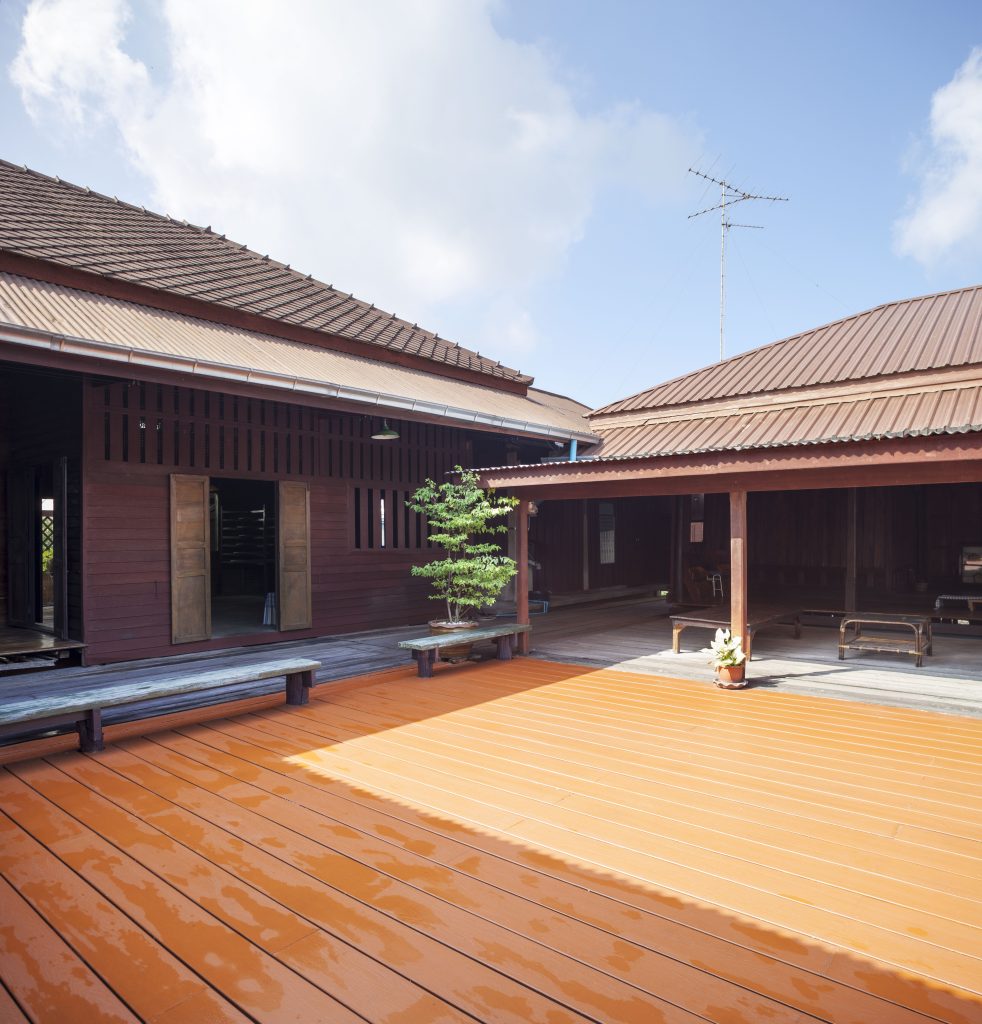
บ้านยอดคำเรือนแก้ว
อ่านเพิ่มเติม
บ้านยอดคำเรือนแก้ว
- ที่ตั้ง เลขที่ 24 ถนนสิงหนาทบำรุง ตำบลจองคำ อำเภอเมือง จังหวัดแม่ฮ่องสอน
- ผู้ครอบครอง เสาวณีย์ วรรณศิริ
- ปีที่สร้าง พ.ศ. 2480
- ปีที่ได้รับรางวัล พ.ศ. 2556
- ประเภท อาคารเคหสถานและบ้านเรือนเอกชน
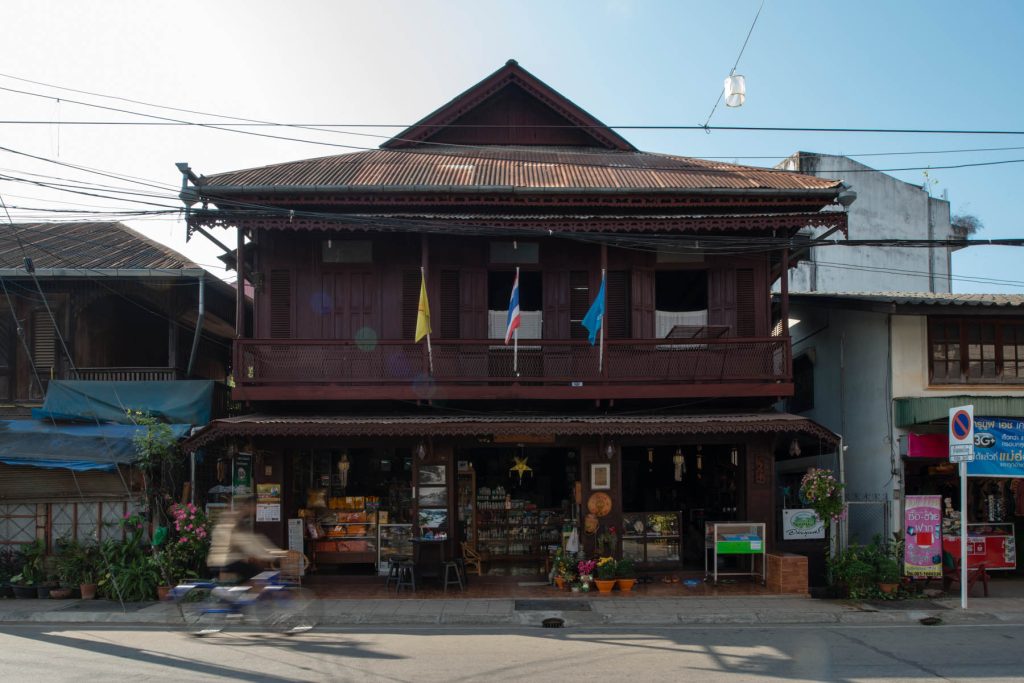
บ้านยอดคำเรือนแก้ว เดิมเป็นบ้านของคุณตาโก่ตี่ ต่อมานายคำนึง วรรณศิริ หรือกะลายอดคำ ได้ซื้อบ้านหลังนี้เพื่อใช้เป็นที่อยู่อาศัยและค้าขาย กะลายอดคำเป็นผู้ที่มีจิตใจงาม ชอบซื้อปลาในตลาดไปปล่อยเสมอและไม่กินเนื้อสัตว์ กินแต่ถั่วและมะขามเปียก กะลายอดคำเสียชีวิตเมื่ออายุ 90 ปี ปัจจุบันบ้านนี้ได้สืบทอดมายังทายาทของกะลายอดคำ โดยยังใช้เป็นอาคารที่พักอาศัยเหมือนเดิม
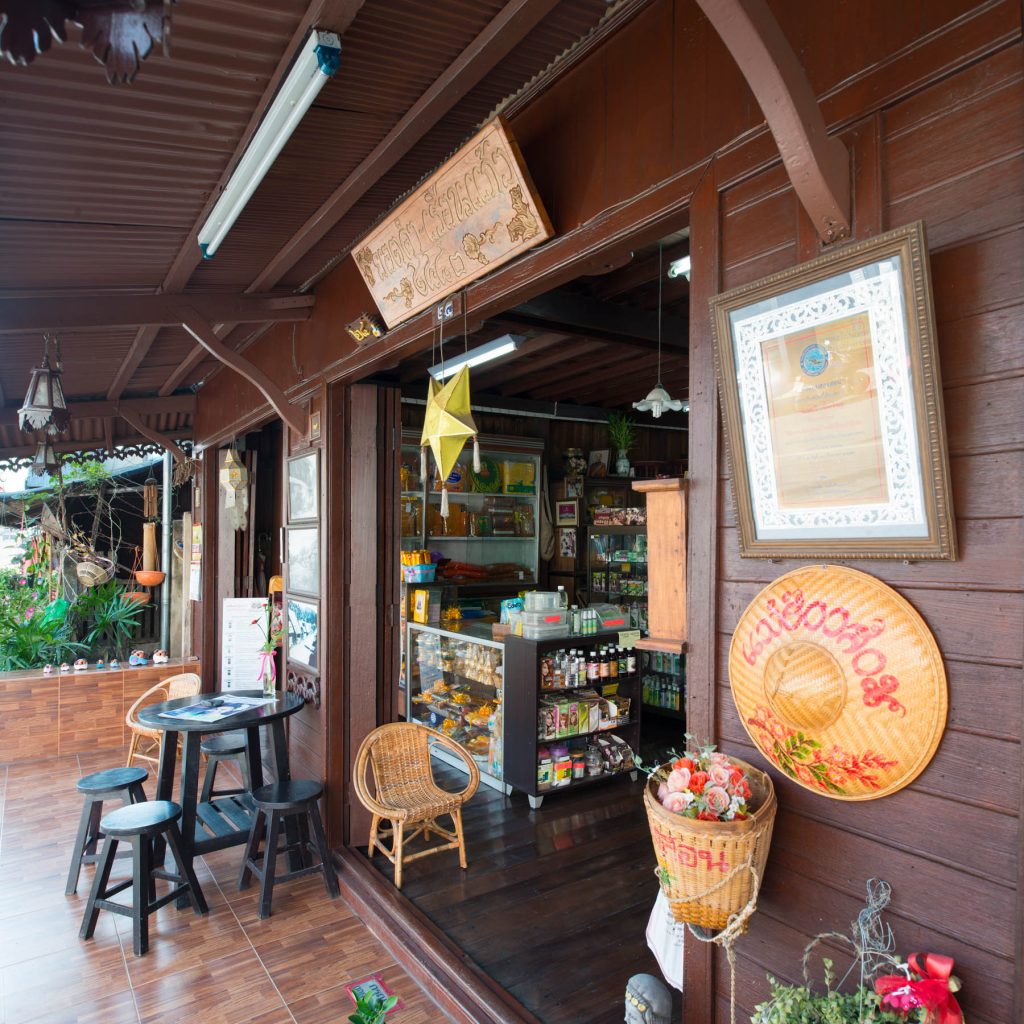
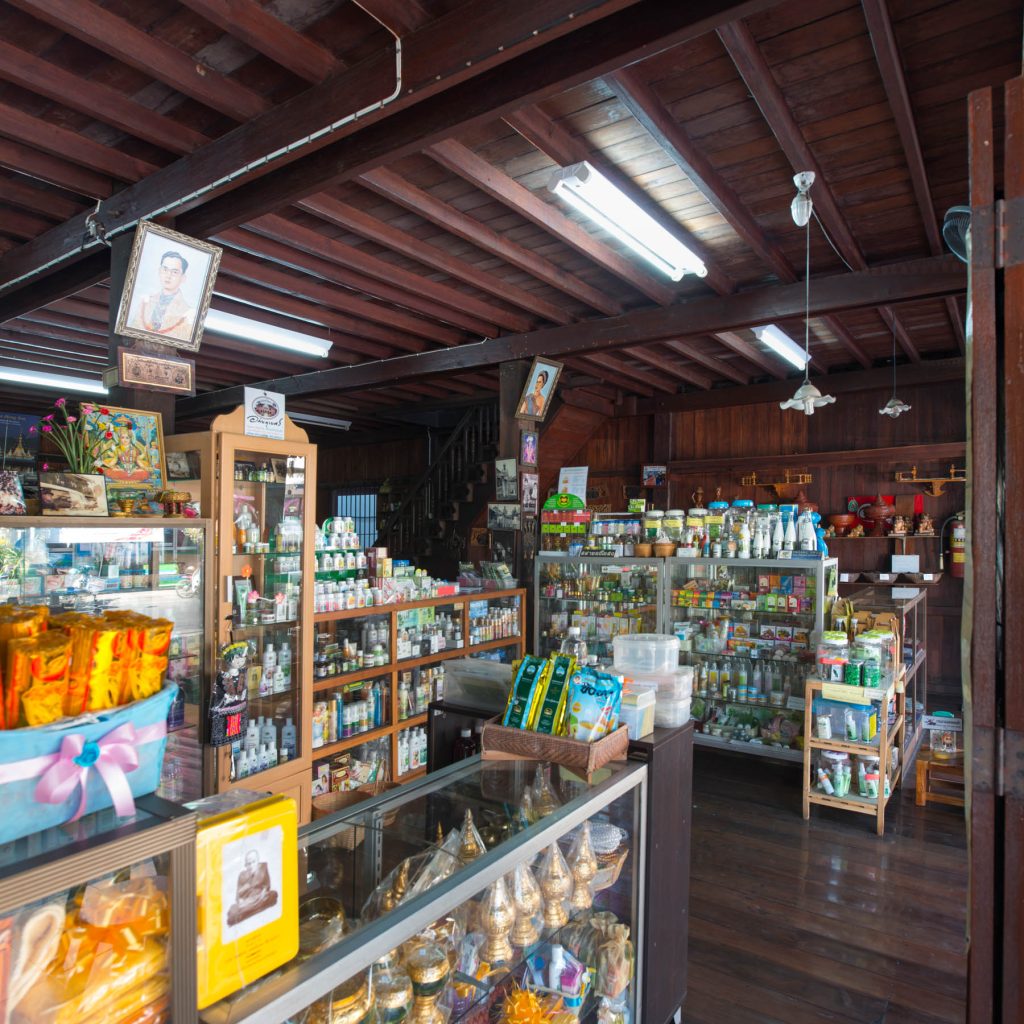
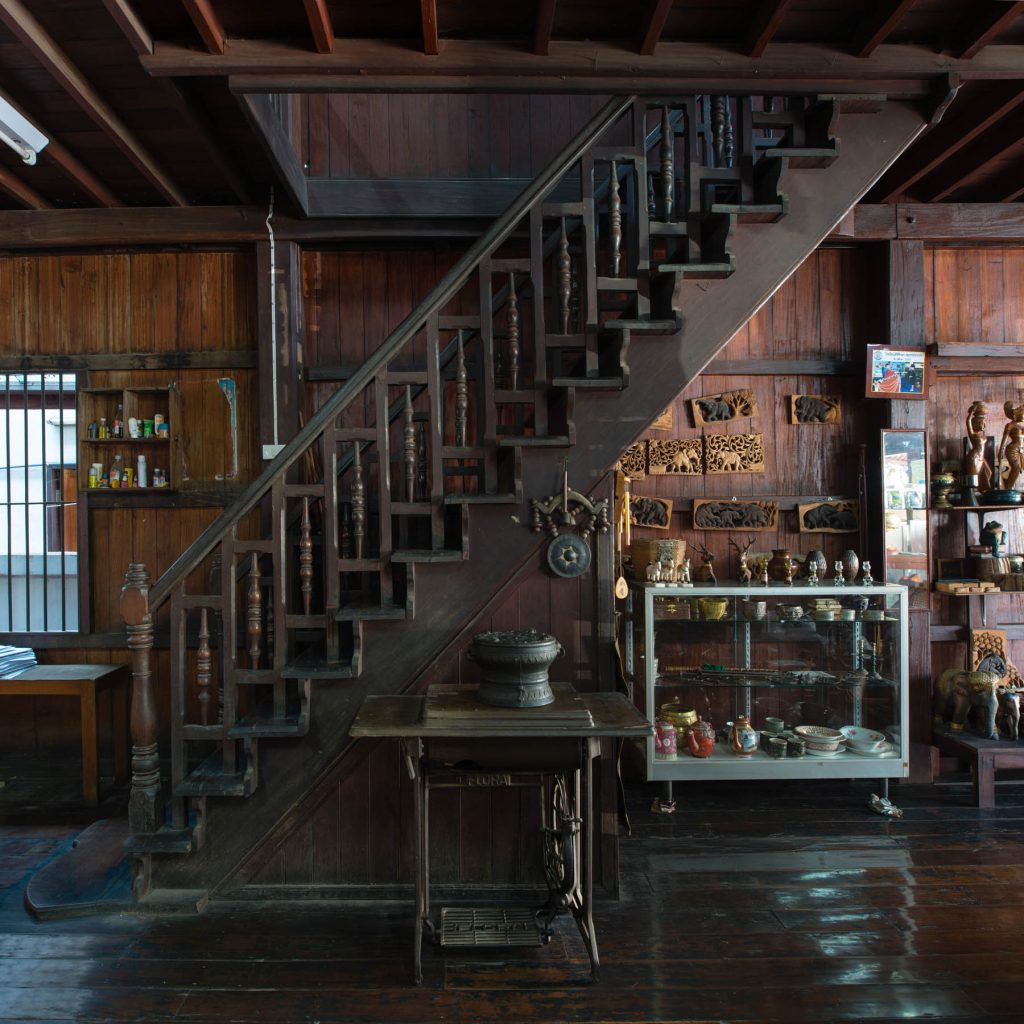
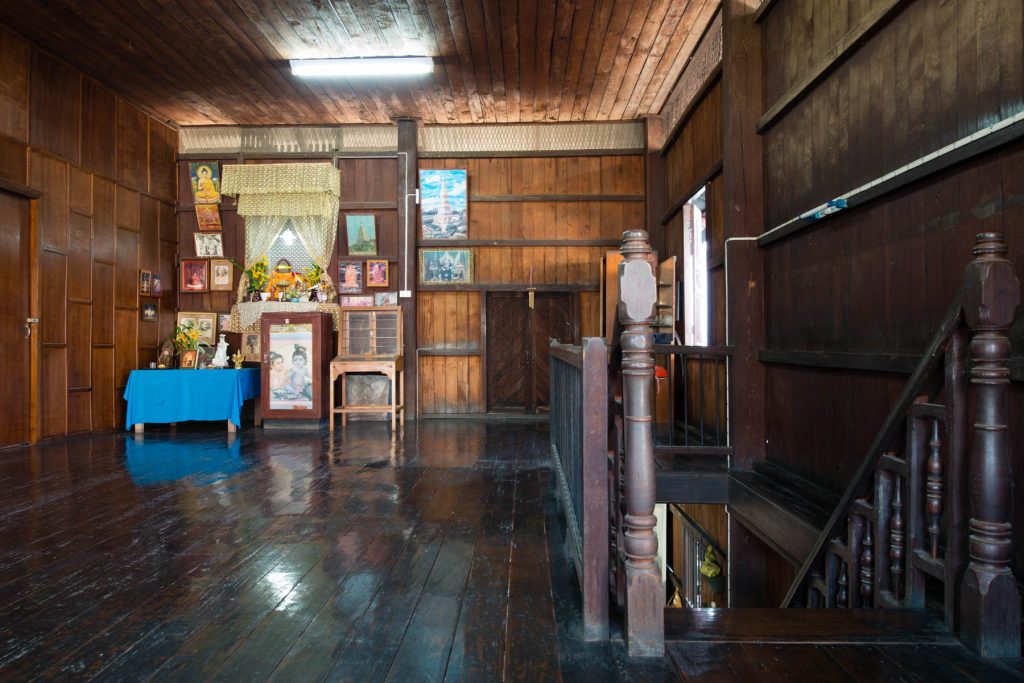
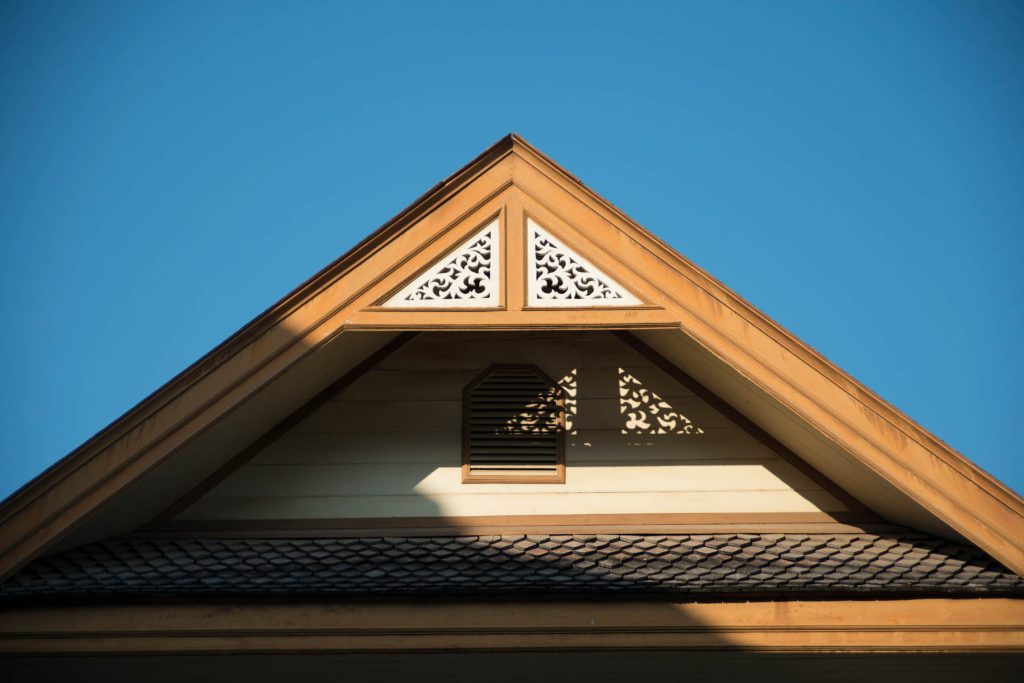
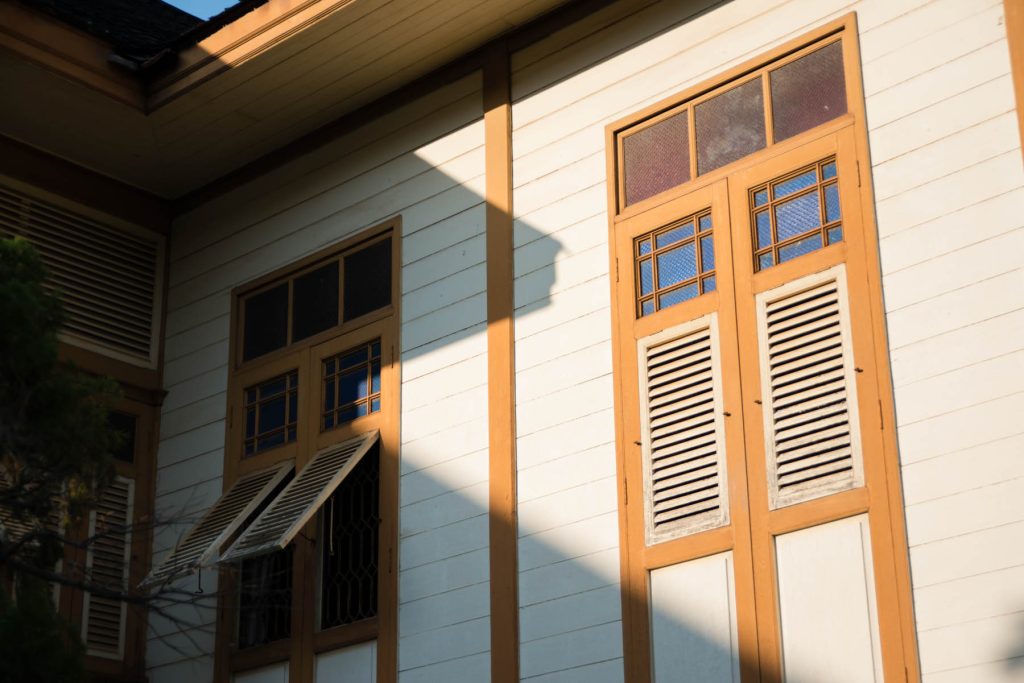
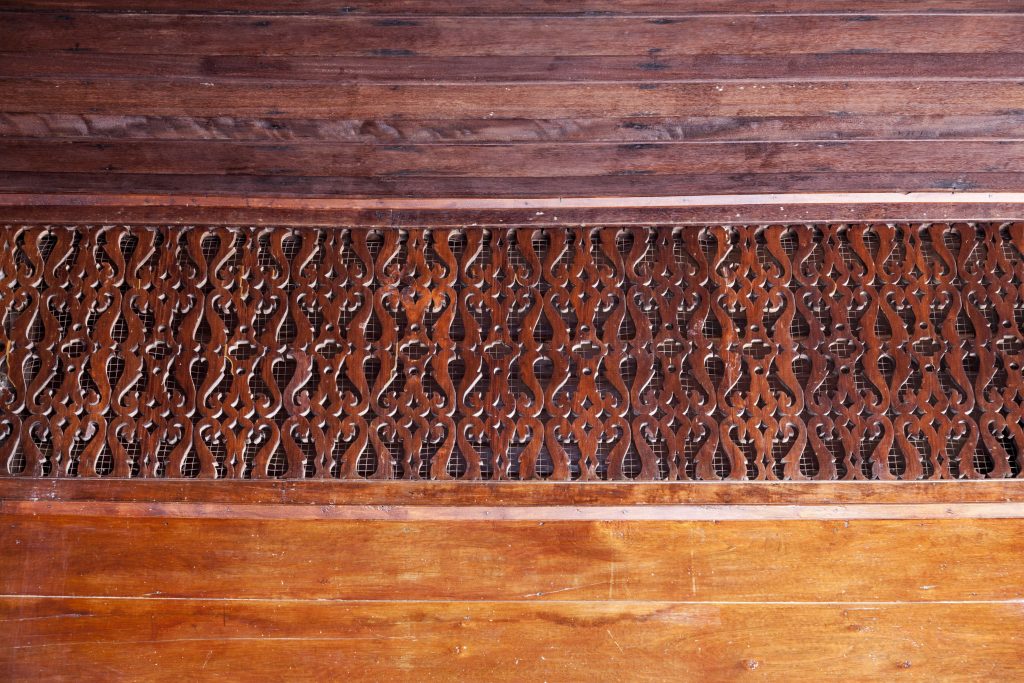
บ้านยอดคำเรือนแก้ว เป็นอาคารไม้ 2 ชั้น มีลักษณะเป็นเรือนแถว 3 คูหา ชั้นล่างเป็นพื้นที่เชื่อมต่อทั่วถึงกันเพื่อใช้เป็นพื้นที่ค้าขาย ด้านหลังเป็นห้องครัว ห้องรับประทานอาหาร และห้องน้ำ พื้นที่ชั้น 2 ของบ้านประกอบด้วย ห้องโถง ห้องนอน 2 ห้อง ห้องน้ำ หิ้งพระ (เข่งเจ้าพารา) และมีระเบียงด้านหน้าซึ่งในอดีตได้ออกแบบให้สามารถส่งสินค้าขึ้นลงให้กับคนขี่ช้างเพื่อนำไปค้าขายได้ โครงสร้างและพื้นอาคารเป็นไม้ หลังคาทรงมะนิลามุงด้วยสังกะสี ใต้หลังคาด้านหน้ามีหลังคายื่นออกมาอีกชั้นหนึ่ง มีการประดับบริเวณเชิงชายด้วยไม้ฉลุลายสวยงาม ชั้น 2 ของบ้านมีช่องแสงระบายอากาศ ประตูด้านหน้าเป็นบานเฟี้ยมไม้ทรงสูง หน้าต่างชั้น 2 สามารถเปิดได้ถึงพื้นสามารถก้าวข้ามสู่ระเบียงด้านหน้าได้ ลักษณะทางสถาปัตยกรรมมีการผสมผสานระหว่างสถาปัตยกรรมไทยใหญ่ และแบบตะวันตกที่มีความลงตัวสวยงาม
ปัจจุบันเจ้าของอาคารได้ทำการซ่อมแซมพื้นชั้นล่าง โดยการเสริมความมั่นคงแข็งแรง ปรับปรุงฐานรากใหม่ รวมทั้งได้ทาน้ำยารักษาเนื้อไม้ นอกจากนี้ยังได้เข้าร่วมกับชมรมอนุรักษ์บ้านเก่าเมืองแม่ฮ่องสอนเพื่อร่วมกันอนุรักษ์มรดกทางสถาปัตยกรรมของเมืองอีกด้วย
Ban Yot Kham Rueankaeo
- Location: No. 24 Singhanatbamrung Road, Tambon Chong Kham, Amphoe Mueang,
- Mae Hong Son
- Proprietor: Saowanee Wannasiri
- Construction Date: 1937
- Conservation Awarded Date: 2013
- Category: Private residences
Ban Yot Kham Rueankaeo was originally Grandfather Ko Ti’s house, later Mr. Khamnueng Wannasiri or Kala Yot Kham bought the house to be used as his residence and shop. Kala Yot Kham was kindhearted. He always bought fish from the market to set free and was a strict vegetarian who only ate nuts and tamarind. He passed away at the age of 90, then the house was inherited by his heir who still uses the house as residence.
Ban Yot Kham Rueankaeo is a 2-storey, 3 units shophouse which has the ground floor of the units open through for business activities; the rear consists of a kitchen, dining room and restrooms. The 2nd floor consists of a hall, 2 bedrooms, Buddha altar, and front balcony which was designed to facilitate goods loading onto elephants for transportation. The structure and floor are wooden, the roof is Dutch gable roof with corrugated zinc sheets, the front has a lower layer of shed roof with fascia decorated with wood openwork. The top part of the 2nd floor walls are ventilation openings; the front door is high, folding doors; the 2nd floor windows are tall, open to the floor which also serves as access to the front balcony. The architecture is a mixture of Tai Yao and Western styles, very beautifully designed and built.
The present owner has had the ground floor repaired by consolidating and restoring the foundation; and the wood elements have been refinished. She also joined the Maehongson Old House Club to cooperate in architectural heritage conservation of the town’s heritage.
บ้านตึก (กลุ่มอาคารภายในบ้านของหลวงอนุสารสุนทร)
อ่านเพิ่มเติม
บ้านตึก (กลุ่มอาคารภายในบ้านของหลวงอนุสารสุนทร)
- ที่ตั้ง เลขที่ 26 – 44 ถนนท่าแพ อำเภอเมือง จังหวัดเชียงใหม่
- และเลขที่ 10 12 และ14 ถนนวิชยานนท์ อำเภอเมือง จังหวัดเชียงใหม่
- สถาปนิก/ผู้ออกแบบ หลวงอนุสารสุนทร ร่วมกับช่างพื้นเมือง
- ผู้ครอบครอง บริษัท สุเทพ จำกัด
- ปีที่สร้าง พ.ศ. 2440 – 2475
- ปีที่ได้รับรางวัล พ.ศ. 2556
- ประเภท อาคารเคหสถานและบ้านเรือนเอกชน
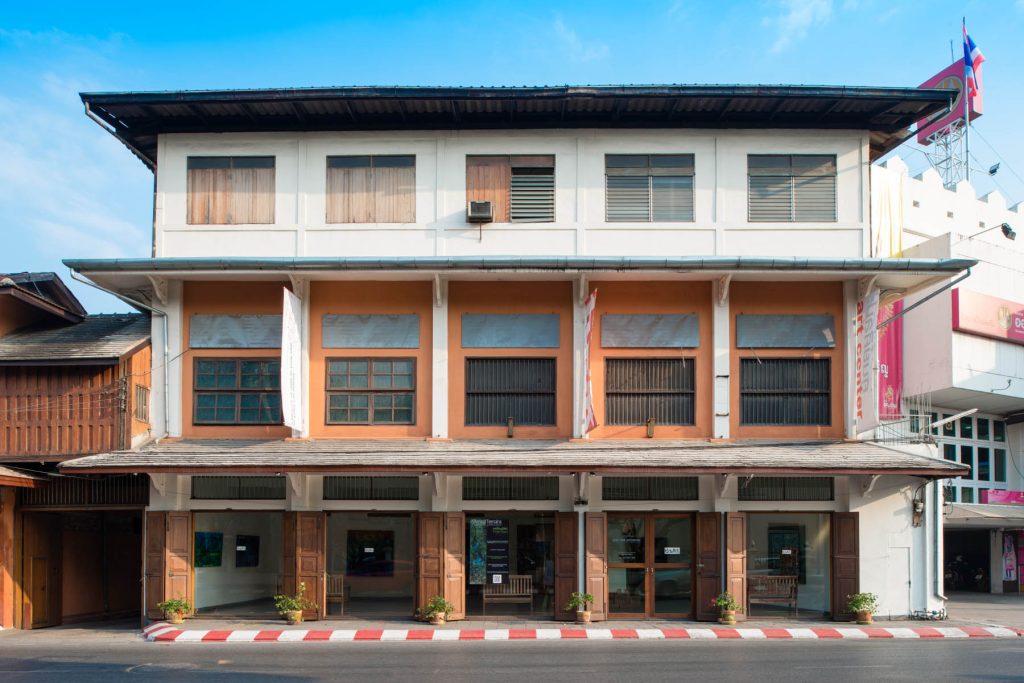
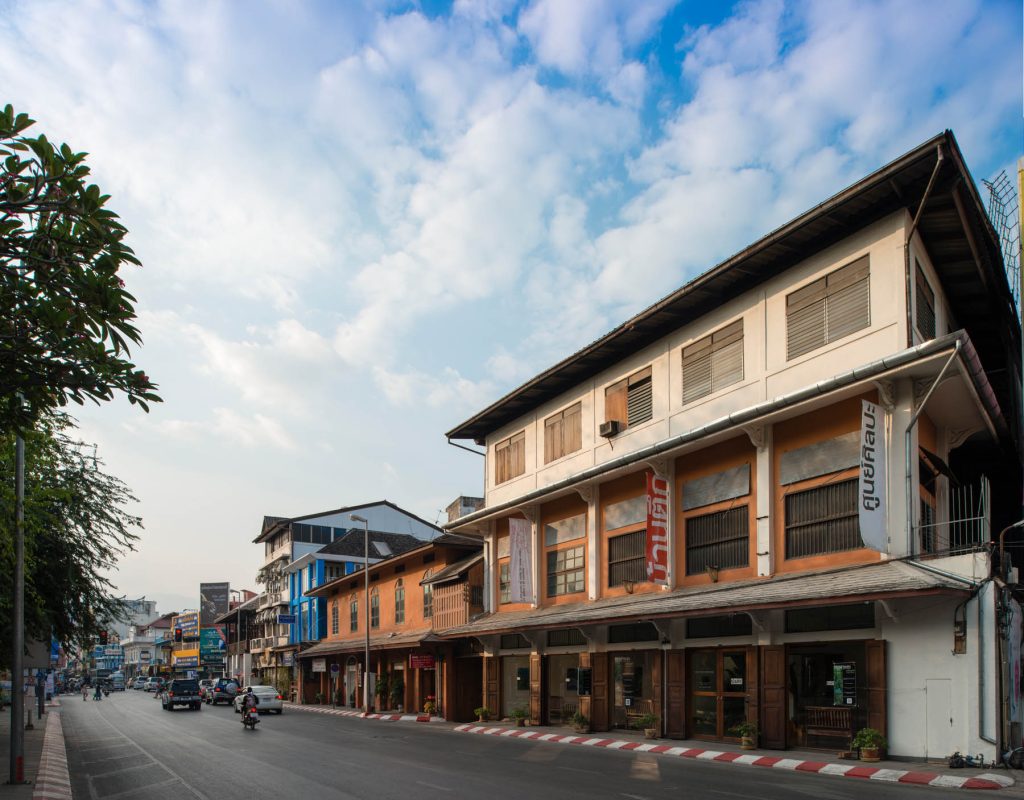
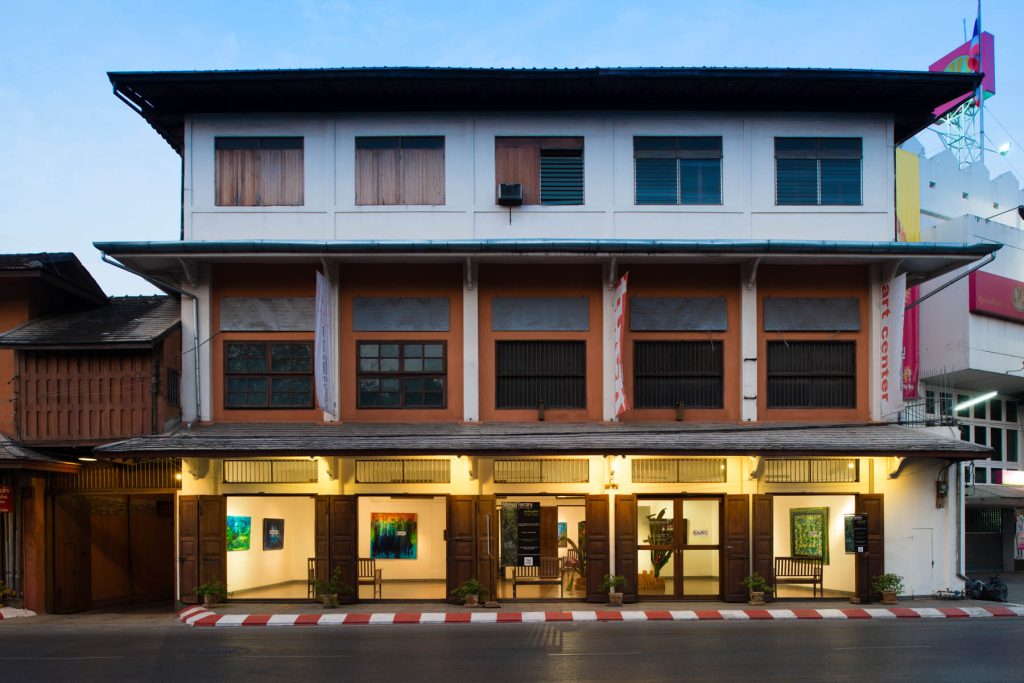
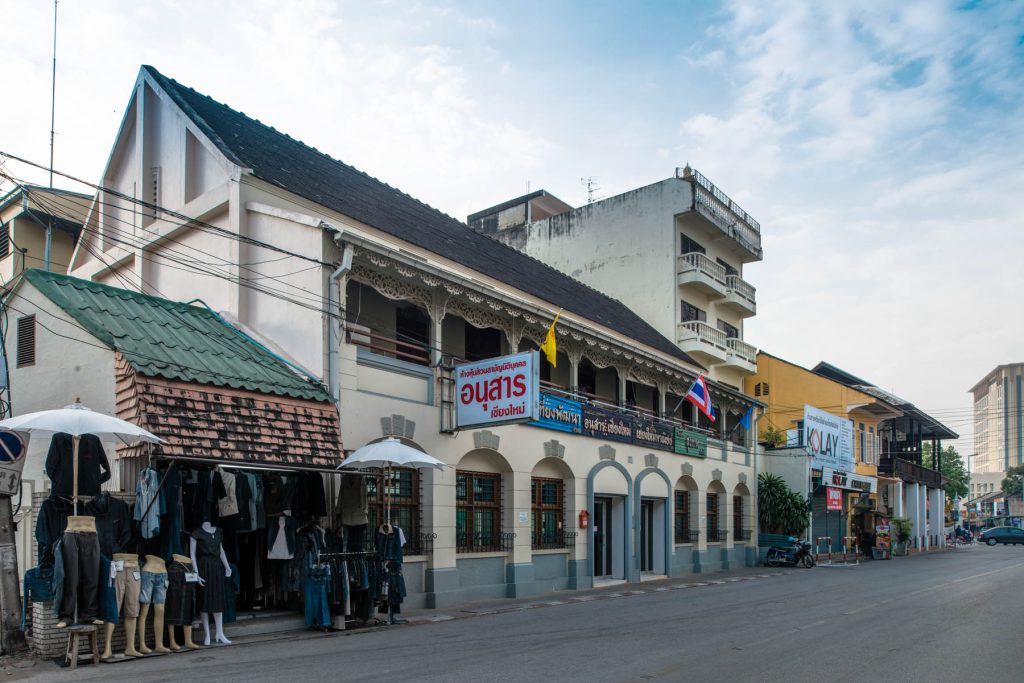
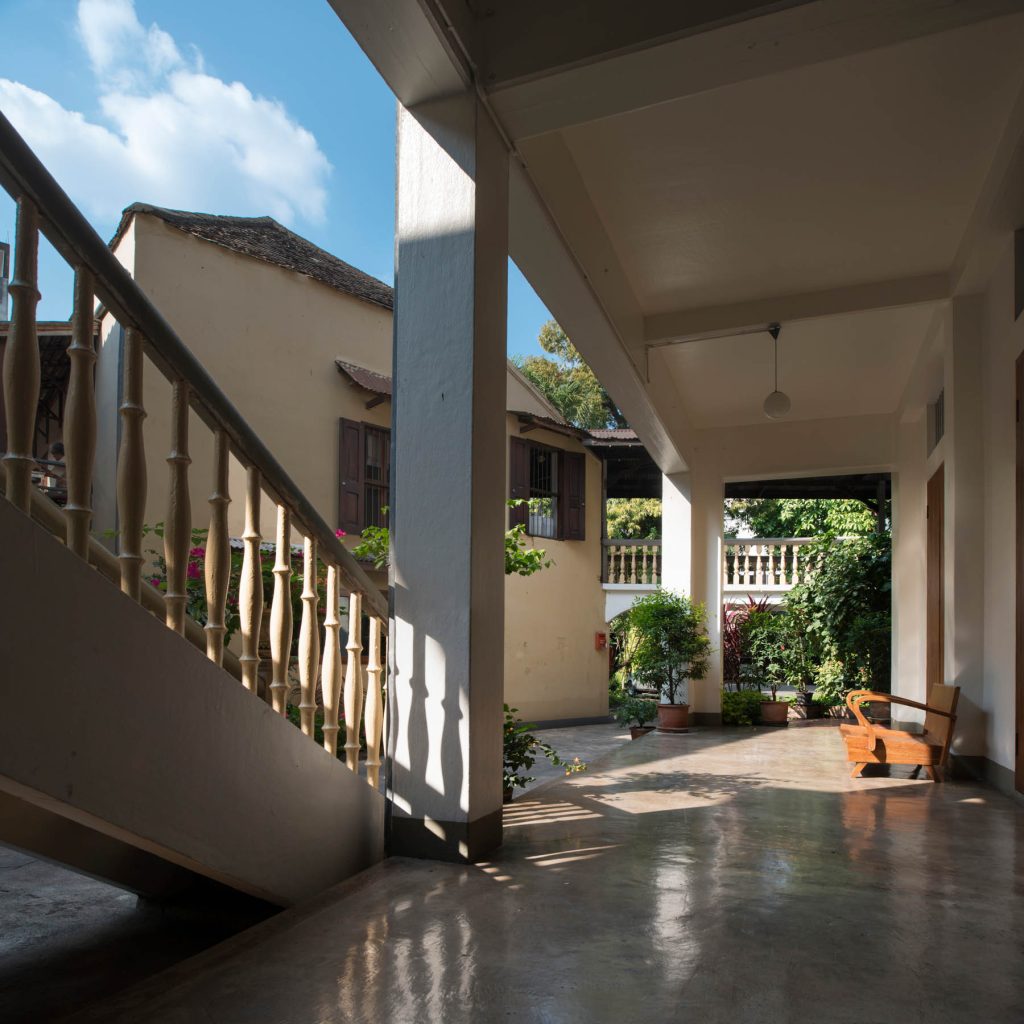
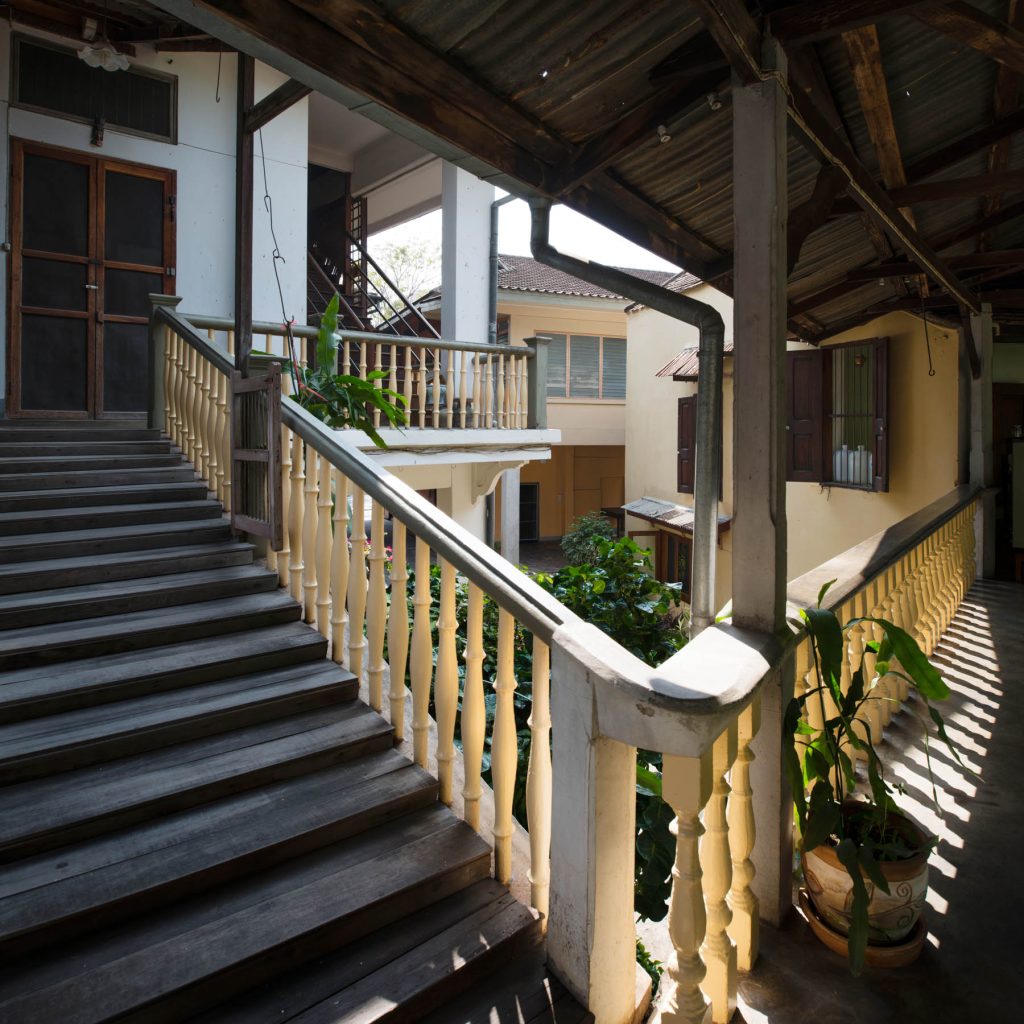
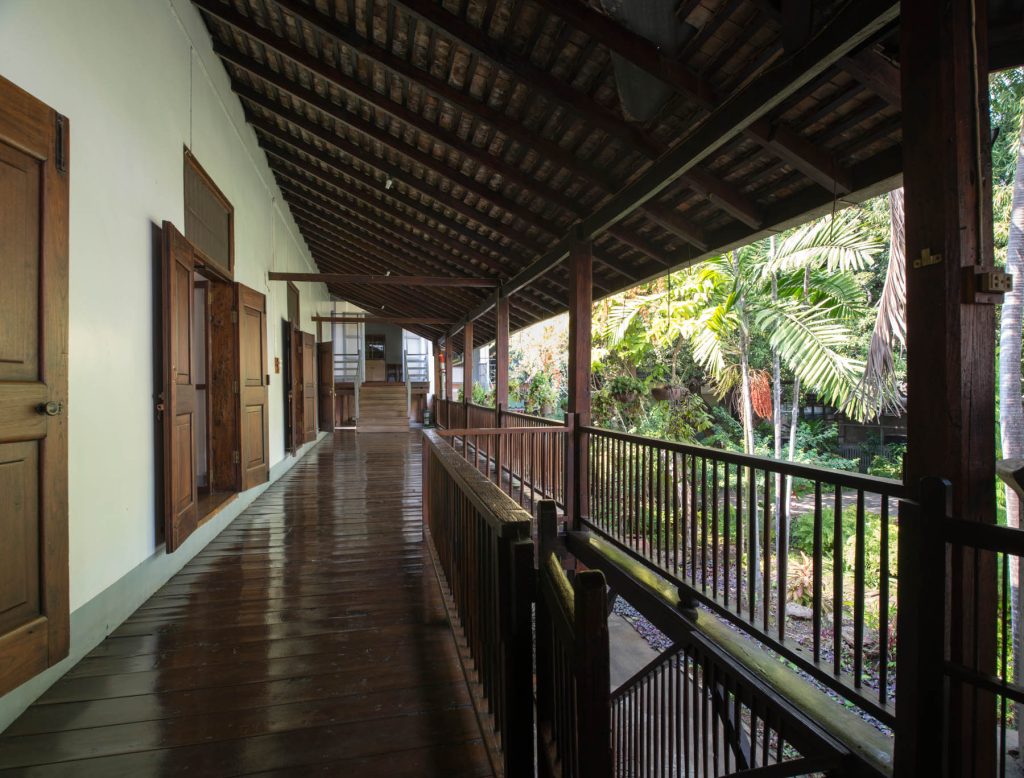
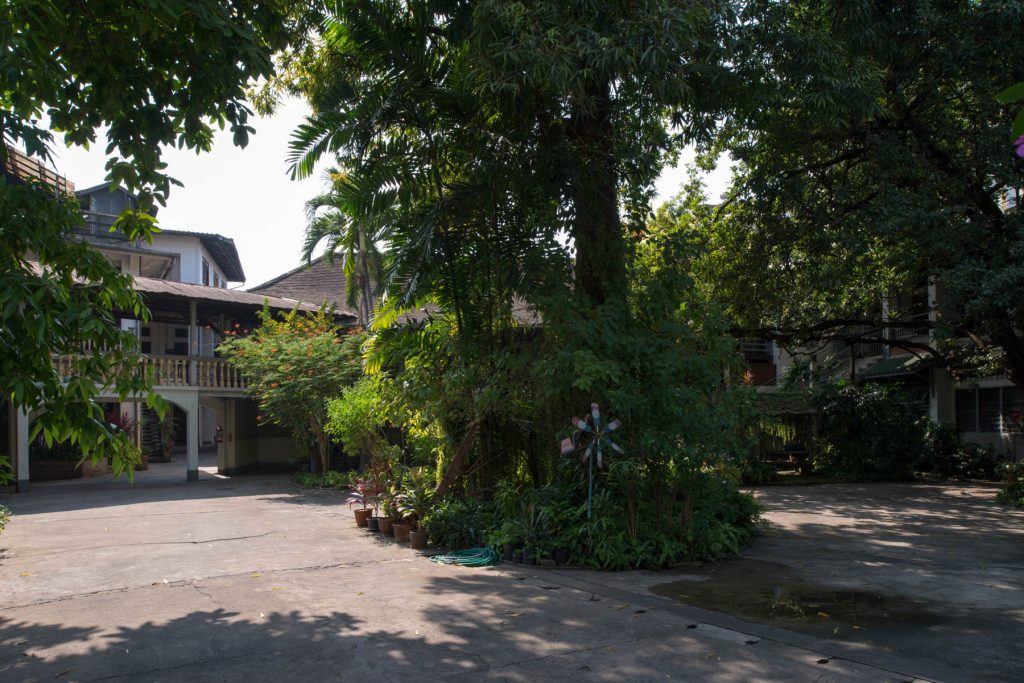
หลวงอนุสารสุนทร มีนามเดิมว่า สุ่นฮี้ ชัวย่งเสง เป็นบุคคลสำคัญคนหนึ่งของเชียงใหม่ที่ได้วางรากฐานด้านการค้าของเชียงใหม่ให้มีความเจริญรุ่งเรืองมาจนทุกวันนี้ ท่านได้สร้างอาคารหลายหลังในบริเวณบ้านเพื่อทำการค้าและพักอาศัย จากที่เป็นผู้มีหัวก้าวหน้าทันสมัย อาคารกลุ่มนี้ของท่านจึงได้สร้างขึ้นโดยใช้เทคโนโลยีชั้นสูง ล้ำสมัยกว่าที่อื่นๆ ในเชียงใหม่ในเวลานั้น ทายาทของท่านได้สืบทอดธุรกิจต่อมาในนามห้างหุ้นส่วนสามัญนิติบุคคล อนุสารเชียงใหม่ จนถึงทุกวันนี้ โดยมีบุคคลสำคัญหลายคนของจังหวัดเชียงใหม่ได้เกิดและอยู่อาศัยที่กลุ่มอาคารแห่งนี้ อาทิ ศาสตราจารย์สุกิจ นิมมานเหมินท์ อดีตราชบัณฑิต อดีตรองนายกรัฐมนตรี รัฐมนตรีหลายกระทรวงและสมาชิกสภาผู้แทนราษฎรจังหวัดเชียงใหม่ อาจารย์ไกรศรี นิมมานเหมินท์ นักวิชาการคนสำคัญของจังหวัดเชียงใหม่ บิดานายธารินทร์และนายศิรินทร์ นิมมานเหมินท์ นายพิสุทธิ์ นิมมานเหมินท์ อดีตผู้ว่าการธนาคารแห่งประเทศไทย ศาสตราจารย์อัน นิมมานเหมินท์ สถาปนิกและนักวิชาการคนสำคัญ และนายเรือง นิมมานเหมินท์ อดีตนายกเทศมนตรีนครเชียงใหม่ 2 สมัย
บ้านตึก เป็นชื่อที่ชาวบ้านเรียกกัน เนื่องจากเป็นอาคารก่ออิฐหลังแรกที่สร้างนอกกำแพงเมืองเป็นกลุ่มอาคารประกอบด้วยอาคารเก่าจำนวน 5 หลัง ดังนี้
1. เรือนแถว สร้างขึ้นระหว่างพ.ศ. 2440 – 2445 ลักษณะเป็นอาคารเรือนแถว 2 ชั้น โครงสร้างกำแพงก่ออิฐรับน้ำหนัก พื้นไม้ หลังคามุงกระเบื้องดินขอ ชั้นบนมี 4 ห้อง ชั้นล่าง 4 ห้อง ใช้เป็นอาคารพักอาศัย
2. ตึกหลวง สร้างขึ้นระหว่างพ.ศ. 2440 – 2445 ลักษณะเป็นอาคารพาณิชย์ 2 ชั้น โครงสร้างกำแพงอิฐรับน้ำหนัก ไม่มีเสาและคาน พื้นไม้ หลังคามุงกระเบื้อง ชั้นล่างใช้เป็นที่ขายสินค้า ใช้ชื่อว่าห้างชัวย่งเสง
ชั้นบนเป็นสำนักงานธุรกิจ ร้านขายผ้าไหม สำนักงานด้านการเงิน และที่พักอาศัย ภายในอาคารยังมีห้องมั่นคง ที่สร้างขึ้นเพิ่มเติมในพ.ศ. 2474 ใช้เก็บรักษาเงิน
3. ตึกแดง สร้างขึ้นระหว่างพ.ศ. 2464 – 2466 เป็นอาคารพาณิชย์ 2 ชั้น โครงสร้างกำแพงรับน้ำหนัก พื้นไม้ หลังคามุงกระเบื้อง หลวงอนุสารสุนทรสร้างให้กับนางกิมฮ้อ บุตรสาว ชั้นล่างเป็นร้านค้า
ชั้นบนใช้พักอาศัย อาคารกรุมุ้งลวดทั้งหลัง มีห้องน้ำแบบสมัยใหม่ มีฝักบัวอาบน้ำ อ่างล้างหน้าและสุขภัณฑ์จากประเทศอังกฤษ ใช้บ่อเกรอะ ใช้ตะเกียงน้ำมัน ตะเกียงลาน ที่มีใช้เฉพาะบ้านฝรั่งในขณะนั้น และยังมีฝาไหล ซึ่งเป็นช่องระบายลมแบบล้านนา ที่หลวงอนุสารสุนทรได้คิดประดิษฐ์กลไกการเปิดปิดขึ้นแทนการปิดเปิดแบบที่ใช้กันทั่วไป และยังใช้งานได้จนถึงปัจจุบัน
4. ตึกขาว สร้างขึ้นในพ.ศ. 2475 เป็นอาคารคอนกรีตเสริมเหล็ก 3 ชั้น หลวงอนุสารสุนทรสร้างให้กับนายแพทย์ยงค์ ชุติมา บุตรชาย เป็นอาคารคอนกรีตเสริมเหล็กหลังแรก ๆ ของเชียงใหม่ สร้างขึ้นหลังจากที่รถไฟมาถึงเชียงใหม่ และขนส่งปูนซีเมนต์และเหล็กเส้นจากกรุงเทพมหานครมาได้ มีห้องน้ำที่ทันสมัย หน้าต่างกรุมุ้งลวดทั้งหลัง บานหน้าต่างกันไฟทำจากแผ่นเหล็ก
5. ครัวไฟ สร้างขึ้นประมาณพ.ศ. 2475 เป็นอาคารคอนกรีตเสริมเหล็ก 2 ชั้น เป็นครัวไฟขนาดใหญ่เพราะต้องทำอาหารเลี้ยงคนประมาณ 40 – 50 คน มีหอถังสูงสำหรับเก็บน้ำไว้ใช้ เป็นหอถังน้ำคอนกรีตเสริมเหล็กแห่งแรกของเชียงใหม่
อาคารทั้ง 5 หลัง อยู่ในความดูแลของทายาทเรื่อยมาอย่างต่อเนื่อง มีการบำรุงรักษาอาคารไว้เป็นอย่างดี ทั้งตัวอาคาร เครื่องเรือน เครื่องใช้ และอุปกรณ์ประกอบอาคารต่าง ๆ รวมทั้งกล้องถ่ายรูปและภาพถ่ายจำนวนมากของหลวงอนุสารสุนทร มีการซ่อมแซมต่อเติมอาคารมีเพียงเล็กน้อยเพื่อความจำเป็นในการใช้งาน หรือเพื่อซ่อมแซมส่วนชำรุดเสียหายเท่านั้น สภาพปัจจุบันของอาคารยังอยู่ในสภาพดี และใช้งานตามปกติทุกหลัง ยกเว้นครัวไฟที่ไม่ได้ใช้งานเป็นครัวแล้ว โดยใช้เป็นที่เก็บข้าวของเครื่องใช้เก่าแก่ของตระกูล
Ban Tuek (Group of Buildings in Luang Anusansunthon’s House)
- Location: No. 26 – 44 Tha Phae Road, Amphoe Mueang, Chiang Mai, and No. 10, 12, and 14 Witchayanon Road, Amphoe Mueang, Chiang Mai
- Architect/Designer: Luang Anusarnsunthorn and local craftspeople
- Proprietor: Suthep Company Limited
- Construction Date: 1897 – 1932
- Conservation Awarded Date: 2013
- Category: Private residences
Luang Anusarnsunthorn (Sunhee Chuayongseng) was an important person of Chiang Mai who laid the foundation of business that made Chiang Mai economy grow and prosper until today. He had built several buildings in the area of this house for business and living. Thanks to his advanced vision, this group of buildings were built by high technology and were more advanced than others in the periods. His heirs have continued his business under the name Anusarn Chiangmai Registered Ordinary Partnership until today. Several important persons of Chiang Mai were born and lived in this group of buildings, for instance, Prof. Sukich Nimmanheminda, former royal scholar, deputy prime minister, minister of several ministries, and MP of Chiang Mai; Mr. Kraisri Nimmanheminda, an important scholar of Chiang Mai, father of Mr. Tarrin Nimmanheminda and Mr. Sirin Nimmanheminda; Mr. Bisudhi Nimmanheminda, former Governor of the Bank of Thailand; Prof. An Nimmanheminda, important architect and scholar; and Mr. Ruang Nimmanheminda, former 2-term Mayor of Chiang Mai Municipality.
“Ban Tuek” (Brick House) is the name called by local people because the house was the first brick masonry house built outside the city wall. The group comprises 5 old buildings which are:
- Ruean Thaeo (Row House): built during 1897 – 1902 featuring 2-storey row house, brick wall bearing structure, wooden floor, roofed with local terracotta tiles. The ground floor has 4 rooms, the same as the second floor. The house was used as a residence.
- Tuek Luang: built during 1897 – 1902. A 2-storey shophouse, brick wall bearing structure without walls and beams, wooden floor, terracotta tiles roof. The ground floor was used as a shop named “Chua Yong Seng” shop; and the second floor consisted of a business office, a silk shop, financial office, and residence. A strong room was added in 1931 for safekeeping of money.
- Tuek Daeng: built during 1921 – 1923. A 2-storey shophouse, brick wall bearing structure, wooden floor, terracotta tiles roof. The house was built by Luang Anusarnsunthorn for his daughter Mrs. Kimho. The ground floor was a shop, and the upper floor was residential area. The entire house was fitted with mosquito wire screens and had other special features such as Modern restrooms with showers, washbasins, and bathroom fixtures imported from England; the use of septic tanks, oil lamps, and Hitchcock lamps that were used only in Westerners’ houses in those days. Furthermore, there were sliding wall panels with opening mechanism devised by Luang Anusarnsunthorn, which are still in working condition today.
- Tuek Khao: built around 1932. A 3-storey reinforced concrete structure that Luang Anusarnsunthorn built for Dr. Yong Chutima, his son. This was one of the earliest reinforced concrete buildings in Chiang Mai which was built after the operation of train to Chiang Mai, which enabled the transportation of cement and steel from Bangkok. This building has Modern style restrooms, mosquito wire screens, and fireproof window panels made of steel.
- Kitchen: built around 1932. A 2-storey reinforced concrete structure which functioned as a large kitchen house that catered for 40 – 50 persons. The kitchen includes a tower water tank, which was the first reinforced concrete water tank in Chiang Mai.
These 5 heritage buildings have been maintained by the heirs of the founder, as seen in the well-conserved buildings, furniture, household items, and building equipment including cameras and a great number of photographs which belonged to Luang Anusarnsunthorn. Only minor repairs have been conducted as necessary for use or for repairing the damaged parts. At present, the buildings are in good condition and functioning as in the past except for the kitchen which has been turned into a storage for keeping old family belongings.
อาคารหย่งเชียง
อ่านเพิ่มเติม
อาคารหย่งเชียง
- ที่ตั้ง เลขที่ 2 – 4 ถนนวิชยานนท์ ตำบลช้างม่อย อำเภอเมือง จังหวัดเชียงใหม่
- สถาปนิก/ผู้ออกแบบ กิมยง (ต้นตระกูลตันกิมยง)
- ผู้ครอบครอง สลิลทิพย์ ตียาภรณ์
- ปีที่สร้าง พ.ศ. 2447
- สถาปนิก/ผู้ออกแบบอนุรักษ์ ธนกฤต เทียนมณี
- ปีที่ได้รับรางวัล พ.ศ. 2556
- ประเภท อาคารเคหสถานและบ้านเรือนเอกชน
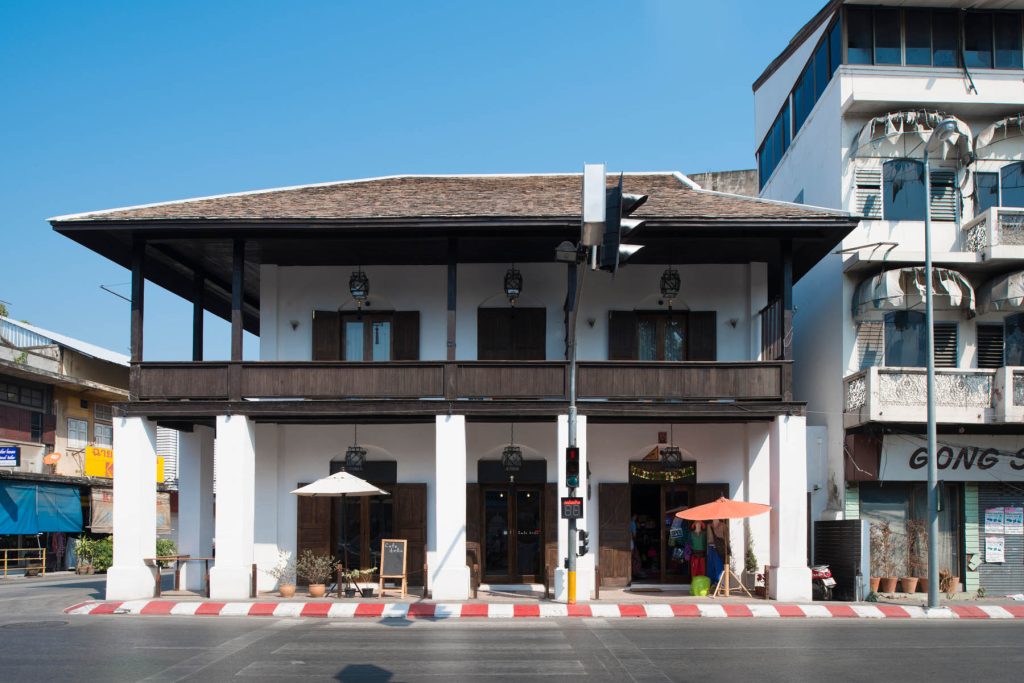
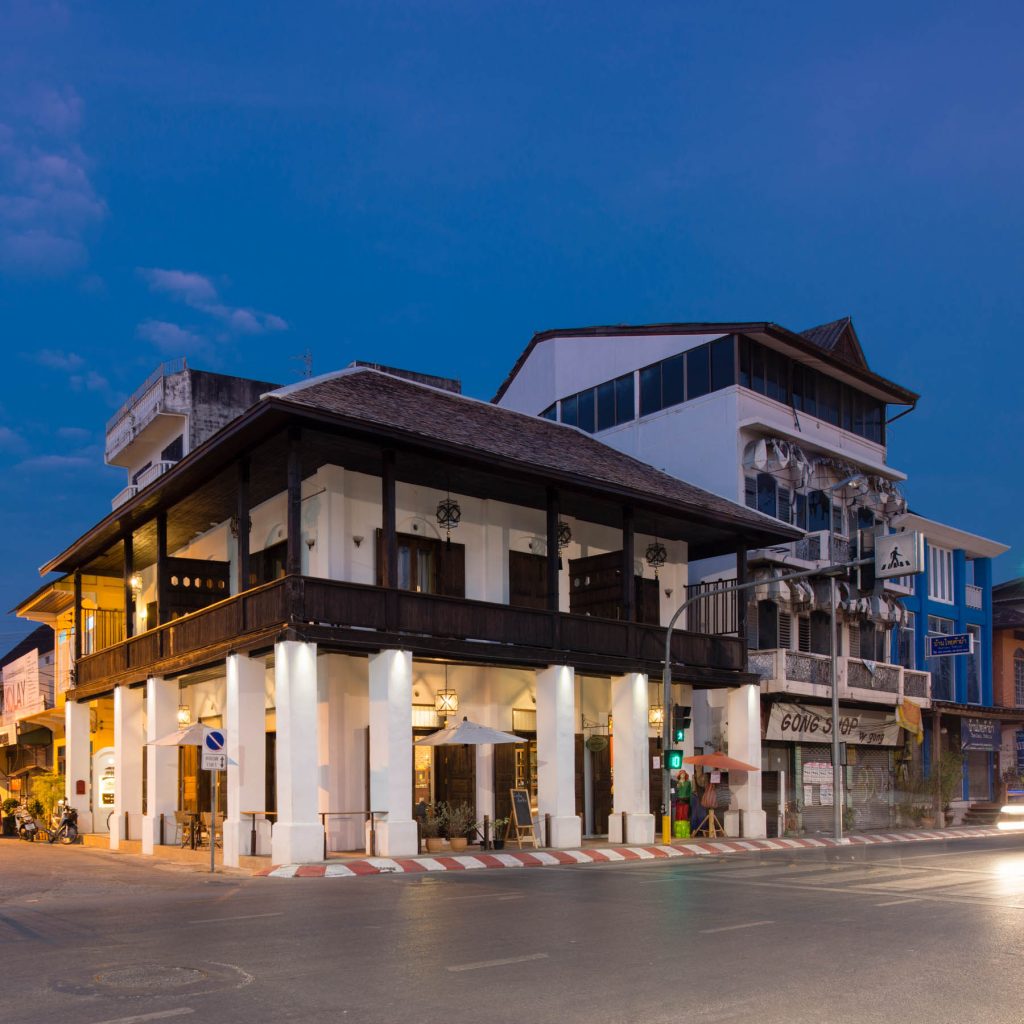
อาคารหย่งเชียง หรือ เตียหย่งเชียง เป็นชื่อเรียกในภาษาจีนแต้จิ๋ว มีความหมายว่า ความเจริญรุ่งเรืองสร้างขึ้นในพ.ศ. 2447 โดยนายจีนกี กีเซ่งเฮง บุตรชายของเล่าก๋ง เตียบู้เซ้ง ผู้นำชุมชนพ่อค้าจีนบริเวณวัดเกตในสมัยรัชกาลที่ 5 และเป็นต้นตระกูล เตียหย่งเชียง(ตียาภรณ์) โดยอาคารหลังนี้นายจีนกี กีเซ่งเฮง สร้างให้กับบุตรชาย คือนายทองอยู่ ตียาภรณ์ เพื่อใช้เป็นร้านค้าและเก็บสินค้า โดยอาคารนี้สร้างขึ้นพร้อม ๆ กับตลาดวโรรส (กาดหลวง) อันเป็นศูนย์กลางทางเศรษฐกิจของเมืองเชียงใหม่ นายทองอยู่ได้อาศัยอยู่ที่อาคารหลังนี้มาตลอดช่วงอายุขัยของท่านจนตกทอดถึง รศ.ดร.สุพจน์ ตียาภรณ์ เมื่อพ.ศ. 2515 และปัจจุบันสืบทอดมาถึงลูกสาวคือ คุณสลิลทิพย์ ตียาภรณ์ ใน พ.ศ. 2554 ได้มีการปรับปรุงซ่อมแซมอาคารเพื่อให้สามารถประกอบกิจการการค้าต่อไปได้
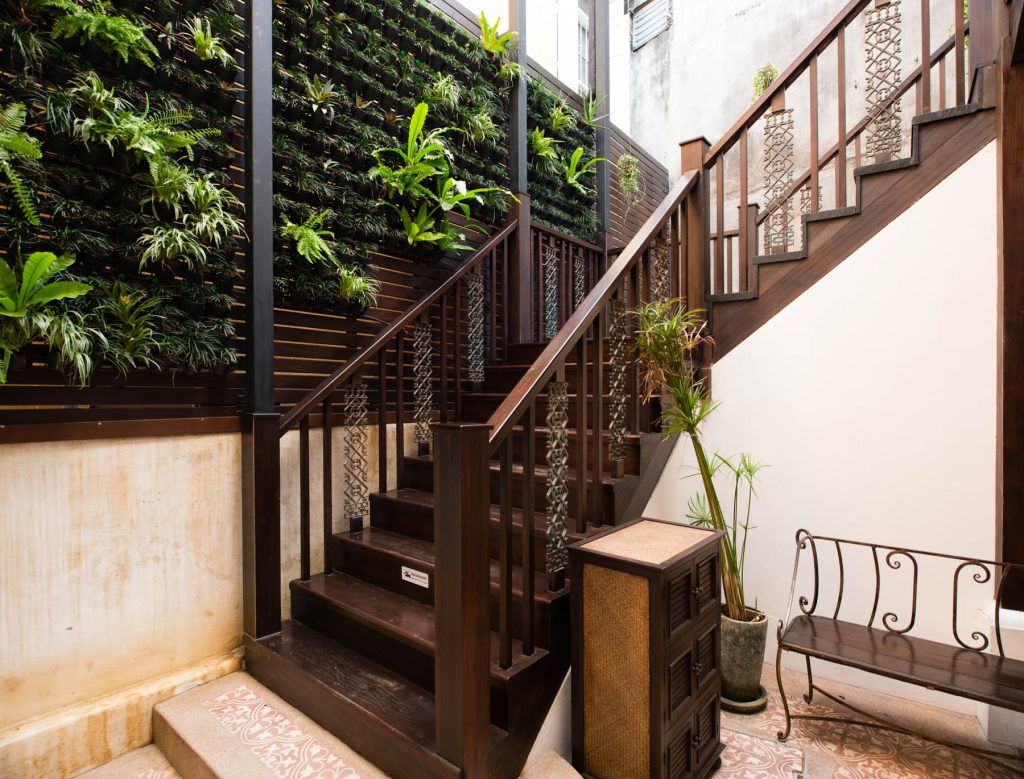
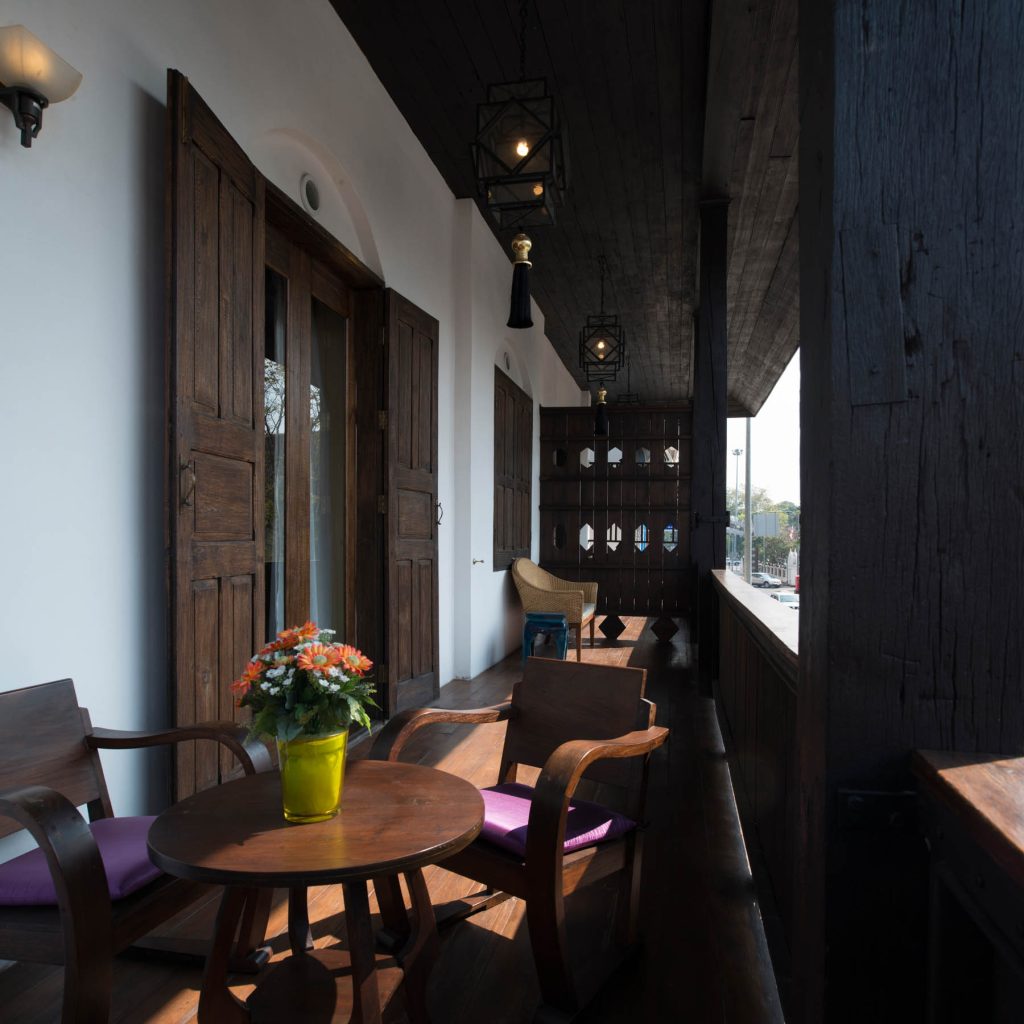
อาคารหย่งเชียงเป็นอาคาร 2 ชั้น กว้าง 14.20 เมตร ลึก 13.80 เมตร ผังพื้นอาคารเป็นรูปตัวแอล หลังคาเป็นแบบปั้นหยา เป็นสถาปัตยกรรมแบบโคโลเนียลที่มีการผสมผสานรูปแบบตะวันตกกับสถาปัตยกรรมแบบจีนและล้านนา ด้านหน้าอาคารที่ติดกับถนนท่าแพและถนนวิชยานนท์ ใช้อิฐก่อเป็นเสาขนาด 75 เซนติเมตร เว้นช่องเป็นจังหวะตลอดแนวอาคารทั้งสองด้าน อาคารชั้นล่างเป็นเสาลอยที่ร่นผนังเข้าไปเพื่อให้เกิดทางเดินในร่ม ลักษณะของโครงสร้างเป็นผนังอิฐรับน้ำหนักรองรับพื้นชั้นสอง โดยการใช้คานไม้วางสอดเข้าไปในผนังเพื่อรับโครงสร้างพื้น ประตูหน้าต่างมีการก่ออิฐเป็นโครงโค้ง (arch) และเจาะช่องระบายอากาศเป็นรูปวงกลมเหนือประตูหน้าต่างทุกบาน
อาคารหย่งเชียงแสดงให้เห็นถึงความตั้งใจของเจ้าของอาคารในการรักษาโครงอาคารเรือนแถวค้าขายแบบดั้งเดิมไว้ สามารถเป็นตัวอย่างของงานสถาปัตยกรรมแบบก่ออิฐผสมไม้ยุคแรก ๆ ของเมืองเชียงใหม่ในสมัยนั้นได้เป็นอย่างดี
Villa Long Chang
- Location: No. 2 -4 Witchayanon Road, Tambon Chang Moi, Amphoe Mueang, Chiang Mai
- Architect/Designer: Kimyong (founder of Tankimyong family)
- Proprietor: Salilthip Tiyaporn
- Construction Date: 1904
- Architect/Conservation Designer: Thanakrti Teanmanee
- Conservation Awarded Date: 2013
- Category: Private residences
Villa Long Chang (Yong Chiang) or Tia Yong Chiang in Teochew dialect meaning “prosperity” was built in 1904 by Mr. Kee Seng Heng, son of Mr. Tia Bu Seng who was the leader of Chinese merchants in Wat Ket area in the reign of King Rama V and the founder of Tiayongsiang (Tiyaporn) family. The house was built for his son, Mr. Thongyu Tiyaporn, to be used as a shop and goods storage. The building date was contemporary with Warorot Market (Kat Luang), the commercial center of Chiang Mai. Mr. Thongyu lived in the house until he passed away, and the house was inherited by his heir, Assoc. Prof. Dr. Suphot Tiyaporn in 1972, and was handed down to his daughter, Salilthip Tiyaporn, the present owner. The house underwent a restoration in 2011.
Villa Long Chang (Yong Chiang) is 2-storey, 14.20×13.80 meters, L-shaped plan, hip roof, colonial style which integrates the Western, Chinese and Lanna styles together. The front of the house is on Tha Phae and Witchayanon Roads features 75 centimeters brick pilasters on the upper floor and colonnades on the ground floor, main structure is brick wall-bearing with timber beams supporting second floor structure; doors and windows are set under decorative arch frames, all of which have circular fanlights.
Villa Long Chang (Yong Chiang) reflects the owner’s intention in conserving the old shophouse which is a good example of early half brick half wood architecture in Chiang Mai.
บ้านบอร์เนียว
อ่านเพิ่มเติม
บ้านบอร์เนียว
- ที่ตั้ง เลขที่ 2 ซอย 1 ถนนหน้าวัดเกต อำเภอเมือง จังหวัดเชียงใหม่
- ผู้ครอบครอง บริษัท วงศ์พันเลิศ โฮลดิ้ง จำกัด
- ปีที่สร้าง พ.ศ. 2432
- สถาปนิก/ผู้ออกแบบอนุรักษ์ จุลพร นันทพานิช
- ปีที่ได้รับรางวัล พ.ศ. 2556
- ประเภท อาคารเคหสถานและบ้านเรือนเอกชน
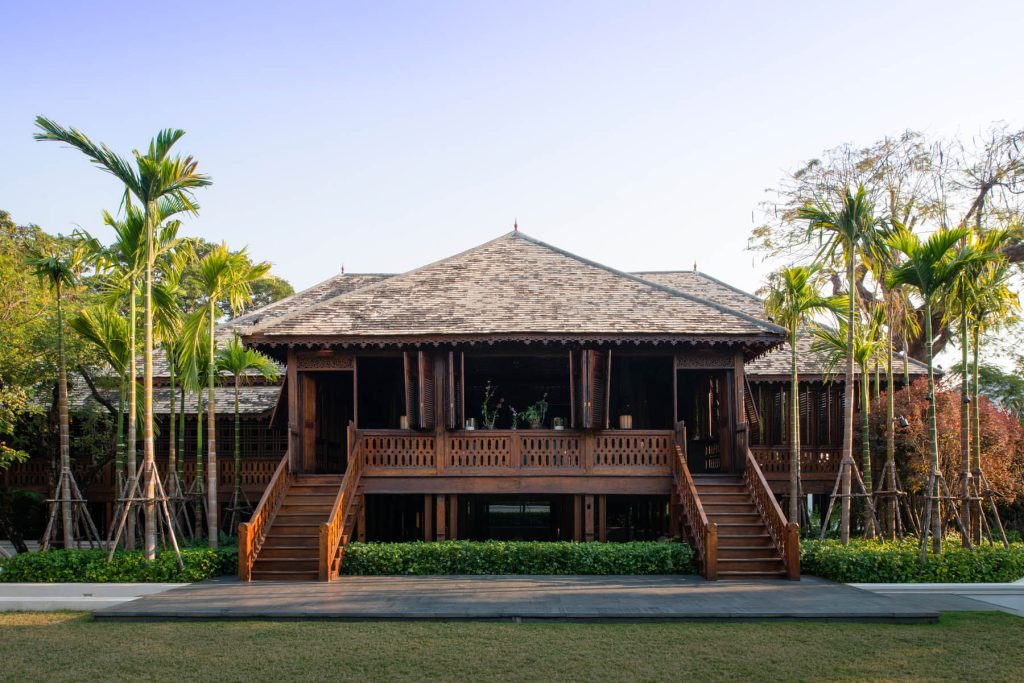
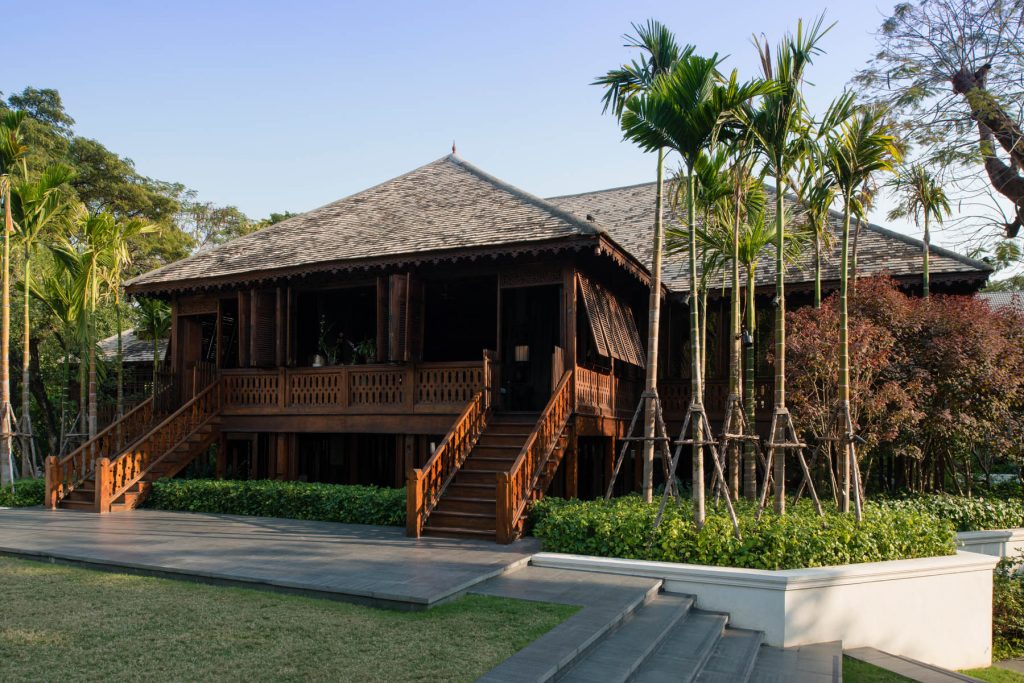
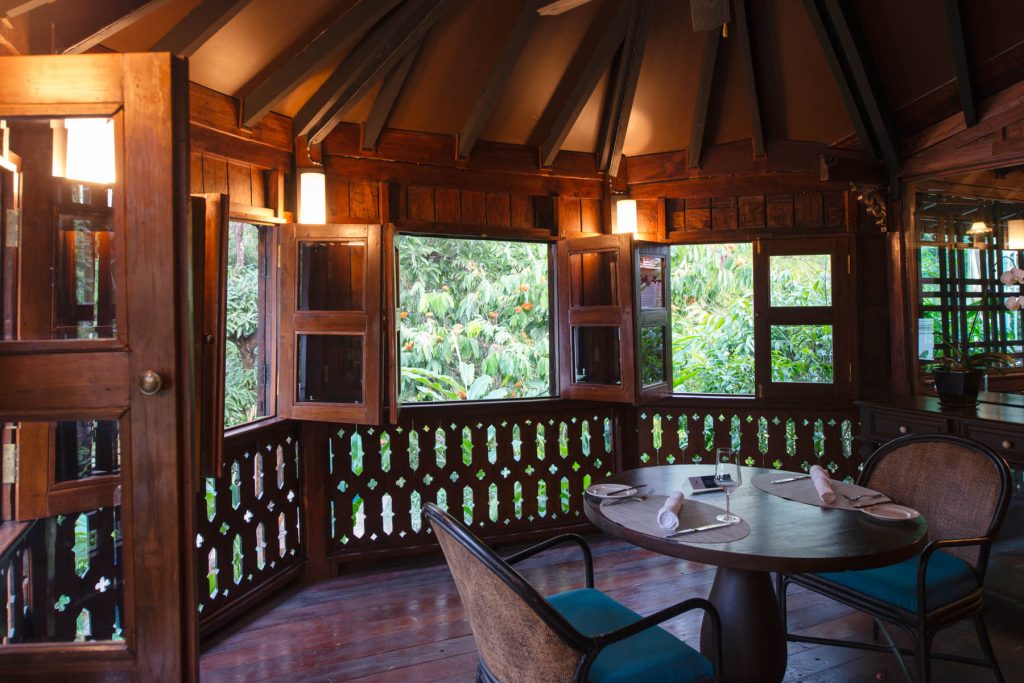
บ้านบอร์เนียวเป็นอาคารในแบบโคโลเนียล ตั้งอยู่ย่านวัดเกตซึ่งเป็นย่านการค้าสำคัญของเมืองเชียงใหม่ในอดีต เดิมใช้เป็นสำนักงานของบริษัทบอร์เนียว ซึ่งมาทำกิจการสัมปทานไม้สักที่ภาคเหนือของประเทศไทย สันนิษฐานว่าสร้างเสร็จเมื่อพ.ศ. 2432 ซึ่งเป็นปีที่บริษัทบอร์เนียวเริ่มดำเนินการกิจการสัมปทานป่าไม้ในจังหวัดเชียงใหม่อย่างเป็นทางการ โดยมีนายหลุยส์ ที เลโอโนเวนส์ เป็นผู้จัดการคนแรกและดำเนินกิจการเรื่อยมา จนกระทั่งพ.ศ. 2484 ในช่วงสงคราม กองทัพญี่ปุ่นได้ใช้บ้านบอร์เนียวเป็นสำนักงาน จนกระทั่งจบสงครามโลกในพ.ศ. 2488 จึงกลับมาใช้เป็นสำนักงานของบริษัทบอร์เนียวต่อจนเลิกกิจการไปเมื่อพ.ศ. 2498 ภายหลังนายวิลเลียมส์ เบนส์ ผู้จัดการคนสุดท้ายของบริษัทได้ซื้อที่ดินรวมทั้งบ้านไว้เป็นทรัพย์สินส่วนตัว ต่อมาลูกหลานของนายวิลเลียมส์ เบนส์ ได้ขายที่ดินและบ้านดังกล่าวให้กับบริษัท วงศ์พันเลิศ โฮลดิ้ง จำกัด ได้พัฒนาเป็นโรงแรมชื่อ 137 Pillars House โดยได้บูรณะบ้านบอร์เนียวเป็นโถงต้อนรับและห้องประชุม
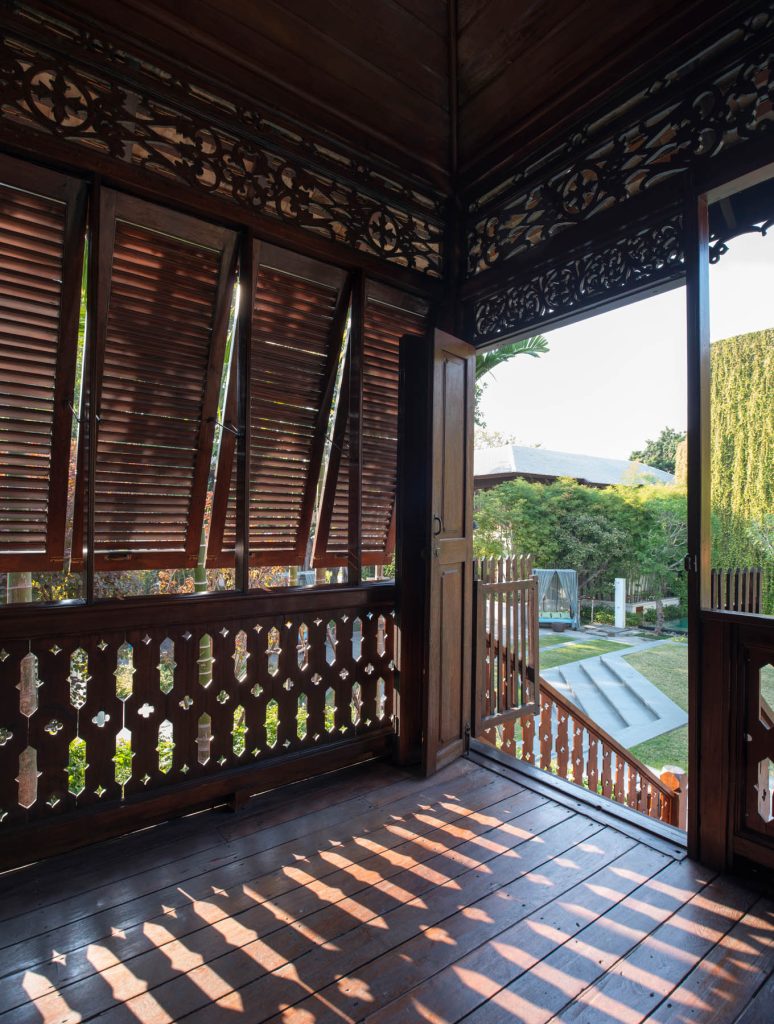
บ้านบอร์เนียวเป็นเรือนไม้ยกพื้นสูงประมาณ 1.80 เมตร มีลักษณะเด่นคือเสา ซึ่งมีจำนวน 137 ต้น อันเป็นที่มาของชื่อ 137 Pillars House หลังคาทรงปั้นหยามุงด้วยกระเบื้องดินขอแบบพื้นเมือง เสา คาน และโครงสร้างหลังคาเป็นไม้สัก เช่นเดียวกับพื้น ผนัง รวมทั้งประตูและหน้าต่างทั้งหมด ที่ยอดผนังทำเป็นลายฉลุไม้ระบายอากาศ การวางผังเรือนเป็นแบบสมมาตร มุขหน้ามีบันไดขึ้นเรือน 2 ข้าง มุขด้านซ้ายและขวาใช้เป็นพื้นที่สำนักงานในอดีต ด้านหลังเดิมมีเรือนครัวและเรือนบริวารเชื่อมกับเรือนใหญ่ด้วยชาน แต่ภายหลังได้
รื้อถอนออกไปเนื่องจากมีสภาพทรุดโทรมเกินที่จะบูรณะได้
การปรับปรุงเรือนได้ยกเรือนขึ้นจากเดิม 1.80 เมตร เป็น 4.80 เมตร เพื่อให้พ้นระดับน้ำท่วมและเข้ามาใช้สอยที่ใต้ถุนเรือนได้ โดยในการออกแบบได้ตั้งใจแสดงระดับของเสาเรือนเดิมไว้ มีการถอดรื้อกระเบื้องมุงหลังคาลงมาอย่างระมัดระวัง ขัดล้างทำความสะอาด แล้วทาทับด้วยน้ำยารักษากระเบื้องดินเผา ซ่อมแซมองค์ประกอบของเรือนที่เป็นไม้ทั้งหมดโดยซ่อมเฉพาะส่วนที่มีความทรุดโทรมและเสียหายมาก เพิ่มเติมระบบกันซึมของหลังคาด้วยการวางแผ่นวีว่าบอร์ดและทับด้วยแผ่นยางกันซึม แล้วจึงมุงหลังคากลับเข้าที่ และทาทับอาคารด้วยน้ำมันรักษาเนื้อไม้ธรรมชาติเพื่อให้สามารถรักษารูปแบบดั้งเดิมทางสถาปัตยกรรมของภายนอกอาคารเอาไว้ให้มากที่สุด แม้จะเปลี่ยนการใช้งานมาเป็นโรงแรมแล้วก็ตาม
Ban Borneo
- Location: No. 2 Soi 1, Na Wat Ket Road, Amphoe Mueang, Chiang Mai
- Proprietor: Wongphanlert Holding Company Limited
- Construction Date: 1889
- Architect/Conservation Designer: Chunlaporn Nuntapanich
- Conservation Awarded Date: 2013
- Category: Private residences
Ban Borneo is a colonial style house situated in Wat Ket area, an important commercial area of Chiang Mai in the past. It was originally the office of Borneo Co.,Ltd., a commissioned teak lumbering company in Northern Thailand, believed to have been built in 1889 when Borneo company officially started its business in Chiang Mai with Mr. Louis T. Leonowens as the first manager. The business proceeded until the war in 1941 when the Japanese military troops used the house as their office until the war ended in 1945 that the house was returned to the company and was used as office until the company dissolved in 1955. Mr. William Bens, the last manager, decided to buy the house and land, which were handed down to his heirs until they sold the house to Wongphanlert Holding Co.,Ltd., which had the place developed as a hotel called 137 Pillars House, and Ban Borneo has been used as reception hall and meeting hall.
Ban Borneo is a raised floor wooden house, of which the most distinguished features are the pillars, which numbered as many as 137 hence the name “137 Pillars House”. Other features are hip roof with local terracotta tiles, pillars, beams, and roof structure are teakwood, as well as floors, walls, doors and windows. On top of the walls are ventilation panels with wood openwork designs. The planning is symmetry, comprising 3 porches, the middle one is the entrance porch with stairs on both sides, the left and right porches were used as offices; the rear originally consisted of kitchen and servant house connected to the main house with a deck, however, these houses were demolished due to their seriously deteriorated condition.
The renovation of the house was made by raising the floor level from the original 1.8 metres to 4.8 metres to avoid the flood and enable the use of underfloor area. The renovation design intentionally presents the level of original pillars. In renovation process, old roof tiles were carefully removed, cleaned and finished with protective coating; all wood elements which were seriously decayed or damaged were repaired; waterproofing layers of vivaboards and waterproof sheets were added to the roof before reroofing with terracotta tiles; and the walls were refinished with wood protective coating. Consequently, the architectural characteristics of house have been well-conserved even though the house has changed its function to become a hotel.
บ้านตระกูลโสภโณดร – บ้านใต้ และบ้านเหนือ
อ่านเพิ่มเติม
บ้านตระกูลโสภโณดร – บ้านใต้ และบ้านเหนือ
- ที่ตั้ง เลขที่ 756 (บ้านใต้) และเลขที่ 794 (บ้านเหนือ) ตรอกบ้านจีน ถนนตากสิน อำเภอ เมือง จังหวัดตาก
- ผู้ครอบครอง ศรีศักดิ์ – ศรีรวญ โสภโณดร
- ปีที่สร้าง บ้านใต้ พ.ศ. 2444 – 2446 และบ้านเหนือ พ.ศ. 2453 – 2455
- สถาปนิก/ผู้ออกแบบอนุรักษ์ บริษัท สถาปนิก สุข จำกัด
- ปีที่ได้รับรางวัล พ.ศ. 2556
- ประเภท อาคารเคหสถานและบ้านเรือนเอกชน
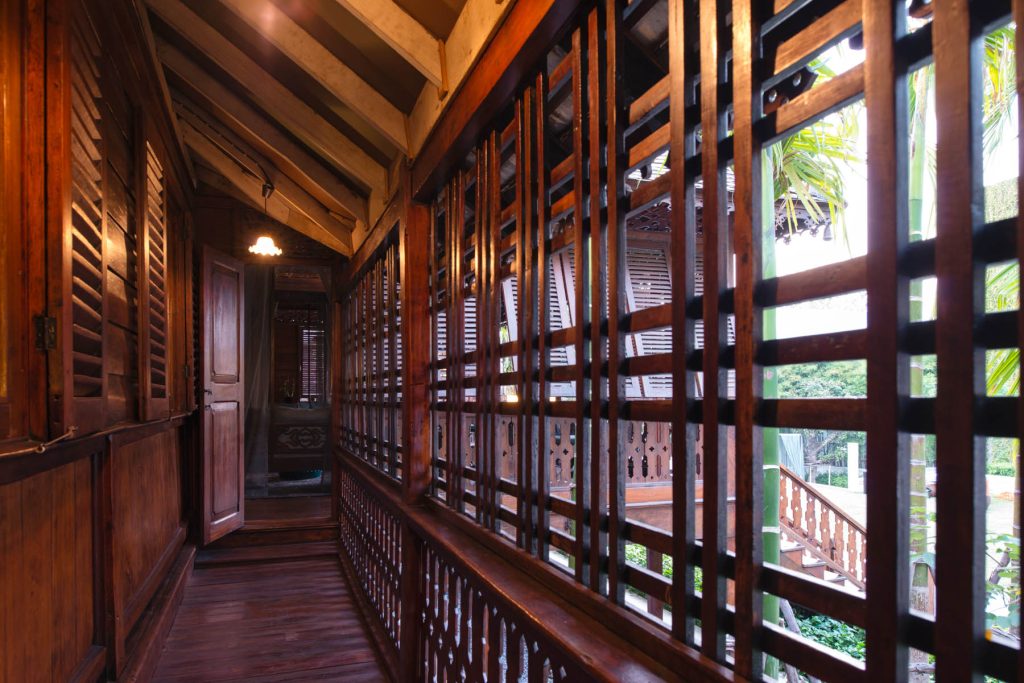
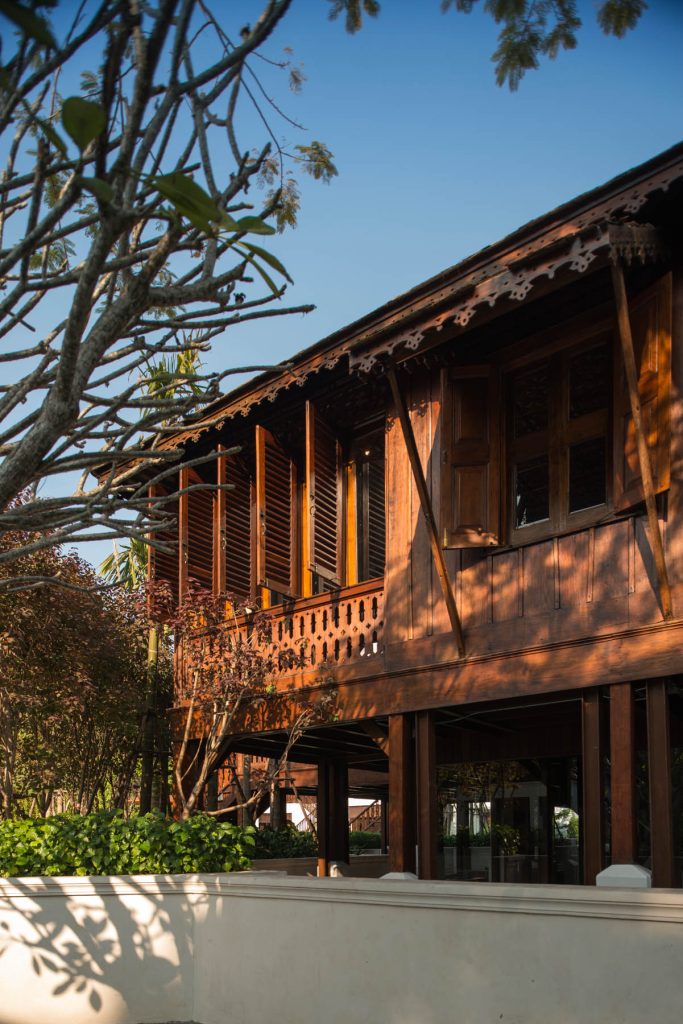
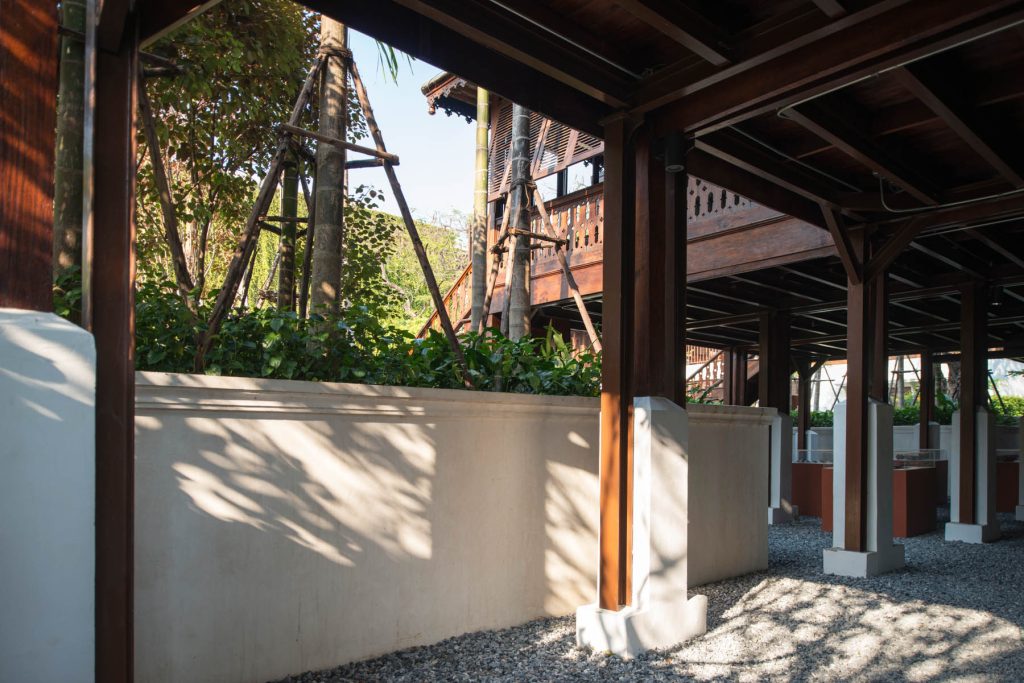
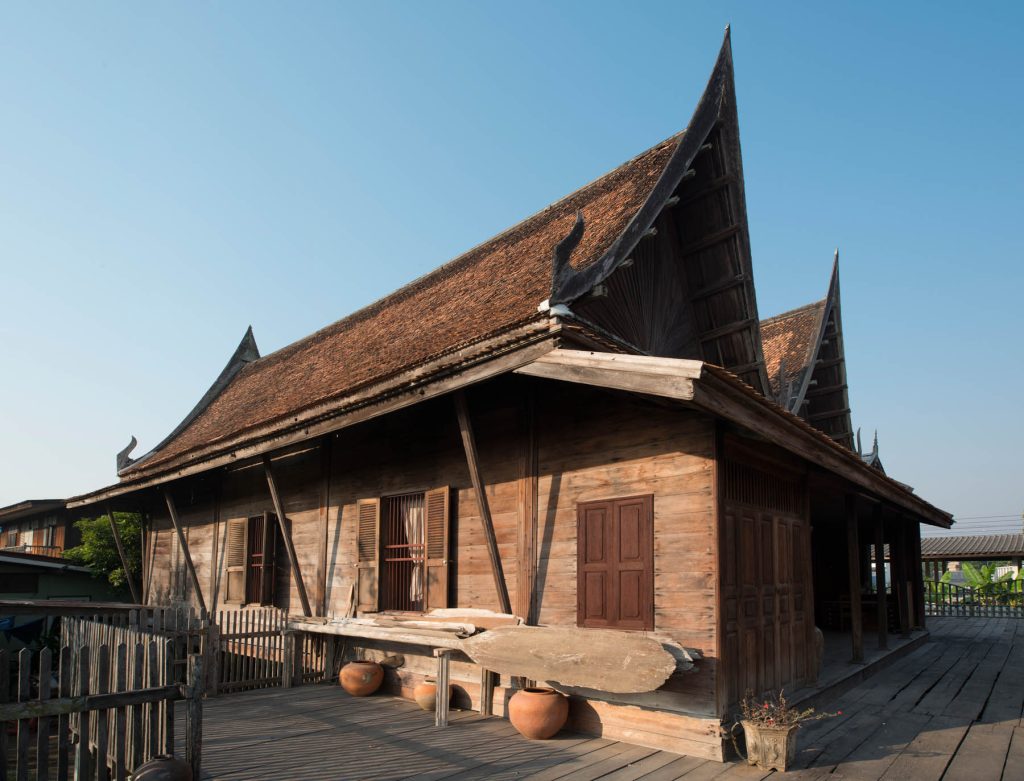
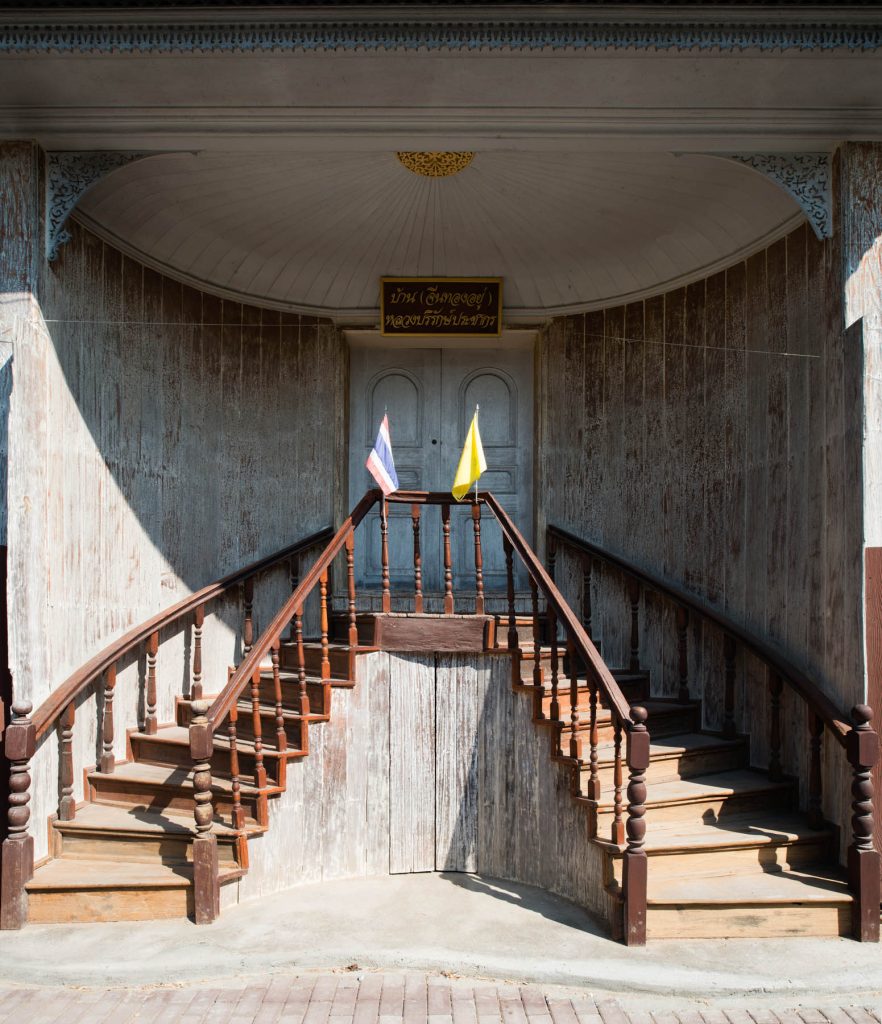
ตระกูลโสภโณดรเริ่มมาจากพ่อค้าชาวจีนสามคนคือ จีนทองอยู่ จีนบุญเย็น และจีนเต็ง ได้ร่วมกันก่อตั้งบริษัท กิมเซ่งหลี (มาจากแซ่ของทั้งสามท่าน) ทำกิจการผูกขาดการจัดเก็บภาษีอากรและทำการค้าตั้งแต่เมืองเชียงใหม่เรื่อยลงมาจนถึงนครสวรรค์ และได้ขยายกิจการต่าง ๆ มากมาย เช่น การทำป่าไม้ กิจการโรงสีทั่วประเทศ ลงทุนในกิจการธนาคารสยามกัมมาจล (ธนาคารไทยพาณิชย์) กิจการเรือเมล์จีนสยามทุนจำกัด รวมถึงกิจการค้าที่ฮ่องกงและซัวเถาอีกด้วย พ่อค้าชาวจีนทั้งสามคนได้ถวายงานในสมัยพระบาทสมเด็จพระจุลจอมเกล้าเจ้าอยู่หัว รัชกาลที่ 5 หลายประการจนได้รับพระราชทานบรรดาศักดิ์และได้รับพระราชทานนามสกุล โสภโณดร (แปลว่าทิศเหนือที่สวยงาม) ในสมัยรัชกาลที่ 6 เมื่อวันที่ 19 กันยายน พ.ศ. 2456 และพ่อค้าชาวจีนทั้งสามคนได้น้อมรับพระมหากรุณาธิคุณในการพระราชทานนามสกุลมาใช้ร่วมกันสืบต่อมาจนถึงปัจจุบัน ซึ่งบ้านตระกูลโสภโณดร ทั้งบ้านใต้และบ้านเหนือ อยู่ในชุมชนตรอกบ้านจีน ได้สร้างขึ้นในยุคของหลวงบริรักษ์ประชากร (ตังกวย) บุตรชายของจีนทองอยู่ ผู้ดูแลกิจการของกิมเซ่งหลีที่เมืองตาก
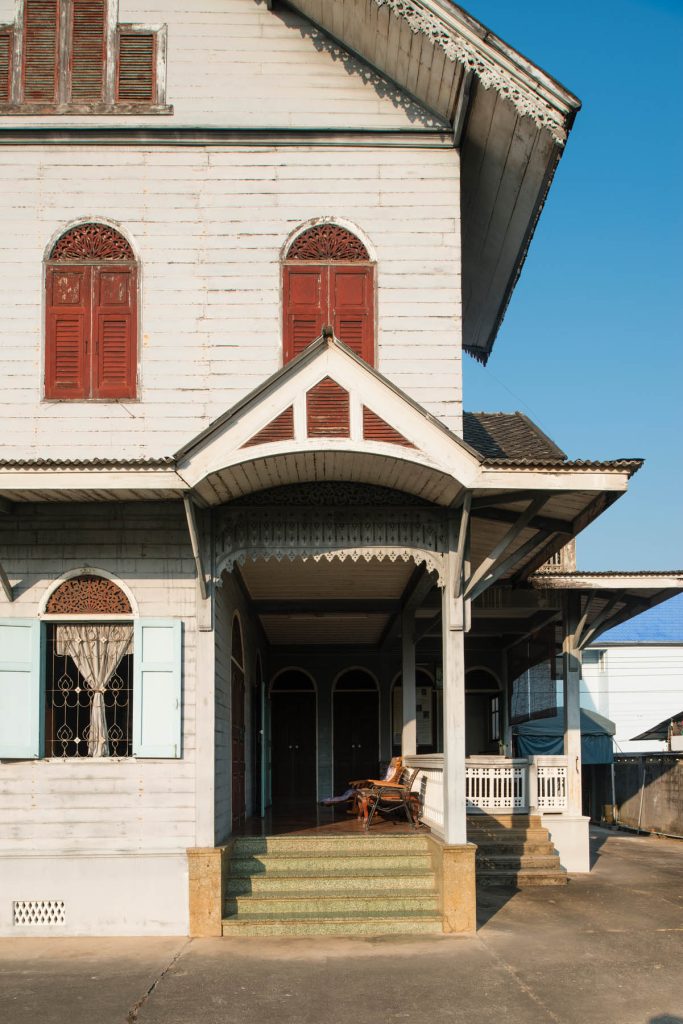
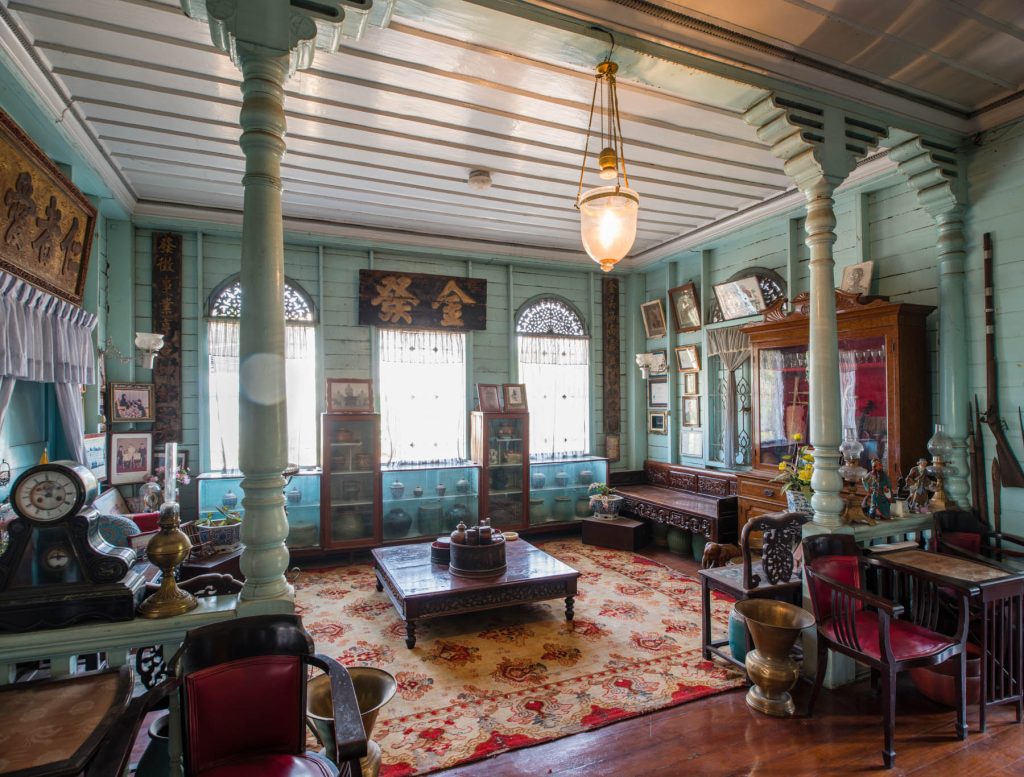
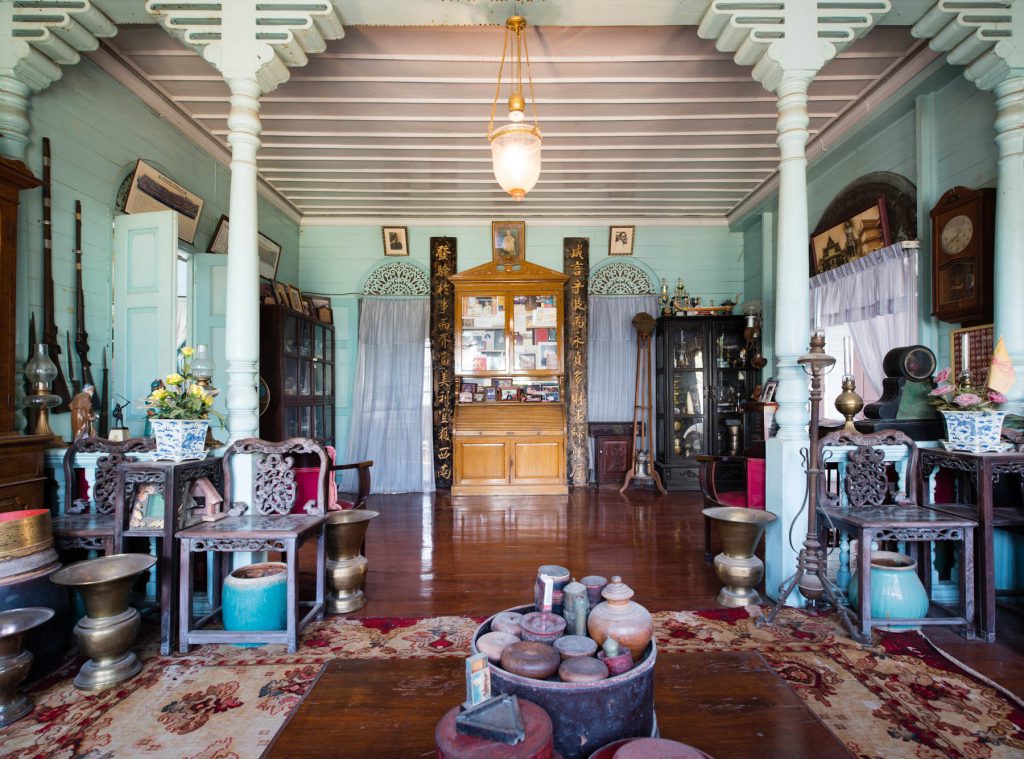
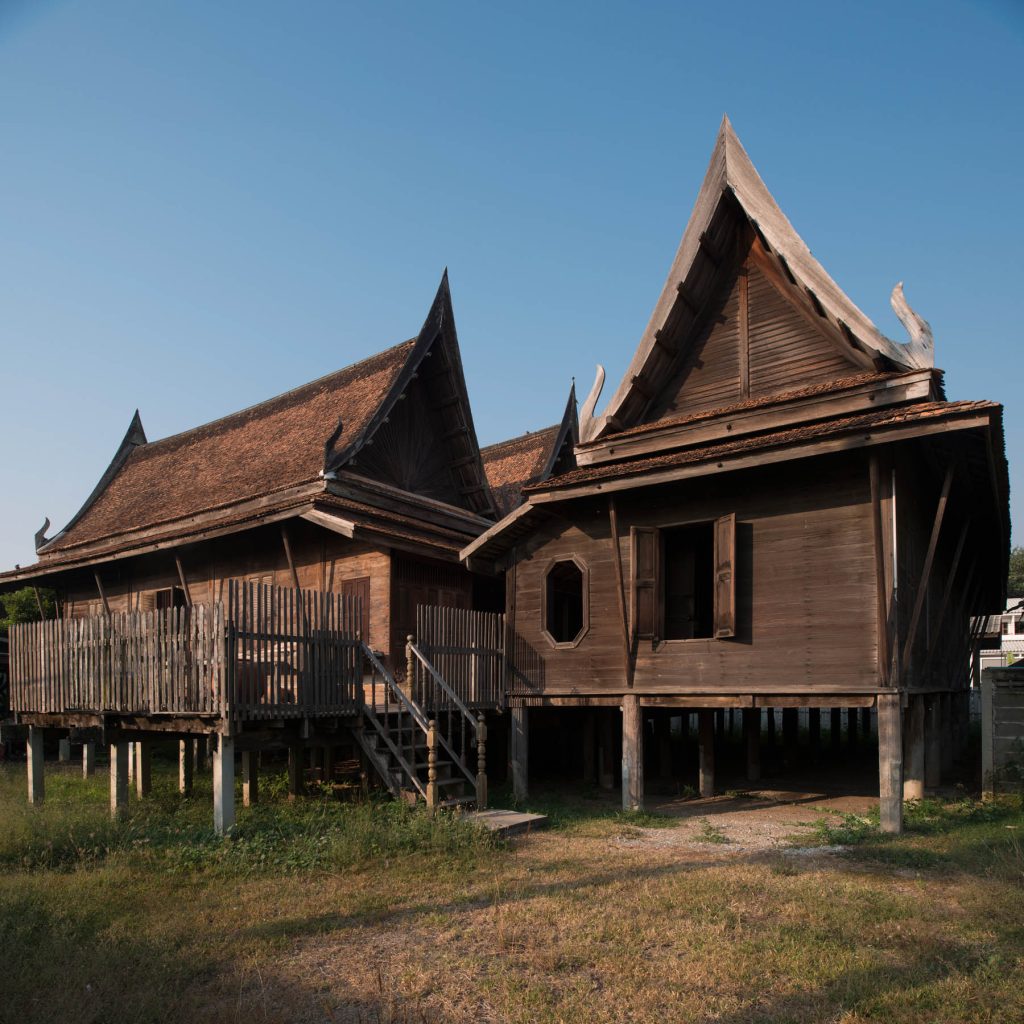
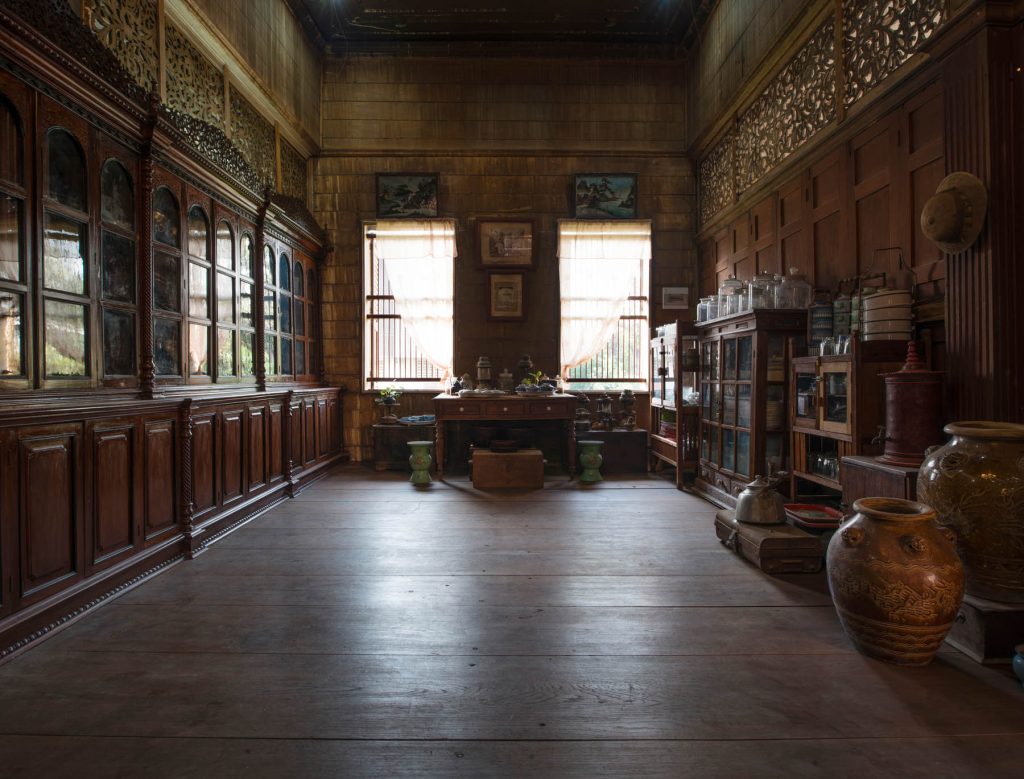
บ้านใต้ หรือบ้านเรือนใหญ่เป็นบ้านทรงไทยขนาดใหญ่ ประกอบด้วยเรือนหลายหลัง ได้แก่ เรือนนอนแฝดที่มีทางเดินผ่านกลางเรือนทั้งสอง เรือนครัว และเรือนทาส ทั้งหมดเชื่อมต่อกันด้วยชาน ลักษณะการวางผังเรือนขนานกับแนวถนนซอยตรอกบ้านจีนและแนวของแม่น้ำปิง หันหน้าบ้านเข้าหาถนนตรอกบ้านจีน มีซุ้มประตูโค้ง สวยงาม มีเอกลักษณ์ ใช้เป็นทางขึ้นลงไปยังท่าน้ำ เรือนทั้งหมดสร้างด้วยไม้สักและยึดองค์ประกอบต่าง ๆ เข้าด้วยกันตามเทคนิคโบราณ คือ ใช้เดือยสลัก หลังคาทรงจั่วสูง มุงกระเบื้องดินเผา หน้าจั่วและปั้นลมเป็นไม้แกะสลัก
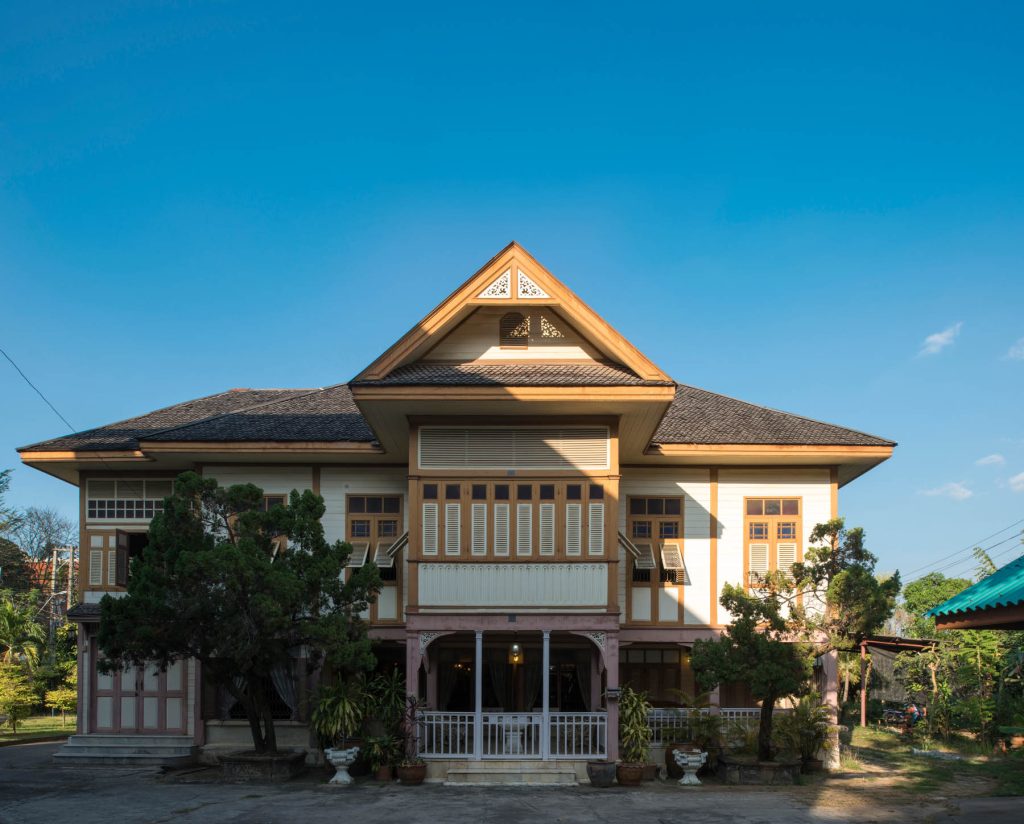
บ้านเหนือ เป็นอาคารไม้สองชั้น หลังคาทรงปั้นหยา ประดับด้วยไม้ฉลุตกแต่งเป็นลวดลายแบบตะวันตกอย่างเรือนขนมปังขิง โดยได้แรงบันดาลใจมาจากวังในกรุงเทพมหานครที่ท่านเจ้าของได้เห็นเมื่อเดินทางไปติดต่อค้าขาย ตัวบ้านเดิมทาสีเหลืองตามความเชื่อของชาวจีน ที่ว่าสีเหลืองเป็นสีแห่งความเจริญรุ่งเรือง ต่อมาบ้านเหนือได้ตกทอดมาสู่คุณสมจิตร โสภโณดร บุตรชายคนโตของหลวงบริรักษ์ประชากร (ตังกวย) ผู้ร่วมก่อตั้งธนาคารนครหลวงไทย และเป็นผู้จัดการสาขาตากเป็นคนแรก ได้ใช้บ้านเหนือเป็นสถานที่ตั้งสำนักงานของธนาคารนครหลวงไทย สาขาแรกในจังหวัดตาก และเมื่อบ้านเหนือตกทอดมาถึงเจ้าของปัจจุบันคือ คุณศรีศักดิ์ บุตรของคุณสมจิตร ได้มีการทาสีใหม่โดยเปลี่ยนเป็นสีฟ้าตามความชอบ
ตลอดระยะเวลาที่ผ่านมา เจ้าของบ้านตระกูลโสภโณดร – บ้านใต้และบ้านเหนือได้ดูแลรักษาอาคารไว้ได้เป็นอย่างดี แสดงให้เห็นถึงความตั้งใจในการอนุรักษ์มรดกทางสถาปัตยกรรมไทยที่มีเอกลักษณ์และคุณค่าของตรอกบ้านจีนให้แก่ลูกหลานสืบต่อไป
Sophanodorn Family Houses – Ban Tai (South House) and
Ban Nuea (North House)
- Location: No. 756 (South House) and No. 794 (North House) Trok Ban Chin, Taksin Road, Amphoe Mueang, Tak
- Proprietor: Srisak – Sriruan Sophanodorn
- Construction Date: South House 1901 – 1903, North House 1910 – 1912
- Architects/Conservation Designers: SOOK Architects Co.,Ltd.
- Conservation Awarded Date: 2013
- Category: Private residences
Sophanodorn family was originated by 3 Chinese merchants namely, Thongyu, Bunyen, and Teng, who jointly founded Kim Seng Lee Co.,Ltd. (Chinese family names of the 3 founders) which was the sole tax collector agent and trading company operating in the area from Chiang Mai to Nakhon Sawan. Their business thrived and expanded to include lumbering, rice mills throughout the country, and investments in businesses such as the Siam Commercial Bank, Chino-Siam Steam Navigation Ltd., and trading businesses in Hong Kong and Shantou. The 3 merchants’ businesses and services to King Rama V were recognized thus they were officially entitled and were given the surname “Sophanodorn” (the Beautiful North) by King Rama VI on 19th September 1913. The 3 merchants shared the same family name, which has been used by their descendants until today. The Sophanodorn Houses, both the Ban Tai and Ban Nuea, situated in Trok Ban Chin (Ban Chin Alley), were built in the time of Luang Borirakpracha (Tangkuai), Thongyu’s son, who was the manager of Kim Seng Lee in Tak Province.
Ban Tai (South House) or Main House is a large house of Thai traditional style comprising a group of several houses namely, twin bedroom houses, kitchen, and slaves house, all of which are connected by a deck. The house layout is parallel to the Trok Ban Chin alley and the Ping River, with the front facing the alley distinguished by a beautiful arch entrance gateway which is the access to the pier. All buildings are built of teakwood by ancient woodworking techniques of mortise and tenon joints. The roofs are high-pitched, with terracotta tiles, pediments and gable fascias are carved wood.
Ban Nuea (North House) is a 2-storey wooden house, hip roof, decorated with wood openwork designs of Western gingerbread house style inspired by palaces in Bangkok that the owner saw during his business trips. Originally, the house was painted yellow, the color of prosperity in Chinese beliefs. Later, the house was inherited by Mr. Somchit Sophanodorn, the eldest son of Luang Borirakprachakon (Tangkuai), one of the founders of Siam City Bank and the first manager of the Tak Branch of the Bank, who had the house used as the office of the first branch of the bank in Tak. Later, the house was handed down to Mr. Srisak, his son, who had the house repainted and changed the color to light blue.
Along the course of time, the owners of Sophanodorn Houses – Ban Tai and Ban Nuea, have carefully maintained the houses by intention to conserve these architectural heritage houses of Trok Ban Chin for future generations.
บ้านหลวงศรีนครานุกูล
อ่านเพิ่มเติม
บ้านหลวงศรีนครานุกูล
- ที่ตั้ง เลขที่ 133 ถนนเจริญเมือง อำเภอเมือง จังหวัดแพร่
- สถาปนิก/ผู้ออกแบบ หลวงศรีนครานุกูล
- ผู้ครอบครอง พงศ์ธร สุทธภักติ
- ปีที่สร้าง ประมาณ พ.ศ. 2460
- ปีที่ได้รับรางวัล พ.ศ. 2556
- ประเภท อาคารเคหสถานและบ้านเรือนเอกชน
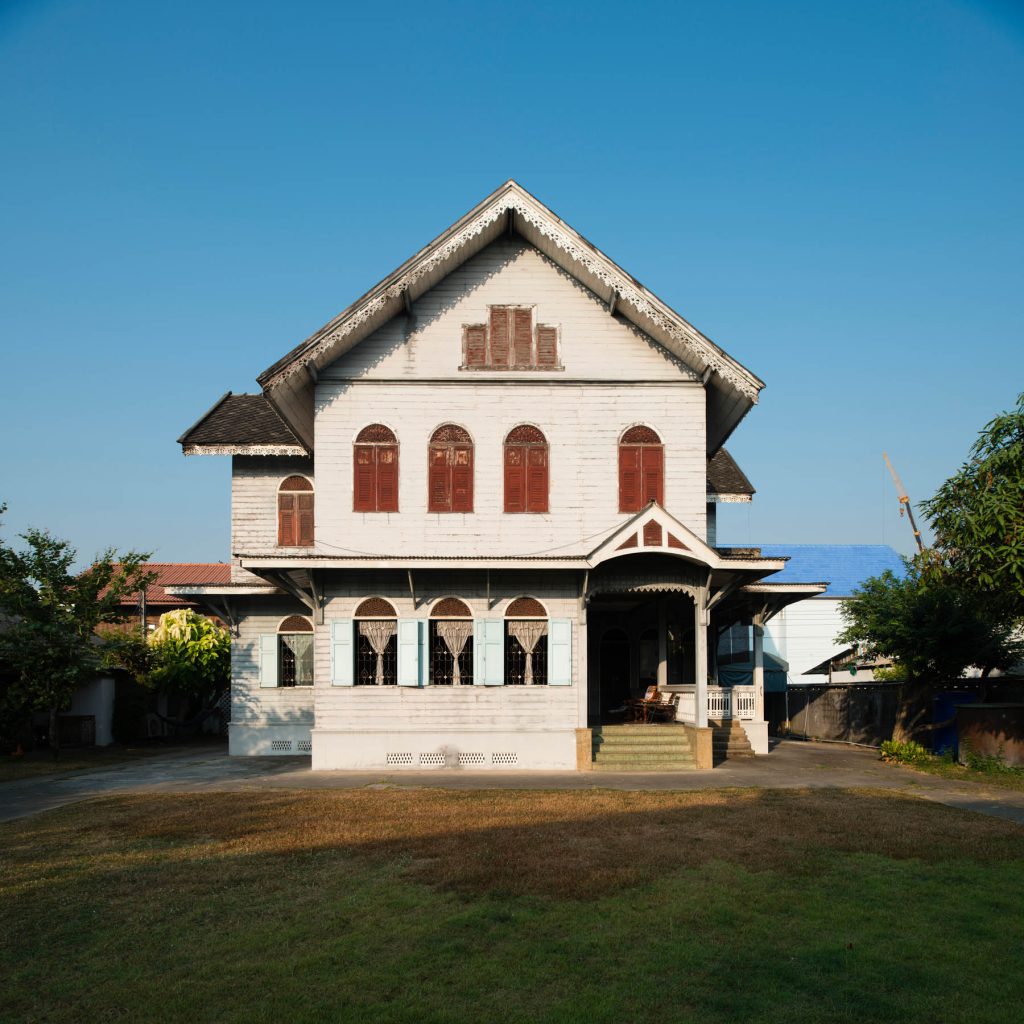
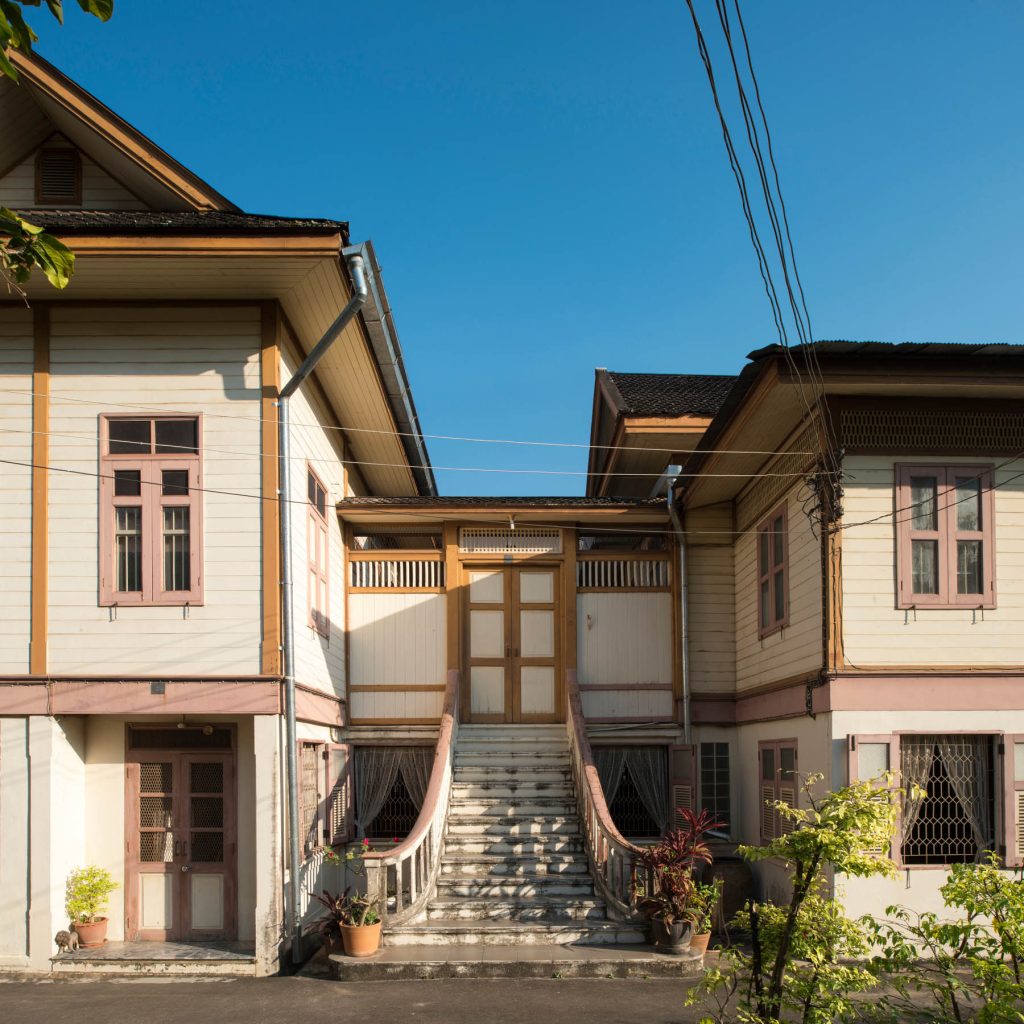
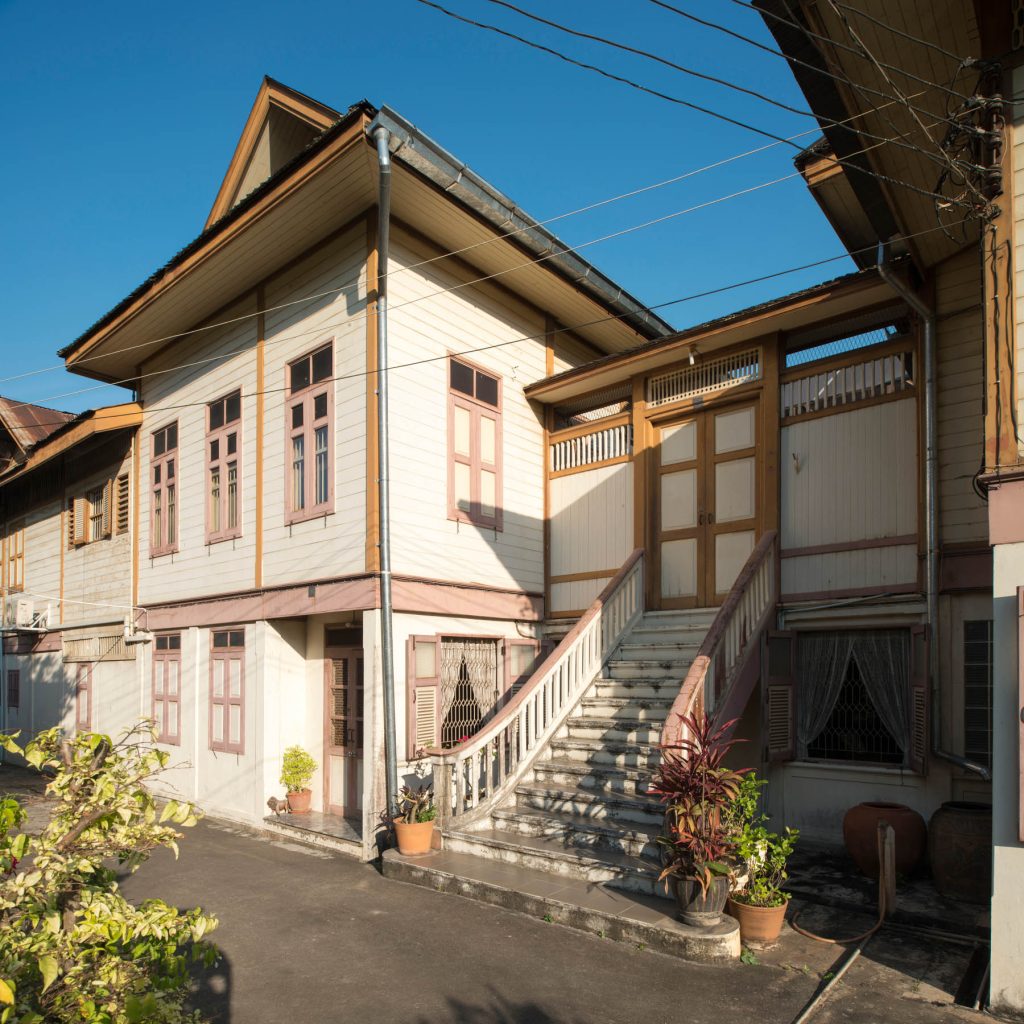
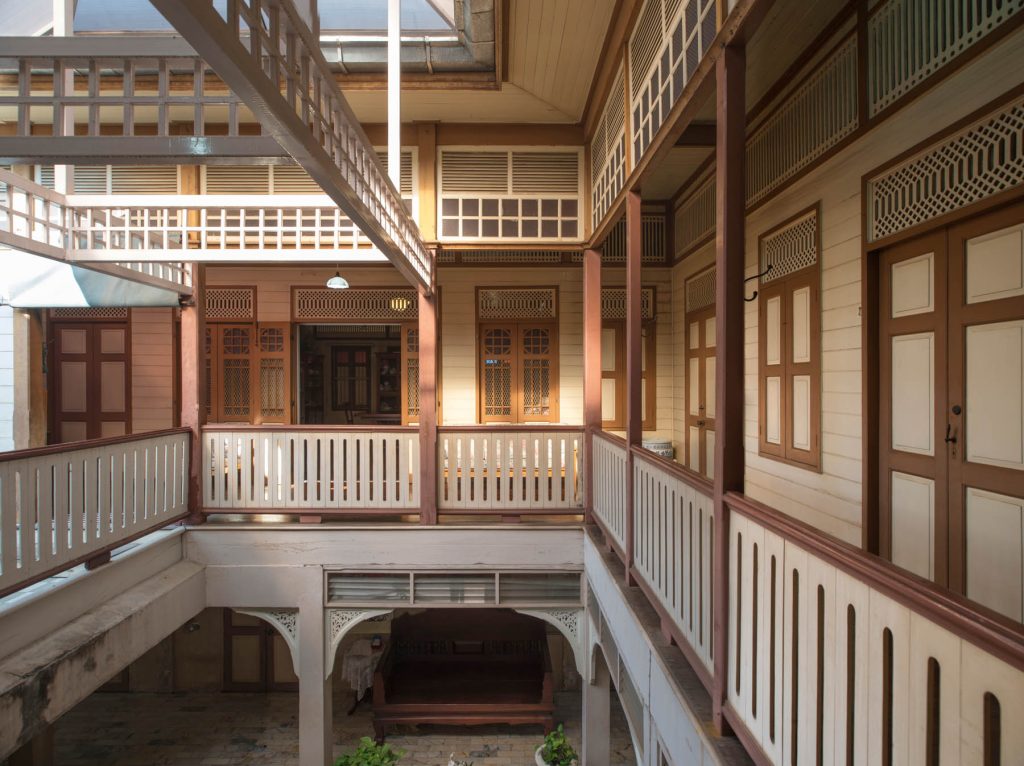
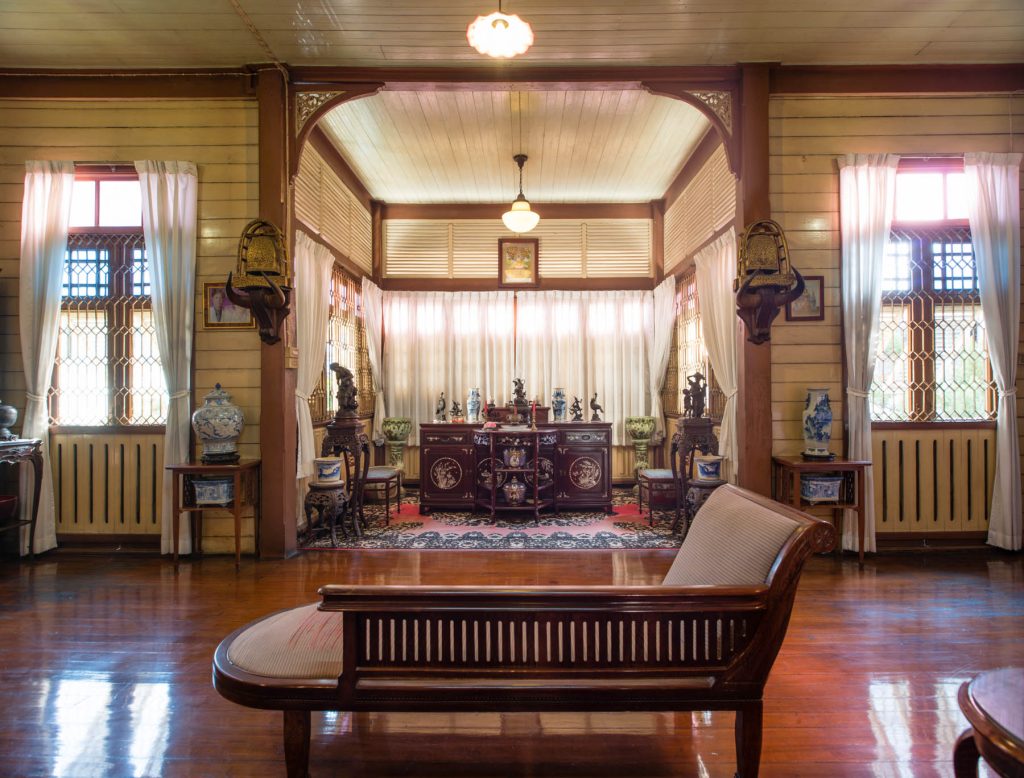
หลวงศรีนครานุกูล (เจียม สุทธภักติ) ออกแบบและสร้างบ้านหลังนี้ขึ้นเพื่อเป็นที่พักอาศัย บนที่ดินที่ได้รับมาจากพระยาคงคาสมุทรเพชรผู้เป็นพ่อตา ช่างทำตัวบ้านเป็นชาวจีนฮกเกี้ยน ช่างตกแต่งและทำเครื่องเรือนเป็นชาวจีนเซี่ยงไฮ้ และช่างแรงงานทั่วไปเป็นชาวเมืองแพร่ ฝีมือประณีตเรียบร้อยสวยงามเพราะช่างจีนมีฝีมือการก่อสร้างมาก ท่านละเอียดถี่ถ้วนในการควบคุมการก่อสร้างและเลือกไม้เองทุกชิ้น ไม่ใช้ไม้ที่มีกระพี้ตาไม้เลย และผึ่งไม้อยู่ถึง 10 ปีเพื่อให้แห้งสนิท ทำให้ทั้งตัวเรือนและเฟอร์นิเจอร์ได้รับการสร้างขึ้นอย่างดีและสวยงาม อีกทั้งมีกลไกการปิดเปิดที่ซับซ้อนเกินกว่าช่างฝีมือชาวพื้นเมืองจะทำได้ อาคารเป็นบ้านไม้สัก 2 ชั้น หลังคามุงแป้นเกล็ดไม้สัก ชั้นล่างเป็นห้องโถงโล่ง ห้องเก็บของ และห้องน้ำ ชั้นบนเป็นโถงนั่งเล่นและห้องนอน โถงด้านหลังเชื่อมต่อกับนอกชาน
จากที่หลวงศรีนครานุกูลเคยอาศัยอยู่ในกรุงเทพมหานคร มีโอกาสได้เห็นวังและบ้านเรือนเจ้านายจำนวนมาก ประกอบกับมีความสามารถในการออกแบบ จึงได้นำรูปแบบเหล่านั้นมาออกแบบบ้านหลังนี้ อีกทั้งยังมีการนำมาประยุกต์ใช้ผสมผสานกันจนเป็นลักษณะเฉพาะ เช่น ฝาไม้ด้านนอกตัวเรือนที่เป็นฝา 2 ชั้น ชั้นในตีตั้ง ชั้นนอกตีนอนเพื่อความแข็งแรง ช่องตรงกลางยัดด้วยขนสัตว์เพื่อเป็นฉนวน ท่านไม่ใช้ไม้หน้าใหญ่ทำพื้นแม้จะทำได้ แต่ให้เลื่อยไม้ให้เหลือหน้าไม้เพียง 4 เข้าลิ้นอัดแน่น เพื่อให้พื้นอัดแน่นสนิท ราดน้ำไม่หยดลงชั้นล่าง เดินไม่สั่นไม่สะเทือนเหมือนหลังอื่น เฟอร์นิเจอร์ที่สร้างพร้อมตัวเรือนทั้งลอยตัวและติดตาย มีรูปแบบสัดส่วนสวยงามฝีมือประณีต ทั้งยังมีโต๊ะทำงานมีฝาปิดเปิดได้พร้อมระบบล็อค มีการเตรียมการป้องกันอัคคีภัยโดยการต่อท่อเหล็กจากถังเก็บน้ำบนหลังคา และการขุดสระน้ำไว้ข้างบ้านเพื่อจะได้นำเครื่องเรือนทิ้งลงสระเมื่อเกิดอัคคีภัย
เมื่อสิ้นหลวงศรีนครานุกูลในปี พ.ศ. 2506 บ้านและที่ดินได้ตกทอดสู่บุตรสาว คือนางสาวสุธีร สุทธภักติ ท่านได้บำรุงรักษาบ้านมาอย่างต่อเนื่อง มีการซ่อมแซมทาสีใหม่ 2 ครั้ง เปลี่ยนแป้นเกล็ดมุงหลังคาตัวเรือนใหญ่เมื่อ พ.ศ. 2526 โดยใช้แป้นเกล็ดไม้สักตามแบบเดิม ถึงพ.ศ. 2534 บ้านตกทอดสู่นายพงศ์ธร สุทธภักติ ทายาทรุ่นที่ 3 ท่านดูแลรักษาและพยายามคงสภาพเดิมไว้ไม่เปลี่ยนแปลง ทั้งตัวอาคาร เครื่องเรือน และของประดับตกแต่งอาคาร ได้มีการแก้ไขบางจุดของตัวบ้านที่ได้ถูกดัดแปลงไปก่อนยุคของท่าน ด้วยความต้องการจะปรับปรุงให้เป็นรูปแบบเดิมตามความทรงจำให้มากที่สุด เพื่อเป็นการรักษาสืบทอดผลงาน ยกย่องเชิดชูและประกาศเกียรติภูมิของหลวงศรีนครานุกูลซึ่งเป็นที่เคารพรักของลูกหลานและบริวาร และส่งต่อให้กับทายาทรุ่นต่อไป และให้บ้านคงอยู่คู่เมืองแพร่สืบไปตราบนานเท่านาน
Luang Sinakharanukun’s House
- Location: No.133 Charoen Mueang Road, Amphoe Mueang, Phrae
- Architect/Designer: Luang Sinakharanukun
- Proprietor: Phongthon Sutthaphakti
- Construction Date: c.1917
- Conservation Awarded Date: 2013
- Category: Private residences
Luang Sinakharanukun (Chiam Sutthaphakti) designed and built this house as his residence on the land given to him by Phraya Khongkhasamutphet, his father-in-law. The house was built by Chinese builders from Fujian, decorations and furniture were made by craftsmen from Shanghai, and laborers were the natives of Phrae. The fine workmanship of the house is remarkable due to the craftsmen’s skills and the meticulous supervision of the owner who selected each piece of wood by himself so that the wood used was without any soft spots or knots, then the wood was air dried for 10 years to be completely dry. Consequently, the house and furniture were very well-built and beautiful, having sophisticated mechanisms for closing and opening that exceeded the skills of local craftsmen. The house is 2-storey, roofed with teakwood shingles; the lower floor consists of an open hall, storage, and restroom; the upper floor is a living hall and bedrooms; the rear of the hall is connected to a deck.
The experience of Luang Sinakharanukun who used to live in Bangkok and had opportunities to see many palaces and houses of high-ranked officials combined with his talent in design made him create this house with several unique features. The walls, for example, are double walls made of wood planks laid vertically on the interior and horizontally on the exterior, the gap between these 2 walls was filled with felts for insulation. The floors, instead of using large planks, he had the planks sewn to 4” wide for paving the floors with tongue-and-groove technique to make the planks tightly fit until watertight and immoveable. As for furniture, both free-standing and built-in ones are beautifully designed and made, including a working desk that has a special locking mechanism. Fire prevention system has been provided by water supply from rooftop tank, and the pond is dug beside the house so that furniture could be thrown into the pond in case of fire.
When Luang Sinakharanukun passed away in 1963, the house and land were inherited by his daughter, Miss Suthi Sutthiphakti, who had maintained the house. The house was repainted 2 times and had roof shingles changed in 1983 with teakwood shingles as original. In 1991, the house was transferred to Mr. Phongthon Sutthaphakti, the 3rd generation heir who also tried to preserve the original features of the house, furniture, and decorations. He also had some altered parts reconstructed to original designs as in his memory to commemorate the work of Luang Sinakharanukun who is loved and respected by his descendants and subordinates, and to conserve the house to last as an important cultural heritage of Phrae to future generations.
บ้านหลวงอำนาจจีนนิกร
อ่านเพิ่มเติม
บ้านหลวงอำนาจจีนนิกร
- ที่ตั้ง เลขที่ 3621 ซอยกลป้อมค่าย ถนนวชิรปราการ ตำบลบางปลาสร้อย อำเภอเมืองชลบุรี จังหวัดชลบุรี
- สถาปนิก/ผู้ออกแบบ หลวงอำนาจจีนนิกร (ฮั้ว บุปผเวส) และช่างไม้พื้นบ้าน
- ผู้ครอบครอง นันทพร ศานติเกษม
- ปีที่สร้าง ก่อน พ.ศ. 2424
- ปีที่ได้รับรางวัล พ.ศ. 2556
- ประเภท อาคารเคหสถานและบ้านเรือนเอกชน
บ้านหลวงอำนาจจีนนิกร ปลูกสร้างขึ้นโดย หลวงอำนาจจีนนิกร (ฮั้ว บุปผเวส) เพื่อใช้อยู่อาศัยร่วมกับอำแดงพริ้ง ภรรยาคนที่สองของท่านภายหลังจากคุณอิ่มภรรยาคนแรกถึงแก่กรรม หลวงอำนาจจีนนิกรเป็นผู้มีฐานะมั่งคั่งจากการประกอบกิจการทำการประมง ได้รับการแต่งตั้งเป็นนายอากร (เก็บภาษีบ่อนเบี้ย) และปรากฏหลักฐานจากโฉนดที่ดินว่าท่านดำรงตำแหน่งเป็นผู้ใหญ่บ้านอีกด้วย นอกจากนี้หลวงอำนาจจีนนิกรยังเกี่ยวดองมีศักดิ์เป็นน้าเขยของเจ้าพระยาเทเวศร์วงศ์วิวัฒน์ (ม.ร.ว.หลาน กุญชรฯ) ผ่านทางคุณอิ่มภรรยาคนแรก ทำให้ในอดีตบ้านหลังนี้ได้เคยต้อนรับเจ้านายและข้าราชการชั้นผู้ใหญ่หลายท่าน ครั้งที่สำคัญที่สุดคือการเสด็จมาของสมเด็จเจ้าฟ้ากรมพระยานริศรานุวัติวงศ์เมื่อประมาณ พ.ศ. 2473
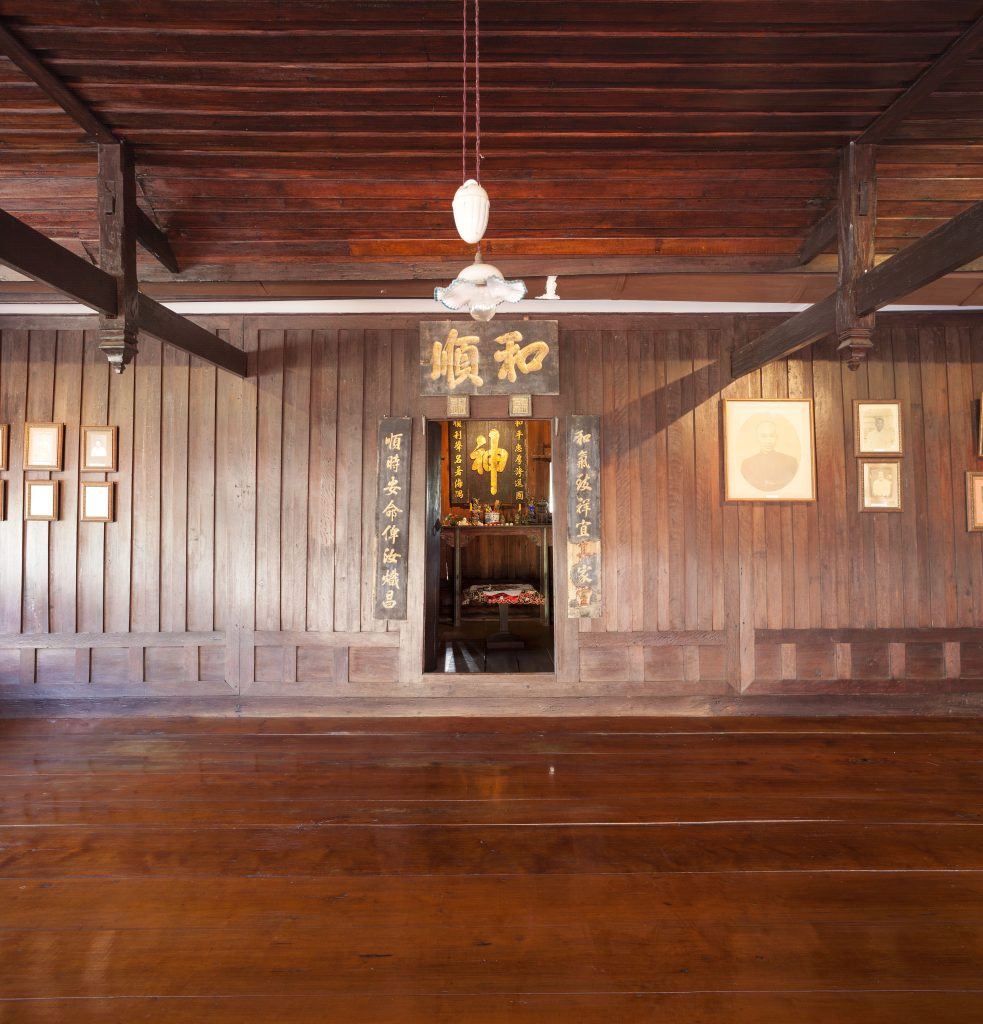
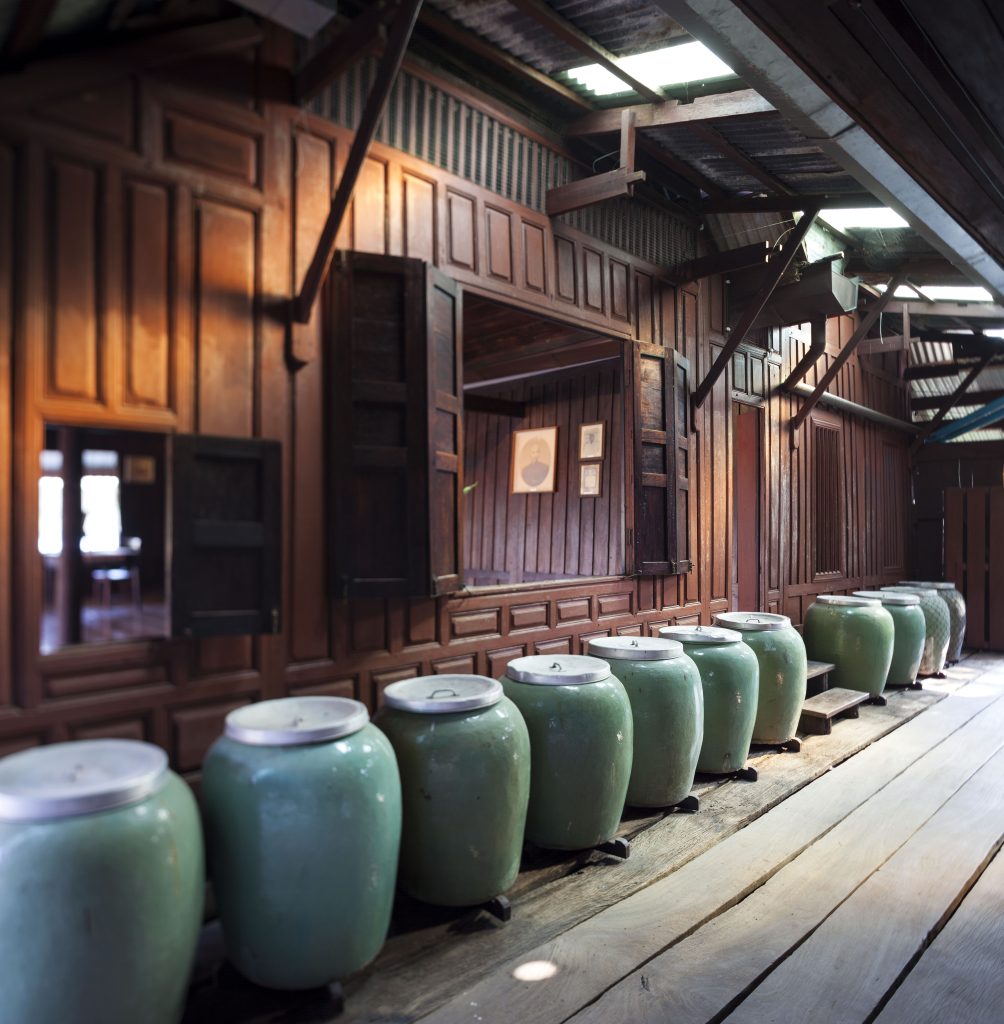
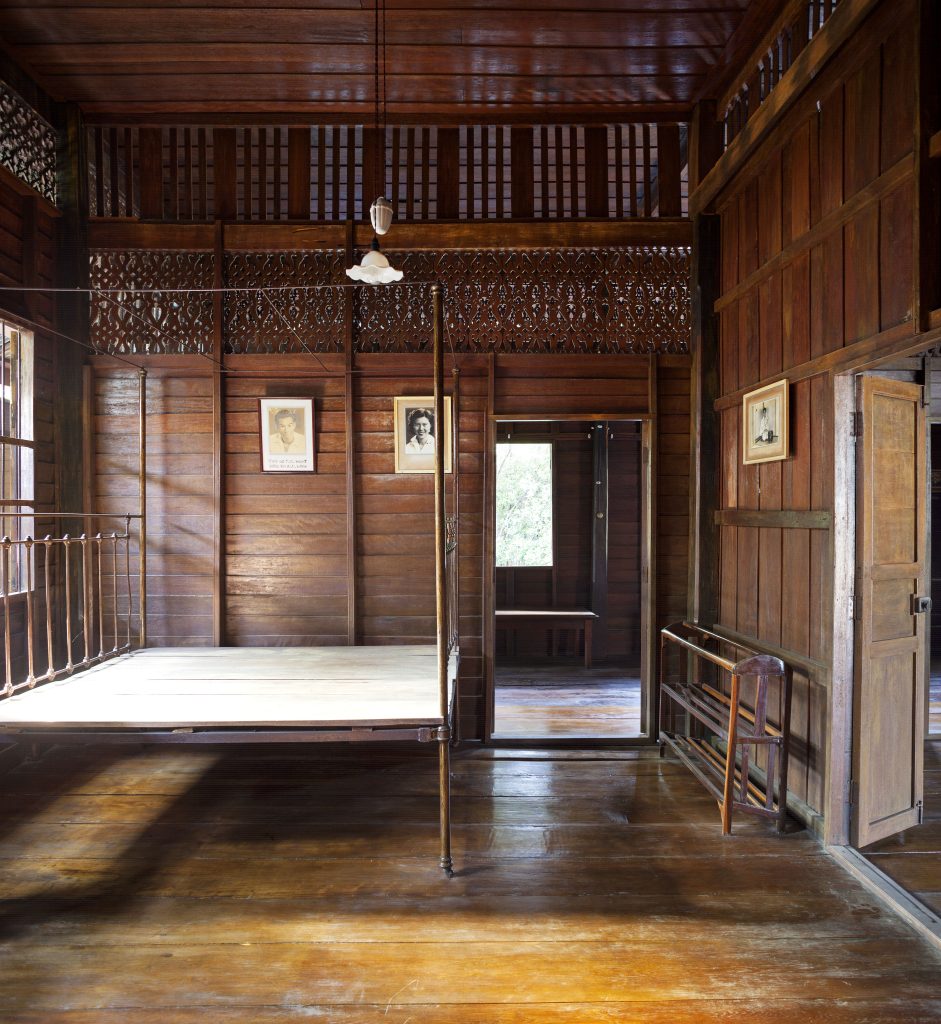
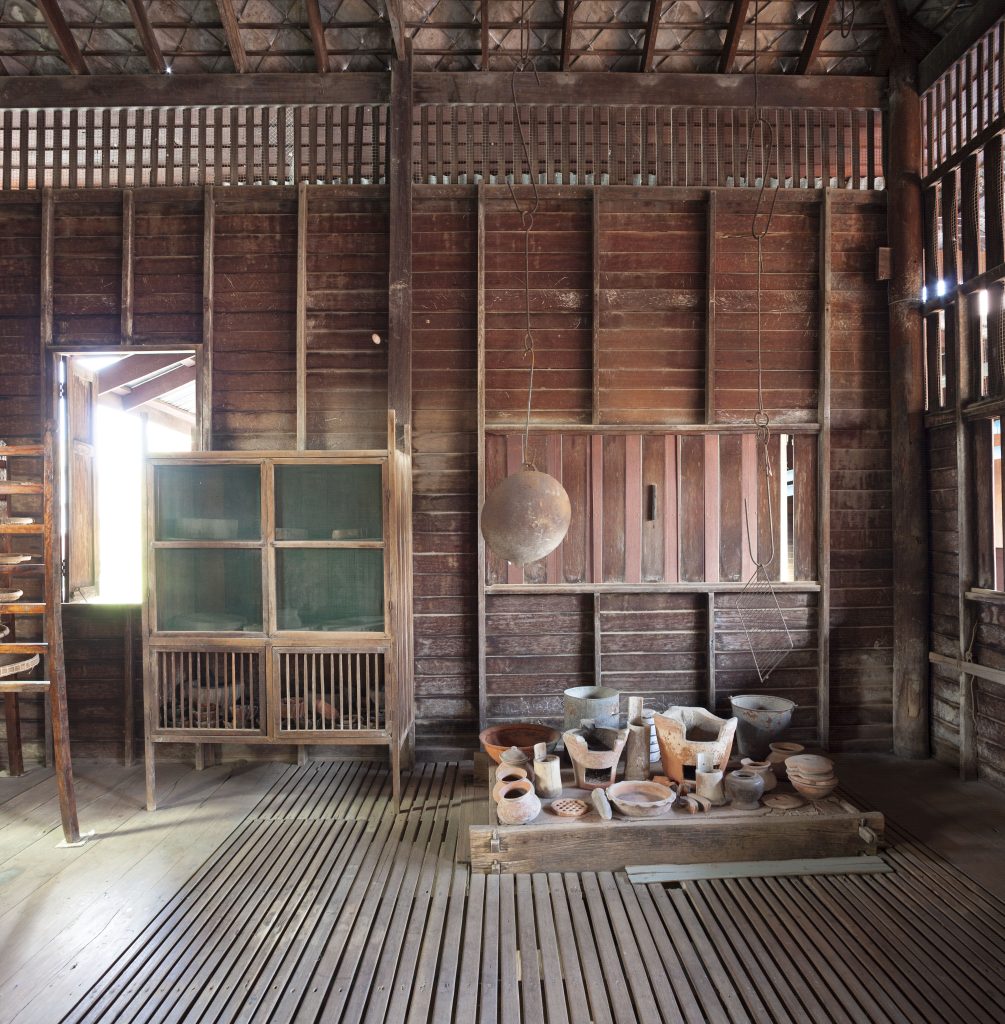
บ้านหลวงอำนาจจีนนิกรมีลักษณะเป็นบ้านเรือนไทยสามหลังสร้างล้อมนอกชานที่อยู่ตรงกลางตัวบ้านมีลักษณะเป็น “บ้านสะพาน” คือ ปลูกสร้างอยู่ในทะเล ใต้ถุนบ้านเป็นเลนที่น้ำทะเลขึ้นถึงแม้กระทั่งในปัจจุบัน ต่างกันก็แต่เพียงในอดีตมีสะพานไม้ยาวนับร้อยเมตรทอดจากพื้นดินมายังบ้านหลังนี้ ในปัจจุบันทางเทศบาลได้รื้อสะพานออกแล้วสร้างเป็นถนนซอยขึ้นแทน ซุ้มประตูทางเข้าบ้านเป็นแบบจีนตั้งอยู่ทางทิศเหนือของนอกชาน เรือนประธานอยู่ทางด้านทิศตะวันออกหลังคาเป็นทรงไทย เรือนอีกสองหลังหลังคาปั้นหยาอยู่ทางด้านทิศใต้และทิศตะวันตกของนอกชานตามลำดับ ตัวบ้านเป็นไม้เนื้อแข็ง ได้แก่ ไม้สัก ไม้ตะแบก ไม้ประดู่ และไม้แดง เสาทุกต้นยาวเป็นพิเศษเนื่องจากฐานรากเป็นเลน เสาและไม้กระดานแต่ละแผ่นไม่มีรอยต่อ ไม่ใช้ตะปู มีลักษณะเป็นเรือนเครื่องสับทั้งหมด เรือนไทยหน้าจั่วเป็นแบบใบปรือ ฝาผนังเป็นฝาเข้าลิ้นไม้แบบฝาสายบัว หลังคาเรือนมุงด้วยกระเบื้องลอน กระเบื้องว่าว และสังกะสี ตัวเรือนด้านทิศใต้เป็นบานเฟี้ยมไม้พับเปิดได้ตลอดทั้งแนวทำให้รับลมได้เต็มที่ ห้องด้านในเรือนประธานมีโต๊ะบูชาแบบจีน มีป้ายสลักว่าเป็นห้องเก็บสิ่งล้ำค่า และมีป้ายคำกลอนมงคลแกะสลักด้วยไม้แบบเดียวกันที่หน้าประตู แปลโดยรวมหมายถึงความราบรื่นรุ่งเรือง สามัคคีและมีชื่อเสียงโด่งดังตลอดชายฝั่งสยามประเทศ
บ้านหลวงอำนาจจีนนิกรได้ตกทอดลงสู่บุตรชายและสะใภ้ของท่าน คือ นายชำนาญ-นางหยี่
บุปผเวส และครอบครัวใช้อยู่อาศัยตลอดมาจนกระทั่งนางหยี่ บุปผเวสถึงแก่กรรมใน พ.ศ. 2529 บ้านหลวงอำนาจจีนนิกรจึงขาดผู้อยู่อาศัย จนกระทั่งใน พ.ศ. 2553 เมื่อบ้านรกร้างทรุดโทรมลงมาก นางนันทพร ศานติเกษม ทายาทของ นายชำนาญ-นางหยี่ บุปผเวส ซึ่งเป็นนักเขียนนวนิยาย นามปากกา “ปิยะพร ศักดิ์เกษม”
มีผลงานเป็นที่รู้จัก ได้รับรางวัลพระราชทานด้านงานเขียนมาแล้วหลายรางวัล ได้ทำการซ่อมแซมโดยอนุรักษ์ให้คงสภาพตามแบบเดิมทุกประการเพื่อรักษาสภาพการเป็น “บ้านสะพาน” แบบดั้งเดิมที่มีความสมบูรณ์เพียงหลังเดียวซึ่งเหลืออยู่ในชุมชน ทั้งยังเป็นบ้านเก่าแก่ที่มีประวัติด้วยเรื่องราวในตัวของมันเองและรูปแบบสถาปัตยกรรม การซ่อมแซมนี้ได้เพิ่มเติมเพียงห้องน้ำเพื่อให้สะดวกแก่ผู้มาใช้สถานที่และเพิ่มฉากกั้นหน้าประตูเพื่อความปลอดภัยเท่านั้น ปัจจุบันบ้านหลวงอำนาจจีนนิกรใช้เป็นที่จัดประชุมสัมมนาของกลุ่มนักจัดกิจกรรม ใช้ถ่ายภาพ ถ่ายรายการโทรทัศน์ ใช้เป็นสถานที่ศึกษาปฏิบัติธรรม ใช้ประกอบงานบุญต่าง ๆ ทั้งของครอบครัวและชุมชน
Luang Amnatchinnikon’s House
- Location: No. 3621 Soi Kon Pom Khai, Wachiraprakan Road, Tambon Bang Pla Soi, Amphoe Mueang Chon buri, Chon Buri
- Architect/Designer: Luang Amnatchinnikon (Hua Bupphawet) and local carpenters
- Proprietor: Nanthaphon Santikasem
- Construction Date: Before 1881
- Conservation Awarded Date: 2013
- Category: Private residences
Luang Amnatchinnikon’s House was built by Luang Amnatchinnikon (Hua Bupphawet) as a residence for himself and Amdaeng Phring, his second wife after his first wife passed away. Luang Amnatchinnikon built his wealth from fishery and was assigned to the post of Tax Collector (who collected tax from casinos), and, according to records in land deeds, he was also the Village Headman and was related to Chao Phraya Thewetwongwiwat (M.R. Lan Kunchorn) as uncle-in-law through Mrs. Im, his first wife. Consequently, this house received many important guests such as royal family members and high-ranked officials, including Prince Krommaphraya Narisara Nuwadtiwong who visited the house around the year 1930.
Luang Amnatchinnikon’s House features a group of 3 traditional Thai houses built around an open deck. It is located in the sea, the area which is called “Ban Saphan” (bridge house), therefore, the underfloor is muddy area where the sea rises daily until the present. In the past, there was a wooden bridge of approximately 100 metres long stretching from the land to the house but, at present, the bridge was removed and replaced with an alley. The entrance gateway is Chinese style located to the north of the deck; the main house is with Thai traditional style roof located to the east; 2 other houses are to the south and the east successively. These houses are built of hard wood e.g. teak, tabaek (Lagerstroemia floribunda Jack), Burmese rosewood (Pterocarpus macrocarpus Kurz), red wood; the columns are exceptionally long because the ground is muddy; all wood elements are joined by wood jointing techniques without nails. Pediments are overlapped planking style, walls are wooden planks laid vertically, roofing materials are asbestos sheets, rhombus cement tiles, and corrugated zing sheets. The south side of the house can be fully opened with folded door panels. In the main house there is a Chinese style table altar decorated with signboards carved in Chinese characters meaning “room for keeping treasures”, and auspicious poems signboards hung on both sides of the door, meaning smooth, prosperity, unity, and fame throughout the coast of Siam.
Luang Amnatchinnikon’s House was handed down to his son and daughter-in-law, Mr. Chamnan – Mrs. Yi Bupphawet and had been the family’s home until Mrs. Yi passed away in 1986 then the house was abandoned. In 2010, the house was in a seriously deteriorated condition thus Mrs. Nanthaphon Santikasem, heir to Mr. Chamnan and Mrs. Yi, a famous writer under the pen name “Piyaphon Sakkasem” who won several writing awards, had the house restored, intending to conserve the original features of the only one “Bridge House” that remains in the community thus it is historically and architecturally valuable. The restoration included a few additions including new restrooms to facilitate visitors and a screen in front of the door for safety. At present, this house is used as a gathering place for activities, a venue for photographing and movie making, a place for Buddhist religious practice, and a place for merit-making events of the family and community members.
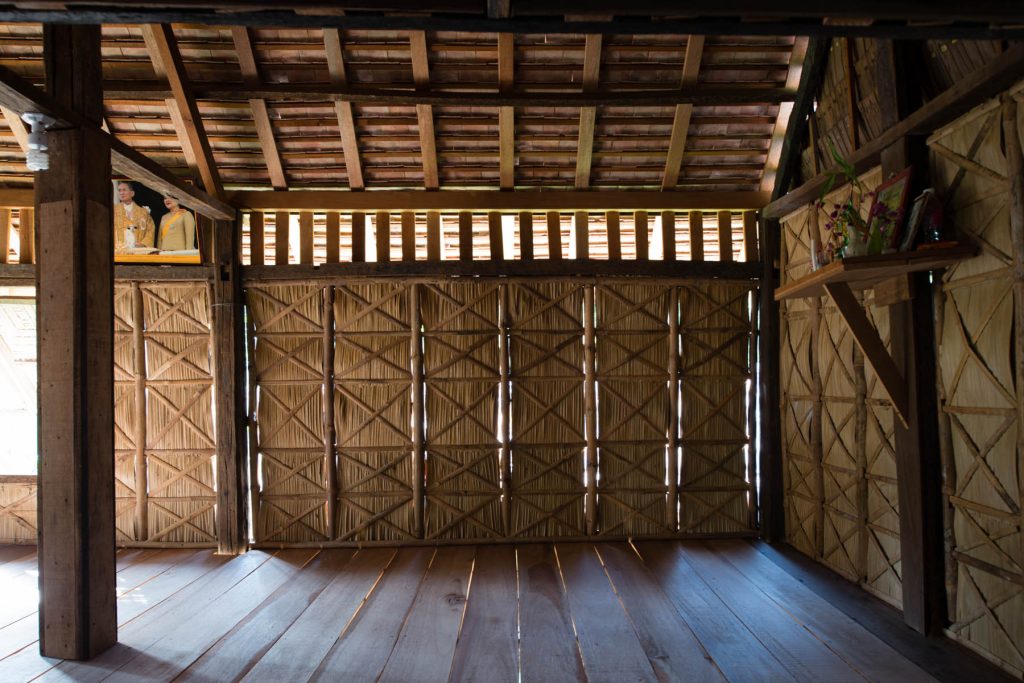
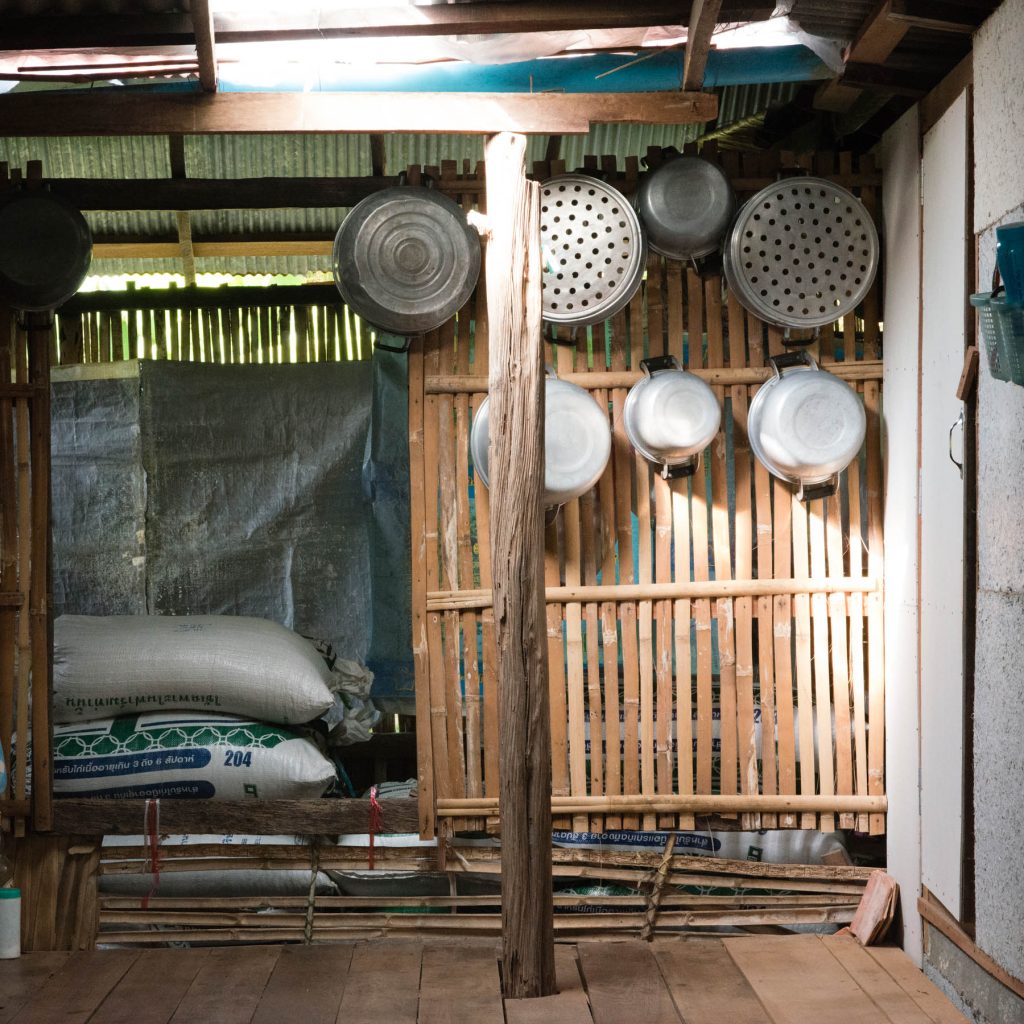
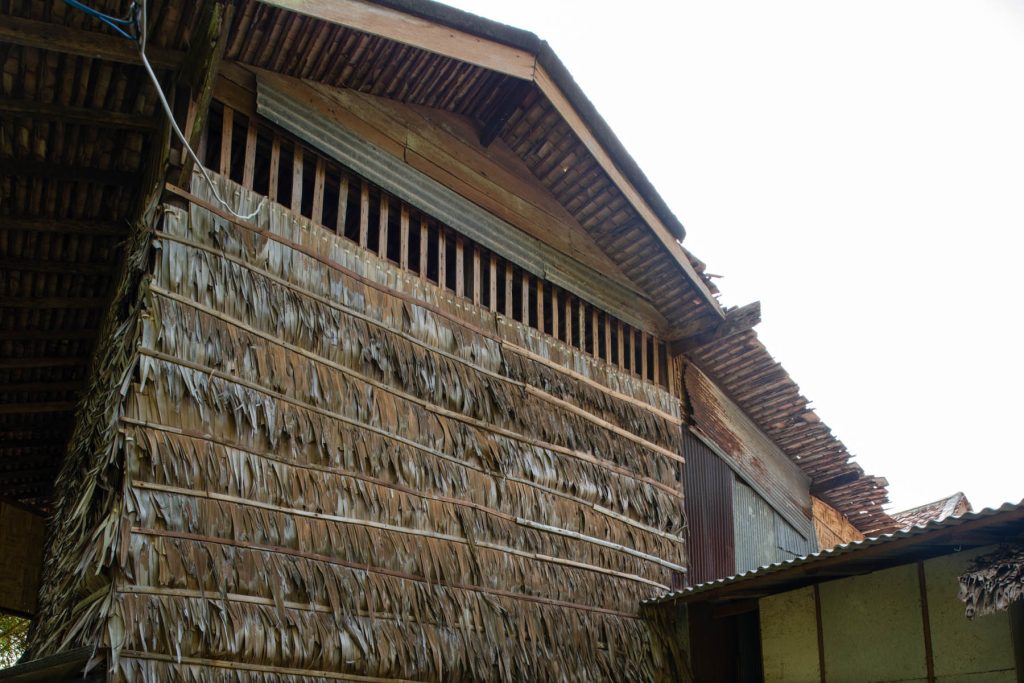
บ้านใบตาล (โตนด)
อ่านเพิ่มเติม
บ้านใบตาล (โตนด)
- ที่ตั้ง เลขที่ 40 หมู่ 6 ตำบลรำแดง อำเภอสิงหนคร จังหวัดสงขลา
- ผู้ครอบครอง อุบล บุญรัตน์
- ปีที่สร้าง ประมาณก่อน พ.ศ. 2456
- ปีที่ได้รับรางวัล พ.ศ. 2556
- ประเภท อาคารเคหสถานและบ้านเรือนเอกชน
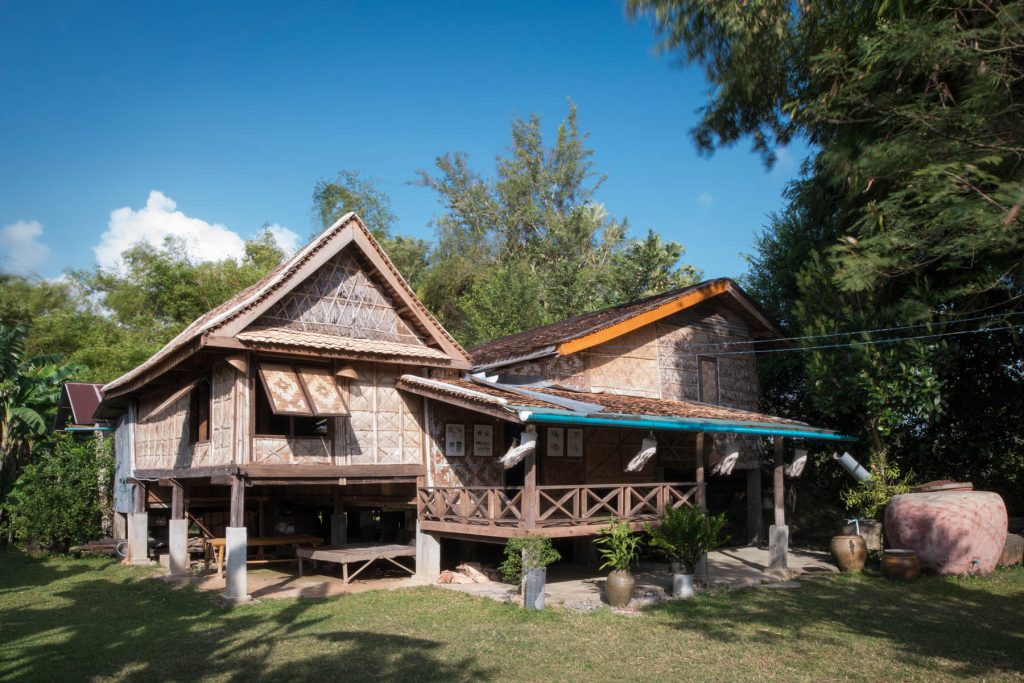
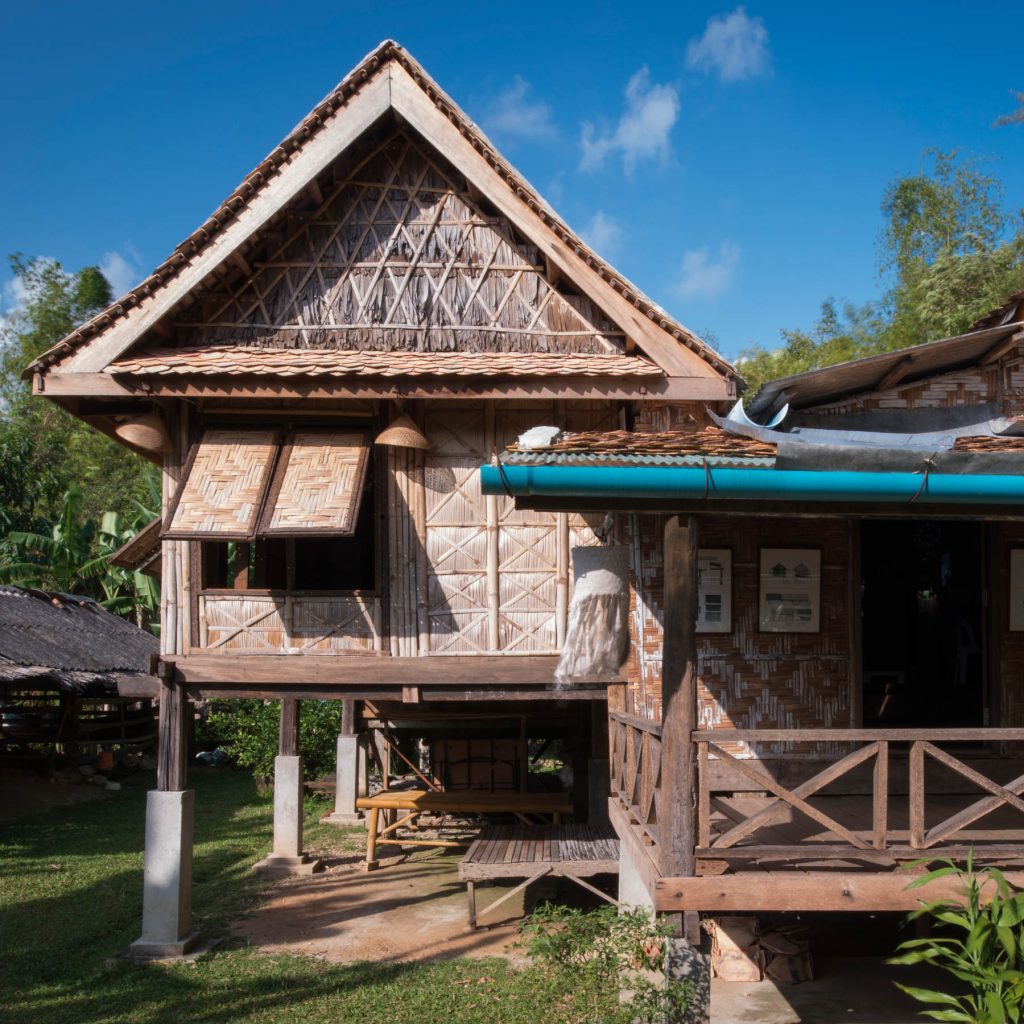
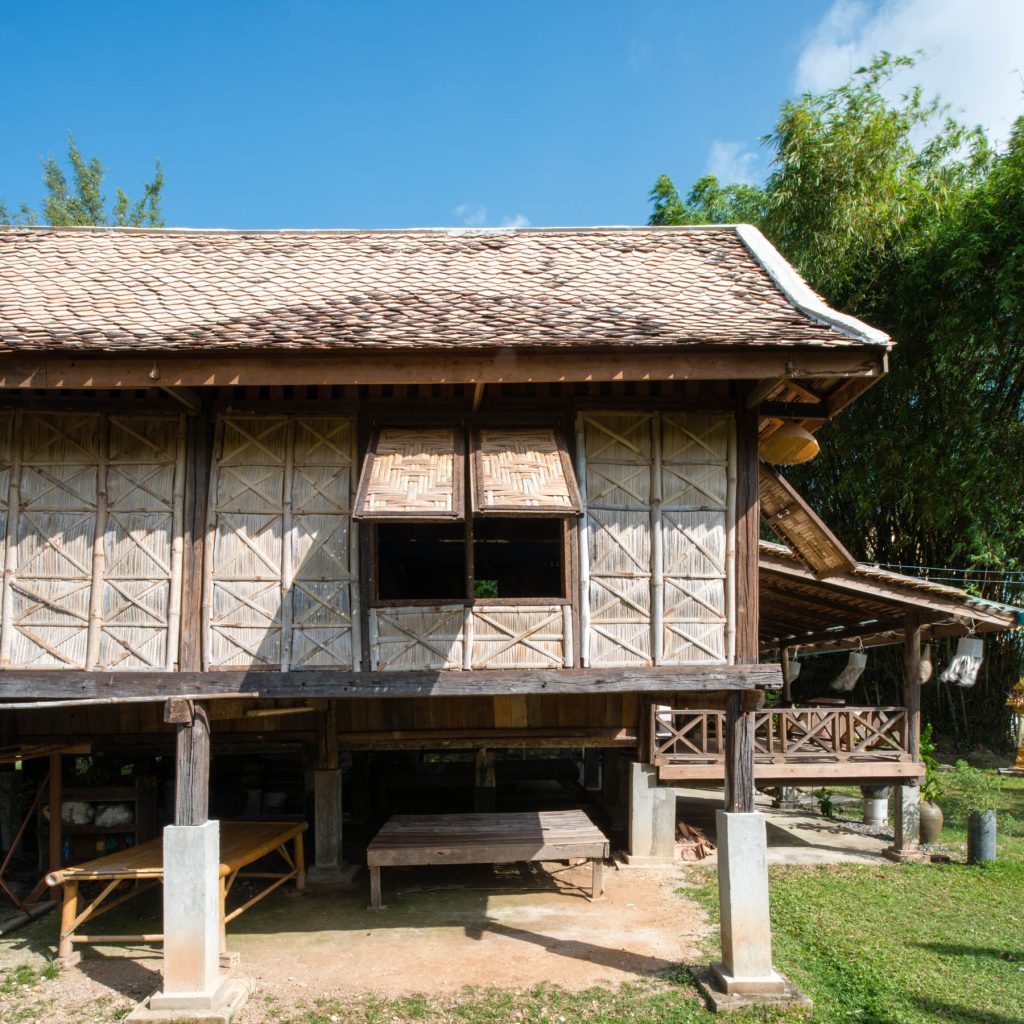
บ้านใบตาลเป็นบ้านพักอาศัยที่มีการใช้งานต่อเนื่องกันมาสามชั่วอายุคน ประมาณอายุบ้านมากกว่าหนึ่งร้อยปี จุดเด่นคือฝาบ้านที่ทำจากใบตาลโตนด ซึ่งเคยมีการซ่อมแซมฝาใบตาลครั้งสุดท้ายเมื่อประมาณสามสิบปีที่ผ่านมา จึงทำให้บ้านใบตาลเริ่มผุพังลงตามกาลเวลา ส่งผลต่อคุณภาพการอยู่อาศัยของเจ้าของบ้าน โดยในหลายครั้งคุณอุบลและญาติพี่น้องร่วมชายคาเคยนึกที่จะรื้อบ้านใบตาลหลังนี้ทิ้ง และทำการก่อสร้างเป็นบ้านทรงง่าย ๆ ด้วยวัสดุสมัยใหม่แทน จนกระทั่งใน พ.ศ. 2554 – 2555 คณะนักวิจัยจากมหาวิทยาลัยเทคโนโลยีราชมงคลศรีวิชัย มหาวิทยาลัยเทคโนโลยีราชมงคลตะวันออก (อุเทนถวาย) การเคหะแห่งชาติ เจ้าของบ้าน ชาวบ้าน และองค์การบริหารส่วนตำบลรำแดงได้ร่วมกันทำการบูรณะและปรับปรุงฟื้นฟูบ้านใบตาลตามหลักวิชาการ โดยใช้กระบวนการปรับปรุงฟื้นฟูตามมาตรฐานการอนุรักษ์ ได้แก่ การบันทึกรูปแบบทางสถาปัตยกรรมของบ้านใบตาลก่อนการปรับปรุง การวิเคราะห์ปัญหาดั้งเดิมของบ้านร่วมกับเจ้าของบ้านเพื่อออกแบบบ้านตามประโยชน์ใช้สอยใหม่ที่ต้องการ เช่น ห้องน้ำ และดำเนินการเขียนแบบก่อสร้าง มีการอบรมเจ้าของบ้านและช่างพื้นบ้านก่อนดำเนินการปรับปรุงฟื้นฟูโดยเน้นการพึ่งพาตนเอง และได้ถอดบทเรียนสรุปเป็นองค์ความรู้ และจัดทำสื่อเผยแพร่ไว้บริเวณด้านหน้าของบ้านใบตาล และบนเว็บไซต์
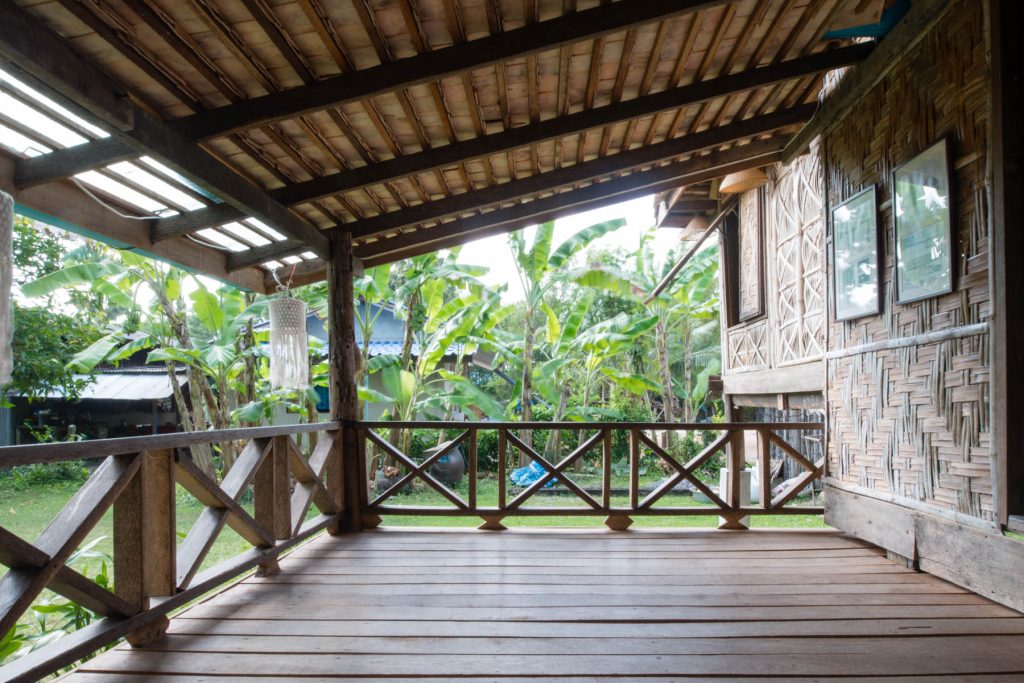
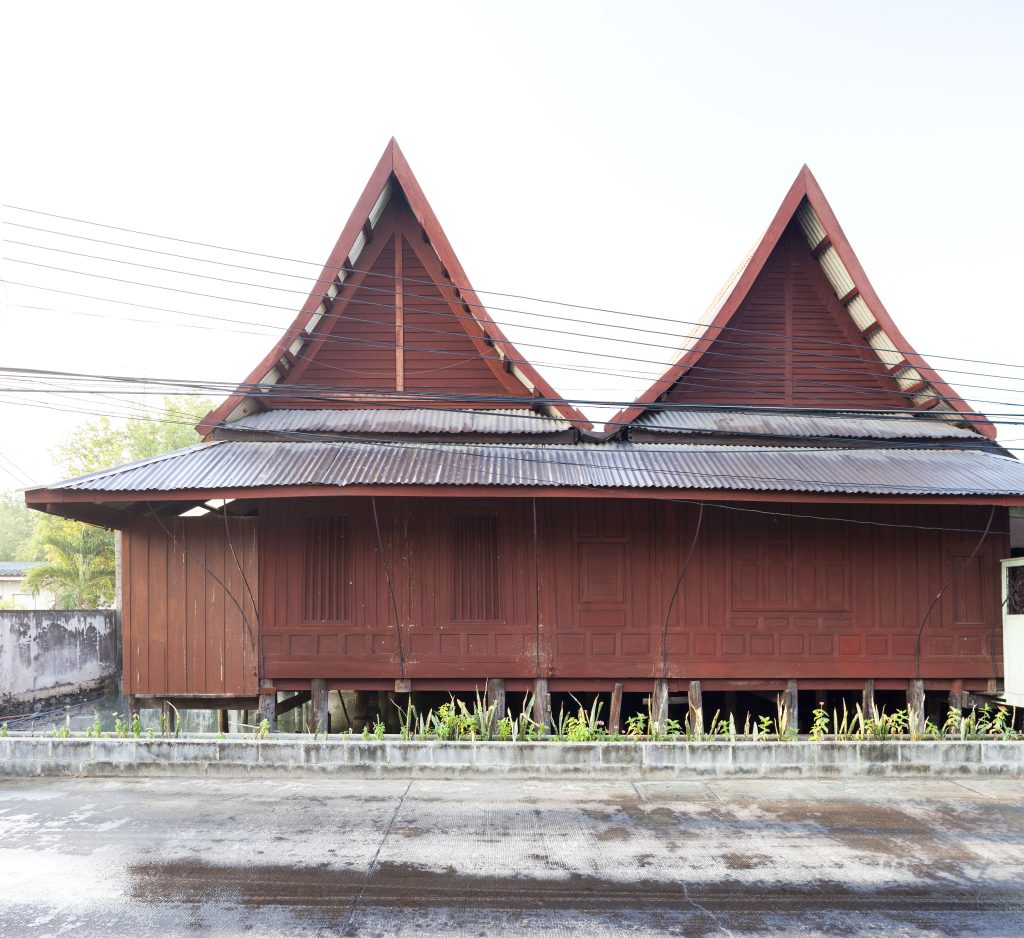
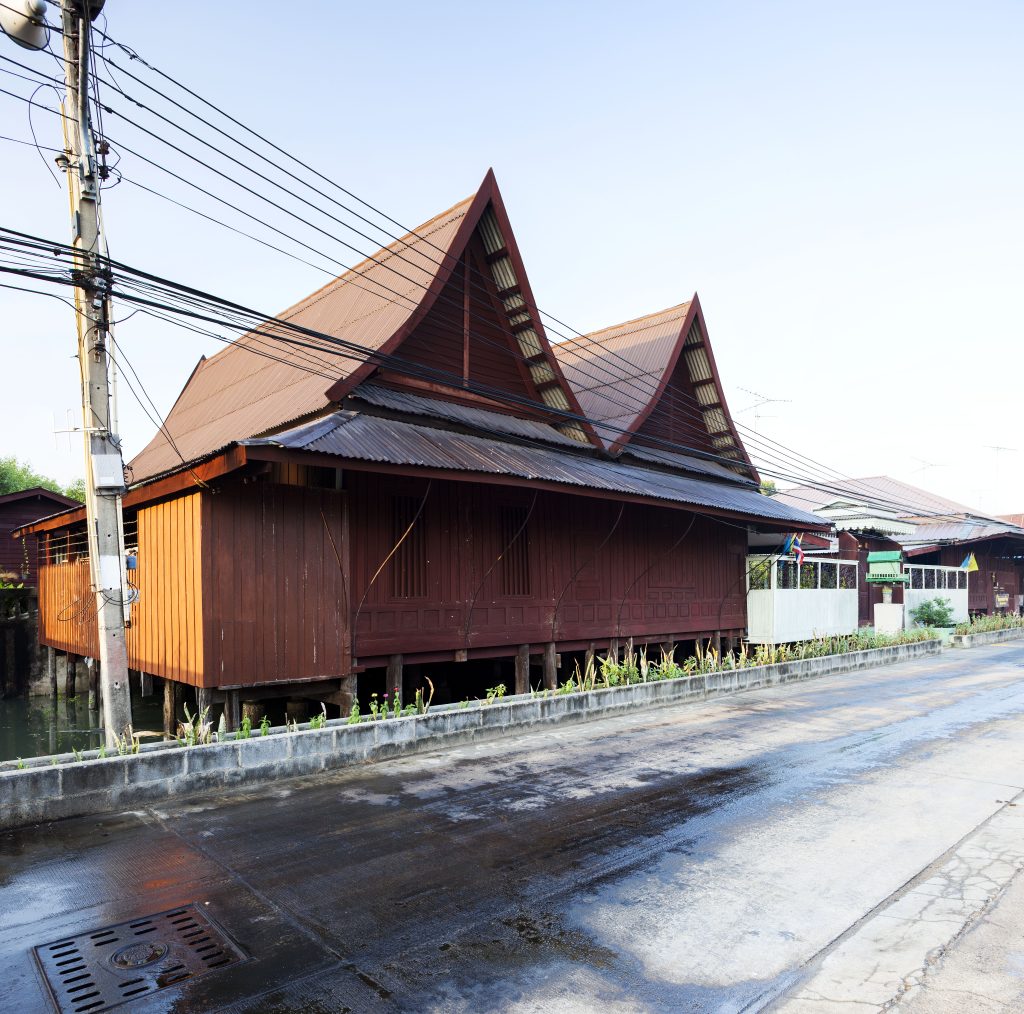
บ้านใบตาลเป็นบ้านหลังคาทรงจั่วสองจั่ว เชื่อมต่อกันด้วยรางน้ำฝนแบบดั้งเดิมในลุ่มน้ำทะเลสาบสงขลา โครงสร้างทั่วไปเป็นไม้เนื้อแข็ง ฝาผนังทำด้วยใบตาลโตนด โครงเคร่าไม้ไผ่ โดยฝาทั้งหมดเอียงสอบเข้าสู่ภายในเล็กน้อย พื้นบ้านใบตาลเป็นพื้นไม้เคี่ยม (ไม้เนื้อแข็งพื้นถิ่น) ใต้ถุนยกสูงวางโครงสร้างบนฐานตอม่อ (ตีนเสา) ซีเมนต์ อย่างเรือนลุ่มน้ำทะเลสาบสงขลาในอดีต ที่ปัจจุบันจะไม่สามารถพบเจอในสภาพที่สมบูรณ์ได้เช่นหลังนี้
ด้วยกระบวนการดำเนินงานอย่างเป็นระบบทำให้ชาวบ้านบริเวณโดยรอบ รวมถึงหน่วยงานราชการและสถาบันการศึกษาต่างๆ ได้เข้ามาร่วมเรียนรู้แบบปฏิบัติการจริง จนทำให้บ้านหลังนี้กลายเป็นแหล่งเรียนรู้ทางสถาปัตยกรรมพื้นถิ่นที่ยังใช้งานได้ตามวิถีปัจจุบัน ส่งผลให้เกิดความภาคภูมิใจของเจ้าของบ้าน และชุมชนรำแดง ตลอดจนเป็นการยกระดับทัศนคติของชาวบ้านให้คิดว่าบ้านพื้นถิ่นดั้งเดิมเป็นที่อยู่อาศัยที่มีคุณค่า มีความงาม และสามารถอาศัยประโยชน์จากพืชพรรณธรรมชาติในพื้นที่อย่างใบตาล
Ban Bai Tan (Tanot)
- Location: No.40 Mu 6 Tambon Ram Daeng, Amphoe Singha Nakhon, Songkhla
- Proprietor: Ubol Bunyarat
- Construction Date: Before 1913
- Conservation Awarded Date: 2013
- Category: Private residences
Ban Bai Tan (toddy palm or Asian palmyra palm leaves house) is a house that has been continuously used for 3 generations, dated over 100 years. Its outstanding features are wall panels made of the leaves of palmyra palm or toddy palm, which were last repaired approximately 30 years ago thus, naturally, they had decayed with time. Ms. Ubol, the owner and her family who lived in the house had considered demolishing the house until during 2011 – 2012, researchers from Rajamangala University of Technology Srivijaya, Rajamangala University of Technology Tawan-ok Uthenthawai, National Housing Authority, owners, local people, and Ram Daeng Subdistrict Administrative Organization cooperated in restoration and revitalization of Bai Tan House by scientific conservation method. The conservation process included survey and documentation of the existing condition, problem analysis, restoration and renovation design and drawing. Furthermore, training programs were made for owners and local craftspeople which emphasized self-help implementation. These activities have been concluded and collected as knowledge base which is presented in front of the house and on website.
Ban Bai Tan is a twin-gable house, the gables are connected by a rainwater roof drainage as typical house style of Songkhla Lake. The structure is mainly hardwood; wall panels are slightly slanted inward made of palmyra palm leaves on bamboo battens. The floor is made of Khiam wood (local hardwood, Shorea roxburghii G. Don), high-raised from ground level; columns are erected on cement column bases which is a typical style in this area, however, such complete example like this house is rare to find nowadays.