พระอุโบสถ วัดเครือวัลย์วรวิหาร
อ่านเพิ่มเติม
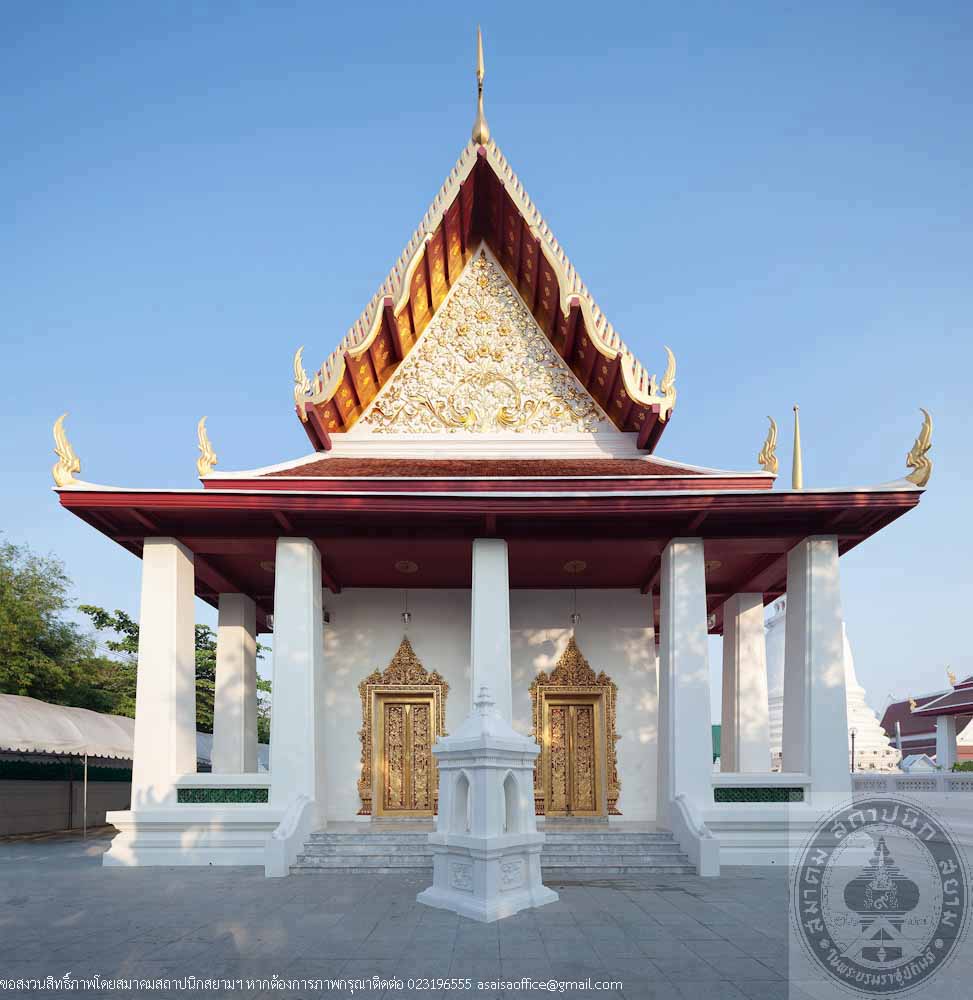
พระอุโบสถ วัดเครือวัลย์วรวิหาร
- ที่ตั้ง เลขที่ 36 ถนนอรุณอมรินทร์ แขวงวัดอรุณ เขตบางกอกใหญ่ กรุงเทพมหานคร
- ผู้ครอบครอง วัดเครือวัลย์วรวิหาร
- ปีที่สร้าง พ.ศ. 2374
- สถาปนิก/ผู้ออกแบบอนุรักษ์ ดร.วสุ โปษยะนันทน์
- ปีที่ได้รับรางวัล พ.ศ. 2557
- ประเภท อาคารปูชนียสถานและวัดวาอาราม
วัดเครือวัลย์วรวิหารมีฐานะเป็นพระอารามหลวงชั้นตรีชนิดวรวิหาร สร้างขึ้นเมื่อ พ.ศ. 2374 และได้รับพระราชทานวิสุงคามสีมาเมื่อ พ.ศ. 2385 โดยเจ้าพระยาอภัยภูธร (น้อย บุณยรัตพันธุ์) บุตรเจ้าพระยาศรีธรรมาธิราช (บุญรอด ต้นสกุลบุณยรัตพันธุ์) และเป็นบิดาของเจ้าจอมเครือวัลย์ในรัชกาลที่ 3 พร้อมด้วยเจ้าจอมเครือวัลย์เป็นผู้สร้าง และได้ถวายเป็นพระอารามหลวง แต่การก่อสร้างยังไม่ทันสำเร็จเรียบร้อย เจ้าพระยาอภัยภูธรได้ถึงแก่อสัญกรรมเสียก่อน หลังจากนั้น พระบาทสมเด็จพระนั่งเกล้าเจ้าอยู่หัว รัชกาลที่ 3 จึงทรงสร้างต่อจนสำเร็จบริบูรณ์ และพระราชทานนามวัดว่า “วัดเครือวัลย์” โดยในวันที่ 9 พฤศจิกายน พ.ศ. 2393 พระองค์ได้เสด็จพระราชดำเนินมาทรงผ้าพระกฐิน ณ วัดเครือวัลย์ด้วย
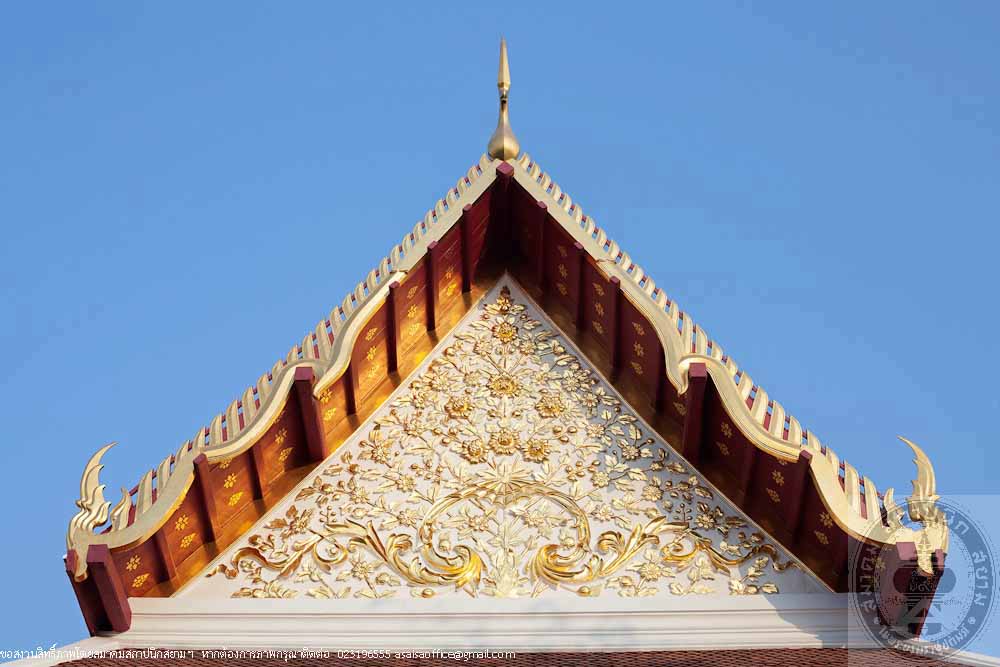
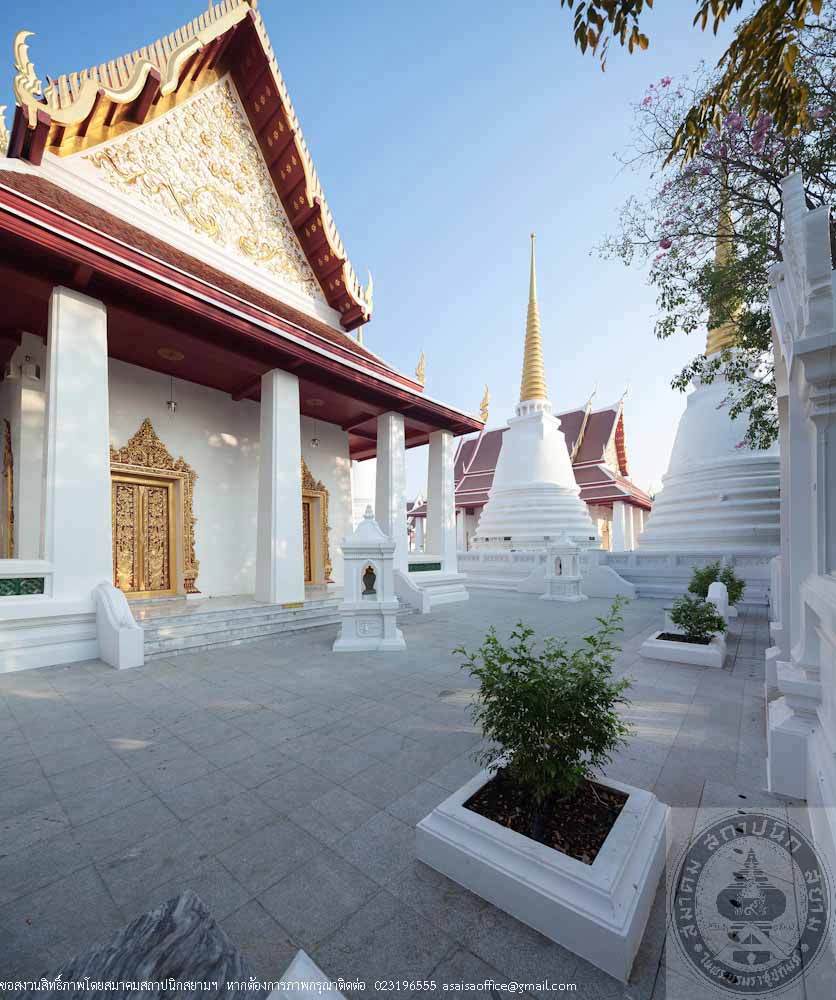
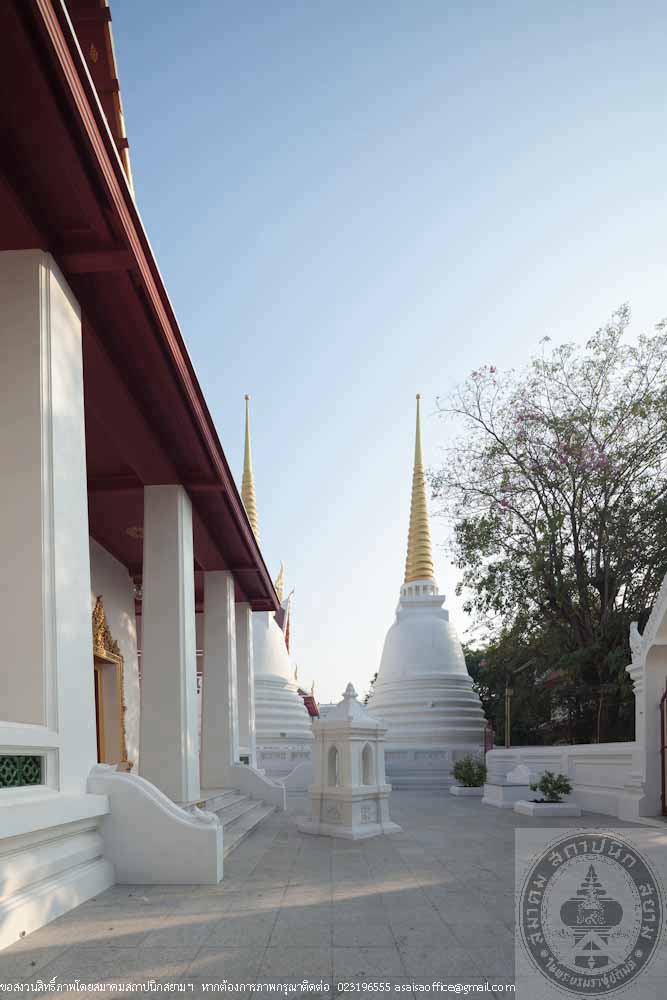
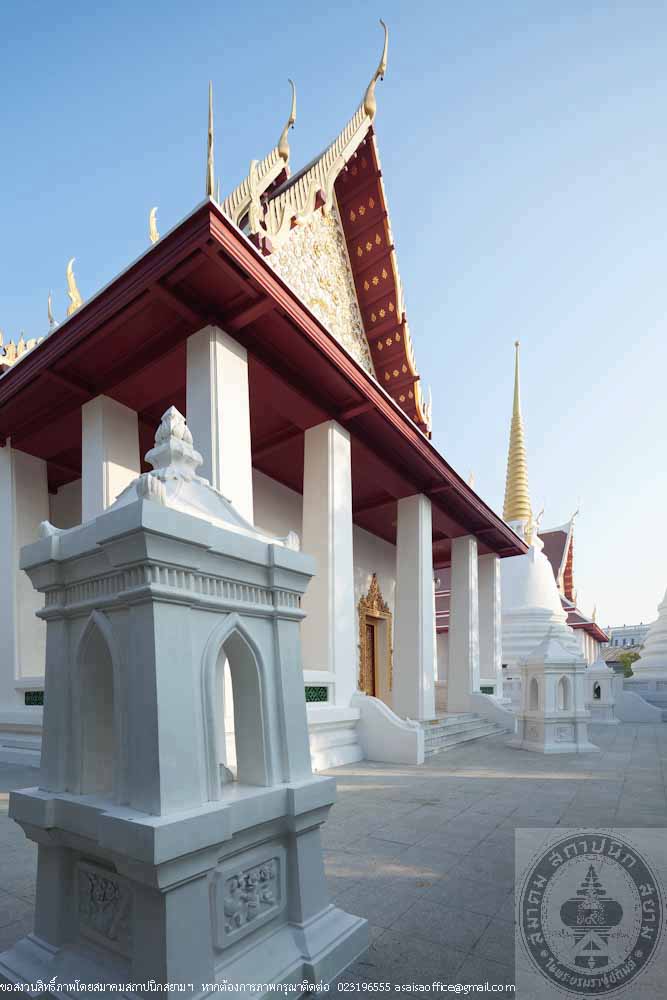
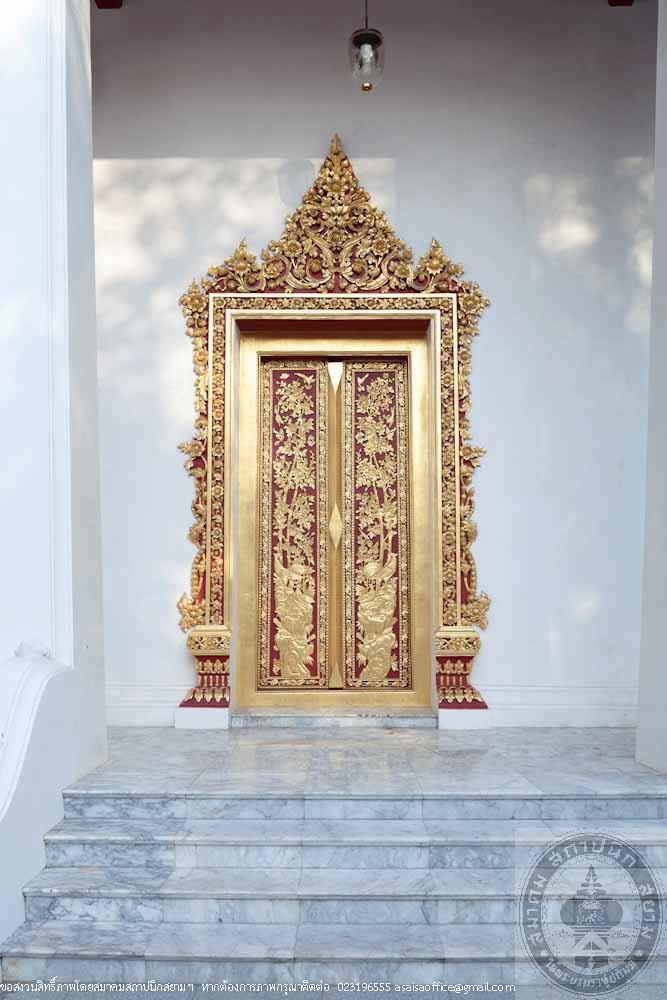
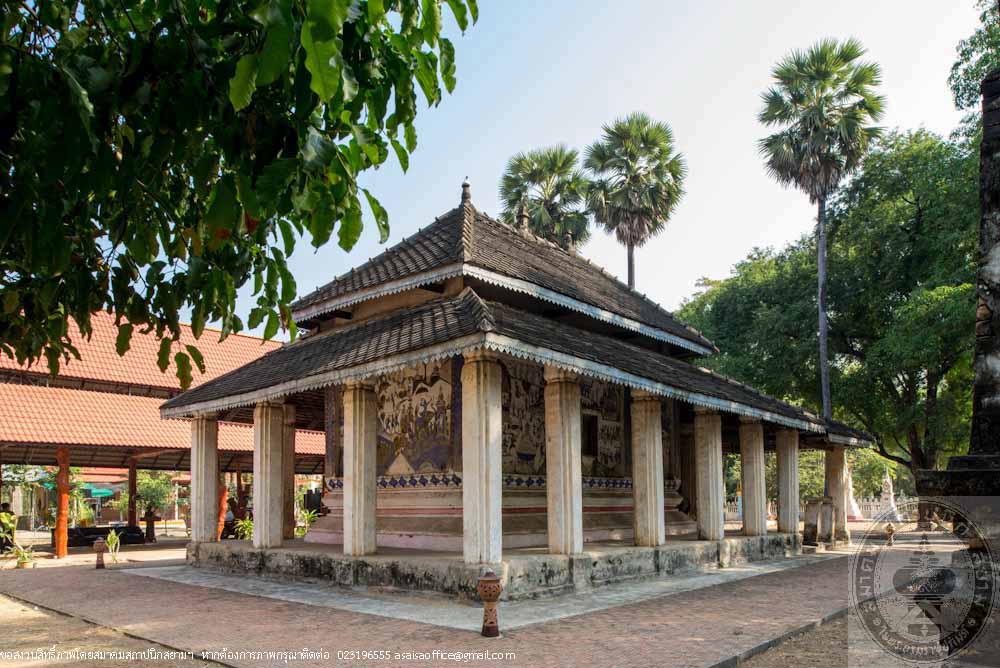
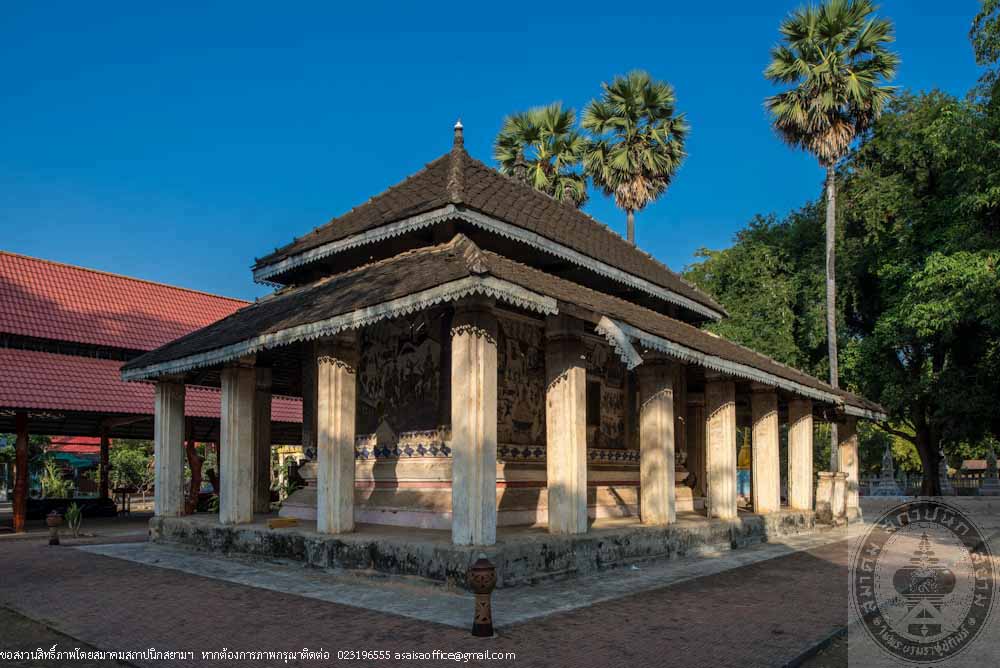
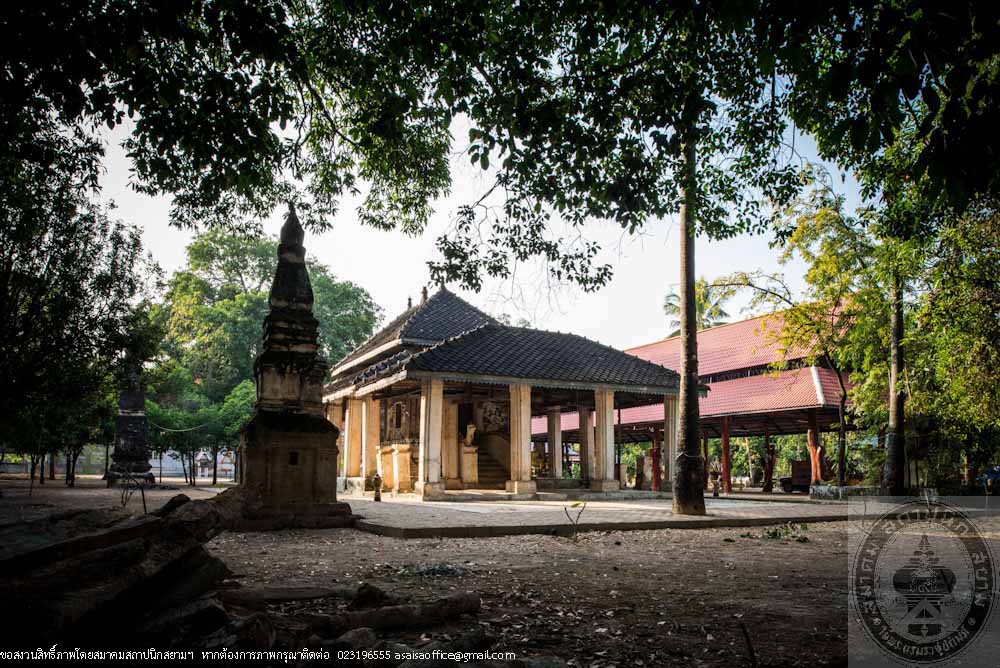
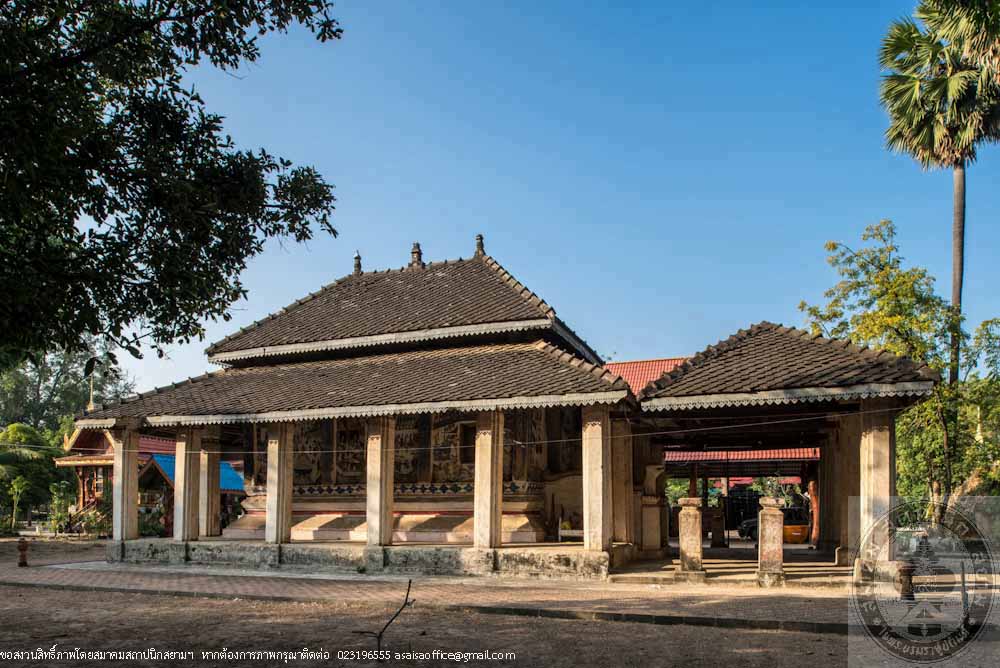
พระอุโบสถของวัดเครือวัลย์วรวิหารเป็นงานสถาปัตยกรรมไทยประเพณี มีขนาดกว้าง 7.70 เมตร ยาว 16.25 เมตร หลังคาลด 2 ชั้น ประดับช่อฟ้าใบระกา หน้าบันตกแต่งด้วยปูนปั้นเป็นลายดอกไม้ตามแบบพระราชนิยมในสมัยรัชกาลที่ 3 ระเบียงและมุขปูด้วยหินอ่อน ซุ้มประตูหน้าต่างทำด้วยปูนปั้นเป็นลายดอกไม้ ลงรักปิดทอง บานประตูด้านนอกสลักรูปต้นไม้ ดอกไม้ และรูปนก ลงรักปิดทอง ด้านในเป็นรูปฉัตร 7 ชั้น สอดสี มีทหารแบก ส่วนบานหน้าต่างด้านนอกลวดลายเช่นเดียวกับบานประตูแต่ทำด้วยปูนปั้น ผนังภายในพระอุโบสถทั้ง 4 ด้าน มีภาพจิตรกรรมซึ่งเป็นภาพชาดกเรื่องพระชาติของพระพุทธเจ้า จำนวน 500 พระชาติ ใช้ลายกั้นเป็นช่องสี่เหลี่ยมจัตุรัส กรอบเขียนลายเนื่องเป็นลายก้านต่อดอกใบเทศ แต่ละช่องเขียนเรื่องพระชาติของพระพุทธเจ้าไว้ 1 พระชาติ ภาพเขียนเหล่านี้เป็นฝีมือช่างสมัยรัชกาลที่ 3 มีความวิจิตรงดงามเป็นเอกลักษณ์โดดเด่น สำหรับพระประธานในพระอุโบสถ เป็นพระพุทธรูปปางห้ามญาติ หล่อด้วยโลหะลงรักปิดทอง สูงประมาณ 4 วา ประดิษฐานบนฐานชุกชี มีพระอัครสาวก คือ พระสารีบุตร และพระโมคคัลลานะยืนอยู่ด้านขวาและซ้าย
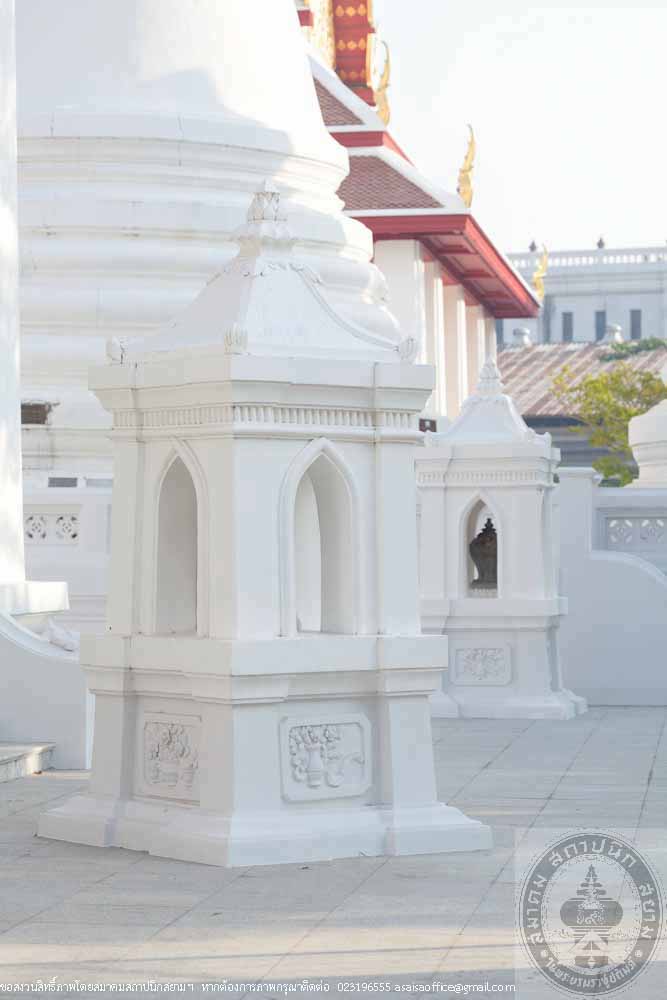
ตลอดระยะเวลาที่ผ่าน อาคารและสิ่งปลูกสร้างของวัดเครือวัลย์วรวิหารได้รับการดูแลรักษา และปรับปรุงซ่อมแซมเป็นอย่างดีโดยเฉพาะพระอุโบสถที่มีการปฏิสังขรณ์ใหญ่ในช่วง พ.ศ. 2529 – 2533 โดยกรมศิลปากรได้มาดำเนินการอนุรักษ์จิตรกรรมฝาผนังในพระอุโบสถ เปลี่ยนกระเบื้อง เครื่องลำยอง ช่อฟ้า ใบระกา ฝ้าเพดาน และตัวไม้เครื่องบนบางส่วน ฝาผนังด้านนอกได้กะเทาะปูนฉาบซีเมนต์ออกเปลี่ยนเป็นปูนขาวหมักอย่างโบราณ บูรณะพระประธานลงรักปิดทองใหม่ และซ่อมแซมฐานชุกชีตามรูปแบบเดิม ปูพื้นหินอ่อนภายในพระอุโบสถ ลงรักปิดทองลายปูนปั้นซุ้มหน้าต่าง ซ่อมแซมลายปูนปั้นบนบานประตูด้วยเทคนิคดั้งเดิม บูรณะกำแพงแก้วรอบพระอุโบสถตามแบบเดิม แก้ฐานพระอุโบสถและฐานเสมาซึ่งจมอยู่ให้เห็นรูปแบบเดิม และปิดทองล่องชาดลายดาวเพดาน
Ubosatha, Wat Khrueawan Worawihan
- Location: No.36 Arun Amarin Road, Khwaeng Wat Arun, Khet Bangkok Yai, Bangkok
- Proprietor: Wat Khrueawan Worawihan
- Construction Date: 1831
- Architects/Conservation Designers: Dr. Vasu Poshyanandana
- Conservation Awarded Date: 2014
- Category: Places of worship and monasteries
Wat Khrueawan Worawihan is a 3rd-ranked royal temple of Worawihan category built in 1831 and was officially registered in 1842. The founder of the temple was Chaophraya Aphaiphuthon (Noi Bunyarattaphan), son of Chaophraya Si Thammathirat (Bunrot, the founder of Bunyarattaphan family name), who was the father of Chaochom Khrueawan, a royal consort of King Rama III, who was a co-founder of the temple. The temple was given to the King as a royal temple, however, Chaophraya Aphaiphuthon passed away before the construction was completed, therefore, King Rama III had the construction continued until completion and named the temple “Wat Khrueawan”. The King also presided over the Kathin merit making ceremony at this temple on 9th November 1850.
The Ubosatha (Ordination Hall) of Wat Khrueawan is Thai traditional architecture, rectangular plan, 7.70 metres wide and 16.25 metres long, 2-tiered roof with traditional roof decorative elements, pediments are decorated with stuccos in floral designs, the royal favored style of King Rama III’s reign. The gallery and porch are paved with marble slabs, door and window frames are decorated with gilded stuccos in floral designs. The exterior side of the door panel is carved in the designs of trees, flowers, and birds finished with gilded lacquer; the interior side is painted to depict 7-tiered umbrellas carried by soldiers. The windows exterior panels have similar designs to the door panels but are made with stuccos. All 4 interior walls are decorated with mural paintings of the 500 lives of the Buddha; each scene is painted in a square frame in the design of vines and foliage. These paintings are masterpieces of artists of King Rama III’s reign, very distinctive and highly aesthetical. The principal Buddha image is made of metal with gilded lacquer in Stopping the Relatives posture, approximately 8 metres high, standing on a pedestal, with the Great Disciples, Sariputra and Moggallana standing to the right and left.
Through the course of time, buildings and structures of Wat Khrueawan Worawihan have been well-maintained and conserved, especially the Ubosatha which underwent a major reconstruction during 1986 – 1990. The project comprised conservation of mural paintings by the Fine Arts Department; changing roof decorative items, ceilings, and a part of roof structure; changing exterior wall cement plaster to lime plaster by ancient techniques; restoration of the principal Buddha image including a new gilded lacquer finish, repairing the pedestal; paving the interior floor of the Ubosatha with marble slabs; reconstruction and repair of window frames’ stuccos and gilding; repair of stuccos on door panels with original techniques; restoration of the walls around the Ubosatha based on original design; restoring the original level around the bases of the Ubosatha and Sema; and restoration of the ceiling stars by red gilded lacquer technique.


เขตพุทธาวาส วัดเบญจมบพิตรดุสิตวนารามราชวรวิหาร
อ่านเพิ่มเติม
เขตพุทธาวาส วัดเบญจมบพิตรดุสิตวนารามราชวรวิหาร
- ที่ตั้ง เลขที่ 69 ถนนพระรามที่ 5 แขวงดุสิต เขดุสิต กรุงเทพมหานคร
- สถาปนิก/ผู้ออกแบบ พระอุโบสถ และพระระเบียง ออกแบบโดยสมเด็จพระเจ้าบรมวงศ์เธอ เจ้าฟ้ากรมพระยานริศรานุวัดติวงศ์
- ผู้ครอบครอง วัดเบญจมบพิตรดุสิตวนาราม
- ปีที่สร้าง พ.ศ. 2445 – 2455
- สถาปนิก/ผู้ออกแบบอนุรักษ์ ภาณุวัตร เลือดไทย
- ปีที่ได้รับรางวัล พ.ศ. 2557
- ประเภท อาคารปูชนียสถานและวัดวาอาราม
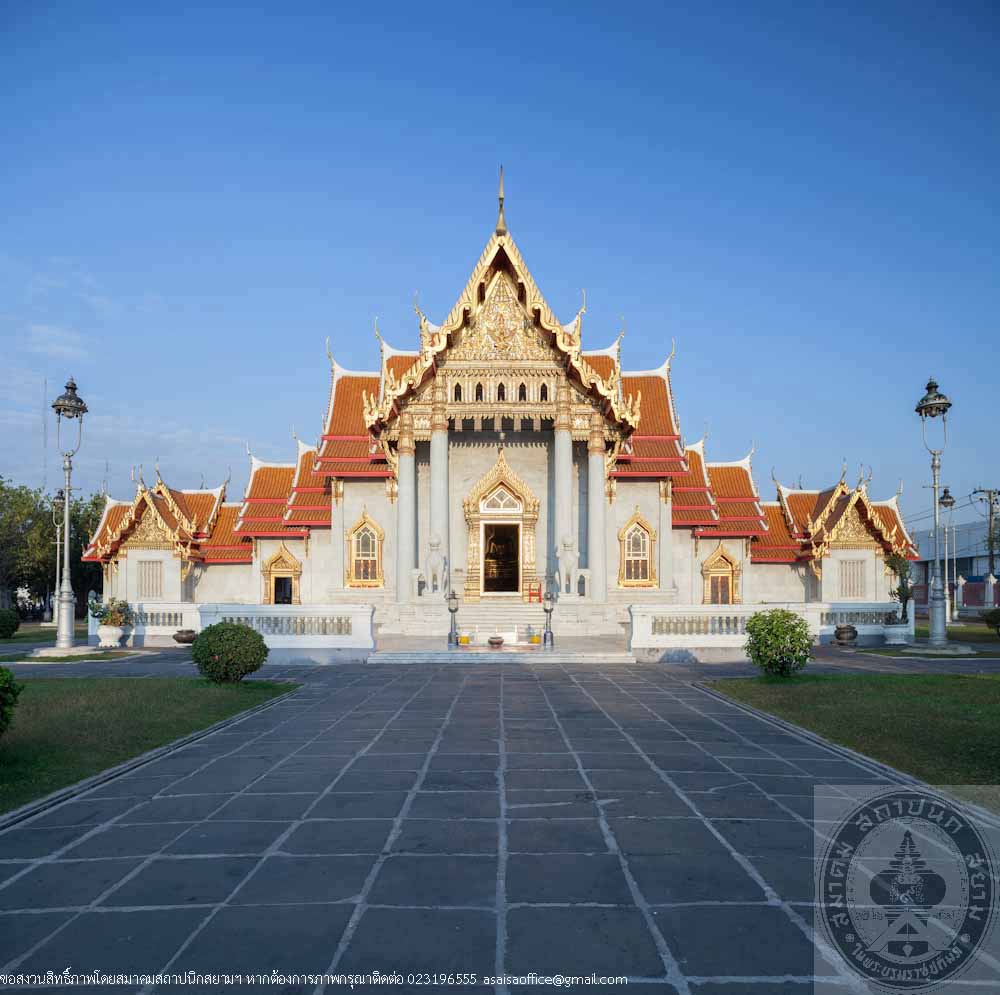
วัดเบญจมบพิตรดุสิตวนาราม เป็นพระอารามหลวงชั้นเอก ชนิดราชวรวิหาร เดิมเป็นวัดโบราณมีชื่อว่า วัดแหลม หรือ วัดไทรทอง ไม่ปรากฏหลักฐานว่าสร้างในสมัยใด จนถึง พ.ศ. 2369 ในรัชสมัยพระบาทสมเด็จพระนั่งเกล้าเจ้าอยู่หัว รัชกาลที่ 3 จึงปรากฏชื่อขึ้นในประวัติศาสตร์ เมื่อเจ้าอนุวงศ์ ผู้ครองนครเวียงจันทน์ ได้ก่อการกบฏยกทัพมาตีไทย พระบาทสมเด็จพระนั่งเกล้าเจ้าอยู่หัวโปรดเกล้าฯ ให้พระเจ้าบรมวงศ์เธอกรมพระพิพิธโภคภูเบนทร์เป็นผู้บัญชาการ การรักษาพระนคร โดยทรงตั้งกองบัญชาการอยู่ในบริเวณ วัดแหลม หรือ วัดไทรทอง นี้ เมื่อเสร็จสิ้นการปราบกบฏแล้ว พระเจ้าบรมวงศ์เธอกรมพระพิพิธโภคภูเบนทร์พร้อมด้วยพระญาติอีก 4 พระองค์ ทรงบูรณปฏิสังขรณ์วัดขึ้นเมื่อประมาณ พ.ศ. 2370 – 2371 โดยทรงสร้างพระเจดีย์ 5 องค์ ไว้ด้านหน้าวัดเป็นอนุสรณ์ ครั้นถึงสมัยรัชกาลที่ 4 ปรากฏในพระราชพงศาวดารว่า พระบาทสมเด็จพระจอมเกล้าเจ้าอยู่หัวได้พระราชทานนามวัดใหม่ว่า “วัดเบญจบพิตร”ซึ่งมีความหมายว่าเป็นวัดของเจ้านาย 5 พระองค์ ต่อมาวัดเบญจบพิตรมีสภาพทรุดโทรมลง พระบาทสมเด็จพระจุลจอมเกล้าเจ้าอยู่หัว รัชกาลที่ 5 จึงมีพระราชดำริที่จะทรงทำผาติกรรม สถาปนาวัดขึ้นใหม่ โดยพระองค์ทรงประกาศสถาปนาเมื่อวันที่ 1 มีนาคม พ.ศ. 2442 พร้อมทั้งเปลี่ยนนามวัดเป็น“วัดเบญจมบพิตรดุสิตวนาราม” สิ่งก่อสร้างภายในวัดเป็นศิลปะสถาปัตยกรรมไทยประเพณีที่มีการผสมผสานกับอิทธิพลจากศิลปะอื่น ๆ ทั้งในแบบตะวันตกและศิลปะขอม เห็นได้จากรูปแบบการตกแต่งและวัสดุที่ใช้ ถือเป็นต้นแบบพัฒนาการมาสู่สถาปัตยกรรมไทยสมัยใหม่ในเวลาต่อมา สำหรับสิ่งก่อสร้างที่สำคัญภายในเขตพุทธาวาสประกอบด้วย พระอุโบสถ พระระเบียง ศาลาหน้าพระอุโบสถ และศาลาตรีมุขสะพานน้ำ
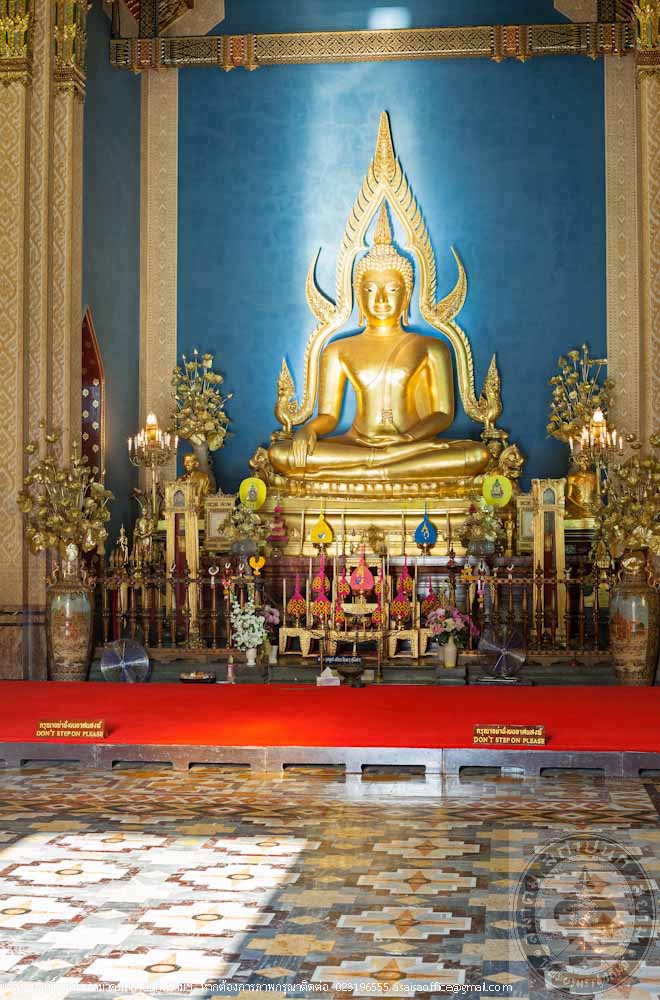
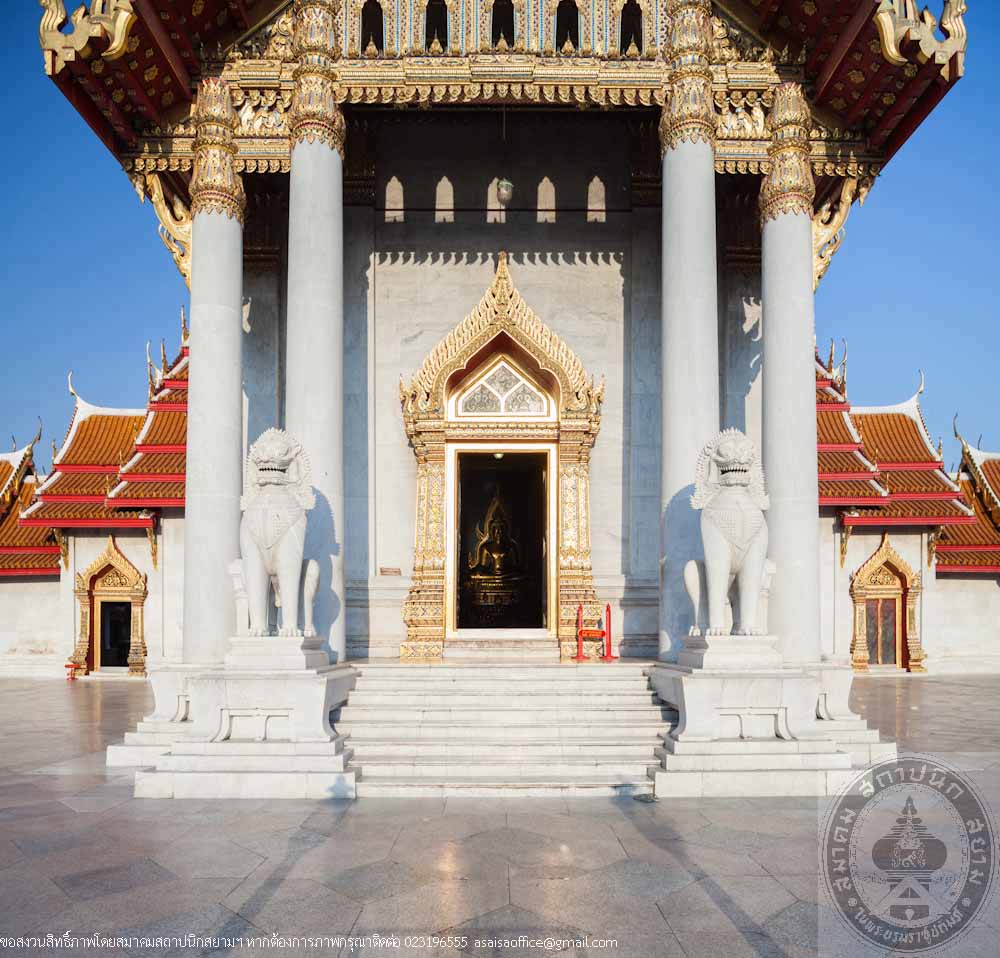
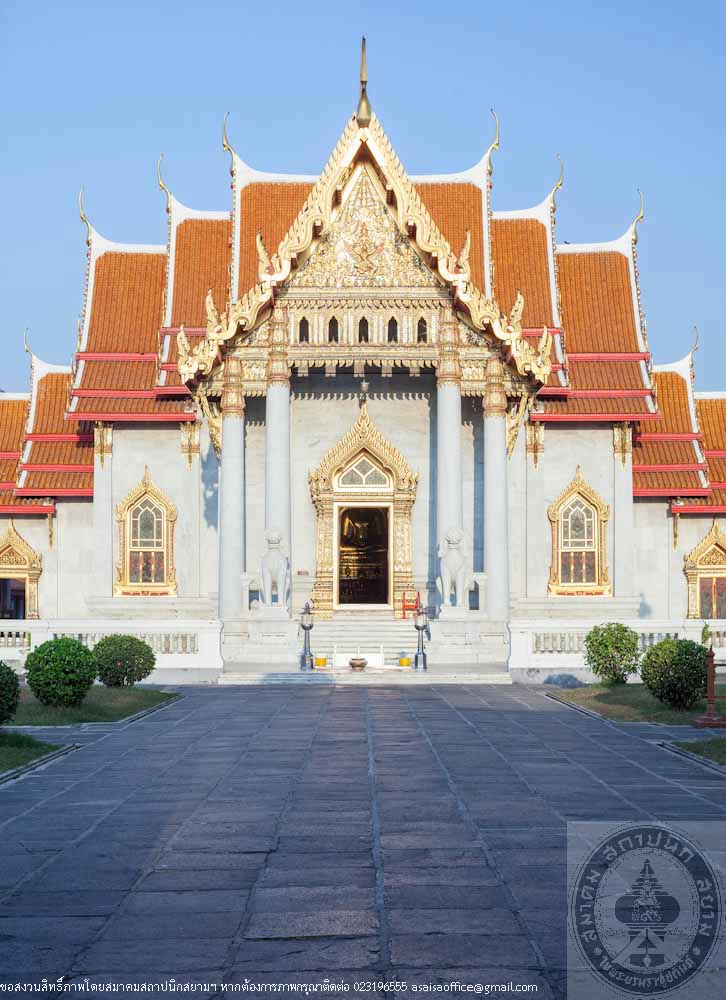
พระอุโบสถ เป็นพระอุโบสถแบบจัตุรมุขผนังประดับด้วยหินอ่อน มุขด้านตะวันออกขยายยาว ด้านเหนือและใต้มีมุขกระสันต่อกับระเบียง หลังคาซ้อนชั้น 4 ชั้น ด้านมุขกระสันทิศเหนือและทิศใต้ 5 ชั้น ช่อฟ้า ใบระกาหางหงส์ ลงรักปิดทองทึบ หน้าบันจำหลักลาย ลงรักปิดทองประดับกระจก หลังคามุงกระเบื้องกาบูเคลือบ กระเบื้องเชิงชายรูปเทพนม มุขตะวันตกของพระอุโบสถเป็นที่ประดิษฐานพระประธาน คือ
พระพุทธชินราชจำลอง ซึ่งถ่ายแบบจากพระพุทธชินราชที่จังหวัดพิษณุโลก ช่องหน้าต่างประดับด้วยกระจกสีแสดงถึงอิทธิพลจากตะวันตก และด้านหน้าอาคารทางทิศตะวันออกยังประดับด้วยสิงห์คู่ที่มีลักษณะศิลปะขอมแบบนครวัด
พระระเบียง เชื่อมต่อมุขกระสันพระอุโบสถทั้งด้านทิศเหนือและทิศใต้ โอบล้อมผืนลานกว้างด้านหลังพระอุโบสถ พื้นลานปูด้วยหินแกรนิตสีชมพูอ่อนและสีเทาสลับเป็นลาย มีประตูตามทิศตรงกับมุขของพระอุโบสถ ด้านใต้และด้านเหนือมีด้านละ 2 ประตู บานประตูด้านนอกติดแผ่นโลหะนูนภาพเสี้ยวกาง ด้านในเขียนลายรดน้ำเหมือนกับด้านนอก พื้นพระระเบียงปูหินอ่อนสีเหลืองอ่อนและสีขาวตลอด เสาพระระเบียงเป็นเสากลมหินอ่อนทั้งแท่ง 64 ต้น เสาเหลี่ยมประกบแผ่นหินอ่อน 28 ต้น หัวเสาปั้นบัวประดับกระจก ผนังด้านในฉาบปูน ผนังด้านนอกประดับแผ่นหินอ่อนสีขาว และทำเป็นหน้าต่างหลอก ช่อฟ้า ใบระกา หางหงส์ ลำยอง ลงรักปิดทองทึบ หน้าบันเป็นภาพจำหลักลายไทยประกอบตราประจำกระทรวงต่าง ๆ ในสมัยรัชกาลที่ 5 ตามที่ได้ทรงปรับปรุงการบริหารราชการแผ่นดินเป็น 10 กระทรวง ภายในพระระเบียง ขื่อลงรักปิดทองลาย รดน้ำ เพดานล่องชาด ประดับดาวทอง 610 ดวง ประดิษฐานพระพุทธรูปในปางและรูปแบบศิลปะต่าง ๆ จำนวน 52 องค์
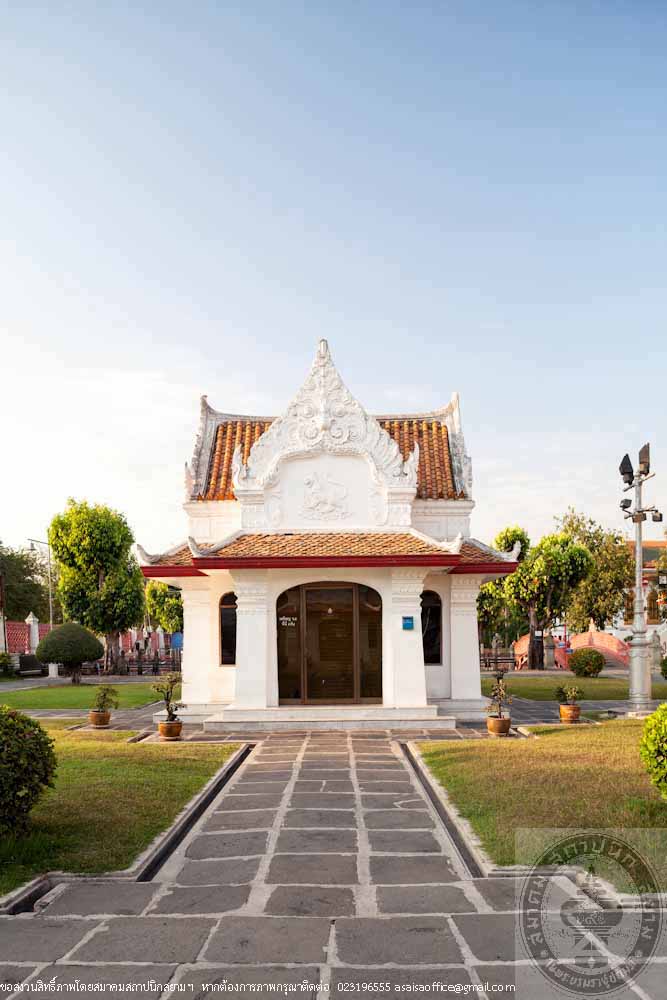
มีศาลาหน้าพระอุโบสถในรูปแบบเดียวกัน 2 หลัง ศาลา “หม่อมเฉื่อย” อยู่ด้านทิศใต้ และศาลา “ใย – ระเบียบ” อยู่ทางทิศเหนือ เป็นศาลาจัตุรมุขโปร่ง ก่ออิฐถือปูน พื้นปูหินอ่อน หลังคา 2 ชั้น มุงกระเบื้องเคลือบสี หน้าบัน ปั้นภาพและจารึกคาถาบาลีอักษรขอม
ศาลาตรีมุขสะพานน้ำ หลังที่ 1 ตั้งอยู่ด้านตะวันออก ริมคลองด้านทิศเหนือ สมเด็จพระนางเจ้าสุขุมาลมารศรี พระราชเทวี ทรงบริจาคทรัพย์สร้างอุทิศแก่เจ้าคุณจอมมารดาสำลี ในพระบาทสมเด็จพระจอมเกล้าเจ้าอยู่หัว รัชกาลที่ 4 มีลักษณะเป็นศาลาตรีมุขทรงไทย มุงกระเบื้องเคลือบสี พื้นคอนกรีต มีบันไดยื่นลงคลอง 2 ข้าง หลังที่ 2 ตั้งอยู่ด้านตะวันตก ริมคลองด้านทิศเหนือ สร้างโดยใช้ทุนทรัพย์ของท้าววรจันทร์ (เจ้าจอมมารดาวาด) ในพระบาทสมเด็จพระจอมเกล้าเจ้าอยู่หัว รัชกาลที่ 4 กับ พระเจ้าน้องยาเธอ กรมขุน
พิยลาภพฤฒิธาดา และหม่อมเจ้าธานีนิวัติ
ปัจจุบัน พระอุโบสถ พระระเบียง ศาลาหน้าพระอุโบสถ ศาลาตรีมุขสะพานน้ำ และพื้นที่ภายในเขตพุทธาวาส วัดเบญจมบพิตรดุสิตวนาราม ได้รับการดูแลรักษาให้อยู่ในสภาพดี สามารถรักษาองค์ประกอบทางสถาปัตยกรรมที่มีคุณค่าไว้ได้อย่างครบถ้วนสมบูรณ์
Buddhavas, Wat Benchamabophit Dusitwanaram Ratchaworawihan
- Location: No.69 Rama 5 Road, Khwaeng Dusit, Khet Dusit, Bangkok
- Architect/Designer: Ubosatha and gallery designed by Prince Krommaphraya Narissaranuwadtiwong
- Proprietor: Wat Benchamabophit Dusitwanaram
- Construction Date: 1902 – 1912
- Architect/Conservation Designer: Phanuwat Lueadthai
- Conservation Awarded Date: 2014
- Category: Places of worship and monasteries
Wat Benchamabophit Dusitwanaram Ratchaworawihan is a first-ranked royal temple of Ratchaworawihan category. Originally, it was an ancient temple called Wat Laem or Wat Sai Thong, founding date unknown. In 1826, the reign of King Rama III, the temple’s name first appeared in history when Chao Anuwong, the ruler of Vientiane, rebelled and sent military troops to fight against Siam. King Rama III assigned Prince Krommaphra Phiphitphokhaphuben as Commander-in-Chief to protect the capital. Accordingly, he set up the military headquarters at Wat Laem or Wat Sai Thong. After subduing the rebel, Prince Krommaphra Phiphitphokhaphuben along with his 4 relatives conducted the restoration and reconstruction of the temple around the years 1827 – 1828 and had 5 stupas built in front of the temple to commemorate the event. Consequently, in the following reign, King Rama IV changed the name of the temple to “Wat Banchamabophit” meaning “Temple of the 5 Princes”. When the temple deteriorated through time, King Rama V initiated the reestablishment of the temple, which was announced on 1st March 1899, and changed the name of the temple to “Wat Benchamabophit Dusitwanaram”. The reestablishment project was carried out by reconstruction of the entire temple with the architectural design of Thai traditional architecture mixed with influences from other art styles, both Western and Khmer arts as seen in the decorations and materials. The architecture of this temple is considered as archetype of Modern Thai traditional architecture in later periods until the present day. Important elements in the Buddhavas (Buddha’s zone, public and ceremonial zone of the temple) are Ubosatha (Ordination Hall), gallery, pavilions in front of the Ubosatha, and the 3-porched bridge pavilions.
Ubosatha is a 4-porched hall, marble finished walls, the east porch is elongated, the north and south sides are connected with the galleries by corridors; the main roof is 4-tiered, corridors’ roofs are 5-tiered, roof decorations are gilded lacquer, roof tiles are half-bamboo shaped, glazed tiles with fascia covering tiles in Thepphanom (deity in praying posture) design. The west porch enshrines the principal Buddha image, the replica of Phra Phuttha Chinarat, modeled from the original image of Phra Phuttha Chinarat at Phitsanulok province. The windows are stained glass indicating Western influence. The front gate is flanked by 2 lions of Angkor Wat style of the Khmer.
The Cloister (gallery) that connects to the verandah to the north and south encircle the main chapel leaving a large courtyard between the chapel and the cloister. The floor of the courtyard is a carpet of light pink and grey granite. The door on the west side in direct aligns with the chapel west porch. There are two doors each on the south and north side of the chapel. Embossed metal sheet attached to the outside door while the inside is gold appliqué on black lacquer. The cloister flooring is light yellow and white marble. 64 Solid marble round pillars and 28 square pillars with marble covers. Lotus shaped capitals decorated with glass. Concrete wall inside and white marble tiles on the outside. Solid windows with marble bars around the cloister making 48 gaps between the bars. Cho Fah, Bai Raka, Hang Hongs Lamyong are all lacquered and gilded with solid gold. The pediment features Thai painting and petroglyph arts with emblems of the 10 Ministries according to the new state administration plan developed in the reign of King Rama V. Exposed beams covered with lacquer and gilded with gold appliqué. The ceilings are overlaid with cinnabar lacquer decorated with 610 star ornaments and situated 52 Buddha images.
Galleries are connected to the north and south porches of the Ubosatha by corridors. The planning is squarish, surrounding a courtyard behind the Ubosatha paved with light pink and gray marble slabs. There are gateways in all main directions, aligning with the porches of the Ubosatha, the north and south sides have 2 gateways each, door panels are decorated with embossed metal design of Chinese door guardians on the outside, the inside is decorated with the same design but finished with gilded lacquer. The floor of the gallery is paved with light yellow and white marble slabs. There are 64 marble columns and 28 brick columns finished with marble slabs, the capitals are lotus-shaped stuccos decorated with glass mosaics. The interior walls are plastered, exterior walls are finished with white marble slabs and decorated with blind windows. The roof of the gallery is decorated with gilded lacquer Thai traditional ornaments, the pediments are decorated with symbols of ministries to symbolize the reorganization of government administrative system in the reign of King Rama V, which led to the founding of 10 ministries. Other interior decorative items are the gilded red lacquer roof beams depicting 610 gold stars. The gallery enshrines 52 Buddha images in various postures and art styles.
There are 2 pavilions of the same design situated to the front of the Ubosatha, one is “Mom Chueai Pavilion” to the south, and the other is “Yai-Rabiab Pavilion to the north, both are open pavilions built of brick, paved with marble slabs, the roofs are 2-tiered with glazed tiles, pediments are decorated with stuccos and inscriptions in Pali language with Khmer scripts.
There are 2 three-porched bridge pavilions, one is located to the east near the northern side canal built by contributions of Queen Sukhumal Marasri Phraratchathewi who dedicated the merit to Chaokhunchommanda Samli, a royal consort of King Rama IV. The pavilion is 3-porched, traditional Thai style architecture, roofed with glazed tiles, concrete floor with stairs leading into the canal on both sides. The other pavilion is location to the west near the northern side canal built by contributions of Thao Worachan (Chaochommanda Wat), a royal consort of King Rama IV, Prince Krommakhun Phitthayalap Phruethithada, and Mom Chao Thaniniwat.
At present, all elements in the Buddhavas and the landscape are well-conserved and maintained, thus valuable architectural elements remain in their full integrity.




มัสยิดเซฟี
อ่านเพิ่มเติม
มัสยิดเซฟี
- ที่ตั้ง เลขที่ 647/1 ซอยช่างนาค ถนนสมเด็จเจ้าพระยา แขวงสมเด็จเจ้าพระยา เขตคลองสาน กรุงเทพมหานคร
- ผู้ครอบครอง คณะกรรมการอิสลามประจำมัสยิดเซฟี
- ปีที่สร้าง พ.ศ. 2453
- ปีที่ได้รับรางวัล พ.ศ. 2557
- ประเภท อาคารปูชนียสถานและวัดวาอาราม
ในพ.ศ. 2398 ซึ่งตรงกับรัชสมัยของพระบาทสมเด็จพระจอมเกล้าเจ้าอยู่หัว รัชกาลที่ ๔ ราชอาณาจักรสยามได้ทำสนธิสัญญากับสหราชอาณาจักรเพิ่มขึ้นอีก 1 ฉบับ เรียกกันโดยทั่วไปว่า “สนธิสัญญาบาวริง” โดยมีเซอร์จอห์น เบาว์ริงราชทูต ที่ได้รับการแต่งตั้งจากสมเด็จพระบรมราชินีนาถวิกตอเรียเข้ามาทำสนธิสัญญาซึ่งมีสาระสำคัญคือ การเปิดการค้าเสรีกับต่างประเทศในสยาม มีการปรับเปลี่ยนกฎระเบียบการค้าระหว่างประเทศโดยการสร้างระบบการนำเข้าและส่งออกใหม่เพิ่มเติมจากสนธิสัญญาเบอร์นี สนธิสัญญาฉบับก่อนหน้าซึ่งได้รับการลงนามระหว่างสยามและสหราชอาณาจักรใน พ.ศ. 2369 ทำให้มีชาวต่างชาติเดินทางเข้ามาในสยามมากขึ้น รวมทั้งกลุ่มชาวอินเดียเป็นจำนวนมากที่เดินทางเข้ามาในฐานะกลุ่มพ่อค้าโดยดำเนินการค้าอยู่ในย่านราชวงศ์และทรงวาด และมีนิคมของตนเองอยู่ทางฝั่งตรงข้ามแถบท่าดินแดงและคลองสานซึ่งคนอินเดียเหล่านี้ส่วนใหญ่เข้ามาในฐานะคนในบังคับ” หรือที่คุ้นเคยของคนสยามในนามพวก “สัปเยก” (Subject) โดยส่วนหนึ่งของกลุ่มพ่อค้าชาวอินเดียที่เดินทางเข้ามาในสยามในเวลานั้น เป็นกลุ่มคนที่มีถิ่นกำเนิดอยู่ที่รัฐคุชราต ประเทศอินเดีย นับถือศาสนาอิสลามนิกายชีอะห์ โดยเรียกพวกตนเองว่า “มุอ์มิน ดาวูดีโบห์รา”นิยมทำการค้าผ้าแพรพรรณ ดิ้นเงินดิ้นทอง เพชรพลอย ตลอดจนเครื่องเทศ สมุนไพร เครื่องหอม และน้ำอบ เป็นต้น มักตั้งร้านค้าบริเวนถนนเจริญกรุง พาหุรัด ตลาดมิ่งเมือง และแถบวัดเกาะหรือวัดสัมพันธวงศ์ ต่อมากลุ่มคนเหล่านี้โดยการนำของกากายี ซูยาอุดดิน โมฮัมหมัดอาลี ร่วมกับมุลลาฮะซัน อาลี ยีวาไบ และนายห้างวาสีได้ติดต่อขอซื้อที่ดินริมแม่น้ำเจ้าพระยาจากเจ้าพระยารัตนบดินทร์ (รอด) เมื่อได้ที่ดินแล้วจึงเริ่มสร้างมัสยิดของพวกตนขึ้น ตามรูปแบบของมัสยิดตาช (Taj) เมือง Morbi ที่รัฐคุชราต และสามารถเปิดใช้ทำศาสนกิจเมื่อ พ.ศ. 2453 มัสยิดที่สร้างขึ้นมีชื่อเรียกว่า “มัสยิดเซฟี”
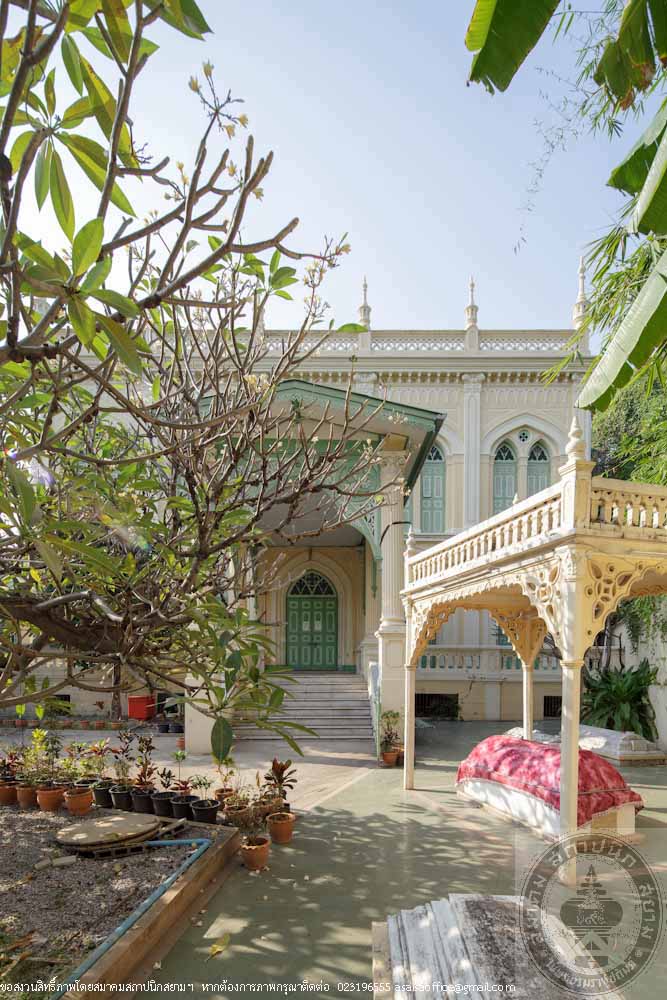
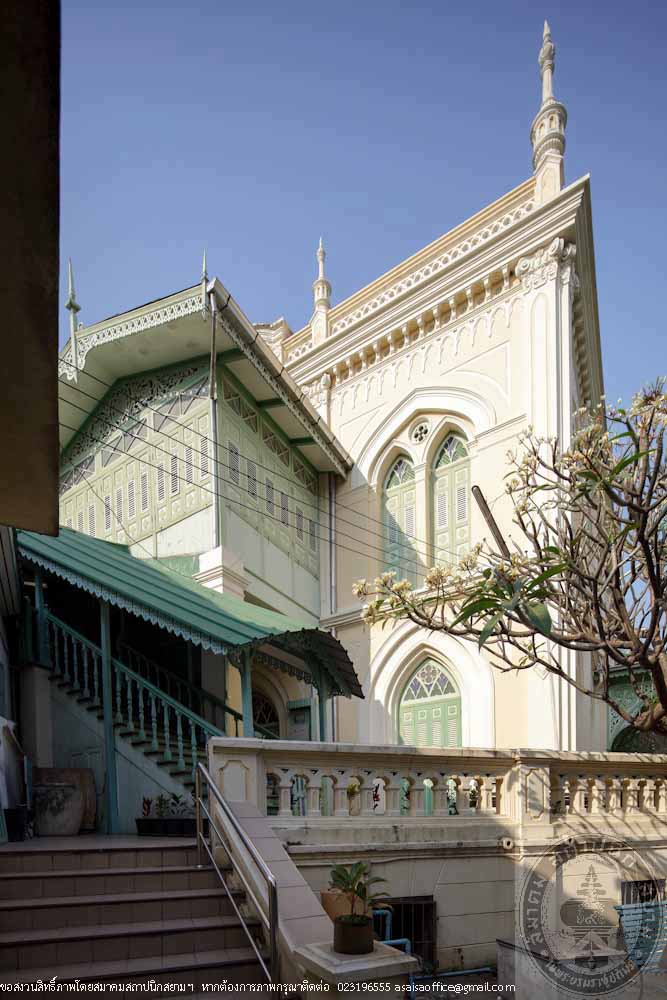
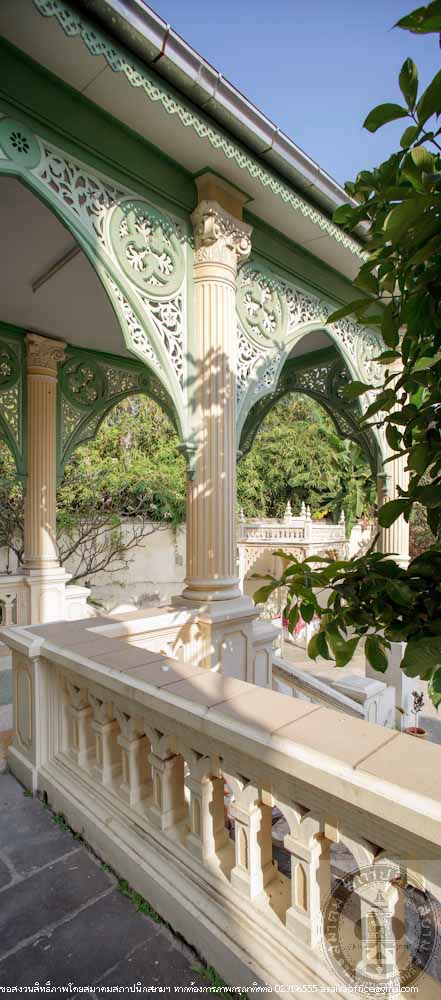
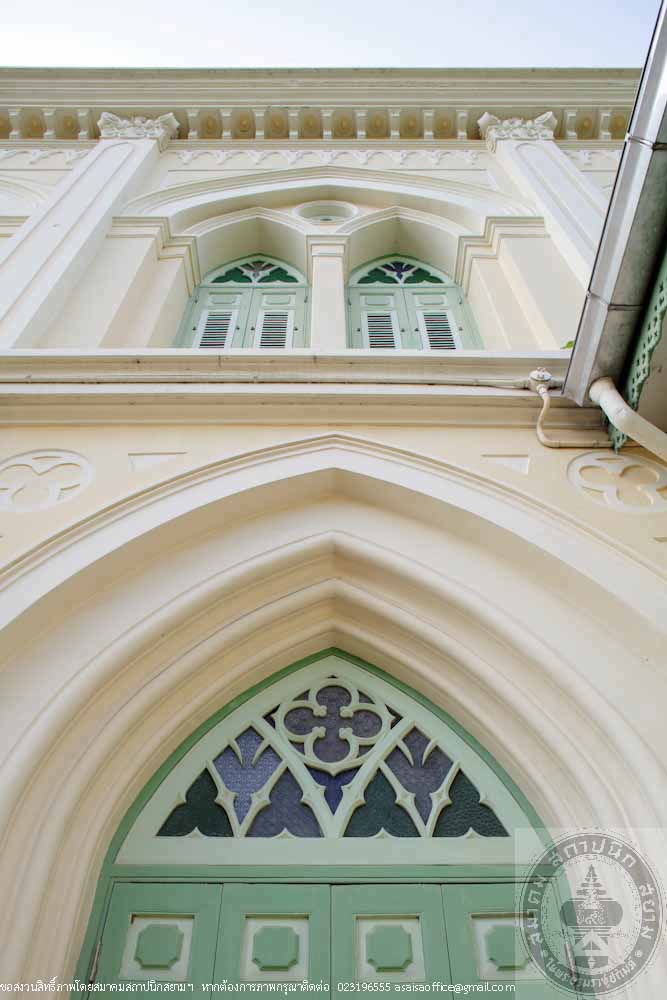
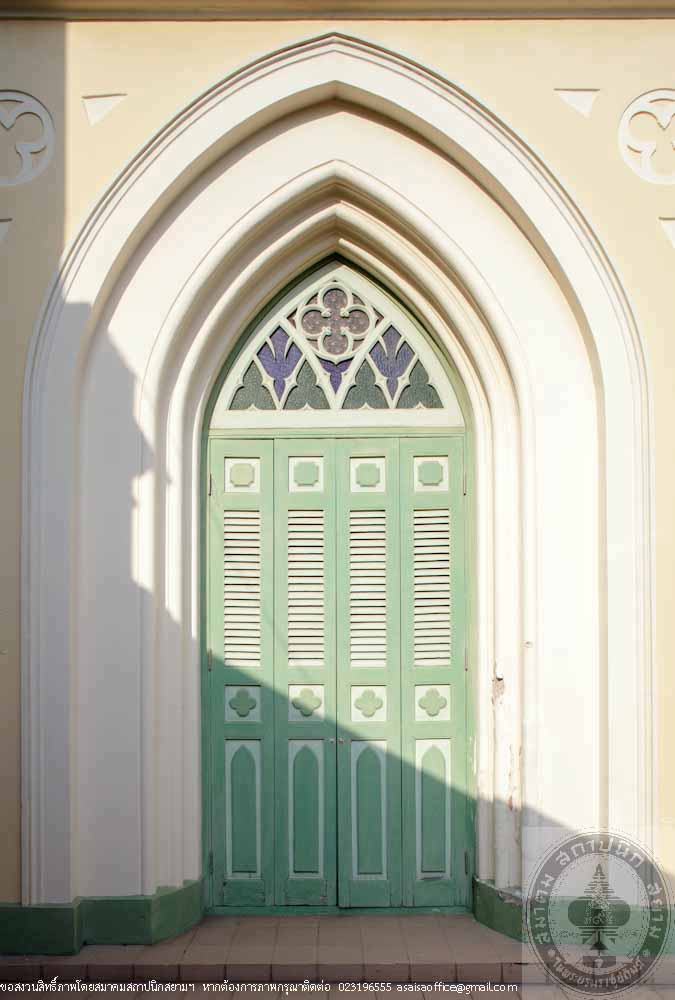
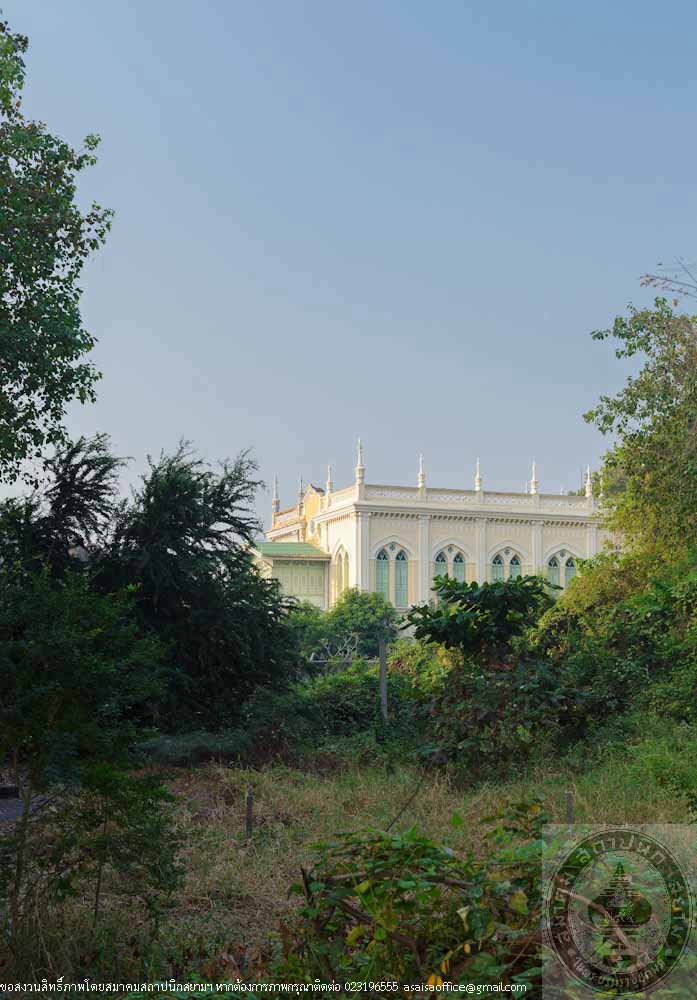
มัสยิดเซฟีมีรูปแบบทางสถาปัตยกรรมแบบวิกตอเรียน ในแบบกอธิกรีไวเวิล เป็นอาคารทรงสี่เหลี่ยม โครงสร้างอาคารครึ่งตึกครึ่งไม้ตั้งอยู่บนฐานรากแผ่ที่ทำจากไม้ซุง ภายในอาคารไม่มีเสากลาง มีห้องกิบละต์หันไปทางกะอ์บะฮ์ แห่งนครมักกะฮ์ สำหรับผู้นำนมาซ และบนเพดานห้องประดับโคมไฟรูปถ้วยอักขระกูฟี อันเป็นลักษณะเฉพาะของนิกายดาวูดีโบห์รา ที่นี่ไม่มีมิมบัรหรือแท่นธรรมาสน์ แต่มีตะฆัรสำหรับให้อิหม่ามนั่งเทศน์ ส่วนชั้นบนเป็นชั้นสำหรับสตรีทำนมาซ โดยมีระเบียงเป็นชั้นลอยโดยรอบ อาคารมีการประดับกระจกสีและลายฉลุไม้อย่างสวยงาม
ตลอดระยะเวลาที่ผ่านมา มัสยิดเซฟีได้รับการดูแลรักษาเป็นอย่างดี มีการปรับปรุงครั้งใหญ่ราวพ.ศ. 2530 สามารถรักษาองค์ประกอบทางสถาปัตยกรรม และคุณค่าทางประวัติศาสตร์เอาไว้ได้เป็นอย่างดี รวมทั้งยังคงบทบาทสำคัญในการเป็นศูนย์กลางทางศาสนาของชาวมุอ์มิน ดาวูดีโบห์รา
Saifee Mosque
- Location: No.647/1 Soi Chang Nak, Somdet Chaophraya Road, Khwaeng Somdet Chaophraya, Khet Khlong San, Bangkok, Thailand
- Proprietor: Islamic Committee of Saifee Mosque
- Construction Date: 1910
- Conservation Awarded Date: 2014
- Category: Religious places and monasteries
In 1855, the reign of King Rama IV, the Kingdom of Siam signed another treaty with Great Britain called “Bowring Treaty”. Sir John Bowring was appointed by Queen Victoria as emissary to sign the treaty, in which the important issue was the opening of free trade with foreign countries in Siam. Consequently, there were changes in foreign trade regulations by establishing a new import-export system which expanded from the Burney Treaty, a former trade treaty between Siam and Great Britain signed in 1826. As a result of this new treaty, more foreigners came to Thailand, including a large group of Indian merchants who came to do business in Ratchawong and Songwat areas, and also established their own community in Tha Din Daeng and Khlong San on the opposite bank of the river. These Indians came as “subjects” of Siam, some were the natives of Gujarat, India, who were Shiite Muslims. They called themselves the “Muameen Dawoodi Bohra”, proficient in trades of cloths, silver and gold decorative threads, jewels, as well as spices, herbs, and perfumes, etc. most of their shops were located on Charoen Krung Road, Phahurat area, Ming Mueang market, and Wat Ko or Wat Samphanthawong area. Later, this group of people led by Kakayi Suyauddin Mohammad Ali, Mullahasan Ali Yiwabai and Mr. Wasi, a business owner, bought a piece of land on Chaophraya Riverbank from Chaophraya Ratanabodin (Rot) to build their own mosque. The mosque design was based on that of Taj Mosque in Morbi, Gujarat. It was completed and opened for religious practice in 1910 and was named “Saifee Mosque”.
The architecture of Saifee Mosque is Victorian Gothic Revival style, rectangular planned, built of brick and wood on shallow foundation made of logs. The interior is open without columns, there is a qibla room faces the Kaaba in Mecca for the leader of Namaz pray, the ceiling is hung with a cup-shaped lamp decorated with Kufic script, unique feature of Dawoodi Bohra style. This mosque does not have Minbar but has Taqar for Imam to sit while preaching. The upper floor is exclusive for women Namaz, featuring gallery with balusters surrounding the main hall. The building is beautifully decorated with colored glass and perforated carved wood.
Through the course of time, the Saifee Mosque has been well-conserved and maintained. A major restoration was carried out around the year 1987, which has successfully conserved the architecture and historic values of the mosque that has always played an important role as spiritual center of the Muameen Dawoodi Bohras.



สิม หอแจก และกุฏิลาย วัดราษฎร์ประดิษฐ์
อ่านเพิ่มเติม
สิม หอแจก และกุฏิลาย วัดราษฎร์ประดิษฐ์
- ที่ตั้ง วัดราษฎร์ประดิษฐ์ บ้านกระเดียน ตำบลกระเดียน อำเภอตระการพืชผล
- จังหวัดอุบลราชธานี
- ผู้ครอบครอง วัดราษฎร์ประดิษฐ์
- ปีที่สร้าง หอแจก พ.ศ. 2468
- สิม พ.ศ. 2478
- ปีที่ได้รับรางวัล พ.ศ. 2557
- ประเภท อาคารปูชนียสถานและวัดวาอาราม
วัดราษฎร์ประดิษฐ์ เดิมชื่อวัดโพธิ์ชัย ก่อตั้งขึ้นเมื่อพ.ศ. 2370 และได้รับพระราชทานวิสุงคามสีมาเมื่อ พ.ศ. 2470 เป็นวัดสำคัญของชุมชนบ้านกระเดียนที่ใช้ในการประกอบพิธีกรรมทางศาสนามาเป็นเวลานาน ภายในวัดมีอาคารที่สำคัญ คือ สิม หอแจก และกุฏิลาย กรมศิลปกรได้ประกาศขึ้นทะเบียนและกำหนดเขตที่ดินโบราณสถานวัดราษฎร์ประดิษฐ์ในราชกิจจานุเบกษา เล่ม 118 ตอน 124ง ฉบับวันที่ 17 ธันวาคม พ.ศ. 2544 หลังจากนั้นในพ.ศ. 2554 – 2556 สำนักศิลปากรที่ 11 อุบลราชธานี ได้เข้ามาบูรณะซ่อมแซมอาคารทั้ง 3 หลัง โดยใช้งบประมาณของกรมศิลปากรและการบริจาคของผู้มีจิตศรัทธา
สิม คืออุโบสถของวัด มีผังเป็นรูปสี่เหลี่ยมผืนผ้า หันหน้าไปทางทิศตะวันตก เป็นอาคารก่ออิฐถือปูนโบราณ ขนาด 4 ห้องแบบมีมุขหน้าและพาไล มีฐานแอวขันสูง ล้อมรอบด้วยกำแพงแก้วเตี้ย ๆ หลังคาทรงจั่วปีกนกมุงด้วยไม้แป้นเกล็ด ประดับหน้าจั่วด้วยเครื่องลำยอง โหง่ ใบระกาและหางหงส์ หน้าบันด้านหน้าตกแต่งด้วยลวดลายปูนปั้นรูปมังกร หงส์ ปลา ปู กุ้ง เต่า จระเข้ และดอกบัว ส่วนด้านหลังเป็นรูปนกหัสดีลิงค์ หงส์ ช้าง กวาง ต้นไม้ และดอกไม้ เชิงชายทำด้วยไม้แกะสลักลวดลาย ผนังด้านข้างทั้งสองข้างมีหน้าต่างบานเปิดเข้าทำด้วยไม้ด้านละ 2 ช่อง กรอบด้านนอกเป็นซุ้มโค้งครึ่งวงกลม ด้านนอกอาคารและพาไลที่ผนังมีเสาประดับตกแต่งด้วยบัวหัวเสา เหนือบัวหัวเสาบางต้นมีประติมากรรมปูนปั้นรูปปลา ประตูเข้าอาคารเป็นบานไม้ มีซุ้มประตูตกแต่งด้วยลวดลายปูนปั้น กลางซุ้มมีภาพจิตรกรรมรูปพระพุทธเจ้าประทับนั่ง ทางขึ้นอาคารเป็นบันไดที่มีลักษณะผายออกเล็กน้อย ราวบันไดทั้งสองข้างตกแต่งด้วยประติมากรรมปูนปั้นรูปมกร ภายในอาคารประดิษฐานพระพุทธรูปปางมารวิชัยบนฐานชุกชียาว ผนังด้านหลังองค์พระประธานมีภาพจิตรกรรมรูปพระสาวกประทับยืนขนาบข้างซ้ายขวา
หอแจก หรือศาลาการเปรียญ มีผังเป็นรูปสี่เหลี่ยมผืนผ้าหันหน้าไปทางทิศตะวันตก เป็นอาคารก่ออิฐฉาบปูนโบราณ มีฐานแอวขันปากพานโบกคว่ำโบกหงาย หลังคาทรงจั่วปีกนกมุงด้วยแป้นเกล็ดไม้ เครื่องลำยอง สันหลังคา ทำด้วยไม้แกะสลัก เชิงชายตกแต่งด้วยไม้แกะสลักและฉลุลวดลาย มีมุขบันไดขึ้นทั้งด้านหน้าและด้านหลังอาคาร ราวบันไดตกแต่งด้วยประติมากรรมปูนปั้นรูปมกรคายนาค ด้านทิศตะวันออกมีเสือเฝ้าบันไดเพิ่มมาข้างละตัว ภายในหอแจกมีธรรมาสน์เก่า ฐานก่ออิฐฉาบปูนตกแต่งด้วยลวดลายพันธุ์พฤกษาหลากสี ส่วนบนทำด้วยไม้ฉลุลายผสมผสานลวดลายรดน้ำปิดทองคำเปลว
กุฏิลาย มีลักษณะเป็นเรือนเสาไม้ใต้ถุนโล่ง เดิมมี 3 หลังต่อกัน ในปัจจุบันเหลือเพียง 2 หลัง หันหน้าไปทางทิศตะวันตก เรือนหลังใหญ่หลังคาทรงจั่วปีกนกมุงด้วยแป้นเกล็ดไม้ หน้าจั่วลูกฟัก เครื่องประดับหลังคาทำด้วยไม้แกะสลักลวดลาย ประกอบด้วย โหง่ ปั้นลม และหางหงส์ ผนังฝาสายบัวทั้งหลังแต้มสี ไม้ปิดหัวตงแกะสลักลวดลายแต้มสีเว้นช่อง มีหน้าต่างแบบมีหย่องด้านหน้าและด้านหลังด้านละ 1 ช่อง ส่วนเรือนอีกหลังเปิดโล่งหลังคาทรงจั่วปีกนกมุงด้วยแป้นเกล็ดไม้ หน้าจั่วรูปพระอาทิตย์แกะสลักลวดลายประดับกระจกแต้มสี มีชานบันไดขึ้น 2 ข้าง
สิม หอแจก และกุฏิลาย วัดราษฎร์ประดิษฐ์ ถือเป็นมรดกทางสถาปัตยกรรมที่มีคุณค่าของชุมชนบ้านกระเดียน การดูแลรักษาอย่างต่อเนื่องทำให้อาคารทั้ง 3 หลัง สามารถรักษาคุณค่าทางศิลปะและทางสถาปัตยกรรมเอาไว้ได้เป็นอย่างดี และยังคงรองรับการใช้งานและประกอบพิธีกรรมทางศาสนา รวมทั้งเป็นที่ยึดเหนียวทางจิตใจของคนในชุมชนจนถึงทุกวันนี้
Sim, Ho Chaek, and Kuti Lai Wat Ratpradit
- Location: Wat Ratpradit, Ban Kradian, Tambon Kradian, Amphoe Trakan Phuetphon, Ubon Ratchathani
- Proprietor: Wat Ratpradit
- Construction Date: Hoe Chaek: 1925
- Sim: 1935
- Conservation Awarded Date: 2014
- Category: Places of worship and monasteries
Wat Ratpradit was originally called Wat Pho Chai, founded in 1827 and was officially registered in 1927. The temple is an important temple of Ban Kradian community which has been used by local people continuously since its founding day. Important structures in the temple are Sim, Ho Chaek, and Kuti Lai. The temple is registered as National Monument on 17th December 2001. During 2011 – 2012, these 3 buildings underwent a major restoration by the Fine Arts Department 11th Regional Office Ubon Ratchathani, funded by the Fine Arts Department and private donations.
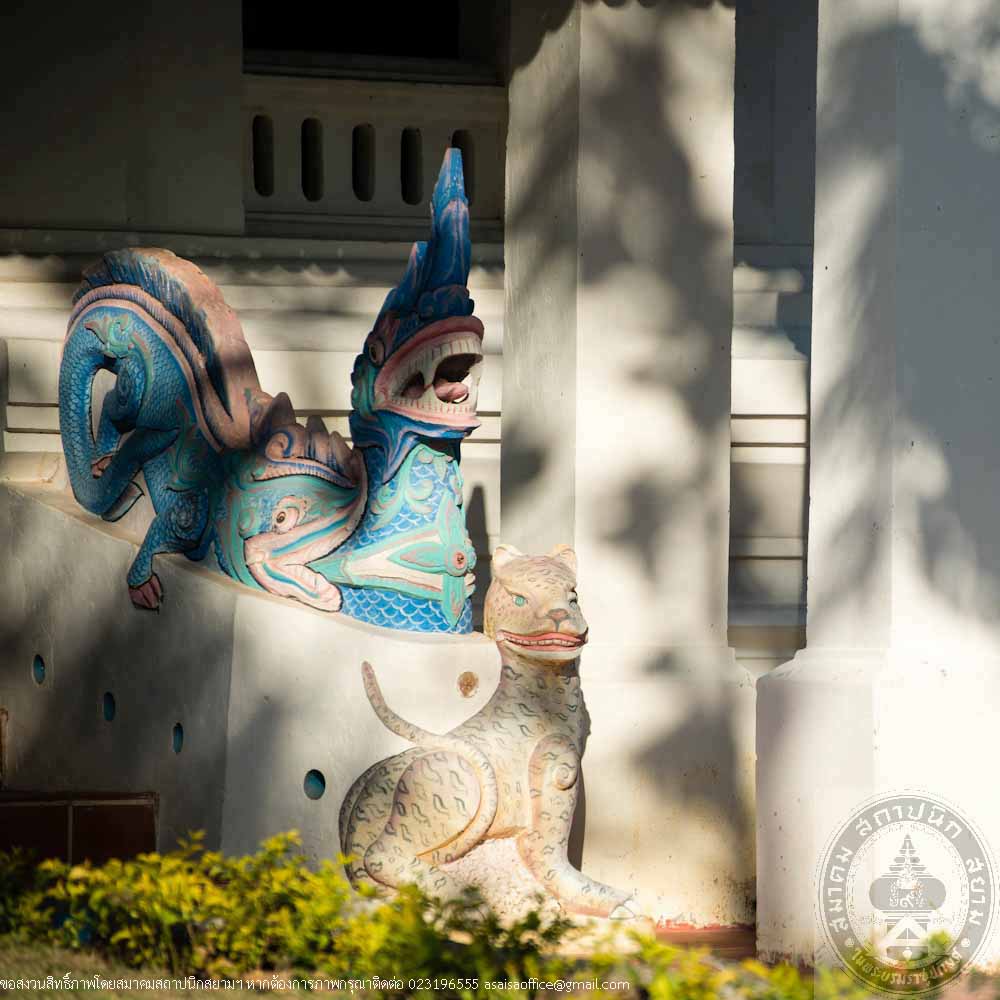
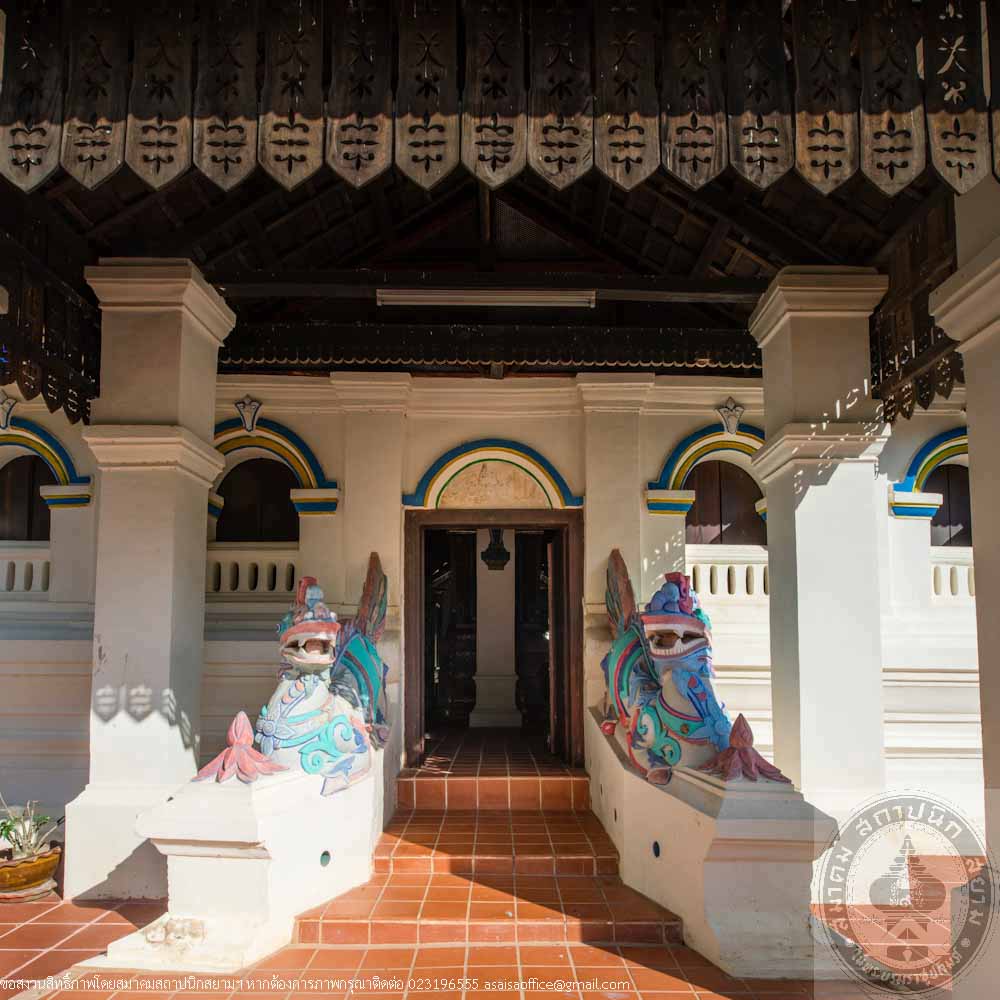
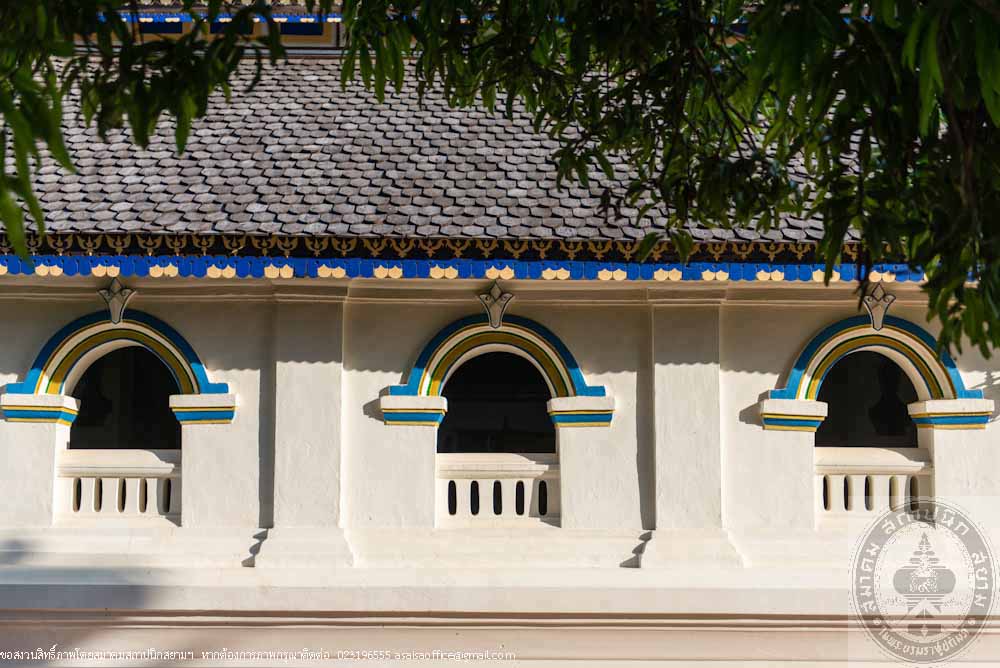
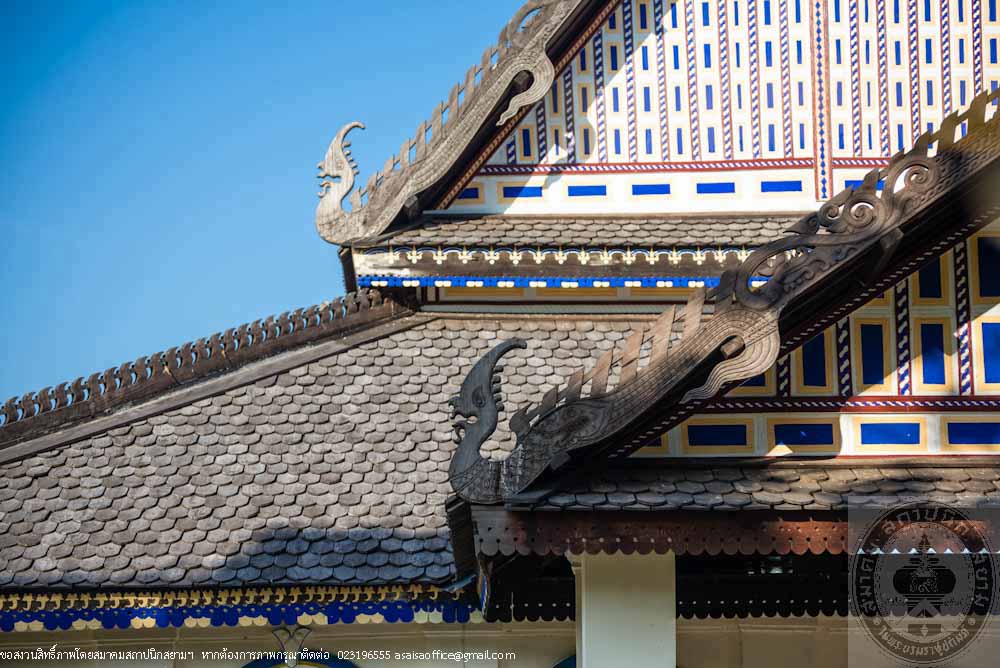
Sim or Ordination Hall is a rectangular building, facing west, built of brick masonry in ancient techniques, size 4-bayed with front porch and verandah, high base, surrounded by low walls. The roof is gable, with wooden shingles; pediments are decorated with traditional decorative elements made of carved wood, the front pediment design is made with stuccos depicting Chinese dragons, hamsas, fish, crabs, shrimps, turtles, crocodiles, and lotuses; the rear pediment depicts the Hasadilinga bird, hamsas, elephants, deer, trees, and flowers; fascias are carved wood. The side walls have 2 windows on each side with semi-circular arch frames; the exterior walls feature pilasters with decorative capitals, over some of which are decorated with stuccos in fish design. The entrance is wooden door, double paneled, in stucco frame with a seated Buddha image on top. The entrance staircase is flanked by parapets decorated with stuccos in Makara (a mythical dragon-like animal) design. Inside the hall enshrines Buddha image in Maravijaya posture; the wall behind the image is painted, depicting the Principal Disciples to the left and right of the Buddha image.
Ho Chaek or Gathering Hall is a rectangular brick masonry building, facing west, built on lotus base; the roof is gable-on-hip style with wooden shingles, decorated with carved wood on pediments and fascias. It is accessible by front and rear stairs which have parapets in Makara spouting Naga design, the eastern staircase has 2 tigers flanking the sides. Inside the hall is an old preaching seat with brick masonry base decorated with colorful foliage designs; the top part of the seat is made of wood decorated with carved wood and gilded lacquer.
Kuti Lai (monks’ residence with decorative designs) comprises 2 wooden buildings with open underfloor, but originally the group comprised 3 buildings, facing west. The big house is gable-on-hip roof with wood shingles, paneled pediments, decorated with traditional carved wood elements. The walls are made of vertically laid wooden planks decorated with colorful paintings; wall bases are carved and painted. There are 2 windows, one on the front wall and one on the rear wall. The other house is open, with gable roof of wood shingles, the pediments depict sun design made of carved wood, painted and decorated with colored glass mosaics. The access is by stairs on both sides of the deck.
Sim, Ho Chaek, and Kuti Lai of Wat Ratpradit are valuable architectural heritage of Ban Kradian. The continuous maintenance has made these buildings remain in good condition. The art and architecture of these buildings are commendably conserved, and they still function as places for the community’s religious activities as well as spiritual centers until today.
อุโบสถ วัดท่าเรียบ
อ่านเพิ่มเติม
อุโบสถ วัดท่าเรียบ
- ที่ตั้ง เลขที่ 2 บ้านหนองหว้า หมู่ที่ 10 ตำบลนาโพธิ์ อำเภอนาโพธิ์ จังหวัดบุรีรัมย์
- ผู้ครอบครอง วัดท่าเรียบ
- ปีที่สร้าง พ.ศ. 2432
- ปีที่ได้รับรางวัล พ.ศ. 2557
- ประเภท อาคารปูชนียสถานและวัดวาอาราม
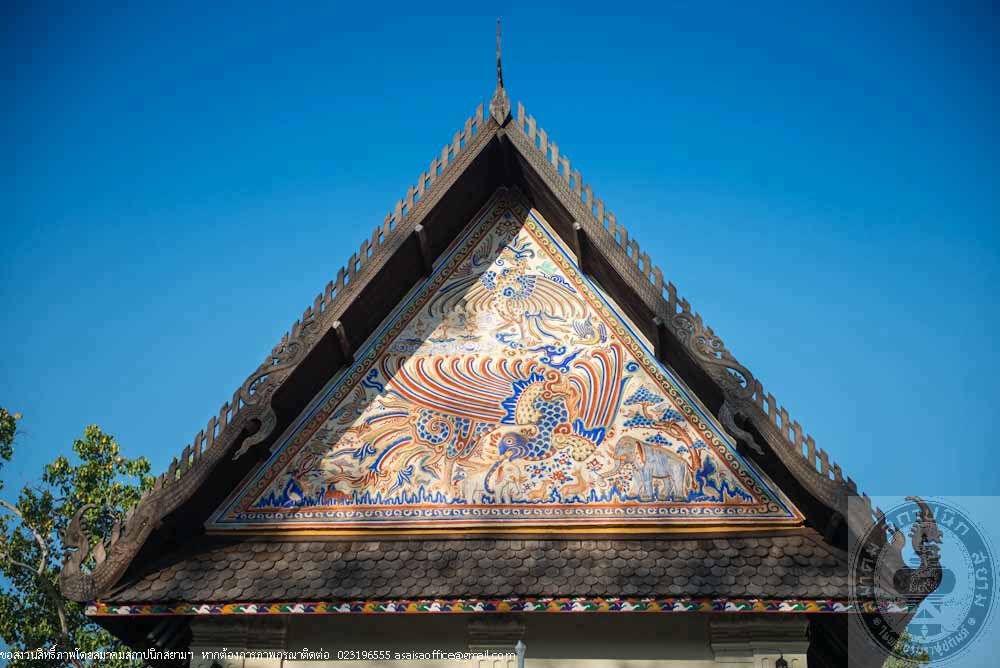
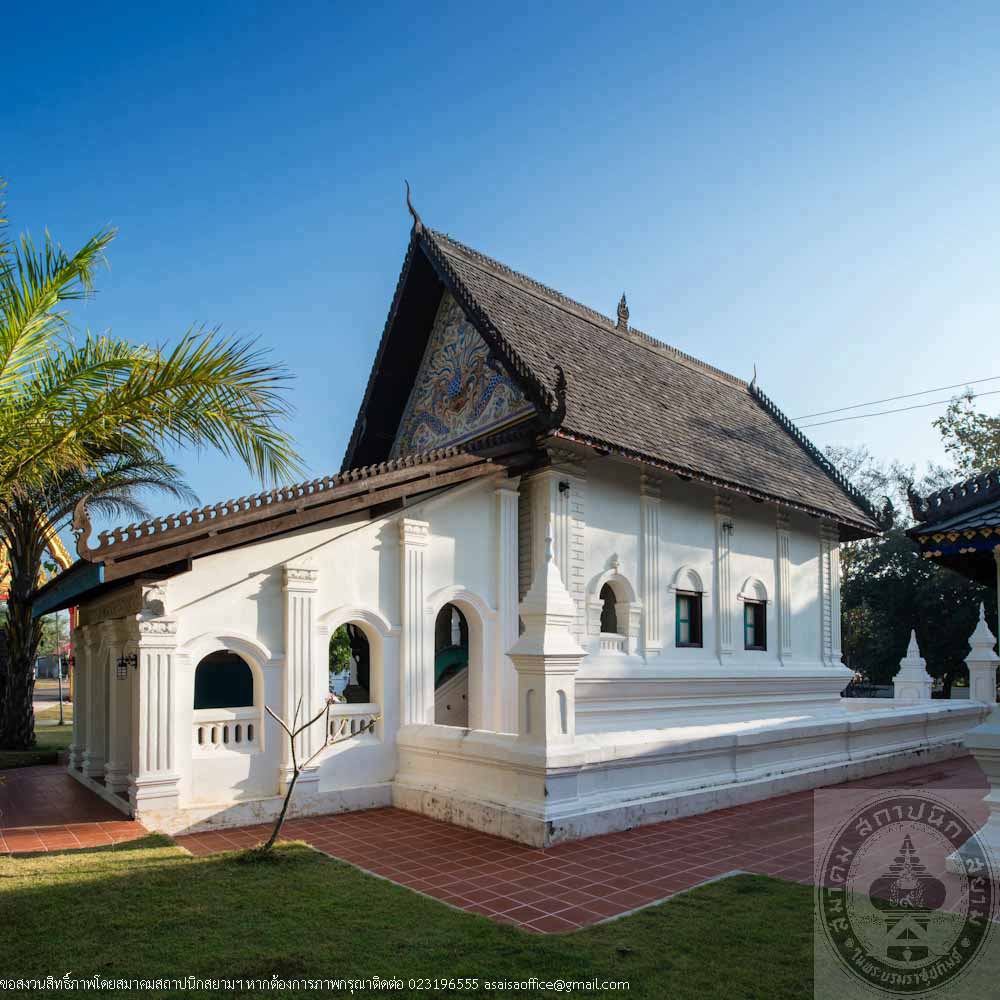
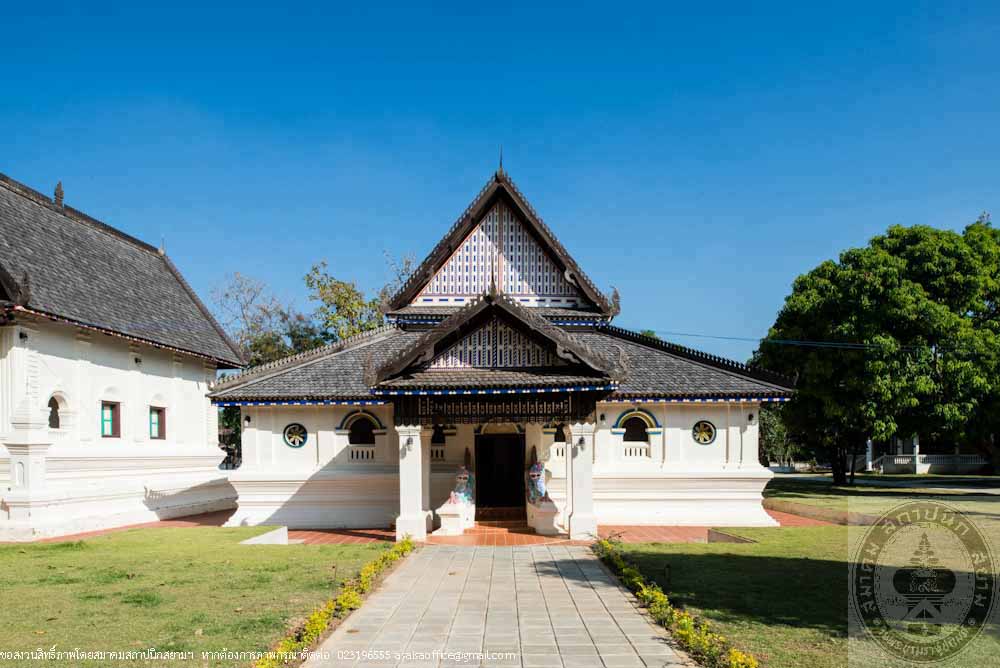
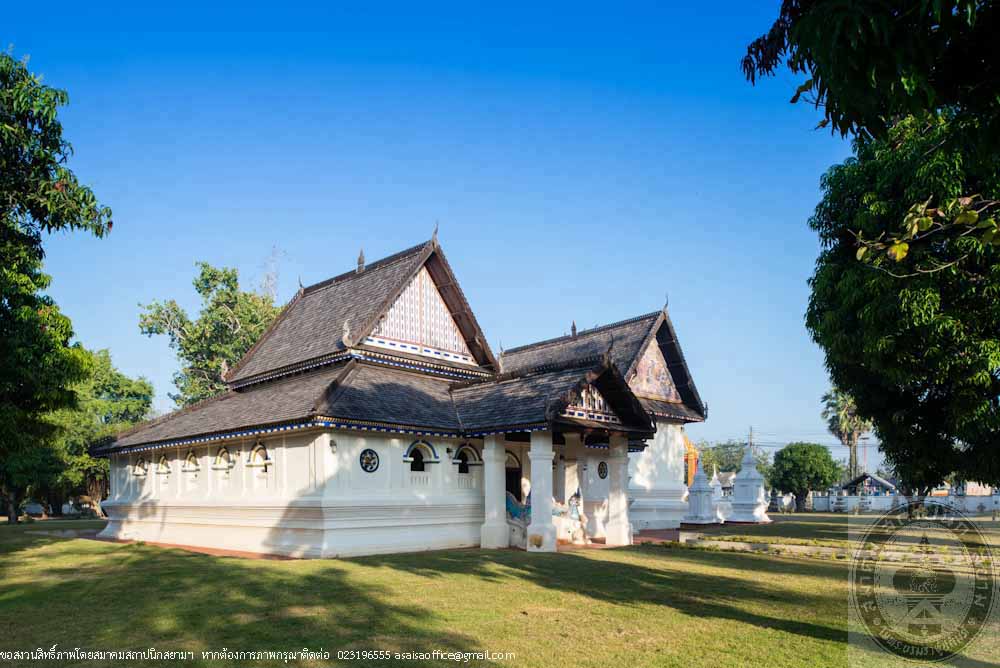
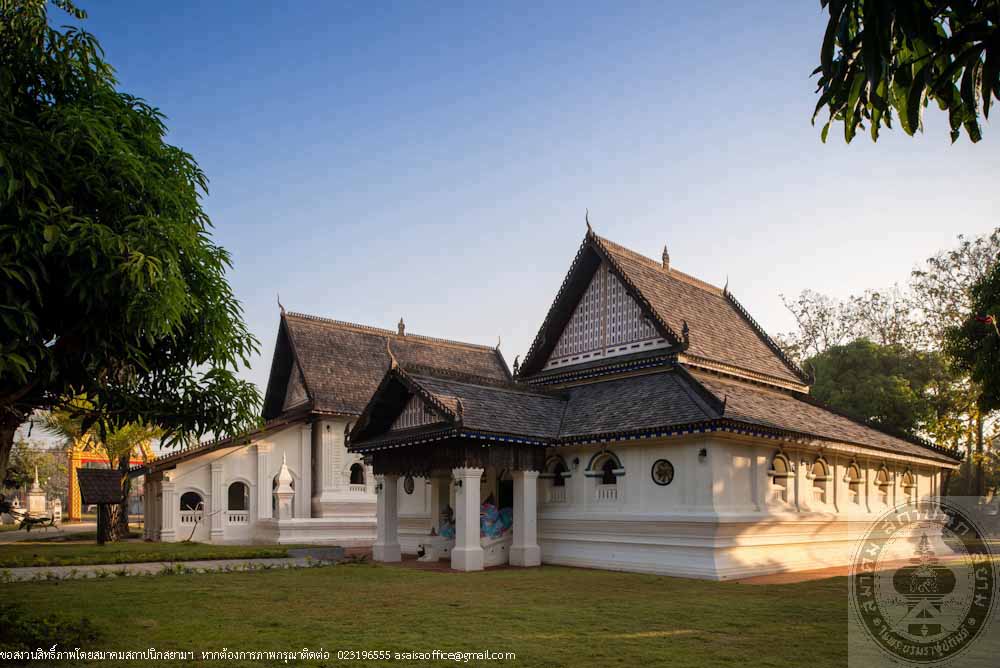
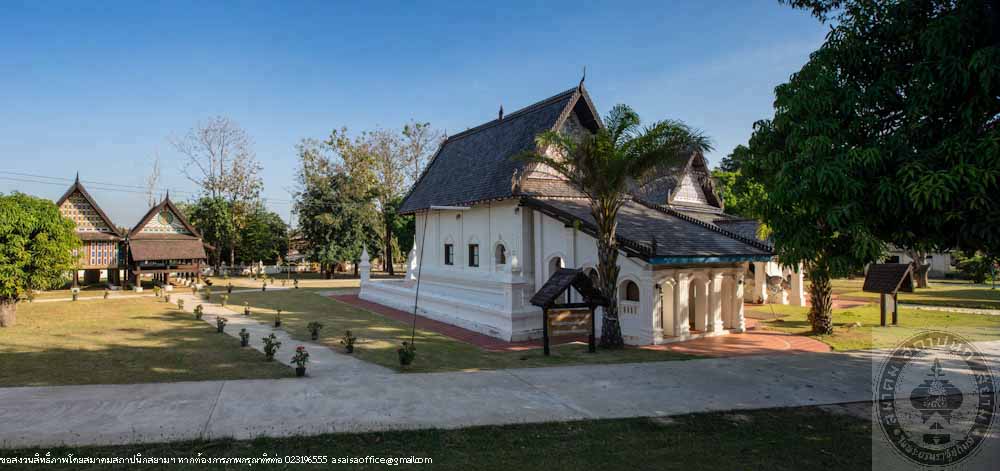
วัดท่าเรียบก่อตั้งขึ้นเมื่อพ.ศ. 2426 ได้รับพระราชทานวิสุงคามสีมาเมื่อพ.ศ. 2435 ที่ตั้งของวัดและบริเวณโดยรอบมีลักษณะเป็นที่ราบติดกับทางลงไปท่าน้ำที่ชาวบ้านใช้สัญจรระหว่างหมู่บ้าน ด้วยเหตุนี้ชาวบ้านจึงเรียกชื่อวัดว่า วัดท่าเรียบ ภายในวัดมีอาคารที่สำคัญได้แก่ อุโบสถศิลปะพื้นถิ่น สร้างเมื่อพ.ศ. 2432 โดยหลวงพ่อจุลเป็นผู้นำในการก่อสร้าง ด้วยความร่วมแรงร่วมใจจากชาวบ้านช่วยกันขนทรายมาจากริมแม่น้ำมูล บรรทุกเกวียนเดินทางมายังที่ตั้งวัด ดินที่นำมาทำเป็นอิฐนั้นขุดมาจากสระน้ำข้างอุโบสถ สันนิษฐานว่าช่างก่อสร้างเป็นชาวเวียดนามที่มาจากอำเภอยางสีสุราช จังหวัดมหาสารคาม
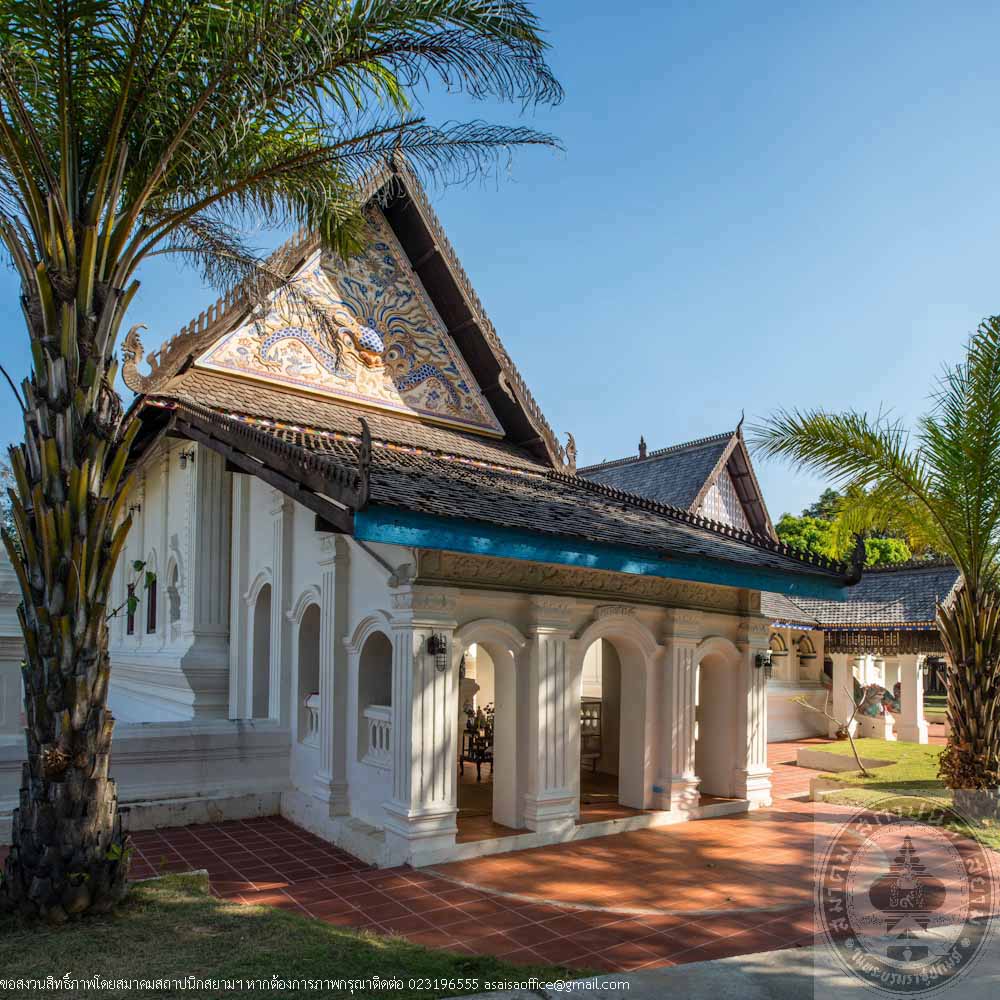
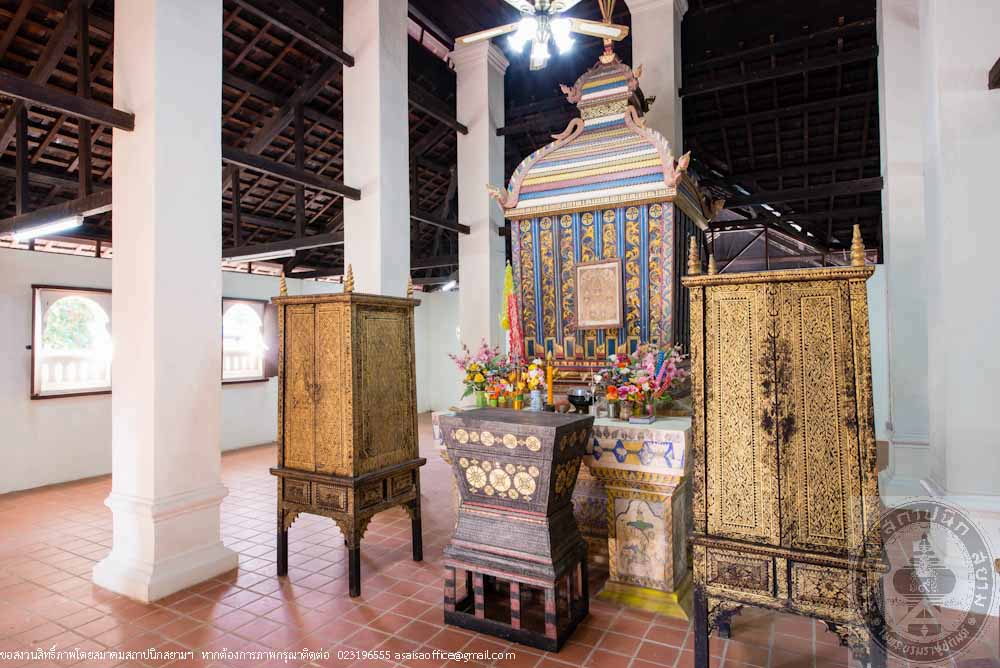
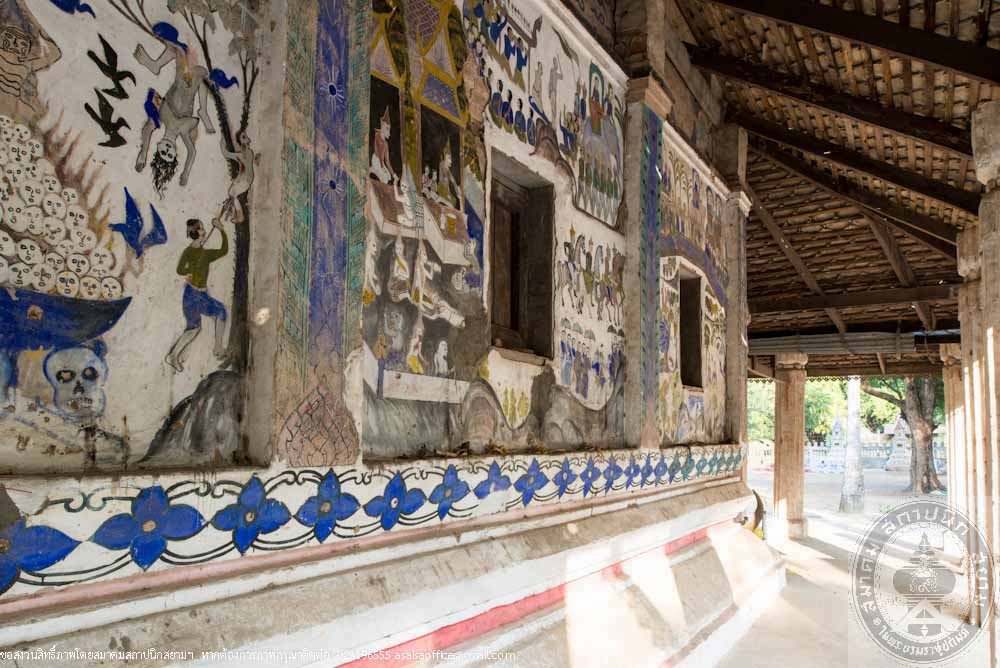
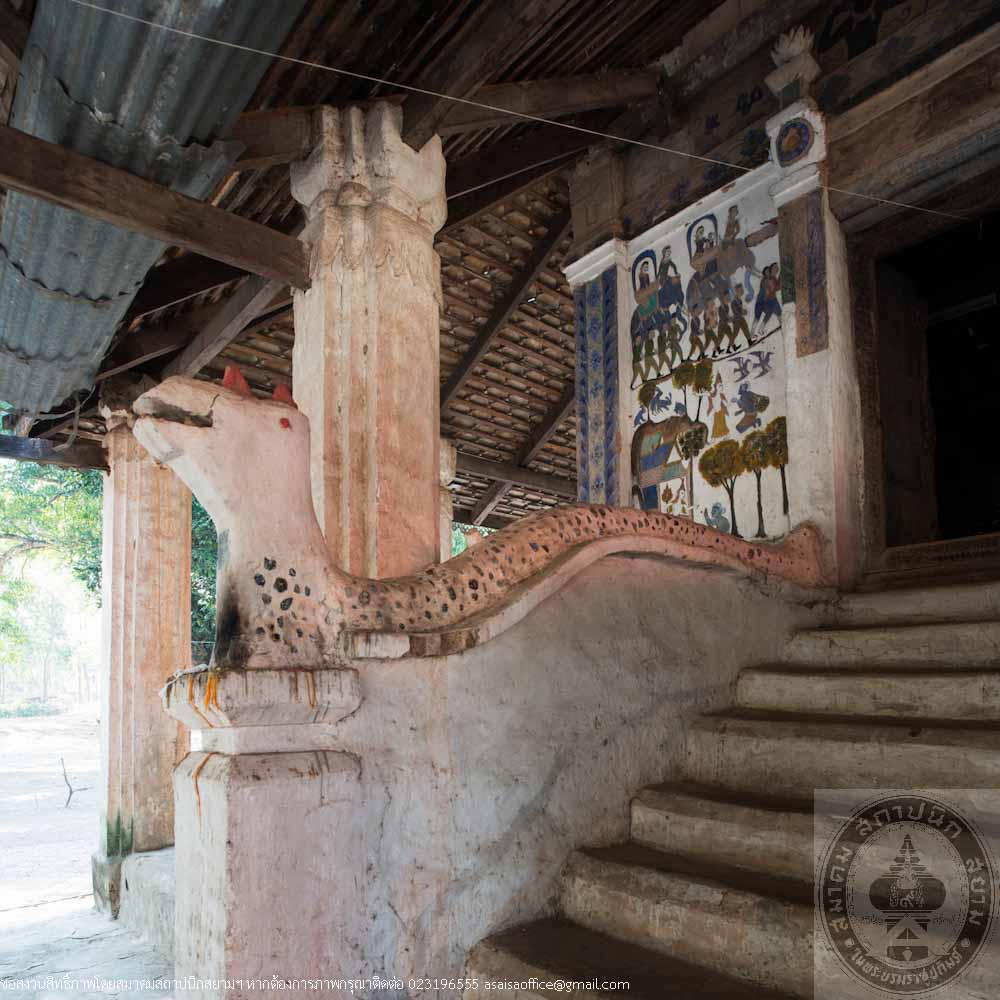
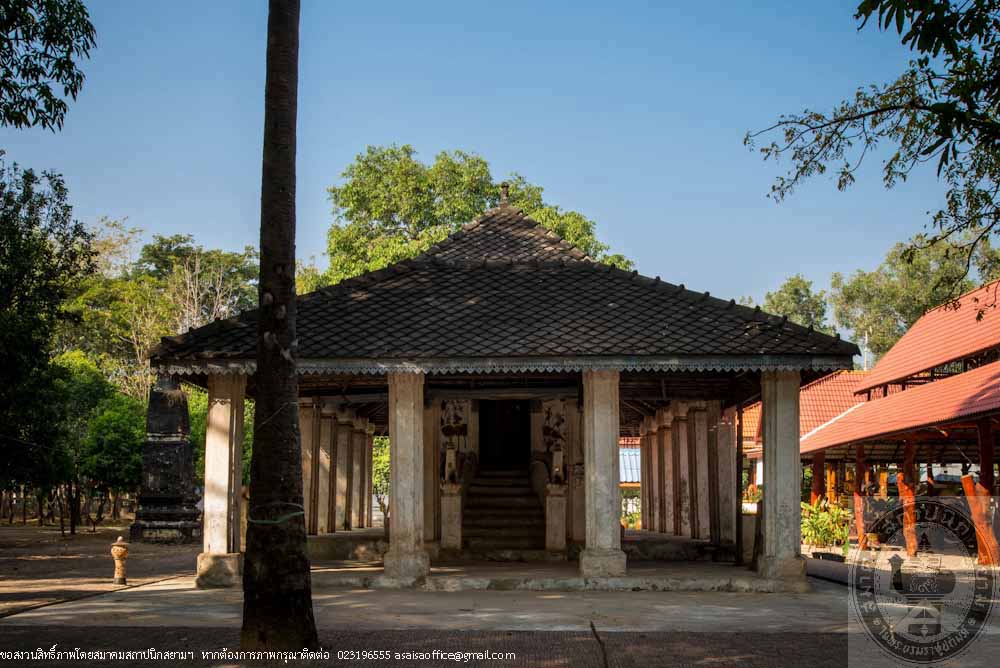
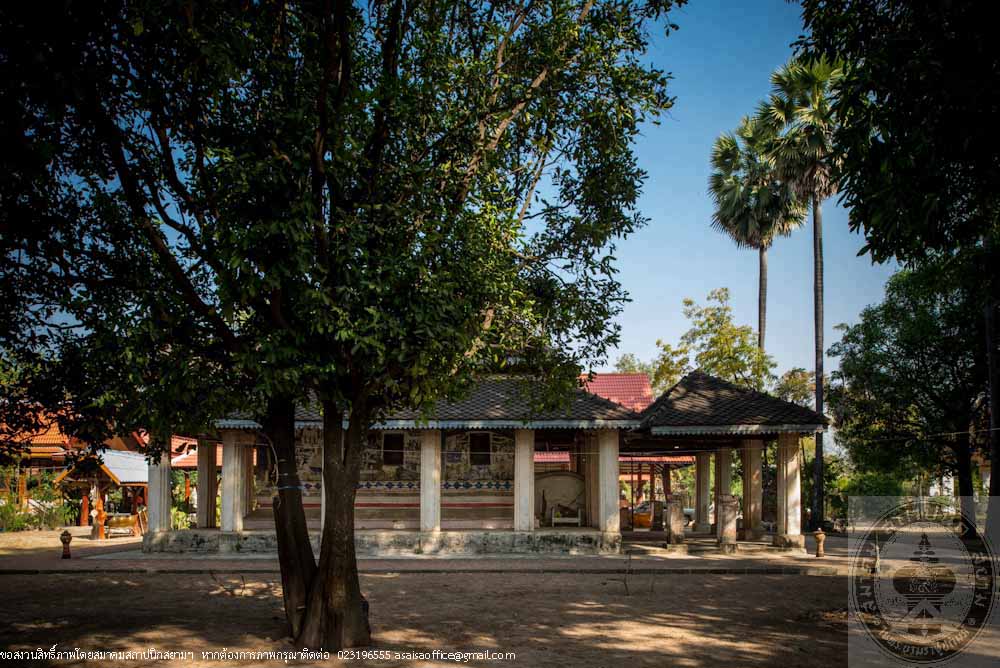
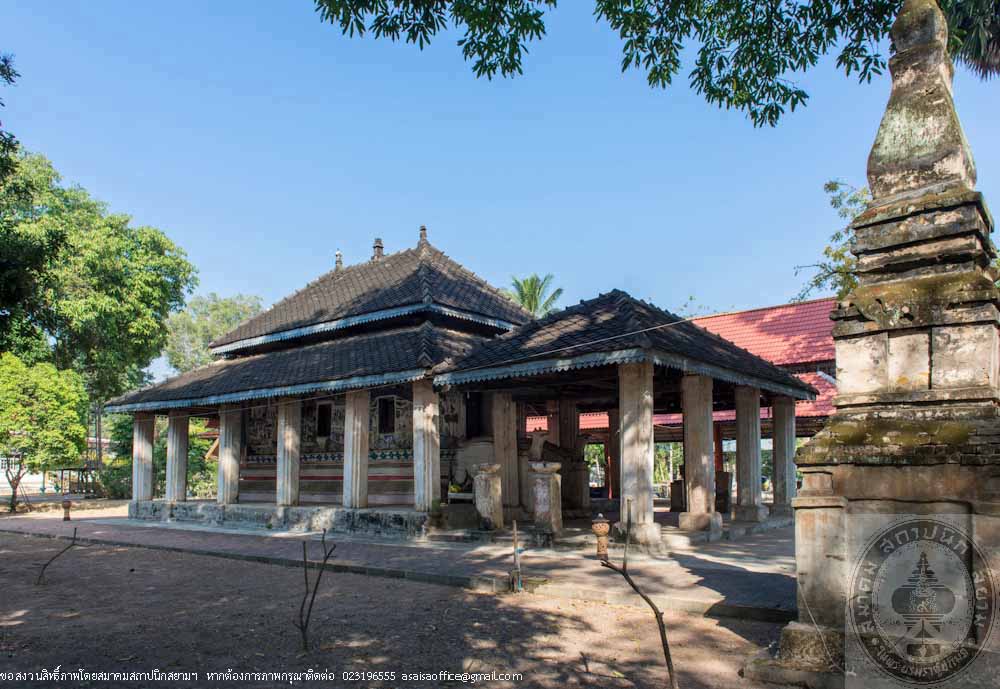
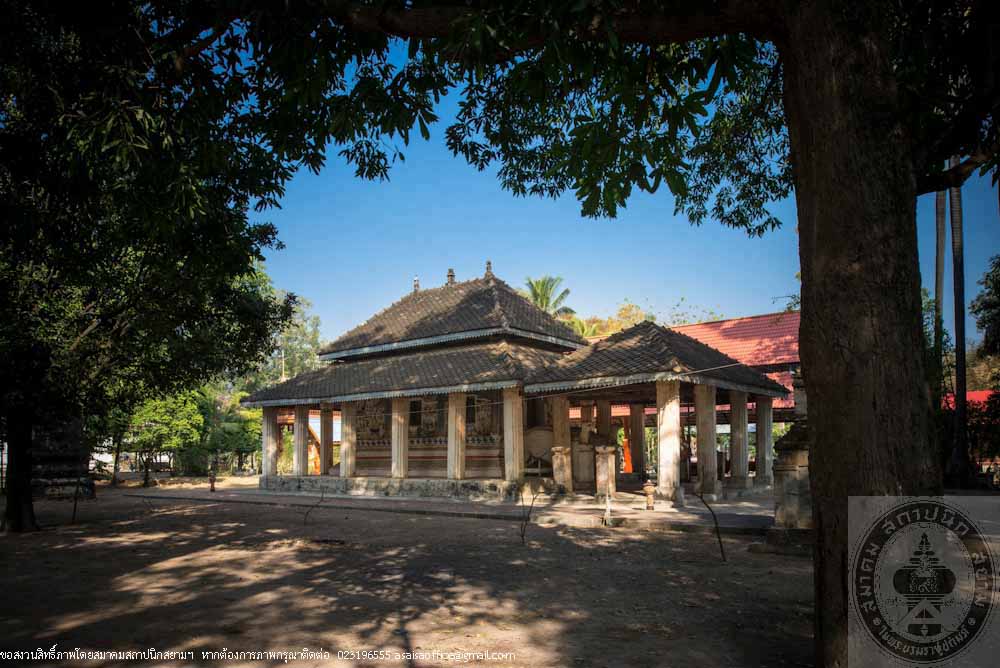
อุโบสถวัดท่าเรียบเป็นอาคารก่ออิฐฉาบปูน ผังเป็นแบบมีระเบียงรอบบนฐานเอวขัน กว้าง 14.80 เมตร ยาว 18.97 เมตร ความสูงจากพื้นถึงยอดหลังคา 7.35 เมตร มีบันไดขึ้นทางด้านหน้า ราวบันไดเป็นปูนปั้นรูปนาค 1 คู่ ประดับตกแต่งด้วยกระเบื้องเคลือบสี หลังคาทรงปั้นหยาสองชั้นเชื่อมต่อกับหลังคามุขด้านหน้า มุงด้วยกระเบื้องดินเผา ตกแต่งปิดเชิงชายด้วยแผ่นดีบุกฉลุลาย ผนังอุโบสถทั้งภายในและภายนอกมีฮูปแต้มเขียนสีศิลปะพื้นบ้าน โดยสีที่ใช้ในการเขียนภาพได้มาจากเปลือกไม้และใบไม้ ภาพจิตรกรรมภายนอกเป็นภาพเรื่องราวเกี่ยวกับความดีและความชั่ว นรกสวรรค์ นิทานชาดก พุทธประวัติ ส่วนภายในอุโบสถเป็นภาพพุทธประวัติ
ตลอดระยะเวลาที่ผ่านมา เจ้าอาวาส คณะกรรมการวัด และคนในชุมชนล้วนตระหนักถึงคุณค่าความสำคัญของอุโบสถหลังนี้ ทั้งคุณค่าด้านประวัติศาสตร์ชุมชน คุณค่าทางศิลปกรรม คุณค่าทางสถาปัตยกรรมพื้นถิ่น และคุณค่าทางด้านสังคม ทำให้ชุมชนยังคงดูแลรักษาสภาพของอาคารให้คงอยู่ดังเดิม ไม่ให้ชำรุดทรุดโทรม ต่อมาในพ.ศ. 2556 – 2557 สาขาวิชาเทคโนโลยีสถาปัตยกรรม คณะเทคโนโลยีอุตสาหกรรม มหาวิทยาลัยราชภัฏบุรีรัมย์ร่วมกับชุมชนได้จัดกิจกรรมศึกษาประวัติชุมชน จัดทำประวัติอุโบสถ สำรวจและรังวัดขนาดอุโบสถ และบันทึกรูปแบบทางสถาปัตยกรรม และได้ส่งมอบข้อมูลและแบบอาคารให้กับเจ้าอาวาสและคณะกรรมการวัดไว้เพื่อใช้เป็นข้อมูลพื้นฐานเพื่อการอนุรักษ์อาคารในอนาคตด้วย
Ubosatha, Wat Tha Riap
- Location: No. 2 Ban Nong Wa, Mu 10, Tambon Na Pho, Amphoe Na Pho, Buriram
- Proprietor: Wat Tha Riap
- Construction Date: 1889
- Conservation Awarded Date: 2014
- Category: Places of worship and monasteries
Wat Tha Riap was founded in 1883, and was officially registered in 1892. The location of the temple and its vicinity was a flat plain adjacent to the pier where local people used for traveling between villages hence the name “Wat Tha Riap” (Pier Temple). Important structure in the temple is the Ubosatha (Ordination Hall) of vernacular style built by initiative of Luan Pho Chun, a revered monk, with help from local people in transporting sand from the river by carts. The bricks were made from clay dug from the pond by the side of the Ubosatha. It is believed that builders were Vietnamese craftspeople from Amphoe Yang Si Surat, Maha Sarakham Province.
The Ubosatha is a brick masonry building built on a traditional style base, surrounded by verandah, 14.80 meters wide, 18.97 meters long, 7.35 meters high from floor to rooftop, accessible by front staircase with Naga design parapets decorated with colored mosaics. The roof of the building is 2-tiered hip roof with a gable front porch, roofed with terracotta tiles, fascias are decorated with perforated tin sheets. Both interior and exterior walls are decorated with vernacular style mural paintings using organic paints; the exterior paintings depict moral stories, heaven and hell, Jataka tales, and Life of the Buddha; interior paintings depict Life of the Buddha.
Along the course of time, the abbots, temple committees, and local people have been aware of the values of this Ubosatha in the aspects of local history, art, vernacular architecture, and society. Consequently, they have cooperated in conserving and maintaining the building in good condition. Later, in 2013 – 2014, the Architectural Technology Branch, Faculty of Industrial Technology, Buriram Rajabhat University and local community cooperated in organizing an activity on local historical study including collecting and composing the history of the Ubosatha, survey and measuring the building, and documenting architectural details. All information and drawings were submitted to the Abbot and Temple Committee as knowledge base for future conservation of this valuable architectural heritage.
กุฏิญาณวิชโยนุสรณ์ วัดพานิชสิทธิการาม
อ่านเพิ่มเติม
กุฏิญาณวิชโยนุสรณ์ วัดพานิชสิทธิการาม
- ที่ตั้ง เลขที่ 460 บ้านป่าซาง หมู่ที่ 1 ตำบลป่าซาง อำเภอป่าซาง จังหวัดลำพูน
- สถาปนิก/ผู้ออกแบบ ครูบาผัด พรหมเสโน
- ผู้ครอบครอง วัดพานิชสิทธิการาม
- ปีที่สร้าง พ.ศ. 2477
- ปีที่ได้รับรางวัล พ.ศ. 2557
- ประเภท อาคารปูชนียสถานและวัดวาอาราม
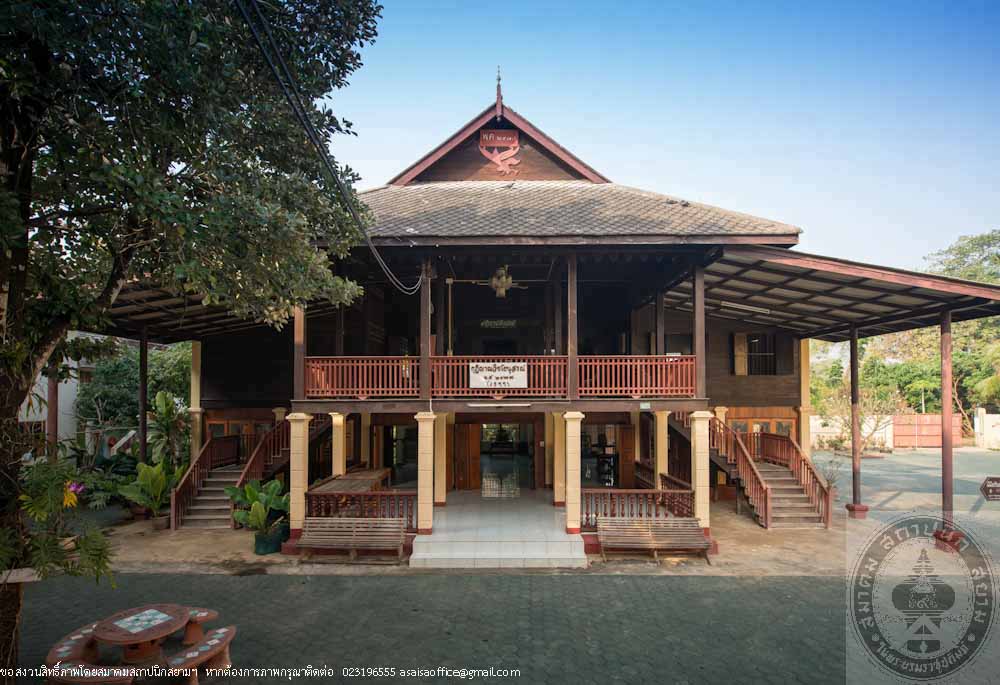
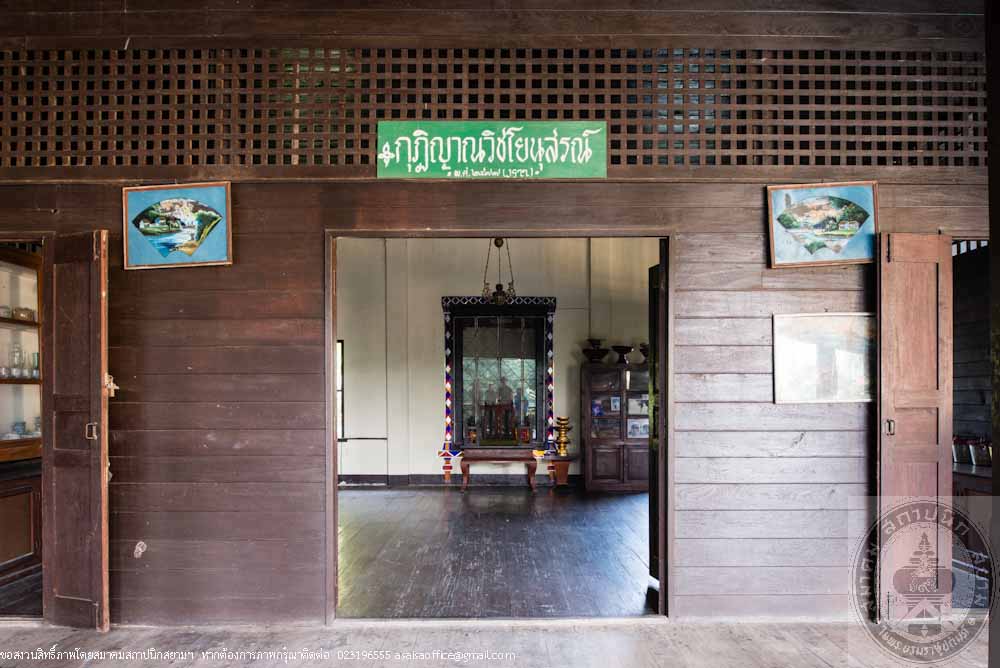
วัดพานิชสิทธิการามสร้างเมื่อ พ.ศ. 2463 โดยกลุ่มพ่อค้าคหบดีชาวบ้านป่าซางใต้ ซึ่งเดิมเคยเป็นศรัทธาเดียวกันกับของวัดป่าซางงามซึ่งตั้งอยู่ไม่ไกลกันมาก่อน แต่มีความประสงค์จะขอแยกกลุ่มศรัทธาออกมาสร้างวัดใหม่เพื่อรองรับกองเกวียนคาราวานเดินทางสำหรับการพักแรมครึ่งทาง ส่วนใหญ่เป็นพ่อค้าชาวยองเชื้อสายจีนและพ่อค้าชาวพม่าเชื้อสายไทใหญ่ที่นำสินค้าพวกผ้าฝ้ายจากลำพูนขึ้นล่องไปขายตามถิ่นต่าง ๆ โดยได้นิมนต์ ครูบานุ ธมฺมวุฒิ จากวัดกอม่วง อำเภอป่าซาง จังหวัดลำพูน มาเป็นเจ้าอาวาสองค์แรก และได้รับการตั้งชื่อจากเจ้าคณะมณฑลพายัพว่า วัดพานิชสิทธิการาม ซึ่งสะท้อนถึงวัตถุประสงค์ของกลุ่มผู้ก่อตั้งที่ล้วนแต่เป็นพ่อค้า ต่อมาครูบาผัด พรหมเสโน ได้มาเป็นเจ้าอาวาสรูปที่ 2 ระหว่าง พ.ศ. 2476-2485 เนื่องจากท่านเป็นศิษยานุศิษย์ใกล้ชิดของครูบาพรหมจักรแห่งวัดพระบาทตากผ้า ผู้มีชื่อเสียงโด่งดัง ทำให้วัดพานิชสิทธิการามในยุคนั้นได้รับอานิสงส์ด้านความเจริญในการก่อสร้างเสนาสนะต่าง ๆ ด้วย รวมถึงการก่อสร้างกุฏิญาณวิชโยนุสรณ์หลังนี้ โดยได้ใช้เป็นที่พักของพระสงฆ์เรื่อยมาจนกระทั่งมีการสร้างกุฏิหลังใหม่เมื่อ พ.ศ. 2539 ทำให้กุฏิหลังนี้กลายเป็นที่เก็บสมบัติเก่าของอดีตเจ้าอาวาสและพระเณรไป หลังจากนั้นเมื่อเทศบาลตำบลป่าซางได้ดำริจัดโครงการฟื้นฟูสืบสานป่าซางเมืองงามขึ้นจึงได้รับความช่วยเหลืองบประมาณจากสำนักงานสาธารณสุขจังหวัดเชียงใหม่ในการปรับปรุงกุฏิให้เป็น พิพิธภัณฑ์ชุมชนวัดพานิชสิทธิการาม เมื่อ พ.ศ. 2555
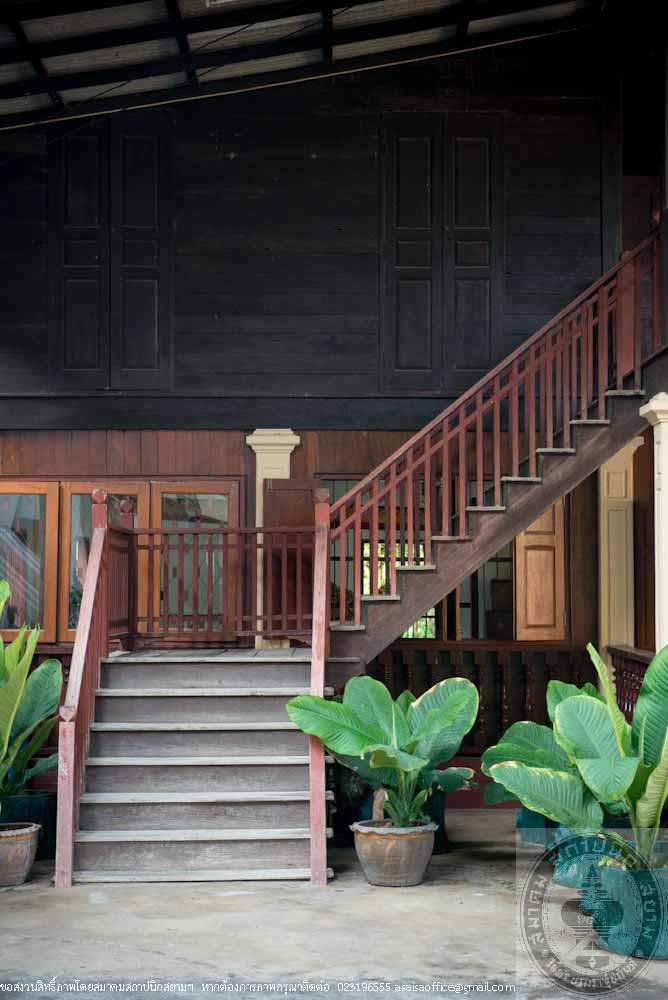
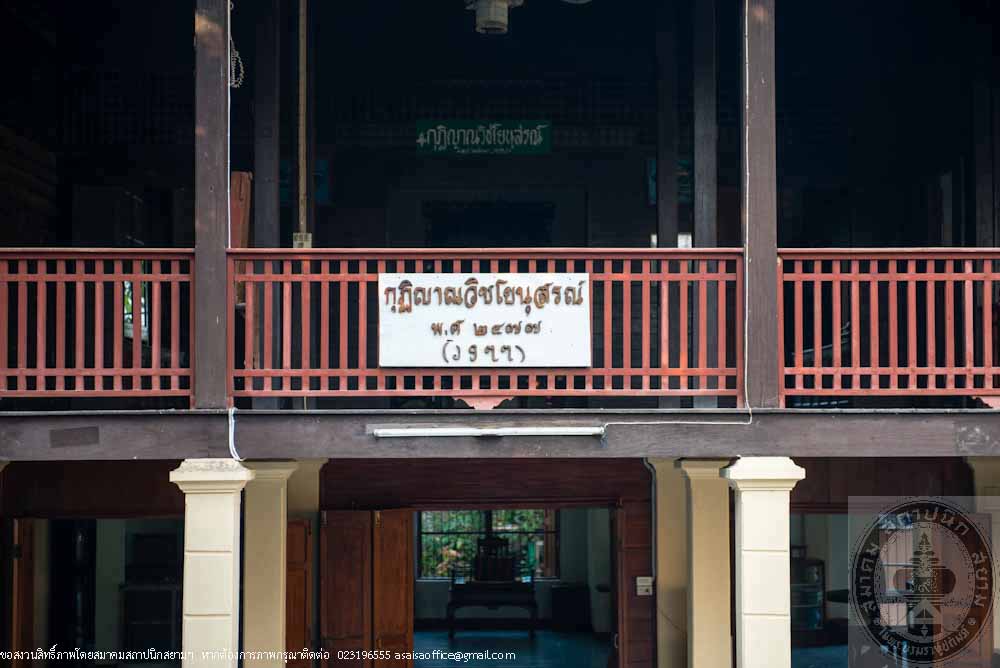
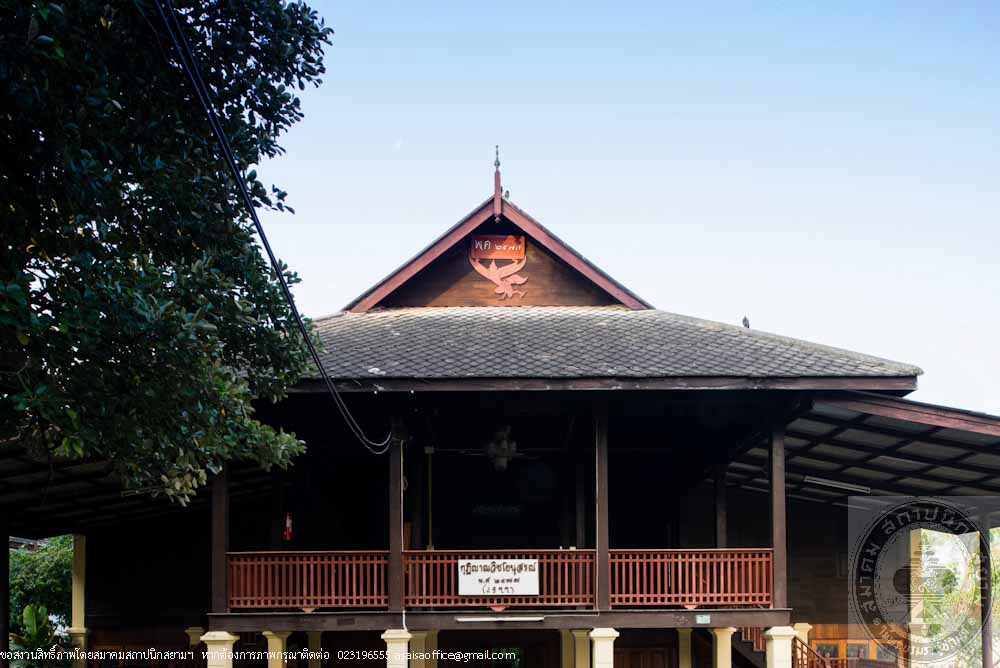
กุฏิญาณวิชโยนุสรณ์เป็นอาคารแบบโคโลเนียลสองชั้นครึ่งตึกครึ่งไม้ ลักษณะผังเป็นรูปสี่เหลี่ยมผืนผ้า กว้าง 8 เมตร ยาว 18 เมตร ส่วนกลางเป็นมุขเปิดโล่ง มีบันไดแฝดรูปตัวแอล (L) ขึ้นสองข้างจากภายนอกอาคาร โครงสร้างพื้นของมุขหน้ารองรับด้วยเสาปูนที่มีบัวหัวเสาขนาดเล็ก เรียกว่า เม็ดบัว อันแสดงถึงฐานานุศักดิ์ทางสถาปัตยกรรมที่คนล้านนาถือว่าสงวนไว้เฉพาะกับอาคารของเจ้านายประเภทคุ้มเจ้า และกุฏิ หรือหอธรรมของวัดเท่านั้น หลังคาอาคารเป็นทรงมนิลามุงด้วยกระเบื้องว่าว บริเวณหน้าจั่วของหลังคามุขด้านหน้ามีไม้แกะสลักเป็นรูปครุฑแบกแผ่นป้ายเอี้ยวตัวหันด้านข้างประดับอยู่ พร้อมเขียนตัวเลข พ.ศ. 2477 อันเป็นการระบุปีที่ก่อสร้าง ส่วนหลังคาตอนบนของหน้าจั่วทุกด้านประดับด้วย “สรไน” เป็นแท่งไม้กลึงสูงประมาณ 2 ฟุต อันเป็นรูปแบบของการตกแต่งหลังคาที่นิยมอย่างมากทั่วลำพูนและล้านนา ในช่วงสมัยรัชกาลที่ 5 เรื่อยลงมา บริเวณใต้ฝ้าเพดานระหว่างเสาชั้นบนของมุขด้านหน้ามีการประดับด้วยแผ่นไม้ฉลุลาย
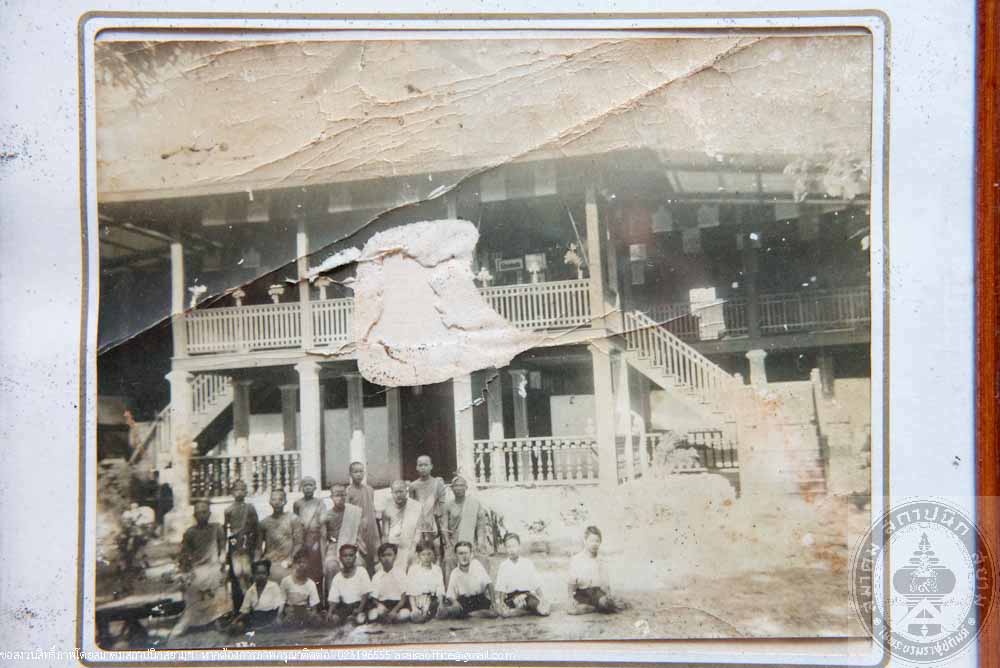
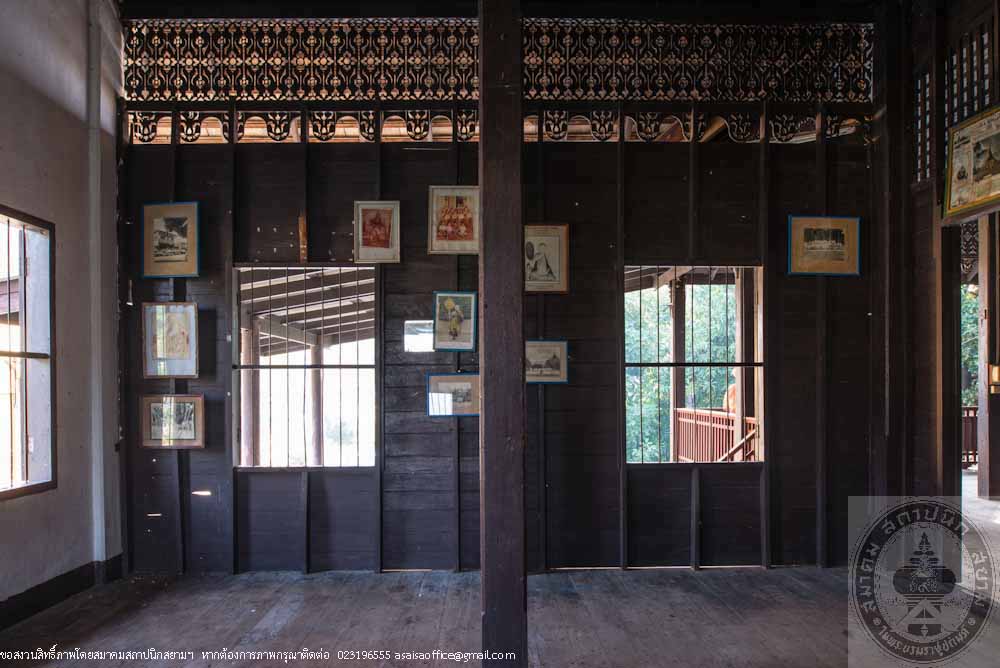
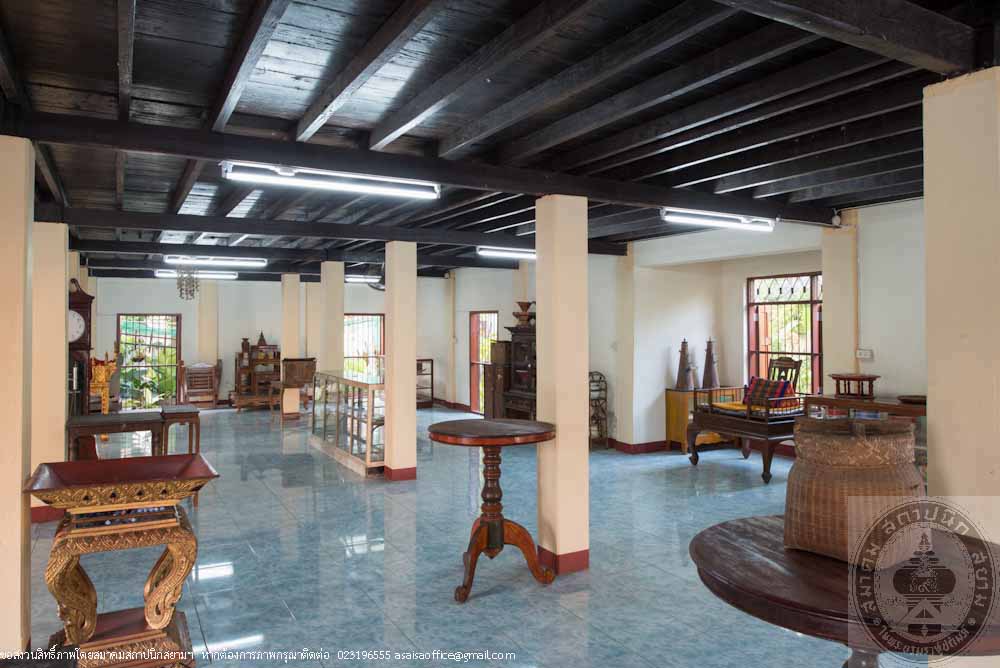
(แป้นน้ำย้อย) เป็นลวดลายพันธุ์พฤกษา ฝีมือแกะสลักไม้ของสล่าชาวยอง สำหรับพื้นที่ใช้สอยชั้นล่างประกอบด้วยโถงโล่ง และห้องจัดแสดง 1 ห้อง แสดงแบบพิมพ์หล่อปูนที่เคยใช้สร้างวัด เครื่องไม้แกะสลักที่เคยใช้ประดับอุโบสถหลังเดิม ส่วนพื้นที่ใช้สอยชั้นบนประกอบด้วยห้องจัดแสดง 3 ห้อง โดยห้องปีกซ้ายด้านหน้าเป็นห้องจัดแสดงเครื่องดนตรีพื้นเมือง ทั้งสมบัติเดิมของวัดและที่มีชาวบ้านมาบริจาค ห้องปีกซ้ายด้านหลังเป็นห้องเก็บเครื่องครัว เครื่องถ้วย ชุดชา เชี่ยนหมาก และห้องปีกขวาเป็นห้องภาพถ่ายเก่าที่เกี่ยวข้องวัดพานิชสิทธิการามในอดีต พื้นห้องชั้นบนทุกห้องปูพื้นด้วยไม้กระดานแผ่นใหญ่ เพดานตอนบนบุฝ้าตีริ้วไม้ ประตูและหน้าต่างของอาคารเป็นบานเปิดคู่ลูกฟักไม้
การจัดตั้งพิพิธภัณฑ์ชุมชนวัดพานิชสิทธิการาม มีวัตถุประสงค์เพื่อพัฒนาอาคารกุฏิญาณวิชโยนุสรณ์ที่ไม่ได้ใช้งานมานานหลายปีให้เป็นพิพิธภัณฑ์หรือแหล่งเรียนรู้ทางประวัติศาสตร์ สถาปัตยกรรม ประเพณี และวิถีชีวิตของชุมชนชาวยอง โดยได้รับการสนับสนุนอนุเคราะห์บุคลากรมาช่วยออกแบบและวางแนวทางจากหลายภาคส่วน อาทิ พิพิธภัณฑสถานแห่งชาติหริภุญไชย คณะวิจิตรศิลป์ มหาวิทยาลัยเชียงใหม่ และในรูปแบบคณะกรรมการที่มีปราชญ์ชาวบ้านเป็นที่ปรึกษา
Kuti Yanawichayonuson Wat Phanitsitthikaram
- Location: No.460 Ban Pa Sang Mu 1, Tambon Pa Sang, Amphoe Pa Sang, Lamphun
- Architect/Designer: Khruba Phat Phromseno
- Proprietor: Wat Phanitsitthikaram
- Construction Date: 1934
- Conservation Awarded Date: 2014
- Category: Places of worship and monasteries
Wat Phanitsitthikaram was founded in 1920 by a group of wealthy merchants of Ban Pa Sang Tai who were originally the supporters of Wat Pa Sang Ngam, another temple in nearby area. These people wished to build another temple which also served as a midway resting place for caravans of merchants, mostly the Yong-Chinese and Burmese Chan ethnic groups who brought cotton from Lamphun to be sold in other towns. The first abbot was Khruba Nu Thammawutthi who was invited from Wat Ko Muang, Amphoe Pa Sang, Lamphun. The temple was named by the Monk Dean of Monthon Phayap (Northern Region) “Wat Phanitsitthikaram” (Merchants’ Temple). The 2nd abbot, Khruba Phat Phromseno who ruled the temple from 1933 – 1942 was a close disciple of Khruba Phrommachak of Wat Phra Bat Tak Pha, a widely-known and revered monk, thus Wat Phanitsitthikaram was also recognized and developed including the building of this Kuti Yanawichayonuson (Yanawichayonuson Monks’ Residence). The building had been used as a monks’ residence until a new monks’ residence was built in 1996, then it was used as a storage house. Later, Pa Sang Municipality initiated the Project “Pa Sang Mueang Ngam” (Beautiful Pa Sang) to revitalize the town, the temple, therefore, received a fund from Chiang Mai Provincial Health Office to renovate the building as Wat Phanitsitthikaram Community Museum in 2012.
Kuti Yanawichayonuson is 2-storey, half brick half wood, colonial style building. Its planning is rectangular, 8×18 meters, with an open porch at front center flanked by 2 L-shaped stairs and supported by columns with lotus bud-shaped capitals, the exclusive style of royalty or temple architecture. The roof of the building is Dutch gable style with rhombus cement roof tiles, front pediment is decorated with Garuda holding a plaque written “2477” (BE 2477 = CE 1934), the year of construction; all pediments have finials of lathed wood rod called “Saranai”, a popular style of Lanna from King Rama V’s period. Ceilings between the second floor columns at the front porch are decorated with perforated wood in foliage designs made by Yong craftsmen. The ground floor consists of a hall and an exhibition room which exhibits plaster molds used in temple building, and carved wood items used for decorating the old Ubosatha (Ordination Hall). The upper floor consists of 3 exhibition rooms which exhibit local musical instruments, kitchenware and utensils, and old photographs relating to Wat Phanitsitthikaram. The upper floor is paved with large wood planks, ceilings are wooden ribs, doors and windows are double-swing, wooden paneled.
The establishment of Wat Phanitsitthikaram Community Museum is intended to reuse the old, abandoned monks’ residence as a learning center on history, architecture, traditions, and way of life of the Yong people. The project was collaborated in designing and planning by several organizations, for instance, Hariphunchai National Museum, Faculty of Fine Arts, Chiang Mai University, and a committee with local wisdom advisors.